
Inactive· since Mar 23, 2026
- 82
- days it ran
- 0
- relaunches
Ad copy
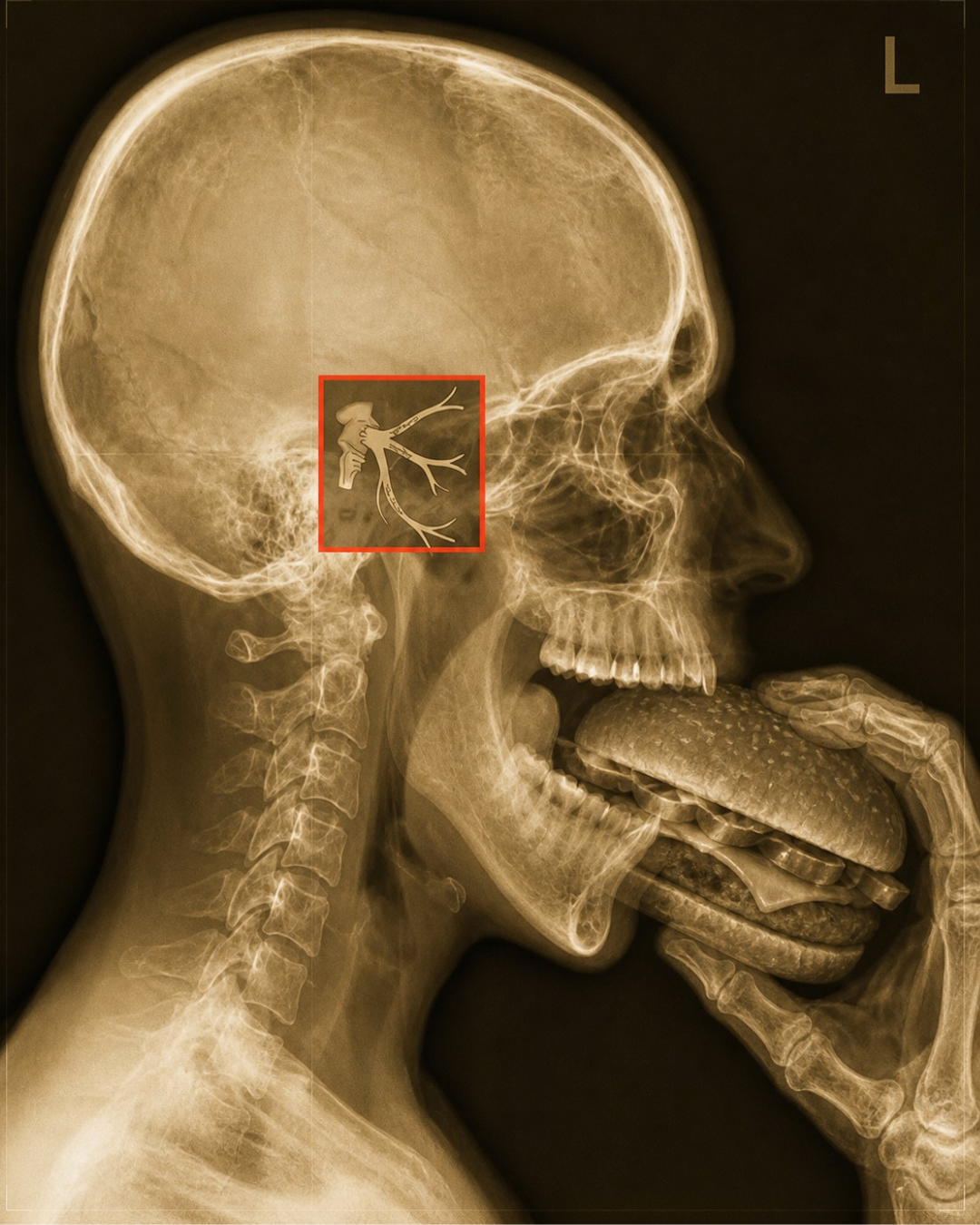
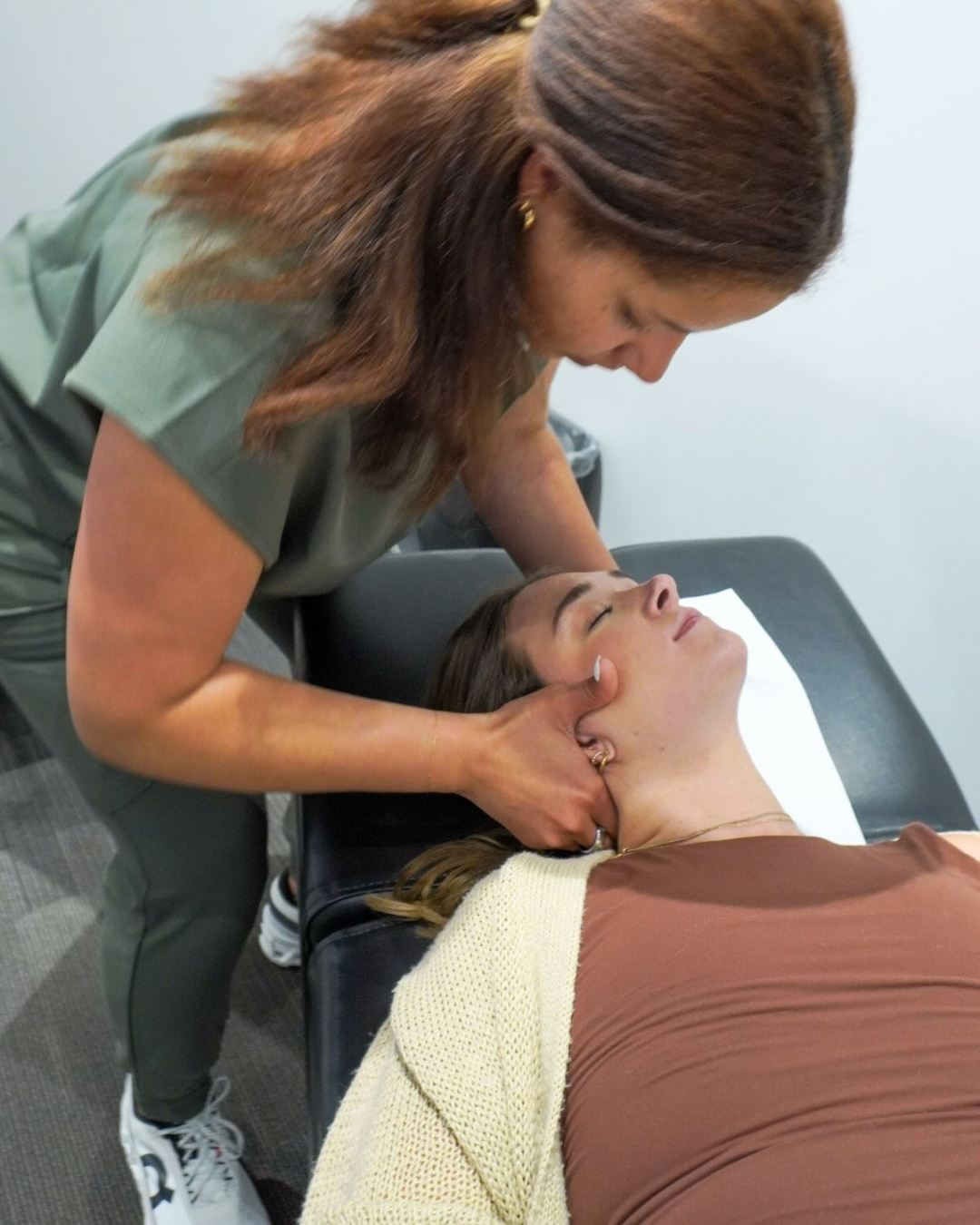
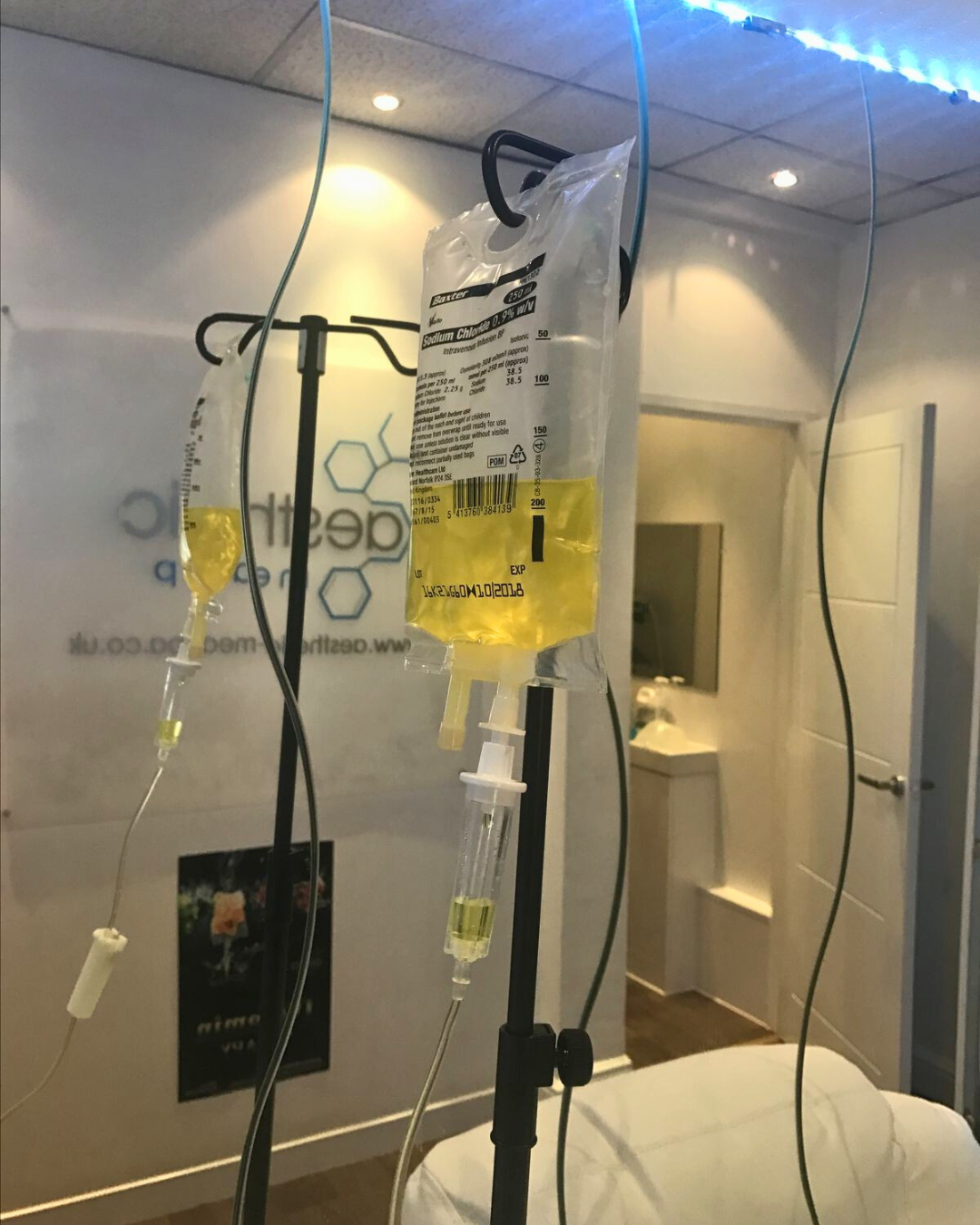
I own an IV hydration bar. Last Saturday at 2PM, a woman walked in wearing sunglasses indoors, holding the doorframe to steady herself, and whispered to my front desk staff: "Please just make it stop. I'll pay anything. I have to pick up my daughter in three hours and I can't see straight." Her husband was behind her, one hand on her back, looking at me with the expression I've seen a thousand times: helpless, scared, desperate for someone to do something. Let me back up. I opened my IV hydration bar four years ago. We're in a strip mall between a nail salon and a chiropractor. We do hangover drips, athletic recovery, vitamin infusions, immune boosts. The usual wellness menu. But about 18 months in, something shifted. People started coming in specifically for migraines. Not for prevention. Not for wellness. For active, mid-attack, can't-function migraines. They'd heard we had a "migraine cocktail" IV — magnesium sulfate, B-complex vitamins, Toradol (ketorolac), sometimes Zofran for nausea — delivered intravenously over 45-60 minutes. Same basic protocol the ER uses, minus the 6-hour wait and the $500 copay. We charge $189 for the migraine drip. On a busy weekend, I'll see 8-12 migraine patients. That's $1,500-$2,200 in a single day just from migraines. Here's what I see every time: Someone walks in mid-attack. Sunglasses. Can't stand the lights. Can barely talk. Sometimes they've been vomiting all morning. Sometimes they're on day two or three of a migraine that won't break. Sometimes their partner drives them because they can't drive themselves. We get them into a recliner. Start the IV. The drip takes 45-60 minutes. By the end, most feel significantly better. The magnesium relaxes the blood vessels and nervous system. The Toradol brings down the inflammation. The fluids rehydrate them. They leave feeling human again. But there's a problem I never talk about publicly. About 30-40% of my migraine patients are regulars. They come back every 2-4 weeks. Same migraine. Same drill. Same $189. Because the IV doesn't prevent the next one. It breaks the current attack. It's a reset button, not a fix. I have one patient who's spent over $4,500 at my bar in the last 18 months. All migraine drips. She's a teacher. She can't afford this. But when the migraine hits a 9 and she can't stand up, $189 feels cheap compared to the ER. Another regular is a sales executive. He comes in wearing a suit, sits in the recliner with his laptop, and works through the drip because he can't afford to lose the day. He's spent over $3,000 with us. He once said: "This is just my migraine budget now. Like a car payment." I'm making money. I know that. But watching the same people come back every few weeks for a $189 fix to a problem that clearly isn't getting fixed — that started to weigh on me. About eight months ago, one of my regulars stopped coming. Theresa. She'd been coming every 2-3 weeks for over a year. Chronic migraines, mostly hormonal, always a 7 or 8 when she walked in. Her total spend with us was probably close to $3,500. Then she just... stopped. No appointment for six weeks. Eight weeks. I figured she'd moved or found another clinic. Then one day she walked in. But not for a drip. She came in looking better than I'd ever seen her. Rested. No sunglasses. Standing fully upright. She came to say hello and she handed me a small amber bottle. "This is why I haven't been here," she said. I took the bottle. Turned it over. Florus Relief. Roll-on applicator. Five ingredients: Magnesium Glycinate, Feverfew Extract, Menthol Crystals, Wild Peppermint, Eucalyptus. "A friend sent it to me. I almost didn't try it because you know how I am about miracle products. But I used it during an aura one night and the migraine never fully developed. I've been using it at the first sign for two months. My migraine days went from 8-10 a month to 2-3." "And the ones that break through?" "3s and 4s. Not 7s and 8s. I haven't needed an IV drip in two months." I looked at the bottle. Then at Theresa. She'd spent $3,500 at my bar. This cost $29. The thing that got me was the mechanism. The IV cocktail I sell works systemically — it floods the whole body with magnesium and anti-inflammatories through the bloodstream. It works, but it takes 45-60 minutes because the drugs have to circulate through the entire body before enough reaches the migraine site. This roll-on applies those same types of compounds — magnesium, anti-inflammatory botanicals, nerve-calming agents — directly to the trigeminal nerve pathway. Temples. Behind the ears. Base of the skull. Right where the migraine lives. No IV. No circulation time. Seconds. I thought about all the patients who walk in at a 9 and have to wait 45 minutes for the drip to kick in. Sitting in the recliner, eyes closed, sometimes crying, sometimes holding a bucket because the nausea is that bad. Waiting. Because the drugs need time to reach a nerve that's RIGHT THERE on the surface of their skull. I ordered six bottles that week. I put two at the front desk. Now when a patient walks in mid-migraine, before we even start the IV, I hand them the bottle. "Roll this on your temples, behind your ears, and back of your neck. It'll start working while we set up your drip." The reactions have been immediate and consistent. First patient I offered it to: walked in at an 8. Applied the roll-on. By the time we had her IV started, about 10 minutes later, she said: "It's already down to a 5. That's... that has never happened. Usually I'm at an 8 until the drip kicks in at the 30-minute mark." Second patient: a regular. The sales exec in the suit. He applied the roll-on and sat there looking confused. "Why does this feel like the IV is already working? The bag hasn't even started dripping." By the end of the first month, the pattern was clear. The roll-on was providing 2-3 levels of relief in the first 5-10 minutes. The IV was then finishing the job over the next 45 minutes. Together, patients were leaving at a 0-1 instead of a 2-3. But here's what really changed: the frequency of visits dropped. Because once my patients had the roll-on at home, they started catching migraines before they became ER-level emergencies. They'd feel the aura or the neck stiffness, apply Florus, and the migraine would stall at a 3 or 4 instead of climbing to the 8 or 9 that sent them to my bar. Over eight months, my migraine patient visits have dropped by roughly 35%. That's real revenue I'm losing. I won't pretend it doesn't matter. But I also have a patient who told me: "I used to come here twice a month and spend $378. Last month I didn't come at all. Not because I'm cured — I still get migraines — but because I catch them early now with the roll-on and they never get bad enough to need the IV." She saved $378 in one month. The roll-on costs $29. She bought three. The woman from the beginning of this story — the one who walked in holding the doorframe, who had to pick up her daughter in three hours — I handed her the roll-on while we prepped her IV. She applied it. Temples. Behind the ears. Neck. She leaned back in the chair and closed her eyes. Ten minutes later, before the IV had delivered more than a few milliliters, she opened her eyes and said: "How is this already helping? What IS that?" By the time her drip was done, she was at a 0. She asked me twice to make sure. "Zero? Really?" She bought three bottles before she left. Her husband bought two more for her car and her nightstand. She came back two weeks later. Not for a drip. To tell me she'd caught two migraines at the aura stage with the roll-on and they'd never developed past a 3. "You might not see me for a while," she said. "That's okay," I said. "That's the whole point." I keep 12 bottles at my bar now. Six at the front desk, six in the treatment area. I offer it to every single migraine patient who walks in. Not as a replacement for the IV — some migraines need the full systemic reset. But as the first line. The thing that starts working in seconds while the IV needs 45 minutes. My staff knows the speech by heart. "Same nerve pathway as the IV targets. Topical instead of intravenous. It buys you relief while the drip does its work." And for the patients who leave with a bottle and catch their next migraine at home? They don't come back for the drip. Because $29 at the first sign beats $189 in a recliner. I'm not closing my IV bar. I still believe in what we do. But I'll be honest: if I'd had this roll-on when I opened four years ago, I'd have given one to every migraine patient on their first visit and said "try this before you spend $189." Florus Relief Roll-On. 5 clinical-grade ingredients. Applied directly to the trigeminal nerve pathway — temples, behind the ears, base of the skull. Cooling relief in seconds. Developed by a neurologist who gets migraines herself. 7,405+ five-star reviews. 60,000 bottles sold. 90-day money-back guarantee. My drip costs $189 and takes 45 minutes. This costs $29 and fits in a purse. I'd be lying if I said I wasn't a little jealous. → Click the link below to learn more about Florus Relief.
I Charge $189 for a Migraine IV Drip. My Patients Keep Asking About a $29 Roll-On I Keep at the Front Desk.
If you're still getting migraines after trying everything, a Neurologist explains what's actually happening and why pills can't fix it.
LEARN MORELike this ad? Make it yours.
Crush rebuilds this exact creative around your product — your brand, your colors, your offer — in about a minute.