
Inactive· since Jun 7, 2026
- 73
- days it ran
- 0
- relaunches
Ad copy
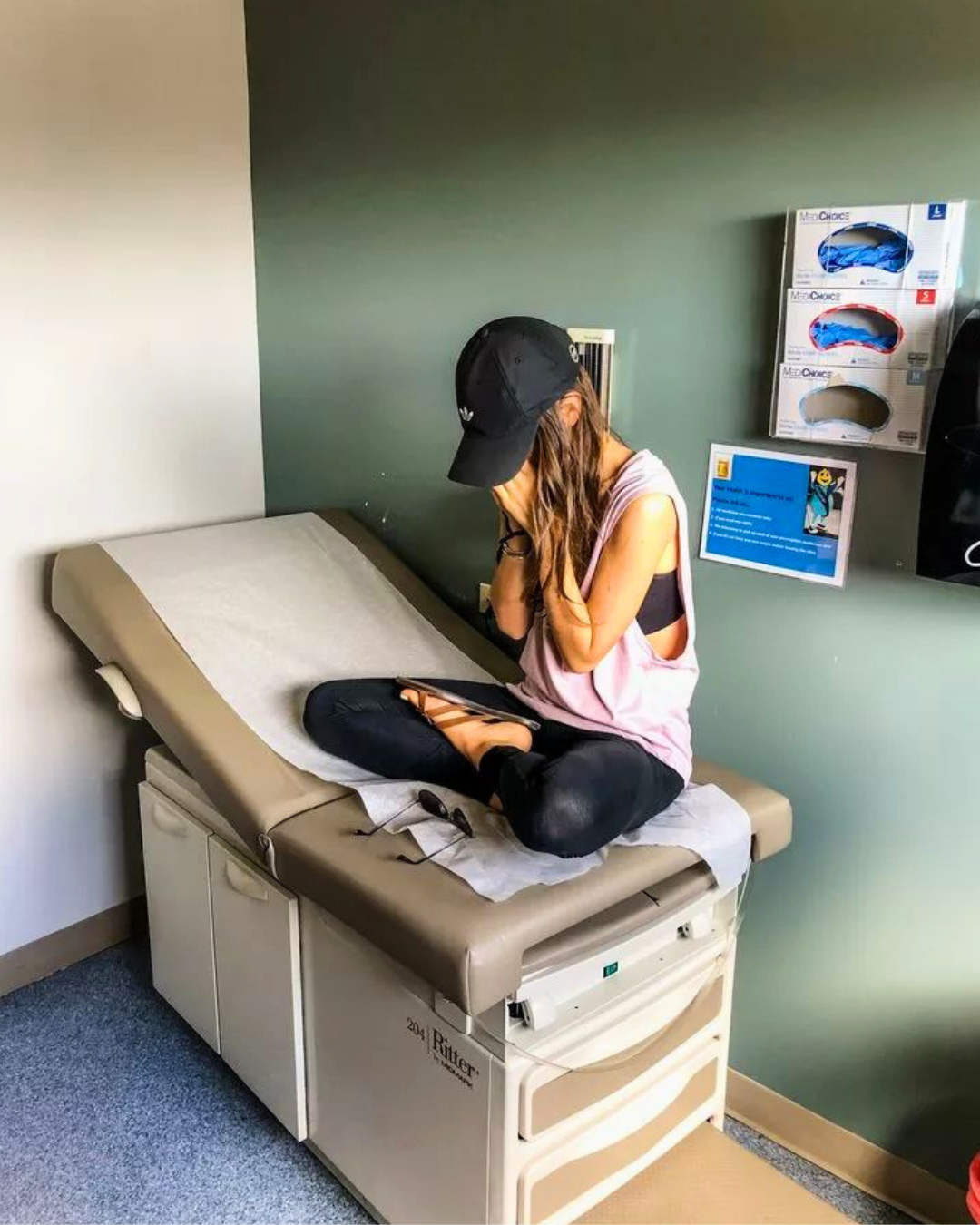
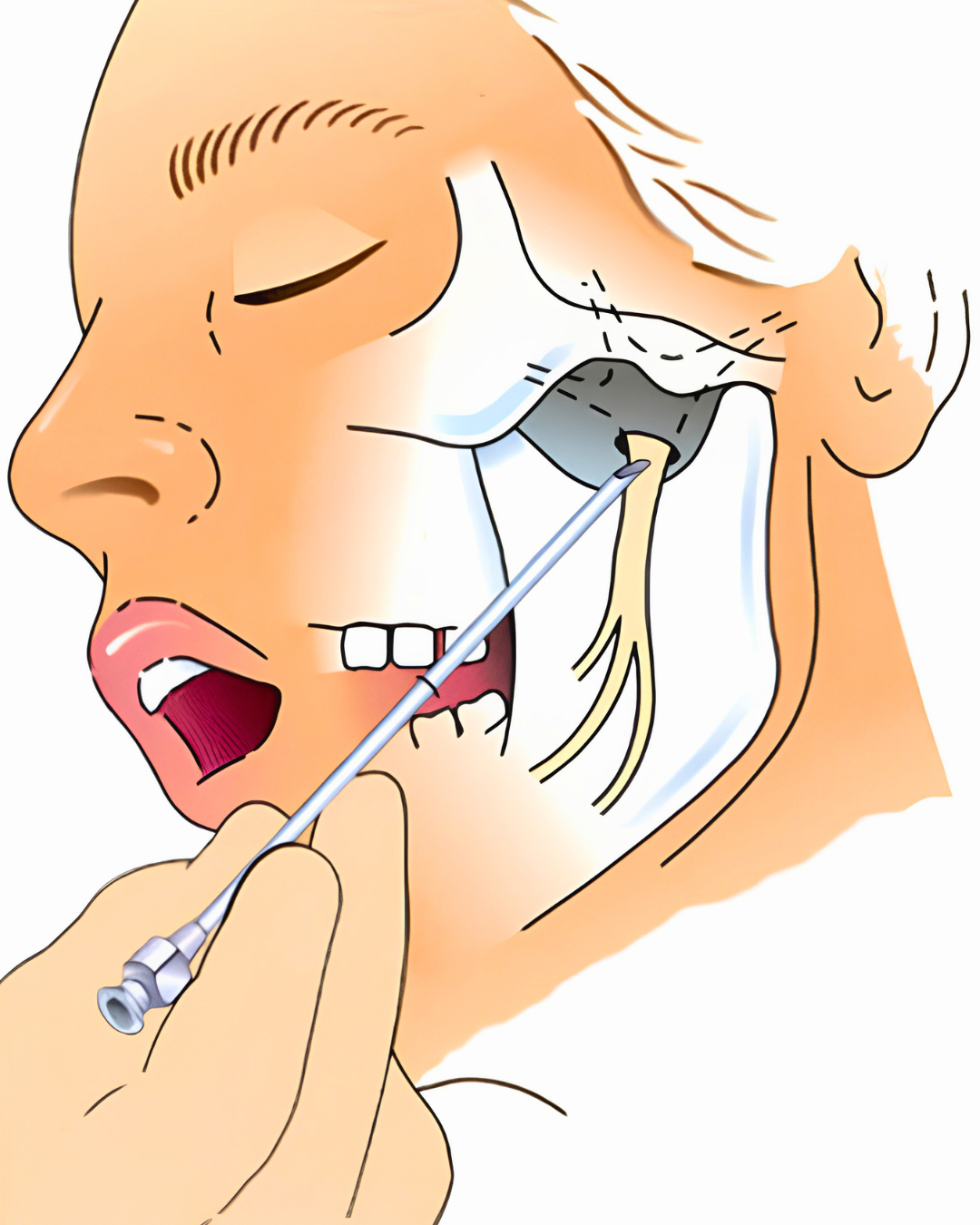
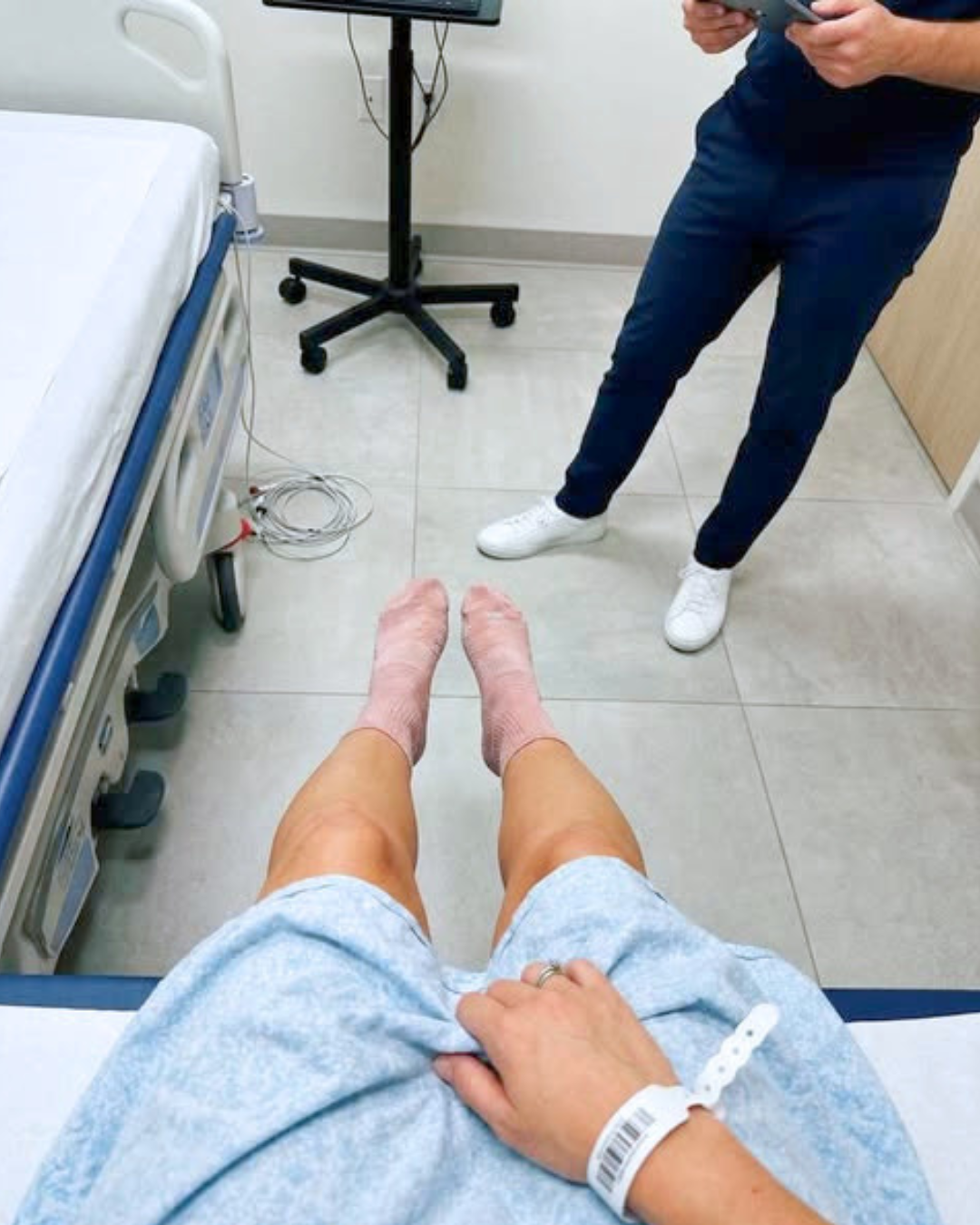
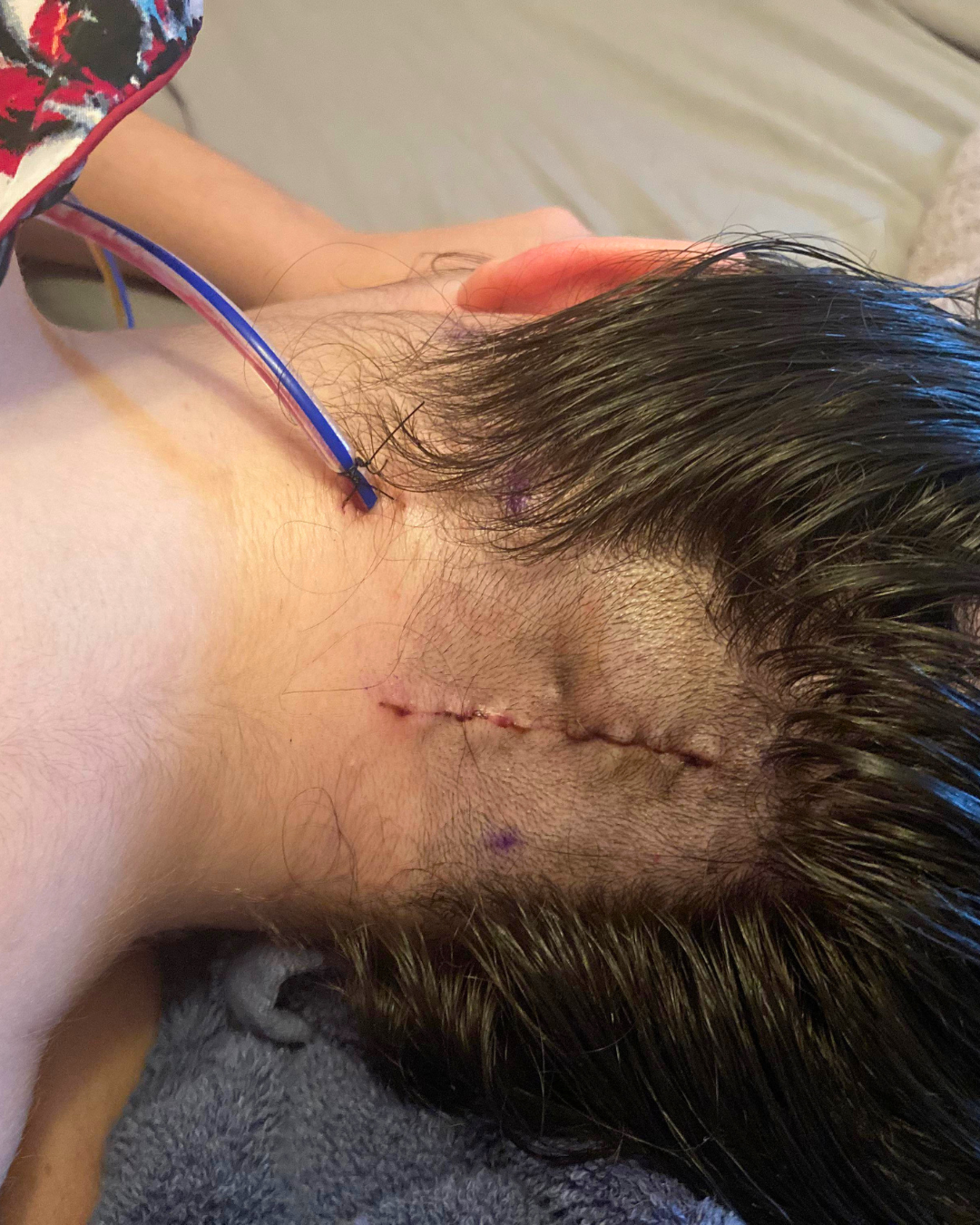
I had Occipital Nerve Surgery 14 months ago. They cut behind my left ear and severed branches of the nerve they thought was causing my migraines. The migraines came back in three weeks. I've had migraines for 11 years. The scar behind my ear is six inches long, runs from the base of my skull up to just above my hairline, and represents the third-most-aggressive migraine intervention currently available in American medicine. It cost me $38,000. It bought me three migraine-free weeks. Then the cascade started up again. I want to tell you what I learned, because if you've already had surgery — or your specialist has mentioned it — there is something I wish someone had told me 18 months ago. How I got to surgery Eleven years of migraines. Same ritual every morning. Eyes still closed. Is it there? Where? How bad? My husband stopped asking how I felt around year three. My son was born in year five. He has never known a version of me that doesn't disappear into the bedroom for entire weekends. The doctors called me a "chronic, treatment-resistant migraine patient." Like I was the problem. I went through the carousel. Topamax — forgot the names of clients in meetings. Propranolol — fainted at a family wedding. Amitriptyline — gained 25 pounds. Combinations of all three. Triptans for years until they stopped working. Botox: 31 sites every twelve weeks for two and a half years. Six rounds. Nothing changed. CGRP inhibitors. Aimovig. Then Emgality. Then Nurtec for acute. Some weeks I was injecting myself with one drug while taking another orally for the breakthrough attacks. The migraines kept coming. Inpatient stay at a headache center. Three days. IV infusions. Nerve blocks that made me cry in the recovery room. They tried everything in their protocol. On day three the attending told me they had "exhausted their acute options." That's when my neurologist mentioned surgery. She referred me to a surgeon who specialized in occipital nerve decompression — a procedure where they go in behind your ear, identify the greater occipital nerve and lesser occipital nerve, and either decompress them from surrounding tissue or sever specific branches. The theory: cut the nerve, end the pain signal, end the migraines. The surgeon quoted me 80% success in his patients. Insurance covered $11,000. I paid the rest. They scheduled me eight weeks out. What surgery actually was The procedure took four hours under general anesthesia. I woke up in recovery with the back of my head shaved and my neck wrapped in gauze. The pain from the surgical site was a level 9 for the first 48 hours, even with the prescribed opioids. Six weeks of recovery. Sleeping sitting up. Numbness behind my left ear that persists 14 months later. A scar that my five-year-old asks about whenever I take my shirt off. And — for three weeks — no migraines. I cried in my home office on day 12 post-op when I realized I had gone almost two weeks without my morning ritual. I called my husband at lunch. We made dinner reservations for our anniversary. I committed to my son's preschool field trip. Then on day 22 I felt the first whisper of pressure behind my right eye. The migraine that arrived was a 7. By month two post-op, I was back to my baseline migraine frequency. Some attacks were milder. None of them were gone. I went back to the surgeon. He was disappointed but not surprised. "You may be a candidate for the contralateral procedure on the right side. Some patients require bilateral decompression for full resolution." I scheduled the second surgery. Cost: another $14,000. Six more weeks of recovery. Migraines back within two months. The migraine coach my surgeon never mentioned It was a friend from work. He'd had migraines for years and his had gotten dramatically better in the previous spring. I asked him what changed. "I called a migraine coach," he said. "It changed everything." I almost laughed. After two surgeries, I was supposed to take advice from a coach? But I called her. She listened to me for forty minutes. The treatment graveyard. The two surgeries. The scars I now had behind both ears. The migraines that had started up again. Then she asked me one question: "Marcus, when do you take your medication?" I told her I wait. Until the pain is a 6 or 7. Until I can't push through anymore. She went quiet for a long time. "That's the problem," she said. "Every treatment you've tried — including both surgeries — has been trying to stop a migraine that's already fully activated. The surgery cut nerves that were already firing. It interrupted the signal at one downstream point. But the cascade originates upstream of where the surgery cut. The trigeminal nerve fires from the brainstem outward, not from your scalp inward. Severing a peripheral branch doesn't stop the central cascade. It just gives you three weeks of post-surgical inflammation that masks it." "Your migraine starts 20 to 40 minutes before you ever feel the headache. It starts with nerve sensitization upstream of where they cut. By the time you reach for medication — by the time anyone could have decompressed the nerve — the cascade has been firing for almost an hour. The surgery cut the wire. The signal still fires from the source." I sat in my home office staring at six surgical pamphlets I'd kept from the consultations. What she told me about Florus She told me about a topical formula developed by a neurologist who suffers from migraines herself — Dr. Fiora Laurent. Five compounds — Magnesium Glycinate, Wild Peppermint, Menthol Crystals, Chamomile, and Feverfew Extract — combined into a roll-on applied to the temples, behind the ears, and the base of the skull. The exact points where the trigeminal nerve surfaces closest to the skin. "It doesn't enter your bloodstream," she said. "It works topically. Reaches the nerve in seconds. The cooling interrupts the cascade at the surface — at the source — before the firing has time to propagate centrally and become unstoppable." "You don't have a treatment-resistance problem. You have a timing and delivery problem. Pills take 45 minutes. Surgery cuts downstream. You need something that reaches the nerve at the surface, in seconds, in the prodrome window when the cascade is still interruptible." I almost laughed. A roll-on. After two surgeries. But I ordered it. What changed The first migraine came four days after the bottle arrived. I felt the familiar pressure behind my right eye starting at 2pm. Instead of waiting, I rolled it across my temples, behind both ears, and at the base of my skull. Ten seconds. The cooling hit immediately. The pressure didn't escalate. It peaked at a 3 and faded by 4pm. Three weeks in, I'd caught seven prodromes the same way. Six of them never developed past a 3. Two months in, my migraine days had dropped from 14 a month to 4. The four that broke through were milder than anything I'd had since my second year of migraines. I haven't been back to the surgeon. I won't be. If you've considered surgery — or already had it If your migraine specialist has mentioned occipital nerve decompression, nerve stimulator implants, or any surgical intervention — please read this before you sign anything. The decompression target is downstream of where the cascade originates. The success rate the surgeon quotes is real, but it's measuring a temporary post-surgical anti-inflammatory effect, not a long-term cure. If you've already had surgery and the migraines came back — please understand that you didn't fail the procedure. The procedure cut a wire downstream of a nerve that fires from a different location. Florus reaches that location. Florus Relief is topical. Ten seconds to apply. Doesn't enter the bloodstream. Doesn't interact with anything you're on. Built by a board-certified neurologist who has migraines herself. Over 7,405 five-star reviews. 90-day money-back guarantee. → Read The Full Breakdown on Why Surgery Cut Downstream Of The Source, And What Reaches The Source Itself (There are cheap imitations on Amazon. The real Florus is only at the official site.) P.S. My scars are permanent. My migraines are not. If you have not yet had the surgery your specialist has recommended, please try this first. If you have already had it, please know that the failure was not yours. The procedure was operating on an incomplete model.
I Charge $189 for a Migraine IV Drip. My Patients Keep Asking About a $29 Roll-On I Keep at the Front Desk.
If you're still getting migraines after trying everything, a Neurologist explains what's actually happening and why pills can't fix it.
LEARN MORELike this ad? Make it yours.
Crush rebuilds this exact creative around your product — your brand, your colors, your offer — in about a minute.