
Inactive· since Mar 5, 2026
- 192
- days it ran
- 2
- relaunches
Ad copy
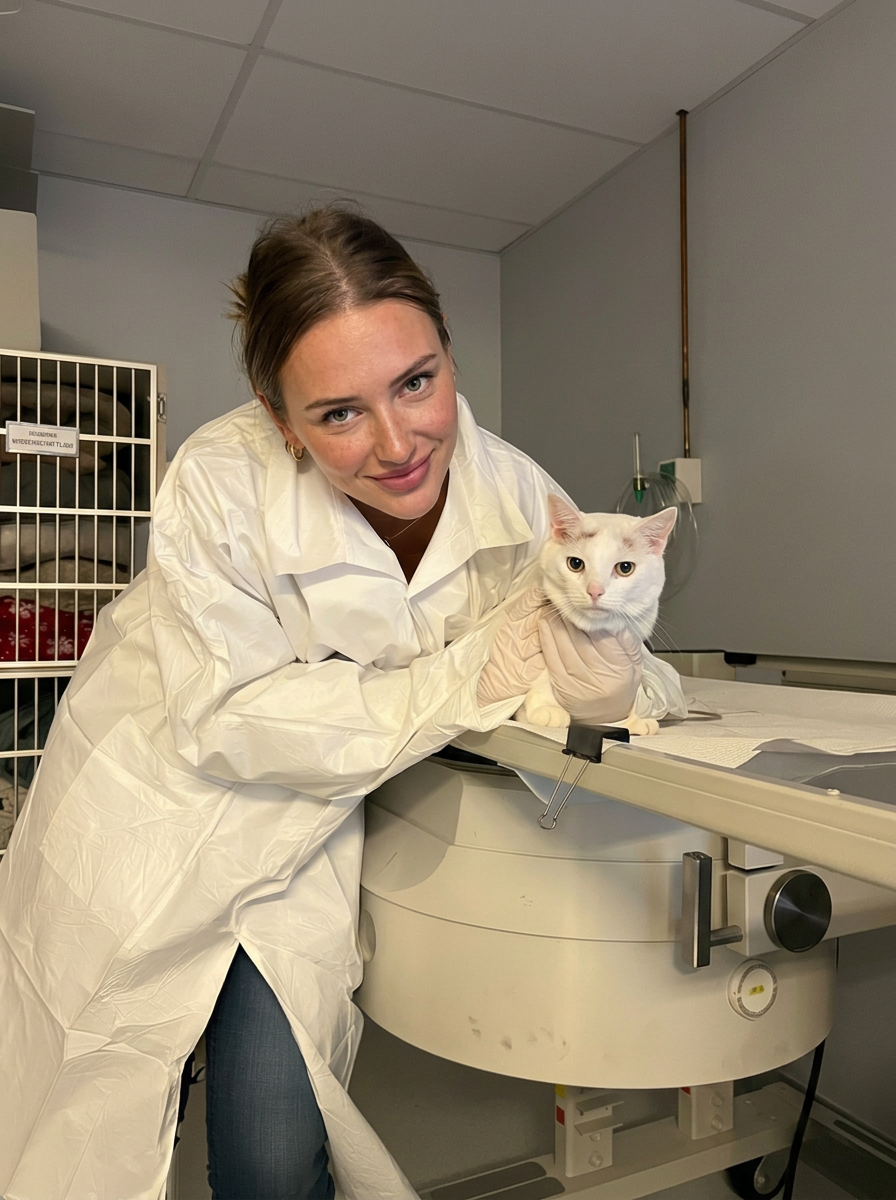
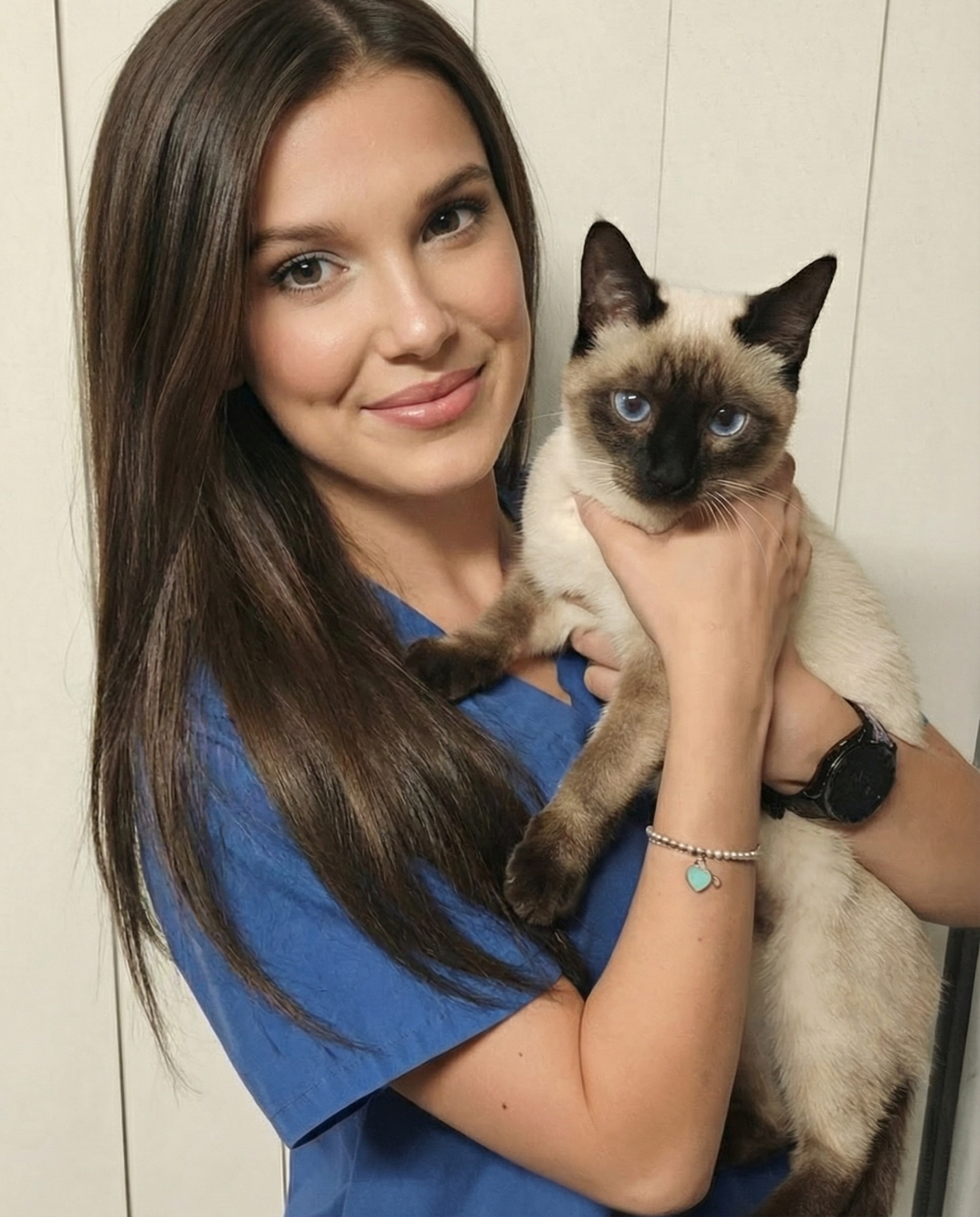
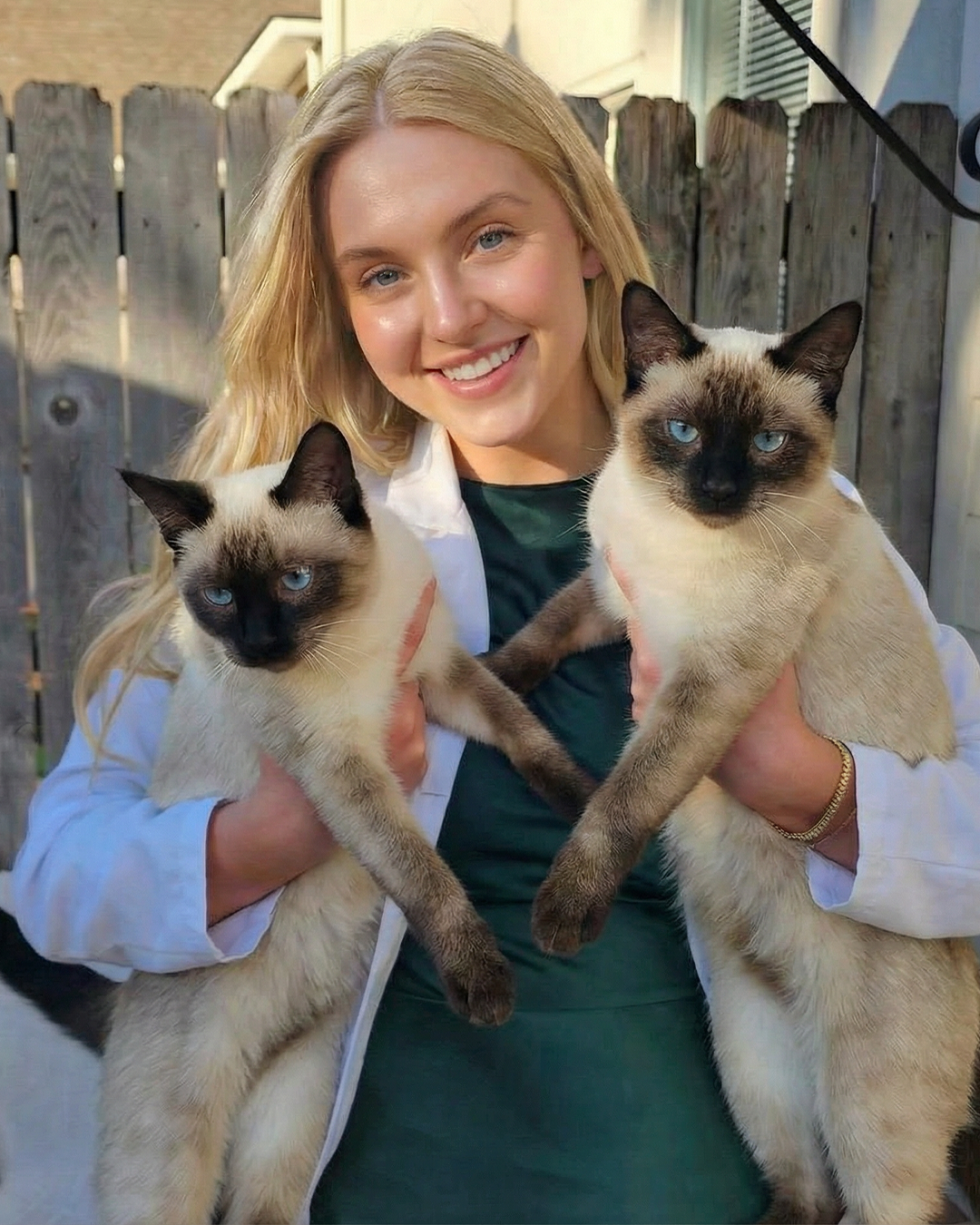
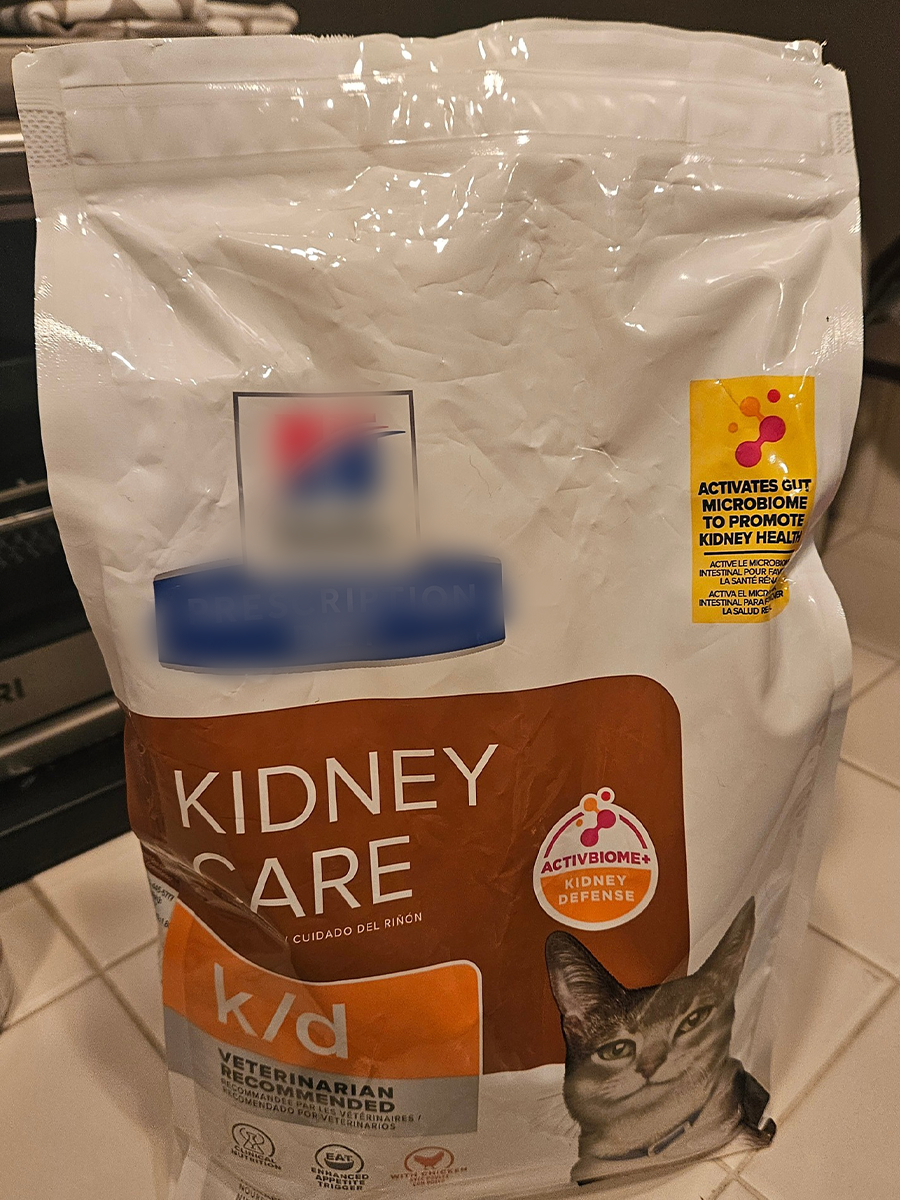
After 15 years of telling kidney cat owners "just warm it up, add FortiFlora, he'll eat when he's hungry enough," I read a study in the Journal of Feline Medicine and Surgery that changed everything. Cats with chronic kidney disease had significantly lower taurine levels. When supplemented with taurine, kidney function improved and uremic symptoms decreased. I tested 47 kidney cats refusing prescription food. 44 were taurine deficient. The food refusal wasn't pickiness—it was nausea from dehydrated kidney cells that couldn't filter toxins. My name is Dr. Nancy Brown. I've been the head veterinarian at North Valley Animal Rescue for 19 years. In that time, I've placed over 4,200 cats into homes. And I need to tell you something about chronic kidney disease and prescription food that nobody's telling you. Because for 15 years, I watched the same heartbreaking pattern repeat itself over and over. Someone adopts a cat from our shelter. A few years later, the cat gets diagnosed with chronic kidney disease. The vet prescribes renal food. Hill's k/d. Or Royal Canin Renal. The cat refuses to eat it. The owner calls me, desperate. And I'd give them the same advice every vet gives: "Try warming it up. Mix in a little of his old food. Add some FortiFlora. He'll eat when he's hungry enough." They'd try everything. And call me back two weeks later, crying. "Dr. Brown, he's still not eating. I've tried 15 different brands. I'm hand-feeding him on my finger. He's losing weight. What do I do?" And I didn't have an answer. Because I'd been taught: cats with kidney disease are picky eaters. You just have to find what works. But what if the problem wasn't pickiness? In 2019, I was reading a study in the Journal of Feline Medicine and Surgery. It was about taurine's role in renal function. The researchers found that cats with chronic kidney disease had significantly lower taurine levels than healthy cats. And when they supplemented taurine, kidney function improved. Cellular hydration increased. Toxin filtration improved. Uremic symptoms decreased. I sat there staring at that study. All these years, I'd been telling owners their cats were "picky eaters." But what if the cats were taurine deficient? What if the food refusal wasn't about taste—but about nausea from dehydrated kidney cells? I decided to test it. Every time someone called about a kidney cat refusing food, I asked them to bring the cat in. Over 18 months, I collected 47 cats. All of them diagnosed with chronic kidney disease—stages 2, 3, or early stage 4. All of them refusing prescription renal food despite desperate owner interventions. I ran comprehensive bloodwork on all of them. Including taurine levels. The results shocked me. 44 out of 47 were severely taurine deficient. 93%. And when I dug deeper, I realized something that changed everything. The cats weren't refusing the food because they were picky. They were refusing it because they were nauseous. Let me explain. When kidneys fail—whether stage 2, stage 3, or worse—kidney function declines. The kidneys can't filter toxins properly. BUN and creatinine build up in the blood. This is called uremia. Uremia causes constant, low-grade nausea. Like a hangover that never ends. It also causes excess stomach acid and tiny ulcers in the mouth and GI tract. So when a cat with uremia walks up to a bowl of food, they feel sick. And their brain makes an association: "That food makes me sick." This is called food aversion. The cat isn't rejecting the prescription food because it tastes bad. They're rejecting it because every time they approach it, they feel nauseated. You can warm it up. Add FortiFlora. Mix in tuna juice. Doesn't matter. If you don't fix the nausea, they will never eat the prescription diet. But here's what I'd never learned: The nausea isn't just from toxins in the blood. It's from dehydrated kidney cells that can't filter those toxins. Every cell in the kidney needs taurine to stay hydrated and function. Think of kidney cells like tiny water balloons. They need taurine to maintain the right water balance inside to work. Without adequate taurine, kidney cells become dehydrated. They shrivel up. They can't filter blood properly. Toxins build up faster. Nausea gets worse. Food aversion intensifies. The cat stops eating. And the cycle accelerates toward complete kidney failure. But if you fix the taurine deficiency, you rehydrate the kidney cells. They can filter blood better. Toxins decrease. Nausea improves. Food aversion disappears. The cat starts eating the prescription food. Let me tell you about a cat that made me realize how critical this is. His name was Oliver. 12 years old. Stage 3 CKD. His owner, a woman named Jessica, called me six weeks after the diagnosis. She was sobbing. "Dr. Brown, I don't know what to do. Oliver won't eat the prescription food. I've tried everything." "What have you tried?" "I microwave it for exactly 7 seconds to make it smell stronger. I mix in a little bit of his old Fancy Feast—just 10%. He licks the Fancy Feast off and leaves the k/d untouched. I sprinkle FortiFlora on top. He licks the powder off and walks away. I've tried making it into a slurry with warm water. I sit on the floor and put it on my finger and wipe it on his lips to force him to lick it off." Her voice cracked. "Yesterday it worked. He ate half a can. I thought I'd figured it out. Today I did the exact same thing and he won't touch it. He's losing weight. The vet says if he doesn't eat the prescription food, his kidneys will fail faster. But if I can't get him to eat, he's going to starve. I don't know what to do." I knew exactly what she was going through. The cruel irony of chronic kidney disease: The food that protects the kidneys is the food the cat will starve themselves to avoid. "Jessica, bring Oliver in. I want to run some tests." She brought him in the next day. I ran a full panel. Including taurine. The results came back four days later. BUN: 68 mg/dL. Critically high. Normal is 15-30. Creatinine: 4.2 mg/dL. Stage 3 kidney failure. Normal is 0.8-2.0. Taurine: 18 nmol/mL. Severely deficient. Normal is 50-100. I called Jessica. "Oliver is severely taurine deficient. His kidney cells are dehydrated. They can't filter toxins properly. That's why his BUN and creatinine are so high." "But the vet said his kidneys are failing because he's old—" "The kidneys are failing because the cells are dehydrated from taurine deficiency. And here's the part nobody tells you: the toxin buildup from failing kidneys causes uremic nausea. Oliver isn't refusing the food because he's picky. He's refusing it because he's nauseated. His brain associates the prescription food with feeling sick." "So all the warming and mixing and FortiFlora—" "Doesn't fix nausea. You're trying to force a seasick person to eat bland oatmeal. It doesn't matter how much you warm it up or what you sprinkle on it. If you don't fix the nausea, he'll never eat the prescription diet." "How do we fix the nausea?" "We fix the taurine deficiency. Rehydrate the kidney cells. When they can filter blood better, toxins decrease. Nausea improves. Food aversion disappears." "That's it?" "That's it. Start him on taurine supplementation. 500mg daily. Within 4-6 weeks, kidney function should improve and the nausea should decrease significantly." Jessica went home and immediately ordered taurine from Amazon. $19. Great reviews. "Supports kidney health." She started giving it to Oliver every day. Week one: Still refusing the prescription food. Week two: Still refusing. Week three: Still refusing. Week four: Jessica called me, desperate. "Dr. Brown, the taurine isn't working. He's still not eating the k/d. He's lost another half pound. What do I do?" I was confused. Oliver's taurine was critically low. The supplement should have worked. "Bring him in. Let me run another taurine test." The results came back three days later. Taurine: 21 nmol/mL. It had barely moved. "Jessica, what brand are you using?" She showed me the Amazon listing. "FelineVital Taurine. 4.5 stars. Over 3,000 reviews." I asked her to bring me the bottle. I sent it to an independent lab for analysis. The results made me furious. Actual taurine content: 198mg per scoop. Label claimed 500mg. 60% underdosed. Bioavailability: 25-30%. Oliver wasn't getting 500mg of taurine. He was getting around 50-60mg per day. No wonder his levels barely moved. No wonder he was still refusing food. I called Jessica immediately. "The Amazon taurine is garbage. Oliver's only absorbing about 50mg per day instead of 500mg. That's why it's not working." "But the reviews—" "Don't matter. The supplement is either counterfeit or worthless. Let me test some other brands." I ordered nine different taurine supplements. Sent them all to the same lab. What came back destroyed any faith I had left in the supplement industry. FelineVital: 198mg actual vs 500mg label. 25-30% bioavailability. PurrHealth: 280mg actual. Contaminated with rice flour. Blocks absorption. TaurinePlus: Degraded from improper storage. Oxidized. Inert. VitaCat: Heavy metal contamination. Lead levels 3x safe limit. NaturalPaws: Magnesium stearate filler. Interferes with cellular uptake. FelineEssentials: Bacterial contamination. CatHealth: Mislabeled. 65% below therapeutic dose. WholeLife: Mold contamination. Eight out of nine failed. All with great reviews. All worthless or dangerous. The ninth brand was different. KittySupps. Lab results: 503mg per scoop. Label claimed 500mg. Over-delivered. Bioavailability: 95-98%. Zero contamination. Zero fillers. Pharmaceutical-grade. I called Jessica. "Stop the Amazon taurine. I'm sending you a different brand." I overnighted her KittySupps. She started Oliver on it that day. Week one: Still not eating much. Maybe a few bites. Week two: Ate about a quarter can of k/d. Week three: Ate half a can without any tricks. No microwave. No FortiFlora. Just the food. Week four: Ate a full can. Jessica called me, crying with relief. "Dr. Brown, he's eating. No warming. No mixing. No powder. I just put the bowl down and he ate the whole thing. What changed?" "His nausea improved. The taurine rehydrated his kidney cells. They're filtering toxins better. The uremia decreased. He doesn't feel sick when he approaches food anymore." I brought Oliver in for bloodwork. BUN: 42 mg/dL. Down from 68. Still elevated but significantly improved. Creatinine: 2.8 mg/dL. Down from 4.2. Moved from Stage 3 to Stage 2. Taurine: 71 nmol/mL. Normal range. Jessica was sobbing. "I spent six weeks on the kitchen floor begging him to eat. Trying 15 different brands. Microwaving. Mixing. Sprinkling. Hand-feeding on my finger. And all I needed to do was fix the nausea with real taurine." After Oliver, I made a decision. I was only going to recommend KittySupps. Because it was the only brand that actually worked. I started telling every cat owner who called about kidney cats refusing food: "Stop the food experiments. Your cat isn't picky. They're nauseous. Start KittySupps taurine and the nausea will improve." Over the past two years, I've recommended it to 94 cat owners. All of them had kidney cats—stage 2, stage 3, early stage 4—refusing prescription food despite desperate interventions. 94 cats started on KittySupps pharmaceutical-grade taurine. Within 4-8 weeks: 87 cats started eating prescription food without tricks. 93% success rate. Not because I found the magic food warming technique. Because taurine rehydrated their kidney cells, improved filtration, decreased uremia, and eliminated the nausea causing food aversion. Here's what you need to understand: Your kidney cat isn't refusing prescription food because they're picky. They're refusing it because they're nauseated from uremia. You can microwave it for exactly 7 seconds. You can mix in Fancy Feast or tuna juice. You can sprinkle FortiFlora or crushed treats on top. You can make it into a slurry. You can sit on the floor crying and hand-feed them on your finger. None of that fixes nausea. The cat walks up to the food, feels sick, and their brain says: "That food makes me sick." Food aversion. And it will never improve until you fix the root cause. Dehydrated kidney cells from taurine deficiency can't filter toxins. Toxins build up. Nausea intensifies. Food aversion gets worse. The cat stops eating. The kidneys fail faster. But if you rehydrate the kidney cells with taurine: They filter better. Toxins decrease. Nausea improves. Food aversion disappears. The cat eats the prescription food. The kidneys stabilize. I'm writing this because I see so many of you posting the same desperate things Jessica was doing. "CKD diagnosis. Cat won't eat Hills k/d. Tried warming, FortiFlora, mixing in old food. Nothing works." "Stage 2 kidney disease. He ate it yesterday but refuses today. I don't understand what I'm doing wrong." "Sitting on the floor begging my cat to eat. He's starving himself. What do I do?" You're not doing anything wrong. Your cat isn't being difficult. They're nauseated. And you can't trick a nauseated cat into eating by warming the food or adding powder. You have to fix the nausea. And nausea from chronic kidney disease is caused by dehydrated kidney cells that can't filter toxins. Taurine rehydrates those cells. Filtration improves. Toxins decrease. Nausea resolves. The cat eats. You don't need your vet's permission to start taurine. It's an amino acid. Not a prescription drug. You can start today. And here's why you should start today instead of waiting: You can't oversupplement taurine. It's water-soluble. Excess gets filtered by the kidneys and excreted in urine. No toxicity risk. No overdose danger. If your kidney cat is refusing prescription food, they're probably nauseated from uremia. Waiting 2-3 weeks for a vet appointment while your cat starves and the kidneys fail faster doesn't make sense. Start the taurine today. Within 4-6 weeks, nausea should improve. The cat should start eating prescription food. But—and this is CRITICAL—don't buy random supplements. I tested nine brands. Eight failed. Jessica's cat got worse on Amazon taurine because it was 60% underdosed with 25% bioavailability. Four weeks on Amazon taurine: No improvement. Four weeks on KittySupps: Eating full cans of prescription food without tricks. The only brand that passed every test was KittySupps. 503mg per scoop. 95-98% bioavailability. Pharmaceutical-grade. One scoop per day, mixed into food. Within 4-6 weeks, kidney cells rehydrate. Toxin filtration improves. Nausea decreases. Food aversion disappears. The cat eats the prescription food. I've recommended it to 94 kidney cat owners in two years. 93% success rate. Not because of warming tricks or FortiFlora. Because taurine that actually works fixes the root cause of food refusal. Jessica spent six weeks on the kitchen floor. Microwaving food for 7 seconds. Mixing in Fancy Feast. Sprinkling FortiFlora. Hand-feeding on her finger. Crying. Begging. Oliver was starving. She put him on KittySupps. Four weeks later, he was eating full cans of prescription food. No tricks. No microwave. No powder. Because the nausea was gone. Your kidney cat doesn't need better food warming techniques. They don't need more FortiFlora. They don't need you to try the 16th brand of renal food. They need their nausea fixed. And nausea from kidney failure requires rehydrated kidney cells. Which requires pharmaceutical-grade taurine. Get the pharmaceutical-grade taurine I recommend to every kidney cat owner at North Valley Animal Rescue: https://kittysupps.com/products/taurine Because you're not failing your cat by sitting on the floor begging them to eat. They're nauseated. And taurine fixes it. P.S. Kidney cats refusing prescription food aren't picky—they're nauseated from uremia (toxin buildup). The brain associates the food with feeling sick (food aversion). Warming, mixing in old food, or adding FortiFlora doesn't fix nausea. Taurine rehydrates dehydrated kidney cells so they filter toxins better. Toxins decrease, nausea improves, food aversion disappears. 93% of kidney cats I've treated started eating prescription food within 4-8 weeks on KittySupps. P.P.S. Amazon and Chewy taurine has 20-70% bioavailability—your cat only absorbs a fraction. I tested 9 brands, 8 failed. One cat's taurine went from 18 to only 21 after 4 weeks on Amazon supplement (60% underdosed). KittySupps brought him from 21 to 71 in 4 weeks. He went from refusing all food to eating full cans of prescription k/d. 95-98% bioavailability. Don't risk counterfeits—only buy from: https://kittysupps.com/products/taurine
Veterinarian Speaks The Truth..
Kidney cats refusing food aren't picky—nauseated from uremia. Warming, FortiFlora don't fix nausea. 93% tested taurine deficient. Rehydrated kidney cells filter toxins, eliminate nausea.
ORDER NOWLike this ad? Make it yours.
Crush rebuilds this exact creative around your product — your brand, your colors, your offer — in about a minute.