Active· since May 29, 2026
- 105
- days running
- 0
- relaunches
Ad copy
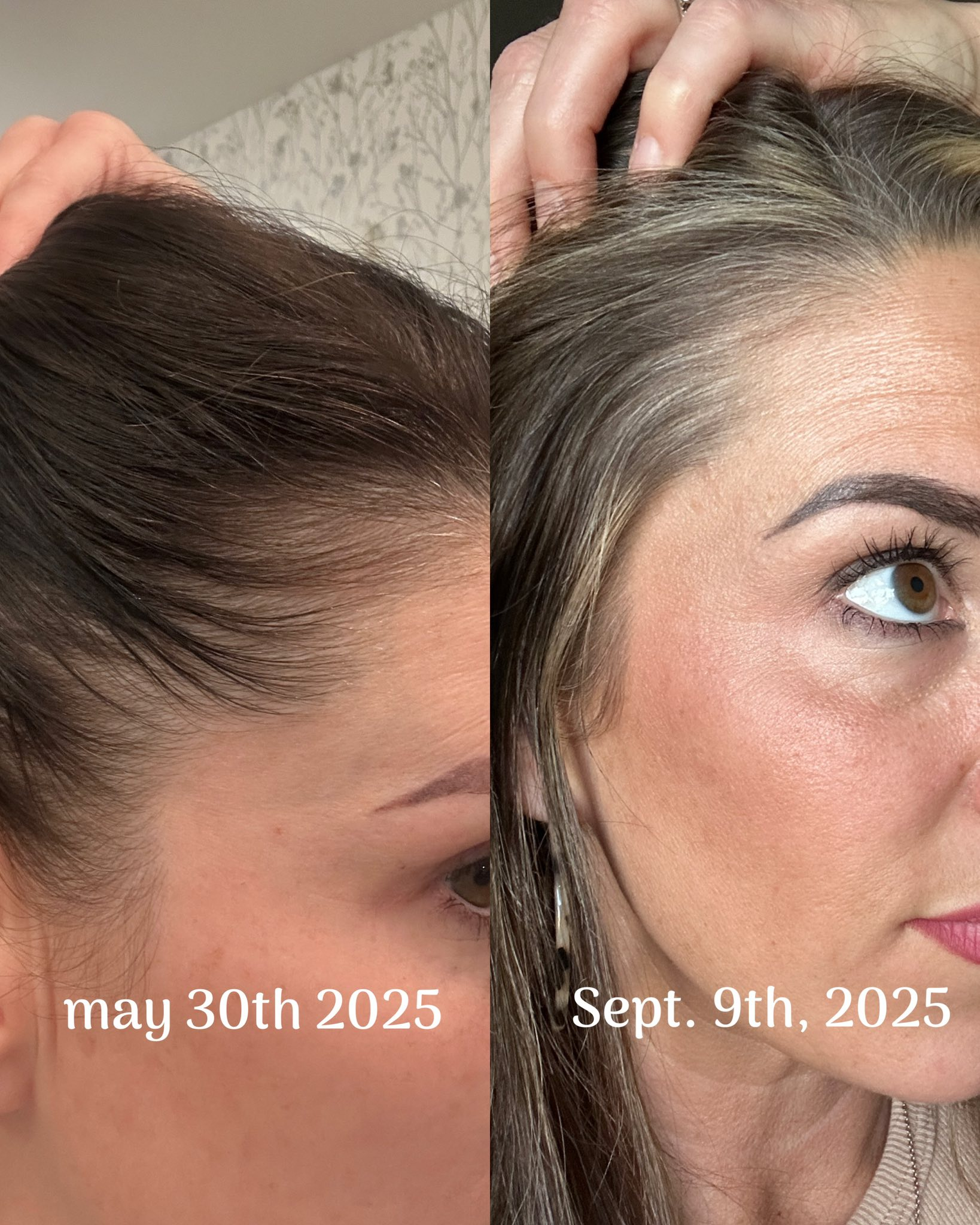
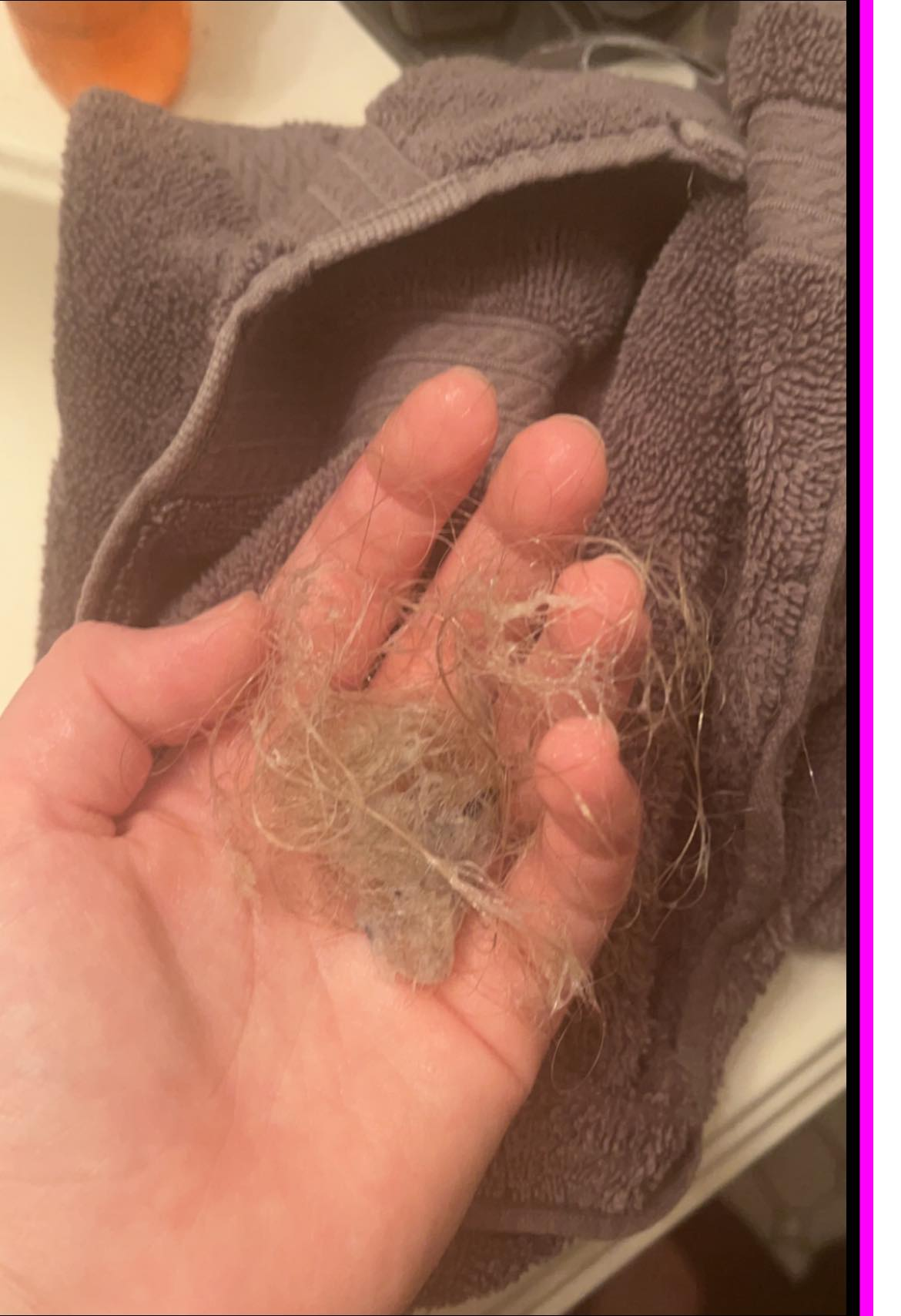
Your doctor says your kidneys are "borderline." Your GFR dipped below 60 and they told you to drink more water and cut back on sodium. You're doing both. The foam in your toilet every single morning says nothing is working — and here's what's actually destroying your filtration barrier from the inside while your doctor watches the numbers slide. For TWO YEARS my mom watched her body quietly fall apart and no one could tell her why. It started with foam in the toilet. Not bubbles — foam. The kind that sits on the surface and doesn't go away. She noticed it one morning and Googled it at 6am sitting on the edge of the bathtub in her robe. Protein in the urine. Kidney damage. Possible renal failure. She went to her doctor that week. He ran bloodwork. GFR came back at 58. "Mildly reduced kidney function. Stage 3a. Nothing to panic about. Drink more water. We'll monitor it." Monitor it. Within six months the GFR dropped to 54. The foam got thicker. She started noticing she was exhausted by noon — not sleepy, depleted. The kind of tired where you sit down on the couch at 1pm and your body feels like it's made of wet cement. She'd been active her entire life. She walked three miles every morning for eleven years. By October she was skipping three days a week because her legs felt heavy before she got to the end of the block. Then the hair. She'd always had thick hair — it was the thing people commented on. Within a year of the kidney diagnosis she was finding clumps in the shower drain. Not a few strands. Clumps. She bought a drain catcher and emptied it every morning and tried not to count. She stopped wearing her hair down. She started parting it differently to cover the thinning at the temples. Her hairdresser noticed and didn't say anything and my mom knew she noticed and neither of them said a word. That silence was worse than the hair loss. The joint pain came next. Her hands in the morning — stiff, swollen, aching. Couldn't open a jar. Couldn't grip the steering wheel without wincing for the first ten minutes of every drive. She'd been diagnosed with mild arthritis years ago but this was different. This was deep, constant, grinding. Like her joints were full of sand. And the sleep. She'd fall asleep fine and wake up at 2am and that was it. Lying there. Every night. The same ceiling. The same thoughts. Her body exhausted and her mind running and sleep just gone. Her nephrologist looked at her labs every four months and told her the same thing each time. "GFR is holding. Stay hydrated. We'll recheck in four months." It wasn't holding. It was sliding. 58 to 54 to 51 to 48. Forty-eight. In two years. On water. On sodium restriction. On a kidney-friendly diet she followed with the same discipline she'd used for everything in her life. Losing ground every single quarter while being told to just keep watching. --- And here's what every doctor and every article and every well-meaning person in a Facebook kidney group told her to do. Drink more water — she was at 80 ounces a day, measured, consistent, for eighteen months — GFR kept dropping. The water was flushing through kidneys that couldn't filter it properly. Like pouring clean water through a broken sieve. The water runs through. The sieve is still broken. Cut protein — she reduced to 0.6 grams per kilogram of body weight. The protein reduction lightened the workload on the kidneys temporarily. The foam stayed. Because the filtration barrier was damaged, not overloaded. CoQ10 for kidney support — five months — nothing changed. The CoQ10 was supporting cellular energy production while the structure doing the filtering was being eaten alive by something else entirely. Omega-3 fish oil — four months — marginal improvement in inflammation markers on paper, zero change in symptoms. The omega-3s were addressing systemic inflammation without reaching the specific tissue layer where the damage was happening. The kidney detox tea from TikTok — six weeks — she felt slightly less bloated and the GFR dropped two more points during that period. Herbal diuretics increasing flow through a filtration system that couldn't handle the flow it already had. Making it worse while feeling like it was helping. Baking soda protocol from a naturopath — three months — the metabolic acidosis improved slightly on paper. The kidneys kept declining because the pH adjustment didn't touch the oxidative damage running underneath. Apple cider vinegar every morning — she did this faithfully for four months because someone in her kidney support group swore by it — nothing. Absolutely nothing. Between the nephrologist copays, the supplements, the kidney-specific foods, the naturopath visits, the specialized bloodwork her insurance didn't cover — she'd spent over $4,200 in two years. GFR at 48 and falling. Hair thinning. Joints grinding. Exhausted by noon. Foamy urine every single morning. And a nephrologist scheduling the conversation about when to start thinking about dialysis access. Dialysis. My mother. Who walked three miles a day two years ago. --- And that's when I stopped listening to the standard answers and started asking the questions nobody was asking. Why does every kidney protocol focus on reducing the WORKLOAD on the kidneys — less protein, less sodium, more water — while nobody asks what's actively destroying the filtration tissue itself? Why does every kidney supplement on the market target inflammation generally — CoQ10, omega-3s, turmeric — while nobody addresses the specific oxidative cascade that's dismantling the nephron barrier membrane where the actual filtering happens? Why does every nephrologist measure the GFR every four months and adjust the diet while the structure responsible for filtration is being degraded by a process that no amount of water or sodium restriction can stop? And why does NOBODY talk about what's happening to the glomerular basement membrane — the actual physical barrier that keeps protein inside your blood and out of your urine — while every protocol treats the kidney like a black box you can fix by changing what goes in? --- So I went deep into the research. Not the WebMD articles. Not the kidney support group advice. The actual nephrology literature on what causes the filtration barrier to break down in the first place — independent of protein load, independent of hydration, independent of everything they were telling my mom to manage. And I found something that stopped me cold. The glomerular basement membrane — the microscopic mesh inside every nephron that physically separates your blood from your urine — is held together by a specific matrix of structural proteins. That matrix is what keeps albumin and other proteins inside the blood where they belong. When the matrix degrades, the mesh develops holes. Protein leaks through. Foam appears. GFR drops. The kidneys aren't failing because they're overworked. They're failing because the physical structure doing the work is being dissolved. And the thing dissolving it is oxidative stress — specifically reactive oxygen species generated by chronic low-grade inflammation in the renal tissue. This is what was happening to my mom. Not a workload problem. A structural demolition problem. Running underneath labs that showed "mild decline" every quarter while the barrier was getting thinner visit by visit. --- Here's what I learned about the three-stage breakdown. Stage one. Chronic inflammation in the kidney tissue generates reactive oxygen species — free radicals — that attack the structural proteins of the glomerular basement membrane. The membrane thins. Microscopic gaps form. Small amounts of protein begin leaking into the urine. This is where the foam starts. This is where the GFR begins its decline. And this is completely invisible to a standard metabolic panel until the damage is significant enough to register as a number change. Stage two. The oxidative damage triggers a fibrotic response — the kidney tissue attempts to repair itself by laying down scar tissue. But scar tissue can't filter. Every patch of scarring is a patch of nephron that will never function again. The kidney is literally replacing working filtration tissue with non-functional scar tissue while the inflammation that caused the damage keeps running. Like patching a roof with concrete during a fire. The patch doesn't leak but it also doesn't work and the fire is still burning. Stage three. The scarring reduces blood flow to surviving nephrons, increasing pressure on the remaining functional tissue. Those nephrons work harder to compensate. The increased pressure accelerates the oxidative damage on the surviving membranes. The decline accelerates. The GFR drops faster. This is the spiral — and this is why kidney decline isn't linear. It's slow and then it's fast and then your nephrologist is talking about access sites. Three stages. All driven by the same root cause — oxidative destruction of the filtration membrane. All invisible to the standard monitoring protocol until the damage is functionally irreversible. All completely unaddressed by drinking more water. --- That's why my mom's GFR kept dropping on 80 ounces of water a day. Water flows through the kidney. It doesn't repair the membrane the kidney uses to filter. She was flushing fluid through a structure that was being dissolved by inflammation she didn't know she had. That's why the protein reduction slowed the decline temporarily without stopping it. Less protein means less workload on each nephron — but the oxidative damage eating the membrane doesn't care about workload. It's running on inflammation, not on protein load. That's why the CoQ10 and omega-3s and turmeric showed marginal improvements on paper while the kidneys kept declining. General anti-inflammatories reduce systemic inflammation markers. They don't specifically reach the glomerular basement membrane in the concentration needed to stop the oxidative cascade dismantling it. That's why the foam kept showing up every single morning regardless of what she did. The membrane was getting thinner. The holes were getting larger. The protein was leaking through. And not one thing she was taking was reaching the tissue where the damage was happening at the concentration needed to stop it. She wasn't losing kidney function because she wasn't drinking enough water. She wasn't declining because she ate too much protein. She wasn't getting worse because she wasn't trying. She had an oxidative cascade running through her nephron membranes that nobody had identified — and four specialists monitoring the downstream number while the upstream structure was being dissolved visit by visit. --- So I kept searching. Looking specifically for what protects and repairs the glomerular basement membrane — not supports kidneys generally, not reduces inflammation systemically, actually reaches the renal tissue and stops the oxidative cascade at the membrane level. And one compound kept appearing in the peer-reviewed nephrology literature. Not in wellness blogs. Not in supplement marketing. In published research on renal protective mechanisms. Pumpkin seed oil. Not pumpkin seeds. Not pumpkin seed extract. The cold-pressed oil — specifically because of its unique concentration of delta-7-sterols, zinc, and the specific fatty acid ratio of linoleic and oleic acid that determines whether the compounds actually reach renal tissue or get metabolized before they arrive. Here's what the research showed. First — the delta-7-sterols in pumpkin seed oil directly inhibit the inflammatory signaling cascade (NF-kB pathway) responsible for generating the reactive oxygen species that attack the basement membrane. Not reducing inflammation generally — shutting down the specific pathway producing the free radicals that are dissolving the filtration structure. Targeted. At the source. Second — the zinc in pumpkin seed oil activates superoxide dismutase (SOD) — the body's own enzymatic defense against the specific type of oxidative damage running in the nephrons. The SOD enzyme neutralizes superoxide radicals before they reach the membrane proteins. The kidney tissue has SOD capacity that's been suppressed by chronic zinc depletion — depletion that standard bloodwork doesn't catch because serum zinc levels don't reflect tissue-level zinc status. Third — the specific ratio of linoleic to oleic acid in cold-pressed pumpkin seed oil repairs the lipid layer of the glomerular basement membrane itself. The membrane isn't just protein — it's a protein-lipid matrix. The lipid component determines permeability. When the lipid layer degrades, protein leaks through even where the protein structure is still intact. This is why some people have foam in their urine with minimal GFR decline — the lipid layer has thinned while the protein matrix is still partially functional. Three mechanisms. Stopping the oxidative cascade. Activating the enzymatic defense. Repairing the membrane structure. All from the same compound. All specific to the tissue where the damage is happening. --- My mom tried to find a pumpkin seed oil that matched what the research described. First — the highest-rated one on Amazon. Organic label. Five stars. Four months. GFR dropped another point. Foam unchanged. Joints unchanged. She looked at the label more carefully. "Pumpkin seed oil — 1000mg." No standardization. No information about extraction method. No fatty acid profile. No zinc content listed. No delta-7-sterol content verified. Second — the one everyone on TikTok recommends. The brand with the dark green bottle that every kidney health creator promotes. Three months. Same. The foam sat there every morning like a judgment. Nothing was changing. She went back to the research. Read the methodology sections. The studies showing nephroprotective effects used cold-pressed oil from specific pumpkin seed cultivars — Styrian pumpkins — processed at temperatures below 40°C to preserve the delta-7-sterol content. The fatty acid ratio of linoleic to oleic acid had to fall within a specific range. The zinc had to be present at therapeutic levels — not the trace amounts that survive high-heat extraction. She looked up the two brands she'd taken. Neither disclosed extraction temperature. Neither specified cultivar. Neither published a fatty acid profile or delta-7-sterol content. Neither had third-party verification of any kind. She'd taken seven months of capsules that probably contained pumpkin seed oil that had been heat-extracted — destroying the delta-7-sterols on contact — from non-specific cultivars with unknown fatty acid ratios and unknown zinc content. Seven months. The membrane kept thinning. The SOD activation never happened because the zinc wasn't there. The inflammatory cascade kept running because the delta-7-sterols had been destroyed before the capsule was ever sealed. Between the supplements, the specialists, the dietary changes, the naturopath, two rounds of generic pumpkin seed oil that couldn't reach the mechanism at any level — she'd spent over $4,200 in two years. --- I found Everly in a kidney support group on Facebook at midnight. A woman — different state, same story. Same foam. Same GFR decline. Same water. Same generic pumpkin seed oil that did nothing. She'd found Everly. Tried it. Posted her labs. GFR — up four points in twelve weeks. On the same diet. The same water intake. The same everything. Except the pumpkin seed oil. Someone asked what was different about it. "Cold-pressed from Styrian pumpkin seeds. Full fatty acid profile verified. Delta-7-sterol content preserved. Zinc at therapeutic levels. Third-party tested. Every batch has a certificate of analysis. The generic ones I took for eight months had none of this — the compounds that actually protect the nephrons weren't there." I went to their site. Ready to be disappointed again. Everly Pumpkin Seed Oil Softgels. Cold-pressed. Styrian cultivar. Full-spectrum fatty acid profile — linoleic and oleic acid at the ratio used in the published research. Delta-7-sterol content preserved through low-temperature extraction. Bioavailable zinc. No fillers. No proprietary blends. Every amount listed. Third-party tested. Certificate of analysis available. Not a general kidney support supplement hoping something helps. A targeted nephron-protective formula delivering the specific compounds at the specific concentrations shown to stop the oxidative cascade, activate SOD defense, and repair the filtration membrane. --- My mom started taking Everly. After two weeks? The exhaustion. The wet-cement fatigue she'd been dragging through every afternoon for two years — lighter. Not gone. Lighter. She called me on a Tuesday. "I made it to 4pm today. I know that sounds insane but I made it to 4pm without sitting down." The kidneys weren't rebuilt. But the inflammatory load driving the oxidative cascade was beginning to ease. The energy being consumed by a body fighting chronic renal inflammation had started to free up. The exhaustion had a different quality — less total, less permanent. After three weeks? Her hands. She called me at 7am because she'd opened a jar of coffee without thinking about it. Something she hadn't done without bracing herself in over a year. The grip was there. The morning stiffness that used to last until noon was releasing by 9am. The inflammatory cascade suppressed by the delta-7-sterols doesn't just run in the kidneys. It runs in the joints. The same NF-kB pathway driving the nephron destruction was driving the joint inflammation. Shut down the pathway — the joints respond. Not complicated. The same mechanism doing different damage in different tissues, all quieting from the same compound. After four weeks? She slept through the night. Seven hours. No 2am ceiling. She texted me at 6am — "I woke up and it was morning." Chronic renal inflammation disrupts cortisol cycling and melatonin production. When the inflammatory load drops, the sleep architecture begins to normalize. The insomnia wasn't a sleep problem. It was an inflammation problem expressing itself as a sleep problem. Two years of lying awake at 2am because her kidneys were on fire at a level nobody was measuring. After six weeks? The foam. She sent me a photo. Not of herself. Of her toilet. Clear. No foam. For the first time in over two years. She sat on the edge of the bathtub — the same spot where she'd Googled "foam in urine" two years earlier — and she cried. Not because the toilet was clear. Because she'd spent two years being told to drink water while the membrane was dissolving and now something was actually reaching the tissue where the damage was happening and her body was showing her in the clearest possible way that it was working. The protein leakage was slowing. The basement membrane was stabilizing. The gaps that had been letting albumin through were closing. Not because she drank more water. Because the structure was being repaired. After eight weeks? The hair. She was cleaning the drain catcher and it was almost empty. She stood there looking at it. Called me. Didn't say anything for a few seconds. "The drain is empty. I'm looking at it right now. It's empty." Kidney decline drives hair loss through multiple mechanisms — reduced erythropoietin, impaired nutrient filtration, chronic inflammatory load diverting resources from non-essential tissue. When the kidneys stabilize, the hair responds. Not instantly. In waves. The shedding slows first. Then the texture changes. Then the new growth appears at the temples and the hairline. After twelve weeks? She went back to her nephrologist for quarterly labs. GFR — 55. Up from 48. Seven points. On the same diet. Same water intake. Same sodium restriction. The only change was Everly. Her nephrologist pulled up two years of results on the screen. A steady downward line from 58 to 48. Then the last point. Up. Decisively up. Reversing the trajectory for the first time since diagnosis. He looked at her. "Your GFR has improved. That's unusual at this stage. What changed?" My mom explained it. The oxidative cascade. The membrane breakdown. The delta-7-sterols. The SOD activation. The lipid repair. The fact that two years of water and generic supplements couldn't reach the tissue where the damage was happening. Long pause. "The nephroprotective properties of pumpkin seed oil fatty acids are in the literature. It's not part of the standard protocol because there's no pharmaceutical intervention for membrane-level oxidative repair. We manage progression with diet and hydration." "There's not a pharmaceutical for it," my mom said. "There's a botanical one. And it's working." He leaned back. "Your kidney function has improved more in twelve weeks than it declined in the previous twelve months going the other direction. I want to see these numbers again next quarter. Whatever you're doing — continue." She walked to her car. Sat there. Then she called me. "GFR is 55. It's going UP. Two years of watching it drop. Four doctors. $4,200. On water. Getting worse every quarter. And a pumpkin seed oil that actually reaches the nephrons reversed the trajectory in twelve weeks." That evening her husband noticed she was standing straighter. Moving easier. Something in her face he couldn't name but recognized from before all of this started. "You look like yourself," he said. Before she'd told him a single number. --- Total improvement at five months: GFR up eleven points — from 48 to 59. Back above the Stage 3 threshold for the first time in two years. Foam gone. Protein in urine — trace levels, down from significant. Hair shedding stopped, new growth visible at the temples. Joint stiffness reduced dramatically — opening jars, gripping without pain, morning mobility within minutes instead of hours. Energy holds past 4pm. Sleeping through the night. Walking three miles again. Every morning. Not from drinking more water. Not from another generic supplement hoping something works. From actually reaching the nephron membrane and stopping what was destroying it. --- This is what they don't tell you. Because the second you repair the filtration membrane and reverse the oxidative cascade, you don't need their quarterly monitoring visits watching the number drop while they adjust your diet. You don't need their referral to a dialysis center for kidney function that was declining because nobody addressed the root cause. You don't need their progression management protocol that manages the progression without stopping it. The cascade stops. The membrane stabilizes. The SOD activates. The filtration improves. The protein stays in the blood where it belongs. The GFR responds. The foam clears. The hair stops falling. The joints quiet down. The energy comes back. The sleep normalizes. The way it would have two years ago — if someone had looked at the nephron membrane and asked what was dissolving it instead of telling her to drink another glass of water. --- Now here's what I need you to understand. The cascade doesn't stop itself. Every month it runs is another month of membrane breakdown. Another month of functional nephrons being replaced by scar tissue that will never filter again. Another month of GFR dropping while your doctor watches the number and adjusts your sodium. And every month gets you closer to the conversation about dialysis access for kidney decline that was never about water. So if you're dealing with ANY of this — foam in the toilet that won't go away no matter how much water you drink, a GFR that keeps dropping quarter after quarter, exhaustion that hits by noon regardless of sleep, hair filling the drain every morning, joints that grind and ache from the moment you wake up, a nephrologist telling you to stay hydrated while the numbers slide — this is the time. Not next quarter when the GFR drops another three points. Not when they schedule the dialysis consultation. Not when you're sitting in a chair three days a week wondering how it got this far. Right now. Everly Pumpkin Seed Oil Softgels. Cold-pressed. Styrian cultivar. Full-spectrum fatty acid profile. Delta-7-sterol content preserved. Bioavailable zinc. Third-party tested. No fillers. No proprietary blends. Every amount listed. Money-back guarantee. Take them as directed. If the foam doesn't clear, if the GFR doesn't respond, if the energy doesn't return, if you don't feel the difference — full refund. No questions asked. Because your nephrologist isn't coming to repair the membrane. There's no drug for it. There's no protocol for it. There's no revenue in it. You have to repair it yourself. 👉 https://try.shopeverly.shop/esl
The "Triple Relief" Solution No One Talks About
“I’ve been feeling stronger and more balanced since taking Everly Pumpkin Seed Oil. My bladder feels so much calmer, I’m sleeping through the night again, and my hair feels thicker than it has in years. I love how natural it feels — just pure support for my body.”
LEARN MORELike this ad? Make it yours.
Crush rebuilds this exact creative around your product — your brand, your colors, your offer — in about a minute.