
Inactive· since May 30, 2026
- 13
- days it ran
- 0
- relaunches
Ad copy
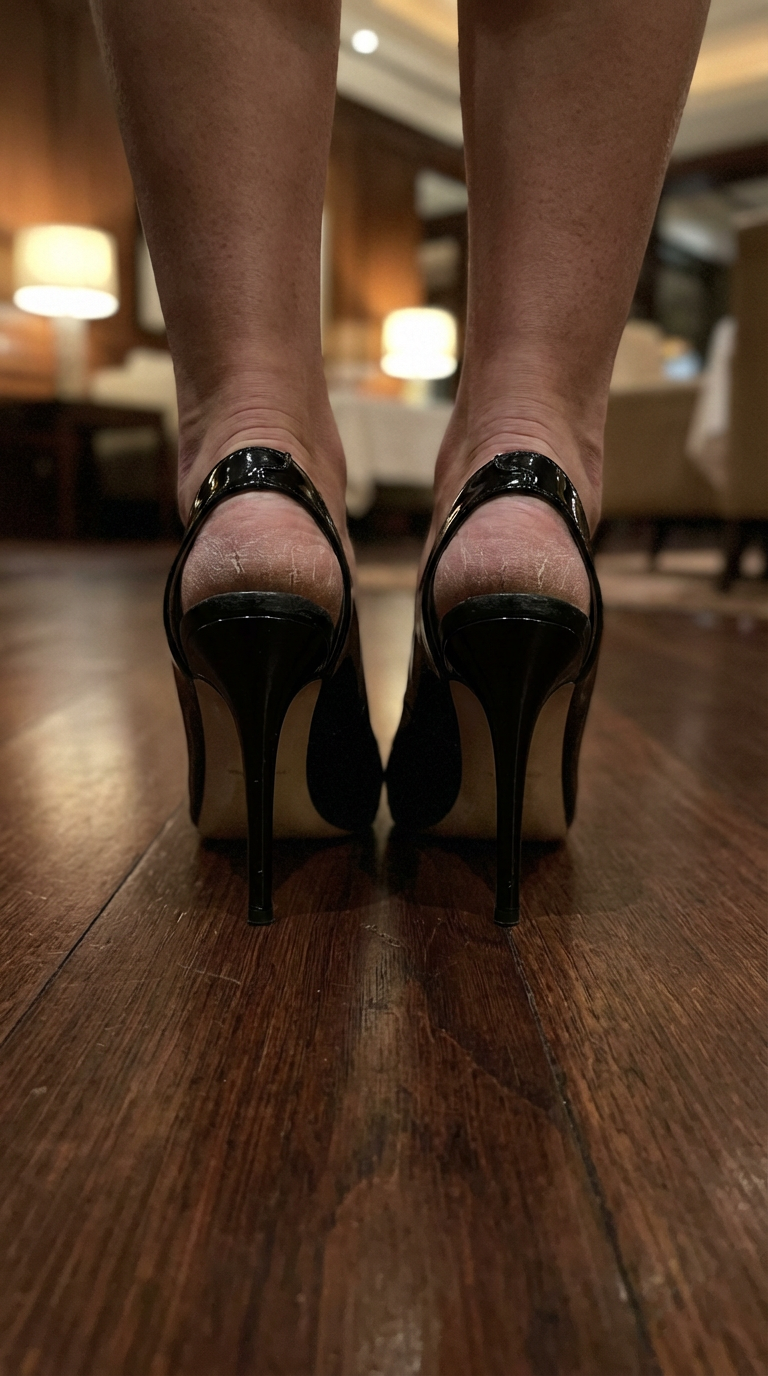
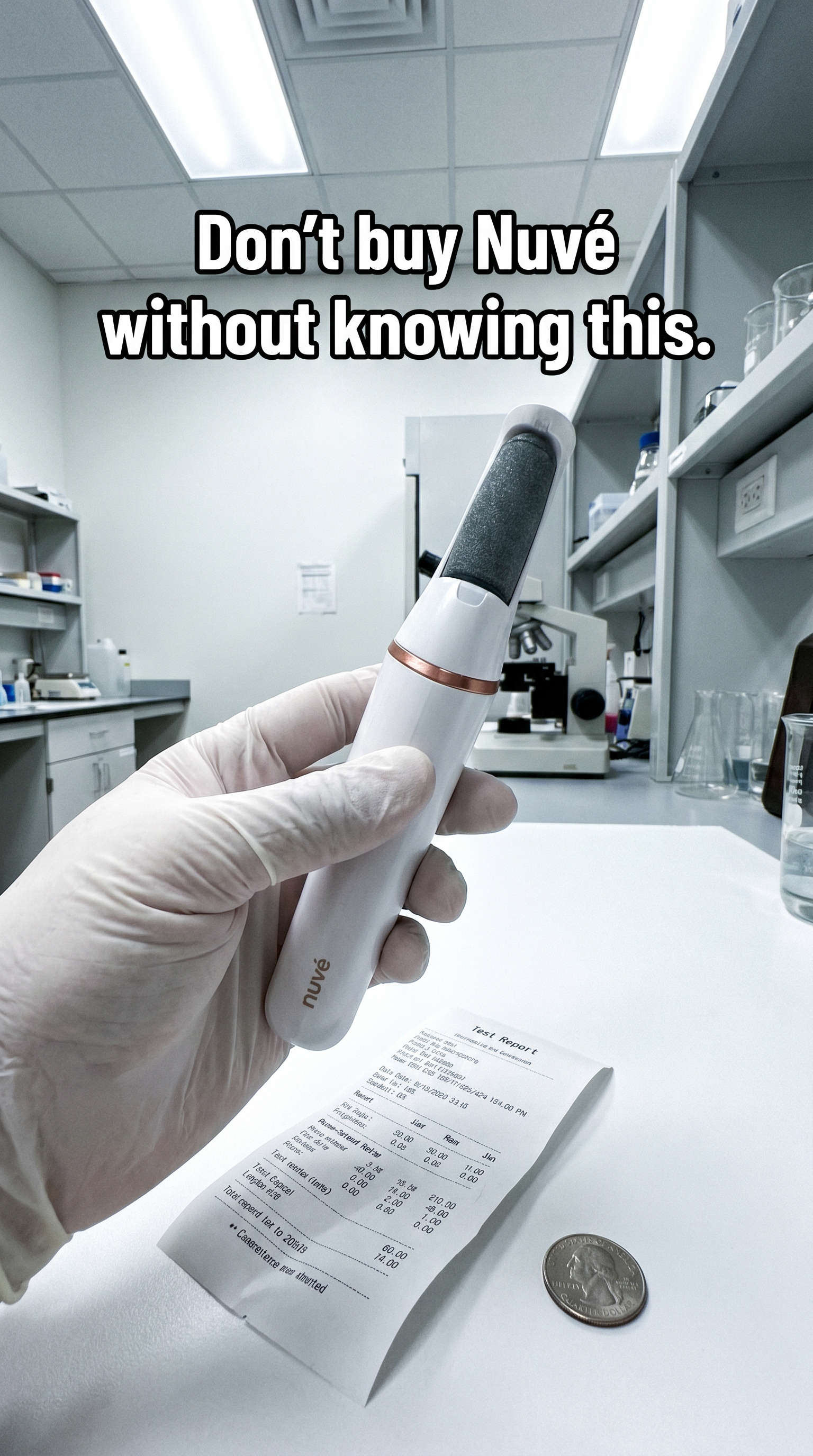
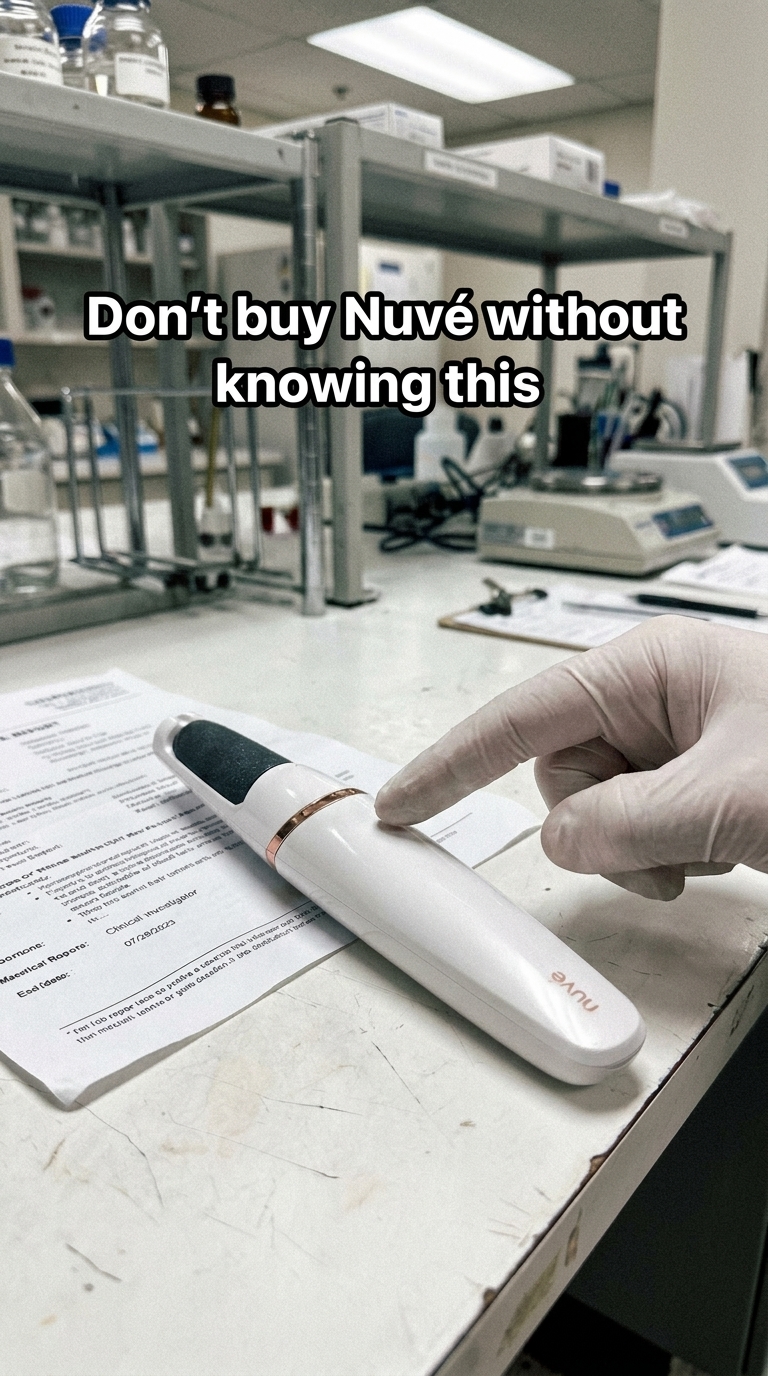
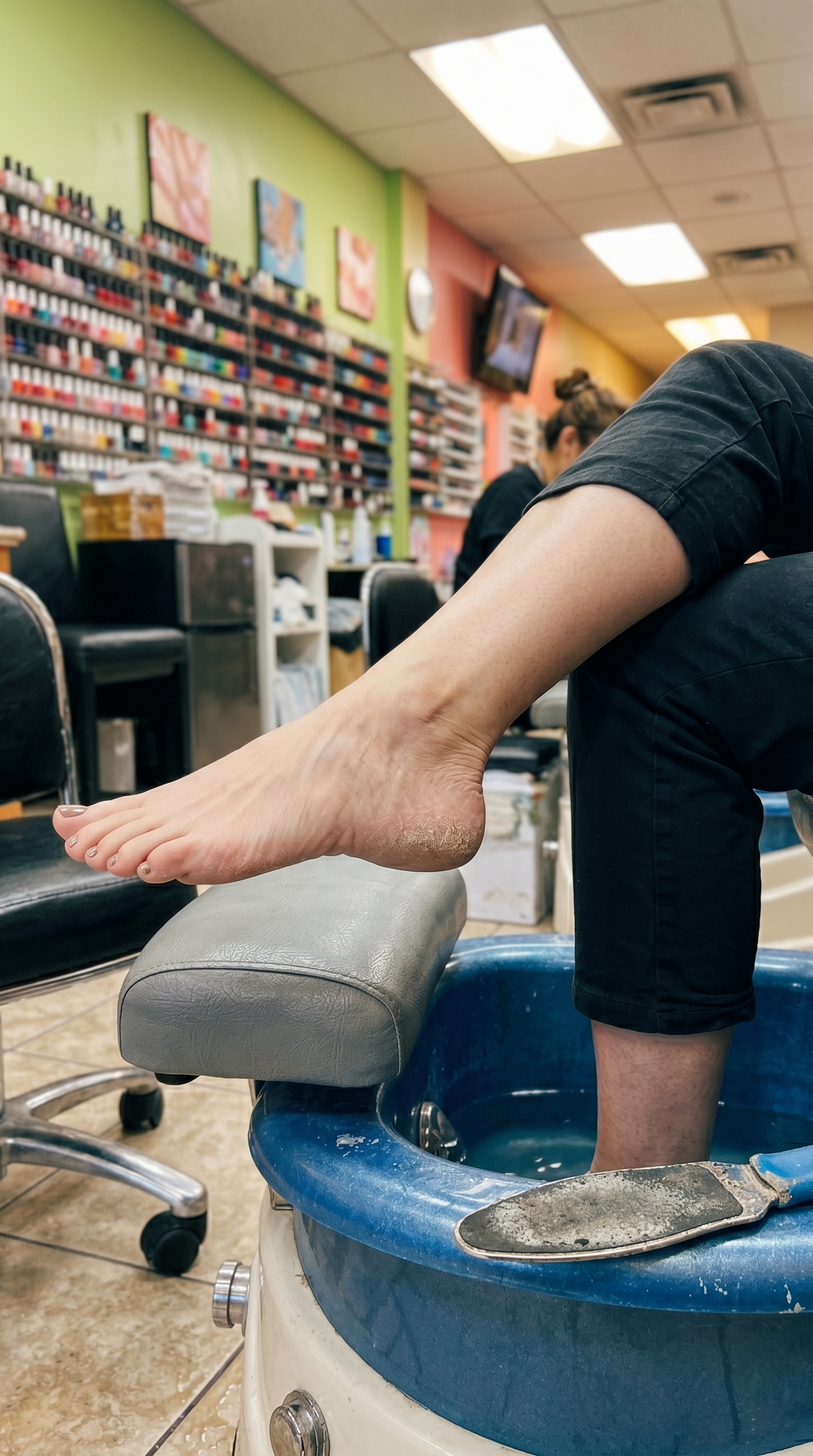
I have been going to the same nail salon every four weeks for three years. Maria knows my name. She knows I take my coffee black. She knows my daughter just started middle school. She also knows that no matter how long she spends on my heels — and she spends a long time, sometimes forty-five minutes — I will be back in four weeks with the same cracked, calloused, rough heels I walked in with the first time. We have never discussed this. We don't need to. It is simply the arrangement. My name is Aubrey Hayes. I'm 41. I live in Phoenix, Arizona. I work in HR and I'm on my feet more than most desk jobs require. For three years I have treated my monthly pedicure the way some people treat a gym membership or a therapy appointment. Non-negotiable. Recurring. Part of the infrastructure of managing myself. Except a gym membership actually produces lasting change. Therapy actually moves something forward. The pedicure — as much as I love the hour of sitting still and the way my feet feel walking out — resets to baseline within a week. Four to five days, usually. Sometimes six if I'm careful, if I moisturize every night, if I don't stand too long. And then the cracks come back. The rough edges come back. The thick, calloused buildup on my heels — the thing Maria works on for the longest — comes back like it never left. Because it never did leave. I understand that now. But I didn't understand it then. Then I just thought I needed to keep going back. I did the math last October. I was filling out a budget spreadsheet and I got to personal care and I paused. $80 per visit. Every four weeks. Twelve to thirteen visits a year. $960 to $1,040 annually. Every year. With no endpoint. Not because I was getting something cumulative. Not because I was building toward a result. Because I was paying to reset a problem that would be exactly the same next month, and the month after that, indefinitely. I sat with that number for a while. I didn't stop going — not yet. I didn't know what else to do. But I started asking questions I hadn't asked before. Why do the heels come back so quickly? Why does the callus rebuild this fast? What is Maria actually removing, and why does it grow back before the month is out? I started researching. Not casually — properly. Forum threads, dermatology articles, podiatry blogs. I was looking for an explanation, not a product. What I found was a podiatrist named Dr. Rachel Simmons. Twenty-two years in practice in Scottsdale. She had published a detailed comparison of every major callus removal method — salon, pumice stone, foot file, chemical peel, and a handful of devices. Side by side. Mechanism by mechanism. With an honest assessment of what each one actually does and why each one fails to produce lasting results. I read the whole thing twice. The explanation started with something I hadn't fully understood before. The callus on your heel isn't just dry skin. It's compacted skin — layers of dead cells that have been pressed down and hardened by the sustained pressure of standing and walking, day after day, year after year. Those cells don't shed the way skin elsewhere on your body does. They compact. They harden. They build into a dense, impenetrable mass that Dr. Simmons referred to as the dead layer. The dead layer is what every salon visit, every pumice stone, every overnight cream has been trying to address. And here is what the comparison made clear. The salon — the rotary tool Maria uses — actually removes the dead layer correctly. That is why my feet feel the way they do walking out. The mechanism is right. The problem is that the pressure and friction that built the callus haven't changed. I still walk the same floors, stand the same hours, wear the same shoes. The dead layer begins rebuilding immediately. Within four to five days, it's back to where it was. The salon isn't failing. It's just a reset. A very effective, very temporary reset that requires you to keep coming back indefinitely to maintain a result that should, theoretically, not require indefinite maintenance. The pumice stone — which I had also been using in the shower between visits — creates surface friction. It polishes the top of the dead layer. It cannot penetrate it. It is working on the outside of a wall it was never designed to get through. The foot file: a blade that shaves linearly. Goes dull in two to three weeks. Can't maintain even contact on a curved heel surface. Creates uneven removal at best, skin damage at worst. Chemical peels: strip the surface of the dead layer. The layer rebuilds within three to four weeks. Often comes back harder. The acid is addressing the top of the problem while the cause — pressure, friction, sustained contact — continues underneath. Creams: hydrate whatever they touch. On live skin, they work. On the dead layer, they sit on the surface and go nowhere. The live tissue beneath the callus — the skin that actually needs moisture — never receives it. You are moisturizing the wall. Not the room behind it. None of these — not the salon, not the stone, not the file, not the peel, not the cream — addresses the cycle. They each address a layer of the problem. The cycle continues regardless. Then Dr. Simmons reached the section of her comparison I hadn't expected. She described a device a patient had brought into her clinic. Small, rechargeable, rotary — but different from salon tools in one specific way. The patient had ordered it online. Dr. Simmons had examined it before approving its use. The device was called the Nuvé Silk 3 Pro. Micro mineral rollers spinning at 2,000 RPM. Not a blade. Not acid. Rotation — the same removal mechanism as the salon rotary tool — but with two features that changed the equation for home use. First: two interchangeable heads. Coarse for existing buildup. Fine for weekly maintenance — because the key, Dr. Simmons explained, is not removing the callus once. It's removing the small amount that accumulates each week before it has a chance to compound. Weekly maintenance takes five minutes. It prevents the four-week accumulation that makes the salon visit necessary. Second: an automatic pressure sensor that stops the motor if you push too hard. You cannot over-file. You cannot cut into live skin even if you're distracted or pressing harder than you intend. The device stops for you. She had tested it on the patient's foot and asked her to come back in a week. The patient came back in four days. "The foot I tested it on looked like it had just come out of my treatment chair," Dr. Simmons wrote. "The other foot — unchanged. Since then I've recommended it to over 200 patients. The results have been consistent." I was skeptical. I want to be honest about that. I have tried things based on recommendations before. I have bought devices that claimed to be different and weren't. I have been burned enough times that my default response to any "this one actually works" claim is a polite internal dismissal. But this was a podiatrist's clinical comparison. Not a review. Not an ad. A mechanism-by-mechanism analysis of why each method fails and what the one exception does differently. And she was describing the same results I got from the salon — except maintained weekly instead of reset monthly. The same rotary mechanism. Just accessible at home, five minutes, once a week, with a sensor that made it safe. They had a 100-day money-back guarantee. That was the part that moved me. Not the mechanism, not the podiatrist, not the 3,000 reviews at 4.9 stars — although all of those mattered. The 100-day guarantee was the part that said: we know this works and we'll prove it at our risk, not yours. I had nothing to lose except the habit of paying $80 a month for a result that lasted less than a week. I ordered it. nuvebrand.com/silk Free shipping. 100-day money-back guarantee. It arrived three days later. I put a dark towel on the bathroom floor. Sat on the edge of the tub. Attached the coarse head — already charged. I turned it on. The motor was different. Noticeably, immediately different from the cheap battery devices I'd tried before. Solid. Consistent. The kind of motor that sounds like it was engineered for resistance. I pressed it lightly against my heel. Dead skin came off like powder. Not the strips I'd seen the pedicure technician remove with her scraper. Fine white dust, drifting down onto the dark towel in an even drift. The buildup that Maria spent forty-five minutes working on every month — lifting off in minutes, evenly, without pain, without effort, without any pressure from my hand. The motor stopped once when I pressed too hard. Cut out automatically. I released it. It restarted. I understood the auto-stop completely in that moment. Without it, I'd have no way to know when enough was enough. The device made that decision for me. Five minutes on my right heel. Five minutes on my left. I ran my thumb across both heels. I sat there for a moment. Smooth. Not four-days-then-back smooth. Not this-will-be-gone-by-Wednesday smooth. Smooth like the result of a salon visit — but with the specific quality of something that felt different in kind, not just degree. Like the problem had been addressed differently, not just reset. I put moisturizer on. It absorbed. Completely, immediately, in a way it never had after a salon visit or an overnight cream routine. The cream was reaching the skin. Because the dead layer was gone. That was nine weeks ago. I use it every Sunday evening. Five minutes per foot on the couch. Moisturizer after. Done before the episode ends. I have not been to the salon for two months. Not because I don't like Maria. Not because I don't enjoy the hour of sitting still. Because the problem the salon was solving is no longer a problem that needs monthly resetting. The weekly five-minute maintenance is addressing it before it compounds. There is nothing to reset. My heels have not cracked since week two. Not after long days. Not after standing too long. Not after wearing the wrong shoes. The crack along the outer edge of my right heel — the one that would split open on bad days and sting through the afternoon, the one Maria would spend ten minutes alone on — closed in the second week and has not returned. I texted Maria last month. Not to cancel — just to tell her what happened. She asked me the brand. I told her. She said two other clients had mentioned it. The salon works. Maria is good at her job. The mechanism is correct. But the salon requires you to keep coming back because it addresses the accumulation once a month instead of the increment once a week. Change the frequency. Change the outcome. → Cracked heels that come back within a week of every pedicure → Forty-five minutes in a salon chair to reset something that rebuilds before the month is out → $80 a month every month with no endpoint and no cumulative progress → Moisturizer applied faithfully every night that never reaches the skin underneath the callus → Pumice stone in the shower that polishes the surface of the problem without touching the depth → Chemical peels that strip the top layer and leave the same buildup back within three weeks → The specific exhaustion of maintaining something that should have been fixed years ago → A solution that works for four days and then sends you back to the same appointment The salon removes the dead layer correctly. The problem is frequency — once a month lets it compound. The Nuvé removes it correctly too. The difference is that five minutes once a week prevents the compounding before it starts. Micro mineral rollers at 2,000 RPM. Not a blade. Not acid. Rotation — the same mechanism as the professional tool — in a rechargeable device with an auto-stop sensor that makes it safe to use at home without a technician's judgment. Coarse head for existing buildup. Fine head for weekly maintenance. Remove the buildup weekly before it compounds. Then moisturize — and the cream actually reaches the skin it was always meant for. You have 100 days to try it. Full refund if it doesn't work, no questions, no forms. But it will work. Because the mechanism is the same one that has been working on your feet at the salon. You're just finally doing it at home, before the problem gets the chance to come back. nuvebrand.com/silk Nuvé Silk 3 Pro. Free shipping. 100-day money-back guarantee. Less than one salon visit. And unlike the salon visit — this one doesn't wear off by Wednesday. Aubrey Hayes, 41, Phoenix. Three years of monthly resets. Nine weeks of not needing them. P.S. — I ran the numbers again last week. $80 a month, twelve visits a year, three years: $2,880. The Nuvé cost me $39. The 100-day guarantee meant I risked nothing. I want to be precise about this: I am not telling you the salon is bad. I am telling you there is a way to stop needing it every month, and it costs less than one visit to find out. P.P.S. — I am not paid by Nuvé. I found Dr. Simmons' comparison through a research rabbit hole and ordered the device based on the mechanism, the podiatrist's clinical assessment, and the guarantee. I paid for it myself. Three years and $2,880 later, I wish someone had shown me that comparison on month one.
Like this ad? Make it yours.
Crush rebuilds this exact creative around your product — your brand, your colors, your offer — in about a minute.