
Active· since Apr 22, 2026
- 146
- days running
- 0
- relaunches
Ad copy
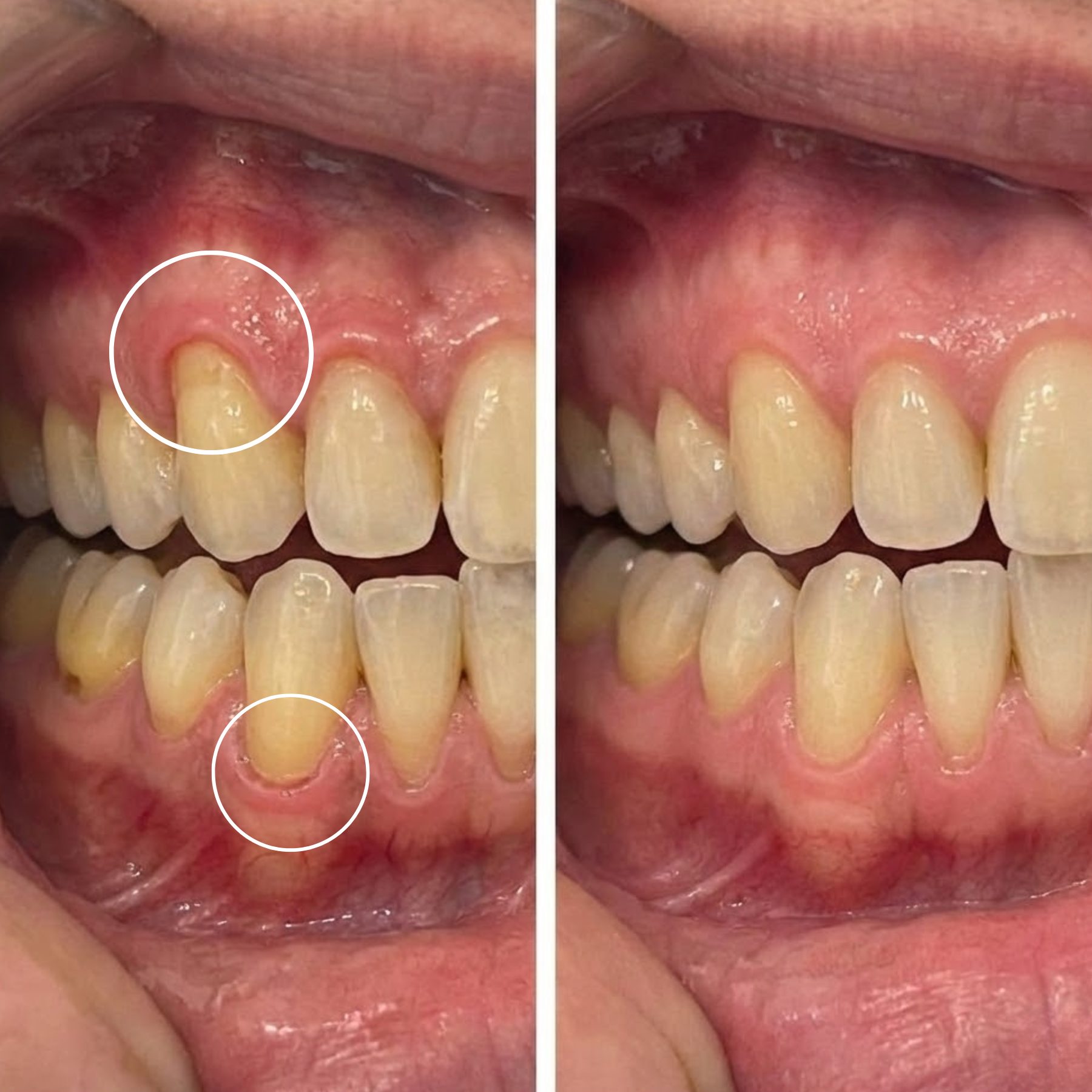
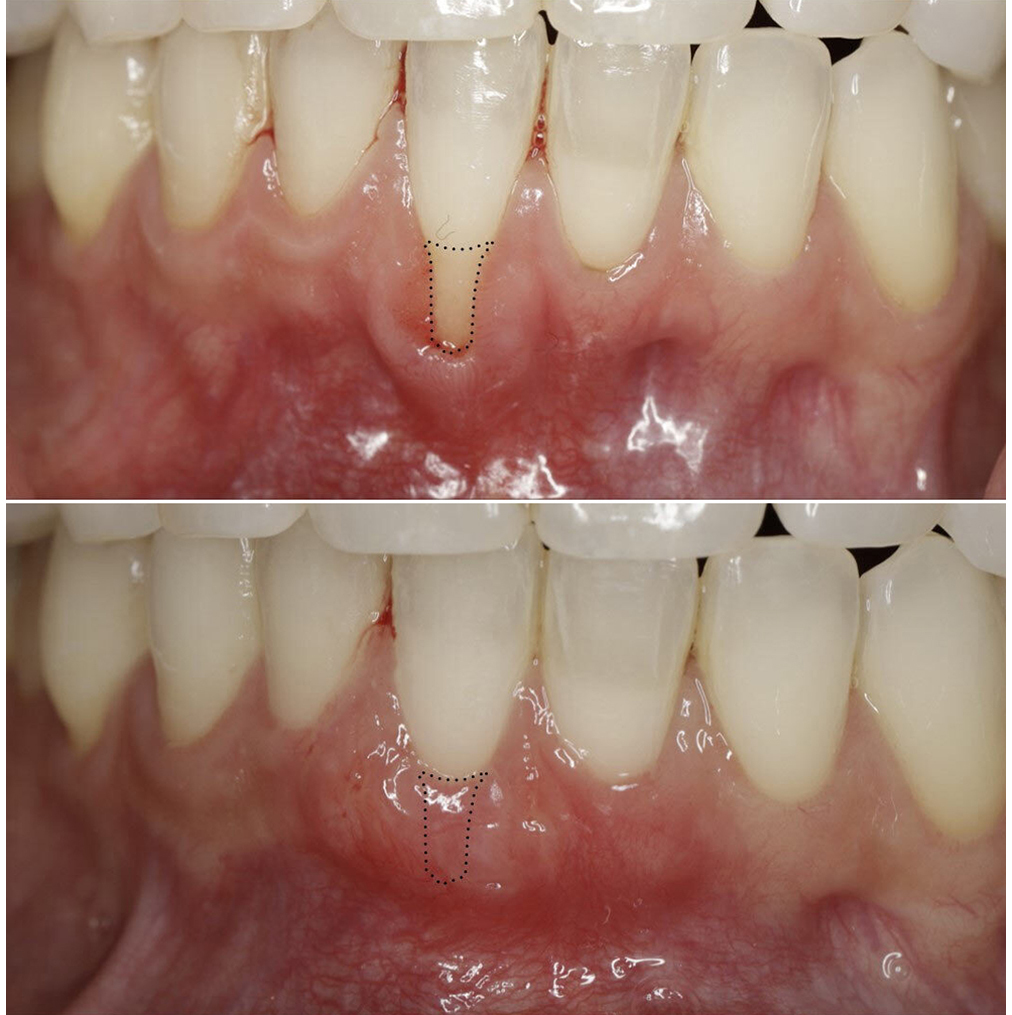
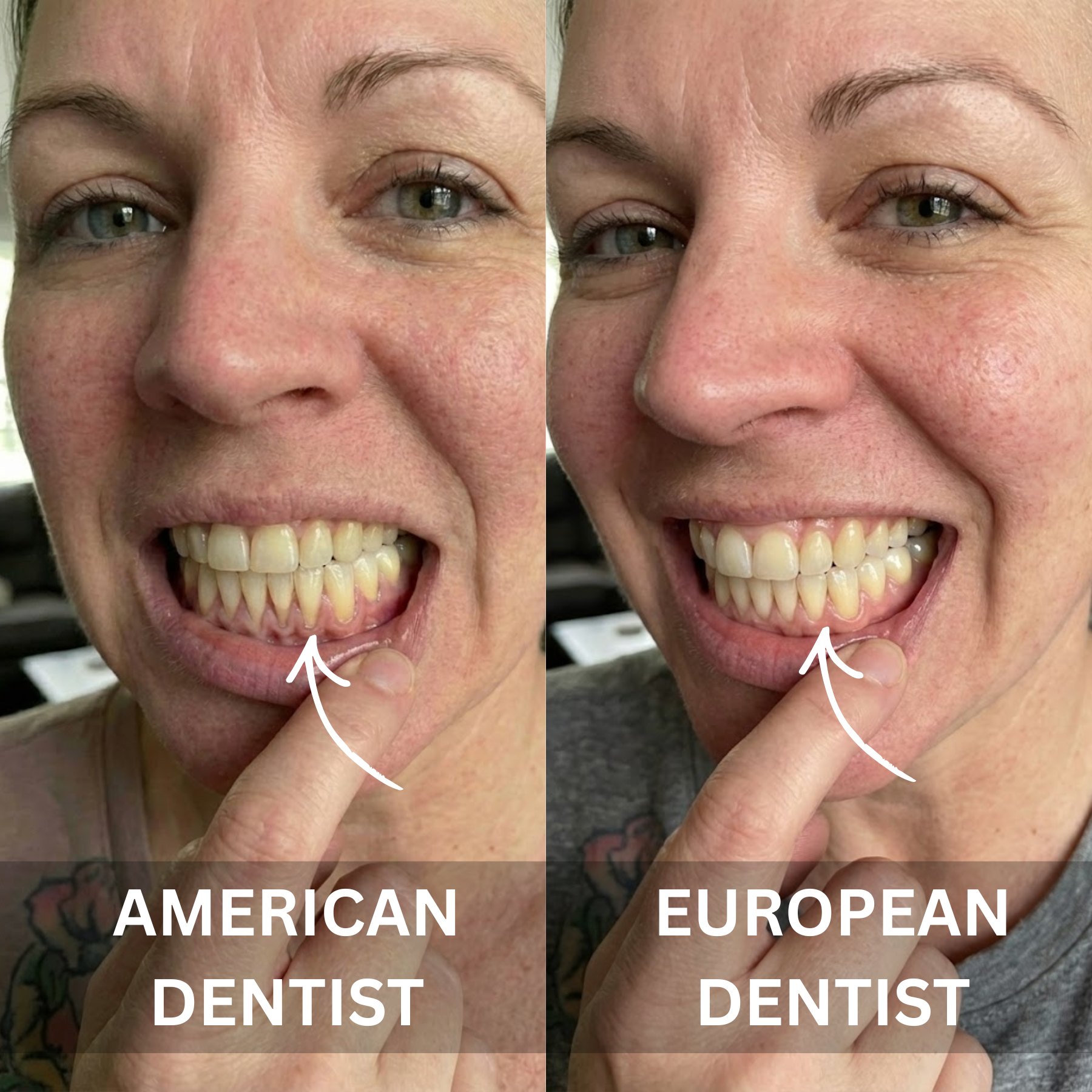
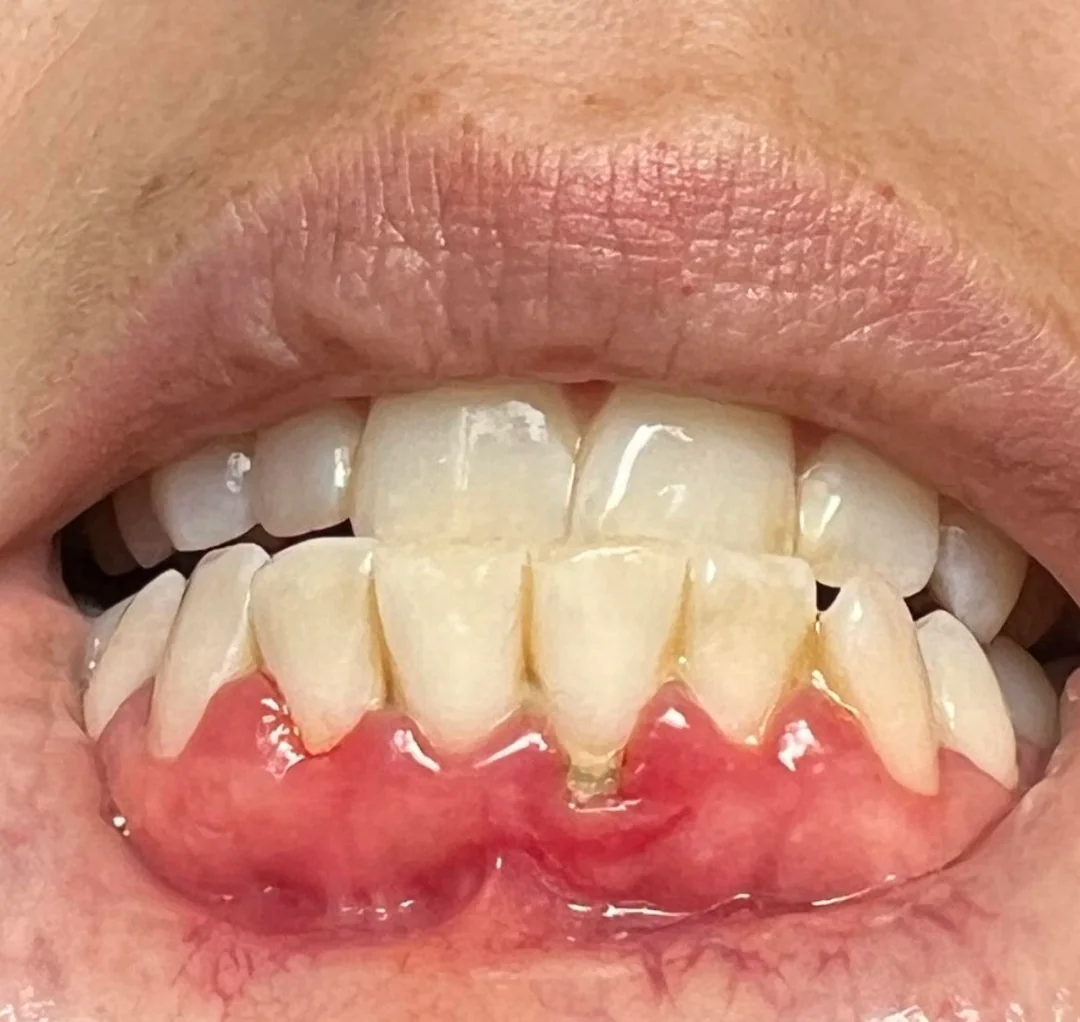
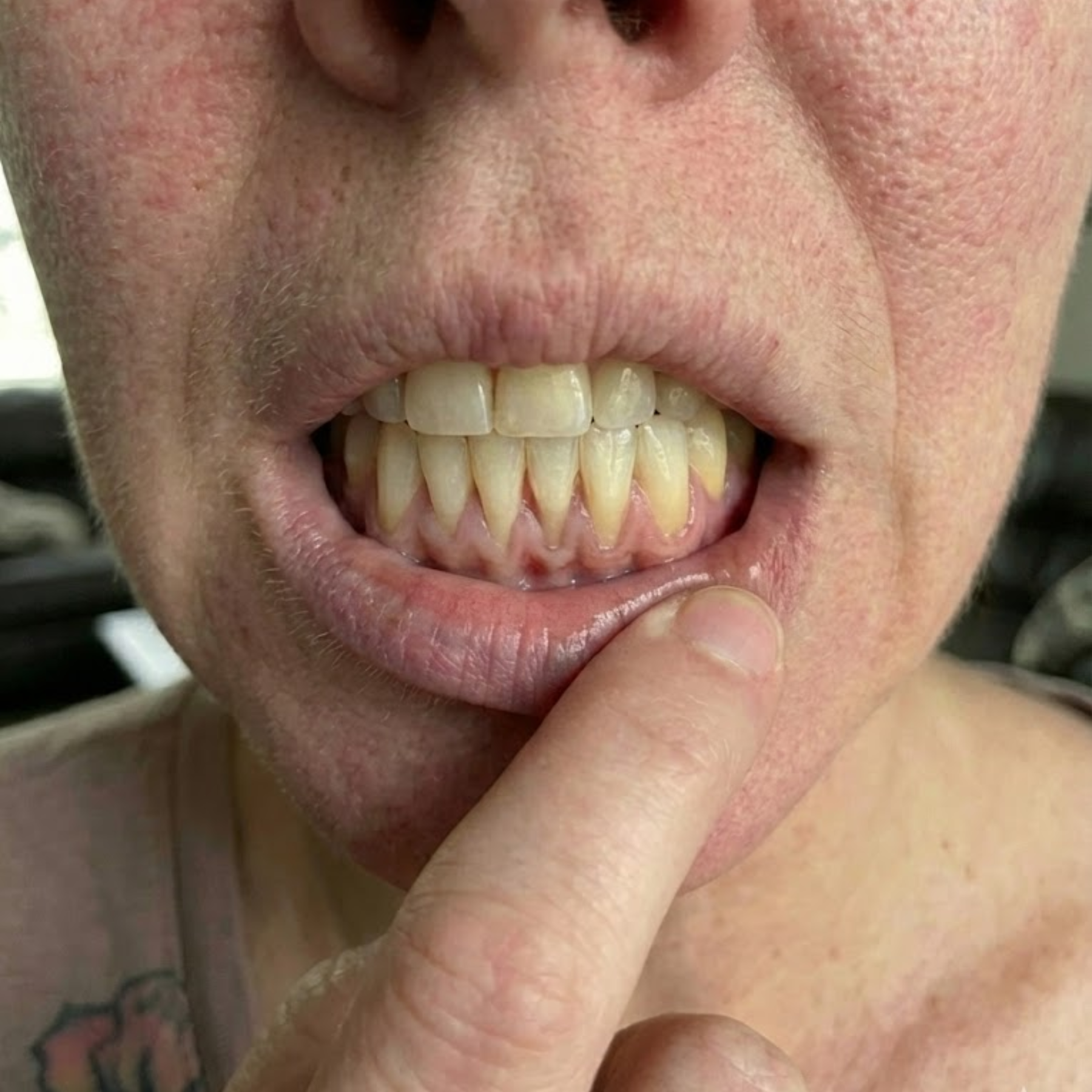
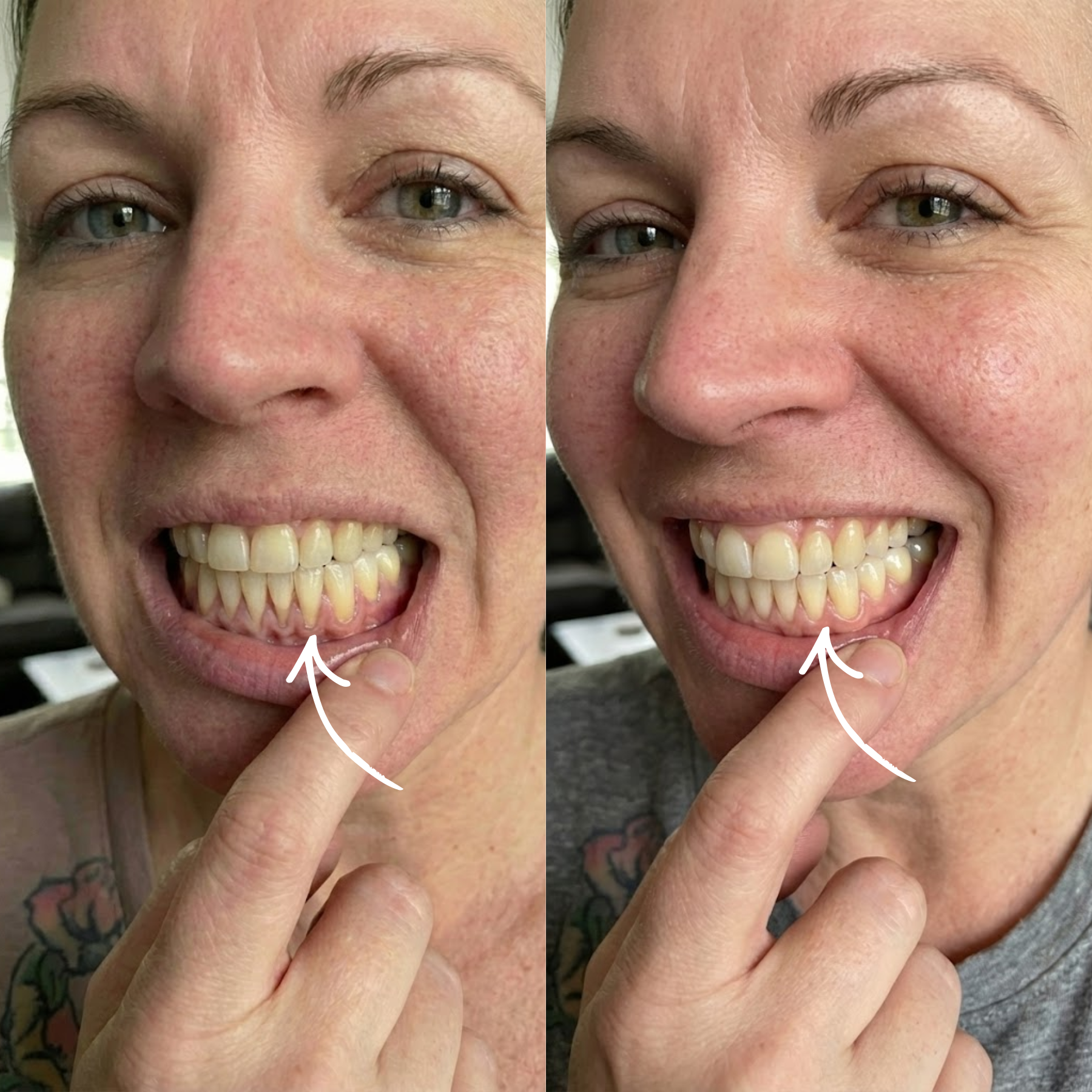
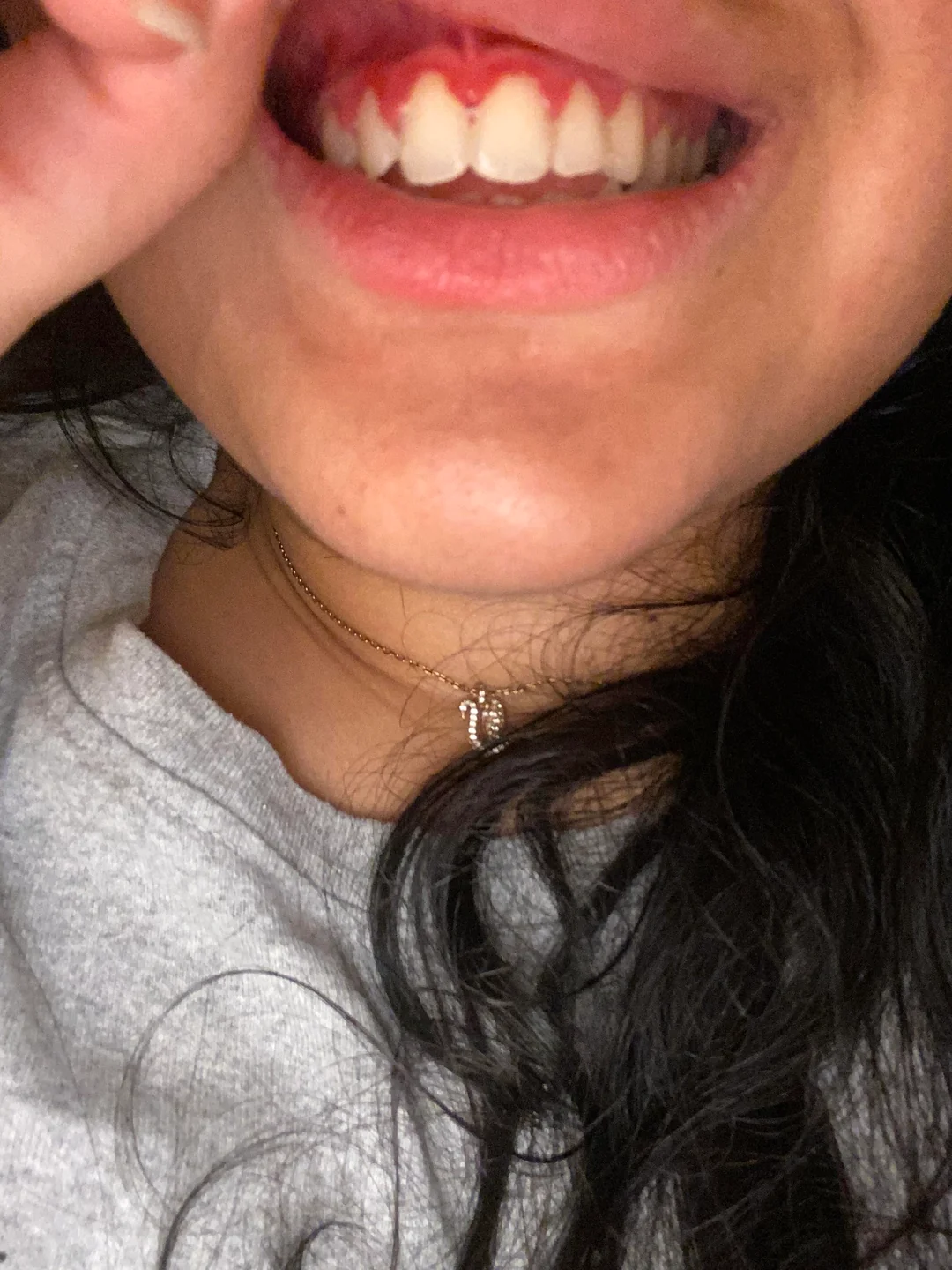
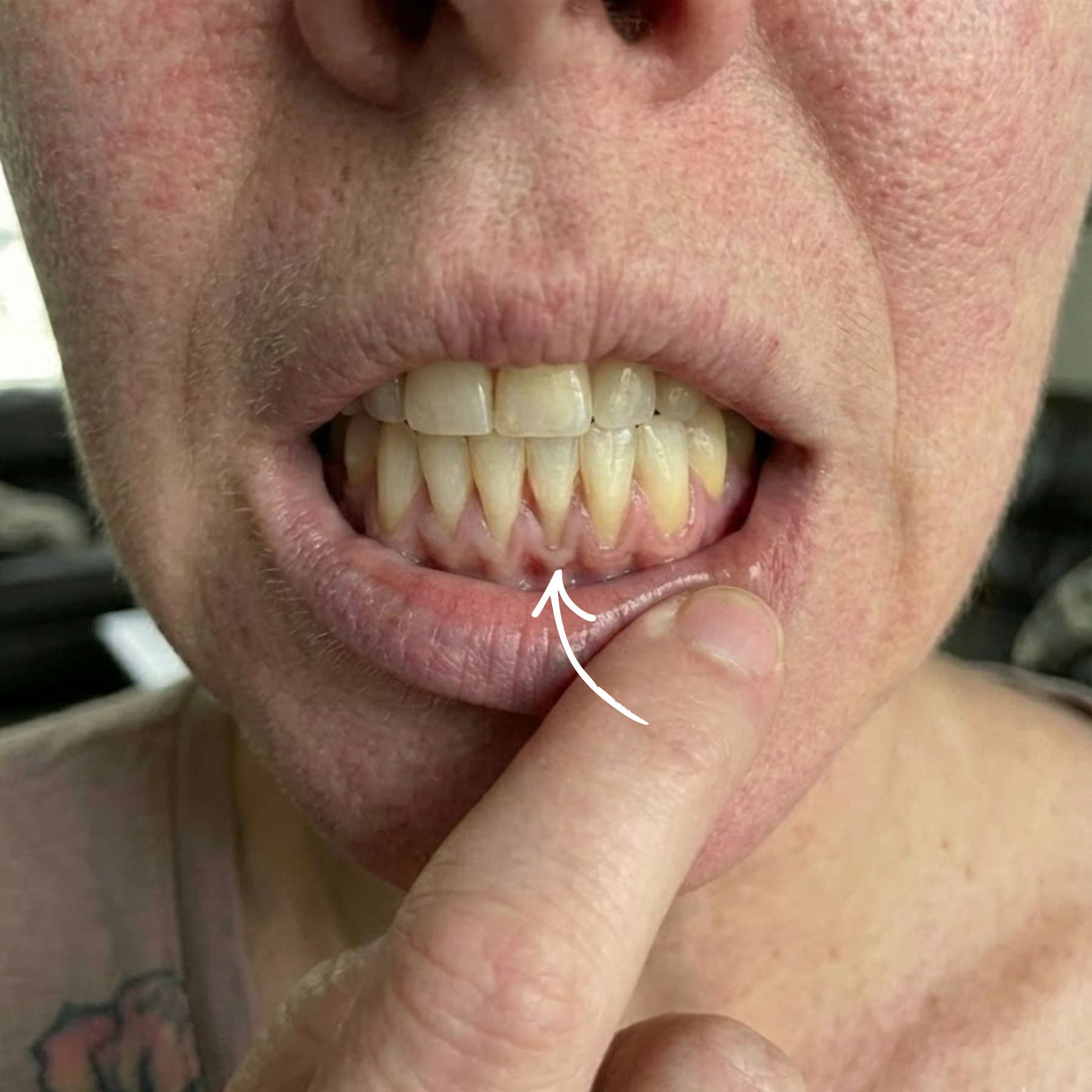
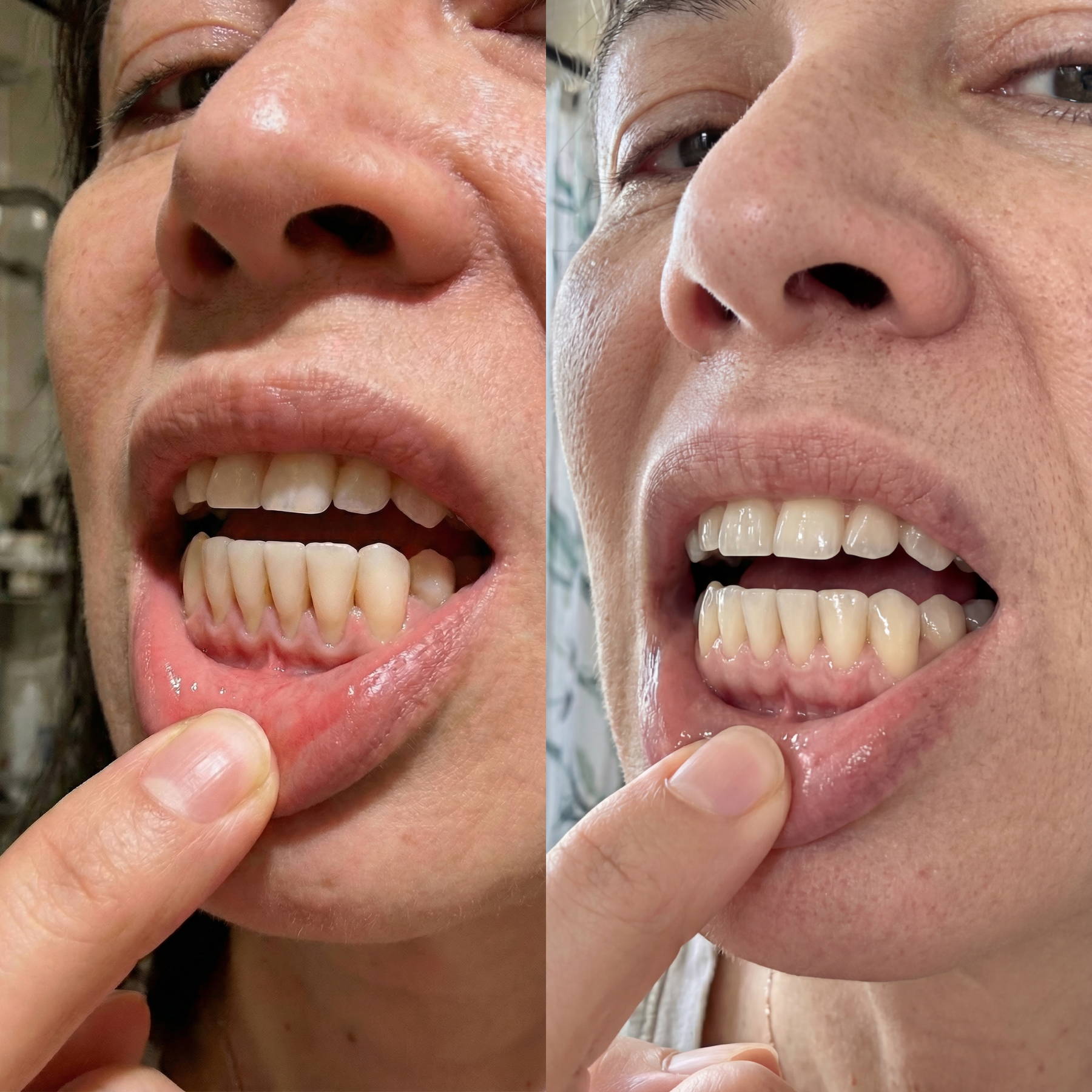
"Gums don't grow back" proved to be WRONG. But don't expect your dentist to tell you. Let me explain. I'm 56 years old. Three weeks ago, my dentist told me I needed gum graft surgery. $7,200. Tissue cut from the roof of my mouth. Stitched onto my gum line. Four to six weeks of painful recovery. "Your recession has progressed," he said. "Gums don't regenerate. Once the tissue is gone, it's gone. Surgery is your only option at this point." I sat in my car in the parking lot for twenty minutes. I couldn't even drive. That night, I barely spoke at dinner. My daughter Emma was home for the weekend. She's in her third year of dental school. She noticed something was wrong. "Mom, what's going on?" I told her about the appointment. The diagnosis. The surgery. The cost. She listened. Then she asked: "Did Dr. Patterson say gums don't grow back?" I nodded. "He said it's permanent. Surgery is the only way to fix it." She set down her fork. "Mom, they taught us the same thing about brain cells." --- I looked at her. "What do you mean?" "For decades, every doctor learned that brain cells don't regenerate after age 20. It was settled science. In every textbook. Every medical school." "Then in the 1990s, researchers discovered neurogenesis. The brain grows new cells your entire life. What we thought was impossible was happening all along." She paused. "They were wrong about brain cells. They were wrong about cartilage — we used to think that couldn't regenerate either. Now there's new research on gums." I stared at her. "What research?" "There's a study from 2025. The Medical University of Lublin in Poland, in collaboration with Italian clinical researchers. They proved that gum tissue can regenerate — if you give it the right building blocks." --- I felt my chest tighten. "Why wouldn't Dr. Patterson know about this?" Emma shrugged. "Because he graduated 30 years ago. The research is from 2025. Dental training doesn't update that fast." She paused. "But Mom — even when research like this exists, think about who benefits from sharing it. And who doesn't." I didn't understand what she meant. She didn't push it. "Just look up the study. See what you find." --- Part of me wanted to argue. Dr. Patterson has been my dentist for 15 years. He's a good man. "He wouldn't hide something from me," I said. Emma nodded. "I'm not saying he's hiding anything. I'm saying he probably doesn't know. And even if he did — just think about it. That's all I'm saying." We finished dinner and I went to bed early. But I couldn't sleep. --- At 11:30 PM, I texted her. "Can you send me that study you mentioned?" She replied. "Look up Medical University of Lublin gum regeneration study. Or search 'Tropocollagen Type I gum tissue 2025.' See what you find." I grabbed my laptop. "Lublin University gum regeneration study" "Tropocollagen gum tissue" "2025 gum collagen research" At 12:15 AM, I found it. The study was real. Medical University of Lublin, Poland. In collaboration with Italian clinical researchers. Published 2025. --- Here's what they found: Your gums are made almost entirely of collagen. Approximately 90%. It's the structural scaffolding that keeps your gums thick, dense, and attached to your teeth. This came from an earlier study — the Medical University of Białystok in Poland — that analyzed gum tissue composition. After age 30, your body produces less collagen every year. By 50, you're making about 70% less than you did at 25. So your gums aren't receding because of "aging" in some vague, inevitable way. They're receding because the structural protein they're made of is depleting — and nothing in your dental protocol replaces it. Brushing removes bacteria. It does not rebuild collagen. It's not permanent damage. It's a deficiency. And deficiencies can be corrected. --- The Lublin researchers asked a simple question: If collagen depletion is the cause, how do we actually replace it? They found the answer in something called Tropocollagen Type I. Tropocollagen is the precursor molecule — the smallest unit of collagen that still retains its biological signal. Small enough to pass directly through gum tissue. Small enough to absorb. Here's why this matters. Standard collagen molecules are too large to penetrate gum tissue. They sit on the surface and rinse away. That's why collagen supplements you swallow don't help your gums — they get broken down in your stomach. And collagen toothpastes don't work either — the molecules are too big to absorb. Think of it this way. A standard collagen molecule is a block of ice. It cannot pass through tissue. Tropocollagen at 1,000 Daltons is snow. It dissolves on contact. Passes through. And when it reaches your cells, it doesn't just fill the tissue. It signals your cells to rebuild. --- The study tested 612 patients with moderate recession over 14 months. The group using Tropocollagen showed tissue stabilization in 89% of patients. 34% showed measurable improvement in gum thickness. I read that section three times. Not "slowed down." Not "stabilized." The tissue actually regenerated. --- Then I understood why gum grafts fail so often. A graft takes tissue from the roof of your mouth and stitches it over the exposed root. It covers the recession that's already occurred. What it doesn't do is address why the recession happened. The collagen deficiency is still there. The foundation is still depleted. It's like planting flowers in dead soil. The surface looks good. For a while. That's why 30% of gum grafts fail in the first year. $7,200. Four to six weeks of painful recovery. Tissue from the roof of your mouth. And the recession comes back — because the foundation was never rebuilt. --- I kept reading. Found a company that had taken the Lublin research and created a powder. Tropocollagen Type I — applied directly to the gum line while brushing. About $30. I sat there at 1 AM staring at my screen. $7,200 for surgery that fails 30% of the time. $30 for a powder based on peer-reviewed research. And suddenly I understood what Emma meant at dinner. "Think about who benefits from sharing it. And who doesn't." --- The research proving gums can regenerate has been published. Peer-reviewed. Available to anyone who looks. But who's going to tell patients about a $30 solution? Not the dentists making $7,200 per surgery. Not the dental schools teaching procedures that generate revenue. Not the industry that profits from expensive treatments. Dr. Patterson isn't evil. He probably genuinely doesn't know. But even if he did — there's no incentive to tell me. Surgery pays. A $30 powder doesn't. --- I thought about the pattern Emma mentioned. Brain cells don't regenerate. Settled science for decades. Wrong. Cartilage can't heal. Everyone knew it. Wrong. Gums don't grow back. My dentist said so. Also wrong. Same pattern every time. "Impossible" until someone actually tested it. And every time, there was an industry that benefited from people not knowing. --- The next morning I showed Emma what I'd found. She nodded. "This is what I was telling you. The research exists. It's just not profitable to share it." I'd already found the product the night before. A brushing powder with Tropocollagen Type I. The same molecule used in the Lublin study. $30. I ordered it that morning. --- When it arrived, I stared at the jar. Three weeks of believing surgery was inevitable. $7,200 I was about to spend. And here was research saying I might not need it. A $30 jar that the industry had no incentive to tell me about. White powder. No taste. Simple instructions: wet toothbrush, dip in powder, brush gently along gum line twice daily. I started that night. --- Week 1: Nothing visible. But my gums felt less tender when I brushed. Week 2: The sensitivity started fading. Cold water didn't make me wince. Week 3: I looked in the mirror. The tissue looked fuller. Pinker. Less fragile. Week 4: I bit into an apple without thinking. No pain. No sensitivity. Week 6: I took a photo. Compared it to one from two months earlier. The difference was visible. The roots that had been exposed were starting to disappear under healthy pink tissue. Week 8: No bleeding at the gum line. I stopped checking my gums in the mirror every morning. Week 12: I went back to Dr. Patterson. --- He measured my recession like always. Stopped. Measured again. "This is unusual," he said. "Your tissue has actually improved." He pulled up my old measurements. Site 1: reduced from 4.2mm to 2.8mm. Site 2: reduced from 3.8mm to 2.6mm. "What changed?" I told him about the Lublin study. The Tropocollagen. The powder. He looked at my chart, then back at my gums. "I'm not familiar with that research," he said. "But I can't argue with what I'm seeing." He didn't recommend surgery. "Let's keep monitoring this," he said. "Whatever you're doing, keep doing it." I almost laughed. Fifteen years he'd been my dentist. Three weeks ago he said surgery was my only option. Now he's telling me to keep doing the thing he didn't know existed. --- I called Emma that night. "He said my tissue improved. He didn't recommend surgery." "I told you, Mom." "Why don't more people know about this?" "Because there's no money in telling them. A $30 powder doesn't pay anyone's mortgage. Surgery does. Follow-up appointments do. Complications do." "The research exists. It's published. But the system isn't built to spread information that doesn't generate revenue." "Brain cells. Cartilage. Gums. Same pattern. 'Impossible' until someone proves otherwise. And even then, it takes years for the industry to catch up — if there's any incentive to catch up at all." --- Here's what I wish someone had told me three weeks earlier: "Gums don't grow back" is outdated science. They said the same thing about brain cells. Wrong. They said the same thing about cartilage. Wrong. The 2025 Lublin study proved gums can regenerate when given Tropocollagen. Your gums aren't permanently damaged. They're just missing the building materials they need. Your dentist isn't evil. But he's not incentivized to find $30 solutions when $7,000 surgeries exist. The research is there. The industry just doesn't profit from sharing it. --- If you've been told your recession is permanent... If you've been quoted thousands for surgery... If you've accepted "gums don't grow back" as unchangeable fact... You need to know the science has changed. And you need to know why no one told you. --- I'll leave a link below to the powder I use. I don't get anything from sharing this. I just know what it's like to sit in a parking lot believing my only option was $7,200 surgery. And I know what it's like to find out a $30 solution existed the whole time. Your gums aren't broken. The system is. https://velverdo.com/pages/adv-3
Like this ad? Make it yours.
Crush rebuilds this exact creative around your product — your brand, your colors, your offer — in about a minute.