
Inactive· since Aug 10, 2026
- 4
- days it ran
- 3
- relaunches
- 843
- EU reach
Ad copy
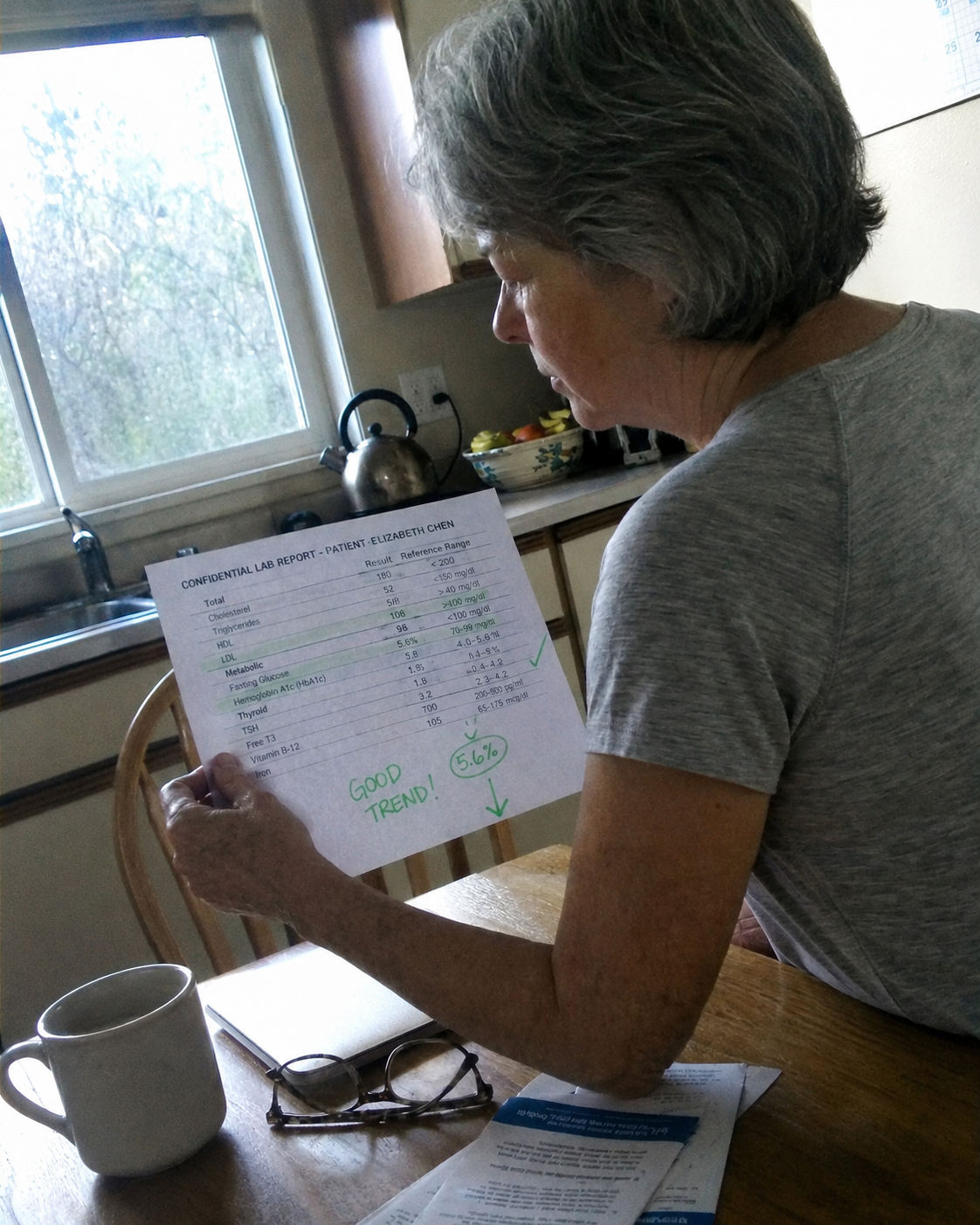
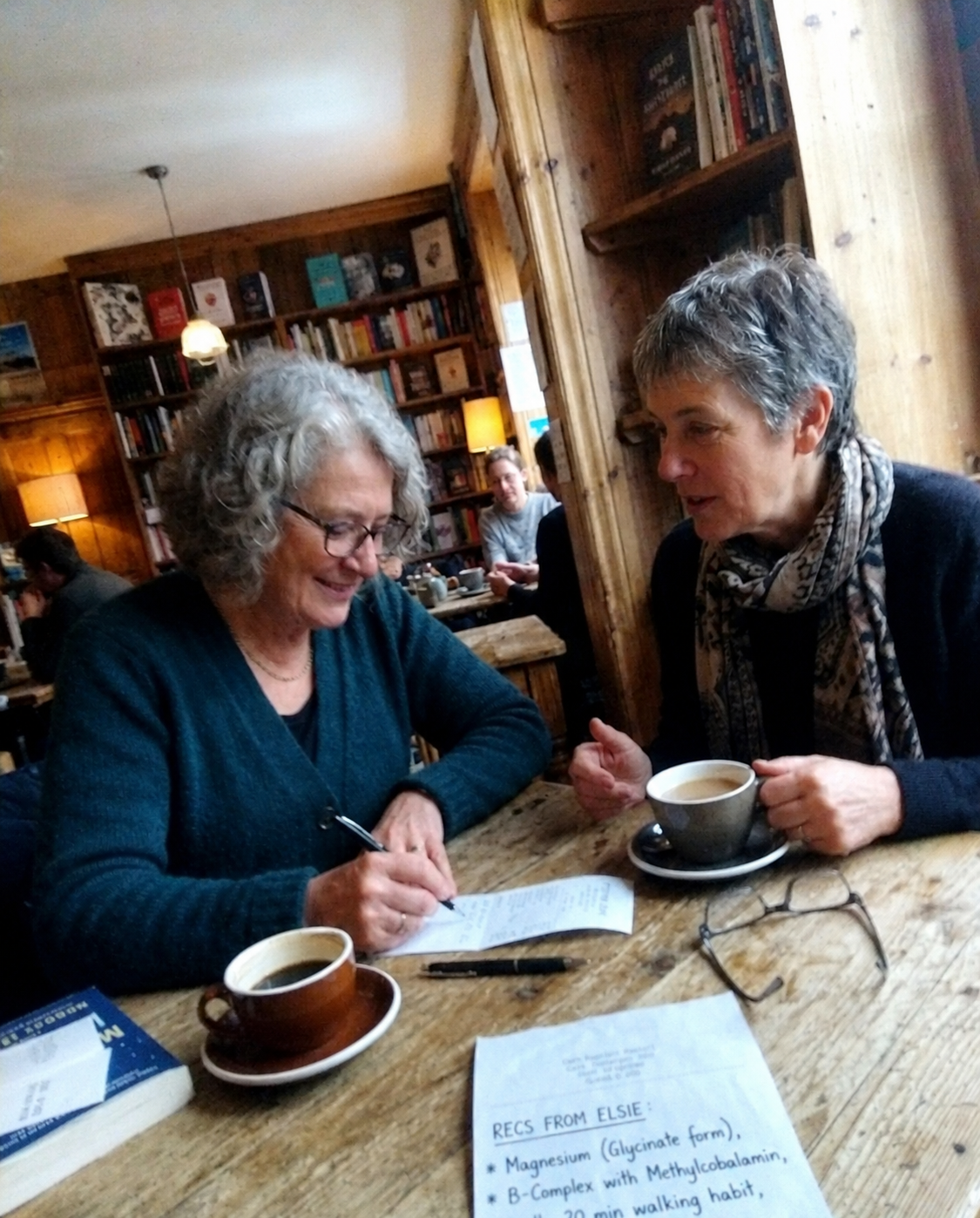
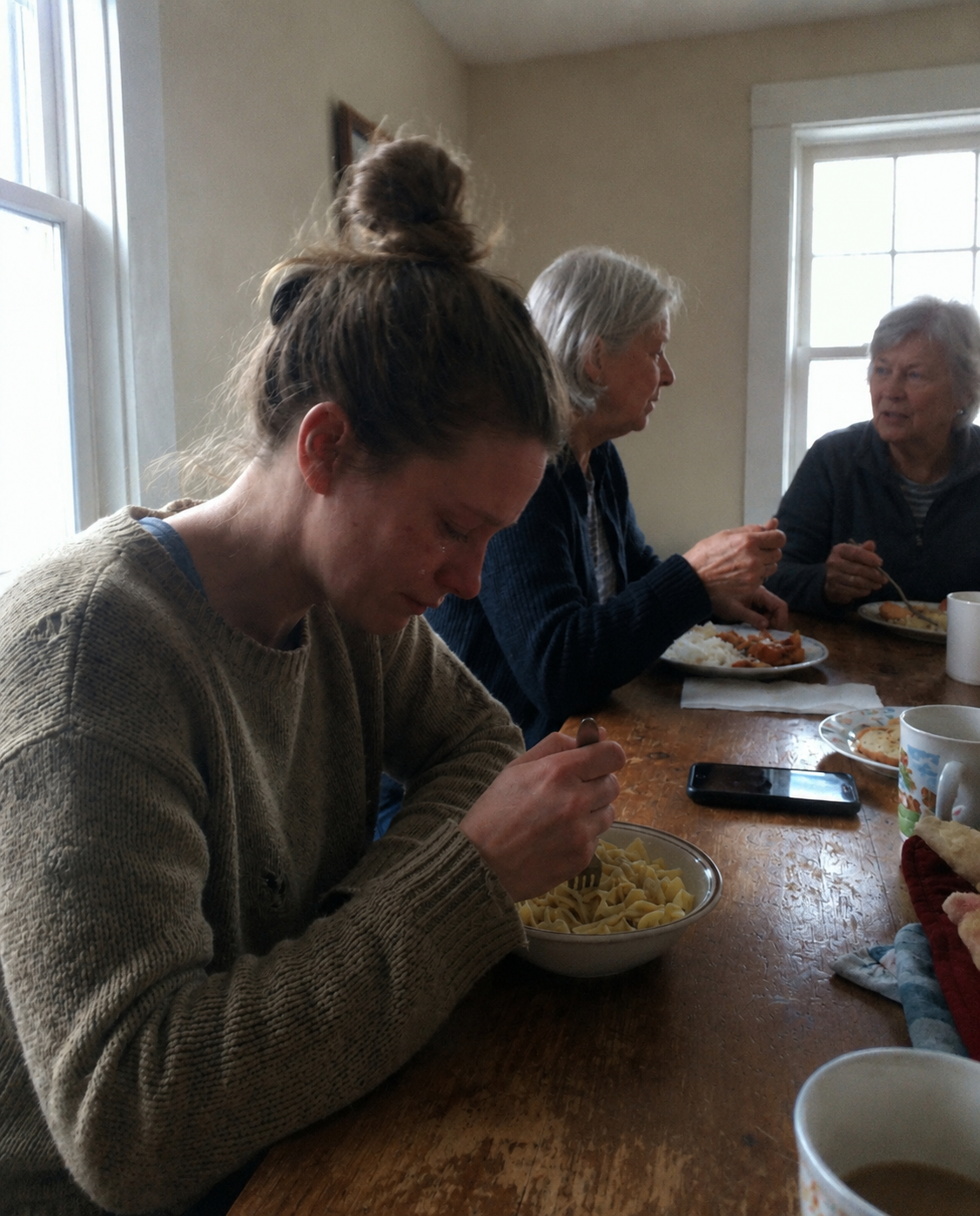
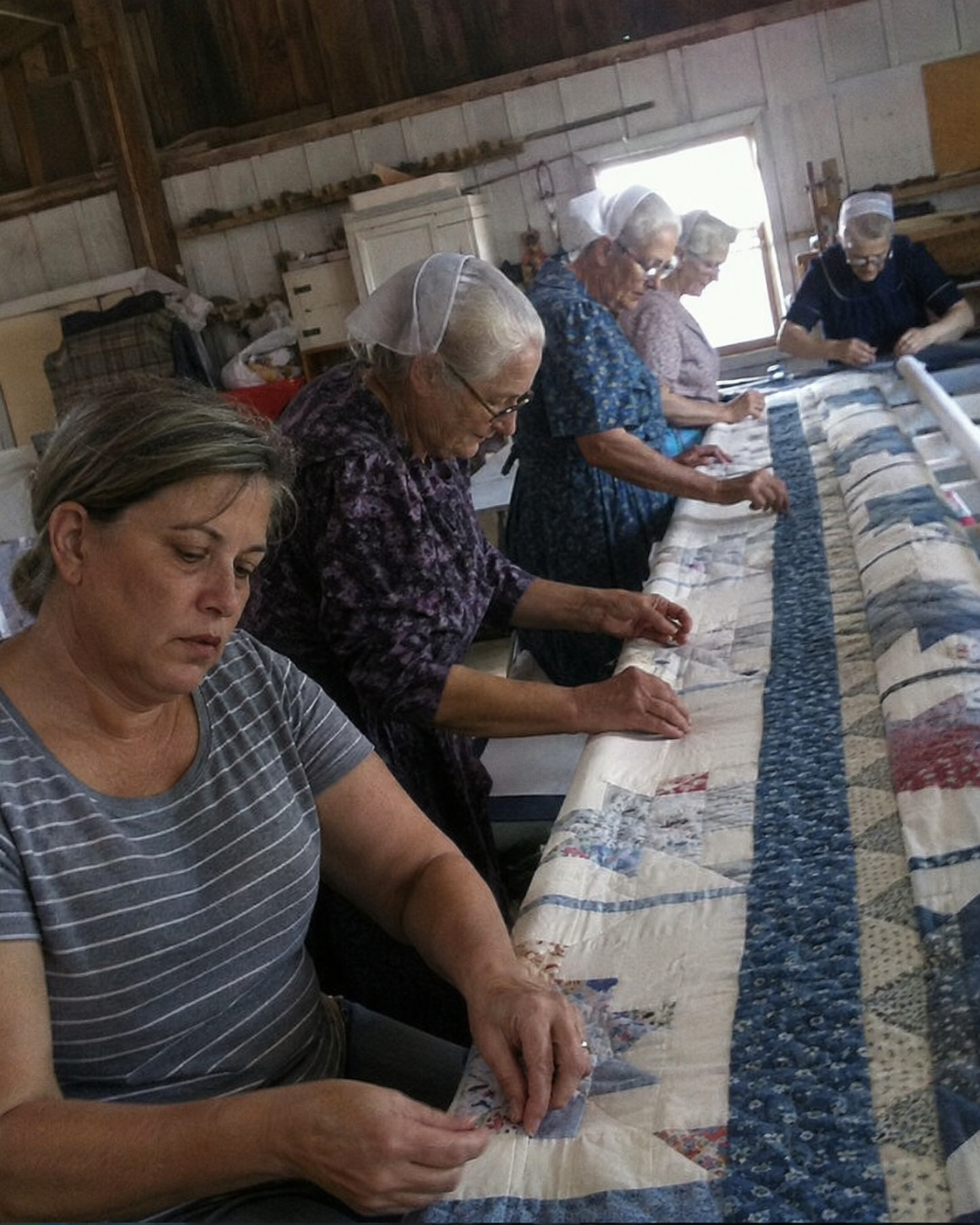
My sister and i are eleven months apart. at a quilting day full of women in their eighties, i watched her struggle to keep up — and she's only fifty-eight. The women around that frame were old. Genuinely old. Seventies, eighties, one well past ninety. And they quilted all day. Quick hands, straight backs, up and down to fetch and carry, talking and laughing the whole time. My sister Margit — fifty-eight, the baby of the two of us by eleven months — sat at that same frame and faded by early afternoon. Sore, slow, needing to stop. I sat there doing the math, and the math frightened me. My sister's name is Margit. She's fifty-eight. I'm fifty-nine. We've been a step apart our whole lives, and for most of it, Margit was the engine of the two of us. She raised four kids and ran a busy household and still had energy left to organize every family event, every holiday, every reunion. She was the one who kept us all stitched together. She had a current in her. A get-up-and-go that I, the older and slower sister, always quietly envied. That's the Margit I want you to picture before I tell you what the last few years did. Because over about three or four years, the current in my sister ran low. It came on so slowly we both kept explaining it away. The organizing tapered off. The big family events got handed to someone else. She begged off the things she used to run. She got winded on stairs she used to take without thinking. She'd press a hand to her chest sometimes — not pain, she said, just a flutter, just tiredness. She sat more. Did less. By evening she was spent. "I'm just worn out lately," she'd say. "I'm not as young as I was." Lately. She said it for two years — and being her sister, I heard it, even when she thought no one was listening. We're close, so I went with her to her doctor about it. More than once. Dr. Halvorsen is thorough and kind. She took it seriously and ran everything — the full panel, the blood pressure, the cholesterol, the heart, all of it. And it came back fine. "For fifty-eight, Margit, this is a decent picture," she said. "A couple of these are at the higher end of where I'd like them — nothing alarming, nothing I'd medicate today. After menopause this is just the stage where it's wise to pay attention to your cardiovascular health. Stay active, watch the salt, and we'll keep an eye on it." Here's how that landed. It wasn't bad news. But it wasn't nothing either. A door had opened onto a hallway my sister had never had to walk down. The years where she never thought about her heart-and-circulation were over. The years where she had to were beginning. And "we'll keep an eye on it" — watch and wait — didn't feel like enough. Not for the woman who'd kept our whole family together. I didn't want to just stand at the top of that hallway with her, waiting to see which way a number drifted. I wanted us doing something. Supporting her, not just monitoring her. So I did what I do, being the reading sister. I started reading. And then our niece took us out to the country, and an old woman at a quilting frame said something I haven't been able to forget. Let me explain how we got there. Our niece, Solveig — Margit's daughter — is the bridge. Solveig's a graduate researcher. She'd spent most of a year embedded with a Plain farming community out in the countryside — living near them, boarding with one of the families, studying how they live and work and, the part that mattered to us, how their women stay so vigorous into old age. She's careful about what she is. "I'm not a doctor, Aunt Inga," she must have said a dozen times. "I study how communities live. Lifestyle. Patterns across generations. That's all." She's almost stern about that line, and I came to be grateful she is. The community was holding a quilting day — a whole barnful of women putting a winter's worth of quilts together, an all-day affair — and the family Solveig boarded with said bring your mother and your aunt, there's always room at the frame. "You have to see these women, Mom," Solveig told Margit. "You have to be in that room." So the three of us drove out on a cold, bright Saturday. And what I saw at that quilting frame rearranged something in me. The women working it were old. Not spry-for-their-age old — genuinely advanced in years, and quilting all day with quick steady hands, straight backs, getting up and down to fetch thread and food and grandchildren without a thought. One of them, at the head of the frame, running the whole thing — choosing patterns, settling disagreements, never flagging — was eighty-six. Somebody told me. Eighty-six. And there was my Margit. Fifty-eight. The youngest woman at the frame by a wide margin, sore and slowing and needing to step away by early afternoon. I sat there and felt something crack open, because for the first time I was seeing my sister not against a chart — but against women. Living, working, straight-backed women with thirty years on her and three times her stamina. At the noon meal — and those women fed a barnful like it was nothing — I ended up beside the eighty-six-year-old. Her name was Esther. She'd seen me watching Margit step away to rest. She nodded after my sister, kindly, and said the thing I've thought about every day since: "A woman's strength is like a well. You draw from it every day, and the spring keeps it full. You stop drawing — you sit, you spare yourself, you let the young ones do it — and the well doesn't stay full. It goes low. Not from age. From not being drawn." I asked her if that was really all it was. She thought about it the way they do, in no hurry at all. "It's the most of it," she said. "We eat from our own ground, we keep early hours, we don't carry the worries you folks carry. But mostly — a woman here is never let go idle. There's always a well being drawn. So it stays full into old age." She nodded down the frame at the working women. "Look at them. Not one of them was ever told to sit and spare herself. So not one of them has run dry. It's no secret and no miracle. The well stays full if you keep drawing it." Then she looked toward where Margit had gone to rest, and her face was gentle. "Your sister's well's gone a little low, I think. Maybe life let her sit. Maybe the years crept up the way they do on all of us. But a low well isn't a dry one. Keep drawing it, gentle and steady, and the spring comes back up. It's only the ones never drawn again that run dry for good." I sat there with my plate going cold, because for the first time in three years someone had described what I'd been watching happen to my sister. The current. The energy. The well gone low. That night I couldn't sleep. In the morning I asked Solveig — was there something under what Esther said, or just an old woman's philosophy? Careful Solveig held up both hands before she'd say a word. "Aunt Inga. Before I say anything. I'm not a doctor. I'm not pretending to be one, and nothing I'm about to tell you is medical advice. Promise me you'll take it to Mom's doctor before either of you does a single thing — and you especially mind that, because of her cardiovascular health. Promise me, or I'm not saying it." "I promise." "Mean it." "I promise, Solveig. Doctor first." And then she told me. She told me what a year of notebooks had taught her. Not a theory of medicine — she was strict about that. Just what she'd watched, and then gone and read about, carefully, from real sources. "They eat what they grow," she said. "And one of the things they grow by the bushel and put up for winter is beets. The deep red ones." "And it's not folklore, Aunt Inga — beetroot is one of the most researched ingredients in the whole cardiovascular and wellness category. Decades of real study. Not a fad." "The reason people study it is a compound group called betalains. That deep red pigment — the stuff that stains the cutting board. That's the active part. One of the more potent antioxidants in the food supply." "And it does what?" I asked. "It supports things." She leaned on the word. "Supports cardiovascular wellness. Supports healthy circulation. Supports the body's natural antioxidant balance. Supports healthy blood pressure and cholesterol that are already in the normal range. Supports healthy energy." "Support. That's the honest word and the only one I'll use. It's not a treatment. There's nothing to treat — Mom's healthy, her own doctor said so. It's not a replacement for one single thing her doctor recommends, now or down the road." "It's support for the layer underneath the numbers. The exact layer Esther was talking about. The well that goes low. The layer that just starts asking for more attention once a woman's past the change — and that nobody at the appointment is really looking at, because the things they measure all come back fine." The well gone low. My niece and the old woman, landing on the same thing without ever having met. She told me one practical thing more. "How they make it matters, because betalains are heat-sensitive. The cheap fast way uses high heat, and the heat wrecks the good part. The cooked-out stuff goes brown." "You want the kind that's cold-pressed at low temperatures. Keeps the betalains intact. The real thing's a deep dark crimson." Then the part she said slowest. "Talk to her doctor or pharmacist first — I can't say it enough, with her cardiovascular health in the picture. Make sure it's fine with whatever she takes. Then add it, don't change anything else. And don't expect a light switch. It's not a drug that flips on. Bodies are different. Weeks, not days. Some feel it early, some take a while, some not much. Go in with your eyes open." I called Dr. Halvorsen's office that Monday, with Margit's okay — she let me make the call, the way she'd let me do everything since we were girls. I told the nurse exactly what it was — organic beetroot, the dose, cold-pressed — and asked plainly whether it was alright to add to everything Margit was already doing. She put me on hold. She came back a few minutes later and said it was a sensible thing to add, that she saw no concern alongside anything Margit was on, and to mention it at her next visit so it could go in the chart. We weren't going to guess with my sister's heart. We asked the people whose job it is to know. They said go ahead. Then I sat down with Margit and told her the whole of it. About the quilting frame. About the eighty-six-year-old running the show. About Esther and the well gone low. About Solveig's careful speech and the nurse saying it was fine. She was skeptical. Of course she was. She's a sharp woman who's seen every fad of the last fifty years. But then she thought about that barnful of straight-backed old women, and something shifted in her face. "I used to run every holiday and not feel it," she said. Quiet. "I'd give a great deal to want to do that again." "Then let's just try it," I said. "Two capsules and a glass of water. The doctor's office says it's fine. Tell me what we lose." "Nothing, I suppose," she said. "We lose nothing." She started the next morning. Two capsules of cold-pressed beetroot. A tall glass of water. Right beside her coffee. Added to everything else. Nothing taken away. Just added on top. Now — I'm going to be honest about this part. Because I don't trust stories that promise the world, and I won't tell you one. I don't know exactly what did what. I'm her sister, not a laboratory. And she was never sick to begin with — so there's nothing I can point to and say that got fixed. I can only tell you, in order, what I watched. The first thing was the phone. About three weeks in, Margit started calling me again the way she used to — the long sister-calls, twice a day, about nothing and everything. For a couple of years the calls had gotten short. "I'm tired, Inga, I'll call you tomorrow." And then one week they got long again. I didn't say anything. Didn't want to jinx it. The second thing was the stairs. A few weeks later we were out together and she came up a long flight ahead of me — ahead of me, the older sister — and waited at the top, not even winded, while I caught up. "Come on, slowpoke," she said, grinning, the way she used to when we were girls. I could have wept right there on the staircase. The third thing I'll keep until I die. She called me in the early fall and said — and I had to sit down — "I'm taking the holidays back. All of them. I want them at my place, the whole family, the way it used to be. I've already started the list." My sister was taking back the thing that made her her. I stood in my kitchen holding the phone and cried the good kind, the kind you don't bother to hide from your own sister. The small returns kept coming. Not all at once. One at a time, across the weeks. The flutter-and-tiredness she used to press a hand to her chest over came up less and less. She started driving the distances she'd been asking rides for. She talked about a trip the two of us had shelved for years — sisters, on the road, the way we'd always meant to — in the way of a woman making a plan, not making an excuse. The current came creeping back into my sister. The well, drawn gentle and steady, started rising again. I'm not telling you my sister is twenty-five. She isn't. There's no magic here and I promised I wouldn't pretend there was. She's fifty-eight. She still naps. Some days the fatigue still wins. And her cardiovascular health is still something her doctor keeps an eye on, exactly as before. But the engine of the two of us — the organizer, the holder-together, the one with the current I always envied — she's been coming back to us in pieces. And there's going to be a full house at her place for the holidays. Margit had her follow-up with Dr. Halvorsen a few months in. The doctor ran the panel again, everything she'd checked before. She looked it over, then looked at my sister — at the woman, not the chart — and said: "Margit, a couple of these are sitting in a better place than last time, and you've clearly got more energy than you did. Whatever you're doing, keep it up, and we'll keep monitoring." Margit told her about the beetroot. Said she hadn't changed anything else of substance — same routine, just added the one thing in the morning, with the office's okay. Dr. Halvorsen nodded and made a note. "That's a sensible thing to add," she said. "There's good research on antioxidant support for cardiovascular wellness. No concerns with it alongside anything you're on. Keep at it." She didn't promise us it was the beetroot. She couldn't have, and she'd have been right not to. But my sister walked out of there standing a little taller, and that was enough for me. In the car, Margit reached over and squeezed my hand — the way she had since we were girls — and said, "Thank you for not letting it go, Inga. Everyone else was ready to call it my age. You weren't." I kept my eyes on the road so she wouldn't see what my face was doing. I'm telling you all of this because there's a fair chance you've got a Margit in your life. Or you are one. A woman past fifty who was the engine of her family — the organizer, the holder-together — quietly winding down. Giving up the things that made her most herself. Winded on the stairs, a flutter she waves off, in the chair by evening. Her chart "fine, but," her doctor saying it's the stage to keep an eye on things — while the most capable woman you know fades, and everyone calls it her age. And if you're the woman feeling it yourself — the current run low, the stairs harder than they were, your own well gone a little low after the change — I'd listen to that quiet voice that says this is more than just my age. The doctor's been reading the chart. You've been living in the body, or beside it. On the things the chart doesn't measure, you might be closer to the truth than the chart is. I went looking for one thing my sister could add. Not a cure — there was nothing to cure. Not a replacement for anything her doctor recommends. One thing, with real research behind it, that might support the layer Esther named and the chart wasn't measuring — cardiovascular wellness, healthy circulation, the body's natural antioxidant balance, healthy blood pressure and cholesterol already in the normal range, healthy energy. What I found was beetroot. The brand I added to Margit's morning is Rosabella. 1,300 milligrams of organic beetroot per serving, cold-pressed at low temperatures so the betalains stay intact — that deep dark crimson, not the cooked-out brown. Two capsules with a glass of water in the morning. Added to everything her doctor already knew about, in place of none of it. Talk to your doctor or pharmacist before you add any new supplement to existing care — especially with cardiovascular health and any medication in the picture, so please don't skip it. That one phone call is what let us do this with a clear conscience. It's the first thing I'd tell any woman to do. It's what Solveig made me promise before she'd say a word. That's the whole story. An eighty-six-year-old woman at a quilting frame told me a well goes low from not being drawn, not from age, and rises again if you keep drawing it. A nurse said it was fine. And a few months later my sister took back the holidays. P.S. If you're watching a woman who was the heart of her family quietly wind down after fifty, while every test says she's fine and everyone's ready to call it her age — you're not imagining it, and you're not being dramatic. A "fine, but" chart and a fading woman can be the same woman. And if it's you — you're not a hypochondriac and you're not overreacting; this genuinely is the stage to start paying attention. I needed a barnful of straight-backed old women to make me stop calling my sister's fade "just her age." I'm telling you now, in this much detail, so you don't have to wait for your own quilting frame. It's worth paying attention now, while there's the most room to support what's still working. P.P.S. The part people skip and shouldn't: whatever your doctor has you on or recommends, that stays. If there's blood-pressure or heart care in the picture, it keeps doing its job, exactly as set. Anything you add goes on top of it, with the doctor's okay — never in place of it. That's not fine print. That's the whole rule, and it matters most of all where the heart's concerned. P.P.P.S. Here's exactly what I'd tell you to do, in order. First: check with the doctor or pharmacist — this matters most with cardiovascular health or any medication in the picture, so don't skip it. Second: once they've said it's a sensible addition, two capsules with a tall glass of water in the morning. Third: don't change anything else, and don't touch existing care. Just add this on top. Fourth: give it a couple of weeks, at minimum, before deciding anything. Some women notice something shift early — easier stairs, a little more energy, the wanting coming back. Others take much longer. Some don't notice much. Bodies are genuinely different, and anyone who promises you a timeline is selling you something. Be patient with hers, or with yours. P.P.P.P.S. Rosabella has a 90-day money-back guarantee. If you're not satisfied for any reason at all, every penny comes back, no questions asked. It's a sensible policy for a supplement — it means the only thing you're really risking is a few weeks and a little patience. You get plenty of time to see for yourself before you've committed. P.P.P.P.P.S. Rosabella is a small operation. They harvest and bottle on their own schedule, the way that farming community does everything on its own schedule, so Margit keeps an extra bottle in the cupboard just in case. She takes hers every morning with her coffee, and I started taking it too — I'm the older sister, after all, and if my younger one needed a little support for what's still working, I surely do. Esther's words turned out to be the truest thing anyone said to either of us in those quiet years: a well goes low from not being drawn, and rises again when you draw it — and the time to support what's still working is while it's still working. It's morning as I write this. My phone just rang. It's Margit — a long call, about nothing and everything, the lists for the holidays, the noise of her coming back. That's where it starts again, sometimes. A long call between two sisters. A flight of stairs climbed without a scare. A full house being planned for the first time in years. Individual experiences vary. These statements have not been evaluated by the FDA. This product is not intended to diagnose, treat, cure, or prevent any disease.
Support stamina and heart health every day
LEARN MORELike this ad? Make it yours.
Crush rebuilds this exact creative around your product — your brand, your colors, your offer — in about a minute.