 Unstoppable After 50
 Facebook ad: “The hidden cause behind leaks and urgency”
Running for 30 days since October 5, 2026. Crush last saw it on November 4, 2026.
Run by Unstoppable After 50 on Facebook. Crush is not the advertiser and does not verify its claims. See this ad in Meta's Ad Library(opens in a new tab)
Make your own version of this ad
Crush makes it, launches it in your own Meta ad account, scales the winners and pauses the losers.
About this ad
- Meta Ad Library ID
- 2019952245507842
- Platforms
- Facebook, Instagram and Threads
- Relaunches
- 0
Ad text
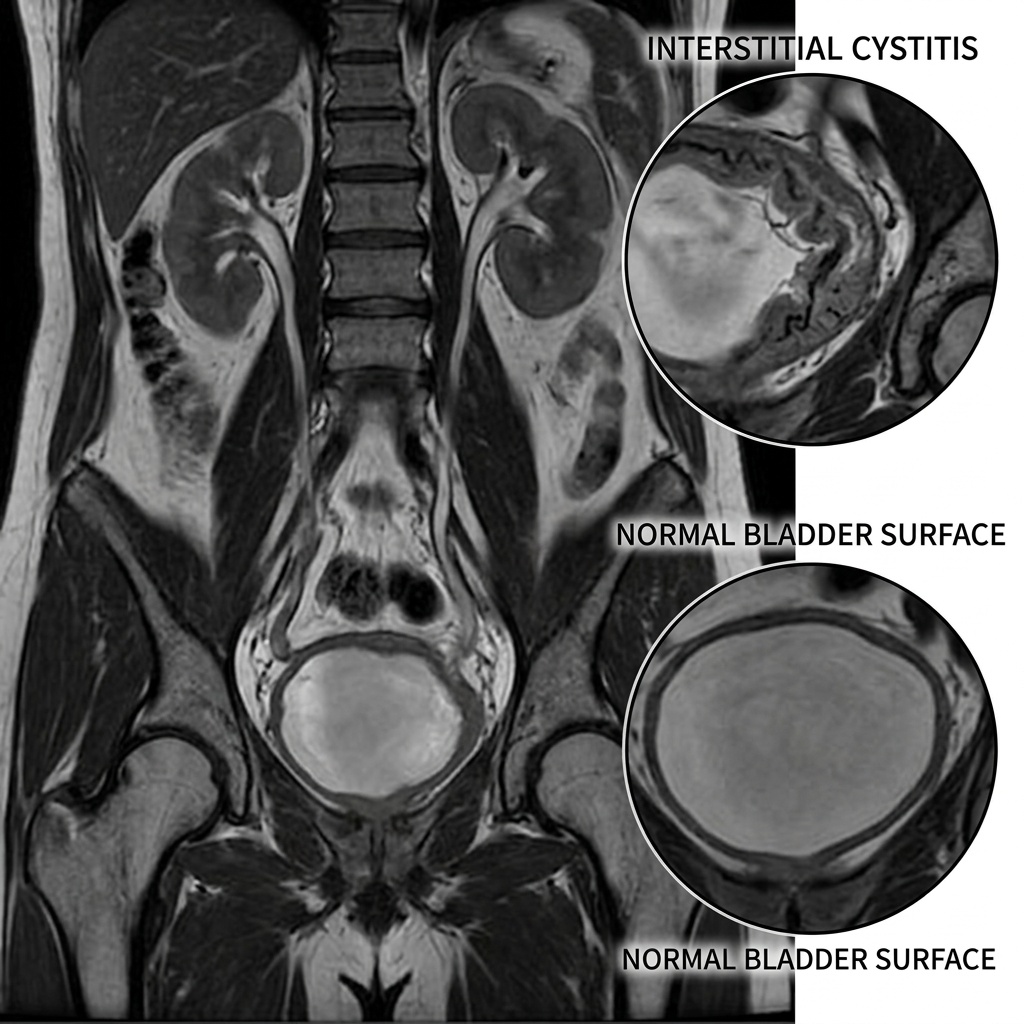
I'm Dr. Renata Cole, and I've been a urogynecologist for nineteen years. I've watched hundreds of women come in after a hysterectomy, convinced the surgery was behind them, only to find out their bladder had other plans. But the ones who stay with me aren't the ones asking about their exercises. They're the ones telling me they stopped going to their reading group. That they turned down a weekend away with their daughter because they didn't trust a four-hour car ride. That the woman who used to run the neighbourhood the whole family knew had gone quiet, and nobody could tell me when exactly that started. I've watched women do everything right. The exercises, religiously. The fluid tracking. The bladder diaries. Some bought generic cranberry blends and took them for years. Some saw two, three specialists. Did everything they could for their body and still ended up smaller versions of who they used to be. And I watched too many of them plateau year after year, more withdrawn every visit, telling themselves it was just what happens after a hysterectomy, until they'd quietly rearranged their whole life around a bathroom. Then I watched it happen to a woman named Vivian. And then, two years ago, I watched it start happening to my own mother. By the end of this you'll understand exactly why I stopped recommending the same thing to her that I'd been recommending to patients for nineteen years, and what I found instead. Vivian was sixty-two when I first started seeing her, two years out from a hysterectomy she'd had for fibroids. She came in because she was leaking, small amounts, when she laughed or coughed or got up too fast from her pottery wheel. "It's probably just the surgery settling," I told her, after I'd examined her and run the usual tests. "Structurally everything looks fine. Keep at the pelvic floor exercises and give it time." She nodded. Did everything I asked. Came back every few months. Same story every visit. A little leaking. A little more avoidance. I kept telling her the same thing, because it was what I'd been taught to tell her. At sixty-two, Vivian ran a Tuesday pottery class out of her garage and hosted a reading group that argued about books until nine at night. She was, by every account, the loudest and most alive person in most rooms she walked into. At sixty-four, she mentioned she'd cancelled pottery twice that month. "Just tired," she said. At sixty-six, the reading group had moved to her house because she didn't want to drive anywhere she couldn't leave quickly. She told me she'd started keeping a change of clothes in her car. At sixty-eight, she gave up the pottery class entirely. Told her students her hands weren't what they used to be. That wasn't true. I knew that wasn't true. Every visit, I examined what I could examine. Structurally, everything held up fine on paper. I told her the pelvic floor work was doing its job. I never had a good answer for why the leaking hadn't moved. By seventy, Vivian had stopped hosting the reading group altogether. She came in for her six-month appointment and I asked how she'd been. "I've just accepted that this is what the rest of my life looks like," she said. "I know you mean well. I just don't think there's anything left to try." I didn't have anything to say back to that. I knew what I'd been telling her wasn't wrong, exactly. I also knew it wasn't enough, and I'd never once said that out loud to her, because I didn't have anything else to offer her. Two years ago, my own mother started falling into the same pattern. She'd had her hysterectomy at fifty-one, for fibroids, same as Vivian. Eighteen years had passed without a single conversation about her bladder. Then, around seventy, she mentioned she'd leaked a little at my son's birthday party, laughing at something he said. I told her it happens. She told me it had been happening for months. Within a few months she'd stopped taking her usual Saturday shift at the library book sale, the one where she stood at the register for three hours straight. She started driving separately to family things so she could leave if she needed to. She turned down a weekend trip with my sister because of the drive. I recognized it immediately. I'd watched this exact unraveling in Vivian for eight years and done nothing but hand her the same advice every time. I was not going to do that to my mother. I referred her to pelvic floor physical therapy, twice a week, properly supervised. Started a bladder diary. Had her cut back her evening fluids. Added a cranberry supplement from the pharmacy, the kind with a long ingredient list and small print doses of each one. Four months in, almost nothing had changed. Her pelvic floor strength had genuinely improved, which should have told her something. It didn't touch the leaking. Her gynecologist, at her annual, said what I'd said to Vivian for years. "This is extremely common after a hysterectomy. Keep doing the exercises. It can take time to settle." I sat in that waiting room and heard my own voice coming out of someone else's mouth. I went home and started pulling research the way I hadn't bothered to in years, using the journal access my clinic pays for and never actually uses. What I found explained exactly why Vivian's exercises had never been enough, and exactly why my mother's weren't either. A hysterectomy doesn't just remove the uterus. The ligaments that hold the uterus in place are tied into the same structure supporting the bladder, the way a hammock's canvas depends on more than one anchor point to hold its shape. Cut one anchor, and the whole thing can sag in ways that don't show up for years. That's the first piece. The structural support around the bladder can shift, slowly, long after the incision has healed. The second piece is the bladder's own lining, what's called the GAG layer, a thin protective coating that keeps urine from irritating the tissue underneath. That layer naturally wears down and rebuilds itself over time. After a hysterectomy, especially once oestrogen drops further at menopause, the rebuilding slows. The lining thins. The bladder starts reacting to amounts of urine it should barely notice. The third piece is the nerve signalling between the bladder and the brain, which runs through the same structures that get disturbed during the surgery. When that signalling gets less reliable, you get urgency that doesn't match what's actually in your bladder. A hysterectomy outcomes review I came across, tracking women over years rather than months, found meaningfully higher rates of bladder leaking long after the surgery itself, well past the point most doctors or patients were still connecting the two. Three systems, all quietly affected by the same surgery, none of them addressed by pelvic floor exercises alone. Exercises work on the muscle. They don't touch the lining. They don't touch the nerve signalling. They don't rebuild an anchor point that isn't there anymore. I understood, finally, why Vivian's strength scores kept improving while her actual symptoms never moved an inch. I started trying to put something together for my mother myself. A hyaluronic acid capsule from one brand, for the lining. A magnesium supplement from another, for the nerve piece. A red clover tincture a colleague recommended for the hormonal side of things. Pumpkin seed extract from the health food store for the muscle itself. Four separate bottles. Close to a hundred and fifty pounds a month between them. No way to know if the doses were even in a useful range, because none of it was designed to work together. Six weeks of that, and I genuinely couldn't tell you if anything had shifted. My mother still drove separately to things. Still skipped her Saturday shift. Then one of my own patients, Marion, came in for her regular follow-up. Marion had her hysterectomy at fifty-eight, I'd been treating her for just under two years, same story as everyone else. That day she walked in differently. Stood straighter. Didn't do the small hover near the door she usually did before deciding where to sit. I asked how she'd been. She told me her leaking had all but settled. Said she'd been taking something called UroControl for about two months. I'll admit I was skeptical. Nineteen years in this field, I've had patients bring me every supplement under the sun. Most of it does nothing. I've learned to just nod. But Marion wasn't someone who got excited easily. She'd been one of my more guarded patients, honestly, someone who questioned everything I ever suggested before trying it. So when she told me this had worked, I actually listened. I looked up the formula that night. Pumpkin seed extract for the muscle itself, the same piece every pelvic floor exercise addresses, but fed from the inside rather than only trained from the outside. Hyaluronic acid for the lining directly, at a real, stated dose, not buried in a capsule of a dozen other things. This was the piece I'd been trying to source on my own and had no way of knowing if I'd gotten right. Sea buckthorn alongside it, supporting repair of that same lining, the part that actually needs rebuilding once the natural renewal process has slowed. Red clover for the hormonal piece, the tissue-level support that fades once oestrogen drops, which matters more after a hysterectomy, not less. Magnesium for the nerve signalling, calming the misfiring that creates urgency out of proportion to what's actually in the bladder. Cranberry extract, not for infections, but for the low-grade inflammation that keeps the whole area reactive. Six ingredients, mapped onto the three systems I'd just spent a week reading about. Not one ingredient trying to cover the other five. I ordered it for my mother that week, and stopped the four separate bottles I'd been cobbling together. First two weeks, nothing I could point to. By week four, she mentioned, almost offhand, that she'd gone an entire car trip to my sister's without needing to stop once. By week six, she took her Saturday library shift back. Stood at that register for three hours. Told me afterward she hadn't thought about the bathroom until she sat down to leave. By week nine, she drove with the rest of the family to my son's school concert instead of taking her own car. Her gynecologist, at her next annual, glanced at her chart and said, "Sounds like things have settled down nicely on their own." On their own. Eighteen years of nothing changing, four months of exercises that strengthened a muscle without touching the actual problem, and when something finally worked, it got filed under "settled on its own." I didn't correct her. I knew exactly what had settled it. I told Vivian all of this at her next appointment. She listened the way she used to listen before she gave up pottery, actually leaning forward. She's three months in now. Back to one Tuesday class a month, which for Vivian is enormous. She told me last week she's thinking about starting the reading group again, just a smaller version, just to see. If your doctor has told you leaking after a hysterectomy is just something you manage now. If you've done the exercises properly, for months, and your strength has improved while nothing else has. If you've quietly stopped doing the things you used to do without quite admitting that's what happened. This is what I wish I'd understood years before I nearly handed my own mother the same dead end I handed Vivian. Here's what actually matters in a formula, not just what's on the label. Hyaluronic acid at a stated, meaningful dose, not buried in a long list where it could be a trace amount of anything. Something addressing the hormonal piece directly, not just the muscle. And something for the nerve signalling, because urgency that doesn't match your actual bladder volume isn't a willpower problem. UroControl covers all three. Pumpkin seed for the muscle, hyaluronic acid and sea buckthorn for the lining, red clover for the hormonal piece, magnesium for the nerve signalling, cranberry for the inflammation underneath all of it. Track it the way I tracked it for my mother. Write down how many times a day you're going, and how often you're leaking, before you start. Check again at eight weeks. UroControl is under thirty pounds for your first bottle, backed by a ninety day money back guarantee, so there's nothing to lose by actually finding out. Go get it. P.S. A few things I wish someone had told me before I spent a month and a hundred and fifty pounds piecing this together myself. It's not that the individual ingredients don't work. It's that sourcing them separately means guessing at doses, and most generic blends bury the one ingredient that actually matters, the hyaluronic acid, in amounts too small to do anything. Check the label before you order anything. If the lining support isn't named and dosed on its own, put it back. P.P.S. Marion came in for her follow-up last week. Asked how my mother was doing. I told her about the library shift. About the drive to the school concert. About Vivian picking pottery back up after eight years. She smiled and said, "I just had to mention it to the right person." Nineteen years as a urogynecologist, and a patient taught me something none of my training ever did. secure.trylovy.com/adv2-hy
Where the ad sends people
secure.trylovy.com
The hidden cause behind leaks and urgency
A bladder health researcher with 20 years in women's health reveals why post-hysterectomy bladder changes don't respond to standard treatments — and what the published research says is actually going on.
Shop now: secure.trylovy.com(opens in a new tab)