Unstoppable After 50
 Facebook ad: “The hidden cause behind leaks and urgency”
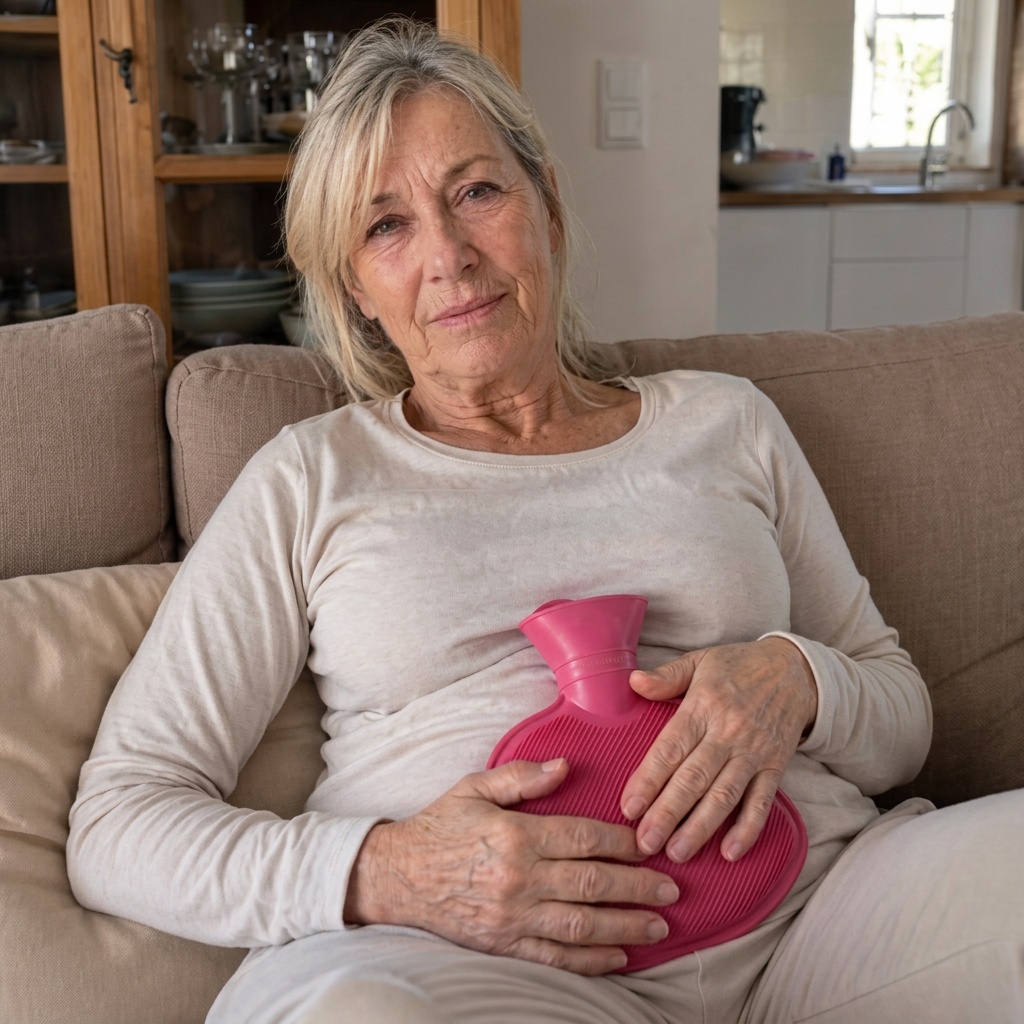
Ran for 3 days, from October 8 to October 11, 2026, the last day Crush saw it.
Run by Unstoppable After 50 on Facebook. Crush is not the advertiser and does not verify its claims. See this ad in Meta's Ad Library(opens in a new tab)
Make your own version of this ad
Crush makes it, launches it in your own Meta ad account, scales the winners and pauses the losers.
About this ad
- Meta Ad Library ID
- 2401919293886668
- Platforms
- Facebook, Instagram and Threads
- Relaunches
- 0
Ad text
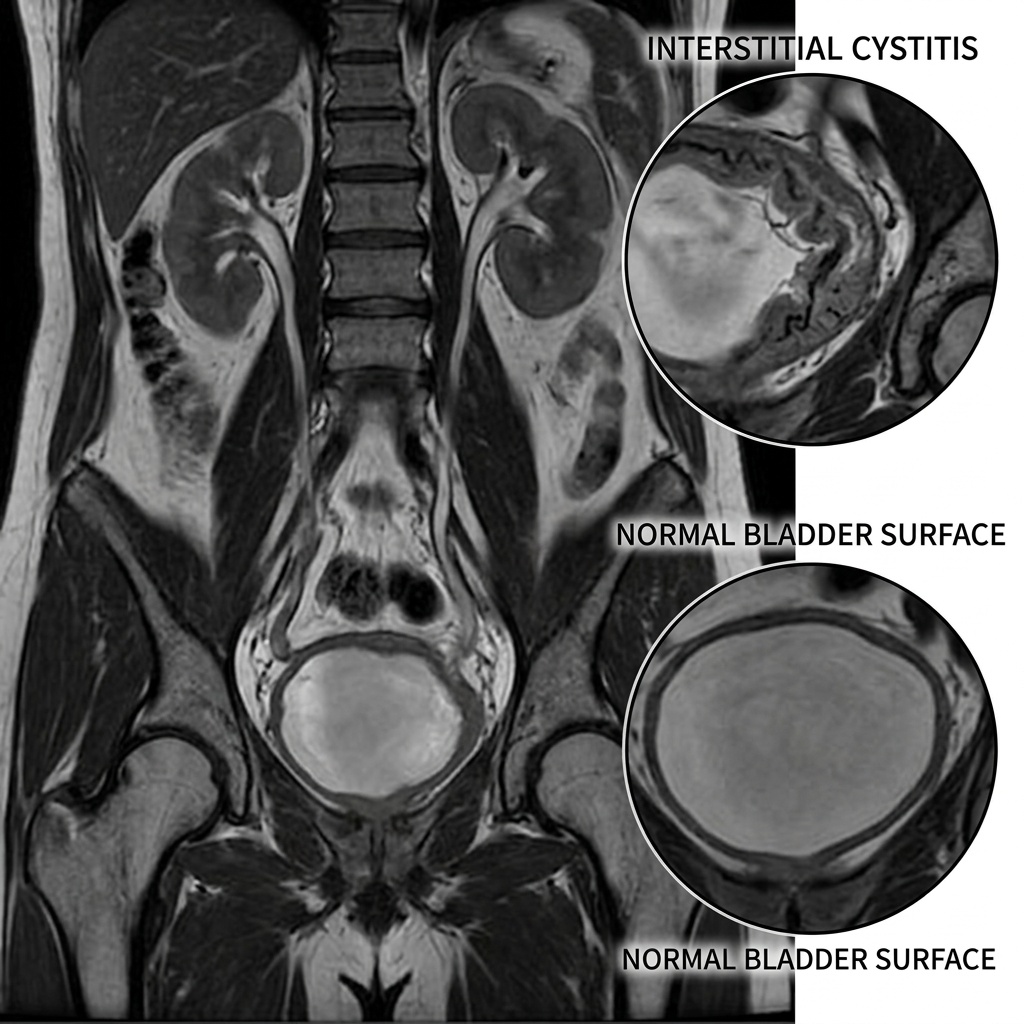
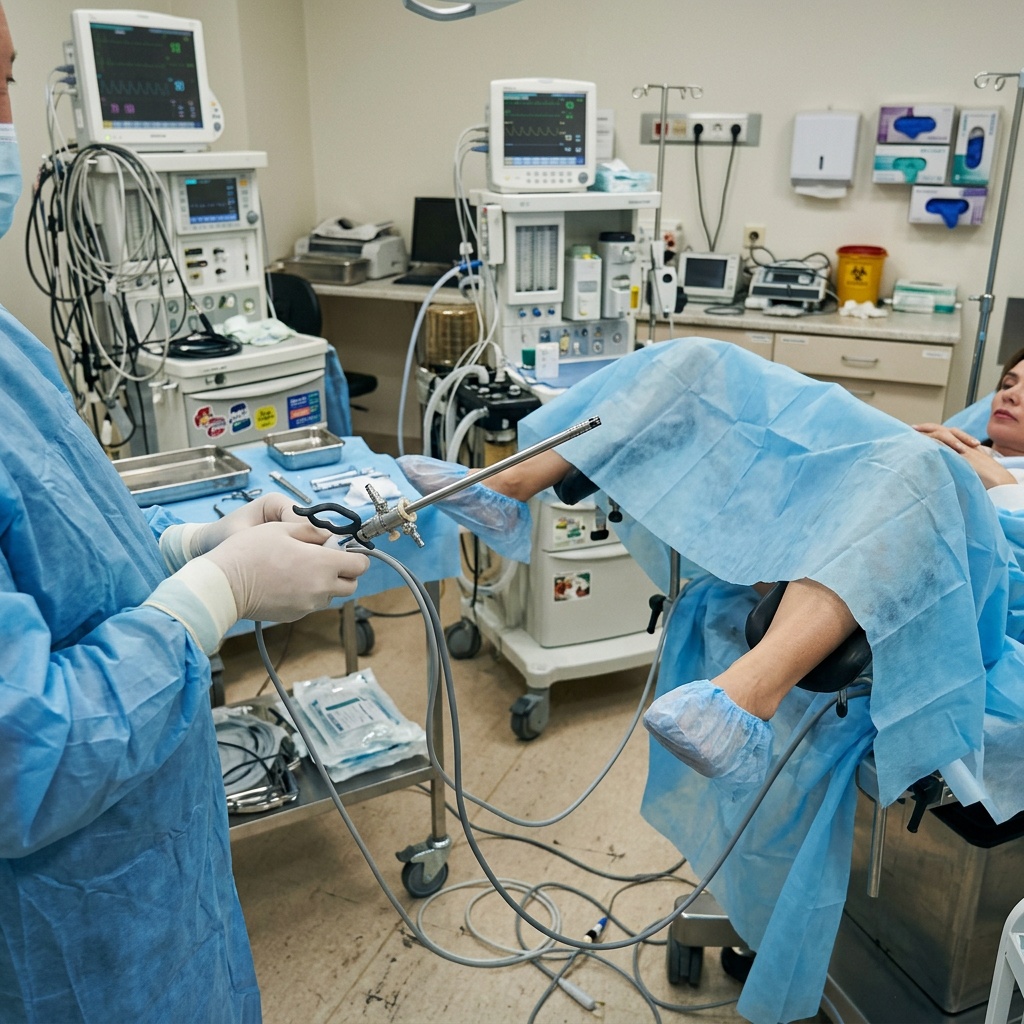
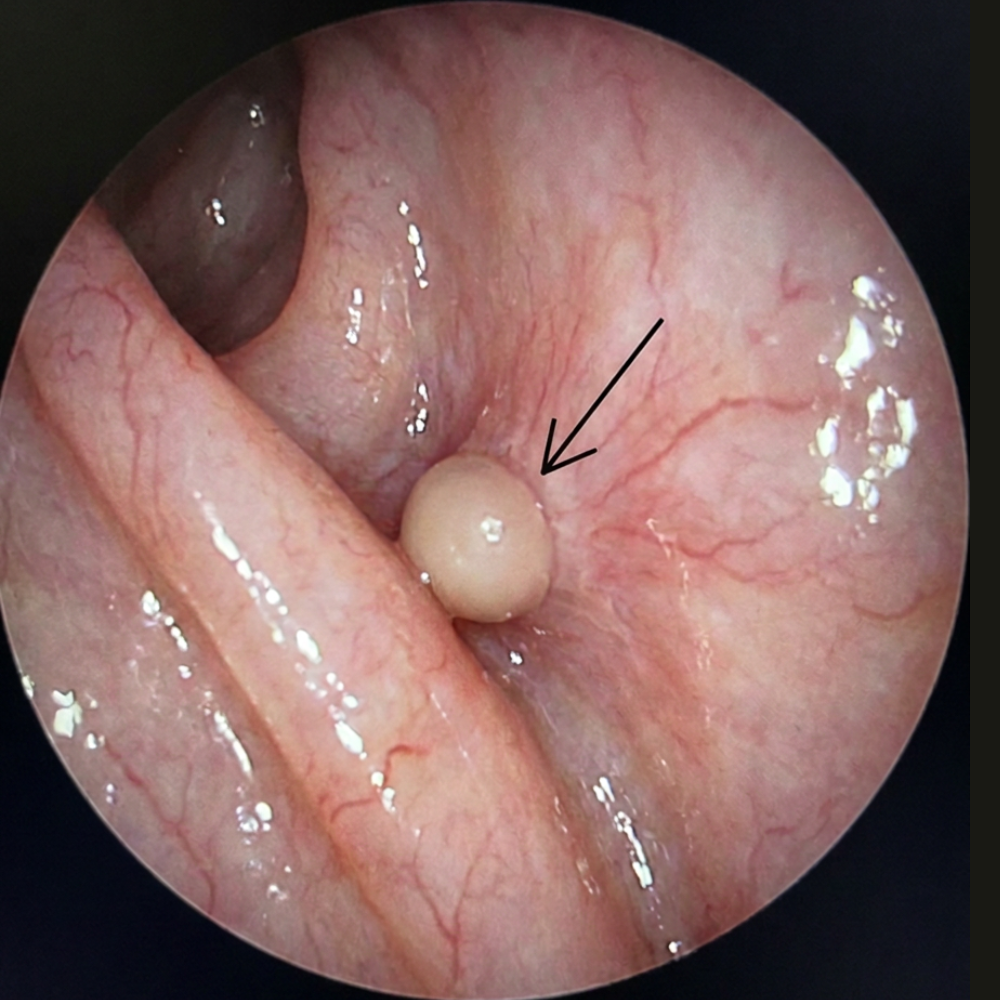
A Woman I Treated for Interstitial Cystitis for 11 Years Had Her Bladder Removed Last Spring. Her Urine Cultures Had Been Clean the Entire Time. She did everything right. I know, because I was the one treating her. I've been a urogynecologist for 21 years. Board-certified. I've built a part of my practice specifically around interstitial cystitis, a condition most of my colleagues still refer out, because there's no clean test for it, no single protocol, nothing you can point to on a slide and say, there, that's it. For 21 years I have told women some version of the same thing. We'll calm the bladder. We'll get your flares under control. This is manageable. I believed it. But when my own bladder started doing the same thing hers had, when the ache that builds as the bladder fills and only eases after I go became something I lived with instead of something I treated, I stopped believing the protocol was complete. I'm not telling you to throw out what's working for you. I'm still treating my patients with the tools I have. But I started asking a question I should have asked years ago, about a condition I've spent two decades trying to manage from the outside instead of the inside. I need to tell you about her. The woman whose bladder I couldn't save in time. Because until you understand what happened to her, nothing else I say will make sense. Let me tell you how I got from treating this to living it, because the order matters. My name is Dr. Simone Carrow. I'm a urogynecologist. I've been in practice for 21 years, and for most of that time, interstitial cystitis has made up a real part of my patient load, because so few specialists in my region will take it on. I'll call the patient I want to tell you about Yvonne. That isn't her real name. I want to tell this honestly without putting her actual name into something she never agreed to be part of. Yvonne came to me eleven years ago. She was 36. Years of pelvic pain before that, bouncing between gynecology and urology and, more than once, being told it was probably stress. By the time she landed in my office, she'd had enough clean urine cultures to paper a wall. I diagnosed her with interstitial cystitis that year. Said the words I'd said a hundred times before. We're going to get this under control. You're going to have a life again. She believed me. We tried everything, in order, the way the guidelines lay it out. Elimination diet first. No coffee. No tomatoes. No citrus. No wine. No artificial sweeteners. It helped, some. Not enough. Pelvic floor physical therapy next. Real relief, for a while, for the muscle component. The burning underneath it never moved. Amitriptyline, low dose, mostly for sleep, since nobody was sleeping through nights like hers. Then bladder instillations. DMSO, run directly into the bladder through a catheter, every few weeks, sitting in a clinic chair holding her own hand because I was usually in with another patient. Then Elmiron, when the instillations stopped being enough on their own. The only oral medication actually approved specifically for this disease. I wrote that prescription myself, more than once, over the years that followed. None of it was wrong to try. I want to be clear about that. Every one of those tools helps some women meaningfully. They just never got Yvonne all the way there. Her flares kept getting longer. Her good days kept getting shorter. By year eight, her bladder capacity on urodynamic testing had dropped to a fraction of where it started. By year ten, she had Hunner's lesions, the visible kind of damage you can actually see on cystoscopy, not just infer from symptoms. Last spring, after years of instillations and medications and a bladder that could no longer hold more than a few ounces without agony, Yvonne and her surgical team made the decision together. A cystectomy. Her bladder, removed. A urinary diversion built to replace it. It wasn't a failure of any single thing we tried. It was eleven years of chasing symptoms on the surface of a problem none of us had ever fully explained to her, or to each other, or, it turns out, to ourselves. I sat with her chart after that surgery for a long time. My handwriting on the first page, from eleven years earlier. My signature on prescriptions, referrals, instillation orders, year after year, each one a genuine attempt to help, none of them touching whatever was actually driving the damage underneath. I didn't think the protocol failed her. I thought: I failed her. I'd been keeping a private count for a few years before that, not official, just in my own head. Every follow-up where a patient's pain scale hadn't meaningfully moved in months, where we'd tried the next thing on the list, and the next, and I'd still catch myself saying some version of, let's give it more time. Then, about two years ago, my own bladder started telling me something. It started the way it starts for so many of my patients. Pressure that built through the day. A burning low in my pelvis that got worse the longer I went without emptying, and eased, briefly, every time I did. I told myself it was stress, the hours, too much coffee during long clinic days. I cut the coffee. It helped a little. Not enough. Six months in, I finally did what I tell every patient to do and had somehow kept avoiding for myself. I saw a colleague. Cultures, clean. Cystoscopy, consistent with early interstitial cystitis. My own diagnosis, in the same language I'd used on Yvonne eleven years earlier. That night I told my husband. He's an engineer, not a physician, but he'd watched me come home quiet after certain clinic days for years, and he knew something had been building. He was at the kitchen table doing his Sunday crossword, in pen, the way he always does. I sat down across from him and told him everything, the diagnosis, the cystoscopy, Yvonne's surgery two months before, what I was afraid this could eventually mean for me too. He set his pen down and listened for a long time without interrupting. When I finished, he said, "So what's the plan? Elmiron, like you've been prescribing?" I told him I wasn't sure yet. That I wanted to actually understand the mechanism first, not just reach for the next thing on the list. "You're the doctor," he said. "But don't disappear into your own head on this one. Tell me what you find." So I did what I do with anything I don't fully trust yet. I went looking. Here's what I already knew, from training, from twenty-one years of practice: the bladder has a thin protective lining made of compounds called glycosaminoglycans, the GAG layer. It separates urine, which is acidic and full of waste, from the nerve-dense tissue of the bladder wall underneath. Here's what I'd never fully sat with. In interstitial cystitis, the leading theory, the one C. Lowell Parsons has spent decades researching, is that this lining is compromised. Thinner than it should be, in patches, letting urine make direct contact with nerve endings that were never built to be exposed. When that happens, a bladder that's a quarter full can send the same signal as one that's about to burst. The nerves underneath the thin spots fire early, and they fire hard, not just a vague urge, but actual pain, building as the bladder fills, because every additional ounce means more exposed nerve tissue in contact with acidic waste. That's the fill-ache-burn-empty cycle. Not a malfunctioning muscle. Exposed nerve endings, misfiring because the barrier that was supposed to protect them has broken down. Mast cells get involved too, releasing histamine and inflammatory compounds that make the exposed tissue even more reactive. Some researchers think the nerve inflammation itself becomes partly self-sustaining over time, which may be part of why IC can feel like it has a mind of its own, flaring for no clear reason, calming for no clear reason. I want to be honest about where the science actually stands. This isn't settled the way strep throat is settled. It's the leading explanation for a meaningful share of women with this disease, not a proven mechanism for every case, and I'd be lying to you if I said otherwise. But it's where the evidence points hardest, and it's the piece nobody had ever laid out for me in plain language, let alone for Yvonne. Elimination diets reduce how much acid and irritant actually reaches that thin lining. That's real. It's also only addressing what's hitting the wall, not the wall itself. Pelvic floor therapy addresses the muscle guarding that builds up around chronic pelvic pain. Also real. Also not the lining. Amitriptyline calms nerve signaling and helps with sleep. Genuinely useful for a lot of women. It does not rebuild anything. Instillations put compounds, sometimes including hyaluronic acid, directly onto the bladder lining through a catheter. This is actually the closest thing to addressing the real mechanism that conventional treatment offers. The problem is access. Repeat clinic visits, a catheter every time, and the effect fades between sessions. And Elmiron, the one oral medication built specifically for this disease, the one I prescribed to Yvonne for years. I have to tell you something about it, because I think you deserve the whole picture and not just the parts that are comfortable to say. Elmiron carries a documented, FDA-acknowledged risk of a condition called pigmentary maculopathy, a form of retinal damage, with long-term, high-dose use. It doesn't happen to everyone who takes it. But it's real, it's in the prescribing information, and in twenty-one years I don't think I explained that risk as clearly to my patients as I should have, because I was focused on the pain relief, not the fine print. I'm not telling you to stop a medication your doctor prescribed. Please don't do that without talking to them. I'm telling you what I wish someone had told me before I wrote that prescription as many times as I did. None of these tools address the actual lining. That's the thread connecting every one of them. I found the rest of this from a colleague I hadn't spoken to in almost four years. Dr. Elena Marsh and I trained together. She left general urogynecology about five years ago to focus entirely on chronic pelvic pain research. Most of us assumed burnout. I found out later it was the opposite. She'd seen the same pattern I was seeing and decided to go chase the actual mechanism instead of charting the same management plan for another decade. I ran into her at a conference in Chicago last fall. She was in the hotel lobby, alone, a journal article open on her tablet. We hadn't spoken since she left, but I sat down, and within ten minutes I was telling her about Yvonne, about my own diagnosis, about the question I couldn't stop asking. She looked at me and said, "You've been quieting the nerve and ignoring the lining that's setting it off. Almost everyone in our field has. The lining is the part nobody has a good tool for yet, outside a catheter." We talked for two hours. She walked me through the research on GAG layer rebuilding specifically, compounds studied for restoring that barrier daily, not just during a clinic procedure. The literature on hyaluronic acid supplementation and bladder lining permeability. Studies I'd referenced for continuing education credits over the years without ever connecting them to a daily, oral option. She told me what she was taking herself. Not Elmiron. Not another round of instillations. A formula called UroControl, built around six ingredients, every one with a specific, different job, and every dose printed on the label, no proprietary blend. I'll admit my first reaction to one of the six surprised me, and I think it might surprise you too, if you've lived with this disease for any length of time. Cranberry. I know. Cranberry juice is a common trigger for a lot of women with IC, mine included, because of the acidity. My first question to Elena was essentially, are you serious. She explained that the extract used here isn't juice and isn't whole fruit. It's a concentrated extract, without the acid load that makes the juice a problem, and its actual job in this formula has nothing to do with the old UTI-prevention idea. It's being used for its anti-adhesion and anti-inflammatory compounds, acting on the bladder wall itself, not for acidifying urine. Different mechanism entirely from the thing that makes the juice a trigger. That distinction mattered enough to me that I looked into it myself before I ordered anything. Hyaluronic Acid is the one that goes directly at the lining, the same compound used in bladder instillations, except taken daily instead of through a catheter every few weeks. It gives the body raw material to rebuild that barrier on its own, continuously, instead of in short bursts that fade between appointments. Pumpkin Seed Extract works on pelvic floor muscle tone and detrusor overactivity, the same muscle guarding that builds up around chronic pain and that physical therapy addresses from the outside. Magnesium calms an over-firing nerve, which matters enormously here, because the pain in IC is, at its core, a nerve signaling problem on top of a barrier problem. Red Clover supports estrogen-sensitive tissue, relevant for the many women whose flares track their cycle, since the bladder lining is hormonally responsive tissue, not just mechanically responsive. Sea Buckthorn is for raw tissue repair, the actual rebuilding material for a membrane under chronic strain. And Cranberry Extract, as I said, for anti-adhesion and anti-inflammatory support at the tissue level, not acid, not juice, not the thing that's probably hurt you before. Two capsules a day. That was it. I ordered it that night. I didn't tell my husband yet. I just added it to my morning routine. I want to be honest about the first couple of weeks, because this is usually where people give up on anything new. Nothing dramatic happened at first. The fill-ache-burn cycle was still there. I still did the math before every meeting. Around week three, I noticed the burning wasn't reaching the same intensity before I emptied. Not gone. Quieter. By week five, I had two days in a row where I genuinely forgot to think about my bladder until mid-afternoon. I hadn't had a single day like that in over a year. By week eight, the flares that used to take four or five days to settle were taking one or two. By week twelve, I had my first full week without a flare since before my diagnosis. Not cured. I want to be honest about that word too. I still have bad days. I still know exactly where every bathroom is in every building I walk into, out of old habit if nothing else. But the baseline moved, in a way nothing else had moved it in two years. I told two colleagues. Quietly, the way I'd told Elena. Within a few months, both of them were taking it too. One, a 44-year-old gynecologist with IC diagnosed eight years earlier, still on Elmiron, added it alongside her medication, not instead of it. Six weeks later she told me she'd gone an entire long weekend with her kids without once mapping out the bathrooms first. Another, a pelvic floor physical therapist I refer patients to constantly, had been managing her own flares with diet alone for years. She texted me a photo of her own symptom tracker eight weeks in. Six weeks of entries with nothing worse than a two out of ten. "First time in four years," she wrote. Then I had to tell my husband the rest of it. I'd been keeping a symptom journal on my phone for months, tracking flares, triggers, pain scores, and I'd never shown it to him. One Sunday he picked up my phone to check the weather and the app was still open. He didn't say anything right away. Just read through a few weeks of entries. Then he looked up and said, "This is worse than what you told me." "Some days," I said. He didn't get upset. He just said, "I want to see this. Not the summary version. The actual version, going forward." That was it. Because he's an engineer. He wanted the real data, not the version I'd been editing down to protect him. A few weeks later, he asked if we could send a bottle to my younger sister, who'd been quietly dealing with pelvic pain for years and kept calling it "probably nothing." We did. She called six weeks later, crying a little, and said, "I didn't know it was possible to just not think about it for a whole afternoon." I think about Yvonne often. Eleven years of my handwriting on her chart. A bladder I couldn't save in time, because for most of those years, nobody, including me, was treating the actual lining. I think about every patient I told to give it more time. Every instillation I scheduled instead of asking what was actually happening to the tissue underneath the symptoms we kept managing one at a time. I used to think interstitial cystitis was a disease you learned to live around. I understand now that for a meaningful number of women, a real piece of it is a lining that was never given what it needed to rebuild, day after day, not just during a clinic visit every few weeks. If you have interstitial cystitis and you're on Elmiron or doing instillations and wondering whether it's actually reaching the lining, or just managing what's already happened to it, I hear you. If you've done the elimination diet, cut the coffee and the tomatoes and the wine, and it helped some but never got you all the way there, I hear you. That's not failure. That's a diet addressing what's hitting the wall, not the wall itself. If a clean urine culture has ever made you feel like you were imagining your own pain, I hear you. You weren't. This is why I recommend UroControl to the women I see with this disease. It's not a replacement for what your specialist has you on. It's the first thing I've found that's built around giving the lining itself daily raw material to rebuild, the same compound used in instillations, available every day instead of every few weeks. Everything on the label is measured and printed. No proprietary blend. Two capsules a day. It runs under 30 dollars for the first order, against a regular retail price of just under 60, and it's HSA and FSA eligible. Ninety-day money-back guarantee, no fight, no phone tree. I read the policy myself before I recommended it to anyone. I'm not sponsored by this company. I don't sell it in my office. I'm telling you what changed for me and for the colleagues I showed my own data to, because I spent eleven years watching a disease that doesn't get explained well enough to the women living inside it, and I don't want to spend the next eleven doing the same thing. If you've already been waiting, start now. Every flare you manage without addressing the lining underneath it is another flare the next one gets built on top of. https://secure.trylovy.com/urocontrol-s-m-nlp Go get it. P.S. Elena's exact words stayed with me. You've been quieting the nerve and ignoring the lining that's setting it off. I think about that every time I write a prescription now, not to replace it, but to ask what else that patient's bladder actually needs, underneath the symptom I'm treating on the surface. Go get it.
Where the ad sends people
secure.trylovy.com
The hidden cause behind leaks and urgency
Shop now: secure.trylovy.com(opens in a new tab)