Linda Miller
Linda Miller Facebook ad: “Think You're Just Getting Old?”
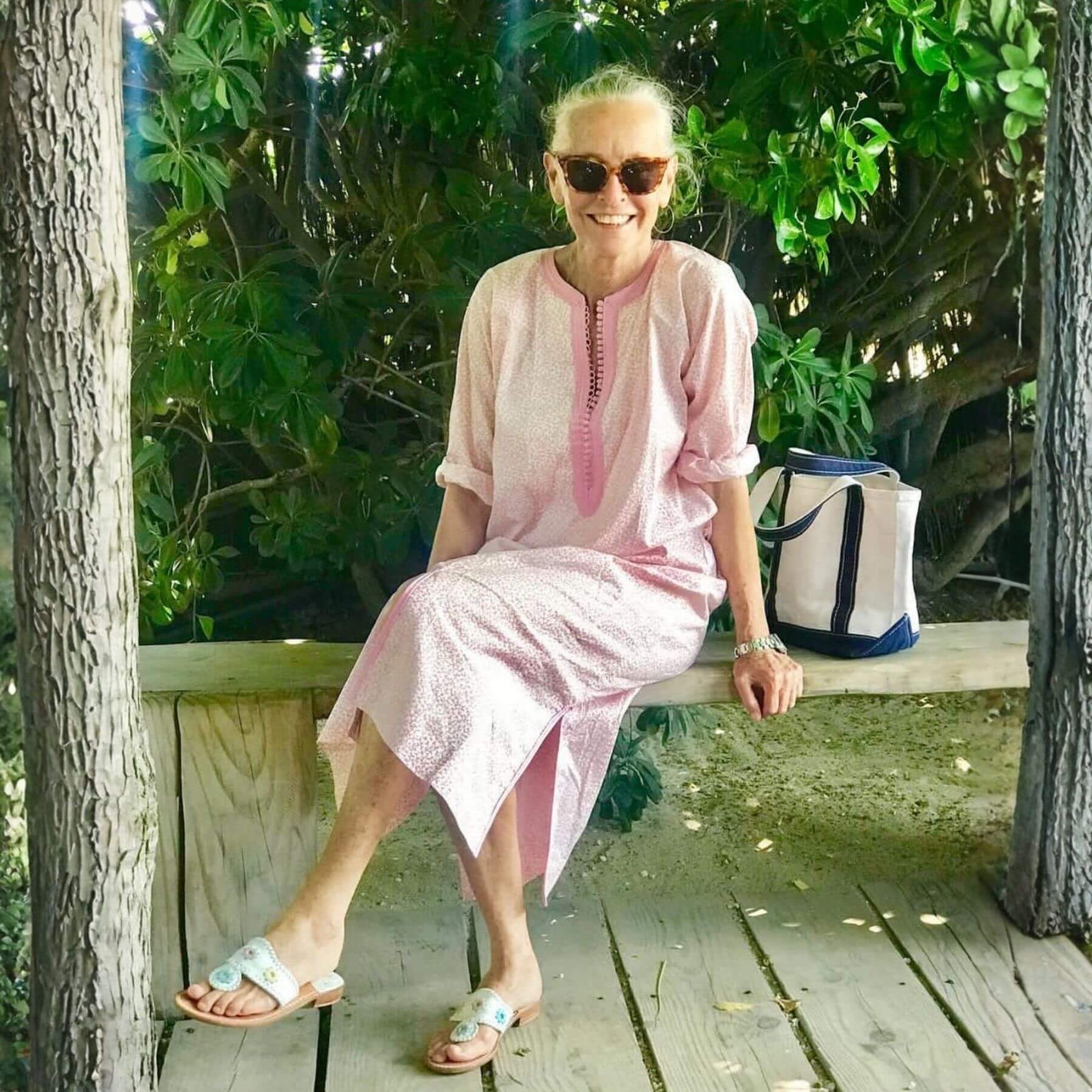
Ran for 7 days, from June 12 to June 19, 2026, the last day Crush saw it.
Run by Linda Miller on Facebook. Crush is not the advertiser and does not verify its claims. See this ad in Meta's Ad Library(opens in a new tab)
Want an ad like this for your product?
Crush makes new ad images for your product from this ad: your logo, your product photo, your offer.
Trials from $19.95 USD, then $79.95 USD a month. Cancel anytime.
About this ad
- Meta Ad Library ID
- 2025318971686660
- Platforms
- Facebook, Instagram, Audience Network, Messenger and Threads
- Relaunches
- 0
Ad text
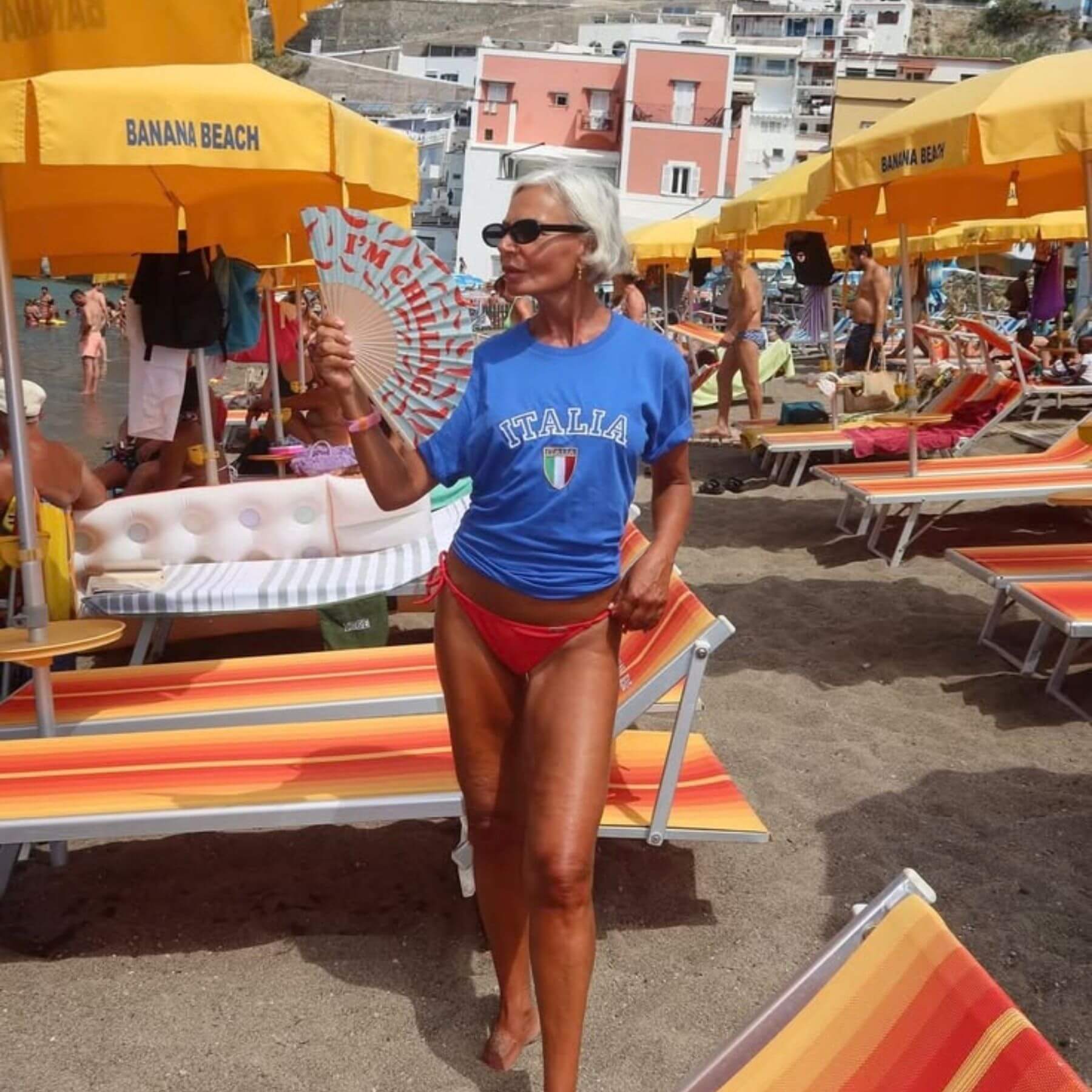
My 74-year-old host in Tuscany ate bread before 8am, pasta at lunch, olive oil on everything, and still had a flatter waist than I had after 18 months of trying to lose my menopause belly. When I asked her what her secret was, her answer exposed something most British women over 50 have never been told. I spent three weeks in Tuscany last spring trying to understand what I'd started calling the "Mediterranean weight paradox". If you don't know what I mean, it's those villages where older women still eat proper food. Not diet food. Not little sad salads. Real food. Bread. Beans. Pasta. Olive oil. Wine at Sunday lunch. And somehow they are not permanently fighting the hard, stubborn middle so many of us seem to inherit after menopause. Tuscany is where it stopped feeling like a holiday cliche. Not postcard Tuscany with rented convertibles and £14 glasses of wine. The smaller hill villages. The kind where women in their 70s still carry shopping up stone steps, still cook from scratch, still tie an apron around an actual waist without tugging it loose every ten minutes. I'd booked a small homestay near Mount Amiata on a friend's recommendation. That's where I met Lucia. She's 74. Still walks down to the village shop before breakfast. Still makes pasta by hand when her grandchildren visit. Still eats bread without announcing she "shouldn't really". Still wears the same leather belt she told me she bought before her youngest son was born. And here's the thing that genuinely stopped me in my tracks. She doesn't have that menopause middle. I'm not exaggerating for effect. Her stomach isn't gym-flat or Instagram-flat. It's better than that. It's relaxed. Softly feminine. Normal. Comfortable. She moves like a woman who has never had to plan an outfit around hiding the bit above her waistband. Her shirts skimmed. Her skirt sat where skirts are supposed to sit. Nothing pulled, squeezed, rolled, or needed rearranging after lunch. I'd just spent £99 on another menopause weight-loss programme back home that promised to "reset my metabolism" if I ate enough protein, tracked my steps, cut wine, stopped snacking, and treated a slice of sourdough like a personal failure. By day three I had to ask. We were sat at her kitchen table eating toasted bread she'd rubbed with tomato and covered in olive oil so green it looked almost too alive to be food. "Lucia, I have to ask. How? How do you eat like this and still have a waist? What do you do?" She laughed. Properly laughed. Like I'd just asked her why the sun came up. "You English women. You think it is discipline. It is never discipline." She tore another piece of bread. Poured olive oil over it until I honestly thought, there's no way I could eat like that at home and still do my jeans up. "It's this. It has always been this. We take a spoon every morning. My mother did. Her mother did. Before breakfast, before work, before children, before anything. You feed the body first, then the body knows what to do with food." I thought she meant olive oil. I told her I have olive oil at home. Extra virgin. The good stuff. Usually from Waitrose if I'm feeling virtuous. She looked at me like I'd just admitted to making tea in a microwave. "That is not this. That is old oil in a pretty bottle. It fills you, maybe. It does not teach your body anything." She got up and walked over to the cupboard. Came back with a small bottle she handled like it was something between food and family history. "This is proper oil. From trees that grow in serious soil. Picked early. Pressed quickly. Kept away from the things that kill it. Your bottles in England sit in light, in warehouses, on shelves. By the time you open them, the important part is gone." She poured a small amount onto a spoon and told me to taste it. "You will feel the difference. Not sugar. Not coffee. Not diet pills. Real food with its strength still inside. This is what your body is waiting for." I tasted it. She was right. It didn't taste like the mild yellow oil I kept next to the hob at home. It was grassy, peppery, intense. The sort of taste that made my whole mouth pay attention. She nodded, satisfied. "That is what is missing. Polifenoli. Polyphenols. The strength in the olive. Without them, oil is just oil. With them, the body remembers." Then she said something that genuinely stopped me cold. "English women starve themselves after fifty and then wonder why the belly stays. You cannot frighten the body into feeling safe. If the body thinks life is hard, it keeps something back. You count bread. You count wine. You count almonds. But you do not give the body what women here have given it every morning for hundreds of years." I didn't have an answer. I spent the rest of that week talking to every older woman in the village as best I could through terrible Italian, translation apps, and a lot of pointing at my own middle like a lunatic. Her neighbour Sofia is 79. Same routine. One spoonful of proper olive oil every morning before breakfast. Has done it since she was a girl. Her cousin is 82 and still runs the little shop where everyone buys flour, beans, and gossip. Same routine. The woman who sold me pecorino in the next village over was 68 and could have passed for someone who had never once Googled "why am I gaining belly fat after menopause". I asked her directly. She rolled her eyes like I was the hundredth British woman to arrive panicking about carbohydrates. "It's the olio. The good one. Not the old yellow one. One spoon. Every morning. You English make the body too complicated." And suddenly it clicked. I started thinking about my friends back home. Women in their 50s and 60s. Capable women. Busy women. Women who have run homes, careers, divorces, teenagers, ageing parents, budgets, Christmases, and everything else life has thrown at them. And we're all doing the same humiliating dance with our bodies. Cutting breakfast. Cutting bread. Walking 10,000 steps. Buying menopause protein powder. Downloading another fasting app. Standing sideways in the bedroom mirror and pulling our tops over the part of us that suddenly refuses to behave. That stubborn weight around the middle that doesn't shift even when the rest of us feels like it's running on fumes. Then I looked around at these Tuscan women. 60s, 70s, 80s. Eating proper meals. Climbing stone streets. Carrying shopping. Wearing belts. Sitting down to lunch without negotiating with themselves first. Not tiny. Not filtered. Just comfortable in bodies that hadn't turned against them. The contrast was so stark it felt like I was looking at a completely different version of being a woman after 50. When I got home I became obsessed with understanding what was actually in that oil. Why Lucia's spoonful seemed to belong to a totally different world than the bottle I'd been dutifully splashing on salad back in Surrey. I started researching, and fell down a rabbit hole that genuinely changed the way I think about my body and why it had been working against me for so long. Everything Lucia told me lined up with the science. Here's what's actually going on in your body right now. After 50, the menopause metabolism can drift into what I call storage mode. The same foods you used to handle without thinking suddenly land differently. A normal dinner feels heavier. A weekend glass of wine shows up on Tuesday. Your waist thickens even when your portions shrink. It's not that you suddenly became weak-willed. It's that your body is handling food, stress, energy, and repair through a very different set of signals. The missing piece I kept finding again and again was polyphenols - the valuable plant compounds in proper extra virgin olive oil. These compounds help fight the oxidative stress side of the problem, the internal wear and tear that makes a menopause metabolism feel less flexible, more tired, and more likely to guard energy around the middle. Research supports olive oil polyphenols for oxidative-stress protection when the right amount is consumed. And once I understood that, Lucia's morning spoonful stopped sounding like folklore and started sounding like a food ritual British women had simply never been taught. Because this is the part that makes the belly problem feel so cruel: you can be doing "healthy" things and still miss the compounds your body is actually asking for. But here's the catch - and this is the part that genuinely made me angry once I understood it. A lot of ordinary olive oil sold in Britain is not giving you the polyphenol ritual Mediterranean women are getting. A standard supermarket bottle may still say extra virgin. It may still look expensive. It may still have a farmhouse on the label and a gold sticker on the neck. But polyphenols are delicate. Time, light, heat, storage, and handling can all reduce what makes the oil valuable. One study found phenolic content dropped by an average of 42% over 12 months. So by the time a pretty bottle has travelled, sat in a warehouse, sat under shop lights, and then lived beside your cooker for another few months, the part you actually wanted may be badly depleted. You're getting the calories. You're getting the fat. But not enough of the plant compounds that made the ritual matter in the first place. That explains why so many British women try to "eat Mediterranean" and still feel exactly the same. A drizzle of tired oil on a salad is not the same as a daily spoonful of high-polyphenol oil that has been protected from harvest to bottle. Lucia was right. We'd turned the ritual into cooking fat. But here's where my research took a turn I wasn't expecting. The Italians had the ritual. The morning spoonful. Generations of it. That part was real. But when I dug into what made one olive oil different from another, the answer wasn't "Italian" or "extra virgin" or "expensive". It came down to polyphenols - and the way the olives were grown, harvested, pressed, bottled, and protected before the oil ever reached your kitchen. That trail led me back to Tuscany. Specifically, the volcanic growing regions around Mount Amiata. The soils there are ancient, mineral-rich volcanic soils. Not the sort of detail I would ever have cared about before. But once you understand that soil, harvest timing, storage, and handling can all affect how many polyphenols make it into the final bottle, suddenly the origin stops sounding romantic and starts sounding practical. When olives are harvested early, in October, when polyphenols are naturally high, then pressed and bottled within 24 hours, the oil has a much better chance of keeping the valuable compounds intact. That is a completely different thing from a mass-market bottle that has been moved around, exposed to light, and left to slowly lose strength. It's the same simple ritual Lucia had been doing since childhood. Just with the kind of oil that still has the active compounds the ritual depends on. And the more I looked, the more the habit kept appearing in the old Mediterranean way of eating. Not a detox. Not a punishment. Not "being good". One spoonful. Every day. The body gets the right fats, the right plant compounds, and a signal that food is not the enemy. Different villages. Different kitchens. Same ritual. Same calm relationship with food that so many of us lost somewhere between perimenopause, calorie apps, and elasticated waistbands. That's how I found Dr Sarah Brewer. If you don't know her, she's a Cambridge-trained GP, registered medical nutritionist, author of over 70 bestselling health books, and has over 40 years of experience. Exactly the kind of person I needed to find after a week of Italian grandmothers making me feel like I'd misunderstood my own body for twenty years. Reading her work made the whole thing feel less like village folklore and more like the missing food habit I'd been trying to name. The line was the same one Lucia had pointed at with that spoon: polyphenols. Not ordinary oil. Not another menopause hack. Polyphenols from olives harvested early, pressed quickly, and protected before time and light strip them out. So I started looking for an oil made around that exact principle - high-polyphenol extra virgin olive oil from Tuscany, grown near Mount Amiata, harvested in October, pressed and bottled within 24 hours, and stored carefully to protect the compounds. That's when I found Ancient Roots. I ordered a bottle that night. It was covered by a 60-day Feel Fantastic Or It's Free guarantee, so if it didn't feel like something worth keeping in my life, I could send the bottles back within 60 days, even if they were empty, for a full refund. It arrived a few days later. I put it next to the kettle so I wouldn't forget it. I started the next morning. One tablespoon. With breakfast. That was the whole plan. The first thing that hit me was how different it was from the oil I'd been using for years. It didn't taste flat or greasy. It tasted alive. Stronger. Greener. Like the difference between a tomato from someone's garden and one from a plastic tray in February. I took that as a very good sign. By day 4, the thing I noticed wasn't dramatic. It was that I didn't get to 3pm feeling like I needed something sweet just to make it to dinner. I wasn't suddenly "on a diet". I just felt steadier. By week 2, my waistband wasn't digging in by late afternoon in that horrible way that makes you unbutton your jeans the second you walk through the front door. My stomach still looked like my stomach. But it didn't feel as angry and swollen by the end of the day. By week 3, I had energy after dinner for the first time in ages. Not jittery coffee energy. Not the false energy you get from starting a new plan on a Monday. Just a steadier, calmer feeling. I went for an evening walk with my husband instead of collapsing on the sofa and pretending I was "just tired". By week 4, I noticed my trousers doing up easier. Then sitting flatter. Then not creating that little ridge under every top I owned. I hadn't started another diet. I hadn't joined a gym. I'd just added one tablespoon of high-polyphenol olive oil every morning, and my body finally seemed less determined to hold everything around my middle. By week 6, things had genuinely shifted. Mornings felt easier. The afternoon snack panic had quietened. I wasn't dressing around my belly before I'd even brushed my teeth. The stubborn middle I'd accepted as "just what happens after menopause" was no longer the first thing I saw every time I passed a mirror. I sat at my kitchen table one morning and almost cried. Because I'd genuinely thought all of this was my fault. Too many years. Too much stress. Too little discipline. The same slow thickening I watched happen to my mother, and had quietly started preparing myself for. It wasn't a character flaw. It was a gap. A food gap. A polyphenol gap. A ritual our grandmothers here never had, but Mediterranean women had been using without making a performance of it for generations. The brand I use now - and the one I now badger every friend over 50 to try - is Ancient Roots. It's the real thing. High-polyphenol extra virgin olive oil. Tuscan volcanic soil near Mount Amiata. October harvest. Pressed and bottled within 24 hours. Made to keep the active olive compounds intact from harvest to bottle. The same kind of ritual Lucia showed me in that kitchen - just made simple enough to do in a British morning before the day starts making demands. One tablespoon. Every morning. With breakfast or drizzled over food. That's the whole thing. No lifestyle overhaul. No 14-step routine. The 60-day Feel Fantastic Or It's Free guarantee is brilliant too. If it doesn't feel like a ritual worth keeping, you can send the bottles back within 60 days, even if they're empty, and get a full refund. No awkward cupboard full of regret. No pretending you liked it because you spent money on it. If you're a woman over 50 dealing with this stubborn middle, it's probably not "just ageing" and it's definitely not proof that you're lazy. It may be that your menopause metabolism has been missing the very compounds ordinary olive oil was supposed to give you. The Tuscan women I met weren't starving themselves. They weren't weighing pasta. They weren't doing burpees in the village square. They had a food ritual. A spoonful of proper oil every morning. And they treated their bodies like something to nourish, not something to punish. We've been chasing it from the wrong direction our entire lives. £99 menopause plans. £40 protein powders. Fasting windows. Calorie apps. Supplements from the chemist. Tummy-control knickers. All trying to force the body from the outside when one daily spoonful of the right oil helps feed the mechanism from the inside. I genuinely wish I'd found this ten years ago. I think about the holidays I spent hiding behind people in photos. The dinners I half-enjoyed because I was already calculating the damage. The mornings I stood in front of the wardrobe feeling betrayed by a body that was only asking for something I didn't know existed. Right now they have a special offer available, and I'd check it while it's live. Lucia is 74, eats bread without apologising, and still fastens the same belt she wore decades ago because she never turned food into a fight. That's the secret. That's the whole secret. You can start tomorrow morning. https://newvitalityfindings.com/choose-ancient-roots/ Stop blaming willpower for what your menopause metabolism has been missing. Click below while the offer is available. https://newvitalityfindings.com/choose-ancient-roots/
Where the ad sends people
newvitalityfindings.com
Think You're Just Getting Old?
Learn more: newvitalityfindings.com(opens in a new tab)