
Inactive· since Apr 28, 2026
- 77
- days it ran
- 0
- relaunches
Ad copy
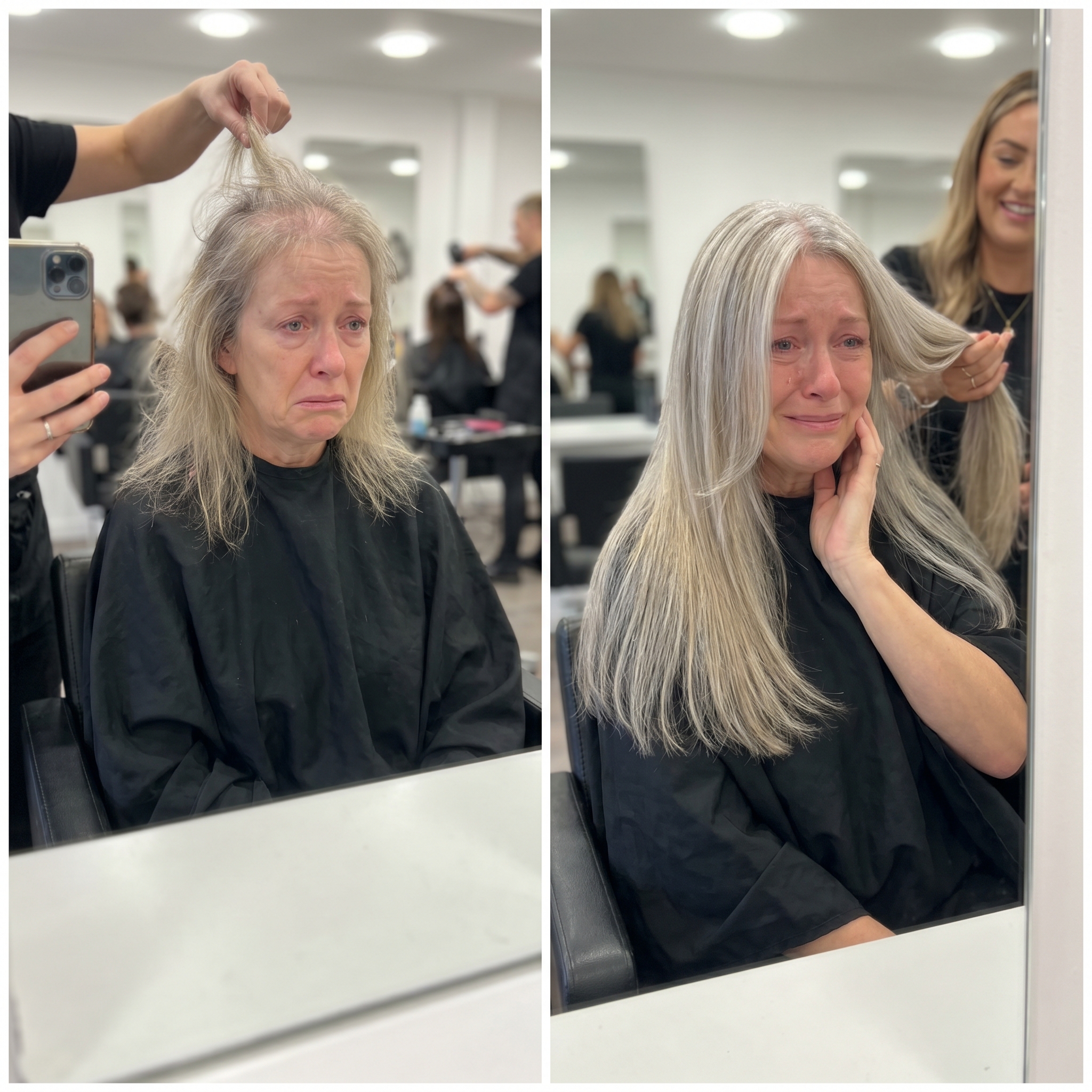
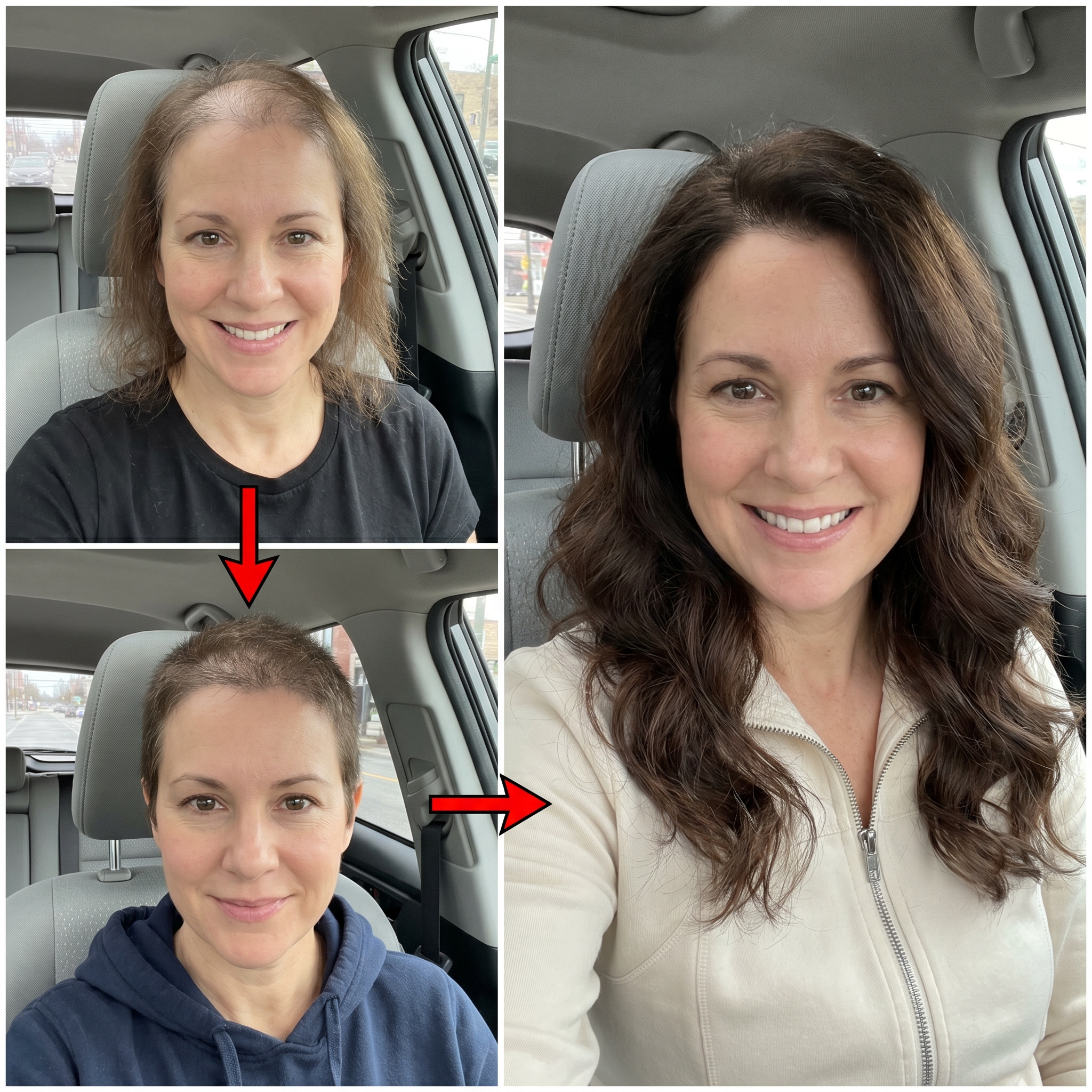
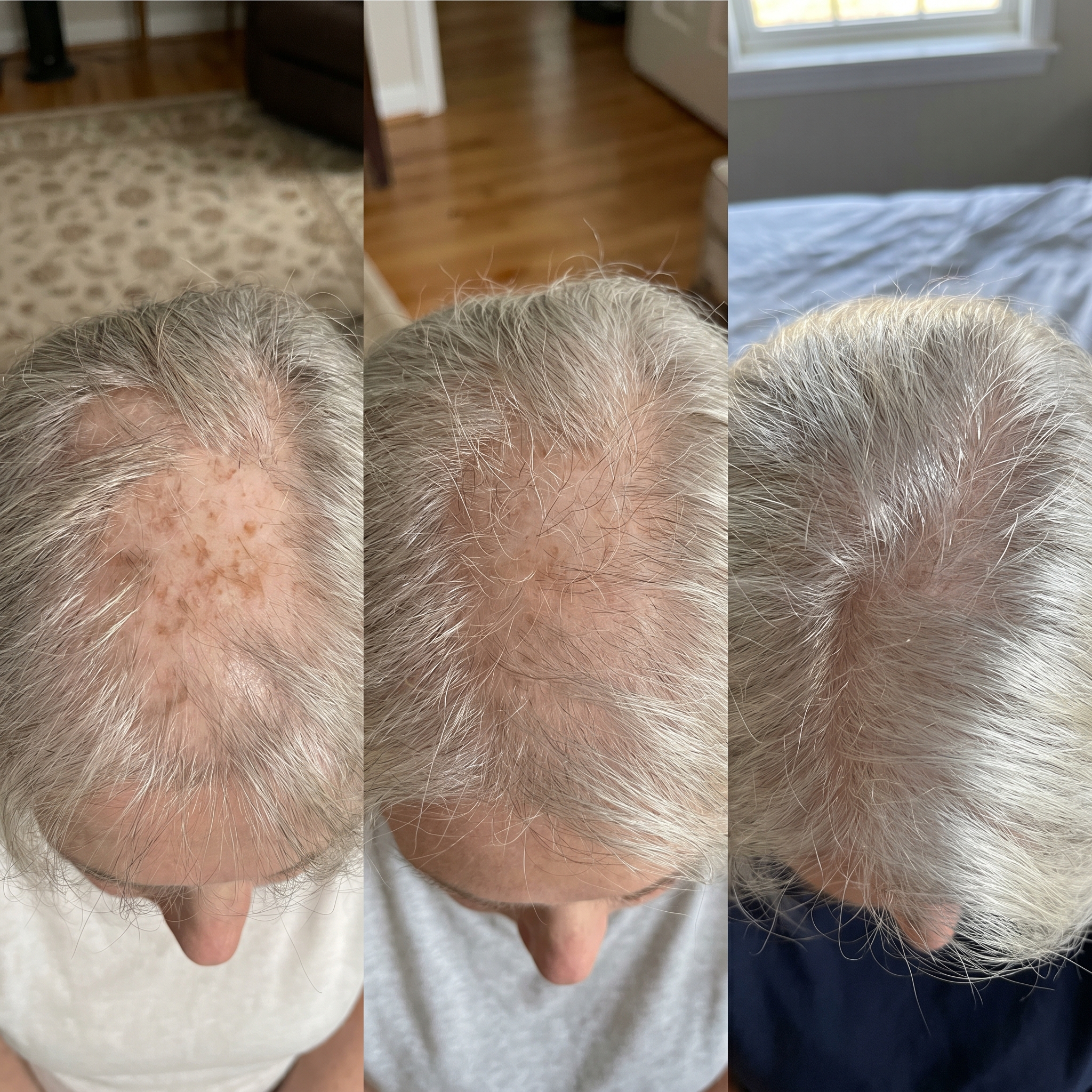
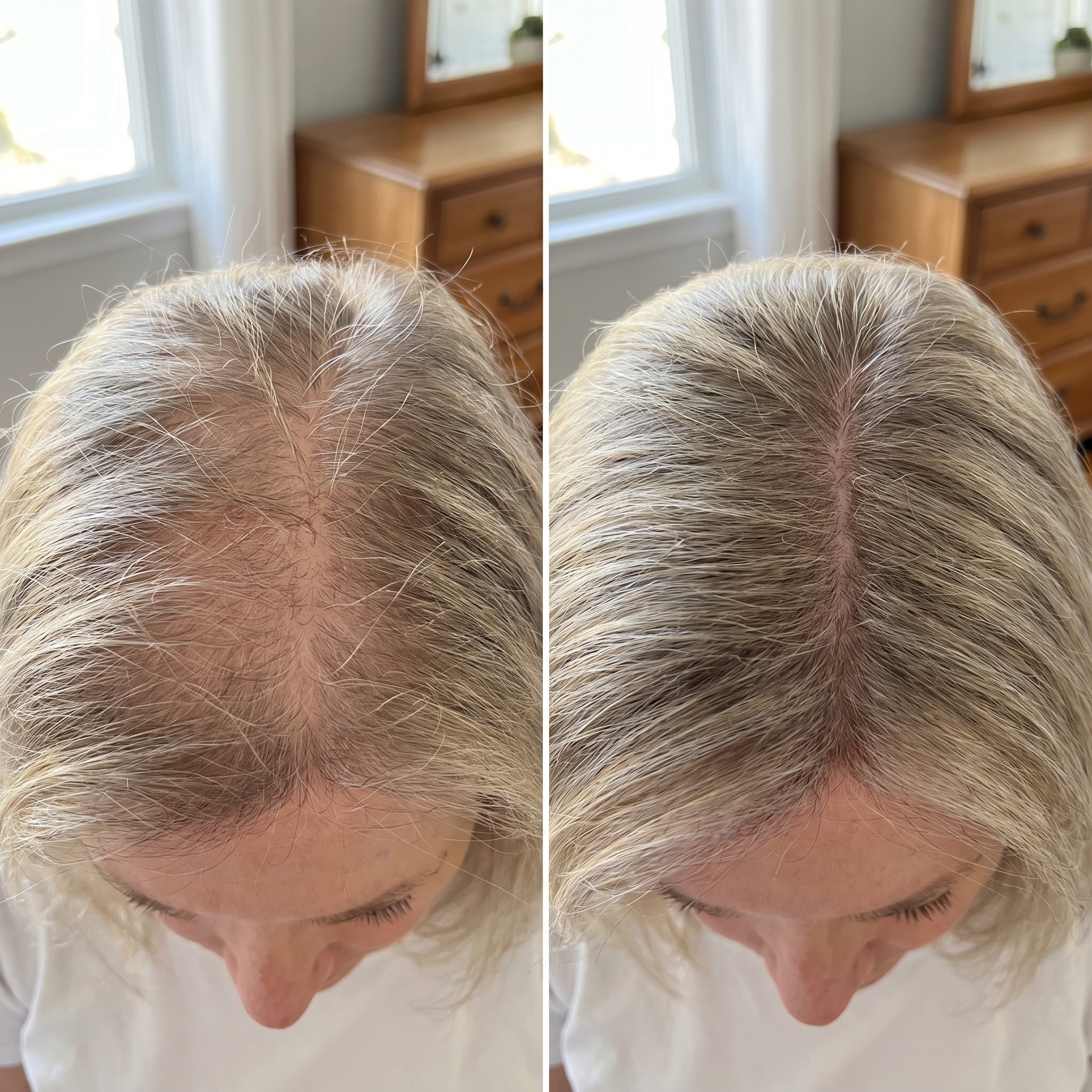
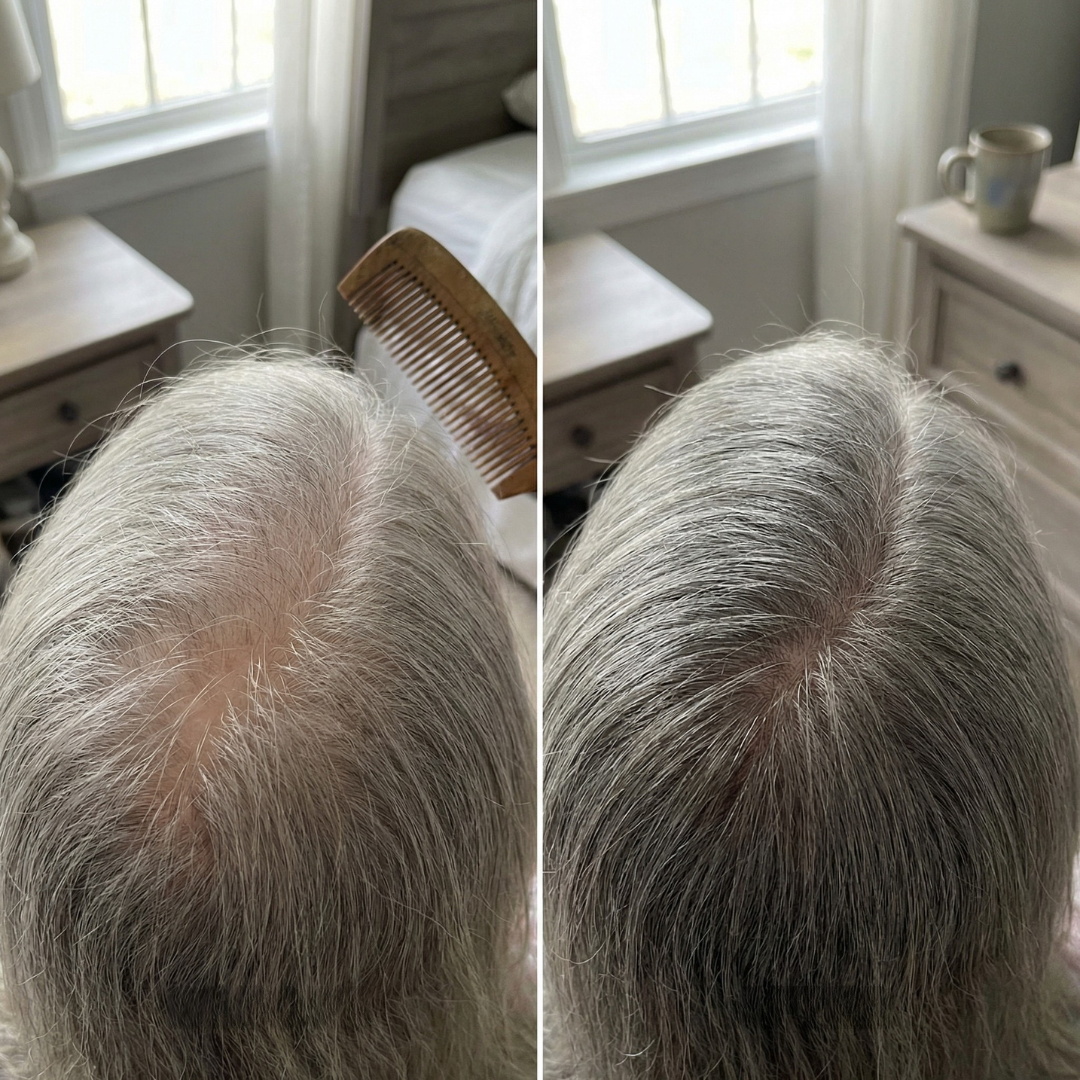
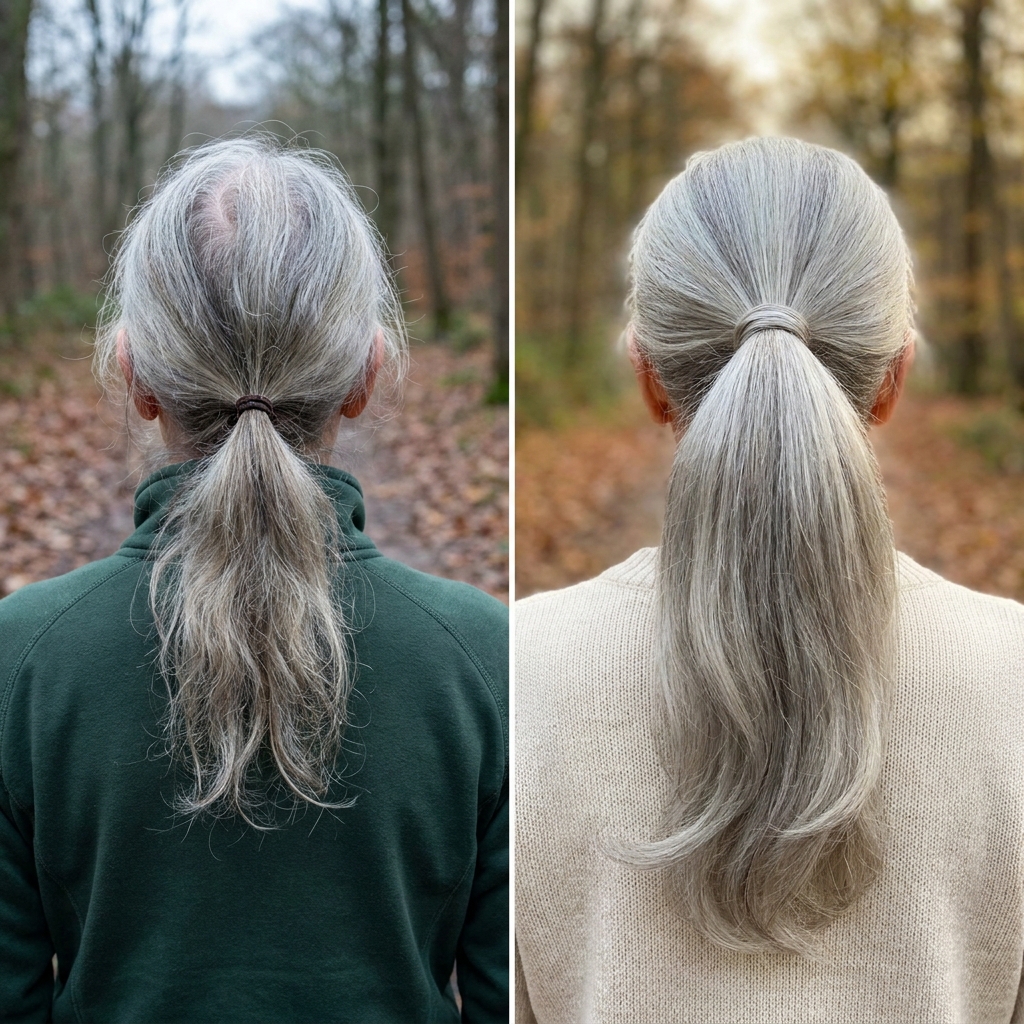
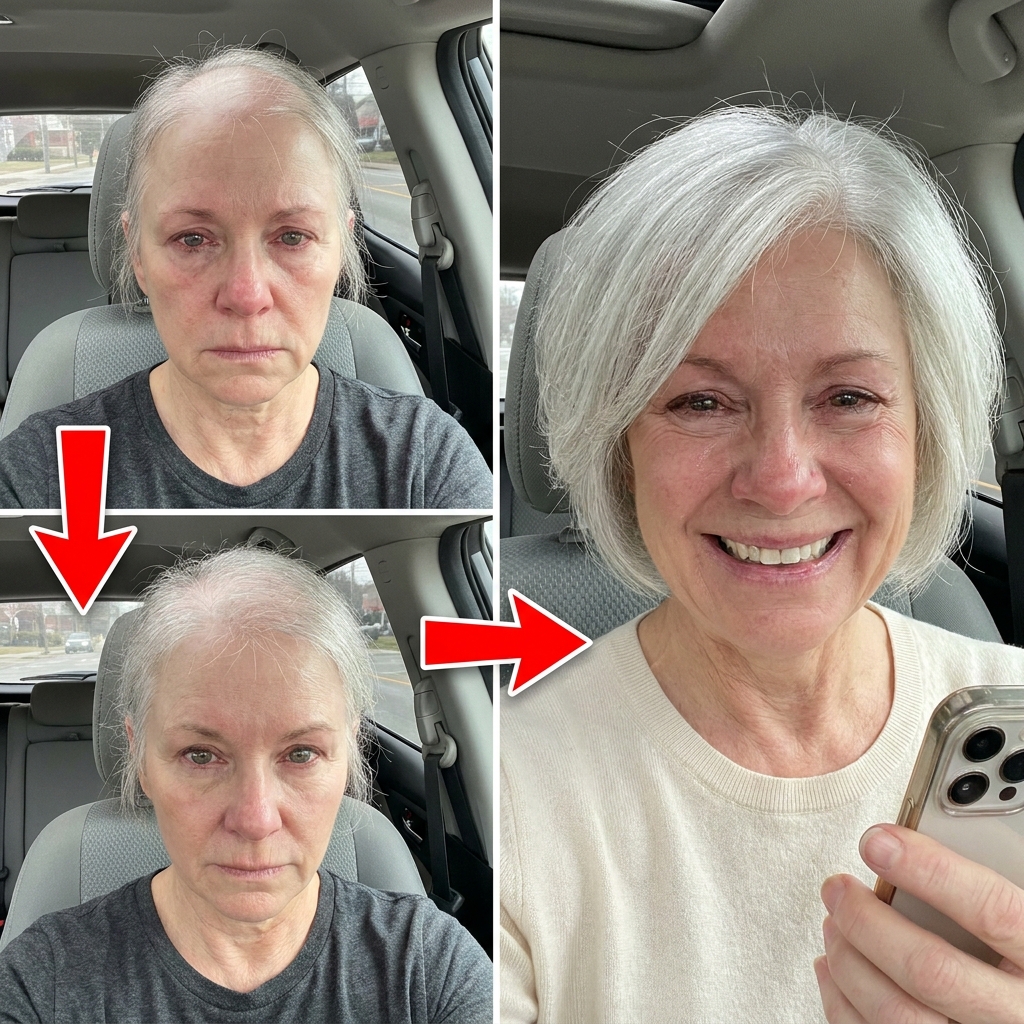
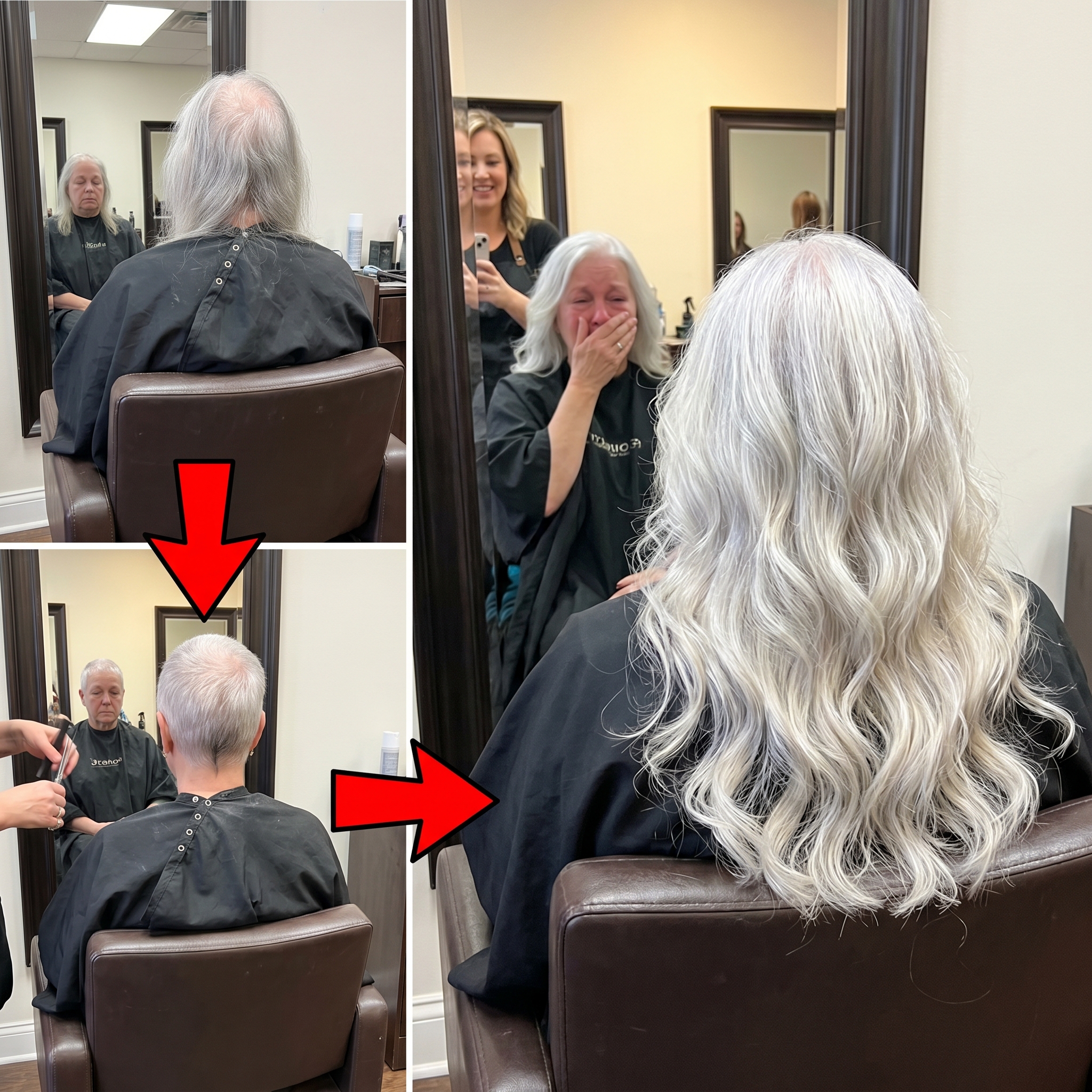
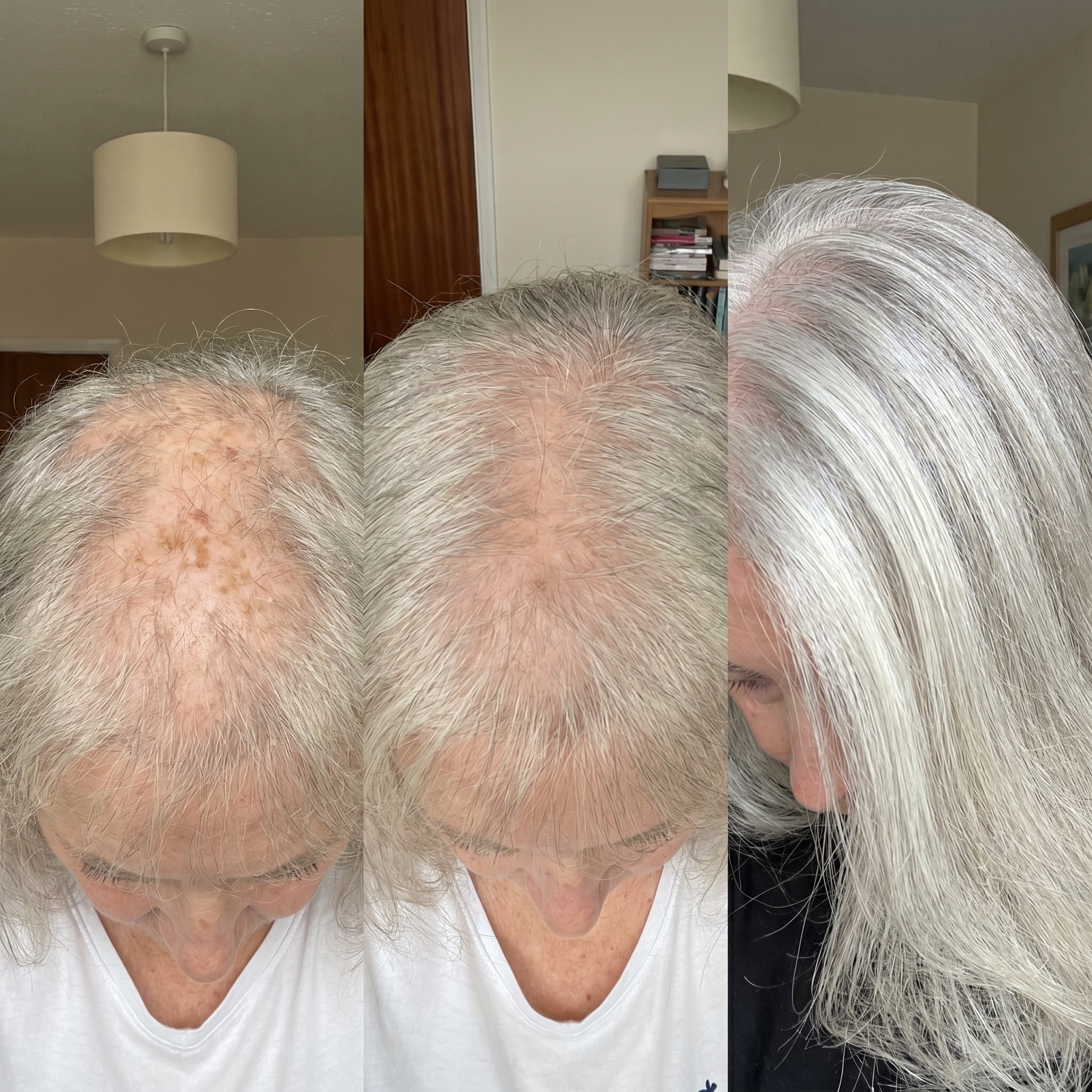
I am 51, I am a freelance editor, and I live alone in a flat in Tooting that gets very specific morning light from the east, which is how I noticed. The light comes through the kitchen window at about half-past seven and falls directly across the small mirror I have above the kettle. One morning in February of 2024, while I was waiting for the kettle to boil, I caught a glimpse of the top of my own head in that mirror and could not unsee what the light had done. The crown was sparse. The part was wide. The combination of the early light and the angle had shown me, in maybe four seconds, the truth I had been organising my hair around for a year and a half without admitting it. I made an appointment the same day. The GP took bloods. I had to wait nine working days for the results. I went in. She had the results on her screen. She turned the screen slightly towards me, which I appreciated, and went through them in a small efficient summary. Thyroid fine. Iron within range. B12 normal. Vitamin D a touch low, here is a supplement, take it for three months. Nothing else flagged. She suggested it might be perimenopausal and, on my pushing, agreed to refer me to a dermatologist privately because the NHS waitlist for hair-related referrals in our trust was eight months. She said she was sorry. She said it in the kind way GPs sometimes say it when they have no further option to offer you. The private dermatologist saw me for thirteen minutes. I had timed it. He diagnosed androgenetic alopecia, told me topical minoxidil was the only thing he could recommend that was likely to do anything, suggested I think about HRT, and stood up. £210 including the consult and the print-out he gave me, which I read on the bus on the way home and which contained no information I had not already found on the internet. What none of them said — what I have since learned has been in the dermatology literature since 2011 — was that menopausal thinning is not, generally, follicle death. It is cycle disruption. Specifically, it is local DHT shortening the growth phase of the hair cycle at the follicle. The follicle is alive underneath. The stem cells are still there. The blood supply is intact. If you interrupt the local DHT, the growth phase extends back out and the follicle resumes producing normal hair. That sentence is decades-old dermatology knowledge. It would have taken less than a minute for the dermatologist to say it. He did not say it. Instead I went home with the print-out, started topical minoxidil that weekend, and began the long expensive education of teaching myself what my doctor should have taught me. Over the next eighteen months I tried, in order: topical minoxidil for nine months (partial, dread shed, plateau, stopped); biotin for six months (no change, eventually flagged by my GP as interfering with thyroid bloods); Nutrafol for six months (£79 a month, no measurable change); Wellbel for three months (£45 a month, no measurable change); a scalp treatment course at a clinic in Wandsworth (£295, kind trichologist, no change); a laser cap I bought during a Black Friday sale (£189, three nights a week for nine months, the qualitative result of which was that I could not tell whether it had done anything); collagen powder; pumpkin seed oil capsules briefly; rosemary oil; and at one point, in a low week, a tube of something a friend had ordered from the United States that promised things its own packaging legally could not, in this country, have printed on it. The total, when I added it up at month eighteen, was £908 and a part that I had measured against a fixed point on my fringe and that had widened by what I estimated at four to five millimetres. I had stopped going to a writers' group I had been part of for six years because the room was lit overhead. I had cancelled a friend's fortieth in Cornwall because there was going to be a photographer. I had begun to research toppers in private browsing windows, in the small hours, when the work I was meant to be editing had begun to bore me and the thing I was actually thinking about was not editing. I had also begun, in the way you do when you spend a lot of time alone, to talk about it less. I had not mentioned my hair to my mother in nine months. I had not mentioned it to my older sister in six. The conversation in my head about it had become so dense and so detailed that the conversations I might have had about it with the people I loved had begun to feel, by comparison, thin and embarrassing. What ended that was not another product. It was the 2011 research. The paper, and the body of follow-up work that has extended it through the last decade, makes a specific claim. In menopausal androgenetic alopecia, the follicle does not die. The hair cycle has three phases — anagen, catagen, telogen. DHT shortens anagen. Where it might have lasted four years, in a follicle under sustained DHT attack it now lasts eighteen months, then twelve, then six. The hair the follicle produces in those compressed cycles becomes progressively finer and shorter until what is produced is barely a hair at all. The follicle looks, from outside, as though it has stopped. It has not. The stem cells are still there. The blood supply is still there. The follicle is in dormancy. Interrupt the local DHT, the paper said, and the growth phase extends. The follicle wakes up. This was the explanation I had not been given. Not by the GP. Not by the dermatologist. Not by the trichologist. Not by any of the eighteen months of products that had been advertised to me on my own phone. It is the kind of explanation that, the moment you hear it properly, reorganises a year and a half of your assumptions. Topical caffeine, applied to the scalp, blocks 5-alpha-reductase at the follicle and extends anagen directly. That is the mechanism the paper anchored. Mellenza is a topical scalp serum formulated for that mechanism. Caffeine. Polygonum multiflorum. Arginine. Biotin. Ginger. Sprayed on the crown, the part, and the temples at night. Not a shampoo. Not a volumiser. Not a supplement. A topical wake-up call for follicles that have been dormant too long. I started in late October. Twelve weeks before I let myself look at the part in the morning light again. Week 4. The shower drain showed less. I had been clearing it twice a week for two years. By week 4 I was clearing it less. Week 6. The hair felt different in my hand at night, when I was reading on the sofa and absent-mindedly running my fingers through it the way I had stopped doing two years ago. Week 9. I let myself look in the morning light. The part was narrower than it had been when I started. There was short, fine regrowth visible along the edge. I cried, briefly, standing at the kettle. Not a long cry. The kind of small involuntary release that happens when something you had quietly written off turns out, after all, to have been wrong. I made the tea. I went back to my desk. I edited a chapter I had been struggling with for a fortnight in two hours. There is a small thing I want to say about working alone. When you live by yourself and work by yourself, the conversation about a thing like your own thinning hair takes place almost entirely inside your own head. Nobody asks you about it. Nobody offers a perspective. Nobody, at the end of a day in which you have spent twenty cumulative minutes looking at the part in the bathroom mirror, says, gently, that they think you should think about something else. The conversation in my head about my own hair had been, by the time I read the article, two years long, and I had been the only person speaking in it. The thing the article did, almost as much as the mechanism it explained, was end that conversation. There was now an outside source. There was now a paper to point to. There was, for the first time in two years, someone else in the room. Month 4. The first morning that the early light fell across the kitchen mirror and I caught the top of my own head in it without flinching. Month 5. I went to the writers' group again. I sat directly under the pendant lamp. A friend I had not seen in a year said, on the way out, that I was looking well. I let her think she had said something simple. The link is below.
Thyroid fine. Iron within range. B12 normal. None of it told me what was happening to my hair.
Women's Health · Updated April 2026 Menopause · Hair Routine 7 Mistakes That Make Menopausal Hair Loss Worse, And the 30 Second Ritual 10,000 Women Used to See Regrowth in 8 Weeks Dr. Sarah Mitchell — Women's Health Writer. If you're standing in front of the mirror doing the 3-elastic ponytail t...
LEARN MORELike this ad? Make it yours.
Crush rebuilds this exact creative around your product — your brand, your colors, your offer — in about a minute.