Living Well with Diana
Living Well with Diana Facebook ad: “The Secret Hormone Behind Constipation”
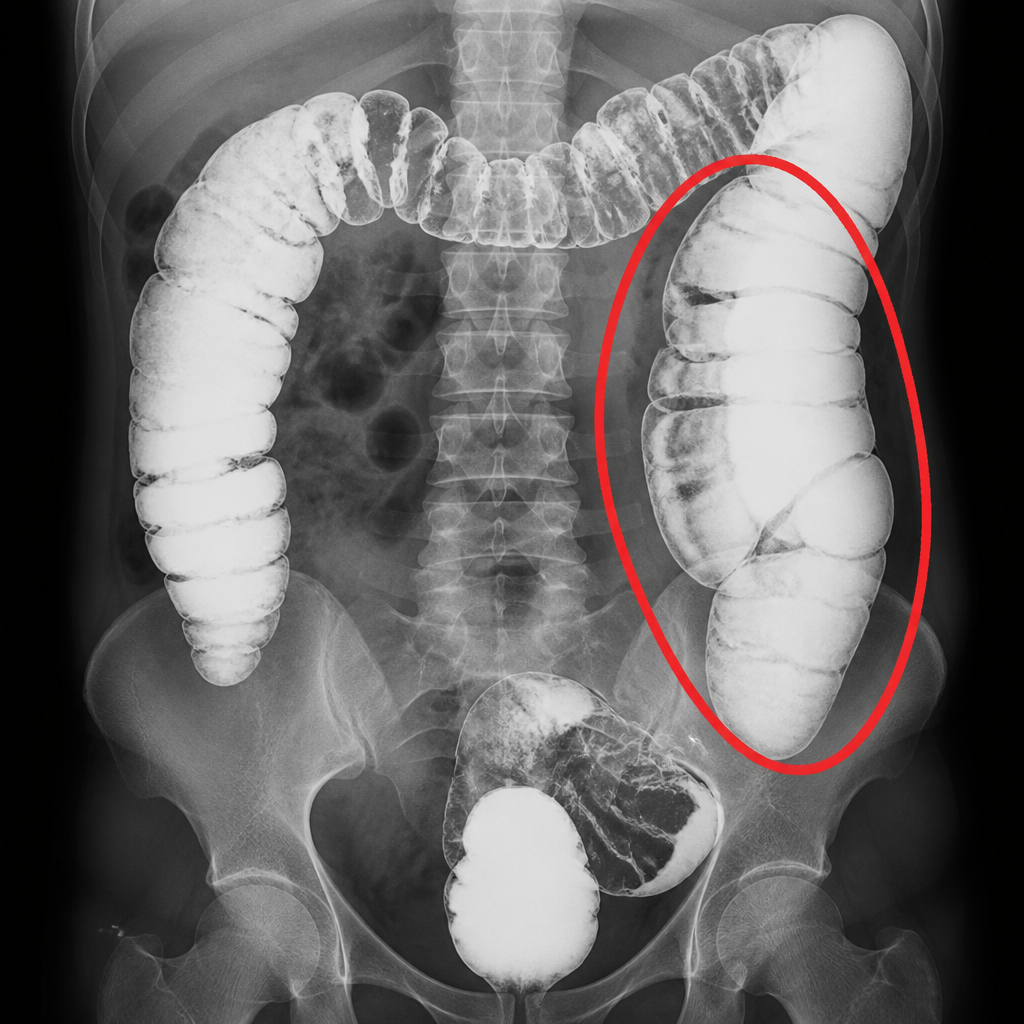
Ran for 15 days, from August 19 to September 3, 2026, the last day Crush saw it.
Run by Living Well with Diana on Facebook. Crush is not the advertiser and does not verify its claims. See this ad in Meta's Ad Library(opens in a new tab)
Want an ad like this for your product?
Crush makes new ad images for your product from this ad: your logo, your product photo, your offer.
Trials from $19.95 USD, then $79.95 USD a month. Cancel anytime.
About this ad
- Meta Ad Library ID
- 2046809665917847
- Platforms
- Facebook, Instagram, Audience Network, Messenger and Threads
- Relaunches
- 0
Ad text
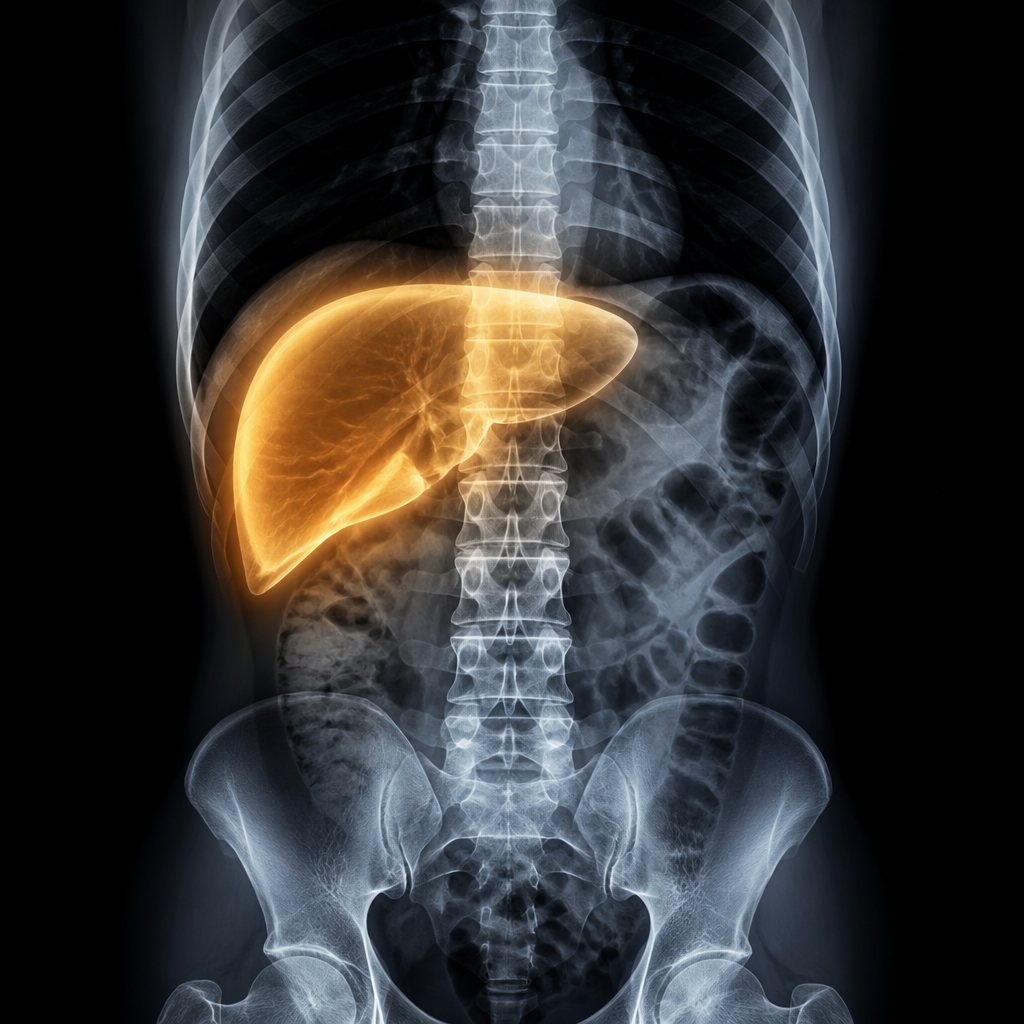
It was 7:15 in the morning when I found my 72-year-old husband on our bathroom floor, curled on his side, gripping his stomach, tears on his face. He couldn't get up. I thought he was having a stroke. I dropped to my knees beside him and grabbed his shoulder and said his name three times before he could answer me. It wasn't a stroke. It was constipation. My husband Michael had been trying to go to the bathroom. Straining so hard his blood pressure spiked. His vision narrowed. His legs gave out. And he went down on the tile floor of our bathroom at 7:15 in the morning, alone, while I was making coffee twelve feet away. At 72 years old, falling on the bathroom floor and not being able to get up… that is the moment that changes everything. That is the moment families start talking about assisted living. About safety. About whether someone can still live in their own home. And it happened because my husband hadn't had a bowel movement in eight days. I'm writing this because of what I learned in the weeks that followed. Something nobody told us in fifteen years of doctors and specialists and products. Something that made every failed treatment, every wasted dollar, every humiliating morning on that toilet make sudden, terrible sense. If your husband, your father, your mother, your parent is over 65 and constipated… if they're spending forty-five minutes on the toilet every morning straining and sweating and producing nothing, or dry little pellets, or packed clumps so hard they draw blood… if they've been on laxatives for years and things keep getting worse… you need to read every word of this. Because what's happening to them is not what their doctor is telling them it is. Let me go back to the beginning. Michael started having trouble around 57. Mild at first. A day or two without going, then things would catch up. His doctor said it was normal. Drink more water. Add some fiber. By 60 he was on an osmotic powder every morning. It helped for about a year. By 63, he'd added a fiber supplement. Two scoops in water, every morning, on top of the osmotic powder. By 65, the fiber was making everything worse. The bloating was so bad he'd push back from the dinner table and sit there with his hand pressed against his belly, breathing through the pressure. The gas was constant. Painful. Humiliating for a man who'd spent his career commanding respect in a room. He stopped going to Rotary. Stopped going to his Thursday morning coffee group. Stopped driving down to see our grandchildren in Virginia because four hours in a car with no reliable bathroom was more than he could manage. By 67, he'd added an herbal laxative at bedtime. Then magnesium citrate twice a week. Then a stimulant laxative when nothing else worked. By 70, he had a whole system. A shelf in the bathroom cabinet dedicated to products that were supposed to make his body do something it hadn't done on its own in years. Every morning, the same routine. Forty-five minutes on the toilet. Pushing. Straining. Gripping the grab bar we'd installed after his knee replacement. Bearing down until his face was red and his undershirt was damp. And what came out… when anything came out at all… was hard as gravel. Dry, packed pellets. Or those golf-ball clumps that dropped into the bowl with a sound that made me wince from the hallway. He'd come out of that bathroom gray-faced and exhausted, and I'd pretend I didn't hear him in there, and he'd pretend it wasn't happening. We never talked about it. Not really. Not the way we should have. Because the shame of it was worse than the pain. A 72-year-old man who can't go to the bathroom. Who plans his entire day around whether his body might cooperate. Who carries stimulant laxatives in his jacket pocket the way he used to carry breath mints. His doctor said it was age. Slow transit. Just how things go after 65. His gastroenterologist ran a colonoscopy. Then another one. Nothing structurally wrong. "Your colon looks healthy," the gastroenterologist told him. "Keep taking the osmotic powder. We can try a prescription motility agent if things get worse." Things got worse. The prescription worked for about two months. Then it stopped. Like everything else. Worked for a while, then his body stopped responding, and he was right back where he started with one more failed product behind him. Three doctors. Two colonoscopies. Thousands of dollars. Fifteen years. And Michael was on the bathroom floor. The ER visit was the worst morning of our lives. They did a CT scan. Told us he had a fecal impaction. Severe. The waste had been sitting in his colon so long it had dried and packed into a mass that wasn't going to pass on its own. They admitted him. Two days. Manual disimpaction. Then a bowel prep to clear what was behind it. Then an IV because he was dehydrated from days of not eating because the fullness and nausea had killed his appetite. I sat in that hospital room and watched my husband… a man who built a company, who coached Little League, who taught our grandchildren to fish… lie in a bed with a hospital gown on, humiliated beyond words, because his body couldn't do something a healthy body does every day without thinking. On the second day, a woman from the hospital's care team came by. A practitioner who worked with patients being discharged after GI crises. She was maybe sixty. Calm. Direct. She sat down and asked Michael about his history. How long. What he'd tried. What worked. What didn't. He told her everything. Fifteen years. The osmotic powder. The fiber that made the bloating worse. The herbal laxatives. The magnesium. The stimulant laxatives. The prescription that worked for two months and quit. She listened without interrupting. Then she turned to both of us and said something I will never forget. "Can I ask you something? Has anyone ever explained to you why your colon stopped moving?" Michael looked at her. "Not what to take to force it. Why it stopped." He shook his head. She leaned forward. "Your colon doesn't move on its own. It moves because your nervous system sends it a signal. A contraction wave. That signal comes from the parasympathetic branch of your nervous system… the branch that runs rest and digest." "When rest and digest is active, the signal fires. The muscles contract. Things move through." "But your nervous system has another mode. Sympathetic. Fight or flight. When that mode is engaged, rest and digest is suppressed. The contraction signal stops. The colon sits there. Whatever is inside it stays inside it. And the longer it sits, the more water the colon pulls back out of it, and the harder and drier and more packed it becomes." She paused and looked at Michael. "Cortisol drives fight or flight. And when cortisol stays chronically elevated… the low-grade, continuous kind… the kind that comes from years of stress, poor sleep, a body that's been fighting itself for over a decade, the accumulated toll of aging and loss and frustration… the body stays in a state of continuous low-grade fight or flight. And rest and digest stays continuously suppressed." "The signal your colon needs to move has been switched off. Not by aging. Not by a slow colon. Not by a fiber deficiency. By a cortisol pattern that nobody has measured and nobody has addressed." I sat there thinking about fifteen years of products aimed at the colon. Michael sat there thinking about forty-five minutes every morning, pushing and straining and gripping that grab bar. "Every product he's taken," she said, "has been aimed at forcing the colon to do something while the signal telling it to do that thing was switched off." She went through them one by one. The fiber added bulk to a system that wasn't receiving the signal to move. It piled up. The bloating got worse. The gas got worse. Because you were loading more onto a conveyor belt that was switched off. The osmotic powder pulled water into the colon and forced a mechanical result for a day. But it never touched the cortisol keeping the signal suppressed. So the next morning, the same suppressed signal, the same motionless colon. More dose. Higher dose. Deeper dependency. The herbal laxatives and stimulant laxatives prodded the muscle directly. But cortisol was simultaneously telling that muscle to stop. Gas and brake at the same time. The muscle eventually stopped responding to the stimulant. The prescription motility agent tried to override the suppression with a stronger pharmaceutical signal. It worked until cortisol overwhelmed it. Then it quit. "Fifteen years of climbing a ladder that was leaning against the wrong wall," she said. Michael was very quiet. "What was supposed to happen?" he asked. "What should someone have told us?" "That the cortisol pattern driving the suppression has to be supported. Not worked around. Not overridden with stronger products. Supported. So the stress response can ease, rest and digest can come back online, and the colon can receive the signal it's been waiting for." She told us to look into adaptogenic botanicals that had been studied for supporting healthy cortisol levels. Not a laxative. Not a fiber. Not a probiotic. Not a motility agent. Something aimed specifically at the stress response that was keeping the entire system suppressed. She said to find something with doses we could verify on the label. No proprietary blends. No kitchen-sink formulas with twenty ingredients at amounts too small to matter. Something engineered around cortisol specifically. That was the last thing she told us before Michael was discharged. We went home that afternoon. Michael was weak. Embarrassed. Afraid it would happen again. That night, after he'd gone to bed, I sat at the kitchen table with my laptop and started looking. I am not a scientist. I am not a medical professional. I'm a 68-year-old woman whose husband just spent two days in the hospital because his body couldn't do something a healthy body does every morning. But I know how to read a label. And after fifteen years of buying products that didn't work, I knew exactly what I didn't want. I didn't want another proprietary blend that hid every dose behind one number. I didn't want a "digestive support" formula that was just fiber and probiotics repackaged. I didn't want a "senior wellness" blend with fifteen ingredients at amounts too small to matter. I didn't want another laxative of any kind. I wanted exactly what the practitioner described. Botanical adaptogens studied for supporting healthy cortisol levels. At real doses. On a visible label. Aimed at the signal, not the symptom. I went through label after label. Most of them were exactly what she'd warned about. Proprietary blends. Fillers. Trace amounts of adaptogens buried under a pile of inactive ingredients. "Stress support" formulas that were really just B vitamins and magnesium with one botanical dusted in at a fraction of what any research had used. I was about to close the laptop. Then I found AVIA. I turned the label around the way I'd turned twenty labels around that night. And this one was different. Every ingredient listed individually. Every dose visible. No proprietary blend. No filler. No junk. Botanical adaptogens at amounts consistent with what had been studied for supporting the body's natural cortisol response. Not dusted in. Not hidden. Visible. Formulated specifically around cortisol. Not general wellness. Not digestive support. Not a menopause formula. Not a senior vitamin. One capsule. Once a day. I ordered it at midnight. It came in three days. I didn't tell Michael what it was. Not exactly. I just said the practitioner at the hospital had suggested we try something different. Something aimed at the stress response instead of the colon. He looked at the bottle the way a man looks at something he's been disappointed by too many times to count. "One more thing that won't work, Sam." "Maybe," I said. "Give it a month." Here is what happened. Week one. Nothing we could point to. Michael kept taking his osmotic powder in the morning out of habit and fear. I didn't push him to stop. Week two. He mentioned, almost in passing, that the cramping wasn't as bad. The sharp, doubling-over waves that usually hit in the late afternoon were quieter. Not gone. But softer. He didn't reach for the stimulant laxative once that week. I noticed. He didn't mention it. The bloating was slightly less. He didn't push back from the dinner table that week. He finished his meals. Week three. A Saturday morning. I was in the kitchen making coffee. Michael was in the bathroom. I could hear through the door that he wasn't straining. No heavy breathing. No gripping sounds. No long, awful silences followed by grunting. He came out in under five minutes. He stood in the kitchen doorway and looked at me. "Sam." "What?" "I went. Normal. Like… normal." "No powder last night?" "I forgot to take it." He forgot to take it. After fifteen years of never once forgetting, because forgetting meant three or four more days of nothing. He forgot. And his body worked anyway. I turned back to the coffee so he wouldn't see my face. Week four. Every morning. On his own. Without the osmotic powder. Without the herbal laxative. Without the magnesium. Without anything. Soft. Easy. Over in minutes. Michael pressed his hand to his belly the way he'd done ten thousand times over fifteen years, checking for the hard packed fullness that always lived there. It wasn't there. "It's gone, Sam. That lump. It's gone." He stood in the bathroom and looked at me and his eyes were wet. This is a man who did not cry at our daughter's wedding. He cried over an empty belly. Because after fifteen years, he'd forgotten what empty felt like. Week five. The gas that had driven him out of Rotary and his Thursday coffee group and every restaurant dinner we used to enjoy… gone. Not reduced. Gone. He sat through an entire meal at our favorite Italian place without pressing his hand against his abdomen once. The sleep changed. The 3am wakeups he'd had for years… the ones where he'd jolt awake with his heart pounding and lie there in the dark until dawn… eased. He slept through four nights that week. Then five. Then every night. "I feel rested," he said one morning. Like it was a foreign word. Like he'd forgotten what it meant. The brain fog lifted. He'd been getting forgetful in a way that frightened both of us. Losing words. Missing turns on drives he'd taken a hundred times. Staring at the newspaper and realizing he'd read the same paragraph three times. We'd both been afraid it was something worse. Something that starts with forgetting and doesn't stop. It wasn't that. It was cortisol. It was a stress response running day and night without ever coming down, suppressing everything… digestion, sleep, cognition, energy… and making a 72-year-old man feel like he was losing himself. When the signal was supported, everything it had been suppressing began to come back. After two months, I had my husband back. Not a better version of the man who'd been suffering. My husband. The man I married. The man who used to drive down to Virginia to see the grandchildren without thinking twice. The man who used to sit through a dinner and a movie and a long walk afterward without planning a bathroom route. The man who used to laugh without wincing because the gas pain was that bad. That man. He's been taking AVIA for five months now. He goes every morning. Like clockwork. Without a thought. Without a product. Without forty-five minutes on the toilet with the grab bar and the gray face and the damp undershirt. His gastroenterologist noticed at the follow-up. Looked at the chart. Looked at Michael. "Whatever changed," he said, "keep it up." That was all. But Michael and I looked at each other across that examination room, and we both knew what had changed. Not the colon. The signal to the colon. Last month Michael drove to Virginia. Four hours each way. Didn't mention the bathroom once. He played with the grandchildren on the floor. Got down on his knees and built a Lego castle with our six-year-old for forty-five minutes and got up on his own and didn't wince and didn't grip the counter. He went back to Rotary. He went back to his Thursday coffee group. He went to our granddaughter's school concert and sat in the third row and didn't think about his belly once. He told me last week, sitting on the porch after dinner, the first dinner in years where he didn't push back from the table in discomfort: "Sam. I feel like I got my retirement back. I'm 72 years old and I'm finally actually living it." I couldn't say anything for a minute. Because I'd been watching him disappear for fifteen years. Slowly. The world getting smaller. The trips cancelled. The invitations declined. The mornings behind that closed bathroom door getting longer and longer. A man who built a company shrinking down to the size of one bathroom and one shelf of products that didn't work. And now he was back. If you're reading this for someone you love… If your husband sits in that bathroom every morning for forty-five minutes and comes out looking like he lost a fight. If your mother carries laxatives in her purse and pretends she doesn't. If your father has stopped going to the things he used to love because he can't trust his own body for more than an hour away from home. If someone you love has been told for years that it's just aging, just drink more water, just add more fiber, just take another product… Their colon isn't lazy. It isn't worn out. It isn't just old. The signal telling it to move has been suppressed by a cortisol pattern nobody measured and nobody addressed. And every product they've tried has been aimed at the colon while the signal to the colon stayed switched off. The fiber piled up on a conveyor belt that wasn't running. The osmotic powder forced a day and left the signal untouched. The stimulant laxatives pressed the gas while cortisol pressed the brake. The prescription tried to override and eventually couldn't. The signal has to be supported. Not the symptom. The signal. AVIA Cortisol Support is built for the signal. Botanical adaptogens at doses you can verify on the label. Every ingredient listed individually. No proprietary blend. No filler. No junk. One capsule. Once a day. AVIA is a small-batch brand. They don't mass-produce and they don't cut corners. Every batch is verified before it ships. When a run sells out, the next one takes time. https://shop.tryavia.com/ps-constipation-angle SALE LIVE NOW If it's in stock, don't wait. Don't let another year go by watching someone you love disappear behind a closed bathroom door. Don't wait for the bathroom floor morning. Michael collapsed at 72. Your person doesn't have to. The signal has been switched off. That's all. That is everything. And until the cortisol pattern keeping it off is supported, nothing aimed at the colon itself is going to hold. It's going to work for a day, maybe a week, and then their body is going to stop responding, and they're going to reach for something stronger. Again. The way Michael did for fifteen years. He's done reaching. His body works. Every morning. On its own. The way it was always supposed to. Same colon. Same age. Same man. The only thing that changed is that the signal finally turned back on. My husband spent fifteen years losing his life to a bathroom. Forty-five minutes every morning. A shelf full of products. A world that kept shrinking. Five months ago, we stopped forcing the symptom and started supporting the signal. Today he drives to Virginia. He plays with the grandchildren. He goes to dinner. He goes every morning without a thought. He's 72. And he finally got his retirement back. It can be the same for the person you love. https://shop.tryavia.com/ps-constipation-angle
Where the ad sends people
shop.tryavia.com
The Secret Hormone Behind Constipation
Learn more: shop.tryavia.com(opens in a new tab)