Dr Susan Moore
Dr Susan Moore Facebook ad: “They treat you like an idiot.”
Ran for 5 days, from August 3 to August 8, 2026, the last day Crush saw it.
Run by Dr Susan Moore on Facebook. Crush is not the advertiser and does not verify its claims. See this ad in Meta's Ad Library(opens in a new tab)
Want an ad like this for your product?
Crush makes new ad images for your product from this ad: your logo, your product photo, your offer.
Trials from $19.95 USD, then $79.95 USD a month. Cancel anytime.
About this ad
- Meta Ad Library ID
- 2063989654210969
- Platforms
- Facebook, Instagram, Audience Network, Messenger and Threads
- Relaunches
- 0
Ad text
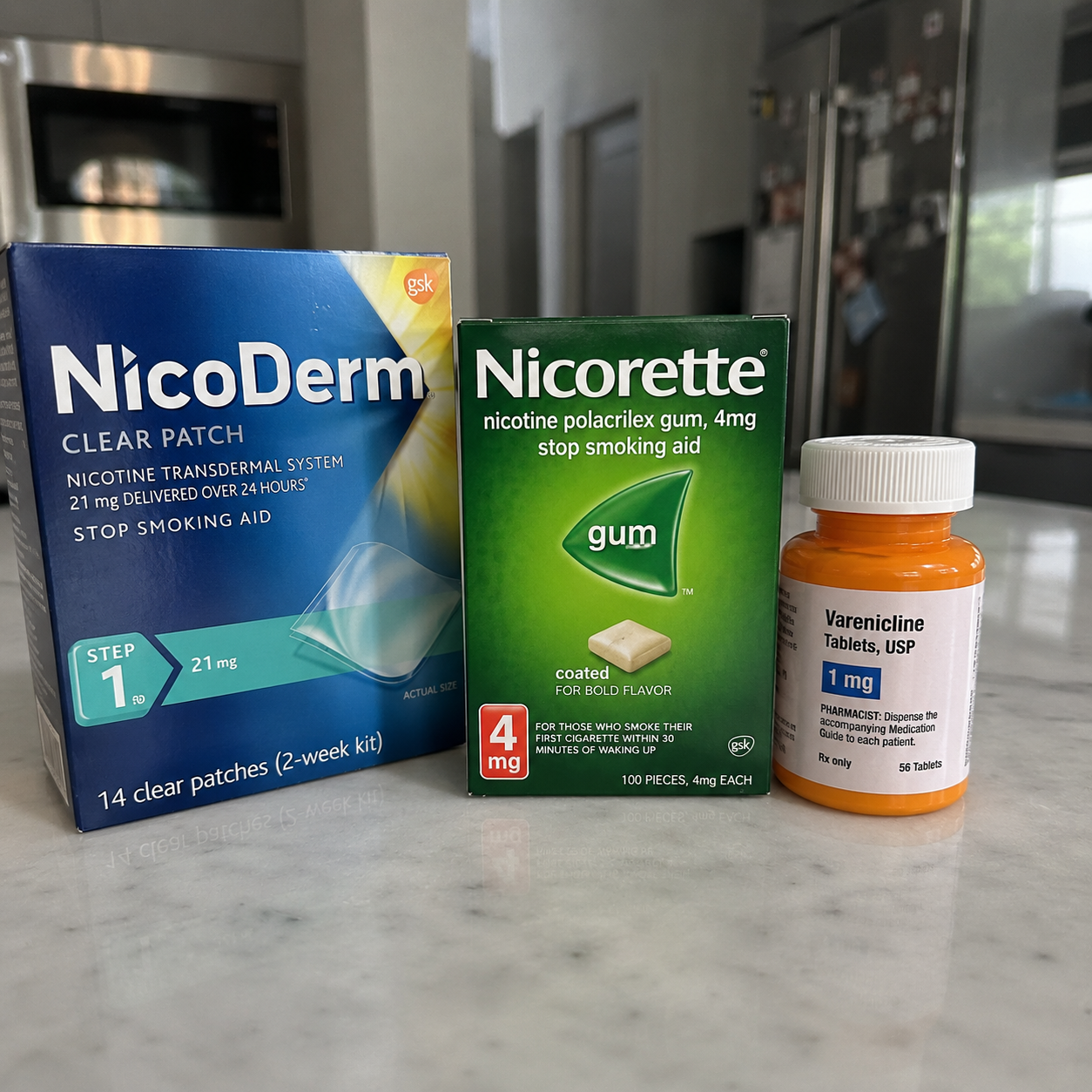
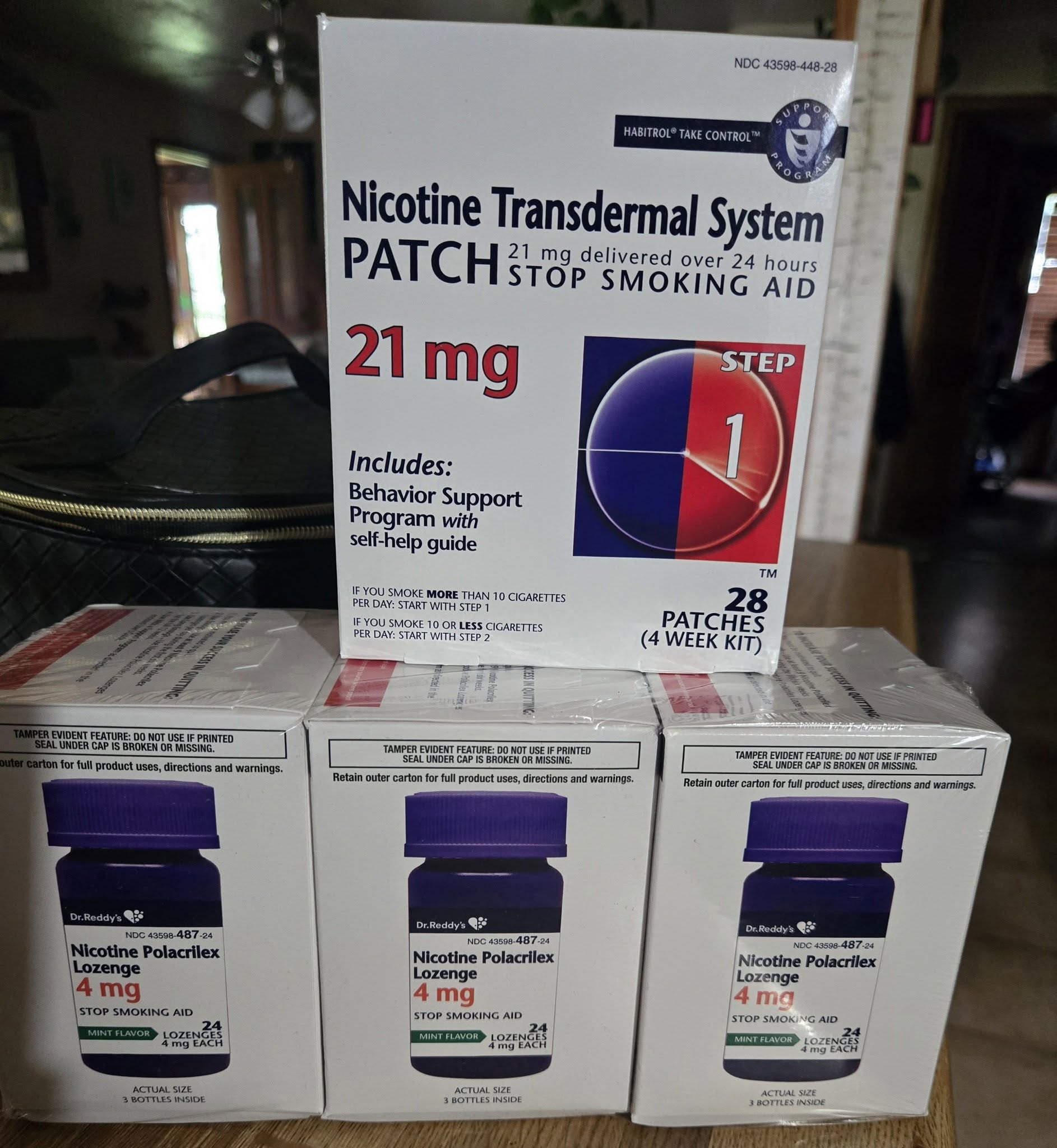
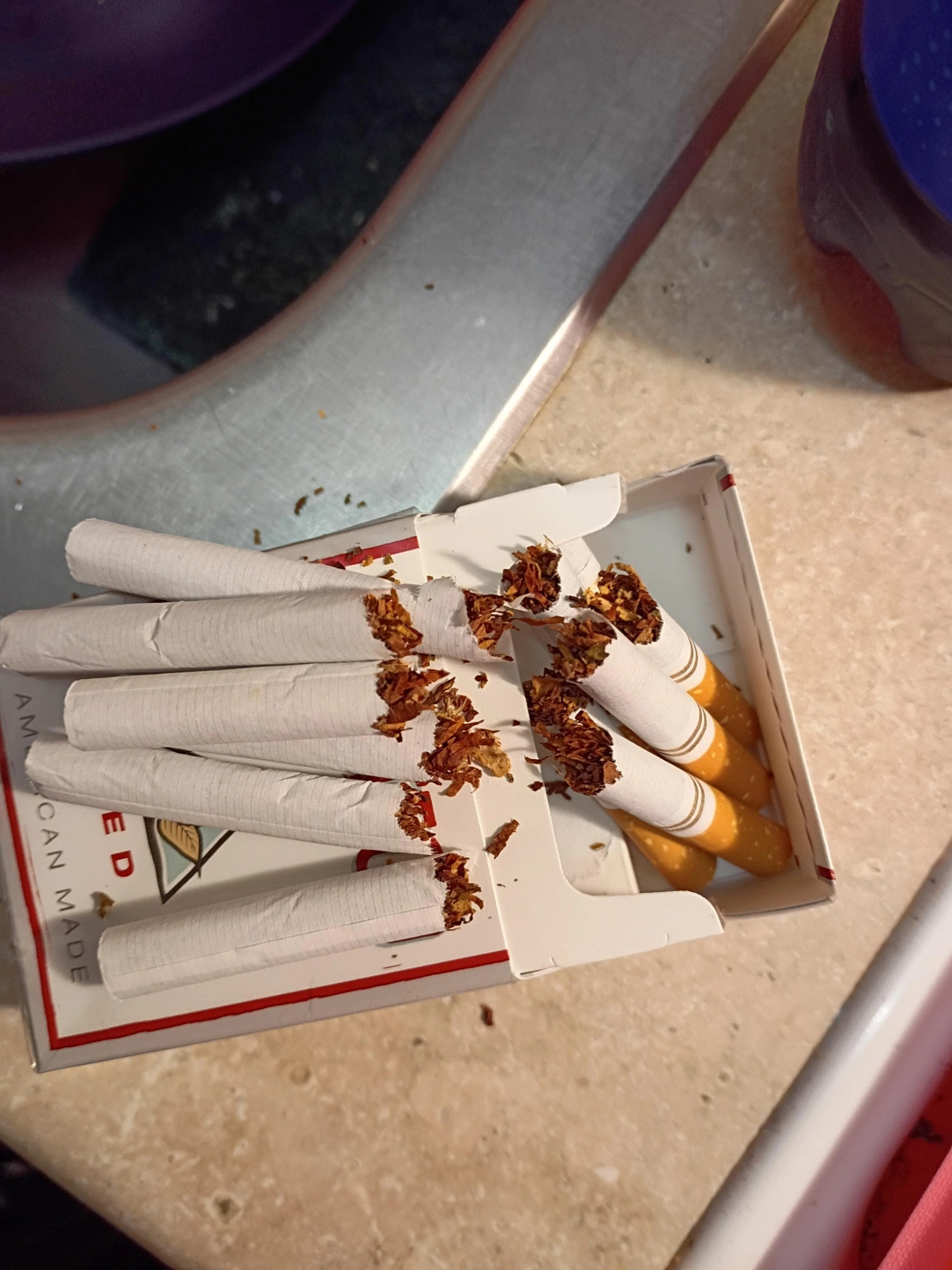
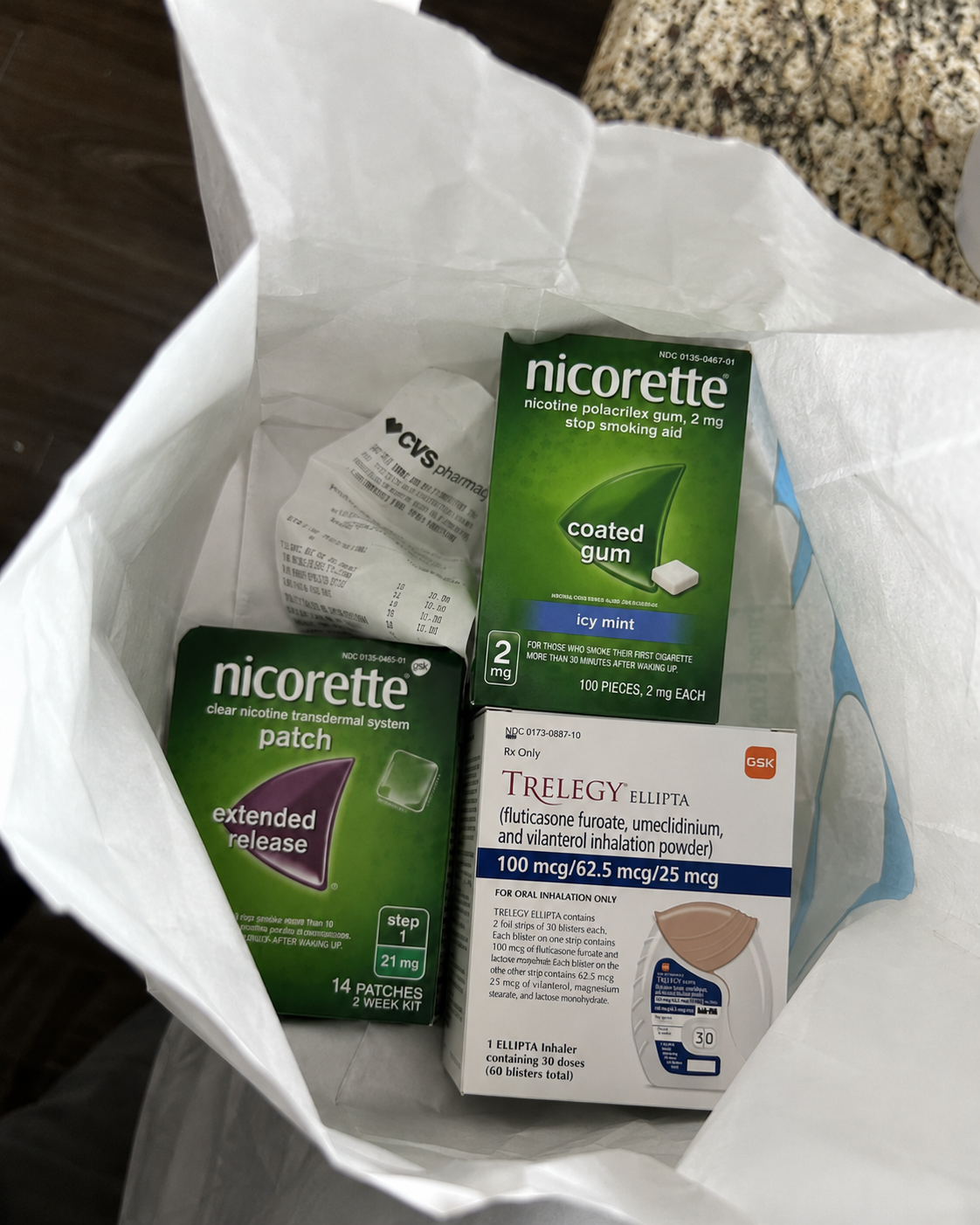
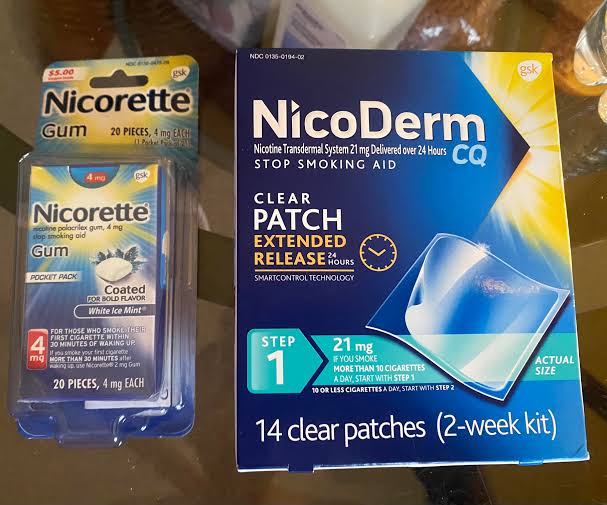
My doctor told me I needed to quit smoking. Then he prescribed me a drug that gave me suicidal thoughts, a patch that fell off in the shower, and gum that tasted like pepper spray. Every single one of them failed. And every single time I went back to smoking carrying more shame than the time before. And I would've kept blaming myself forever if I hadn't looked up one number. The nicotine patch has a 93% failure rate. That’s not some rumor. That’s their own clinical data. It's been on the market for over 30 years and it fails 93 out of 100 people. My doctor knew that. The pharmaceutical company knew that. They sold it to me anyway. Then when it didn't work they let me go home and explain to my wife and kids — again — that I couldn't do it. They let you carry that. They fail quietly. But YOU fail publicly. I almost accepted that I'd smoke for the rest of my life. Until I found out the real reason every single one of those products failed me — and it's the one thing none of them were ever designed to fix. Read this entire post. I don't care if it's long. I don't care if you're busy. This post will be the reason you finally quit smoking. Let me back up. I started smoking when I was 19. Bummed one off a buddy at work during a lunch break. I didn't even like it that much. But I liked the break. Five minutes outside, something in my hand, not thinking about anything. Just inhale, exhale, quiet. By 21 I was buying my own packs. By 25 it was a pack a day. By 30 I couldn't start my morning without one. I didn't smoke because I loved nicotine. I smoked because smoking was the only time during the day that was mine. Before work. After meals. During a stressful phone call. Last thing at night on the porch before bed. It was the one thing I did every single day that asked nothing from me. I'm 45 now. I've smoked for 26 years. And for the last six of those years I've been trying to stop. My wife was the reason for the first attempt. She sat me down after our daughter's fifth birthday party and said she didn't want to explain to our kid why daddy wasn't there one day. She didn't cry. She didn't yell. She just said it flat. That was worse. So I went to my doctor. He gave me the patch. Told me to pick a quit date and stick to it. I lasted two weeks. Not because I was craving nicotine. The patch was handling that fine. I lasted two weeks because every night after dinner I'd walk outside and stand on the porch with nothing in my hands and nothing in my lungs and I'd just... stand there. Like I was waiting for something. The five minutes that used to be the best part of my day were now the emptiest. By day 15 I bought a pack. Smoked one on the drive home. Hid the pack in my glove box. Chewed mints before I walked inside. That was the first time I lied to my family about smoking. It was not the last. Second attempt was the gum. Lasted ten days. My jaw hurt constantly and I was chewing the stuff like a maniac — but my hands were still empty and my lungs were still empty and I was still walking outside every hour with nothing to do when I got there. Third attempt my doctor put me on Chantix. Three weeks in, the cravings were mostly gone. But I started having thoughts I'd never had before. Dark ones. The kind where you're driving and your brain shows you something you didn't ask to see. I stopped taking it because I didn't trust myself. When I told my doctor, he said "that's a common side effect" and asked if I wanted to try a lower dose. Like we're talking about dry mouth. I didn't go back to that doctor. Fourth attempt was cold turkey. Pure willpower. Told everyone — my wife, my coworkers, my brother. Made a big announcement. Threw away every pack in the house. I made it 34 days. Longest I'd ever gone. And every single one of those 34 days I ended up on that porch doing the same thing — standing there with nothing, reaching for my pocket, catching myself, going back inside, counting the minutes until I'd end up out there again. Day 35 I snapped. Bought a pack and smoked three in a row in a gas station parking lot. Didn't even feel guilty anymore. Just felt tired. That was the attempt where my wife stopped saying "I'm proud of you for trying." Honestly? I'd stopped believing I could do it too. After that I stopped trying. Stopped talking about it. Stopped pretending I'd ever be the guy who actually quits. Then a guy at work quit smoking. Normally I wouldn't think twice. People quit all the time. They announce it on Monday and they're bumming cigarettes by Friday. But this guy stuck with it. Weeks went by. Then a month. Then two. And he wasn't miserable. Wasn't snapping at people. Wasn't chewing gum nonstop or gaining 20 pounds or white-knuckling through every conversation. And he was still going outside. Same times. Same breaks. Still standing there for five minutes. Still had something in his hand. One day I was out there smoking and he was a few feet away and I just asked him. "What are you doing out here if you quit?" He said "I didn't quit. I just stopped smoking." I thought he was being a smartass. But he showed me what was in his hand. It looked like a cigarette but it wasn't. He said it was a herbal inhaler. Mullein. Some plant that's been used for lungs for thousands of years. I almost walked away. Sounded like the kind of thing someone's aunt shares on Facebook next to a minion meme. But then he said something that stopped me. "The reason you can't quit isn't the nicotine. It's this." And he held up the inhaler and took a drag. Inhale. Exhale. "It's the ritual. And nobody's ever going to tell you that because there's no money in it." And I felt something click that I couldn't unclick. I'd always known — somewhere — that it wasn't really about the nicotine. I never smoked because I loved the taste. I smoked because of the five minutes. The inhale. The exhale. The break that was mine. But I'd never connected that to why I kept failing. Until he said it out loud. Every product I'd ever tried took the ritual away and gave me nothing in its place. And here was this guy — two months off cigarettes, no withdrawal, no misery — because he never gave up the ritual at all. He just changed what was in it. I went home that night and looked up what he was using. Company called Revair. Mullein inhaler. But I didn't order it right away. After four failed attempts I didn't trust anything anymore. So I started looking into why every quit-smoking product ignores the ritual. And that's when I found out something that made my blood boil. Nicotine leaves your bloodstream in 72 hours. Three days. That's it. The chemical addiction — the thing every quit-smoking product on the market is built to treat — is over in a long weekend. The patch is a 10-week program. The gum is sold in monthly supplies. Chantix is a 12-week prescription. All designed to treat a chemical dependency that's gone by day four. So what exactly are you paying for during weeks two through ten? Nothing. You're paying for nothing. You're standing on your porch with a patch on your arm and nothing in your hands — white-knuckling your way through an emptiness that no amount of nicotine replacement is ever going to fill. And when you finally break, you go buy another box. That's the business model. Not your recovery. Your relapse. I looked up who manufactures the nicotine patches. Who makes Chantix. Who funds the quit-smoking programs doctors recommend. Same pharmaceutical companies that sit on the same boards as the tobacco lobbies. Cigarettes, patches, gum, prescriptions — it's the same money going to the same people. You're not choosing between options. You're choosing which product of theirs to buy this month. And the one thing that would actually break the cycle — replacing the ritual instead of fighting it — they've never built a product for. Because a product that actually works the first time doesn't need a refill. Doesn't need a 10-week program. Doesn't need a follow-up prescription. They don't make money when you quit. They make money when you try. I ordered the Revair that night. It showed up two days later. I held it in my hand and it felt familiar. Same weight. Same shape. I walked out to the porch after dinner, same time I always do, and I inhaled. Mullein vapor. Not tar. Not nicotine. Just a herb and the five minutes I thought I'd lost forever. I exhaled and watched the vapor disappear. My hands weren't empty. My lungs weren't empty. The five minutes were mine again. And for the first time in 26 years, nothing in that ritual was killing me. That was three months ago. I haven't touched a cigarette. I haven't touched a patch or a piece of gum or a pill that made me afraid to be alone in my own house. Not because I'm resisting. Because there's nothing to resist. The ritual is still there. It's just clean now. My wife asked me last week if I missed smoking. I don't. Because I didn't give anything up. I just stopped putting poison in it. If you're standing on your porch right now with a patch on your arm and nothing in your hand — or worse, if you've stopped trying altogether — you don't have to keep fighting the ritual. You just have to change what's in it. It's called Revair. And you don't have to quit to quit.
Where the ad sends people
Lunginsights.org
They treat you like an idiot.
Revair
See details: revair.store(opens in a new tab)