Dr Susan Moore
Dr Susan Moore Facebook ad: “The system hates smokers.”
Ran for 5 days, from August 3 to August 8, 2026, the last day Crush saw it.
Run by Dr Susan Moore on Facebook. Crush is not the advertiser and does not verify its claims. See this ad in Meta's Ad Library(opens in a new tab)
Want an ad like this for your product?
Crush makes new ad images for your product from this ad: your logo, your product photo, your offer.
Trials from $19.95 USD, then $79.95 USD a month. Cancel anytime.
About this ad
- Meta Ad Library ID
- 2953902488295340
- Platforms
- Facebook, Instagram, Audience Network, Messenger and Threads
- Relaunches
- 0
Ad text
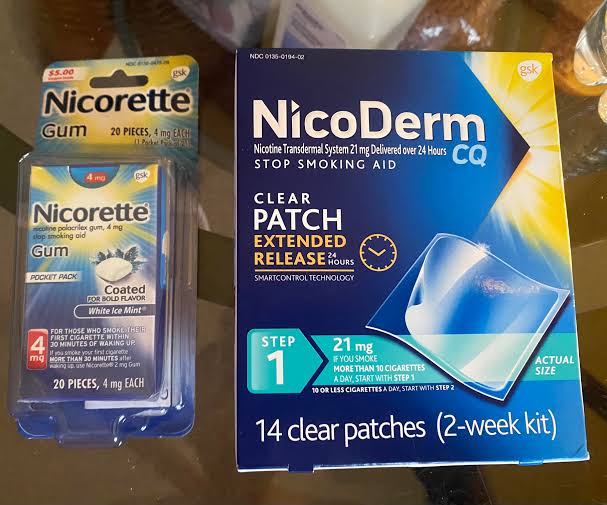
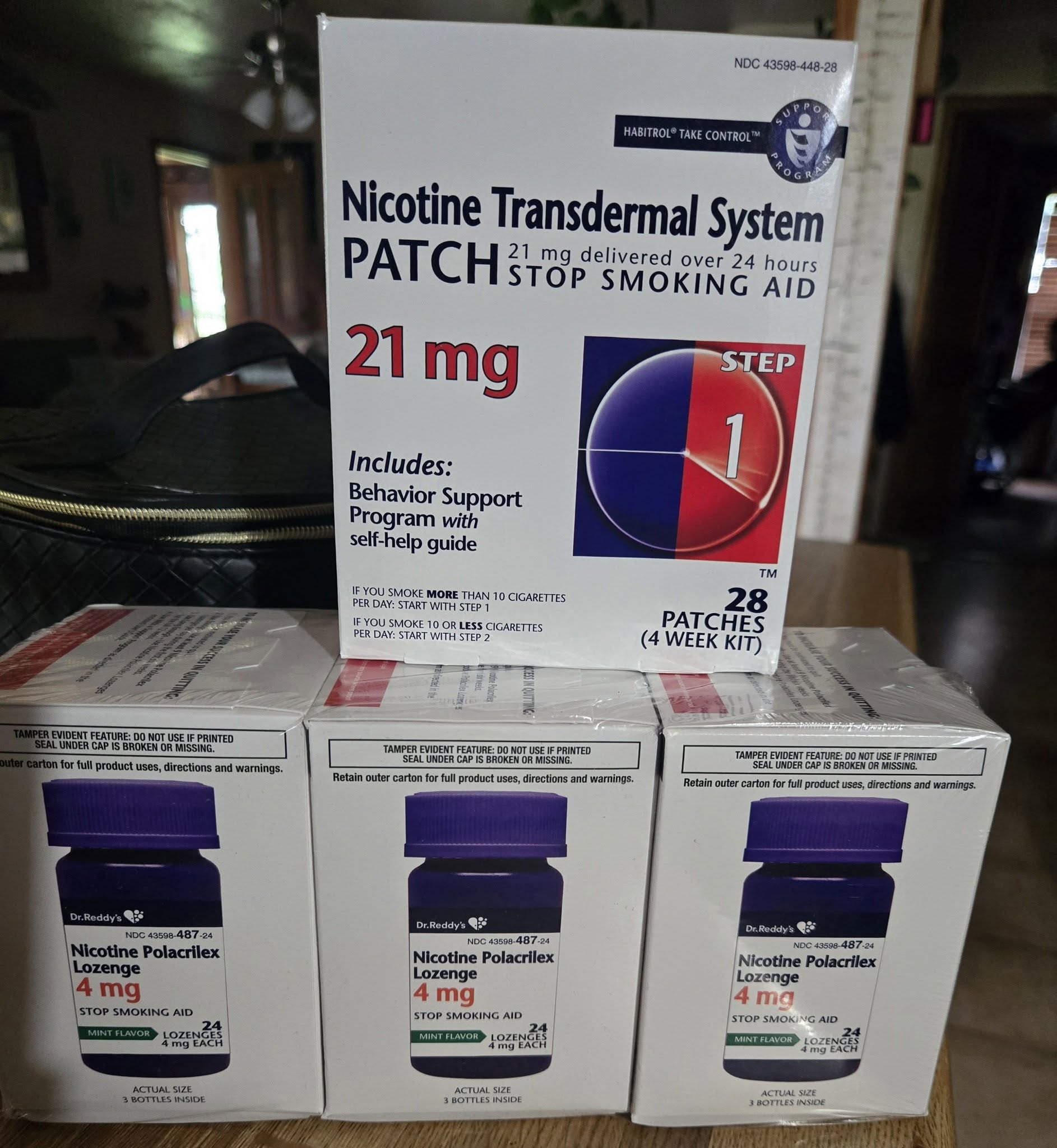
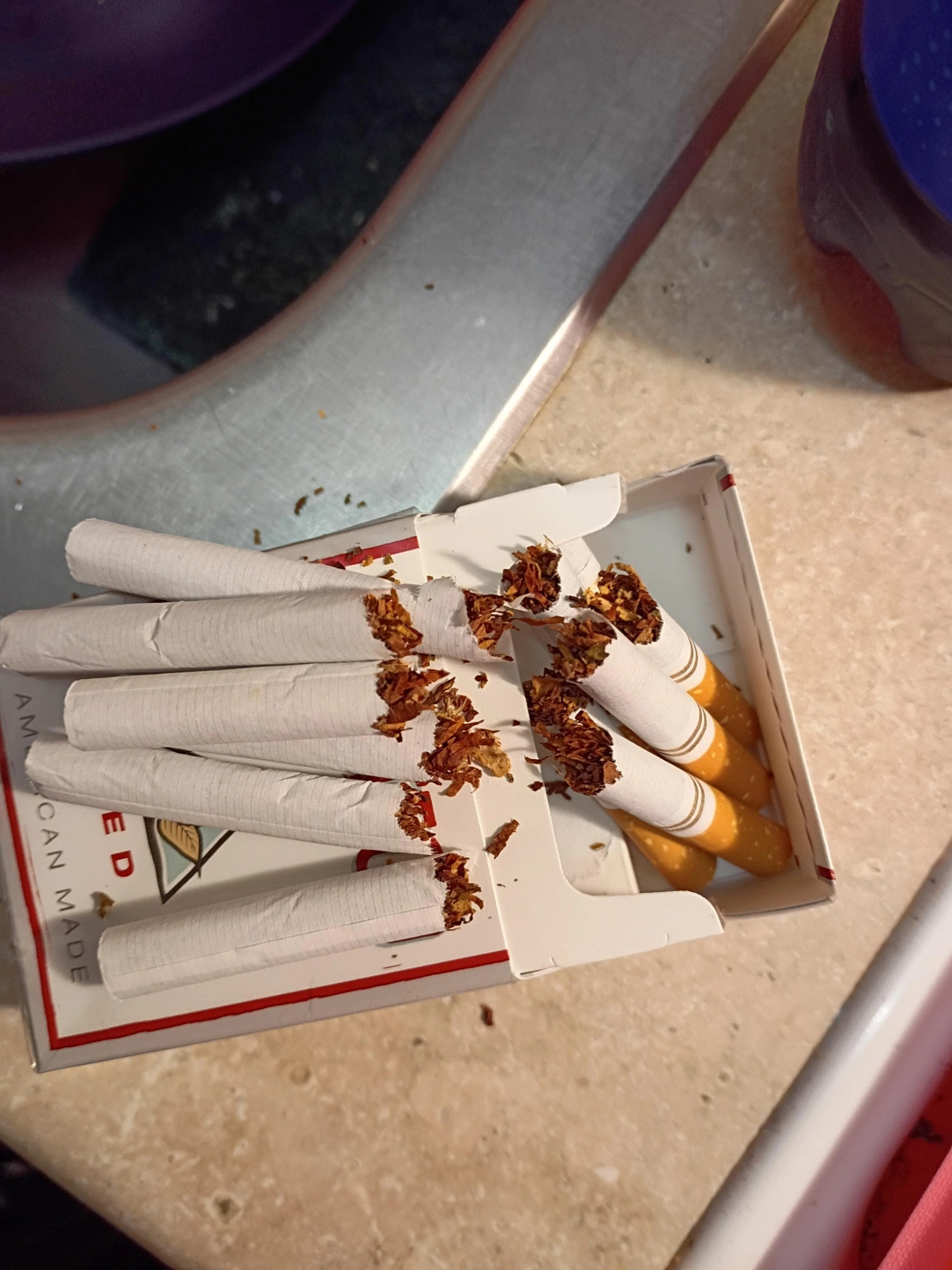
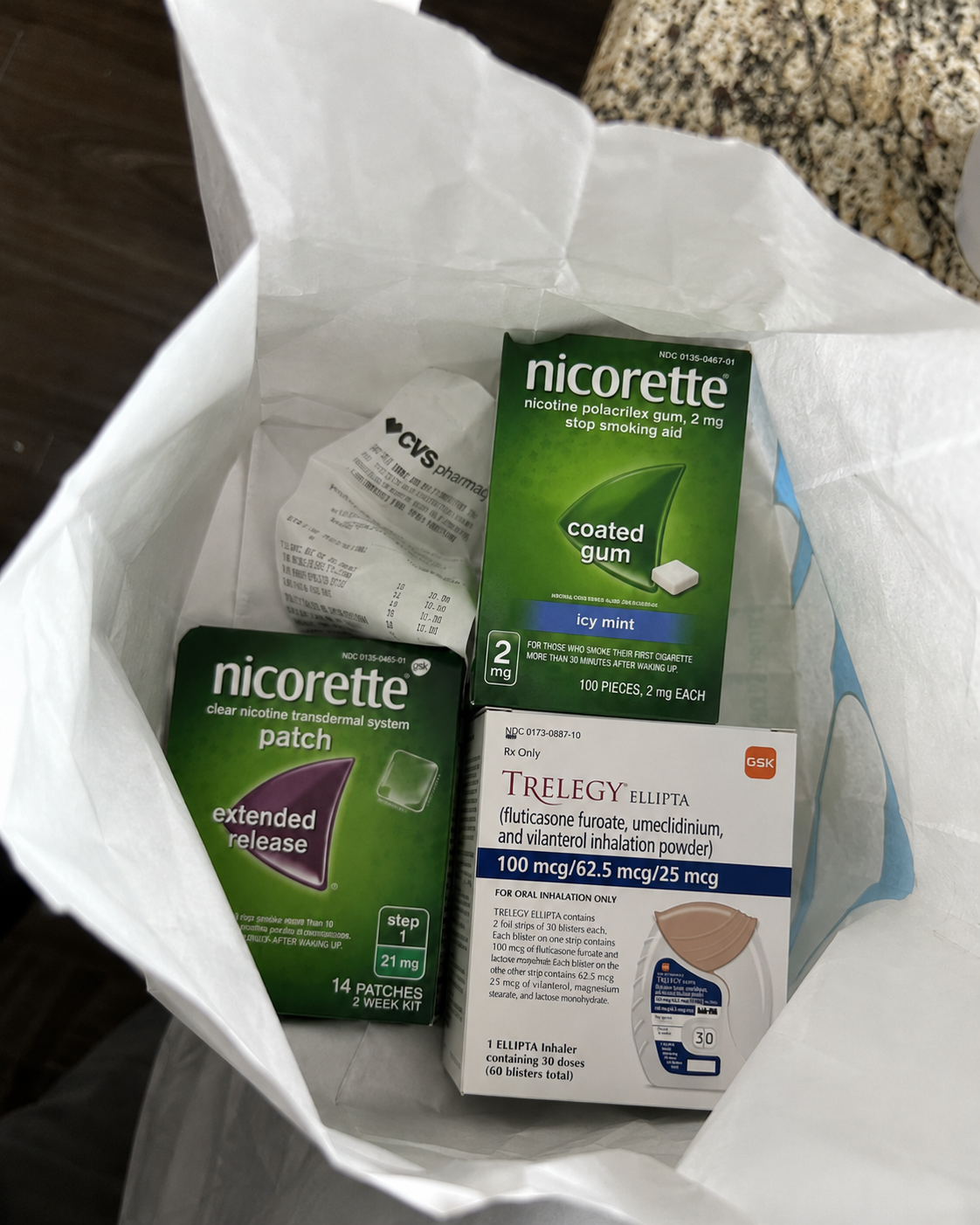
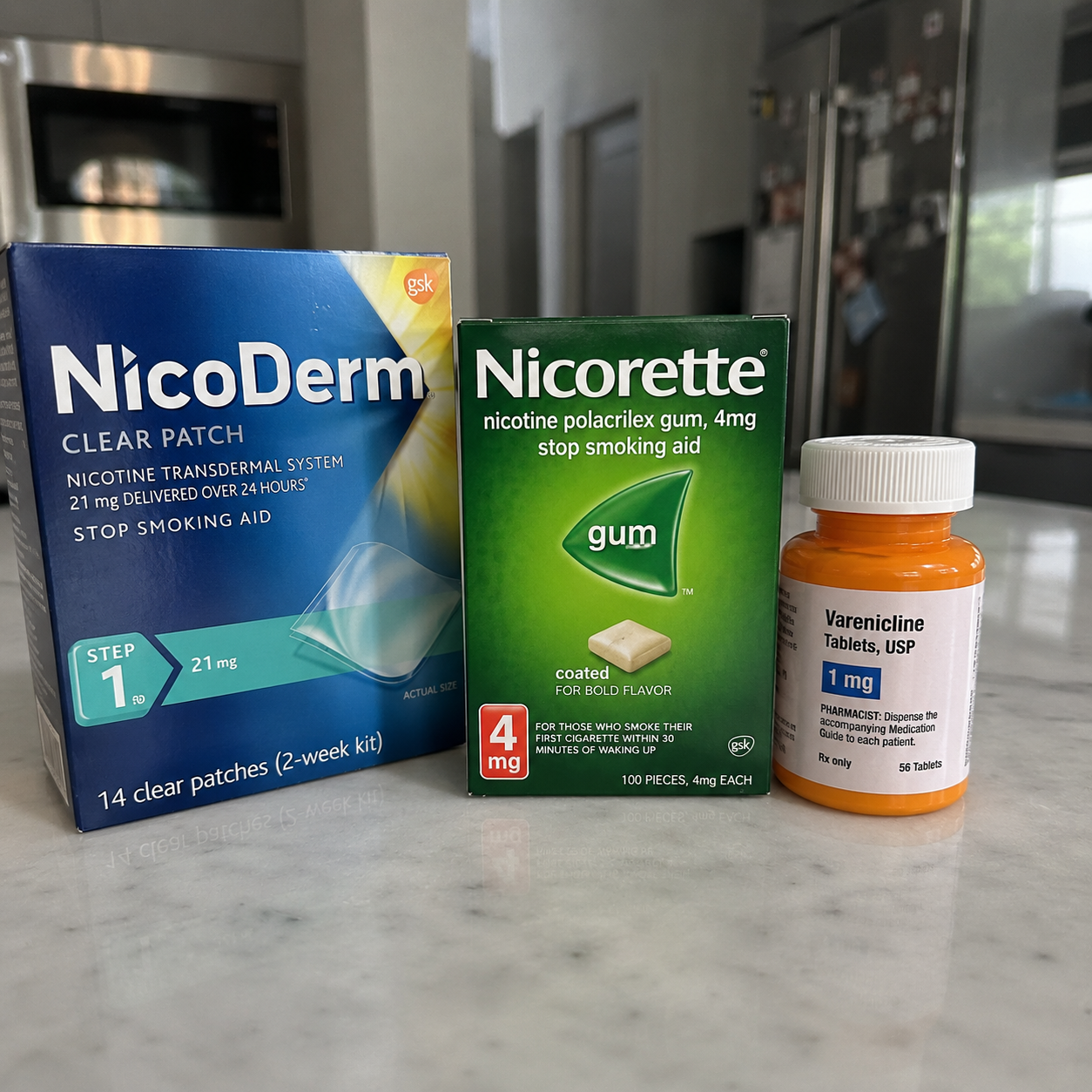
You want to know a statistic that keeps me up at night? Smoking kills 480,000 Americans every year. More than heroin, crack, and alcohol COMBINED. But when you look deeper into the numbers you see how fucked up this really gets. Because the government spends $55 billion helping heroin addicts quit. Methadone clinics. Free Narcan. Billions in settlement money. They spend $14 billion helping alcoholics quit. Government-funded rehab. Insurance-covered detox. A support group on every corner. They spend $6 billion helping crack addicts quit. Recovery centers. Counselors. Supervised treatment. But the deadliest addiction on earth that kills more people than all of them combined? $69 million. A patch. A piece of gum. And a doctor who tells you it's your fault. And I know this because I was that doctor. My name is David Mercer. I'm a board-certified pulmonologist. For 14 years, every single week, I'd sit across from a patient who smoked and give them the same speech. "You need to quit." Prescribe the patch. Recommend the gum. Refer to the quitline. Next patient. And if they came back still smoking I'd think what every doctor in this country thinks but won't say out loud: if they really wanted to quit, they would. We spent one afternoon on smoking cessation in four years of medical school. ONE afternoon. For an addiction that kills half a million people a year. I never questioned it. None of us did. Until I became the patient. I went through a divorce last year. (It was ugly. I'm not getting into it.) About a week after the papers were signed I was out with a friend. He stepped outside to smoke. Offered me one. I hadn't touched a cigarette since I was 22. I took it. Told myself it was just one. I'm a pulmonologist. I've seen what a smoker's lungs look like from the inside. I know what these things do. By month two I was buying my own packs. By month five I was hiding them in my glovebox, brushing my teeth in the hospital bathroom before rounds, popping mints so my patients couldn't smell it on me. A pulmonologist who treats lung disease. Hiding cigarettes in his car like a teenager. I tried everything I'd ever prescribed. Patches first. Slapped on a NicoDerm and waited. When you smoke a cigarette you get nicotine for about five minutes. Then it wears off. Your brain gets a hit, then a break. A hit, then a break. A patch eliminates those breaks. It pumps nicotine into your bloodstream nonstop. 24 hours a day. No fade. More continuous nicotine than cigarettes ever gave you. I wore it for three weeks. Still wanted a cigarette every single day. The patch was giving me more nicotine than I ever got from smoking and it didn't make a damn bit of difference. Then you take it off. Your brain, which has been marinating in uninterrupted nicotine for weeks, suddenly gets nothing. No taper. Just a cliff. I ripped it off on a Monday. By Wednesday the cravings were worse than anything I felt when I was actually smoking. I crashed harder than if I'd just quit cold turkey. And I thought: I have been handing these to people for 14 years. Never once asked why the quit rate was so low. Because I didn't care. I wrote the prescription and moved on. Still wanted a cigarette. Gum next. Tasted like pepper-flavored rubber. Made me nauseous. Chewed through a box in four days. Bought a pack on day five. Then I wrote myself a prescription for Chantix. Chantix is the "big gun." The one doctors pull out when everything else fails. It's also the one with an FDA black box warning for suicidal ideation. The most serious warning the FDA can put on a drug. I knew this. I'd prescribed it to patients anyway. Hundreds of times. Because I'd never been the one swallowing it. Second week I started having dreams so vivid I'd wake up not knowing where I was. By week three I felt flat. Not sad. Not happy. Just nothing. Like someone pulled the color out of everything. I sat in my car one morning before my shift staring at the steering wheel and I thought: this is what my patients were telling me. This is what they meant when they said it scared them. And I told them the benefits outweigh the risks. A drug that can make you want to kill yourself and fails 75% of the people who take it. And Pfizer made $947 million on it last year. Nobody at Pfizer is losing sleep over that 75%. They got paid. I stopped taking it. Still smoking. Patches. Gum. Chantix. I followed my own protocol word for word and none of it worked. And for the first time I understood what my patients had been trying to tell me for 14 years. They weren't weak. They were never weak. The shit I was giving them just doesn't work. And nobody in the entire system ever cared enough to ask why. The next week I walked into my office and Linda Ashworth was sitting in the chair across from my desk. 58. Retired teacher. She'd been my patient for three years. Every visit, same thing. Still smoking. I'd give the speech. She'd nod. Say she was trying. I'd write the prescription and she'd leave. I opened my mouth to give the speech again. And for the first time I heard myself. I was about to hand this woman the exact same protocol that just failed me. I gave it anyway. Because I didn't have anything else. Six weeks later she came in with a cough that wouldn't go away. I ordered a CT expecting bronchitis. Stage 3 lung cancer. I stood in her hospital room watching this woman breathe through a tube. Sixty-one pounds. Her daughter in the corner trying not to cry. And I had a pack of Marlboros in my glovebox four floors below us. Linda died on a Thursday. She followed my advice for three years. She trusted me. I was her lung doctor. And all I ever gave her was thirty seconds and a pamphlet, because that's all anyone ever trained me to give. That's the night I decided to find out what the fuck is actually going on. I found a behavioral addiction specialist about two hours outside the city. Far enough that nobody from the hospital would see me. Her name was Dr. Raman. First thing she asked: "How long have you been smoking?" "About nine months." "And you know nicotine leaves your system completely in 72 hours, right?" I stared at her. "The chemical addiction is gone in three days. Seventy-two hours and there is zero nicotine left in your body. That's not the addiction you're fighting." "Then what am I addicted to?" "The inhale." Every time you bring a cigarette to your lips, draw in, feel it hit the back of your throat, and exhale, your brain releases dopamine. Not because of the nicotine. Because of the physical act. And after years of doing it your brain builds a neural pathway around that act. A superhighway. Thousands of repetitions wiring the same loop deeper and deeper. After ten years that superhighway is so deep that no patch on earth can touch it. Because the patch delivers nicotine to your bloodstream. But your brain isn't screaming for nicotine. It's screaming for the inhale. That's why the patches didn't work. I was pumping nicotine into my body 24 hours a day and still wanted a cigarette. My brain wasn't asking for nicotine. It was asking for the draw. That's why the gum didn't work. Chewing isn't inhaling. That's why Chantix didn't work. Block every nicotine receptor in the brain and the craving still doesn't stop. Because the craving was never about nicotine. Fourteen years. Thousands of patients. And nobody ever told me this. Not because it was a secret. But because nobody cared enough to look. "Every cessation product on the market," she said, "targets a chemical addiction that disappears on its own in three days. And completely ignores the one that keeps people smoking for 30 years." "Why?" "Because you can patent a nicotine patch. You can patent nicotine gum. You can charge $60 a box for lozenges. But you can't make money telling someone the truth. So nobody bothers." She opened a drawer and pulled out something about the size of a pen. Dark green. "This is what I give my patients." She held it up. "You inhale it the same way you'd smoke a cigarette. Your brain gets the inhale. But instead of 7,000 chemicals, it's mullein. It actually repairs the lung tissue that smoking destroys." "Mullein?" "It's an herb. Been around for centuries. Nobody talks about it because you can't patent a plant." I'd had patients mention mullein over the years. Wrote it off like every other herbal remedy. I took it home. I thought it was BS to be honest. But that night I couldn't sleep. If nicotine really clears your body in 72 hours then what the fuck have I been prescribing for 14 years? That thought wouldn't leave me alone. So I did some digging and pulled up one study. Just to prove her wrong. But the data confirmed every word she said. Nicotine dependency resolves in 48 to 72 hours. Long-term smoking behavior is sustained by the sensory act of inhaling. Not the chemical. Sitting right there. Published for decades. And nobody in the cessation industry ever did a thing with it. Because why would they? The patches sell. The gum sells. A smoker who quits is a customer lost. A smoker who fails and tries again next year is a customer for life. Nobody in that system has ever had a reason to care whether you actually quit. I sat at my kitchen table at 3am staring at this thing and I thought: nobody ever even bothered to find out. I picked it up and drew in. Felt it pull in the back of my throat, that same slight resistance you feel on a cigarette, and exhaled. And the craving just went quiet. Because my brain finally got what it was actually asking for. I didn't buy a pack that night. Or the next morning. Or the day after. Eleven months. No cigarettes. The cravings didn't fade over time. They stopped. And within a few weeks my breathing started coming back. I wasn't waking up with that tightness in my chest anymore. I could take a full breath without feeling like something was sitting on my lungs. The mullein wasn't just replacing the cigarette. My lungs were actually healing. A couple months in I started doing something I probably shouldn't be admitting here. I stopped writing prescriptions for patches. When a patient sat in my office and told me they were still smoking, I'd reach into my desk drawer instead. A woman who smoked 28 years. Quit in three weeks. A truck driver who failed patches four times. Forgot his cigarettes at a gas station after six weeks. Didn't even realize until the next morning. A 45-year-old mother of three who'd been hiding it from her kids for years. She sent me a photo of her tossing her last pack. Caption said "my kids still don't know I ever smoked." More of them quit than with anything I learned in 14 years of medicine. And it's not close. The product is called Revair. No nicotine. No chemicals. Mullein and the draw your brain has been starving for. Every day you're still smoking is a day your lungs are taking damage that gets harder to come back from. I've read thousands of CT scans. Cancer doesn't give you a warning. One day the scan is clean. Next day it isn't. And by then you're in a hospital room with a tube in your chest and your family in the corner trying to hold it together. I watched it happen to Linda. I almost let it happen to me. This is the first thing I've found that fights the right addiction. https://revair.store/products/revair%E2%84%A2-mullein-purifier-smokers
Where the ad sends people
Lunginsights.org
The system hates smokers...
Revair
Learn more: revair.store(opens in a new tab)