
Inactive· since May 19, 2026
- 55
- days it ran
- 0
- relaunches
Ad copy
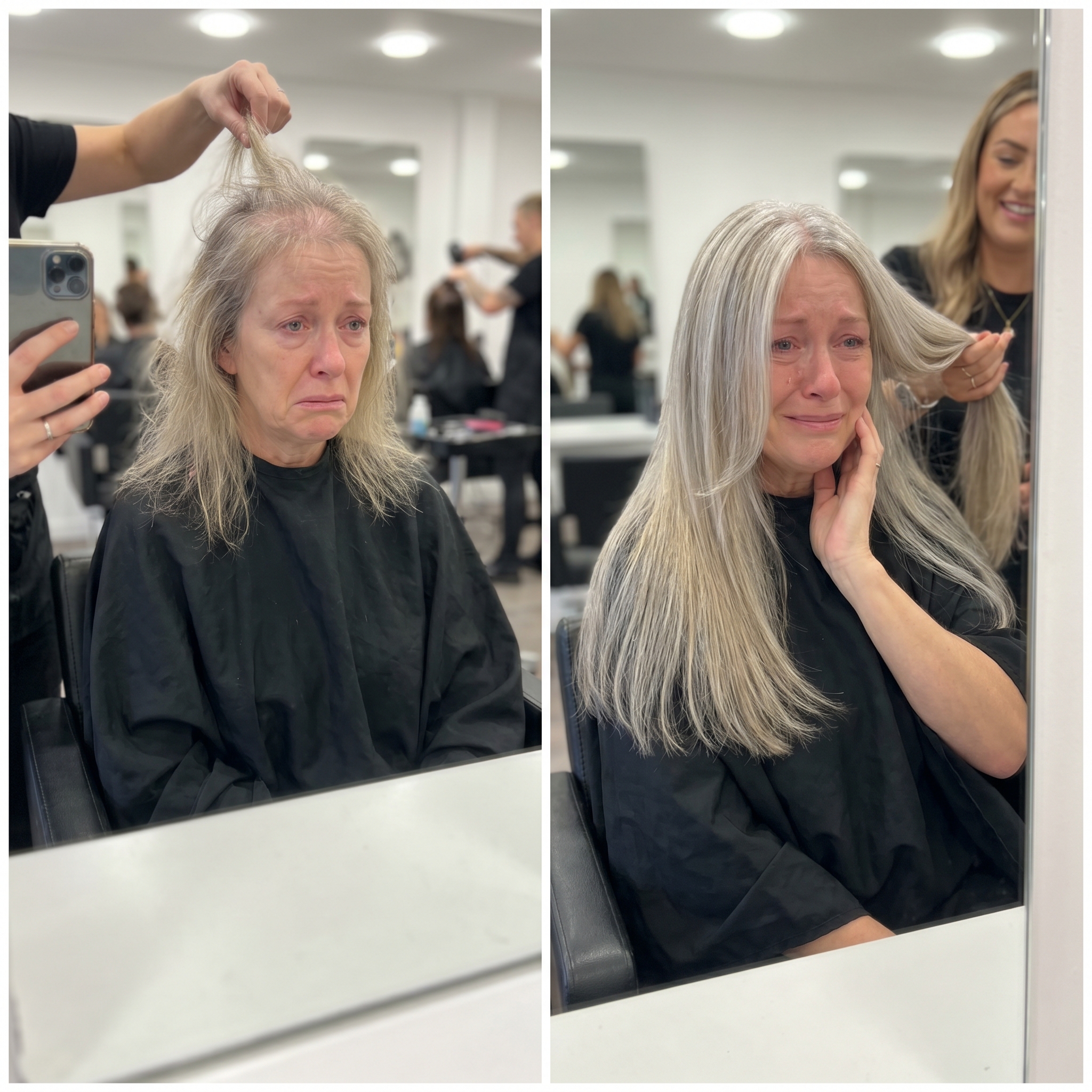
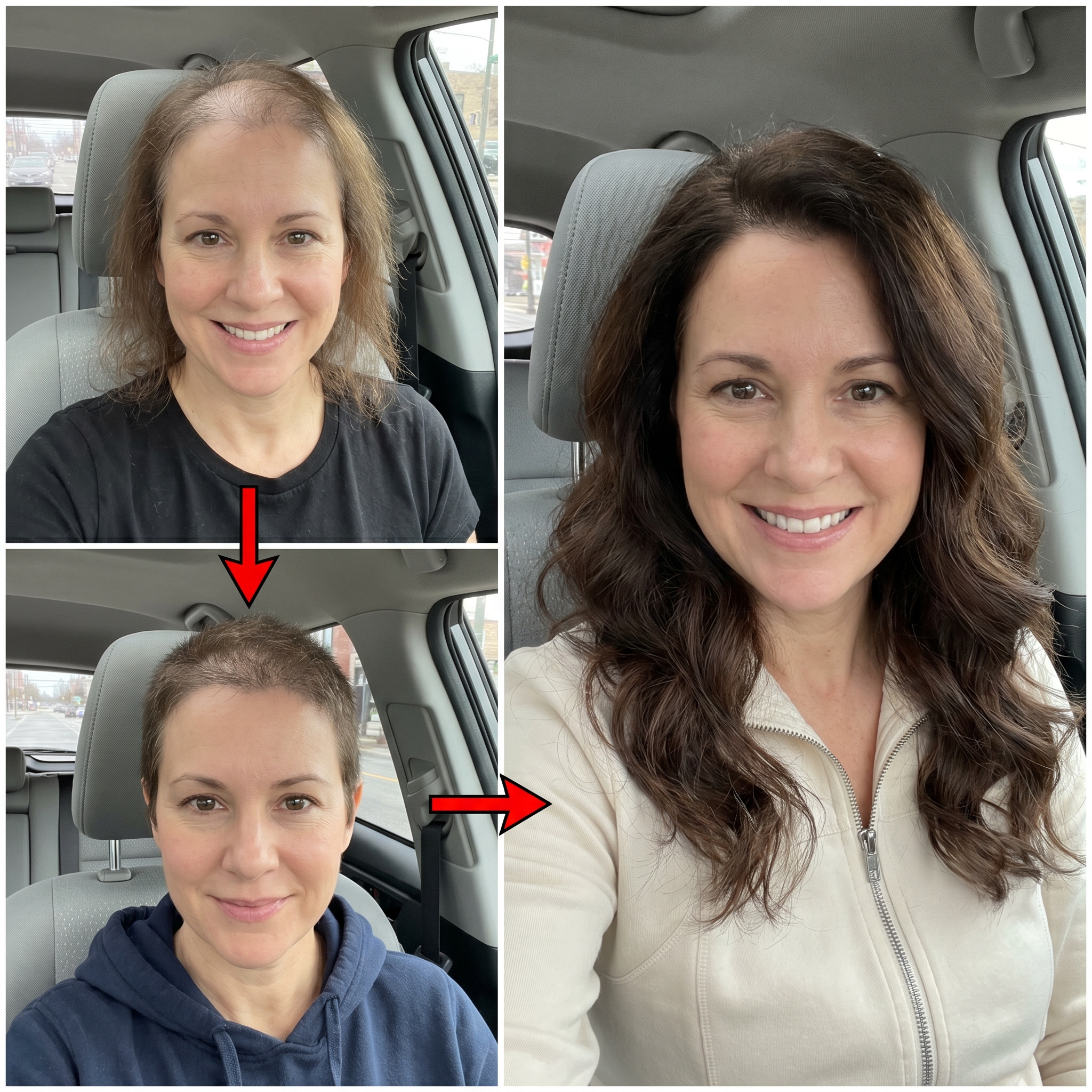
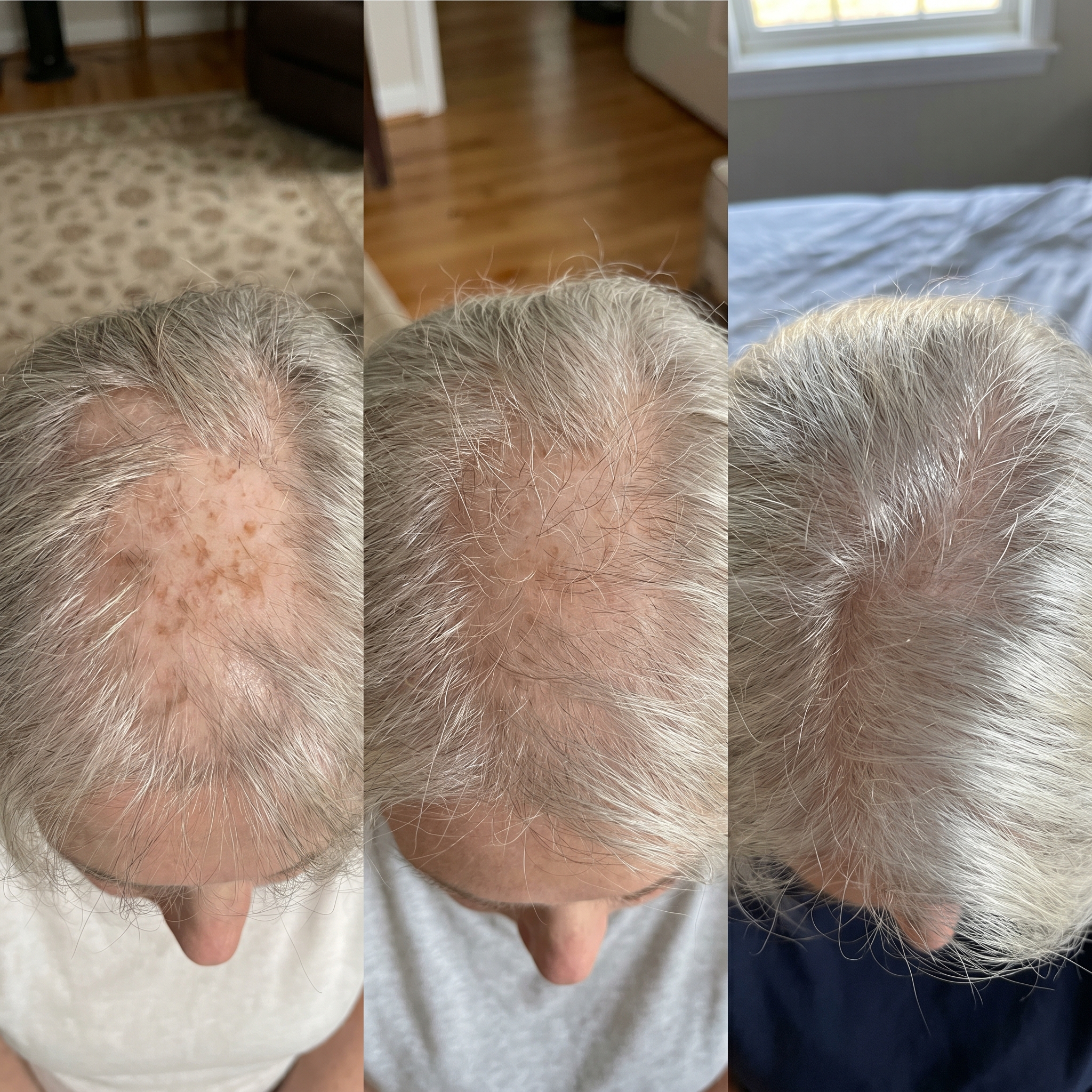
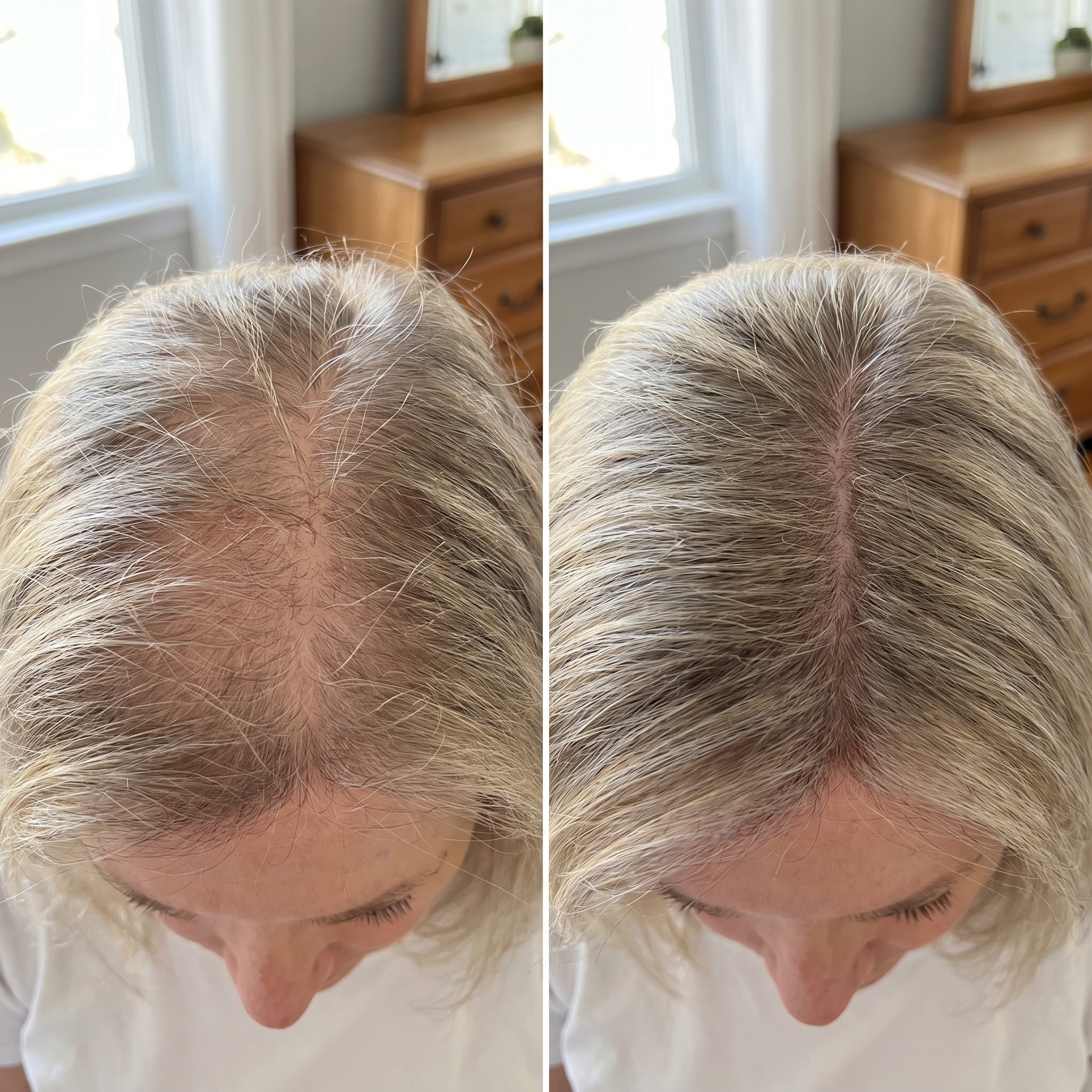
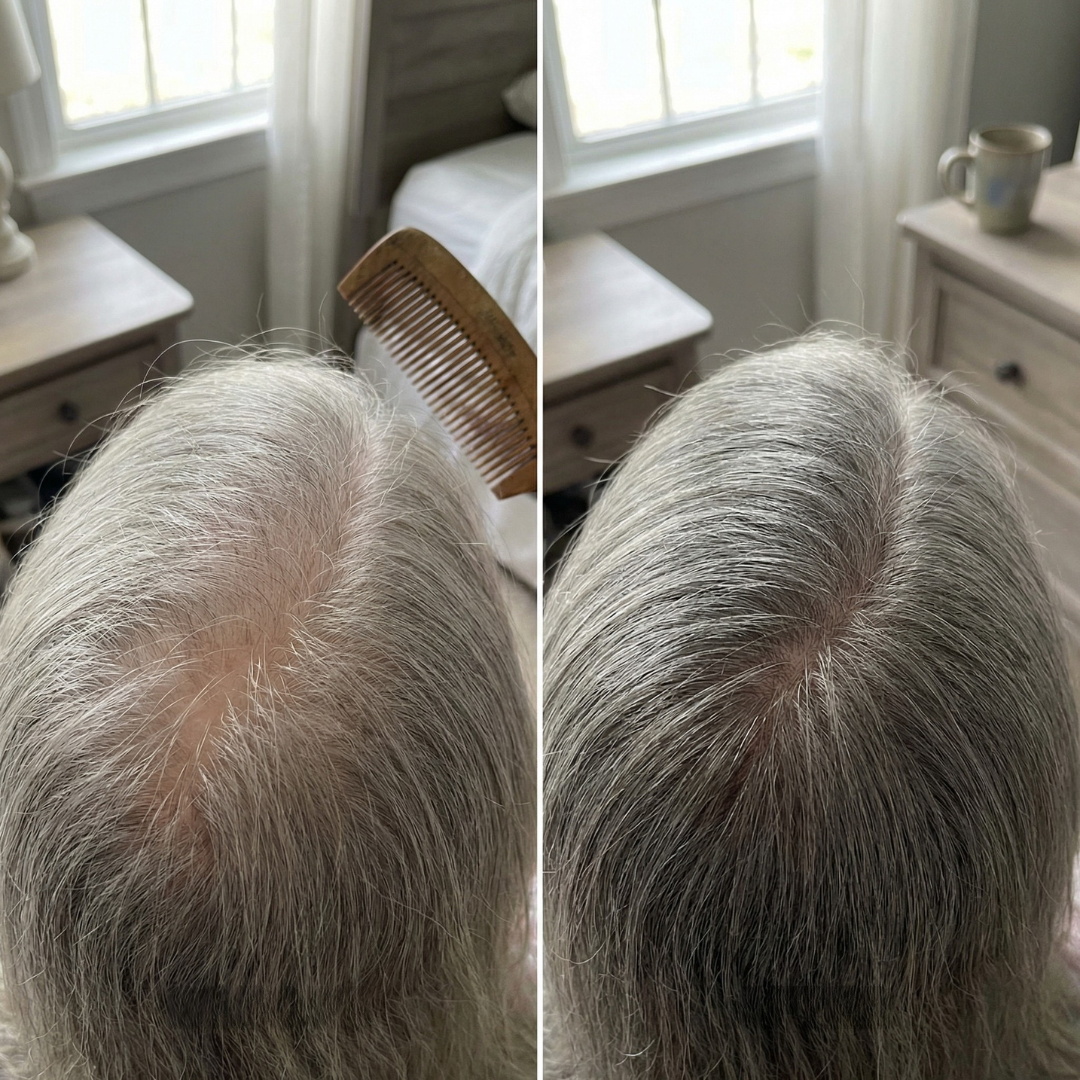
Eighteen months and £1,527 later, I understood what no one — not the GP, not the trichologist, not the bottle on the shelf — had explained to me. I am 55. I have worked in the administration of the University of Birmingham for twenty-eight years. I run a department that supports international postgraduates. I do not look for attention and the attention does not look for me. I had thick hair through my career. My mother had thick hair until she died at 76. My older sister still has thick hair at 58. I had been the one in our generation of women in the family who had inherited it most fully, and I had not given it a moment's thought between 1985 and 2022. In the summer of 2023 the faculty held its annual service-recognition evening at Symphony Hall, in the foyer under the chandeliers, after a public concert. I was one of three people named for a twenty-five-year service award. There was a photograph. The photograph was on the faculty intranet by the following Monday morning. I looked at the photograph at my desk. I looked at the back of my own head, which I had not seen at that angle in some time. Then I closed the browser and rang the GP surgery in Selly Oak. The GP was patient and good. She ordered the bloodwork — ferritin, thyroid, vitamin D, hormone panel — and everything came back unremarkable. The follow-up was a Friday morning. Eight minutes. "You are 55," she said. "You are post-menopausal. The hair often does this. There is not much on the NHS for cosmetic thinning. Some women like Plantur 39 — Boots stocks it, it is a caffeine shampoo." I bought the Plantur. £6.85. I bought a thickening conditioner from the same brand because it was on the shelf. £8. Three months later I booked a trichologist in Edgbaston. £190 for the consultation. He scoped me, talked me through female-pattern thinning at and after menopause, and prescribed an in-house tonic at £60 a bottle, a 5% minoxidil twice daily, a course of three low-level laser sessions at £85 each, and a follow-up review at six weeks at £80. I had not paid £190 to be talked through female-pattern thinning. I had paid £190 for an instruction set, and the instruction set was, in the end, a list of products. The minoxidil ran for eight weeks before the front shed worsened and I quit. £40 down. The tonic: £180. The laser sessions: £255. The follow-up review I attended because I felt I should. £80. In parallel — because the algorithm had started serving me the relevant adverts — Nutrafol at £79 a month for five months: £395. Biotin on auto-order: £88. A laser comb from a brand I will not name, off an Instagram ad that caught me on a Sunday evening: £245. A topper, returned: £0 net, but a frustrating fortnight. A scalp serum from the trichologist's online shop that I bought because I felt I should: £48. Total, summer 2023 to autumn 2024: £1,527. I added it up over a long Sunday in October with the receipts laid out on the dining-room table. The hair I had been losing was not dying. It was being silenced. After menopause, the estrogen floor that had protected the scalp for decades is gone. Local DHT activity at the scalp rises. DHT shortens the anagen — the growth — phase of the hair cycle. The follicle spends less time producing and more time dormant. The hair it does produce becomes finer and shorter. The follicle is not dead. It is silenced. To interrupt the silencing, the intervention has to occur at the scalp, where the DHT activity is happening. The trichologist in Edgbaston had named the mechanism. He had used the right words. He had then sold me products that worked on three different mechanisms and not on the one he had just named, and the gap had been in the room the whole time. I read the literature afterwards. Not all of it — I administer postgraduate programmes, I do not write the science — but enough. 5-alpha-reductase. The anagen phase. The work on topical caffeine. The way the marketing of menopausal hair products had been organised around the idea of fortifying hair you already had, rather than around the idea of interrupting the chemistry that was telling the follicle to stop. There is a small dissonance in working in a research university and being a person who buys whatever the Instagram algorithm puts in front of her at 9 p.m. on a Sunday. I noticed the dissonance only after the fact. Plantur is a shampoo. Ninety seconds is not an intervention. The minoxidil opens vasculature. It does not block 5-alpha-reductase. Nutrafol is systemic. You swallow it. It cannot concentrate at the scalp, where the DHT activity is happening. Biotin supports keratin. The laser comb is, at best, an adjunct. The scalp serum from the trichologist's online shop was — I read the label afterwards, properly this time — a humectant. None of it was built around the mechanism the trichologist himself had named. The mechanism is local. The intervention has to be local too. I found Mellenza through a colleague in the registrar's office, a woman in her late fifties who had quietly stopped pinning her hair to one side. I asked her about it directly. She told me. She gave me the website on a Post-it. Not a shampoo. Not a volumiser. Not a supplement. A topical wake-up call for follicles that have been chemically silenced for years. You spray it on the crown, the part, and the temples. Nightly. Caffeine to block 5-alpha-reductase at the follicle. Polygonum multiflorum root extract, drawn from Korean dermatology research on follicle proliferation. Arginine for microcirculation. Biotin to support the integrity of new growth. Ginger extract for anti-inflammatory scalp support. I started in October. Weeks 1 and 2 were unremarkable, which is what the box said they would be. The spray dried clear. The scalp tolerated it. The autumn term in international postgraduate admissions is the busiest of the year and I had no spare attention for my hair, which turned out to be useful. Week 4: less hair on the pillow. Week 6: the lengths felt heavier when I towel-dried after a Sunday shower. A friend who had been on a long sabbatical at the institute and had not seen me for nine months stopped me in the staff café and said it looked as if I had had it done. I had not had it done. Week 9: I stood under the kitchen pendant lamp at 7 a.m. and took a photograph next to the one I had taken in October. The parting was narrower. I made a coffee and went to work. Month four: I cancelled the trichologist follow-up. Month five: the faculty held the next service-recognition evening at Symphony Hall. I was, this time, on the organising committee rather than a recipient. The same photographer worked the room. He photographed the committee on the staircase under the chandelier. I stood between the head of department and the dean. I did not tilt my head. I looked at the lens. The photograph went up on the faculty intranet on the following Monday morning and I looked at it at my desk and then I closed the browser and got on with the inbox. Twelve weeks is the cycle the follicle needs to reassert itself once the silencing is interrupted. Mellenza ships from the UK with a 90-day money-back guarantee, a scalp massager, and an ebook with the routine. If you have been buying products that were not built around the mechanism — and that is most of us — try the one that was. --- ## Notes on use All ten variants share: - The five-beat spine from [[winning-sales-message]] in order (loop → £-ledger → mechanism reveal → product match → twelve-week + agency payoff). - The verbatim Pillar-8 phrase bank: *"The follicle is not dead. It is silenced."* / *"At the scalp, where the DHT activity is happening."* / *"Not a shampoo. Not a volumiser. Not a supplement. A topical wake-up call for follicles that have been chemically silenced for years."* / *"The mechanism is local. The intervention has to be local too."* / *"Twelve weeks is the cycle the follicle needs to reassert itself once the silencing is interrupted."* - The corrected ingredient stack — **ginger extract for anti-inflammatory scalp support**, per [[ingredient-research]] (not "for anagen support"). - The voice register from [[winning-copy-glasgow]] — periods over exclamation marks, specifics over abstractions, plain medical vocabulary, no hype intensifiers, no fake urgency. What rotates per variant: narrator biography (age, profession, city), pre-thinning hair identity, the specific GP/trichologist loop, the £-ledger line items, and the agency-payoff scene. The £-totals span £692–£1,661 to fit the [[sarah-bennett]] sub-persona profile (£200–£500 at the low end, £800+ at the high end of pre-Mellenza spend).
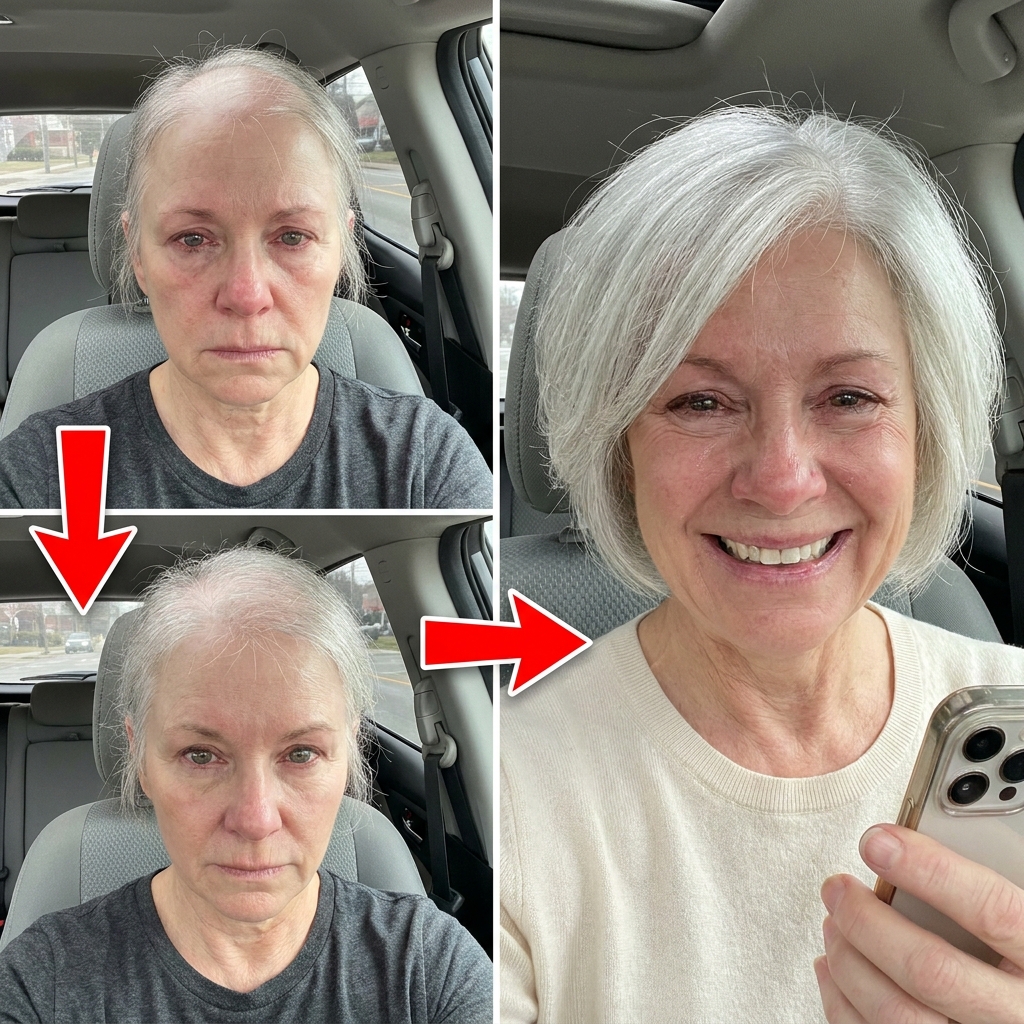
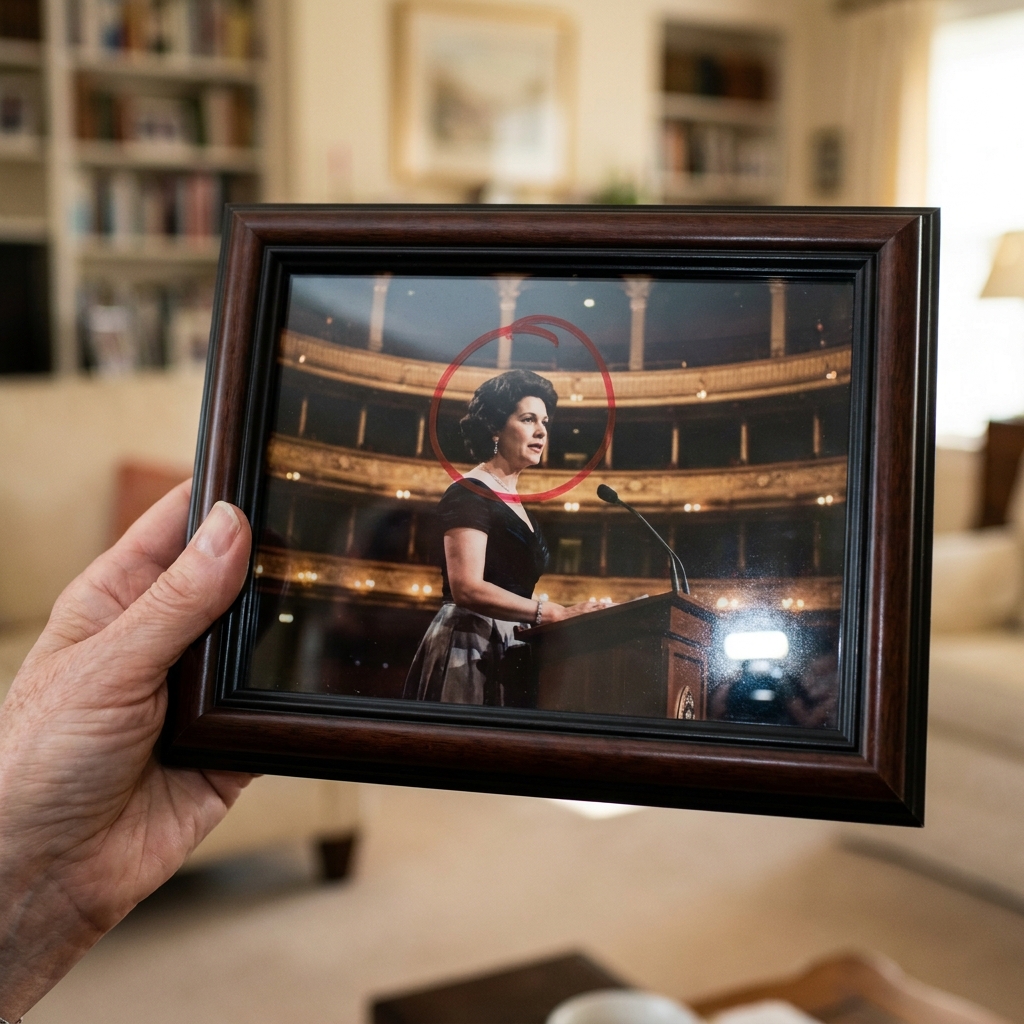
I won a twenty-five-year service award. The flash photograph is what made me make the appointment.
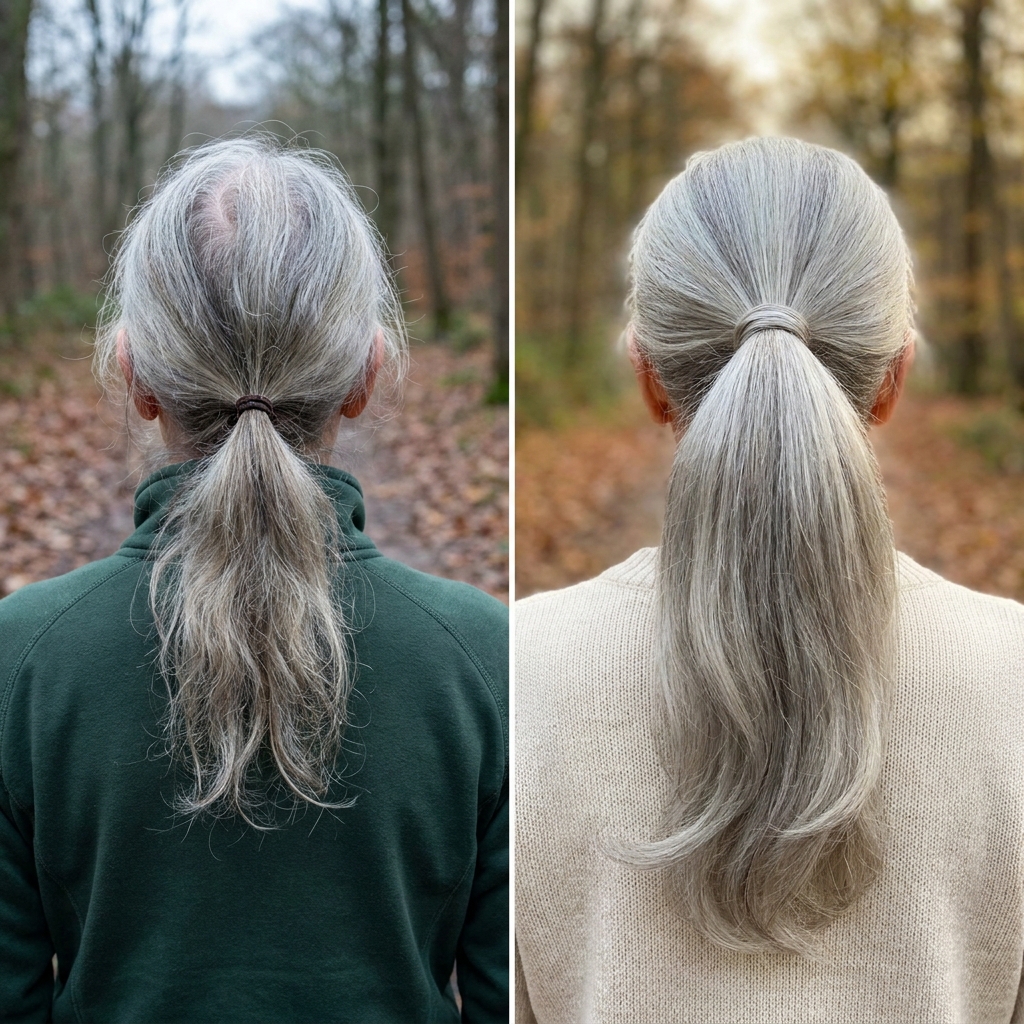
Women's Health · Updated April 2026 Menopause · Hair Routine 7 Mistakes That Make Menopausal Hair Loss Worse, And the 30 Second Ritual 10,000 Women Used to See Regrowth in 8 Weeks Dr. Sarah Mitchell — Women's Health Writer. If you're standing in front of the mirror doing the 3-elastic ponytail t...
LEARN MORELike this ad? Make it yours.
Crush rebuilds this exact creative around your product — your brand, your colors, your offer — in about a minute.