
Inactive· since Feb 11, 2026
- 107
- days it ran
- 0
- relaunches
- 45,484
- EU reach
Ad copy
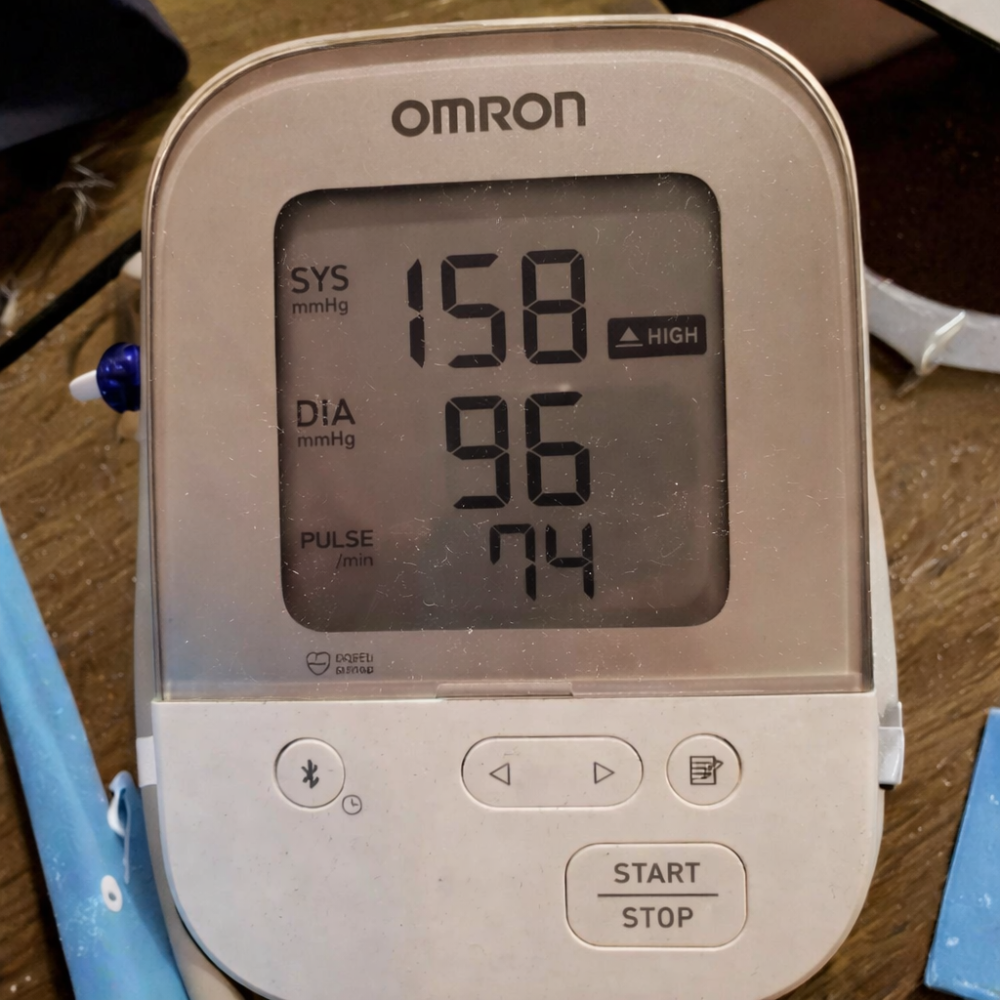
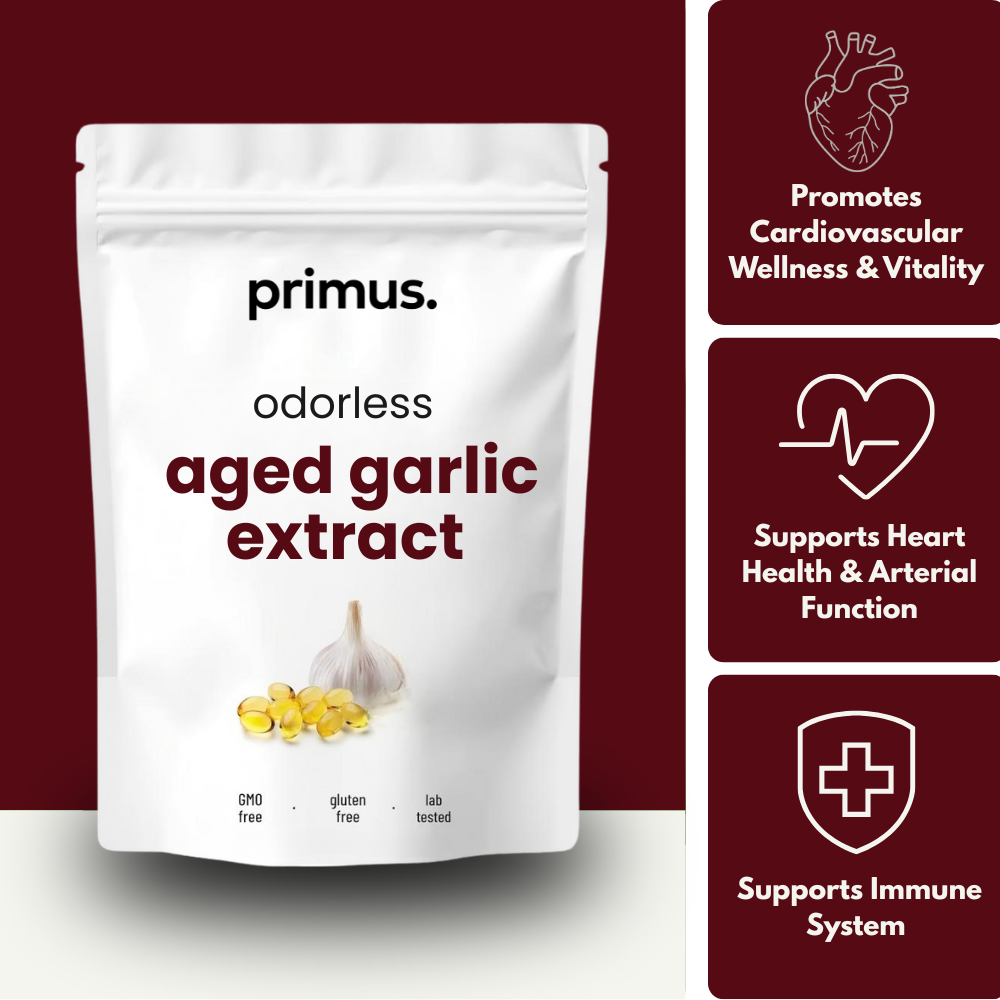
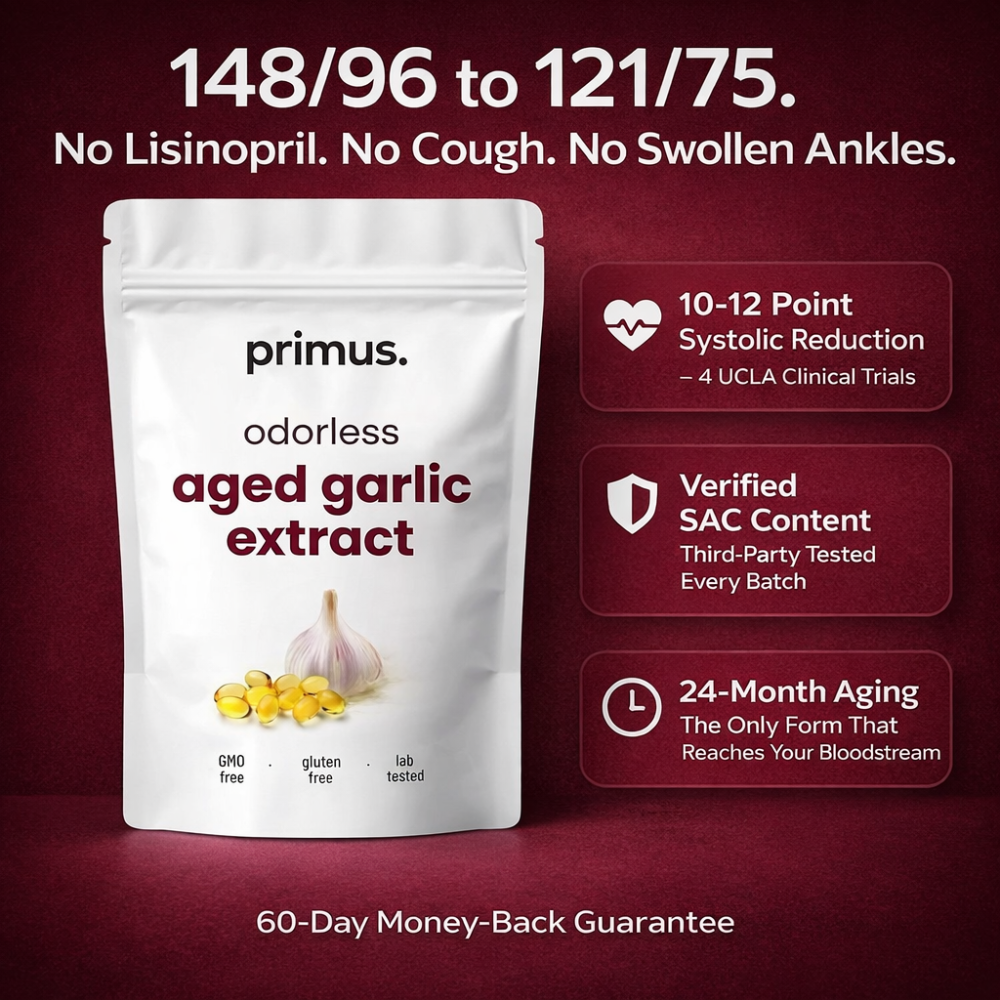
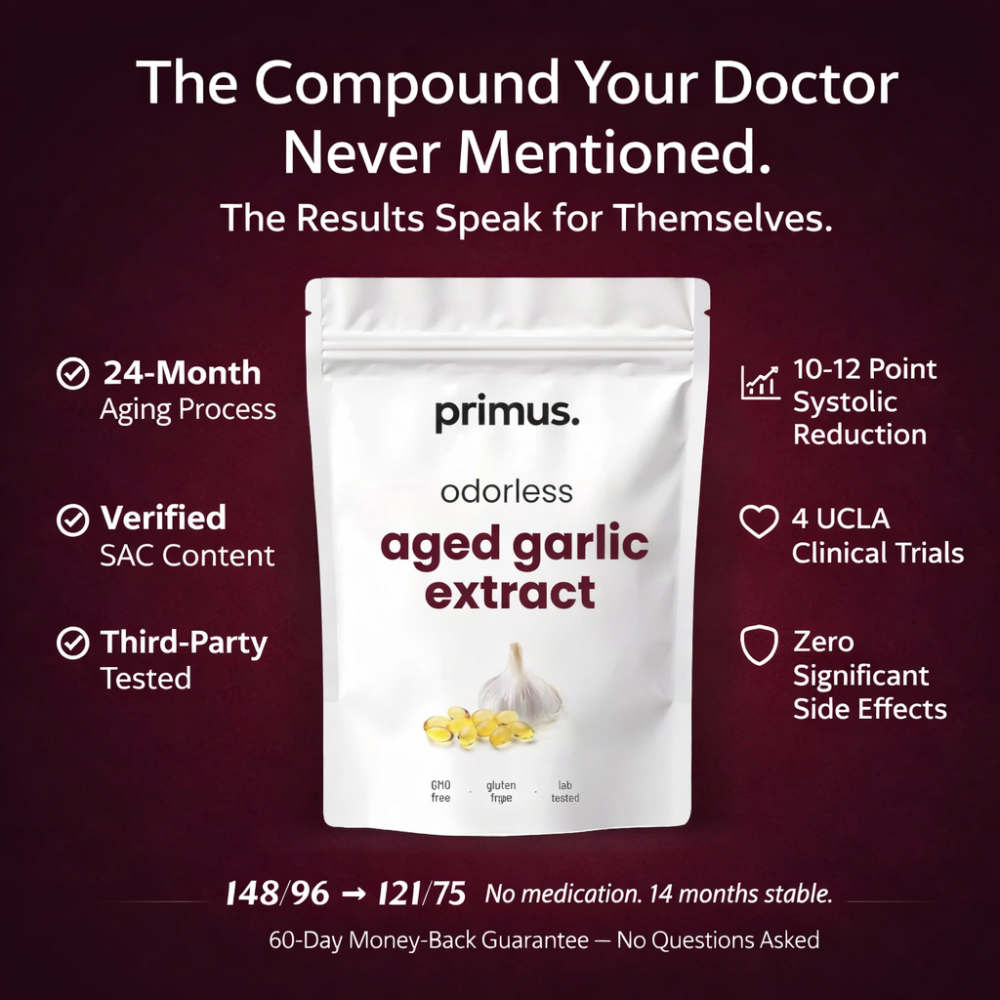
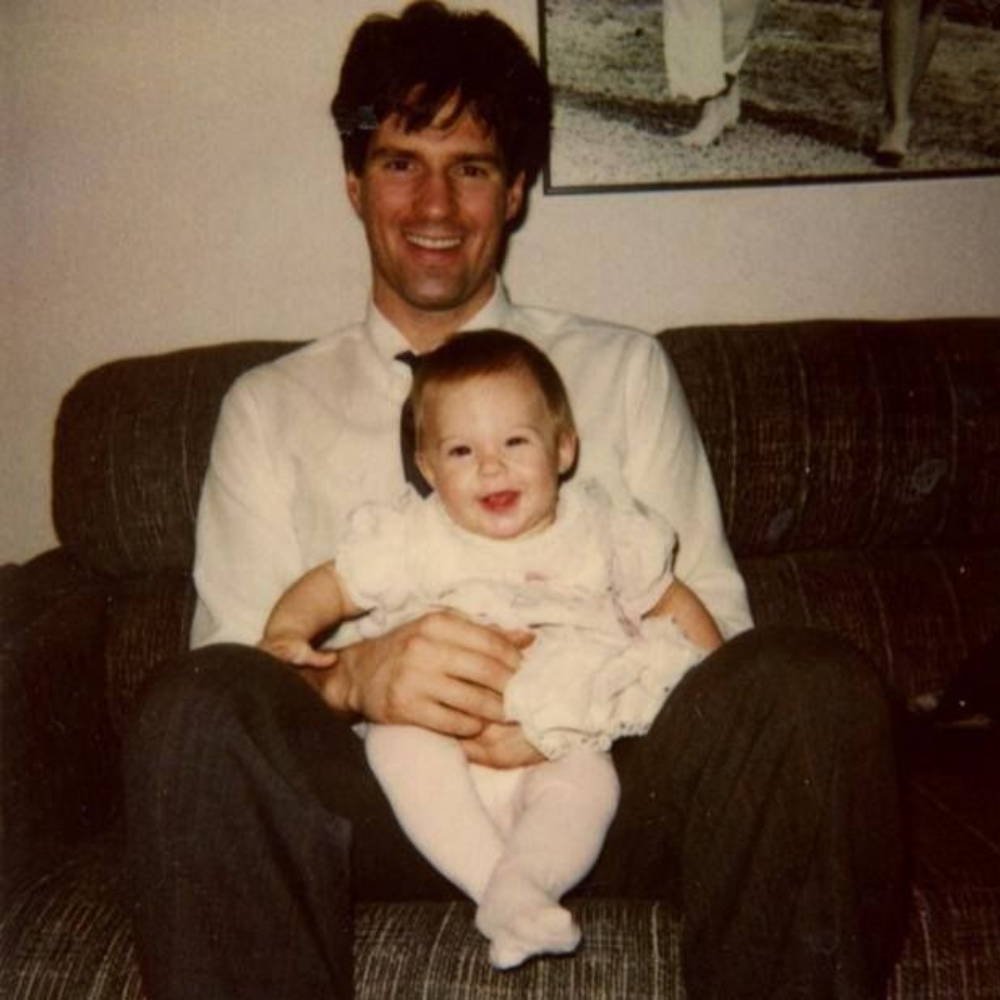
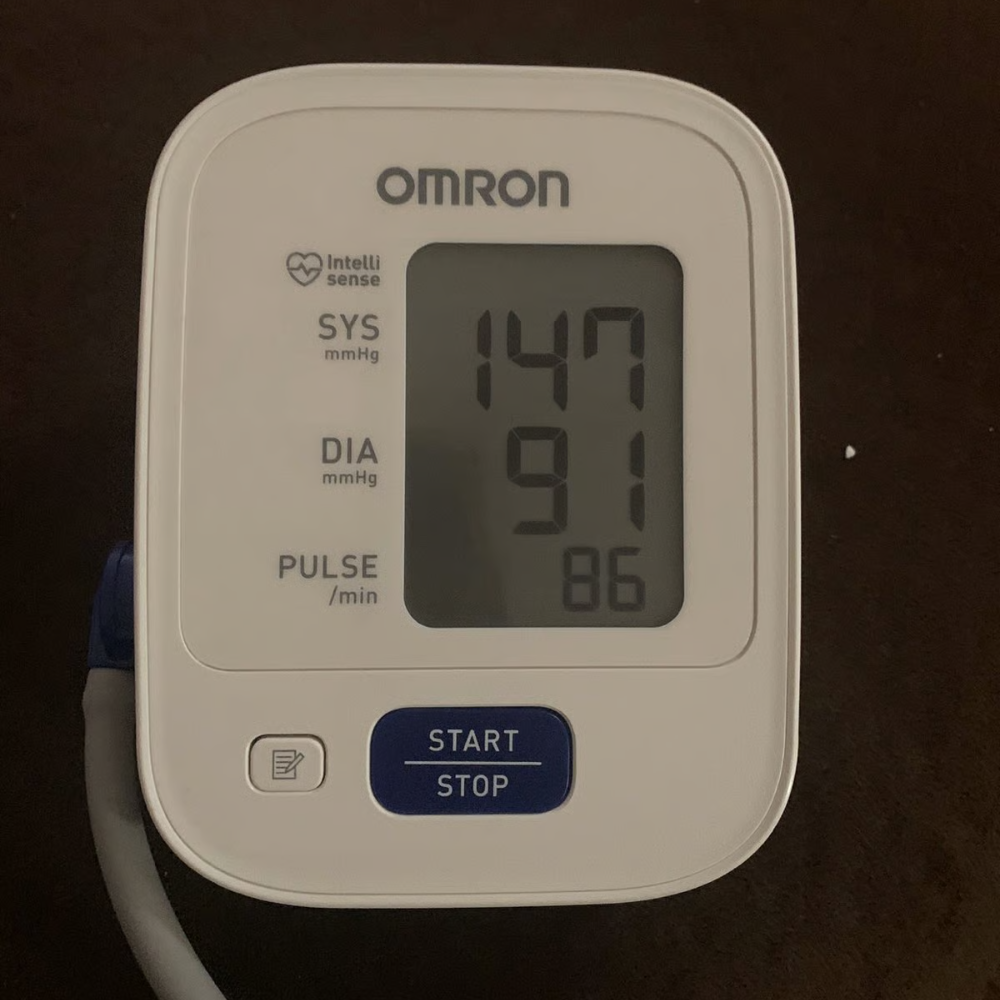
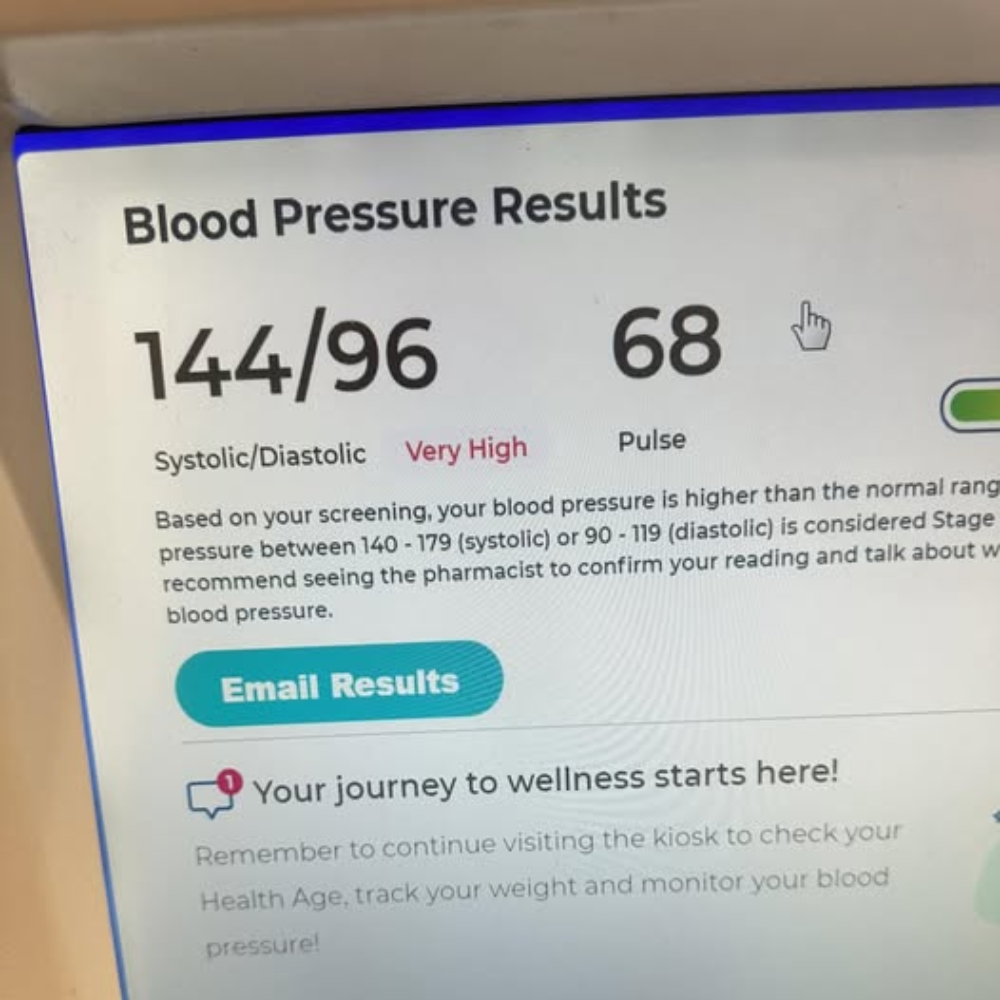
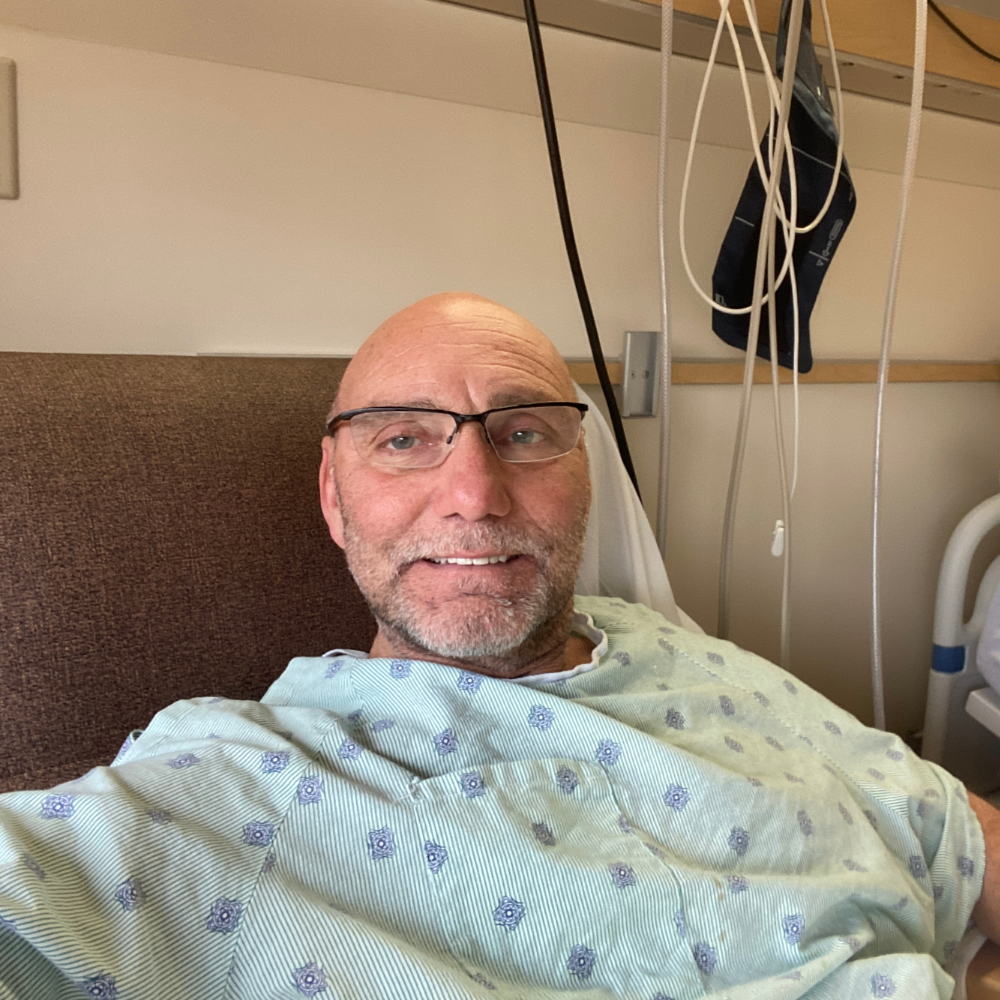
My father was on blood pressure medication for 16 years. The cough that never stopped. The dizziness that made him fall twice. The exhaustion that turned him into a ghost of who he used to be. Last year, I saw the same numbers on my own monitor. I refused to follow his path. And by the end of this, you're gonna be pissed. Because there are three things happening right now: One — Your blood pressure is creeping toward the same numbers your father had before they put him on medication Two — The medical system has exactly one solution: pills for the rest of your life that manage the symptom but never fix the cause Three — There's research from UCLA showing another approach, and nobody in that system will ever mention it to you Let me tell you about my father. Because his story is why I spent six months researching blood pressure instead of just filling the prescription. My father was on blood pressure medication for sixteen years. It started when he was 54. Doctor said his BP was "getting into dangerous territory." 152/96. Wrote him a prescription for Lisinopril. Said it was "safe and effective." Said he'd probably be on it for life but that was "normal for someone his age." Within three months, the cough started. Not a normal cough. A dry, hacking, relentless cough that came out of nowhere. Middle of dinner. Middle of the night. Middle of a conversation. It never stopped. My mother said it was like living with someone who was perpetually sick. His doctor said it was "a common side effect" and "most patients adjust." He didn't adjust. The cough continued for two years before they finally switched him to something else. Amlodipine. The cough stopped. But then his ankles started swelling. Every single day. By evening, his ankles were so swollen he couldn't wear normal shoes. He'd sit in his recliner with his feet up, watching TV, wearing slippers because nothing else fit. And the exhaustion. My father used to coach my Little League team. He'd throw batting practice for an hour, then take us all for ice cream. Energy for days. On the medication? He'd come home from work at 6 PM and be asleep by 7:30. Couldn't stay awake through a movie. Couldn't make it through dinner without yawning. My mother said it was like watching the man she married slowly disappear. He fell twice. Once in the garage — lost his balance, hit his head on the concrete floor. Eight stitches. Once getting out of bed in the middle of the night. My mother found him on the bathroom floor at 3 AM, confused, not sure how he'd gotten there. The doctors called it "orthostatic hypotension." Said it was "manageable." Added another medication to help with the dizziness. So now he was on two blood pressure medications. Still exhausted. Still swollen ankles. Still falling. And his blood pressure? "Controlled." Sitting at 134/86. Not fixed. Controlled. For sixteen years, my father took those pills every morning. For sixteen years, he dealt with side effects that made him miserable. For sixteen years, not one single doctor ever said: "Let's look at what's actually causing your blood pressure to be high instead of just medicating it forever." He died at 70. Heart attack. His blood pressure was "controlled" the entire time. I was 51 when he died. And I made myself a promise standing at his grave. I will not go down that path. I will not spend the last decades of my life exhausted, dizzy, swollen, and "controlled." I will find another way. Three years later, I was sitting in my own doctor's office. She wrapped the cuff around my arm. Pumped it up. Watched the numbers. "147 over 94." She frowned. Did it again. "148 over 96." She looked at me with that expression I recognized immediately. The same expression my father's doctor probably had twenty years ago. "Your blood pressure is elevated. Stage 2 hypertension. We should talk about starting medication." I felt my chest tighten. "What medication?" "Lisinopril is usually where we start. It's well-tolerated by most patients." Lisinopril. The same drug that gave my father a two-year cough. "Are there other options? Before medication?" She nodded. "Lifestyle changes. Reduce sodium. Exercise more. Lose weight. We can try that for three months and see if your numbers improve." I did everything she said. Cut sodium to under 1,500mg a day. Walked 45 minutes every morning. Lost 11 pounds. Ate more vegetables than I'd eaten in my entire life combined. Three months later: 143/91. Four points. She pulled out her prescription pad. "I think it's time we start the Lisinopril." I looked at that pad and I felt rage building in my chest. Not at her. She was doing her job. Following her training. At the system. The system that put my father on medication for sixteen years and never once tried to fix the actual problem. The system that was about to do the exact same thing to me. "I want more time," I said. She wasn't happy. Gave me a speech about "the risks of uncontrolled hypertension." Said we were "playing with fire." But she agreed. Three more months. That night I started researching. Not "how to lower blood pressure naturally" — I'd already read all of that. Salt, exercise, weight loss. I'd done it. It wasn't enough. I searched: "why blood pressure doesn't respond to lifestyle changes" And: "what actually causes high blood pressure at a cellular level" And: "how to fix blood pressure without medication" Most results were useless. Same generic advice. Salt, exercise, medication. But then I found something different. A research paper from UCLA. A cardiologist named Dr. Matthew Budoff. Published in peer-reviewed journals. He was studying why some people's blood pressure responds to lifestyle changes and others don't. The answer: endothelial dysfunction. Your endothelium is the inner lining of your blood vessels. It produces nitric oxide — the molecule that tells your arteries to relax and widen. When your endothelium is working properly, blood flows easily. Pressure stays normal. But as we age, the endothelium becomes less efficient. Produces less nitric oxide. Arteries stiffen. Constrict. Blood has to push harder. Pressure rises. And here's what made me furious: Blood pressure medication doesn't fix endothelial dysfunction. It doesn't restore nitric oxide production. It just forces your blood vessels to dilate through artificial chemical mechanisms. Or reduces your heart's output. Or makes your kidneys excrete more fluid. It manages the symptom. Forever. The moment you stop taking it, your blood vessels go right back to their dysfunctional state. Pressure shoots back up. That's why my father was on medication for sixteen years. That's why they kept adding medications. That's why his blood pressure was "controlled" but never fixed. They were treating the symptom, not the cause. Dr. Budoff's research focused on something that actually addresses the cause: S-allylcysteine. SAC. A compound found only in garlic that's been aged for 20-24 months. SAC supports the endothelium to produce nitric oxide naturally. It restores function instead of forcing a response. Four randomized clinical trials. Patients with hypertension who weren't responding to lifestyle changes alone. The exact patients doctors want to put on medication. Results: Systolic blood pressure reductions of 10-12 points. Improved arterial flexibility. Reduced plaque progression. And — this is what stopped me cold — no significant side effects. No cough. No swollen ankles. No dizziness. No exhaustion. I'd never heard of this. In all my father's years on medication, no doctor ever mentioned it. Why? Because you can't patent garlic. No pharmaceutical company makes money from it. No drug rep brings samples to doctors' offices. No medical conference features presentations on something that doesn't generate revenue. There IS money in Lisinopril. In Amlodipine. In Losartan. In every blood pressure medication on the market. Every refill is revenue. Every follow-up to monitor side effects is billable. Every additional medication when the first one isn't enough is more profit. My father was a customer for sixteen years. The system doesn't want to fix you. It wants to manage you. For life. I started looking for aged garlic supplements that night. And I found out most of them are useless. Regular garlic contains allicin. Your stomach acid destroys allicin in under 60 seconds. It never reaches your bloodstream. Aged garlic is different — but only if it's aged properly. The molecular conversion from allicin to S-allylcysteine requires 20-24 months minimum. Most brands age for 6 months because it's cheaper and faster. The SAC content is negligible. I tried Kyolic first. Biggest brand. Three weeks. Blood pressure: 142/90. Nothing. I tried a "premium aged garlic" from Whole Foods. Two weeks. 141/89. Nothing. I was about to give up. Figured maybe the research only worked in controlled settings. Maybe I was destined for medication after all. Then I found a forum thread where someone explained why most aged garlic doesn't work. The aging time. The SAC content. The third-party testing. And they mentioned Primus. Full 24-month aging process. Not 6 months like Kyolic. The complete duration required for molecular transformation. Verified S-allylcysteine content. Not "garlic equivalent" or "allicin potential" — actual measured SAC. Third-party tested. Certificate of Analysis published. The same form of aged garlic used in Dr. Budoff's UCLA trials. I ordered it that night. Week 1: 142/89. Not much change. But the research said results build over 4-8 weeks. I kept going. Week 2: 137/86. Five points. More than three months of lifestyle changes had given me. Week 3: 133/83. Week 4: 128/80. Then 126/78. Then 129/79. Consistently below 130. For the first time in years. Week 6: 124/77. I went back to my doctor. She took my blood pressure. "123 over 76." She looked at the reading. Looked at my chart. Looked back at me. "What did you do?" I told her about the research. Dr. Budoff at UCLA. The SAC compound. The 24-month aging process. Why other garlic supplements don't work. She listened. Asked questions. Pulled up the research on her computer. Then she leaned back. "Your numbers are excellent. I don't see any need for medication at this point." She closed my chart. "Whatever you've found, keep taking it. I want to see you in three months to confirm this holds." No Lisinopril. No cough. No swollen ankles. No dizziness. No exhaustion. No following my father's path. That was fourteen months ago. My blood pressure this morning: 121/75. Stable. Consistent. No medication. No side effects. Last month I coached my nephew's Little League team for a day when his regular coach was sick. Threw batting practice for an hour. Took the kids for ice cream after. I thought about my father. How he used to do the same thing with me. Before the medication turned him into someone who couldn't stay awake past 7:30. I'm not going to become him. Not because I refused treatment. Because I found the right treatment. If you're reading this, you're probably where I was. Your blood pressure is climbing. Your doctor is talking about medication. You've watched someone you love suffer through years of side effects while their blood pressure was "controlled" but never fixed. And you're terrified of going down that same path. You don't have to. Here's what I learned: The 24-month aging is everything. Most brands age for 6 months because it's faster and cheaper. But the molecular conversion from allicin to S-allylcysteine takes 20-24 months minimum. Without that full aging, you're taking garlic powder, not medicine. Primus does the full 24 months. Verified SAC content matters. "Garlic equivalent" and "allicin potential" are meaningless marketing terms. You need actual measured S-allylcysteine — the compound that survives digestion and supports your blood vessels. Primus publishes verified SAC content. Third-party tested. Certificate of Analysis available. This is UCLA research, not supplement marketing. Dr. Matthew Budoff. Four randomized clinical trials. Peer-reviewed journals. Real science that your doctor was never taught because there's no profit in teaching it. Try Primus for 60 days. Track your blood pressure weekly. If you don't see improvement — if you're not satisfied for ANY reason — full refund. No questions. You risk nothing except staying on the path to medication. You're at a crossroads. One path: Fill the prescription. Start medication. Accept the side effects as "normal." Become a managed patient for life. Watch your quality of life slowly drain away the same way you watched it happen to your father. Another path: Address the actual cause. Support your endothelium. Restore nitric oxide production. Give your body what it needs to regulate blood pressure naturally. I watched my father suffer for sixteen years. I refused to follow him. My blood pressure went from 148/96 to 121/75. No medication. No side effects. No cough, no swelling, no dizziness, no exhaustion. You don't have to become your father. You don't have to follow that path. Start now. 👉 https://primus-health.com/products/aged-garlic-extract-odorless-premed P.S. — My father's doctor never once mentioned anything about endothelial function or nitric oxide or aged garlic. Not in sixteen years. The system isn't designed to fix you. It's designed to manage you. You have to find the answers yourself. P.P.S. — Every month you wait with elevated blood pressure is another month of arterial damage that becomes harder to reverse. I almost waited too long. I almost filled that prescription. Don't make the same mistake. The window to fix this naturally gets smaller every month.
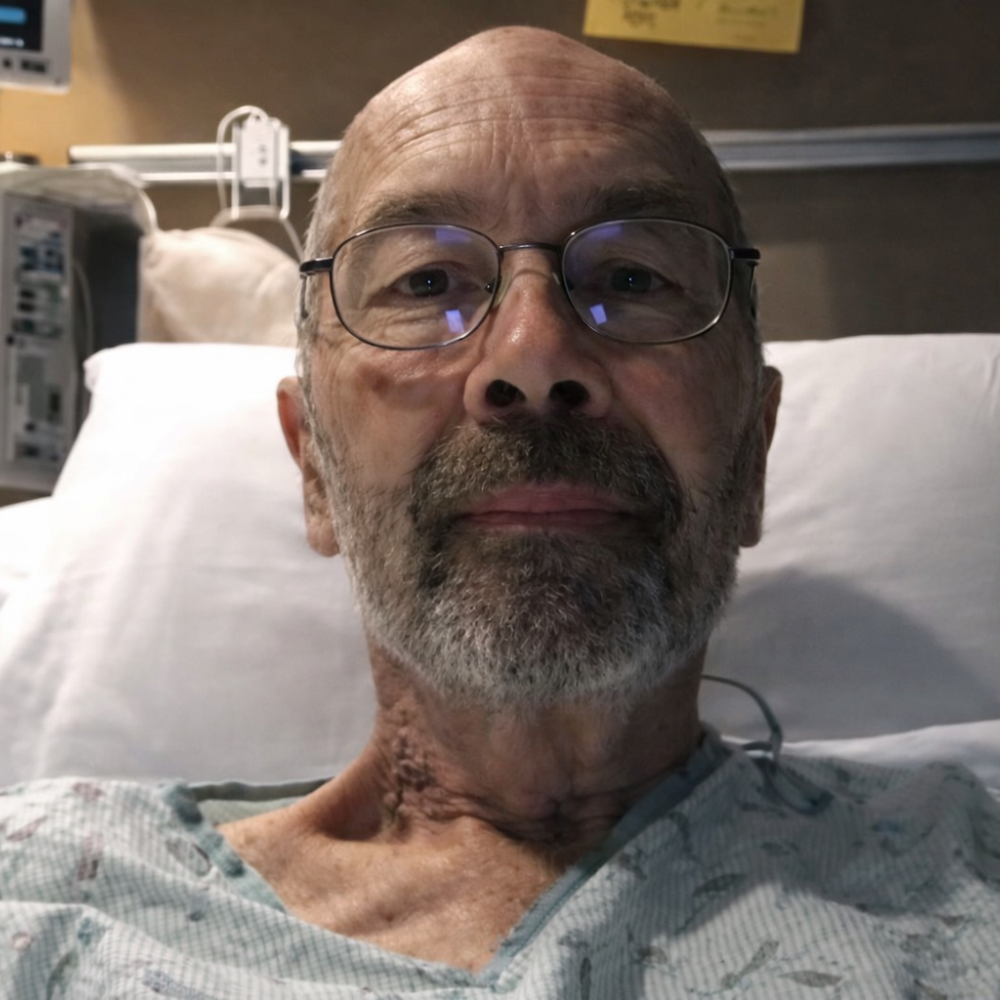
I Watched My Father Suffer for 16 Years
The side effects destroyed him. I refused to follow his path.
LEARN MORELike this ad? Make it yours.
Crush rebuilds this exact creative around your product — your brand, your colors, your offer — in about a minute.