
Active· since Jun 13, 2026
- 95
- days running
- 0
- relaunches
Ad copy
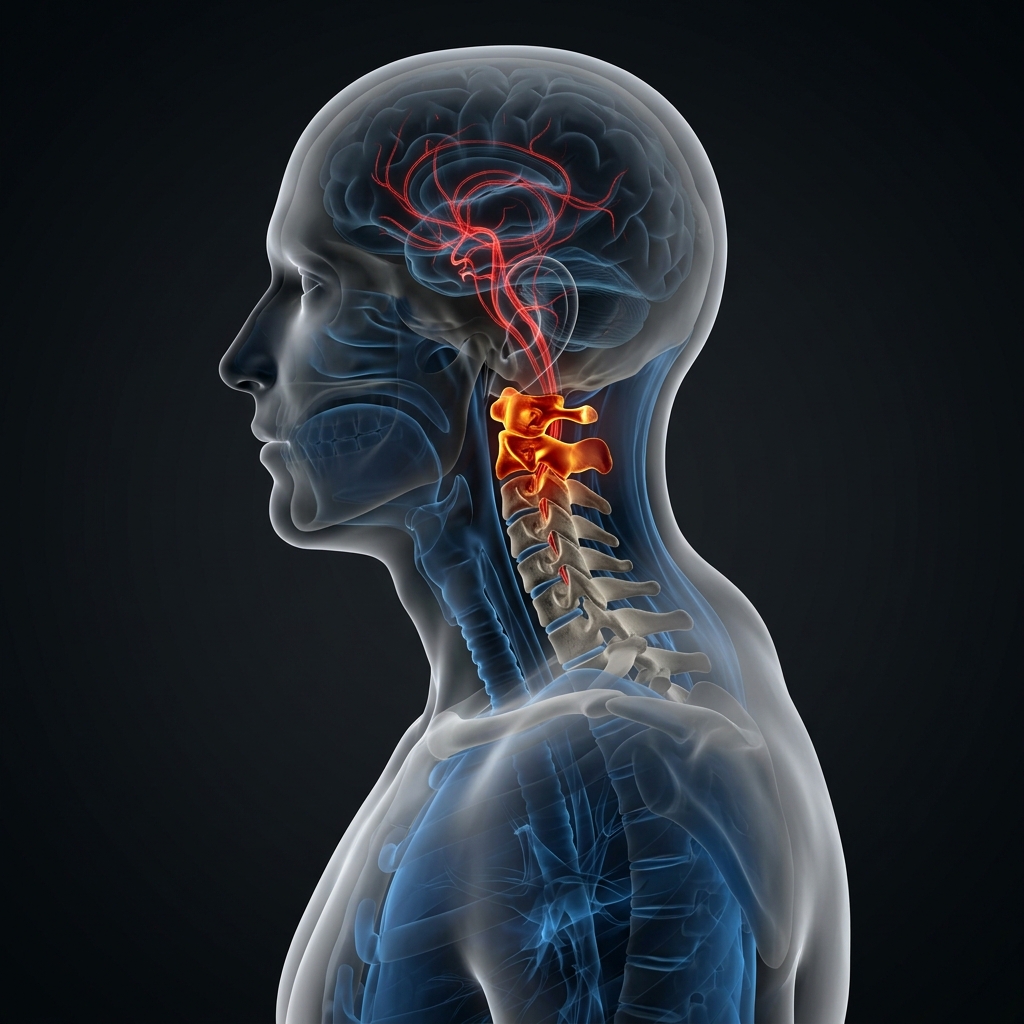
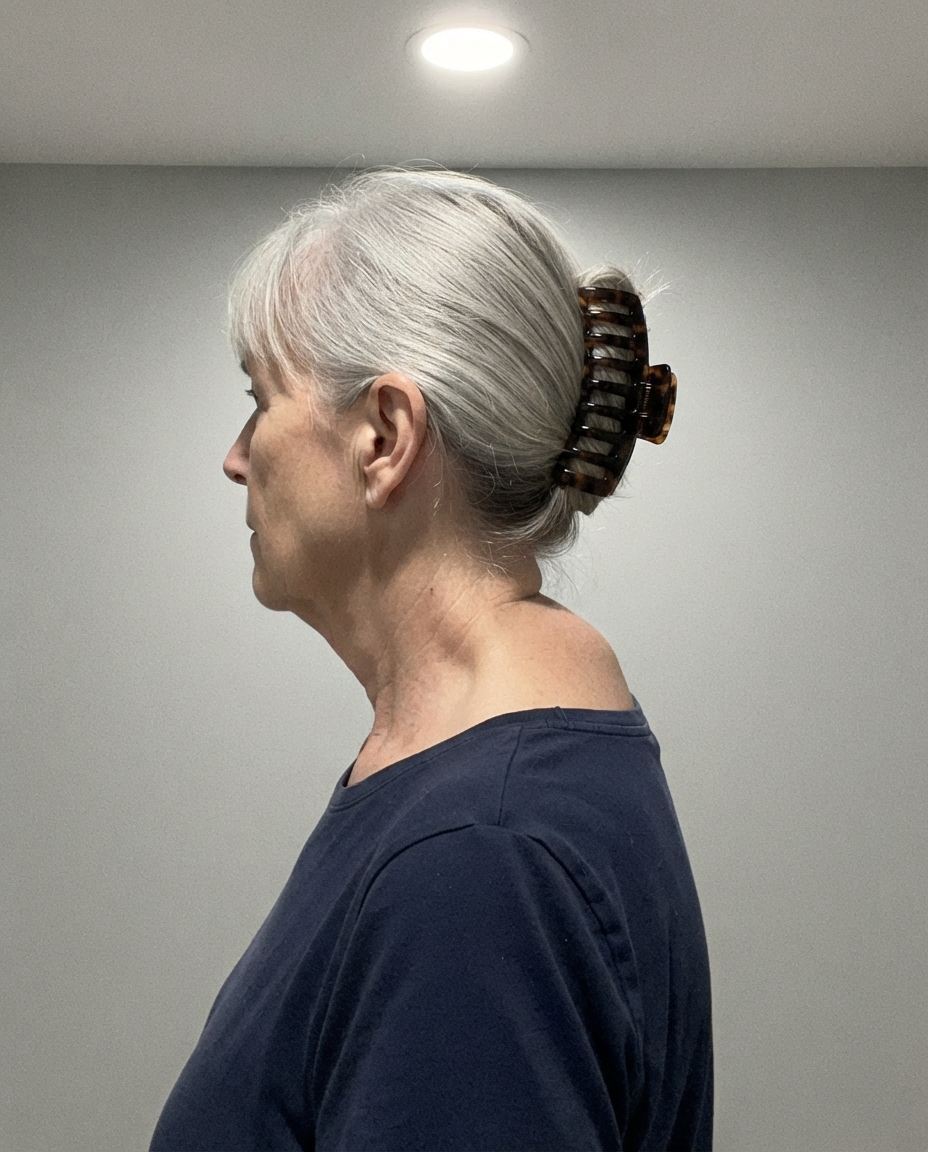
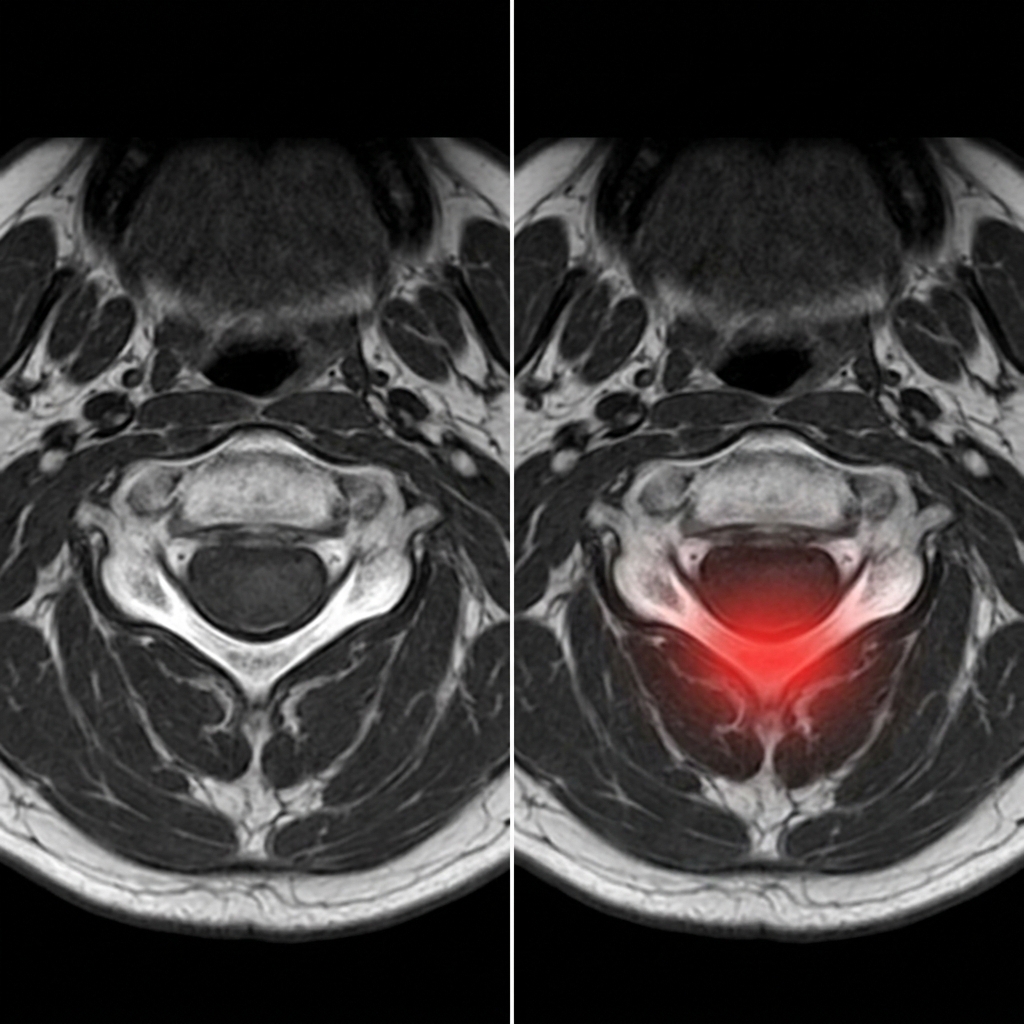
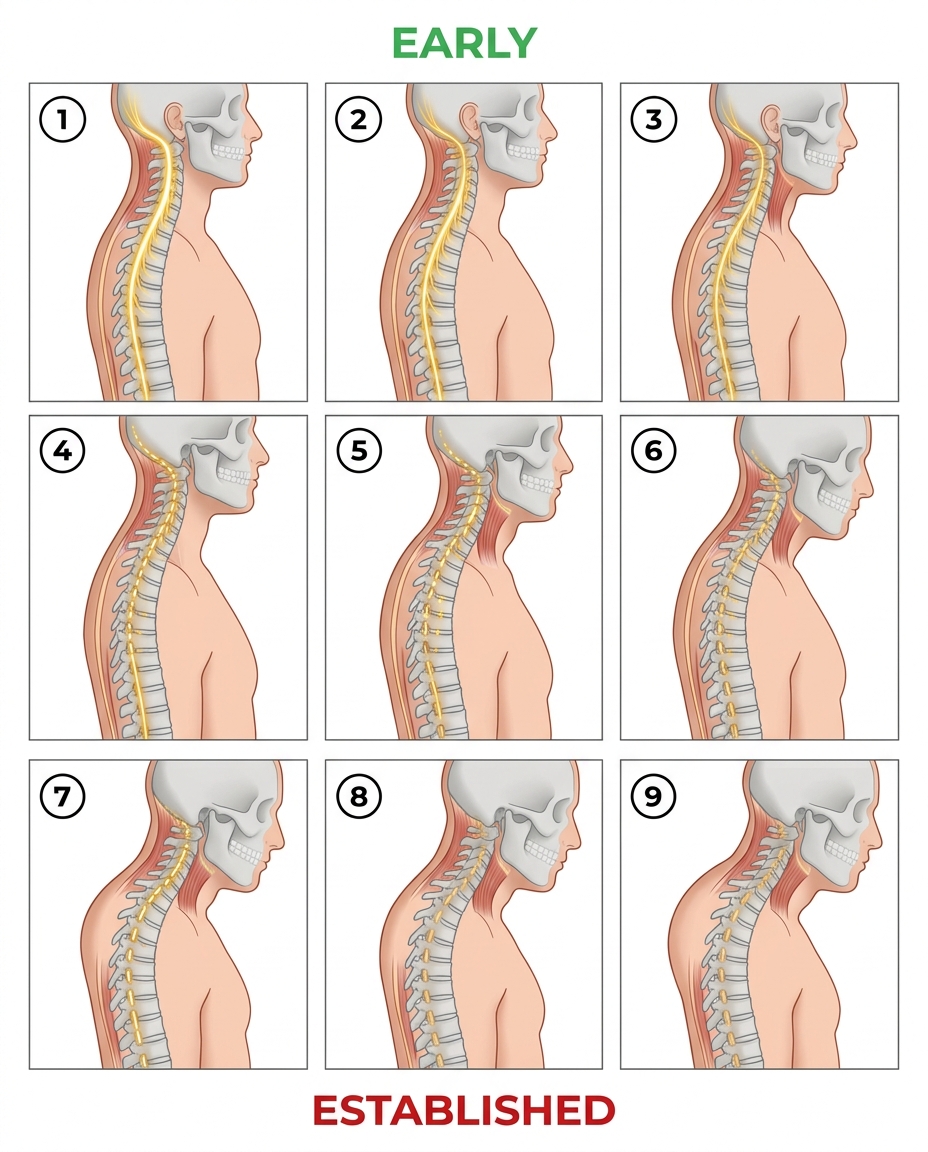
1 in 3 women over 50 with a progressing neck hump are doing approaches that physically cannot reach what's driving the progression. Most of them will never find out. Because the signs don't look like "signal failure." They look like aging. They look like tiredness. They look like a woman who just doesn't go to things as much anymore. They look exactly like what my mother has been dealing with for eight months. If you're reading this — you might be her. She's 64. She stopped appearing in family photos almost entirely. Her practitioner ran assessments and told her everything was stable. Said she had forward head progression. Said she needed to keep doing her exercises. She's been doing the exercises. And I spent eight months watching her disappear before I found out what was actually going on. I tried to help what made sense at first. Bought her a better cervical pillow. She seemed a little better for a few days, then right back to the morning calculation. Found her a new adjustment clinic with better reviews and paid for six weeks upfront. Nothing changed. Better ergonomic setup. More walking breaks. A week of posture reminders I sent her every morning that she replied to with a thumbs up and then quietly ignored. Some of it helped for a day, maybe two. A little window where I'd think... finally. Then it closed right back. Another family gathering where she positioned herself at the back. Like nothing I did mattered. I mentioned it at her next appointment. Described what I was seeing. Her practitioner examined her. Ran the assessment. Everything came back stable. "She has forward head progression," she told me. "Some women respond slowly. She needs to keep doing the exercises." She said it kindly. But she said it like the conversation was over. I sat in the car thinking... a woman who has stopped appearing in her own family's photos isn't "fine." I just couldn't prove it to anyone. Then the stress theory showed up. Her practitioner mentioned it first, gently. "Sometimes women hold tension in their cervical zone when they're under stress. Is anything going on at home?" My stomach dropped. I looked it up that night. "Women don't say they have anxiety... they say their neck hurts. They start covering up. They start canceling." Article after article. And this one pointed directly at me. Because if her withdrawal is stress, then something in her world is causing it. And I'm part of her world. I replayed everything. Is it the family gatherings? Is it something I've said? Is something happening that I'm not seeing? That was the lowest point in all of this. Not feeling helpless. Feeling like maybe I was the reason my mother was disappearing. But then I started paying attention to WHEN it happened. She withdrew at her own birthday dinner. While everyone was laughing. It happened at the beach on a family holiday. Mid-afternoon, no stress in sight. On a Sunday morning at my daughter's birthday party, surrounded by people who love her. If this were stress, it would cluster around hard moments. Conflict. Difficult conversations. Overwhelming situations. It showed up during the best parts of her life instead. This wasn't coming from her circumstances. Something was physically happening inside her cervical system. And nobody had figured out what. About three months ago I was at a school pickup waiting for my daughter. Another woman was talking to someone about her own mother's neck progression. I just caught one sentence. "It turned out to be signal failure. The muscles had been switched off for years. We had no idea." I turned around. "What?" She told me her mother had been withdrawing for over a year. Practitioners couldn't find anything wrong. Same story as mine. Then someone told her to look into the deep cervical signal. I almost laughed. My mother does her exercises. She goes to her appointments. She does everything right. "Apparently it's way more common than people think. The exercises are asking muscles to respond to a signal that isn't reaching them. So nothing holds. The head keeps drifting." "Her practitioner said it can happen to anyone who has been under accumulated forward load for decades. Just normal life. Screens, driving, looking down. It builds up until the brain shuts the signal off." "And most women have no clue because it looks like a hundred other things. Aging. Tiredness. Stress." The next week I was sitting across from a cervical rehabilitation researcher feeling half ridiculous for being there. I described my mother's pattern. The withdrawal. Every gathering. No clear pattern. Eight months. She was nodding before I finished. "What else have you noticed?" she asked. "Anything besides the positioning." I almost said no. Then I stopped. "She plans her outfits the night before now. Every night. She never used to do that. I figured she just wanted to be prepared." "And her social life?" "It's contracted. She used to suggest things, organize things, be the one who called. Now she waits to be invited and finds reasons to leave early." The researcher nodded. "The outfit planning and the social contraction... those aren't separate from the positioning. They're signs of the same thing." Neuromuscular inhibition — the signal failure that drives neck hump progression — creates a continuous low-level management burden. Not the kind that spikes when she eats something specific or feels stressed. The kind that's always running in the background. That's why the withdrawal seems random. It's not reacting to specific situations or emotions or time of day. It's there because something is physically running in her cervical system around the clock. "Think of it like pouring water into a bucket with holes in the bottom," she said. "Every exercise she does, every adjustment she has — it's good input. But it drains out as fast as you pour it in, because the thing creating the problem is still there." "You have to fix the bucket first. Restore the signal that's driving the drift. Then the approaches you give her can actually hold." She said the outfit planning and the social contraction were two of the most common signs she sees alongside visible progression. They meant the deep cervical motor nerve system wasn't receiving the activation it needed to hold. "Why didn't her practitioner catch this?" "Standard cervical assessment measures position. It doesn't measure motor nerve activation. Your mother's practitioner ran the right assessment. It just isn't designed to find signal failure. She's not wrong. She's working with tools that have a blind spot." Before I left, she told me what to look for in a cervical signal restoration device. Not a generic surface EMS device. Something actually designed for the deep cervical motor nerve layer. It needed to have what's called graduated program specificity. Basically something that delivers different activation parameters for different stages of inhibition, so the signal reaches the inhibited motor nerves directly rather than bouncing off the surface tissue. Without graduated programs, the device stimulates the surface while the deep inhibition stays intact. The woman feels something happening. Nothing that could restore the signal ever made it through. And it should have 19 adjustable intensity levels for building the signal gradually as the inhibited nerves begin to respond. Not fixed intensity. Graduated. I went home and started searching. Most of what I found were generic surface devices. Single-frequency stimulation, designed for sports recovery, nothing built for inhibited deep cervical motor nerves. Then I found Cevera. 8 unique programs calibrated for different stages of cervical motor nerve inhibition. 19 adjustable intensity levels. Clinical-grade motor nerve pathway targeting. Gentle enough for daily use. Everything the researcher described. I ordered it that night. Week one... not much changed. My mother still planned her outfit before bed. I kept going. Week two... she went two full gatherings without positioning herself at the back. I almost didn't notice because I was so used to watching for it. Then at Sunday dinner, she sat at the head of the table. She hadn't done that in four months. Week three... the outfit planning was fading. I called her one morning and she was already dressed and out the door. No mention of what she was wearing. She told me I was asking too many questions. I was. I just hadn't heard her sound like herself in so long. Week four... she called me. Not to cancel. To suggest a restaurant for the following Saturday. Specific restaurant. Specific time. Open neckline in her voice. I sat at my kitchen table and cried. Not because anything was wrong. Because for the first time in eight months, nothing was. I think about all those months now. The guilt when I half-dismissed what I was seeing. The stress theory that made me wonder if I was the cause. The practitioner who gave her a label that explained nothing and sent her home. I wasn't imagining it. My instinct was right the entire time. I just didn't know where to look. If you're the woman I've been describing in this post... And you've also noticed things like outfit planning that's gotten longer, gatherings you've been leaving earlier, photos you've been stepping back from... on top of the morning calculation or the forward pull or the necklines you've quietly stopped reaching for... Even just two or three of those alongside the visible progression... You're probably not looking at a bunch of separate problems. You're looking at one thing that nobody has tested for. And if your practitioner told you "keep doing your exercises" or "this takes time" or "you're managing well"... and nothing you've tried has held for more than a few days... You're not failing. You've been pouring into a bucket that couldn't hold it yet. Most cervical EMS devices aren't built for the deep motor nerve layer. They're generic surface devices that stimulate sensory nerves while the inhibited motor nerves stay untouched. Single-frequency stimulation, nothing designed for established cervical inhibition. Some have multiple settings but no graduated program specificity, so the signal reaches the surface while the deep inhibition stays intact and the woman feels nothing lasting change in her measurements. Others have graduated intensity but no program specificity. So you're building intensity without targeting the right depth. The numbers go up. The motor nerves stay quiet. Cevera does both. 8 unique programs for different stages of inhibition. 19 adjustable intensity levels that build as the signal restores. Clinical-grade motor nerve pathway targeting. Third-party tested parameters. 15 minutes a day. Gentle enough for daily use, as both an active restoration protocol and ongoing maintenance after. Built for established cervical inhibition from the ground up. 90-day money-back guarantee. If you don't see a change, you get every cent back. I saw it by week two. If you've been positioning yourself at the back of every room and the assessment says you're stable... If everything you've tried holds for a day and then resets... If you're stuck between "something is driving this" and "maybe I should just accept it"... My mother knows exactly where you are. She lived there for eight months. This is what finally got her out. 👉 https://trycevera.com/pages/adv2-womens-wellness-report
Read this if you have a neck hump
At Cevera, we help women restore the cervical signal that may be driving their neck hump progression, morning calculation, and withdrawal from the life they used to live.
LEARN MORELike this ad? Make it yours.
Crush rebuilds this exact creative around your product — your brand, your colors, your offer — in about a minute.