Health Insider
Health Insider Facebook ad: “Almost Sold Out”
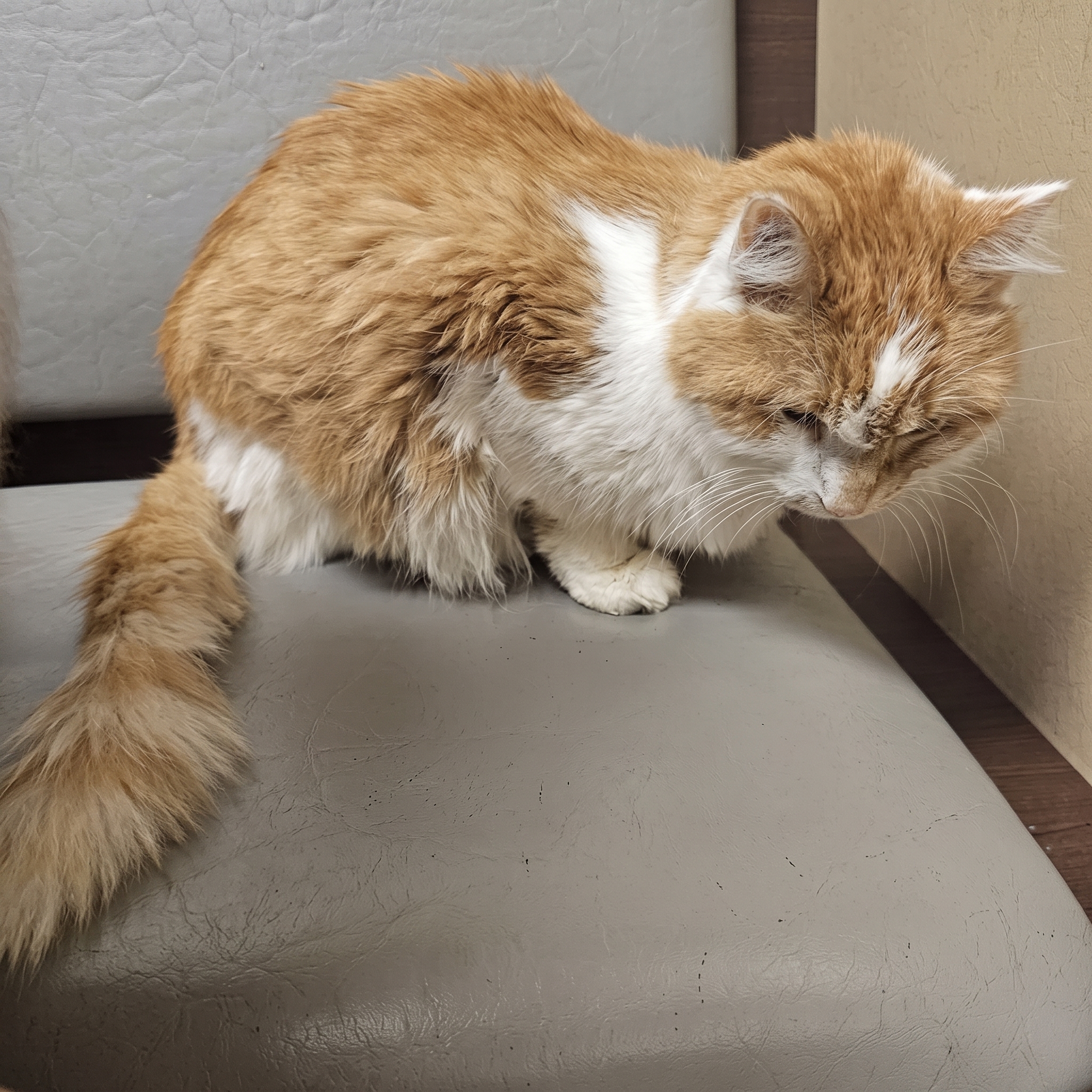
Ran for 3 days, from August 12 to August 15, 2026, the last day Crush saw it.
Run by Health Insider on Facebook. Crush is not the advertiser and does not verify its claims. See this ad in Meta's Ad Library(opens in a new tab)
Want an ad like this for your product?
Crush makes new ad images for your product from this ad: your logo, your product photo, your offer.
Trials from $19.95 USD, then $79.95 USD a month. Cancel anytime.
About this ad
- Meta Ad Library ID
- 2093027981586388
- Platforms
- Facebook, Instagram, Audience Network, Messenger and Threads
- Relaunches
- 0
- Niche
- Pets
Ad text
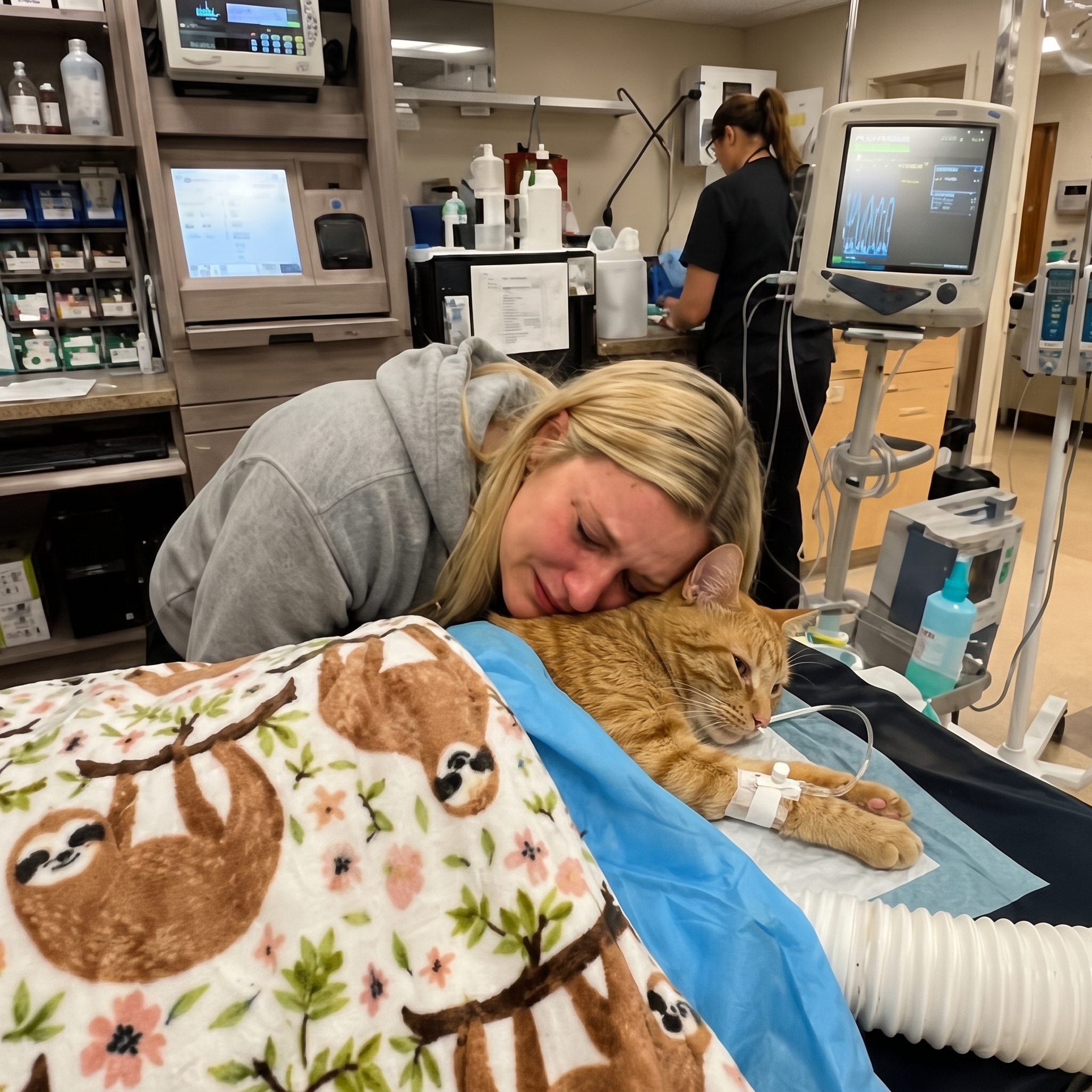
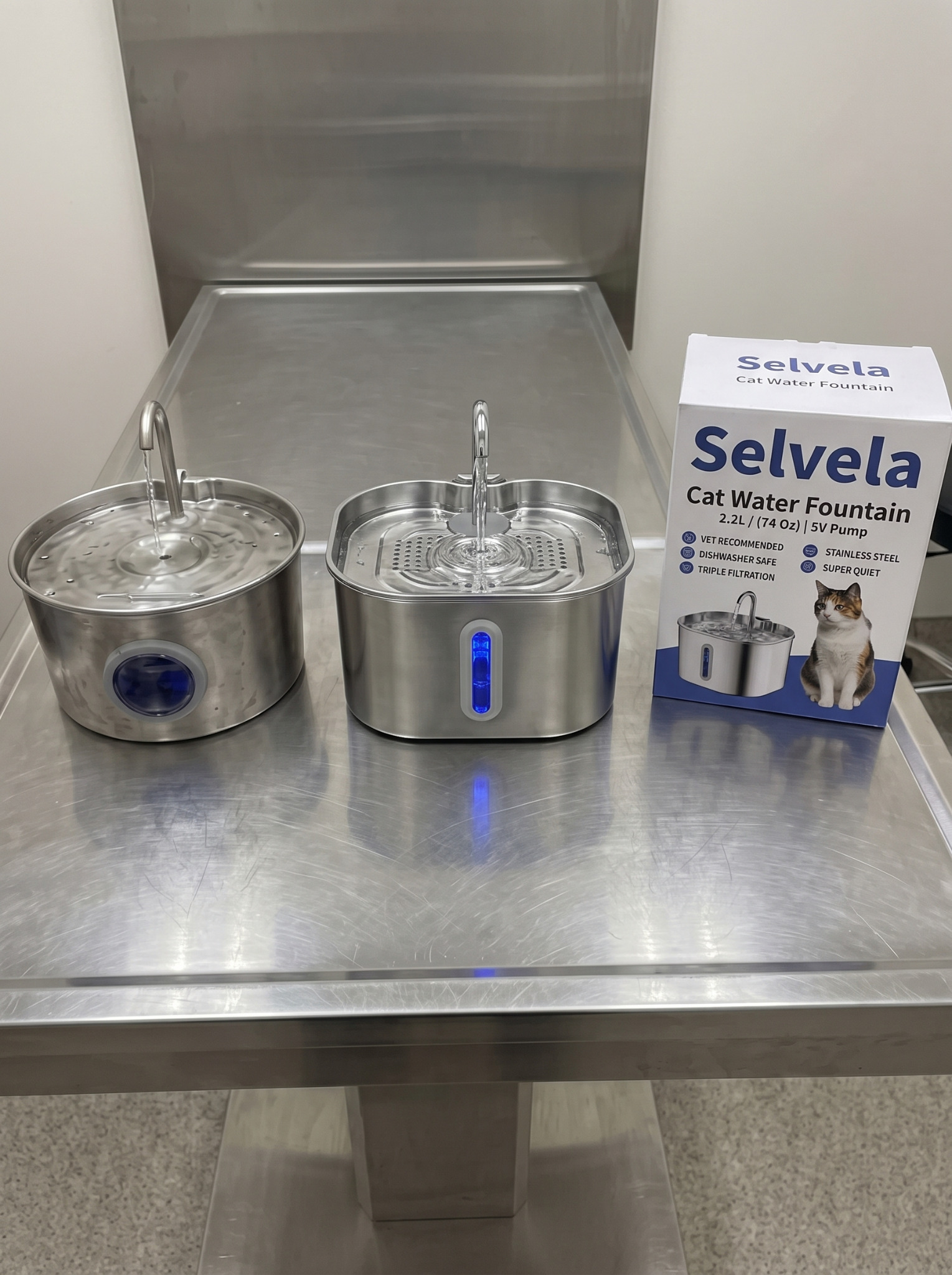
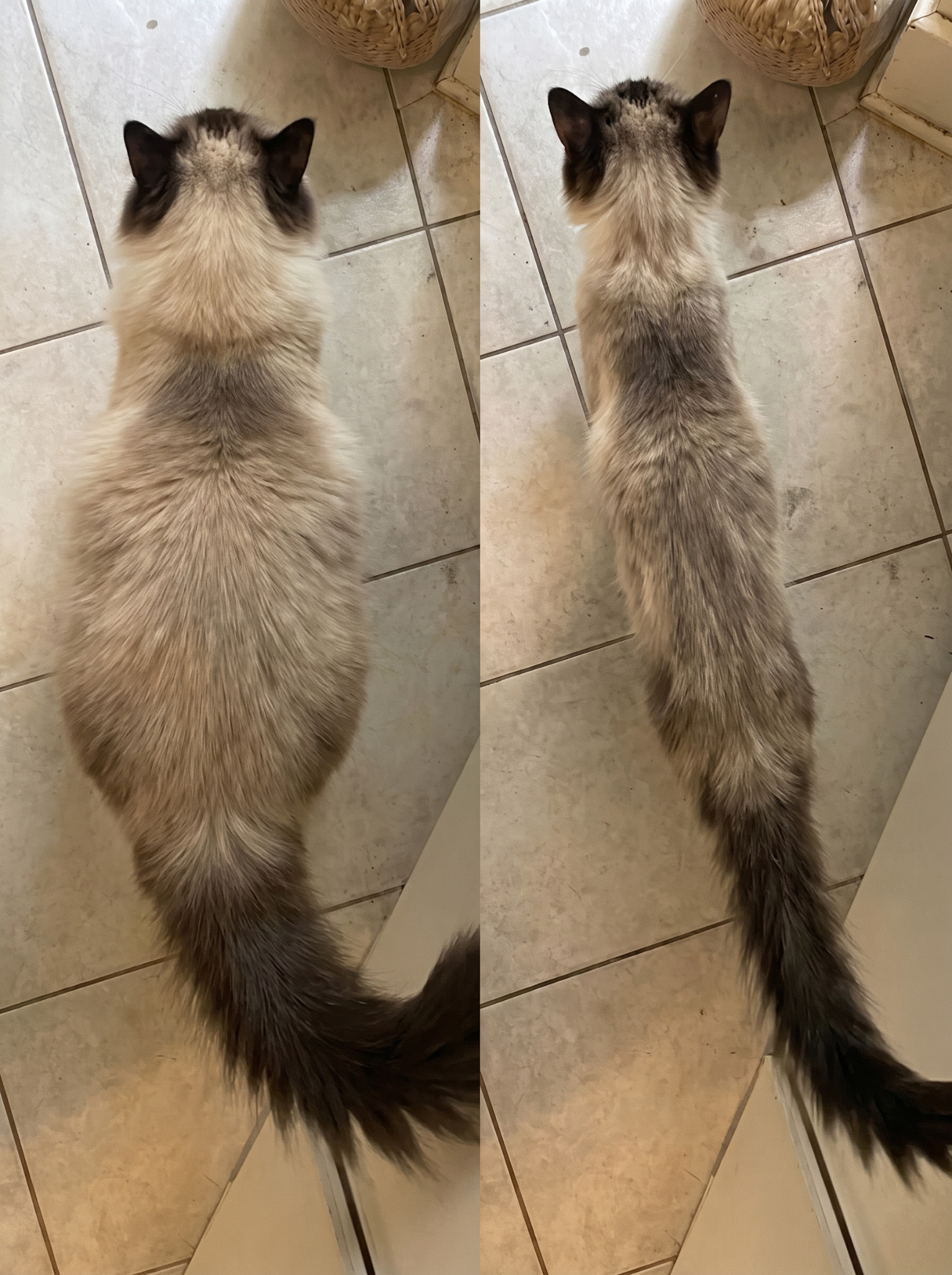
I refilled my cat's water bowl every single day for three years to protect her kidneys. Last month her vet told me she's in stage 3 kidney failure. More than half her kidney function is already gone. Years of fresh filtered water every morning. Scrubbed bowl every night. And her kidneys were quietly failing the entire time I thought I was protecting them. My name is Debra. I live in Columbus with my husband and our cat Nala. She's an 11-year-old tabby who has slept on my pillow every single night since I adopted her at 2. She follows me into the bathroom. She sits on my laptop when I'm working. She is the most annoying, needy, perfect cat I've ever had and I would do anything for her. About three years ago I started seeing stuff online about kidney problems being the number one killer of cats. The stat that got me was "1 in 3 cats will develop it." I looked at Nala and thought ok, not you. I'm going to get ahead of this. I did what most of you have probably done. I bought a stainless steel water bowl. The expensive one from the pet store. Filled it with filtered water from a Brita pitcher every single morning. Switched her to expensive wet food. High quality. Extra moisture. I scrubbed the bowl every night. Every single night. Rinsed it, scrubbed it, dried it, refilled it in the morning with clean filtered water. I added a second bowl in the bedroom. A third near her favorite window. And I genuinely believed I had handled it. Clean bowls. Filtered water. Wet food. Annual vet visits. I was doing more than anyone I knew. I felt like one of the responsible ones. For three years I had this quiet confidence that Nala was covered. Then last month I took her in for her regular checkup. Nothing was wrong. She was eating fine. Playing. Purring. Being Nala. I almost didn't do the bloodwork because everything seemed normal and it's not cheap. But I figured why not, she's 11, let's just check. Three days later my vet called. Stage 3 CKD. I said the thing you would have said. "That's impossible. I've been giving her fresh filtered water every single day for three years. I scrub her bowl every night. How is she in stage 3?" My vet paused. "Fresh water and a clean bowl are good habits. But chronic kidney failure in cats isn't caused by a lack of fresh water in the bowl." I just sat there. I didn't even know what to say. She said to start a prescription renal diet. More bloodwork in 8 weeks. We'd "monitor the progression." Monitor the progression. Like that's supposed to make me feel better. Like I'm supposed to just watch her numbers climb and wait. I couldn't sleep that night. Or the next night. I kept looking at Nala on my pillow thinking how is this happening. I did everything. I did MORE than everything. Around 1am on the third night I started researching. Not the surface level stuff. Not the Facebook groups telling me to try a different wet food. I wanted to know WHY. Why do cats get kidney failure at rates that no other domesticated animal does. Why 1 in 3. Why is it basically guaranteed if they live long enough. And I found something that I genuinely cannot believe nobody told me. Cats are desert animals. Their ancestors survived millions of years getting moisture from prey, not from standing water. The domestic cat inherited that exact physiology. Its thirst drive is suppressed by design. A cat does not feel thirst the way you or I do. It can be measurably dehydrated and show zero symptoms. But that's only half the problem. The half I thought I understood. Here's the half nobody told me. Within hours of filling any bowl — any material, any brand, any price point — bacteria begins forming a layer called biofilm on the surface. It embeds into microscopic scratches in the material. Stainless steel has them. Ceramic has them. Plastic is the worst. You scrub it. You kill the surface layer. The colonies buried in those grooves survive. They repopulate the entire surface within hours. And scrubbing actually makes it worse. Every time you scrub, you create MORE microscopic scratches. More hiding places. More permanent homes for bacterial colonies that reform faster than you can remove them. I read that three times. Every single time I scrubbed Nala's bowl, I was carving tiny grooves into the surface and giving bacteria a better place to live. Three years of nightly scrubbing. Three years of making the problem worse while feeling like a responsible cat mom. And here's the part that broke me. Cats have roughly 200 million scent receptors. Fourteen times more sensitive than ours. Nala could smell what I never could. Every time she walked up to her bowl, sniffed it, and walked away — she was telling me the water was contaminated. I thought she was being picky. She was giving me information. Every time she sat at the bathroom faucet crying — she was looking for the one water source in the house that didn't smell like bacteria. Running water doesn't grow biofilm. That's why she wanted the faucet. That wasn't a quirk. That was survival. Every time she drank right after I poured fresh water and then walked away an hour later — she was drinking during the short window where the water smelled acceptable. Then the biofilm rebuilt and she stopped. I thought I understood. More water. Cleaner water. Better bowl. But those are not the same problem as a contaminated water source. Filtered water poured into a contaminated bowl is contaminated water. It doesn't matter what's in the pitcher. It matters what's in the bowl. The bacteria is in the material itself. The filter can't touch it. The scrubbing can't remove it. The refilling just resets a clock that runs out in hours. It's like mopping a floor while the pipe underneath is leaking. The floor looks clean. But the water is still rising. That's why 1 in 3 cats still get kidney disease regardless of how often you refill. Regardless of how hard you scrub. Regardless of how good the owner is. The bowl is the pipe. And nobody told me it was leaking. Not my vet. Not the pet store. Not the articles that convinced me I'd handled it. I spent the next few days reading everything I could find about what actually prevents biofilm from forming in the first place. Three things have to happen simultaneously. The material has to be non-porous at a molecular level — so bacteria physically cannot embed in the surface. Not regular stainless steel. Not ceramic. Not plastic. 316 surgical-grade stainless steel, the grade used in medical implants, with an antibacterial coating on top. The filtration has to actually remove contaminants — not a thin carbon pad that saturates in a week. Hospital-grade triple-stage filtration that pulls chlorine, heavy metals, and pharmaceutical residue out of the water. The invisible chemical load your cat's kidneys have been filtering every day for years. And something has to kill the bacteria living in the water itself — because even on the best surface, bacteria floats in the water, circulates, and settles. Without active sterilization, your cat's nose will still detect it. UV sterilization destroys it continuously before colonies can form. Material. Filtration. Sterilization. All three. Simultaneously. That's when I found a fountain that was specifically built around all three. Not a plastic flower fountain. Not a ceramic bowl with a pump. Not a "stainless steel" fountain with a hidden plastic reservoir underneath. Selvela. I ordered it. Took it to my vet before I let Nala near it. Showed her the specs. Asked her if the science made sense. She looked at it for a minute and said "honestly, this is the first water source I've seen that actually targets the right mechanism. Most fountains are just moving contaminated water in a circle." I set it up that week. Nala walked over within an hour. Sniffed the basin. Sniffed the water flowing from the faucet-style spout. Then she drank. Long, steady, unhurried laps. Not the quick desperate sips from the bowl. Not the frantic lapping at the faucet before I turned it off. She drank like she'd found something she trusted. After three years of watching her sniff and walk away, watching her sit at the sink crying, watching her barely touch three bowls of filtered water placed strategically around the house — she just drank. I stood in my kitchen and cried. Week 2 she was drinking multiple times a day. Morning. Afternoon. Middle of the night. I could hear her from the bedroom. Quiet lapping. Steady. Week 3 her coat felt different. Softer. I noticed it when she was sleeping on my lap and I was petting her without thinking. It had gotten rough and I hadn't even registered it happening because it was so gradual. Week 5 she jumped on top of the fridge. She hadn't done that in over a year. My husband looked at me and said "what is going on with her" and he didn't know I'd changed anything. Week 7 I took her back for bloodwork. Creatinine stable. Hadn't climbed. BUN slightly down. My vet looked at the results and looked at me and said "this is not typical. Kidney values at stage 3 usually only go one direction. Whatever you're doing, keep doing it." I cried in the parking lot. Not because it was a miracle. Her kidneys are still damaged. That damage is permanent. I know that. I cried because for the first time since the diagnosis I wasn't just watching a countdown. I was actually doing something that addressed the real problem. Not the problem I thought she had. The problem she actually has. I'm writing this because I know exactly where you are right now. You bought the stainless steel bowl. You use filtered water. You scrub it every night. Maybe you bought a fountain. You feel like you've handled it. I felt that way for three years. But if you think a clean bowl with filtered water is covering the kidney problem, it's not. It was never designed to. The biofilm is still forming. The material is still contaminated. The bacteria in the water is still alive. And your cat is not going to show you a single sign until most of her kidney function is already gone. I didn't know those were two different problems until Nala was already in stage 3. You still have time to find out before that happens to your cat. This is what I use for Nala now — the actual mechanism to keep the water source genuinely clean so your cat actually drinks enough to protect her kidneys. 👉 https://selvela.com/products/selvela-cat-water-fountain 316 surgical-grade stainless steel with antibacterial coating. Built-in UV sterilization. Triple-stage hospital-grade filtration. Whisper-quiet. Dishwasher-safe. $89.99. Starter filters included. 30-day money-back guarantee — cat doesn't drink more, full refund. I was skeptical at first too. I'd already wasted $160 on three fountains that all grew the same biofilm they were supposed to prevent. But this one passed every test. No slime at week two. No rejection at day three. No contamination at day thirty. This is the actual preventative maintenance your cat's kidneys need to survive. 👉 https://selvela.com/products/selvela-cat-water-fountain The best part? The filtered water, the clean bowl, the wet food — keep doing all of it. None of it hurts. But stop believing it's enough. The water source is the piece you're missing. It's the piece I was missing for three years. P.S. I scrubbed Nala's bowl every single night for three years. I want you to sit with that. Every night. On my hands and knees. Scrubbing a bowl that was growing bacteria in scratches I was creating with the scrubbing. Pouring filtered water into a surface that was contaminating it within hours. Watching her sniff and walk away and calling her picky. Three years of doing the wrong thing harder while believing I was doing the right thing. Nala has not sniffed and walked away from the Selvela once. Not once. In seven weeks. Because there is nothing in it for her nose to reject. That's the difference between addressing the problem you can see and addressing the problem that's actually there.
Where the ad sends people
selvela.com
Almost Sold Out 🚨
30-Day Guarantee
Shop now: selvela.com(opens in a new tab)