The National Home Laundry Association
The National Home Laundry Association Facebook ad: “The Pet Smell Fix in One 90-Minute Cycle”
Ran for 10 days, from May 22 to June 1, 2026, the last day Crush saw it.
Run by The National Home Laundry Association on Facebook. Crush is not the advertiser and does not verify its claims. See this ad in Meta's Ad Library(opens in a new tab)
Want an ad like this for your product?
Crush makes new ad images for your product from this ad: your logo, your product photo, your offer.
Trials from $19.95 USD, then $79.95 USD a month. Cancel anytime.
About this ad
- Meta Ad Library ID
- 2105126820345569
- Platforms
- Facebook, Instagram and Messenger
- Relaunches
- 0
- Niche
- Pets
Ad text
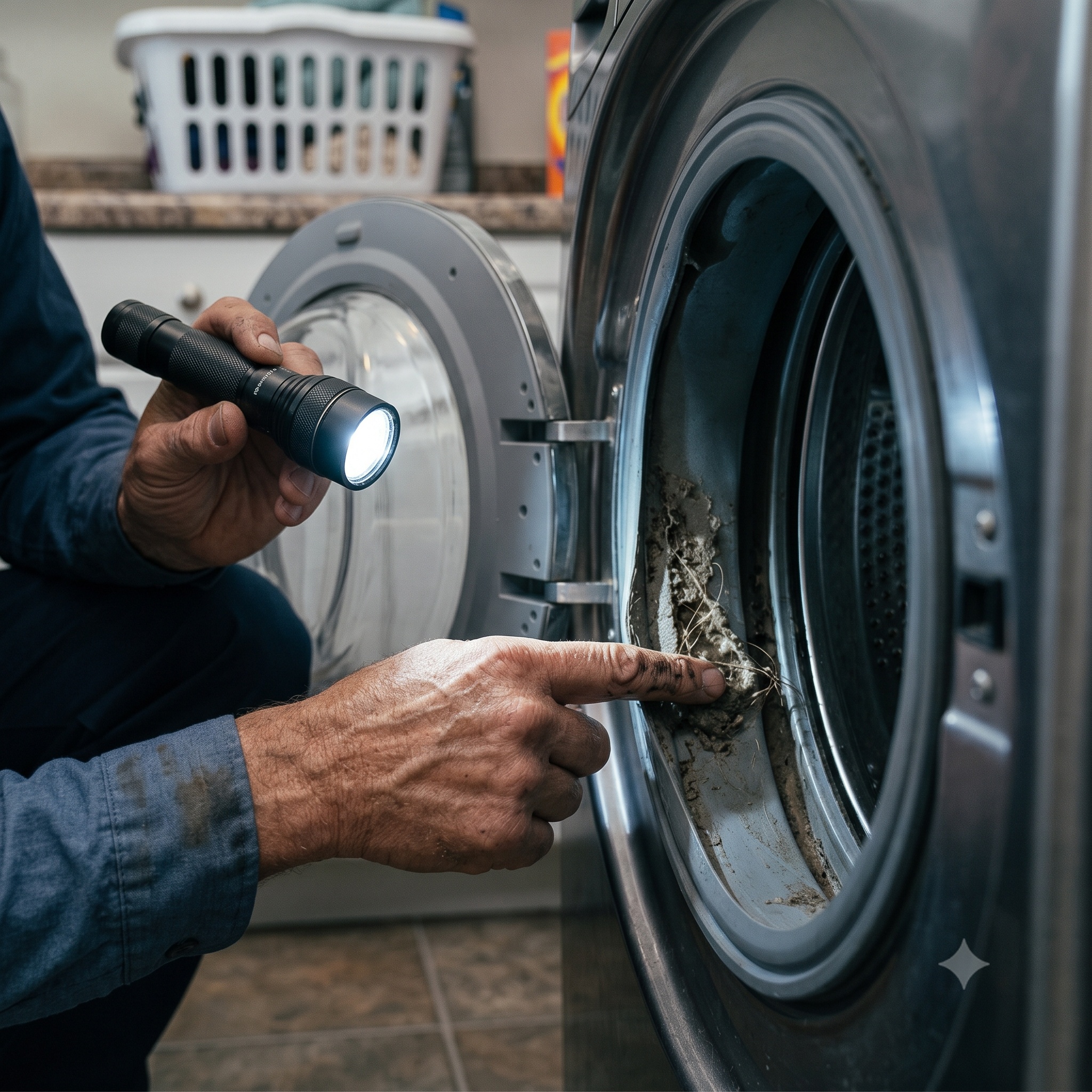
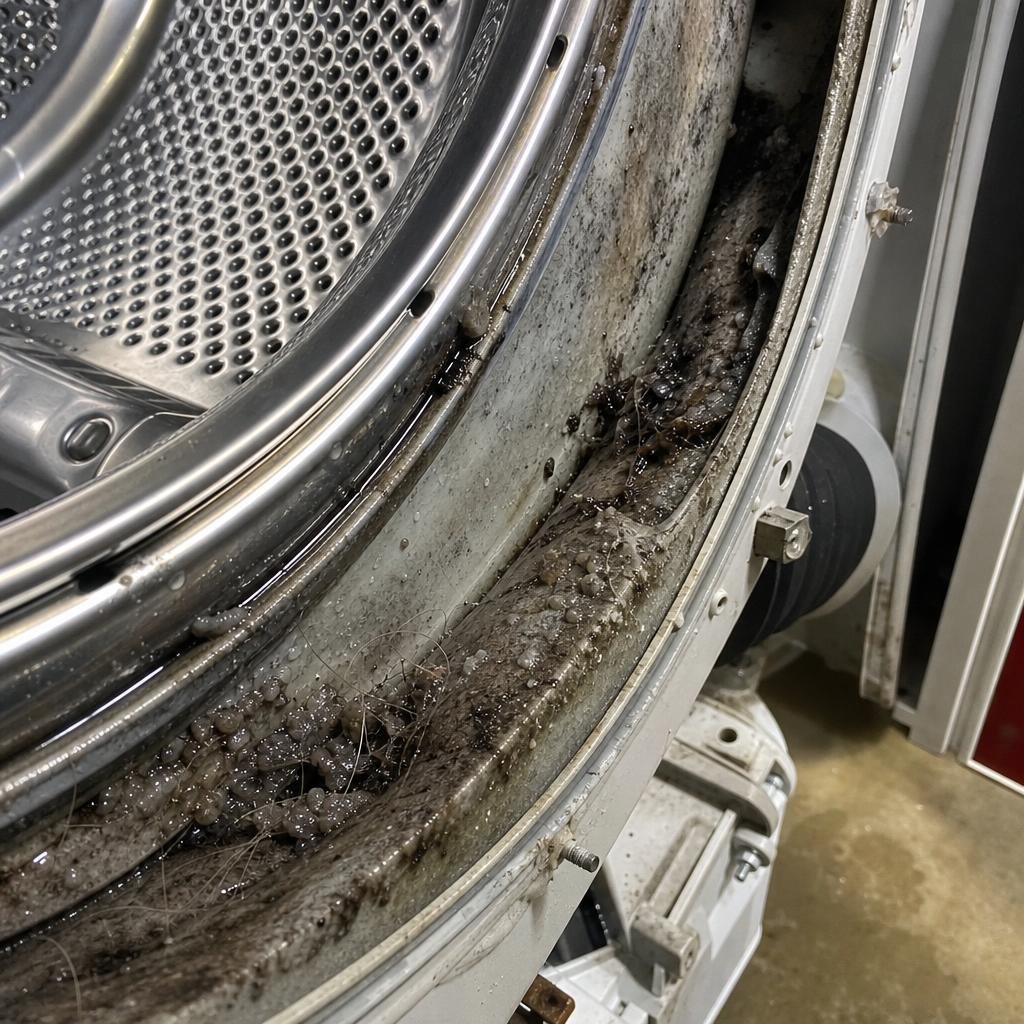
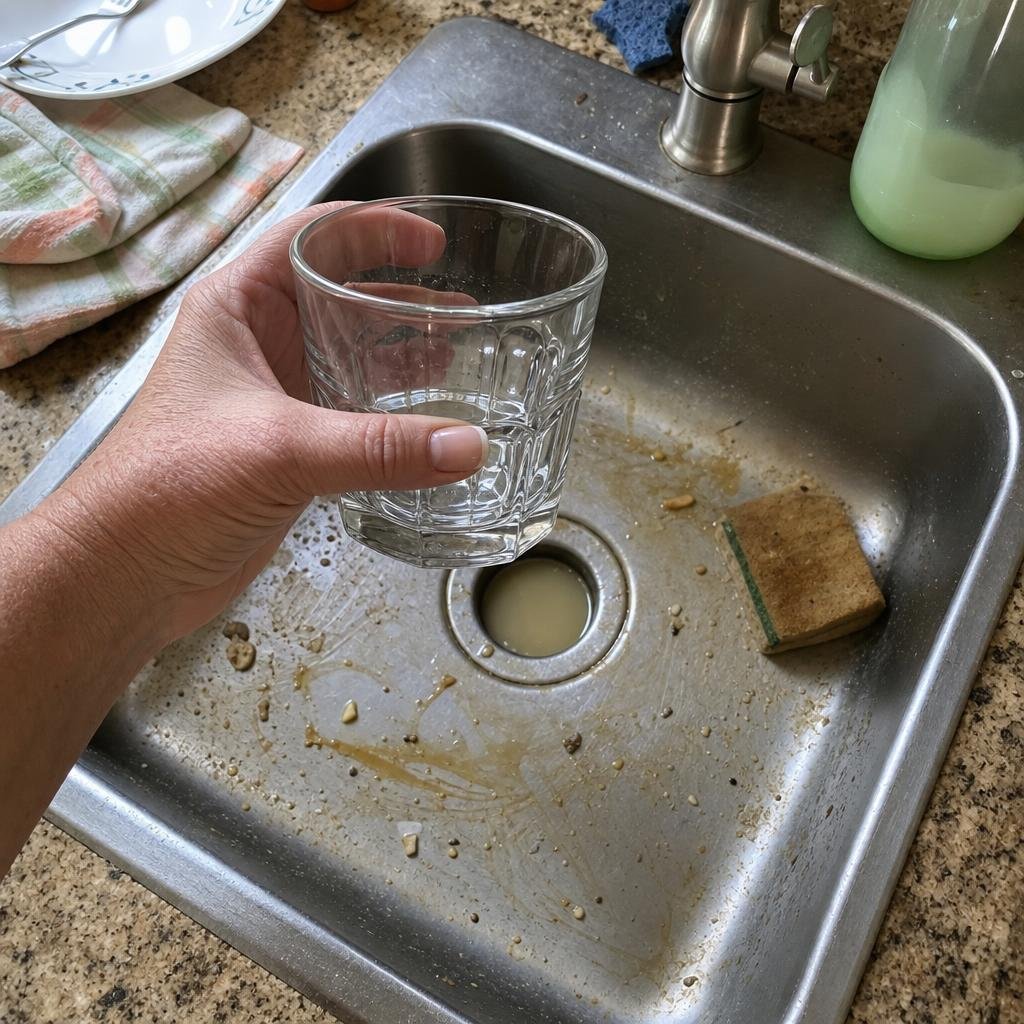
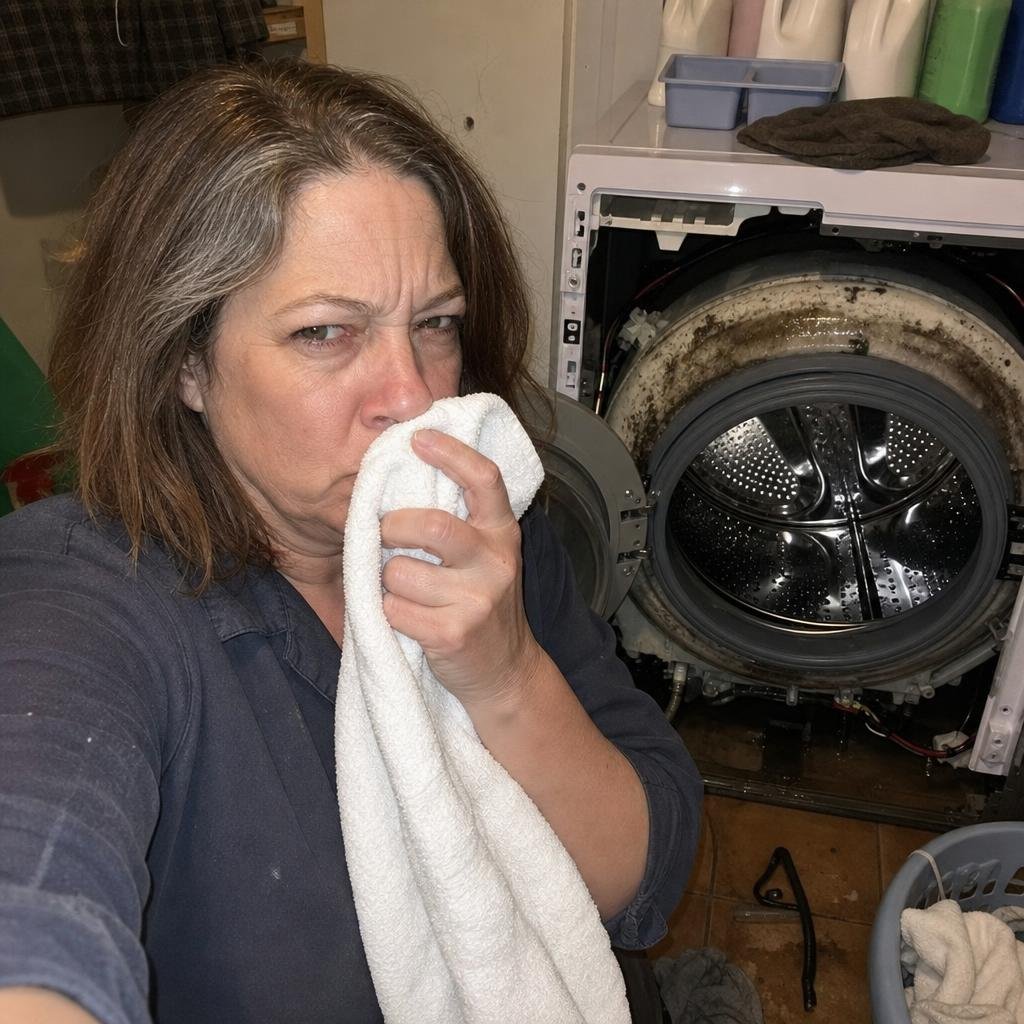
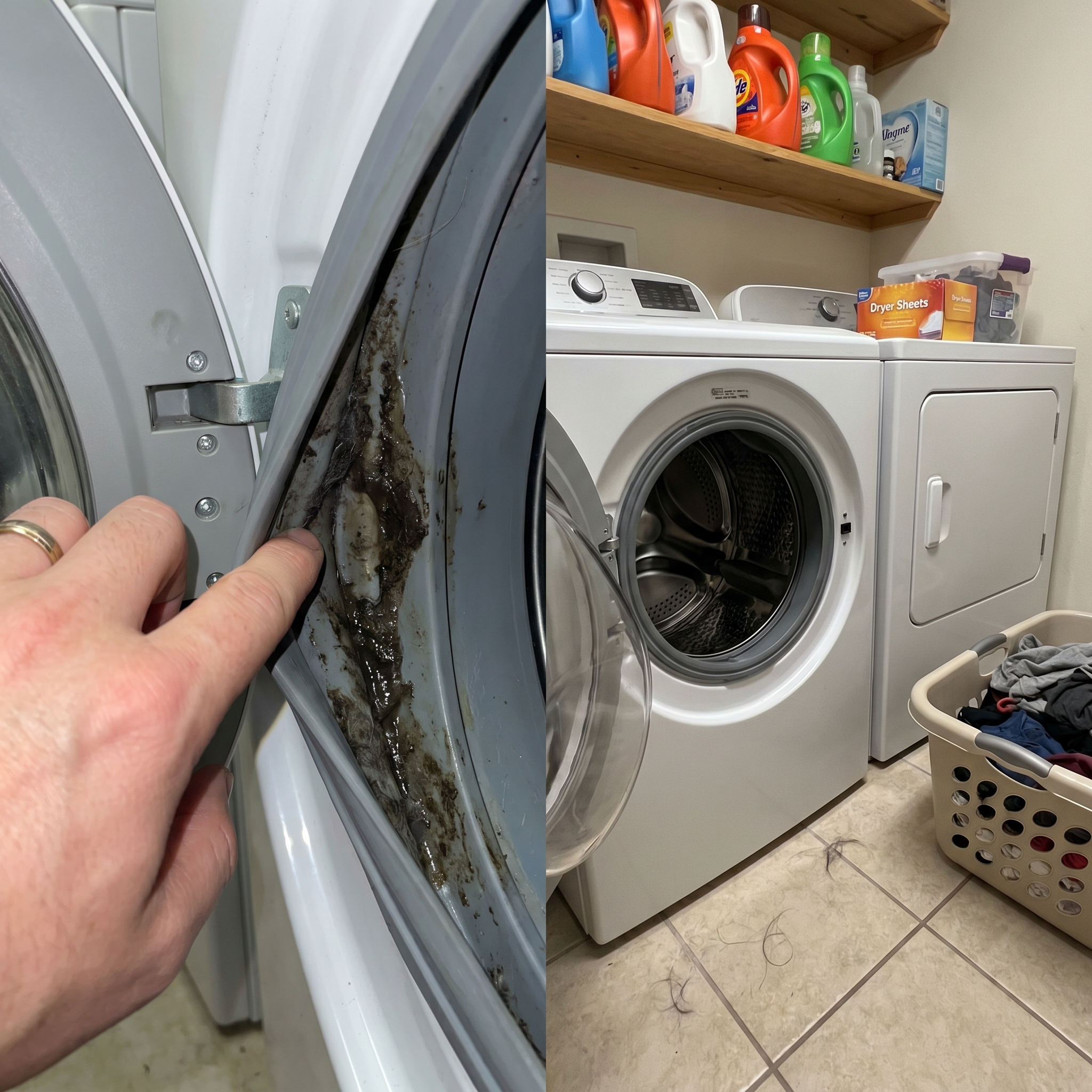
I want to tell you what I saw when I peeled back the rubber seal on my best friend's washing machine last Thursday afternoon. I want to tell you because I went home that night and peeled back the rubber seal on my own washing machine, and I found the same thing, and I have a 6-year-old daughter who scratches the back of her neck every night when she's falling asleep, and the pediatrician told us it was probably stress. It wasn't stress. I'm not a doctor. I'm not a scientist. I'm a mom with a chocolate lab named Juno and two kids and a washing machine I trusted for 9 years to do exactly one job. I'm writing this because my best friend Maren made me promise I would. And because if there's one other mother out there folding pajamas on her kitchen floor at four in the afternoon wondering what she missed, she deserves to know what we found. Maren is the kind of mom who reads ingredient labels at the grocery store. She switched Theo, her son, to organic formula at six months. She washes his sheets every Sunday in fragrance-free detergent. When the first dermatologist told her his eczema was probably food-related, she eliminated dairy, then eggs, then wheat, then strawberries, then tomatoes, until Theo was eating about nine things and the eczema was exactly the same. The second dermatologist gave her a prescription steroid cream and said use it for two weeks. She used it for two weeks. The eczema came back four days after she stopped. So she used it again. And again. And then for fourteen months straight, against the warning printed on the tube, because the alternative was watching her son scratch himself bloody in his sleep. The third dermatologist suggested wet wraps and a humidifier. Maren bought a humidifier for every room in the house. The eczema stayed. Then she found a fourth dermatologist, a pediatric specialist two hours away, and the appointment was on a Thursday morning. The doctor looked at Theo's elbows. She asked the usual questions about diet, about pets, about what soap they used. Maren answered all of them the way she'd answered them a hundred times before. And then the dermatologist asked a question Maren said she'd never been asked. "What does his laundry smell like when it comes out of the dryer?" Maren told me she paused for a long time. Because the honest answer was that she didn't really know anymore. Theo's pajamas had a smell she'd stopped noticing the way you stop noticing the smell of your own house. A faint, sour, almost-wet undertone, like a dishrag that's been left folded in the sink overnight. She'd been calling it "the dog smell" in her head for 2 years and adding a little more detergent to every load to cover it. The dermatologist nodded like she'd heard this answer before. She told Maren that recurrent eczema in young children can be triggered, and badly aggravated, by chronic bacterial contamination of laundry. Specifically by the biofilm that builds up inside the washing machine itself. She said the word biofilm the way you'd say a word the patient should already know. Maren nodded the way you do at a doctor when you don't want to seem stupid. Then she drove the two hours home and called me. I want to tell you what we did next, because it's the part nobody tells you to do. We sat down on the kitchen floor. We pulled one of Theo's pajama tops out of the basket and held it to our faces. I'm not going to lie and say it smelled bad. It smelled like clean laundry with something underneath. Something that shouldn't have been there. Like a clean towel that had touched a wet one for just long enough to remember. Then Maren got up, walked across the kitchen, and pulled back the rubber gasket around the door of her front-loading washer with her fingernail. I'm going to describe what I saw, and I want you to understand that I am not exaggerating, because if I exaggerate you won't believe the part that matters. A continuous ring of black-gray slime, maybe an inch thick, packed into the fold of the rubber all the way around the door. Embedded in it: lint, a chewed corner of a dog toy, a clump of Bear's fur the size of a walnut, what looked like a piece of a sock, and a smell that hit me in the back of the throat the way it hits you when you open a forgotten Tupperware from the back of the fridge. Maren looked at me. She didn't cry. She just said, very quietly, "I have been washing his pajamas in this for two years. I sat on the laundry room floor that night and I cried for about five minutes. Not loud crying. The quiet kind, where you're mostly just tired. My kids are six and nine. They don't have eczema. But my six-year-old, Devon, has had this thing for about a year where she scratches the back of her neck when she's falling asleep. Sometimes the inside of her wrist. The pediatrician said it was probably stress, probably a new laundry detergent, probably nothing. I'd accepted that. I want to tell you I accepted it because it made sense. The truth is I accepted it because investigating further felt like admitting I'd missed something. That night, after my husband went to bed, I poured a glass of wine and I went down a rabbit hole. Not the TikTok kind. The actual research kind, at midnight, in pajamas, with a notebook. Here is what I learned, and I'm going to tell you in plain English, because nobody told it to me in plain English and I wish they had. Your washing machine is warm. It's wet. It's dark. It has a constant food supply of skin cells, sebum, pet hair, pet dander, saliva from chew toys, detergent residue, and fabric softener wax. It is, in every meaningful way, a perfect environment for bacteria to grow. One bacterium in particular - I had to look up how to pronounce it, Moraxella osloensis - produces a specific chemical called 4-methyl-3-hexenoic acid. That compound is the wet-rag smell. The musty-towel smell. The "is that the dog?" smell. It's not the dog. It's a chemical, manufactured inside the machine, pressed back onto every load. In a house with pets, the bacteria have three to five times more food than in a house without. Pet hair is keratin. Pet skin oil is sebum. Pet saliva is full of glycoproteins. All of it gets into the drum, sits in the gasket, feeds the colony, and gets re-deposited onto the next load of laundry. Including a four-year-old's pajamas. Including the sheets a child sleeps in for ten hours a night with bare skin pressed against them. I learned that more detergent makes it worse, because excess detergent residue is food for the bacteria. I learned that fabric softener is the single worst offender, because the waxy quaternary ammonium compounds in it deposit a film that bacteria specifically love. I learned that vinegar can't penetrate biofilm, because biofilm is a polysaccharide-protein shield that evolved to resist exactly that kind of attack. I learned that bleach damages the rubber gasket while only killing the outer layer of the colony, which rebuilds itself within days. I learned that the appliance manufacturers know this. The detergent companies know this. Nobody puts it on the front of the box. By 2 a.m. I had a name for the smell, and I had a name for the thing growing inside my washer, and I had no idea what to actually do about it. The next morning I tried the first thing I found. Affresh. Three tablets, three weeks in a row, hot cycle, empty drum. Maren did the same. She also stripped Theo's sheets and rewashed them four times with extra rinses. We compared notes over coffee that Saturday. It helped. I'm not going to lie to you. The gasket on my washer looked better. The smell faded for about two and a half weeks. But by week four, Maren texted me a photo - Theo had a flare on the back of his knee again, an angry red patch the size of a credit card. And I went and pulled back my gasket and the black ring was already coming back at the bottom, where the water pools. That's when I learned the part of this that actually matters. And it's the part nobody had told either of us, in two years of dermatologists and detergent aisles and 3 a.m. Google searches Affresh - and Tide Washing Machine Cleaner, and OxiClean, and basically every washer cleaner on the shelf at Target - is made of two things. Oxygen bleach, and a surfactant. That's it. Oxygen bleach kills the surface bacteria it can reach. The surfactant helps the water wet the surface. Both of those things are real, and both of them do something. But neither of them can dissolve the structural backbone of what's actually anchoring the colony to the inside of your washer: the pet hair, the sebum, the dander, the protein-and-fat scaffolding the bacteria build their slime on top of. You cannot oxidize keratin. You cannot bleach away sebum. You cannot detergent your way through a protein matrix. The only thing on earth that breaks those substances down at the molecular level is enzymes. Specifically three of them. Protease, which digests protein. Lipase, which digests fat. Amylase, which digests starch. Affresh doesn't have any of those. Neither does Tide. Neither does OxiClean. I stood in the cleaning aisle at Target one Saturday morning and read the back of every single box. None of them list enzymes. They reach the gasket, they reach the drum, they kill what they can touch on the surface, and then they leave the buffet underneath fully intact, ready to grow back in three weeks. That's why Maren's washer smelled clean for twenty-one days and then started smelling again. That's why mine did. That's why Theo's elbows cleared up for a month and then flared. The product I'm going to tell you about, I found through a woman named Priya who runs a small dog daycare in Asheville. A friend of a friend put us in touch. Priya washes thirty loads of dog bedding a week. She told me on the phone, in the exact tone of a person who has solved a problem they used to lose sleep over, "I haven't smelled my washer in two years." The product is called the Uproot Washing Machine Cleaner. The tablets are formulated specifically for pet households, which I didn't know was a category that existed. What's in them is the same oxygen bleach and surfactant that Affresh has - so you get that baseline of cleaning that does work - but stacked with four enzymes (alkali protease, protease, lipase, amylase), an anti-redeposition polymer that keeps all the dissolved gunk suspended in the water so it actually goes down the drain instead of resettling on your drum, citric acid to strip out the limescale that bacteria use as a foothold, and tea polyphenols to clean up anything still standing at the end of the cycle. The Ultra version also includes something called cyclodextrin - which I had to look up - and it turns out it's the exact same molecule Procter and Gamble built Febreze on. A tiny ring-shaped sugar molecule that physically traps odor molecules inside itself so they can't reach your nose. The Ultra basically deploys Febreze technology inside your washer, where the smell is actually being made, instead of spraying it over your couch after the fact. I ordered a four-pack of the Pro that night. So did Maren. They showed up on a Tuesday. I dropped one tablet in my empty drum and ran the Tub Clean cycle. Ninety minutes. I sat at the kitchen table and worked while it ran, and when the cycle ended I went and opened the door, and there was a thin gray film coating the inside of the door glass that had not been there ninety minutes earlier. I wiped it with one paper towel. The paper towel came up the color of dishwater. I peeled back the gasket. The black ring was gone. Not faded. Gone. I stood in my laundry room holding a gray paper towel like an idiot and I laughed out loud, alone, at 11 a.m. on a Tuesday. Then I ran a load of towels. They came out smelling like cotton. Not like perfume covering something, not "fresh laundry" the way detergent commercials use the phrase, not "fine." Just clean cotton. The way a towel smells in a hotel that has its laundry actually figured out. I stood there with a folded bath towel pressed against my face for longer than I am going to admit. I did one tablet every two weeks for the next two months. Maren did the same. By the end of the first month, she sent me a photo of Theo's elbows on a Sunday morning. The skin was smooth. Not perfect - he'll always have sensitive skin, that's how he was born - but smooth in a way she hadn't seen in two years. The kind of smooth where you don't have to think about whether to put him in short sleeves. At the next dermatology appointment, the doctor looked at his arms and asked Maren what had changed. Maren told her, "I cleaned my washing machine for the first time in my life." The doctor wrote it down. Devon stopped scratching the back of her neck about three weeks in. I want to be careful with how I say this. I am not a doctor. I am not telling you a washing machine tablet cured anything. What I am telling you is that when you remove a chronic, low-grade bacterial exposure from the pajamas and sheets a child sleeps in for ten hours a night, sometimes their skin gets to rest for the first time in a year. And sometimes that's all they needed. The wet-dog smell in the bath towels disappeared in the first cycle and has not come back. The "is the dog touching my sweater" feeling I used to get pulling things out of the dryer is gone. Juno still sheds on everything, because she's a dog. But my clothes don't smell like her anymore. I'm not a doctor. I'm not a scientist. I'm a mom with a chocolate lab named Juno and a six-year-old who stopped scratching her neck, and I'm writing this because Maren made me promise I would. She said if there's one other mother out there folding pajamas on her kitchen floor at four in the afternoon, wondering what she missed, she deserves to know. You probably already know which gasket I'm talking about. You've probably already peeled it back at some point and seen what was under there, and closed the door, and not told anyone. That's how I know you're the right person to be reading this. Here is what I want you to do. Tonight, or tomorrow morning, go to the laundry room. If you have a front-loader, pull back the rubber seal on the door with your fingernail. If you have a top-loader, look at the underside of the agitator and at the rim of the drum where the water meets the metal. If what you see is black, or gray, or slimy, or smells when you lean in, it's not dirt. It's a colony. And it has been on your clothes. Then, if you're ready, order a pack of the tablets. They're about eighty cents each. A four-pack lasts a single-pet household close to a year if you do one every two weeks, which is what they recommend for homes with dogs and cats. The Pro is fragrance-free, which is the one I use, because I didn't want to swap one smell for another. The Ultra has the cyclodextrin in it, which is the Febreze molecule I mentioned earlier - that's the one Maren uses, because Theo's bedding is the highest priority in her house and she wants the extra odor capture. Drop one in the empty drum. Run the Tub Clean or hot cycle. Walk away for ninety minutes. Come back and open the door. Wipe the inside of the glass with one paper towel. Look at the paper towel. That's the moment I want you to have. That's the moment I had on a Tuesday morning at eleven a.m. Laughing alone in my laundry room like a crazy person because for the first time in nine years I could see what was actually happening inside the appliance I'd trusted to clean my family's clothes. There's a 60-day money-back guarantee, which is the only reason I tried it in the first place, because I'd already wasted twenty dollars on Affresh and I wasn't about to do that again on faith. If it doesn't do anything in your house, you email them, they refund you. I haven't had to. Maren hasn't either. But the option is there, and it's the reason I'm comfortable telling you to try it. The dermatologist asked Maren a question nobody had asked her in two years. The answer changed her son's life. I'm asking you the same question now. What does your laundry actually smell like? https://uprootclean.com/products/uproot-washing-machine-cleaner-pro P.S. If you have a front-loader, you almost certainly have biofilm in the gasket. Consumer Reports surveyed front-load owners in 2023 and sixteen percent of them reported mold and odor problems they couldn't fix. That's roughly one in six. You're not crazy, you're not a slob, and you're not bad at laundry. The machine was sold to you without anyone telling you it had to be cleaned monthly, and the cleaners they pointed you toward were never formulated for the pet hair, dander, and sebum your dog brings into the house. That isn't your fault. It's just the truth nobody put on the front of the box. P.P.S. I want to be honest about one thing. This is not a miracle. It is not going to cure eczema, it is not going to fix a marriage, it is not going to make your house smell like a hotel lobby. What it will do is remove a chronic, low-grade bacterial source from the clothes your family wears against their skin for ten hours at a time. For some kids with sensitive skin, that's enough to let them rest. For some adults, it's the reason their work cardigan stops smelling like the dog by Thursday. For everyone, it's the reason you stop second-guessing whether the towel you just handed your mother-in-law smells okay. That's what it does. That's all it does. And in my house, that turned out to be a lot. P.P.P.S. Maren asked me to add this. Last Tuesday, Theo slept through the night without scratching for the first time in close to a year. She stood in the hallway outside his room at two in the morning and cried, quietly, so she wouldn't wake him up. She wanted me to tell you that. Not as a promise of what will happen in your house. Just as a thing that happened, on a Tuesday, in a mother's house, after she finally found out what was living inside her washing machine.
Where the ad sends people
uprootclean.com
The Pet Smell Fix in One 90-Minute Cycle
Uproot Washing Machine Cleaner Pro
Shop now: uprootclean.com(opens in a new tab)