Health Insider
Health Insider Facebook ad: “My Biggest Scare As a Cat Mom”
Ran for 6 days, from August 9 to August 15, 2026, the last day Crush saw it.
Run by Health Insider on Facebook. Crush is not the advertiser and does not verify its claims. See this ad in Meta's Ad Library(opens in a new tab)
Want an ad like this for your product?
Crush makes new ad images for your product from this ad: your logo, your product photo, your offer.
Trials from $19.95 USD, then $79.95 USD a month. Cancel anytime.
About this ad
- Meta Ad Library ID
- 2109103142976045
- Platforms
- Facebook, Instagram, Audience Network, Messenger and Threads
- Relaunches
- 0
- Niche
- Pets
Ad text
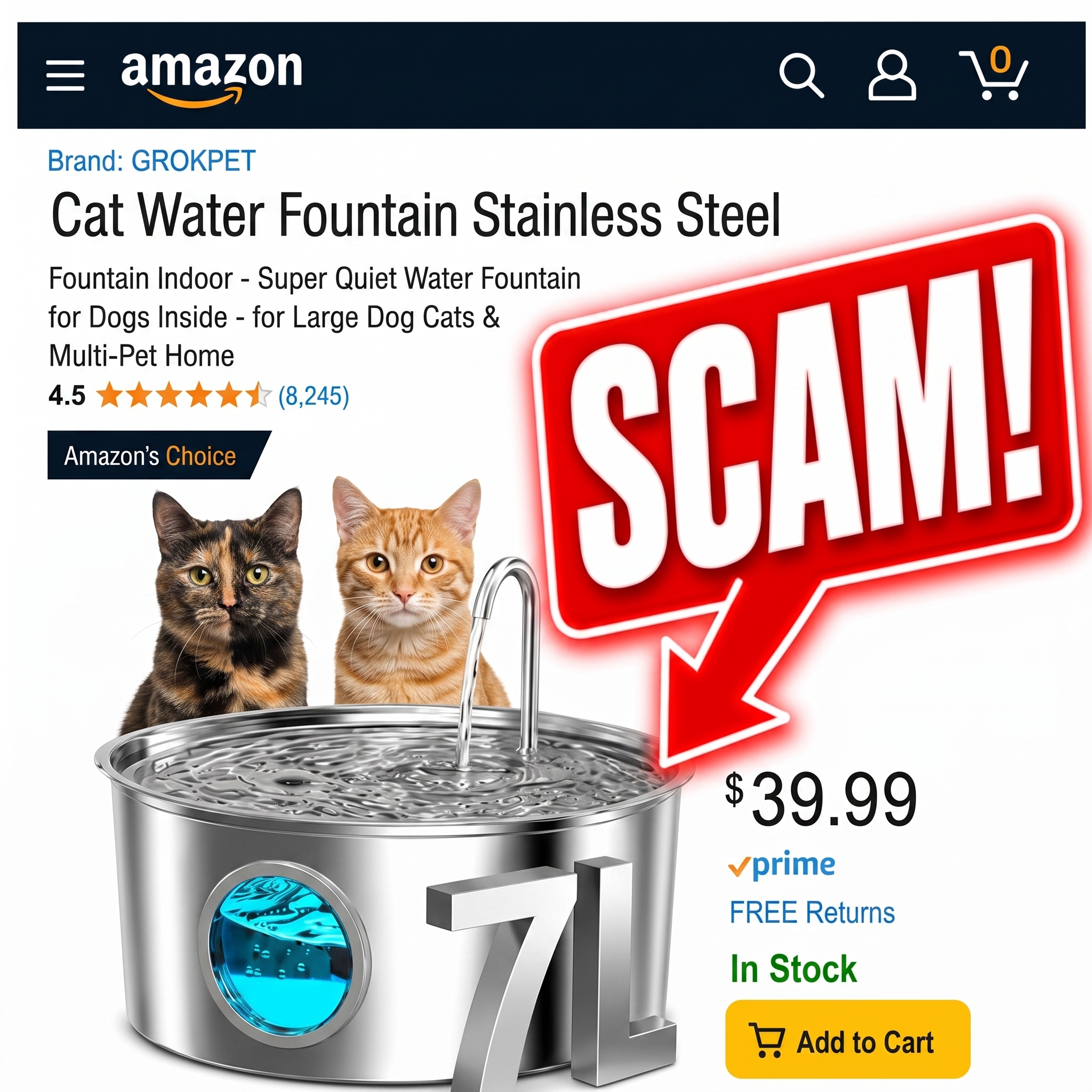
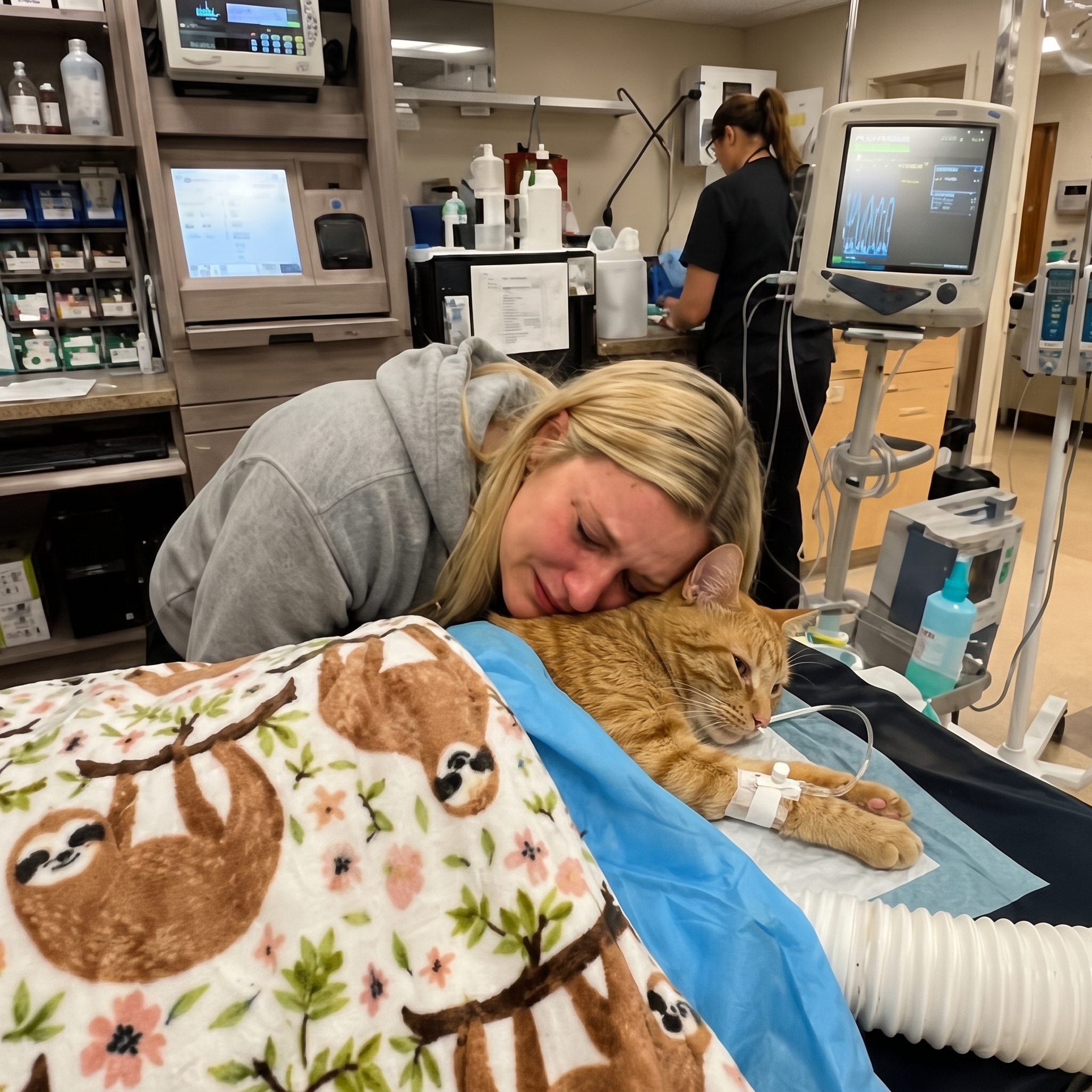
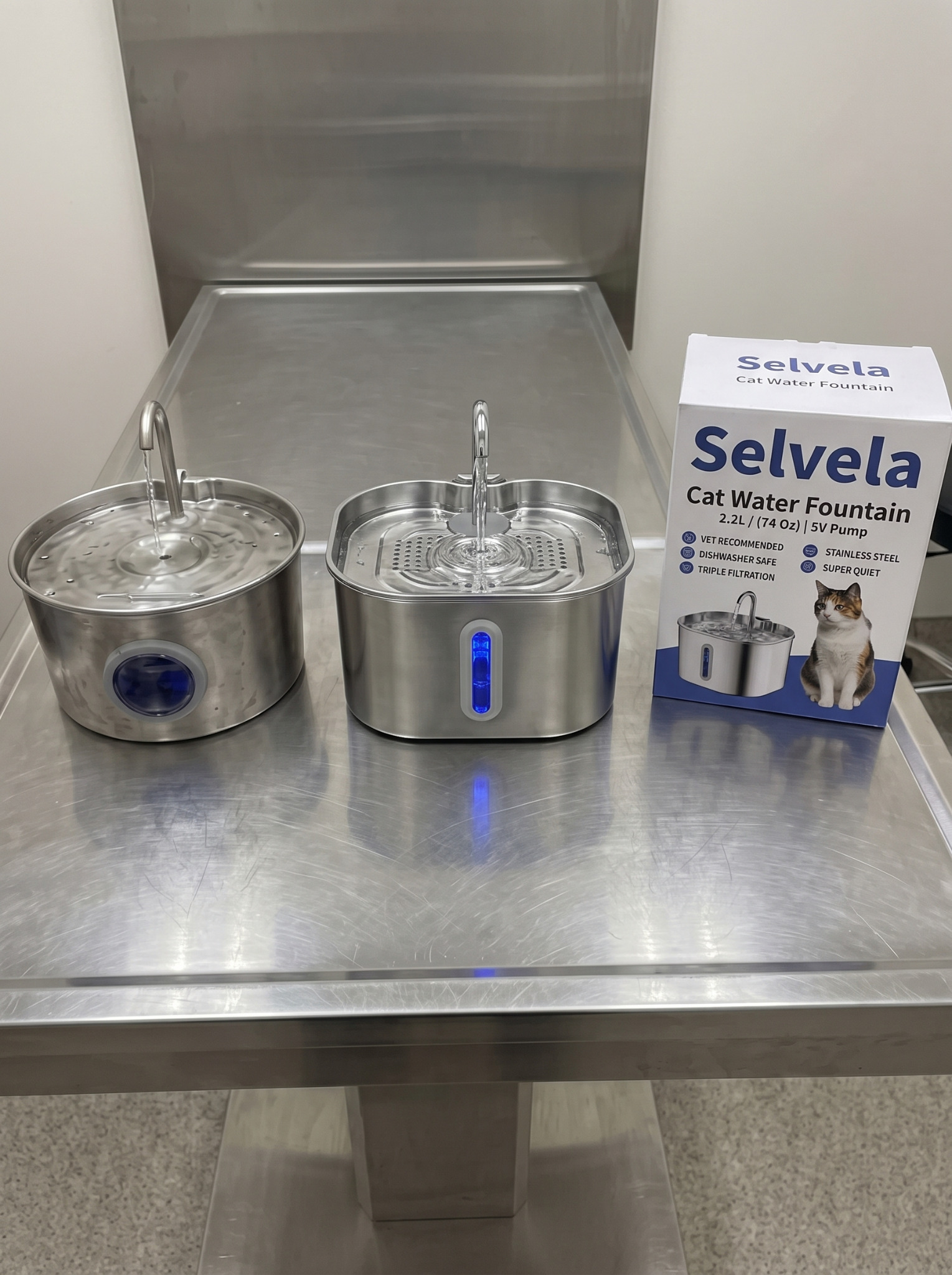
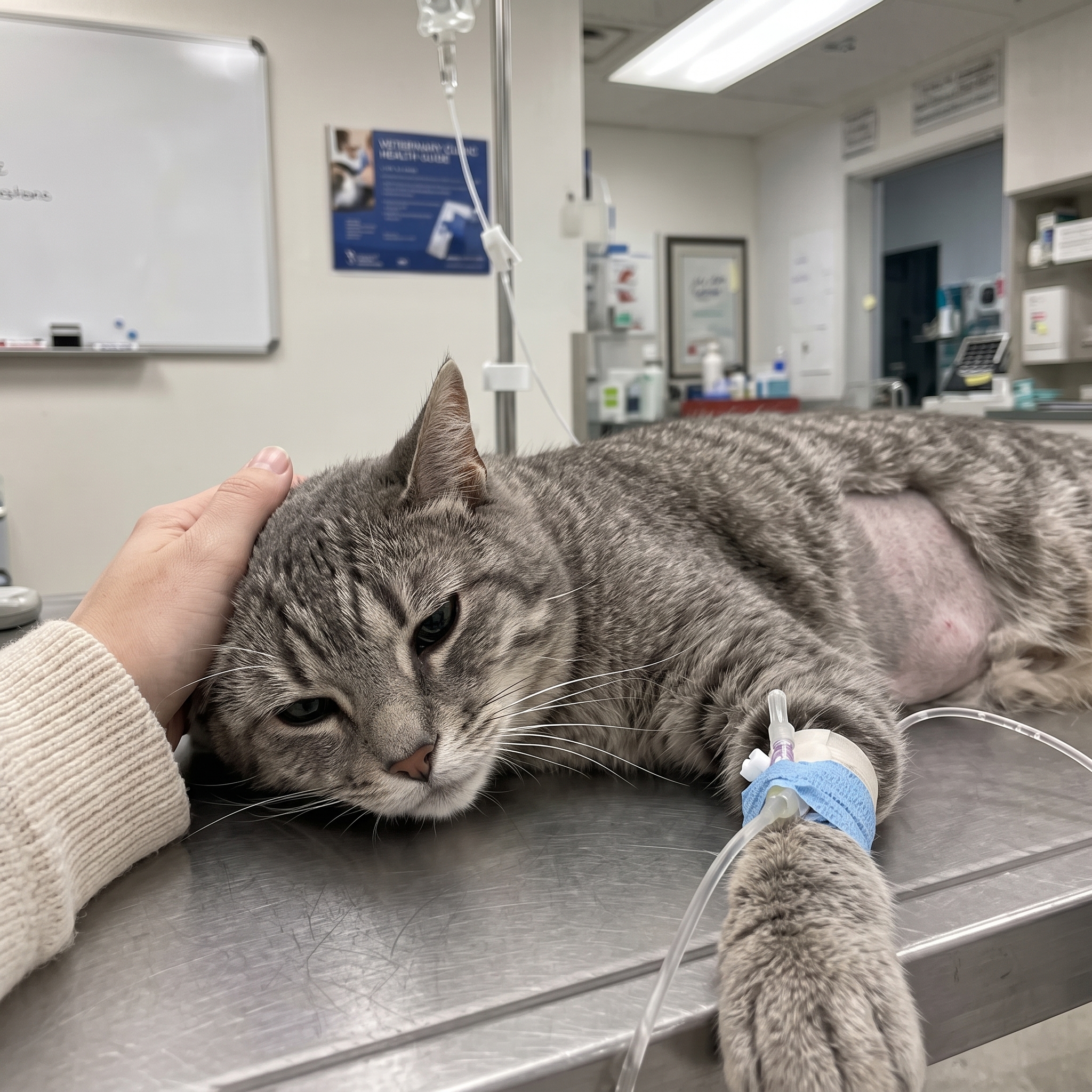
I am going to say something that nobody who owns a cat wants to hear and I don't give a f*k if it upsets you. That water bowl you keep refilling four times a day may be letting your cat under-drink in silence. Not the ceramic dish you upgraded to because plastic was "bad." Not the filtered pitcher you fill from because you read tap water can taste strange. Not the expensive stainless bowl from the pet store. Not the cute flower fountain sitting in your Amazon cart. Not the wet food you started buying because everyone says cats need more moisture. NONE OF IT IS SOLVING THE ACTUAL PROBLEM. I know because I did ALL of it. Every bowl. Every filter. Every refill. Every little "maybe she just prefers it this way" excuse. And then Luna's kidney numbers started going the wrong direction. And then she stopped eating. And then she didn't come home. And then my other cat started doing the exact same thing. The sink. The waiting. The sniffing and walking away. The only-drinking-when-it-was-fresh routine. And I almost let it happen again because I was still doing the same things that failed Luna. I'm done being quiet about this. If your cat walks up to the bowl, sniffs it, and leaves… if they drink from the bathroom sink but ignore a full dish… if they only drink right after you've freshly poured the water… if they used a cheap fountain for three days and then quit… you are not "managing it." You may be watching the warning sign start in your own kitchen. Read this entire post. Every word. Because what I'm going to tell you is the thing nobody explained to me until it was too late for one of my cats. And it might not be too late for yours. My name is Margaret Doyle. I'm 61. I live in Asheville with my husband Bill and our two cats. Well. We used to have two cats. Luna was a 10-year-old silver tabby. Small, sharp, dramatic in the way only cats can be dramatic. She slept on the back of the couch like she owned the house. She tapped Bill's coffee mug every morning until he moved it. She would sit outside the bathroom door and scream if I dared to close it. She was also the most particular cat I've ever owned about water. I figured that out about a year after we adopted her. She would walk up to her bowl, sniff it, stare at it, and walk away. Then come back fifteen minutes later. Sniff again. Walk away. I'd dump the bowl, rinse it, refill it with fresh filtered water from the pitcher I kept just for the cats. She'd come back and drink like she had been waiting for permission. Two hours later, same dance. I told everyone this was just Luna being Luna. "She likes her water fresh, what can I say? I've trained her to be picky and now I have to live with it." Bill thought it was funny. I thought it was funny. I refilled her bowl four times a day. Sometimes five. Whenever I noticed her standing over it without drinking, I'd dump it and refresh it. I felt like a good cat mom. Most owners just put a bowl down and forget about it. I paid attention. Milo is our other cat. A 6-year-old orange boy we adopted as a kitten after he was found behind a grocery store. He is the opposite of Luna in every way. Luna was elegant and offended by everything. Milo is soft, goofy, and trusting. He follows us from room to room and flops on his side like a little dog when he wants attention. Two completely different cats. But it turned out they had the same problem. The thing with Luna started slowly. She had always been a "fresh water cat" — that was my private cute name for it. Then around year eight, she started having litter box issues. More urine than usual. Then a day where she went in and out of the box over and over. Then one UTI. Then another. The vet ran a urinalysis. Concentrated urine. "She needs to drink more water. Is she drinking enough?" I told her about my refilling system. The four-times-a-day routine. The filtered water. The stainless bowl. The fact that Luna also liked the bathroom sink. The vet seemed satisfied. "You're doing all the right things. Cats are just difficult drinkers." So I doubled down. I bought a second water bowl and put it in the bedroom. Then a third near the cat tree. I tried a wide shallow dish because I read cats hate whisker pressure. I tried chilled water. Room-temperature water. A splash of tuna water once a week. More wet food. More careful tracking. I bought one of those plastic flower fountains from Amazon. $39 plus filter packs. The reviews said "my cat finally drinks now." Luna used it for four days. Then started ignoring it. I cleaned it. Replaced the filter. Moved it to a quieter corner. Took the flower top off. Put it back on. Changed the water every day. She would take a few sips and walk away. I assumed it was the noise. Or the design. Or just Luna being Luna. I switched to a heavy ceramic bowl I bought from a fancy pet store. Beautiful. Marketed as hygienic and safe. She used it for maybe two weeks. Then back to the sniffing and walking away. I started mixing more water into her wet food. She ate some of it. But when it came to plain water, she returned to her routine. I spent a rough count of $300 over a year on bowls, fountains, filters, pitchers, and wet-food experiments. Luna still walked away from her water half the time. But I kept doing it because that was what made sense. Refill more. Try different containers. Make the water more appealing. The vet said she needed more water — so I'd just keep making more available. Then things changed. Around her tenth birthday, Luna started acting off at night. I'd wake up at 1 AM, sometimes 2, sometimes 3, to the soft thump of her jumping down from the bed. The little taps of her paws in the hallway. Then the bathroom sink. She would sit there waiting. If I turned the faucet on, she drank. If I pointed to the bowl, she stared at me like I was insulting her. I told myself she was just getting older. Older cats get particular. That's normal. Then her bloodwork at her annual checkup came back with elevated kidney values. The vet said it was early kidney insufficiency, not unusual for an older cat, and recommended a kidney diet, more wet food, and monitoring. I bought the food. It was expensive. She hated it, then tolerated it, then hated it again. Two months later, another urinary flare. Then another. Then she stopped wanting to eat much of anything. In June, six months after that first bad panel, I came home from errands and found Luna in the hallway standing oddly near the bowl. Not drinking. Not leaving. Just standing there like she wanted to but couldn't. I knelt next to her. She looked smaller than she had looked the day before. Bill drove. I held the carrier in my lap. The emergency clinic took her back immediately. Bloodwork. Urine. Fluids. Imaging. The vet came into the room with the soft voice people use when the news is bad. "Her kidney values are significantly worse than her last panel. She's dehydrated, and she's very compromised. We can hospitalize her and start IV fluids, but she is not stable." "How much?" "The first 24 hours, fluids, imaging, monitoring — you're looking at around $3,900 to start. Possibly more depending on how she responds." I called Bill from the hallway even though he was twenty feet away because I couldn't say it out loud in the room. We didn't discuss it for more than thirty seconds. Luna was family. She stayed overnight. Then another night. The call came at 6:18 AM. "Margaret. I'm so sorry. Luna declined again during the night. We did everything we could." I don't remember the drive to the clinic. I remember the fluorescent lights in the hallway. I remember the smell of disinfectant. I remember the little cardboard box they handed me with her paw print inside. Bill and I drove home and sat at the kitchen table for a long time without speaking. I kept thinking about the bowls. The fountain. The ceramic dish. The kidney food. The filtered pitcher. Years of remedies and refills and little routines. I had done everything right. I had done everything the vet told me to do. And Luna died anyway. Three weeks after we lost her, I was brushing my teeth at 5:30 AM when I heard it. A soft jump onto the bathroom counter. A tongue licking the sink drain. I stood very still with the toothbrush in my hand. Milo had never done that before. Milo drank from the bowl. Milo was easy. That was one of the ways I separated him from Luna in my mind. But there he was, licking water from the sink while three full bowls sat around the house. I lifted him down. He walked to the hallway bowl, sniffed it, and walked away. I sat on the edge of the bathtub and stared at the bowl. It had been refilled two hours earlier before I went to bed. Milo was acting like he had been waiting for acceptable water. Over the next two weeks, it happened again. Then twice more. Then four mornings in a row. I was not going to watch Milo die the way Luna died. Not over something I was supposed to be able to manage. I started researching obsessively. Not cute cat blogs. Not influencer hydration hacks. Not Amazon reviews written three days after someone bought a fountain. Actual feline hydration research. Veterinary nutrition resources. Cat forums full of owners describing the same quiet pattern. Kidney disease threads. Urinary health discussions. People who had spent years thinking their cats were just picky. And I kept finding the same thing buried underneath the standard advice. Cats are not small dogs. They evolved with a low thirst drive because their ancestors got much of their water from prey. Many cats do not show obvious thirst the way people expect. They can under-drink quietly while still looking normal. They can eat, sleep, groom, and act "fine" while their urine stays more concentrated than it should. And the problem often isn't simply "not enough water available." It is the cat rejecting the water source. The bowl is full. The owner feels responsible. The cat sniffs it and walks away. The owner refills it. The cat drinks during that short fresh window. Then walks away again. The routine looks like care. But sometimes it is just masking the fact that the cat does not trust the water setup. I bought another fountain on Amazon the next day. $54. Thousands of reviews. "Stainless steel cat water fountain." I set it up that night. Milo used it for two days. Then started ignoring it the same way Luna had ignored the flower fountain. I unscrewed the bottom. The tank — the part that held the water — was plastic. The "stainless steel" was a thin top tray. The water sat in the plastic reservoir for hours before circulating up. I almost cried in the kitchen with the fountain disassembled on the floor. I was on day fourteen of Milo's sink routine. I was about to call the vet and schedule a full urinary and kidney panel because I could not survive the same nightmare twice. Then I heard my neighbor at the back fence. Margaret next door — confusingly, the same first name as me — is 64. She has short silver hair, always wears gardening gloves, and has lived next door to us for eleven years. She brought us soup the week Luna died and sat with me for an hour without asking me to talk about it. What I didn't know — what she told me only after Luna died, quietly, like she was ashamed she hadn't said it sooner — was that Margaret had spent more than two decades in a specialty veterinary hospital before she retired. A lot of her work had been around older cats, kidney cases, and urinary problems. Now she looked through the back window and saw me on the kitchen floor with the Amazon fountain in pieces around me. "Is it the plastic tank?" she asked. I nodded without looking up. She came over ten minutes later. I showed her the box. The label that said "stainless steel." She turned it over. Read the label. Sighed. "This is the trick with most cat fountains," she said. "They photograph the stainless part because that's what owners see. But the reservoir — where the water actually sits all day — is plastic." I sat down on the kitchen floor. "Can I explain what may have been happening? Because what you were told about Luna needing more water was true, but incomplete." I nodded. "Please." She pulled a chair around to face me. "First, I want you to understand something. Luna's death was not your fault. You did everything you were told to do. The problem is that most owners are told to add water, refill water, buy better bowls, or feed more wet food. Those things can help. But they do not always address the reason the cat is avoiding the water source in the first place." "What is the reason?" "Cats are extremely particular about water," she said. "Freshness, smell, sound, temperature, bowl location, material, movement. They evaluate all of it. And unlike dogs, many cats have a naturally low thirst drive. So if the water source does not feel acceptable, they may not compensate enough. They may just under-drink quietly." I looked at Milo through the doorway. He was sitting in the hall watching us with his round orange face like he knew we were talking about him. "Within hours, still water changes. Dust settles. Saliva gets in. Odors build. Plastic can hold smells and develop biofilm in places you cannot fully scrub clean. Even some fountains keep the water sitting in plastic all day. The water looks fine to you. To Luna, it may have smelled wrong, tasted wrong, sounded wrong, or simply not felt safe enough to bother with except right after you refreshed it." "Wait. So when I was refilling it constantly…" "You were giving her short windows where the water seemed acceptable again. She drank when it was newly poured, then walked away when the source felt wrong again. The refilling wasn't solving anything. It was masking the rejection pattern." I put my hand over my mouth. Years of refilling. The filtered pitcher. The pride I took in being a careful cat mom. The way I would tell people Luna only liked fresh water. "But it isn't just the material," Margaret continued. "There is a second half that almost nobody talks about." She leaned forward. "Even if you solve the material problem — even if the bowl and the reservoir are real stainless steel — bacteria still lives in the water itself. It floats. It circulates. It settles on surfaces and begins forming colonies within days." "That's why a stainless steel fountain can still fail after a week or two. The surface is better. But the water flowing through it is still carrying bacteria. Your cat's nose picks that up." "So what kills the bacteria in the water?" "UV sterilization," she said. "Ultraviolet light built into the fountain that destroys bacteria in the water before colonies can ever form. It's the same technology hospitals use to sterilize equipment. But almost no consumer fountain has it." She paused. "There is one. The one I use for my own cats." "You can have the best steel in the world. If the water circulating through it is carrying live bacteria, your cat will still smell it. Still reject it. UV changes the equation. The water itself is clean. The surface is clean. There is nothing left for your cat's nose to detect." "That's why our cats just walk up and drink. No hesitation." I stared at her. "So it's two things. The material AND the sterilization." "Yes. You need surgical-grade stainless steel so the surface cannot be colonized. And you need UV sterilization so the water itself stays clean. Remove both barriers and the cat just drinks. Like a clean stream in the wild. You cannot fix one without the other." I sat there for a long time. "What would you use?" I asked. She did not hesitate. "The same one I use for my own cats." Then she showed me Selvela. Not a plastic flower. Not a shiny top hiding a plastic tub. Not a tiny decorative stream with a reservoir you only discover after you unscrew the bottom. Selvela was built around the parts Margaret said mattered: 316 surgical-grade stainless steel with an antibacterial coating where the water actually sits, built-in UV sterilization to keep the water itself clean, triple-stage hospital-grade filtration, and a design that is dishwasher-safe so you actually keep it clean. I ordered one from Selvela's site that night. $89.99. Cleaning kit and starter filters included. Not Amazon. Not a lookalike. The actual Selvela Cat Water Fountain. 👉 https://selvela.com/products/selvela-cat-water-fountain The first thing I did when it arrived was take it apart. I checked the tank. 316 surgical-grade stainless steel. With an antibacterial coating across the entire water-contact surface. Not a shiny top sitting over plastic. The bowl and reservoir were stainless. The UV sterilization unit glowed faint blue when I plugged it in. The triple-stage hospital-grade filtration cartridge sat inside — removes chlorine, heavy metals, pharmaceutical residue. Not just taste like the cheap carbon filters in every fountain I had tried before. The motor was whisper-quiet. The whole thing felt heavier and more serious than the cheap fountains I had bought before. I set it up Saturday morning. Filled it. Plugged it in. The water began moving quietly. The UV light glowed steady. Milo walked past it on the way to the bedroom. Stopped. Came back. Sniffed. Long careful sniff. Another. A third. Then he dipped his head and drank for almost a full minute. I sat on the floor and watched him drink. Week one: He visited the fountain several times during the day. Short drinks. Consistent drinks. Not the desperate sink routine. Not waiting for me to pour fresh water like a waiter. Week two: The bathroom sink habit slowed down. Then stopped. I would still find him in the bathroom sometimes because he is a cat and cats are strange, but he wasn't waiting there for water anymore. Week three: I realized I had stopped refilling bowls like a nervous ritual. The fountain was the water source. Milo used it. I cleaned it. It was simple. Week four: I took him in for a baseline panel and urinalysis. I wanted numbers to compare later because after Luna I do not trust "he seems fine." Everything looked normal. I asked the vet if she could pull Luna's earlier panel from before things went bad. She did. Luna's values had already been creeping the wrong direction months before the emergency. Milo's baseline looked clean. Same house. Same food. Same owners. Same vet care. Different water source. The vet looked at the notes and said, "Whatever gets him drinking consistently, keep doing it." That was four months ago. Milo still uses the Selvela every day. No sink waiting. No sniff-and-walk-away routine from a full bowl. No cheap fountain abandonment after two days. I am not saying a fountain is magic. I am not saying it treats kidney disease. I am not saying it replaces your vet. If your cat is losing weight, vomiting, straining, not eating, hiding, or acting sick, go to the vet. I am saying I finally understand the pattern I missed with Luna. For years, she was not being dramatic about water. She was giving me information. She sniffed and walked away. She waited at the sink. She drank when the bowl was freshly poured. She used a fountain briefly and quit. She told me over and over that the water source was not acceptable enough for steady daily drinking. And I kept translating it as personality. The bowls didn't fail because I refilled them wrong. They failed because the bowl was never the right answer for her. A still water bowl is a still water bowl no matter how often you refresh it. Margaret told me something on my kitchen floor that I've thought about almost every day since. "The pet water industry depends on owners focusing on the part they can see. The bowl. The top plate. The cute flower. The label that says stainless steel. But your cat lives with the part that holds the water all day. If that part is plastic, contaminated, or growing bacteria your cat can smell but you can't see, the cat tells you. Most people just do not know how to read it." Luna was ten years old. She deserved more time than she got. I'm writing this because I see posts every single week that I recognize. "My cat drinks from the sink but ignores the bowl. Why?" "My cat only drinks right after I refill it." "Bought a stainless fountain and she used it for a week then quit." "Older cat has concentrated urine. Vet says push fluids." "Is it normal that my cat barely drinks?" You are not refilling wrong. You are not buying the wrong cute bowl. The problem may not be how often you change the water. Your cat may be rejecting the water source itself. The water they drink may be just enough to get by. The kidneys and urinary system may be quietly compensating. Maybe nothing visible happens for years. Maybe they drink from the sink. Maybe they start peeing more. Maybe they get a UTI. Maybe the bloodwork starts creeping up. Maybe one day you find yourself in an emergency clinic at 6 AM holding a paw-print impression in a cardboard box. And the answer the system gives you is "refill more often," "try wet food," and "cats are just picky." Not the real pattern. Not the real fix. 316 surgical-grade stainless steel where the water actually sits. Built-in UV sterilization to keep the water itself clean. Hospital-grade triple filtration. Dishwasher-safe. Whisper-quiet. That is why I use Selvela now. If your cat has ever sniffed a full bowl and walked away, waited at the sink, only drunk right after a fresh pour, or abandoned a cheap fountain after a few days, this is the thing I would change today. Get the actual Selvela Cat Water Fountain here: 👉 https://selvela.com/products/selvela-cat-water-fountain $89.99. Cleaning kit and starter filters included. 30-day money-back guarantee — cat doesn't drink more, full refund. Do not buy the plastic-tank lookalike and assume it is the same thing. Do not buy the fountain that only has a stainless top. Check where the water actually sits. And ask whether anything is actually killing the bacteria in the water itself. That is the part your cat has to live with all day. EDIT: Several people have already asked if any fountain is fine as long as the water moves. That is exactly what I thought when I bought the Amazon one. The problem was the hidden plastic reservoir. The water sat in plastic before circulating through the shiny top. Milo used it for two days and quit. Selvela is different because the entire water-contact surface is 316 surgical-grade stainless steel with an antibacterial coating, and it has built-in UV sterilization that destroys bacteria in the water before colonies can form. Material and sterilization together. That is why it works when everything else failed. 👉 https://selvela.com/products/selvela-cat-water-fountain P.S. I refilled Luna's bowl four times a day for years because I thought I was being attentive. Now I understand I was giving her short windows where the water seemed fresh enough while missing the bigger pattern when she walked away again. If your cat only drinks right after you refill the bowl, please do not ignore that. That pattern may be the warning sign. P.P.S. Milo's baseline panel looked normal four weeks after we switched. Luna's values had already been creeping the wrong direction months before her emergency. Same house. Same food. Same owners. The biggest thing that changed was what he drank from. I cannot prove what would have happened if I had found it sooner, and I will not pretend a fountain replaces veterinary care. But I know this: the fountain is not an upgrade in my house. It is the thing I wish I had understood when Luna was still here. 👉 https://selvela.com/products/selvela-cat-water-fountain
Where the ad sends people
selvela.com
My Biggest Scare As a Cat Mom
Selvela
Shop now: selvela.com(opens in a new tab)