Move Without Pain
Move Without Pain Facebook ad: “Continue reading”
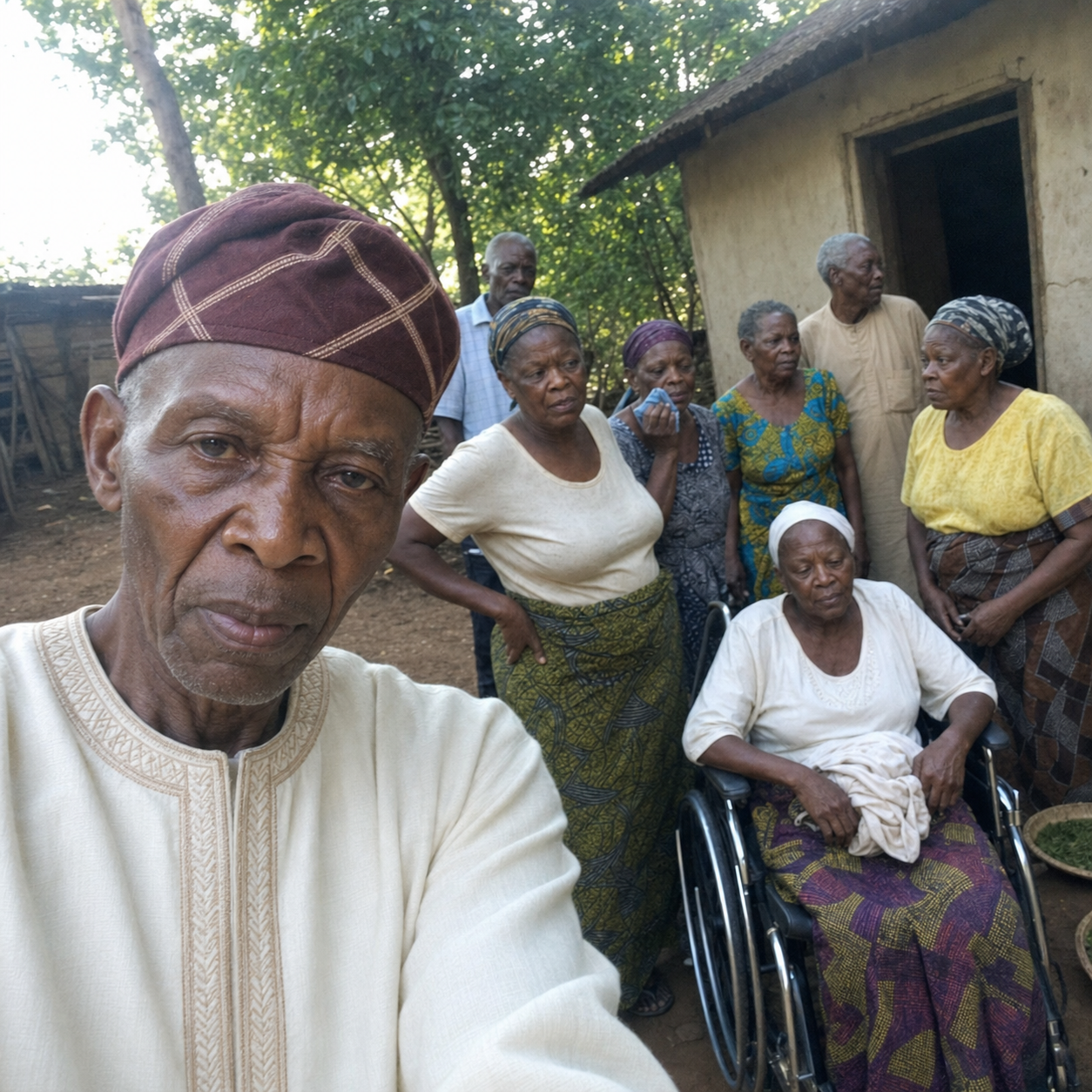
Ran for 1 day, from July 27 to July 28, 2026, the last day Crush saw it.
Run by Move Without Pain on Facebook. Crush is not the advertiser and does not verify its claims. See this ad in Meta's Ad Library(opens in a new tab)
Want an ad like this for your product?
Crush makes new ad images for your product from this ad: your logo, your product photo, your offer.
Trials from $19.95 USD, then $79.95 USD a month. Cancel anytime.
About this ad
- Meta Ad Library ID
- 2114178372857209
- Platforms
- Relaunches
- 1
Ad text
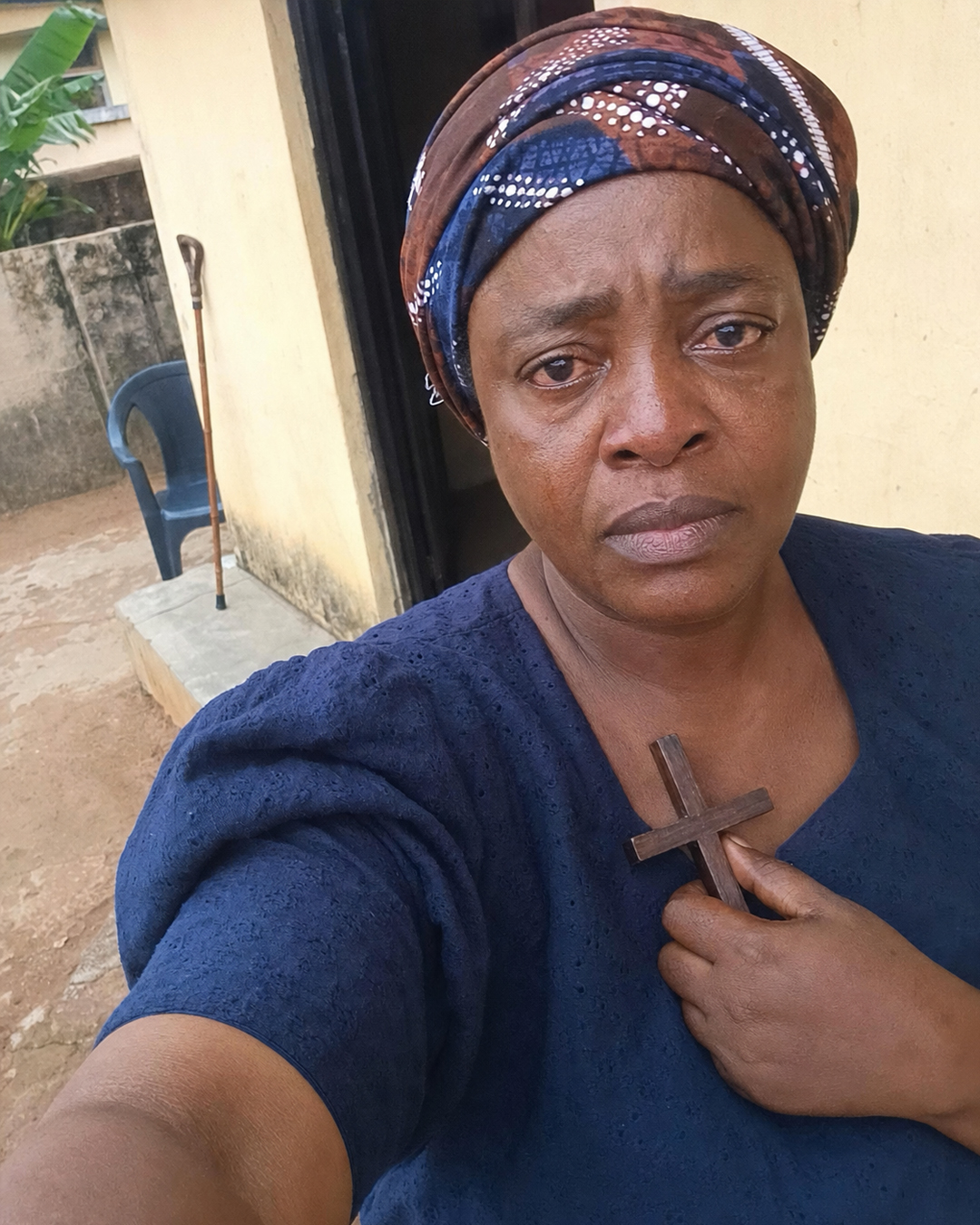
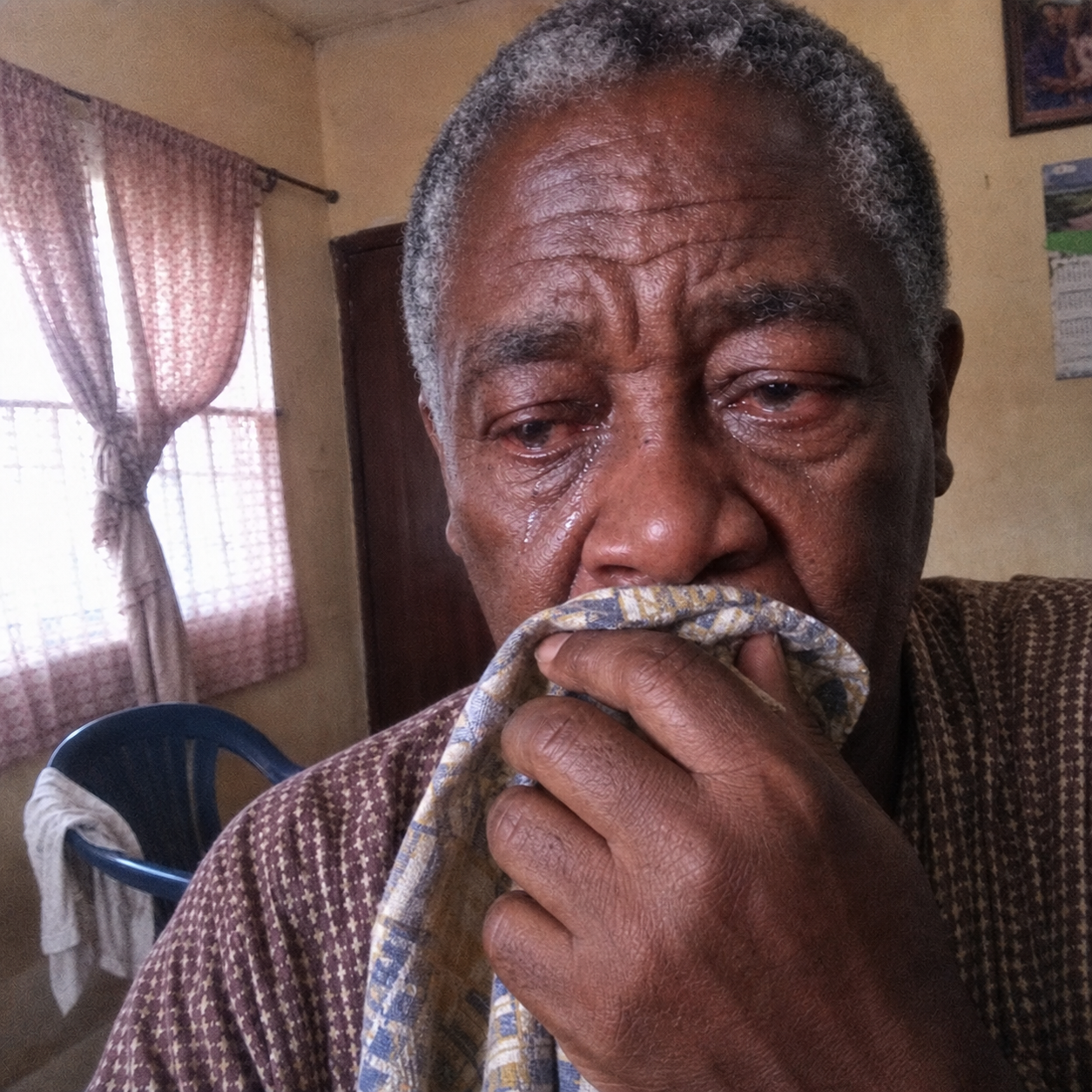
THEY COME FROM EVERY PART OF NIGERIA. MY WAITING LIST IS EIGHT MONTHS. SOME PEOPLE DO NOT LIVE LONG ENOUGH TO REACH ME. Yesterday, a woman called from Calabar. She was crying so badly that I could hardly understand her. She told me her mother had entered my waiting book in March. The woman died in August. She did not live long enough for her turn to come. I ended the call and sat beneath the tree in silence for a long time. I am seventy-four years old. I have worked as a traditional bonesetter for forty-seven years. And I still cannot become used to calls like that. People call me Baba Abise. I live in an old family compound outside Ibadan, several hours from Lagos depending on the traffic and the road. My great-grandfather treated farmers, hunters and traders before modern hospitals reached many of our communities. My grandfather treated people who were carried home from farms and building sites. My father worked through the years when people travelled for hours on bad roads because somebody had told them there was an old man who could make a dead leg answer again. I am the fourth generation. I am not a hospital doctor. I have no glass reception desk. I have no air-conditioned clinic. I have this compound, wooden benches beneath an old tree, trays where leaves dry in the sun, and hands that were trained by the hands of my father. In forty-seven years, thousands of people have passed through this place. I did not count all of them. I did not build a computer database. I listened. I examined. I worked. Backs. Knees. Hips. Shoulders. Swollen joints. Stiff fingers. People who had stopped walking to church, stopped going to the market and finally stopped leaving one room. That is the work my father taught me. His father taught him. And the old man before him taught the family. Now I will tell you three stories. Not the strangest cases. The common ones. I see cases like these every week. FIRST STORY — MAMA ADESUWA FROM BENIN CITY. They brought her in October last year. Her son carried her from the car to my veranda in his arms. Not supporting her. Carrying her like a child. She was sixty-three, a retired primary-school teacher who had spent thirty-eight years standing in front of a blackboard. Her back failed five years earlier. Two damaged discs. Severe stiffness. Swollen knees. Pain running from her lower back into both legs. Doctors had discussed an operation that would cost several million naira. She refused because she was afraid. She had reason to be afraid. I have seen what happens when an operation does not return what the patient was promised. For two more years she walked. First with a stick. Then with a walking frame. Then the wheelchair. Her son, Osahon, heard about me from a driver whose father had come here. He put her name in the waiting book. They waited seven months. By the time he carried her through my gate, she had not stood for three months. Her legs would not carry her. Her back would not straighten. I looked at her. Then I looked at her son. A grown man of forty-one was standing on my veranda and crying like a small boy. I told him, “Leave Mama here for two weeks. When you return, you will not carry her back to the car.” He left. The first three days, I worked with her body and helped her make small movements. No violence. No forcing through sharp pain. I also gave her the joint formula we used at the compound and made sure she followed it every day. On the fourth day, she sat up from the bed without anybody lifting her shoulders. On the seventh, she stood beside the wall. Her hands were shaking. But she was standing. On the tenth day, she walked through the passage. Slowly. One foot, then the other. But by herself. Her son returned after two weeks. Mama Adesuwa met him at the veranda. On her own legs. He stopped beside the car and could not move. Then he ran towards her, held her and both of them began to cry. I stood in the doorway watching. After forty-seven years, I still cannot become used to that moment. Before they left, I told her to continue the complete course at home and not stop because the first relief had come. “The joint did not deteriorate in four days,” I said. “Do not expect the work to finish in four days.” She called after one month. “Baba, I went to the market by myself. No stick.” After three months, her son sent me a video. Mama Adesuwa was dancing at her granddaughter's birthday. The teacher who arrived in her son's arms was dancing. SECOND STORY — CHINEDU FROM LAGOS. This man drove himself here in a large SUV. Fifty-two years old. Building contractor. Fine shirt, expensive watch, confidence in his voice. He said, “Baba, I do not believe in traditional methods. But they have scheduled surgery on my spine. Two damaged discs and a compressed nerve. The total cost is more than ₦8 million. The doctor said that without surgery I may lose the use of one leg. My business partner told me you helped his father-in-law. I decided to try. If nothing changes, I will do the operation.” I asked whether he brought his scans. He had everything. MRI images, reports, prescriptions, discharge letters. One thick file. I studied the papers and watched how he lowered himself into the chair. “Two weeks,” I told him. “Follow everything. If there is no result after two weeks, go back to your surgeon.” He agreed. During the first week, we worked every day. Careful movement. Work around the back and hips. The compound formula morning and evening as instructed. He complained. He gritted his teeth. But he continued. On the fifth day, he said, “Baba, the pins and needles in my leg are not as strong.” On the eighth day: “I slept through the night. First time in six months.” On the twelfth day, he stood and said, “I want to walk outside.” He crossed the veranda. Went down the steps. Reached the gate. Then came back. He stood looking at the trees for a long time. Then he turned to me. “Baba, I do not understand what you are doing. But something is working.” He left after two weeks with enough of the formula to continue the course. One month later, he called. He had returned to the specialist for another examination. The doctor looked at him walking, reviewed the new assessment and asked, “What have you been doing?” Chinedu did not explain. He asked only, “Do I still need the operation now?” The doctor remained silent. Then he said, “Not now. Continue monitoring it and come back.” Six months later, Chinedu came to see me again. Not because he needed to be carried. Only to talk. He brought a large basket of fruit and one bottle of wine. I do not drink, but I accepted it so I would not insult him. He told me, “Baba, all my life I believed only money and hospitals could solve a problem. You changed the way I see things.” I answered, “I did not change your eyes. Your own legs changed them.” THIRD STORY — THE ONE THAT WAS HARDEST FOR ME. Mama Grace, sixty-eight, from Abuja. Her daughter Ngozi brought her. But first, you must hear what happened before. Ngozi called me almost one year earlier. She was crying. Her mother was in a wheelchair. Ngozi had work, three children and a husband who was becoming angry because every night was disturbed. She had decided to place her mother in a private old people's home. “Baba, can you help her? Even if it is only small?” I said, “Bring her. The waiting time is eight months.” “Eight months? Baba, Mummy cannot survive like this for eight months.” I remained quiet. What could I say? I am one old man. I have two hands. I can receive only three or four serious cases in one week. My body cannot do more. Ngozi placed her mother in the old people's home. Three months later, she called again. “Baba, Mummy is dying. Not only her body. Her spirit. She lies facing the wall. She hardly eats. She does not speak. She keeps saying we should allow her to go. How much longer?” I opened the waiting book. “Four more months.” She cried and ended the call. Four months later, they came. Mama Grace was brought out of the vehicle on a stretcher. She weighed about forty kilos. Bone covered with skin. Empty eyes. She did not look at me. She did not look at anybody. Ngozi stood beside her crying. I held Mama Grace's hand. She gave no response. “Leave her for three weeks,” I said. “If she does not begin to stand in three weeks, then I will know her body has refused.” Ngozi left. During the first week, Mama Grace did not speak. She would not look at me. We persuaded her to eat. We persuaded her to drink. We helped her follow the formula and moved her legs gently while she stared at the wall like a piece of wood. On the eighth day, I sat beside her bed. I did not speak. I simply sat there. She turned and looked at me for the first time. “Why are you doing this?” “Because I can.” She turned back to the wall. But I had seen something return inside her eyes. On the tenth day, she asked, “Baba, is it time again?” We continued. I told her about my father, my grandfather and the people who had entered the compound believing their lives were finished. She listened. On the twelfth day, she sat on the edge of the bed by herself. First time in one year. On the fifteenth, she stood while holding my arms. On the eighteenth, she walked across the room. Three steps. She stopped and looked at me. “Baba, I want to live.” I nodded. “Then live.” Ngozi returned after three weeks. Mama Grace met her with a stick. But by herself. On her own legs. Ngozi fell to her knees in the yard. She held her mother around the legs and cried. “Mummy, forgive me. Forgive me for the old people's home. Forgive me for everything.” Mama Grace touched her daughter's head. “My daughter, it was not your fault. You were tired. I understand.” They left together. One month later, Ngozi called. Her mother was living with her again. Walking around the house. Cooking small meals. Sitting with the grandchildren. “Baba, you returned my mother to me. I do not know how to thank you.” I answered, “Do not thank me. Live together.” These are three stories among thousands. Every week, three or four stories like this. For forty-seven years. But I am tired. I am seventy-four. My hands are no longer the same. My own back hurts. Yes, the bonesetter also has back pain. God has a sense of humour. My eyes do not see as sharply. My strength is leaving little by little. But the waiting time remains eight months. And every month, somebody calls about a person who could not wait. I cannot receive everybody. My body cannot do it. That knowledge was eating me alive. Three years ago, a young doctor came to the compound. Doctor Chukwu. Thirty-one years old. He worked in a private hospital in Lagos. Good career. Good salary. He said, “Baba, I want to learn from you.” I laughed. “You are a doctor. You have certificates, machines and a salary. What do you want with an old man's leaves?” He answered, “I spent years in hospitals. Do you know how many patients return worse after treatment? I prescribed tablets, injections and rest. Some improved for a few hours and returned. But people enter this compound unable to stand and later walk out. I want to understand why.” He stayed. For two years, I showed him what my father had shown me. The plants. The combinations. The timing. The difference between temporary relief and supporting a joint through a complete course. Doctor Chukwu approached it differently. He wrote everything down. Measured everything. Compared batches. Studied the ingredients and what they did inside the body. After one year, he told me, “Baba, it is not magic. Turmeric and ginger help calm the inflammatory environment and support circulation. But the joint also needs structural materials. Glucosamine and chondroitin support cartilage and joint tissue. Vitamins E, D3, B9 and B12 support bones, tissue renewal and recovery. If we standardise the amounts in capsules, people can follow the same formula correctly at home.” I asked, “Capsules?” He said, “Your waiting list is eight months. People are dying before reaching you. If we make the formula available in a measured course, they will not need to travel here or wait for your hands.” I thought for one week. Then I said, “Do it.” Doctor Chukwu found a laboratory and reliable suppliers. We worked on the formula until every course contained the same measured combination. It was no longer an old mixture prepared by one tired man in one compound. It became a capsule formula that could reach people across Nigeria. Its name is Hondrexil. More than two thousand people have already requested it through the support programme. They call. They send photographs and videos. People stand from chairs. Return to church. Walk to the market. Leave walking frames beside the wall. I watch the videos and cry. Old foolish man. I cry every time. Because those are people who might not have survived eight months in my waiting book. One year ago, two men came from Lagos. Fine suits. Polished shoes. A vehicle with dark windows. They said they represented a large pharmaceutical company. They offered me ₦280 million for the formula. There was one condition. I would stop receiving people, and Doctor Chukwu would stop making Hondrexil available. I asked, “Why do you want it if you intend to stop it?” One of them said, “Baba, you understand business. A person who recovers is one customer. A person who swallows pain tablets for ten years is steady income.” I stood. Opened the gate. “Leave my compound.” They left. They called Doctor Chukwu separately and offered him ₦350 million. He refused. He told me, “Baba, I did not sit under that tree for two years so I could sell the work and become silent.” I am proud of him. Doctors say they do not believe what happens here. They use words like fraud, placebo and old superstition. Then they bring their mothers after dark. Three years ago, an orthopaedic specialist from Lagos brought his seventy-six-year-old mother. Severe arthritis. Swollen knees. She could barely walk from the car. I asked him, “Doctor, you are the specialist. Why have you not operated?” He remained silent. Then he said, “Because I know how some of these operations end. And a colleague told me about you.” His mother left the compound after two weeks on her own legs. The specialist called one month later. “Baba, I cannot explain everything I have seen. But my mother is walking. Thank you.” A specialist with thirty years of practice could not explain it. My grandfather could. My great-grandfather could. Because they did not begin by asking how to silence pain. They asked why the joint had stopped feeding and repairing itself. I am seventy-four years old. I do not know how much time remains. My father died at seventy-eight. My grandfather reached eighty-three. The old man before him reached eighty-seven. The blood is strong. But these hands are no longer the same. I do not want what four generations taught us to die with me. Doctor Chukwu will continue. He is young. Strong. Intelligent. He can carry the work farther than my legs can now carry me. For now, if your back, knees, hips, shoulders or fingers are troubling you… If doctors are discussing surgery… If you already need a walking frame or wheelchair… If your children are becoming tired and whispering about an old people's home… Do not wait. Do not wait eight months for a place in my book. Do not wait for the bathroom to become dangerous. Do not wait until one room becomes your whole world. Hondrexil can now reach your home within two to three business days, depending on your location. The formula combines glucosamine, chondroitin, turmeric, ginger and vitamins E, D3, B9 and B12 to help reduce inflammation, support circulation and nourishment, strengthen cartilage and support the joint's recovery processes through the complete course. At the moment, the support programme provides Hondrexil with a 50% discount: ₦97,800 becomes ₦48,900 while the allocated stock remains available. Complete the form below with your name and telephone number. A consultant will call to confirm the appropriate course and delivery address. A local courier will bring it to your door. Payment is made on delivery. Follow the complete course as explained by the consultant and in the instructions. Do not stop after the first few days because the pain has become quieter. The joint did not deteriorate in three days. Give the body time to do the work. I helped thousands of people with two old hands. This formula can reach many more. That is how it should be. With respect, Baba Abise Traditional Nigerian bonesetter, 74 Family compound outside Ibadan, Nigeria Tap “Learn More” now and read the full explanation before another month disappears from the life of somebody you love.
Where the ad sends people
healthwise.com
Continue reading ➡︎
Hondrexil - Clinical-Grade Natural Relief for Joint Pain and Arthritis. Trusted by 50,000+ Nigerian Patients. Cash on Delivery Available.
See details: healthwise.quangthuanshop.com(opens in a new tab)