Move Without Pain
Move Without Pain Facebook ad: “HIS SON WANTED TO TAKE HIS HOUSE AWAY”
Ran for 2 days, from July 27 to July 28, 2026, the last day Crush saw it.
Run by Move Without Pain on Facebook. Crush is not the advertiser and does not verify its claims. See this ad in Meta's Ad Library(opens in a new tab)
Want an ad like this for your product?
Crush makes new ad images for your product from this ad: your logo, your product photo, your offer.
Trials from $19.95 USD, then $79.95 USD a month. Cancel anytime.
About this ad
- Meta Ad Library ID
- 2522090674921985
- Platforms
- Relaunches
- 0
Ad text
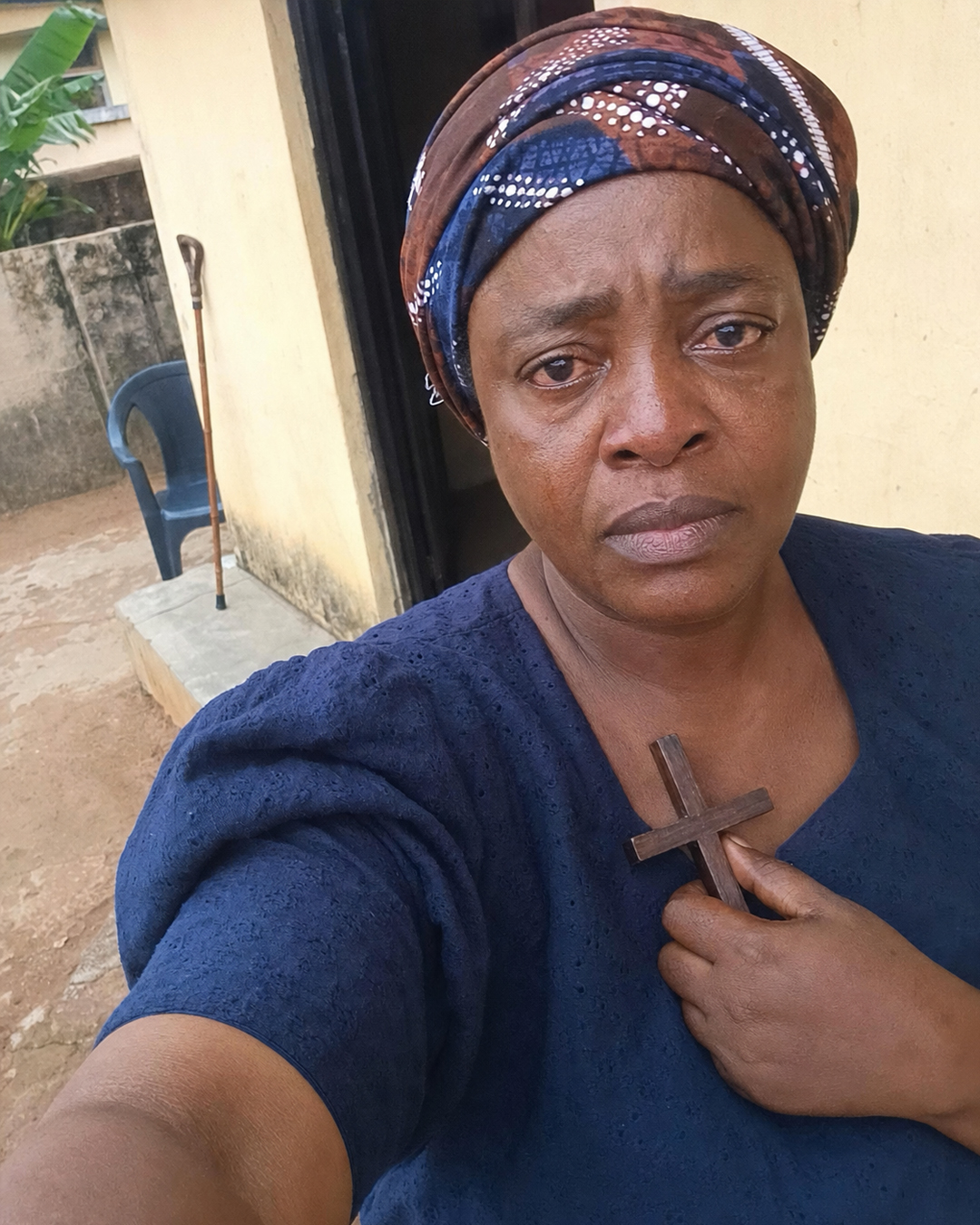
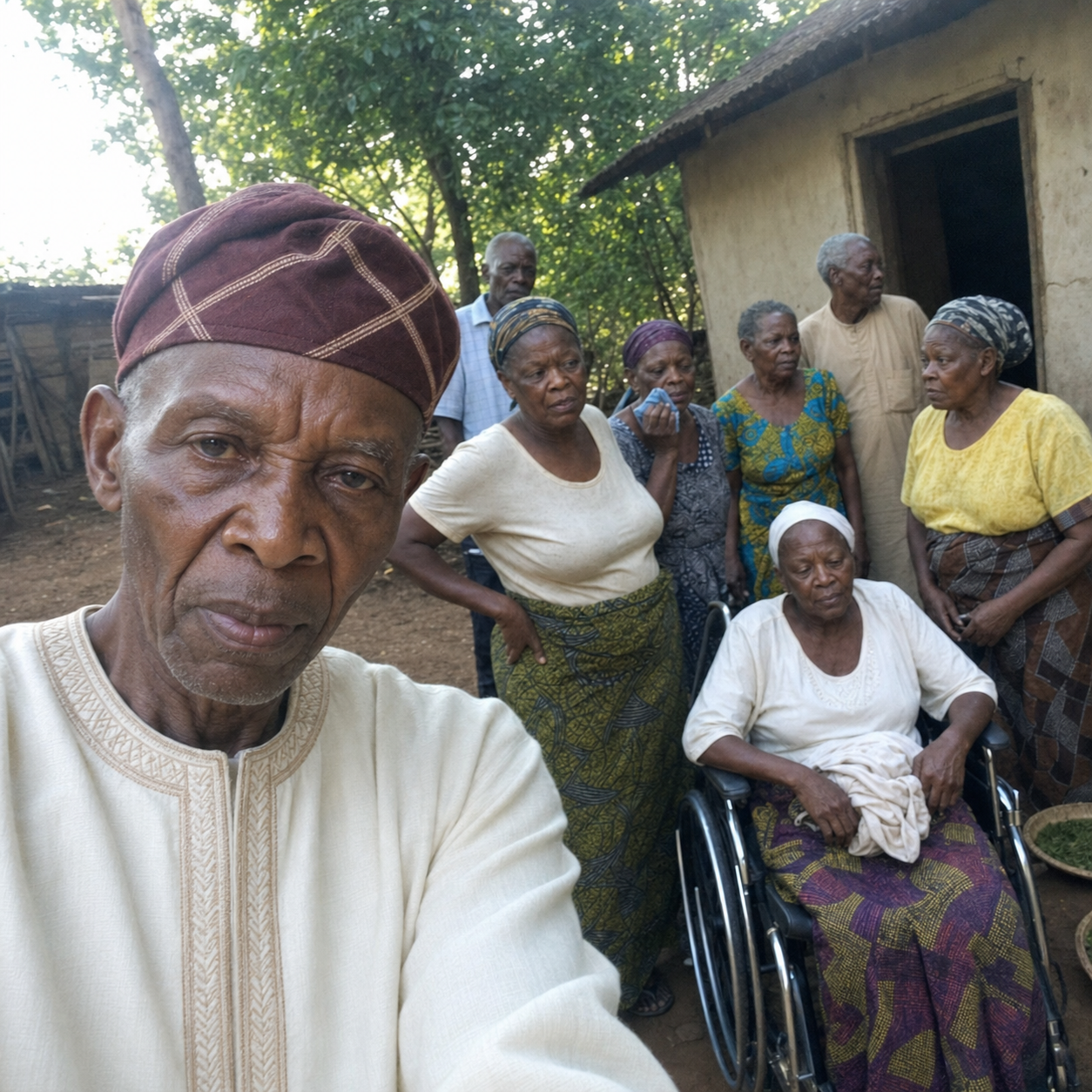
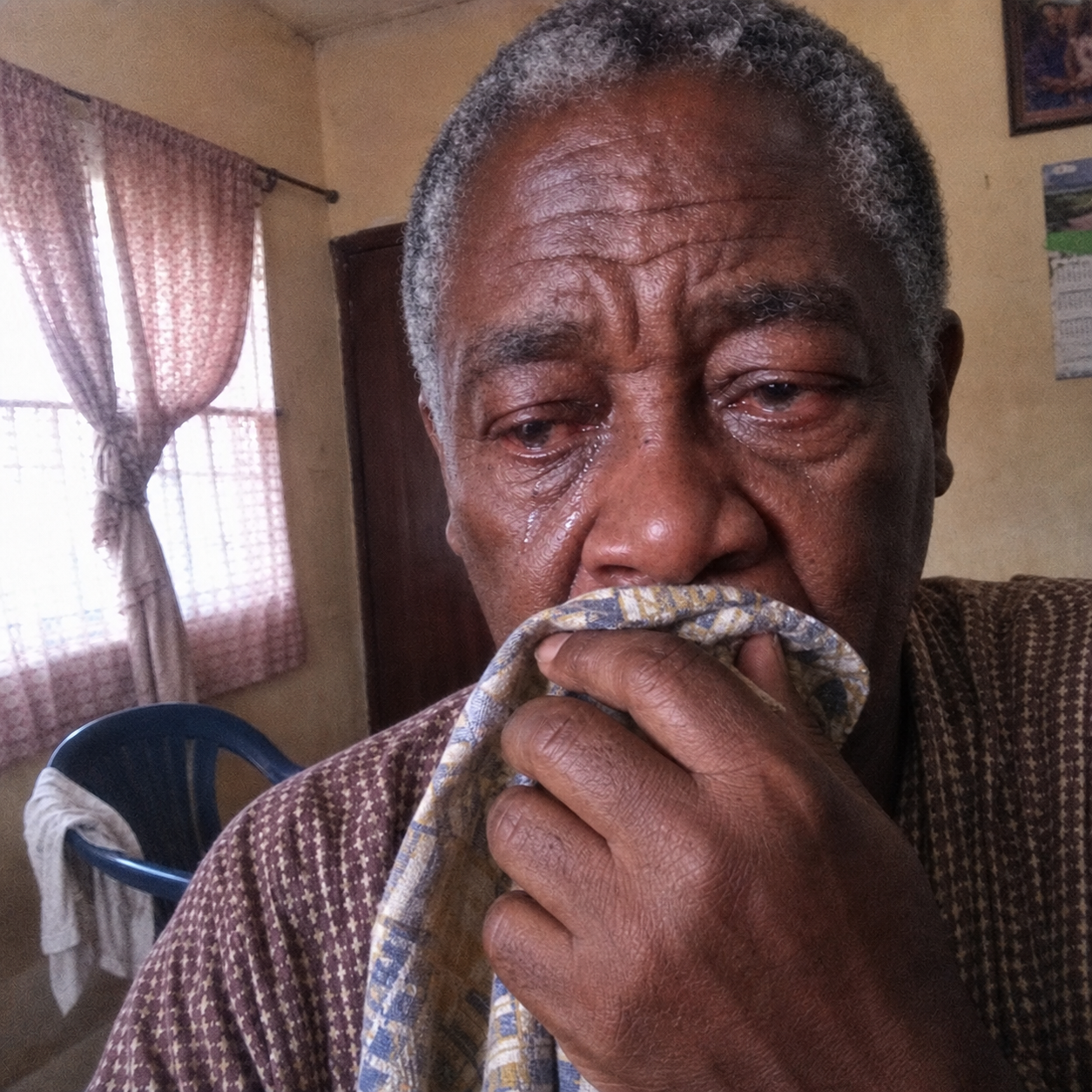
MY SON TOOK ME TO THE HIGH COURT TO TAKE CONTROL OF MY HOUSE AND PENSION. 30 DAYS LATER, I WALKED INTO THE COURTROOM ON MY OWN FEET — AND HIS MEDICAL REPORT FELL APART. My name is Akinwale Balogun. I am 73 years old and I live in Ibadan. For forty-one years, I worked with steel. I started as a welder and later became a foreman in factories around Oluyole Industrial Estate. I carried iron plates that two young men would complain about today. I stood beside furnaces until sweat soaked my overalls. When a machine frame bent, people called me. At work, they did not call me Akinwale. They called me Iron Man. And three years ago, my own son carried a medical report to the High Court saying Iron Man could not even rise from a chair without help. My wife, Morayo, died five years ago. Cancer. After she was buried, the only things left to me were the house we had built little by little, the compound, the mango tree we planted when our son Tunde was born, and my pension of ₦112,000 a month. That house took us fourteen years to finish. One salary bought blocks. Another paid the bricklayer. When money finished, the walls waited until the next month. Morayo sold food beside the road and kept every small profit in a metal tin beneath our bed. On weekends, I mixed cement myself. The house was not just property. It was forty years of our lives standing on one piece of land. As I later discovered, it was also enough for my own son to decide that I should no longer control my affairs. My knees and hips had been troubling me for almost six years. Four decades of standing on concrete, lifting steel and breathing factory heat do not leave a man quietly. At first, I blamed age. Which old factory worker does not walk with one small complaint? I would rub the knees, sit for ten minutes and continue. Iron Man was old, but still stubborn. Then the joints began swelling. I could no longer squat. I would start climbing the steps into my house and freeze halfway, gripping the rail until the pain released me. At night, the pain woke me four or five times. One morning, both legs failed in the passage. I fell onto the cold floor and remained there for almost two hours. My phone was on the table. I could see it, but I could not reach it. I dragged myself with my elbows until my fingers touched the charging cable and pulled the phone down. That day something inside me broke. At the hospital, they examined my knees and hips and sent me for scans. The doctor placed the images against the light. “Mr Balogun, the cartilage in your knees and hips is badly worn. You have advanced degenerative changes. You may eventually need joint-replacement surgery.” I asked how much. He said private treatment for several joints would run into many millions of naira, before rehabilitation and medication. In my savings account, I had ₦640,000. “What happens if I cannot do the operations?” The doctor looked at my walking stick. “If the deterioration continues, you may lose the little mobility you still have. A wheelchair can become necessary.” From that week, I became what we call the man at the window. I sat in the parlour looking into the compound and watching the mango tree move in the wind. Church became too far. The market became too far. Even the bathroom at the end of the passage became a journey I feared. Then Tunde came from Lagos with his wife, Kemi. Tunde works in advertising. He drives a fine car, wears expensive shoes and is always complaining about loans. Kemi entered the house and started looking at the ceiling, the windows and the size of the compound. She did not look at me the same way. She looked like somebody inspecting a property she wanted to price. Tunde sat at my table. “Daddy, let us speak honestly. You cannot look after yourself again. You fell and stayed on the floor for two hours. God forbid, next time you may break your hip and die here before anybody knows.” I told him I was managing. He shook his head. “This house is too much for you. We will ask the High Court to appoint me to manage your affairs and property. Then I can handle your pension, arrange proper care and apply for permission to sell the house. We have seen a good old people's home outside Ibadan. They have attendants and nurses. You will be safe there. At least all of us will sleep with peace of mind.” All of us. Not me. I asked him what would happen to my compound and Morayo's house. He said, “Daddy, sentiment cannot solve a practical problem.” I said no. This was my house. My wife and I built it. I would not leave it because my knees had become weak. Tunde shrugged and left. Two weeks later, a court document arrived. My son had filed an application asking the High Court to place the management of my affairs and property under his control. He said I could no longer care for myself, understand financial decisions or manage my pension safely. He attached the report about my fall and difficulty walking. That night, I sat beneath the kitchen light and read the papers again and again. My son. The boy I taught to ride a bicycle beneath that mango tree. The boy who held my finger during his mother's burial. That same boy had written to a court that his father was no longer capable of deciding where to live or what should happen to his own house. A medical assessor came the following week. She asked my full name, the date, the amount of my pension, how I paid the electricity bill and which medicines I used. I answered every question. Then came the most humiliating part. She asked me to rise from the chair and walk to the window. I placed both hands on the armrests. The knees locked. Pain entered my hips like a hot knife. I lost my balance and caught the edge of the table. She wrote everything down. “Unable to move independently and requires assistance with several daily activities.” That sentence became Tunde's strongest weapon. And I had given it to him with my own body. Kemi called that evening. “Daddy, do not disgrace yourself in court. Agree that Tunde should manage things. The old people's home is clean. You will eat regularly and spend your final years in comfort.” My final years. She had already placed me at the end of my own life. The hearing was fixed for 12 March. I had five weeks to show that I could still stand inside my own decisions. But I could not even stand from a chair. For two days, I considered surrendering. Let them take the house. What does an Iron Man need with a compound if he spends every day trapped beside one window? Then, on Saturday afternoon, Baba Kayode walked through my gate. Kayode had been my shift supervisor. We spent more than thirty years in the same heat, shouting above the same machines. The last time I saw him, he was using two crutches. Both knees were swollen. His children were already discussing who would bathe him and who would take him to the toilet. I believed he had become bedridden. But there he was, walking through my compound. Alone. Straight-backed. He carried a stick, but he was using it like a man carrying an umbrella, not like a man holding onto life. I almost shouted. “Kayode, you could not walk.” He sat opposite me, dropped the stick and laughed. “This thing? I carry it so young people will give me space.” Then he stood, held the doorframe and lowered himself into a squat. All the way down. He rose again. With the same knees doctors had wanted to replace. “I heard about the court matter, Iron Man,” he said. “Carmen from the next street told my daughter. You are a stubborn fool for keeping quiet.” I asked what had happened to his legs. He told me that his family had taken him to a compound known for traditional bone-setting, where an older practitioner called Baba Abise listened to people whose joints had stopped carrying them. Baba Abise did not promise that a seventy-year-old knee would become the knee of a boy overnight. He explained why so many people remained trapped in the same cycle. Pain tablets could silence the warning for some hours. A person would feel better, move more and continue overloading tissue that was already damaged. But inside the joint, inflammation could remain. When inflammation continues, circulation and nourishment around the joint suffer. The natural fluid that helps the joint move smoothly becomes insufficient. Cartilage loses elasticity and cushioning, and every movement creates more friction and wear. “That was my problem,” Kayode said. “I was treating the noise, not what was producing it.” Baba Abise's family had used turmeric, ginger and other natural materials for joint discomfort for generations. But the old preparations were not always consistent. One batch could be strong, another weak, and people did not know the correct amount to use. The traditional observation was later combined with modern structural nutrients in a measured capsule formula that could be followed correctly at home. That formula was called Hondrexil. Turmeric and ginger helped calm the inflammatory environment and support circulation around the joint. Glucosamine and chondroitin supplied structural materials used by cartilage and joint tissue. Vitamins E, D3, B9 and B12 supported bones, tissue renewal and the body's recovery processes during the complete course. The idea was not to numb the knee for one afternoon. It was to reduce what was feeding the inflammation, improve nourishment inside the joint and support the recovery and strengthening of cartilage over time. Kayode took out his phone and showed me a photograph from two months earlier. He was sitting in a wheelchair with both legs stretched forward. “Order it, Akinwale,” he said. “You can pay the courier when it reaches your door. No advance payment. Follow the full course. What else do you want to lose? They are already preparing to let another person speak for you.” I ordered it that evening. Not because I believed every word. I ordered because I had known Kayode for thirty years. I had seen him on two crutches, and I had just watched him squat in my doorway. A consultant called, asked about my age and condition, explained the appropriate course and confirmed my address. Hondrexil arrived by local courier. I paid when it reached my hand. I followed the directions the consultant had given me and took the capsules every day with food. The first few days, nothing dramatic happened. My knees still hurt. I still used both hands to rise. I still woke at night. But on the fourth morning, the stiffness was different. Normally, it felt as if somebody had tied rope around both knees during the night. That morning, the rope was not so tight. On the seventh day, the swelling around my right knee looked smaller. That night, I slept until morning without waking from the burning in my hips. During the second week, I stood from the chair without pulling on the table. Only once. Then I sat down and did it again. I walked from the parlour to the window and back ten times. The same window where I had spent months watching other people live. I placed my forehead against the glass and cried. Iron Man had not cried when his own mother was buried. But that morning, I cried because my legs had answered me again. By the third week, I could walk into the compound with a stick. I reached the mango tree Tunde had planted with me as a boy. I stood beneath it for a long time. Then I climbed the two steps into the house without anybody pushing me from behind. The hearing was getting closer. Every morning, I practised standing from the chair, walking across the parlour, turning and sitting again. Not because walking alone would prove that I understood my affairs. But because I would not allow pain to become evidence that my mind belonged to another person. By the thirtieth day, I could cross the compound without anybody lifting or holding me. I was still careful. I was not twenty years old. But every step belonged to me. 12 March. Nine o'clock in the morning. High Court of Oyo State, Ibadan. Tunde and Kemi were already sitting with their lawyer, a folder of papers and the medical report saying I could not move independently. They expected somebody to push me into the courtroom. Kemi even turned towards the door when it opened, as if looking for a wheelchair. But I entered by myself. On my own feet. Without a stick. I wore the dark suit I had last worn at Tunde's wedding. I crossed the room slowly, stood straight and sat opposite my son. The colour left his face. The judge looked down at the papers and then at me. “Mr Balogun, do you require assistance to sit?” “No, My Lord. I worked with steel for forty-one years. I can manage this chair.” When I was asked, I stood and walked across the courtroom. There and back. Then the judge asked why I was there, how much pension I received, which bills I paid each month and what I wanted to do with my house. I answered without hesitation. From my folder, I brought out my bank statements, paid electricity receipts, the house documents and a handwritten list of my medicines and the times I took them. I explained that pain had made some physical tasks difficult, but I understood my money, my property, my choices and the consequences of signing any document. I also explained that needing help to reach a bathroom did not give my son the right to sell the home his mother and I had built. The judge read the assessor's report again. Then he placed it beside my documents. “The application is dismissed. Physical difficulty does not, by itself, establish inability to understand or make decisions. I find no sufficient basis to place Mr Balogun's affairs or property under another person's control.” Tunde stood quickly. “Daddy, wait. You do not understand what we were trying to do.” I turned towards him. “I understand everything, my son. Better than you believed. I will decide what happens to my house. And when the time comes, it will go to Damilola.” Damilola is my grandson. Tunde's son. He is fifteen. During all those months, he was the only one who called simply to ask whether I had eaten. He never called me a burden. I did not celebrate because my son lost. No father enjoys defeating his own child in court. But that morning, I walked out carrying my house documents in my own hand. Nobody was taking me to an old people's home. Nobody was controlling my pension. Nobody was speaking over me while I sat in the next room. Today, I am in the third month of the course. My knees and hips no longer control the day. I spend hours in the compound. I tie my shoes myself. I sleep through the night. Last week, Kayode brought a thin metal rod and challenged me. I bent it across my knee. He nearly fell from the bench laughing. I will not tell you that a capsule made me twenty years old or repaired four decades of factory work overnight. I still respect my age. I still move carefully when the ground is wet. Some mornings the joints remind me of the years I spent on concrete. But I am no longer trapped beside one window while other people decide what to do with my life. My neighbour, Pa Samuel, saw me cutting weeds in the compound and asked what had changed. He had already started discussing surgery because his hip pain made him sleep in a chair. He ordered Hondrexil and followed the course recommended during the consultant's call. Three weeks later, he walked to church without stopping twice on the road. That was enough for him to begin believing in his own legs again. My people, especially men who have been strong all their lives, listen to me. I know the humiliation of placing both hands on a chair and still failing to rise. I know what it means when your own children begin speaking slowly to you, as if pain has entered your brain. I know how quickly “Daddy needs help” can become “Daddy should no longer decide.” Joint pain does not only take away walking. It can take the church, the market, the compound, the bathroom, your work and finally your voice inside your own family. A knee begins clicking. The back becomes stiff in the morning. The hip starts hurting after a short walk. You take tablets from the chemist and the pain disappears for a few hours. But if the inflammation and cartilage wear continue inside, the freedom you lose may not return by itself. Do not wait until one room becomes your whole world. Do not wait until your children start discussing where to send you. And do not assume that because pain tablets are quieting the warning, the joint is recovering. Hondrexil is intended to work through a complete course. Its formula combines glucosamine, chondroitin, turmeric, ginger and vitamins E, D3, B9 and B12 to help reduce inflammation, support circulation and tissue nourishment, strengthen cartilage and support the joint's recovery processes. It is not sold on ordinary pharmacy shelves. It is distributed through the online support programme connected with Baba Abise's method. At the moment, Hondrexil is available through the programme with a 50% discount: from ₦97,800 to ₦48,900, while the reserved stock remains available. Tap the blue “Learn More” button below. You will see Baba Abise's full explanation of what happens when inflammation, lack of joint fluid and cartilage wear begin stealing your movement, why temporary pain relief may not stop the deeper deterioration, and how the complete Hondrexil course supports the joint from inside. If you submit a request, a consultant will call to confirm the appropriate course and delivery address. A local courier will bring it to your door, and payment is made on delivery. Do it while you can still decide for yourself. Within a year, the chair beside your window may become the place where your family begins making decisions without you. I waited almost six years. That is why I nearly lost my legs, my house and my right to speak for myself. Do not repeat my mistake while you are still standing. May God protect you and keep strength in your legs. Akinwale Balogun, 73 Retired steel worker, Ibadan, Nigeria
Where the ad sends people
healthwise.com
HIS SON WANTED TO TAKE HIS HOUSE AWAY
Hondrexil - Clinical-Grade Natural Relief for Joint Pain and Arthritis. Trusted by 50,000+ Nigerian Patients. Cash on Delivery Available.
See details: healthwise.quangthuanshop.com(opens in a new tab)