Move Without Pain
Move Without Pain Facebook ad: “Continue reading”
Ran for 1 day, from July 27 to July 28, 2026, the last day Crush saw it.
Run by Move Without Pain on Facebook. Crush is not the advertiser and does not verify its claims. See this ad in Meta's Ad Library(opens in a new tab)
Want an ad like this for your product?
Crush makes new ad images for your product from this ad: your logo, your product photo, your offer.
Trials from $19.95 USD, then $79.95 USD a month. Cancel anytime.
About this ad
- Meta Ad Library ID
- 4458967904380610
- Platforms
- Relaunches
- 1
Ad text
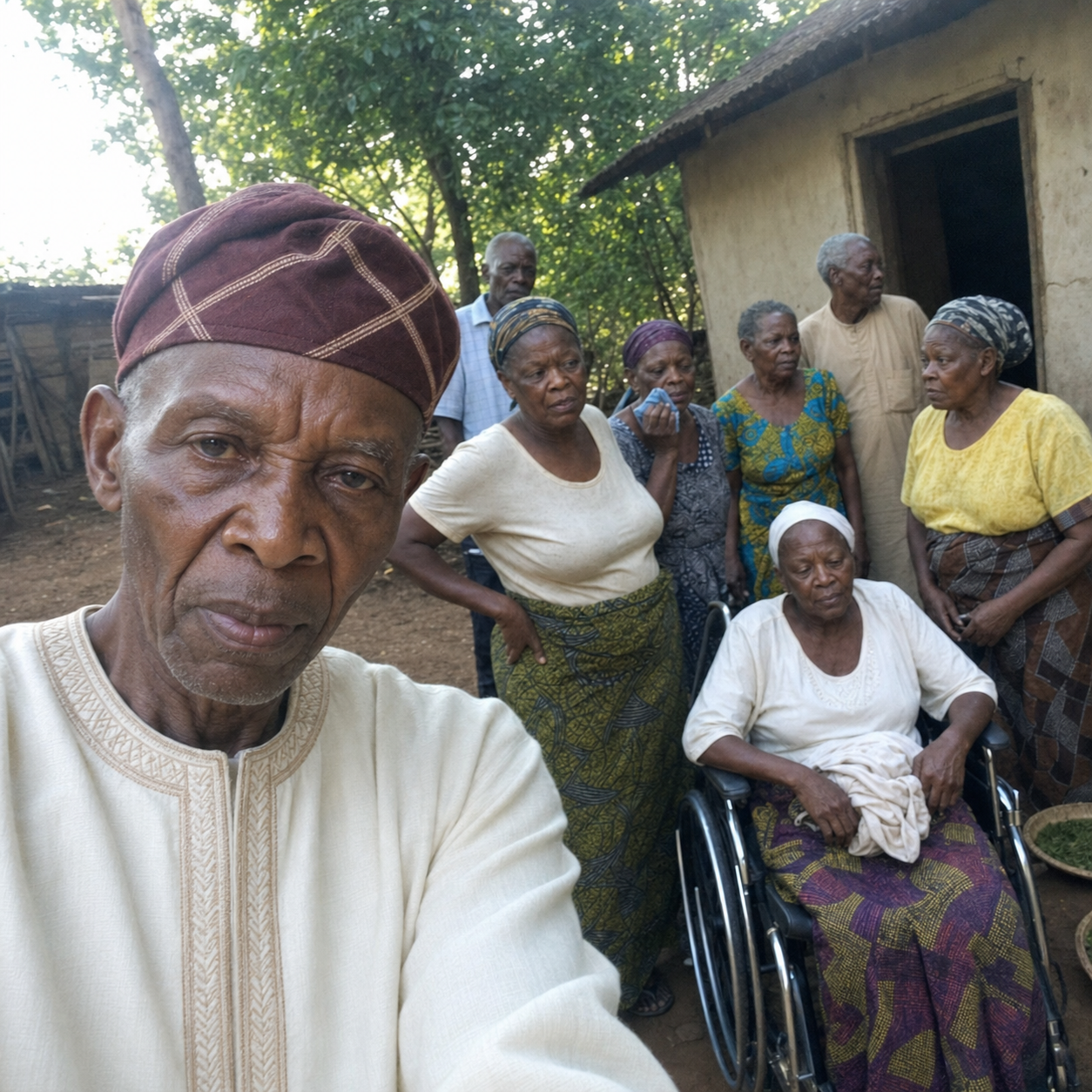
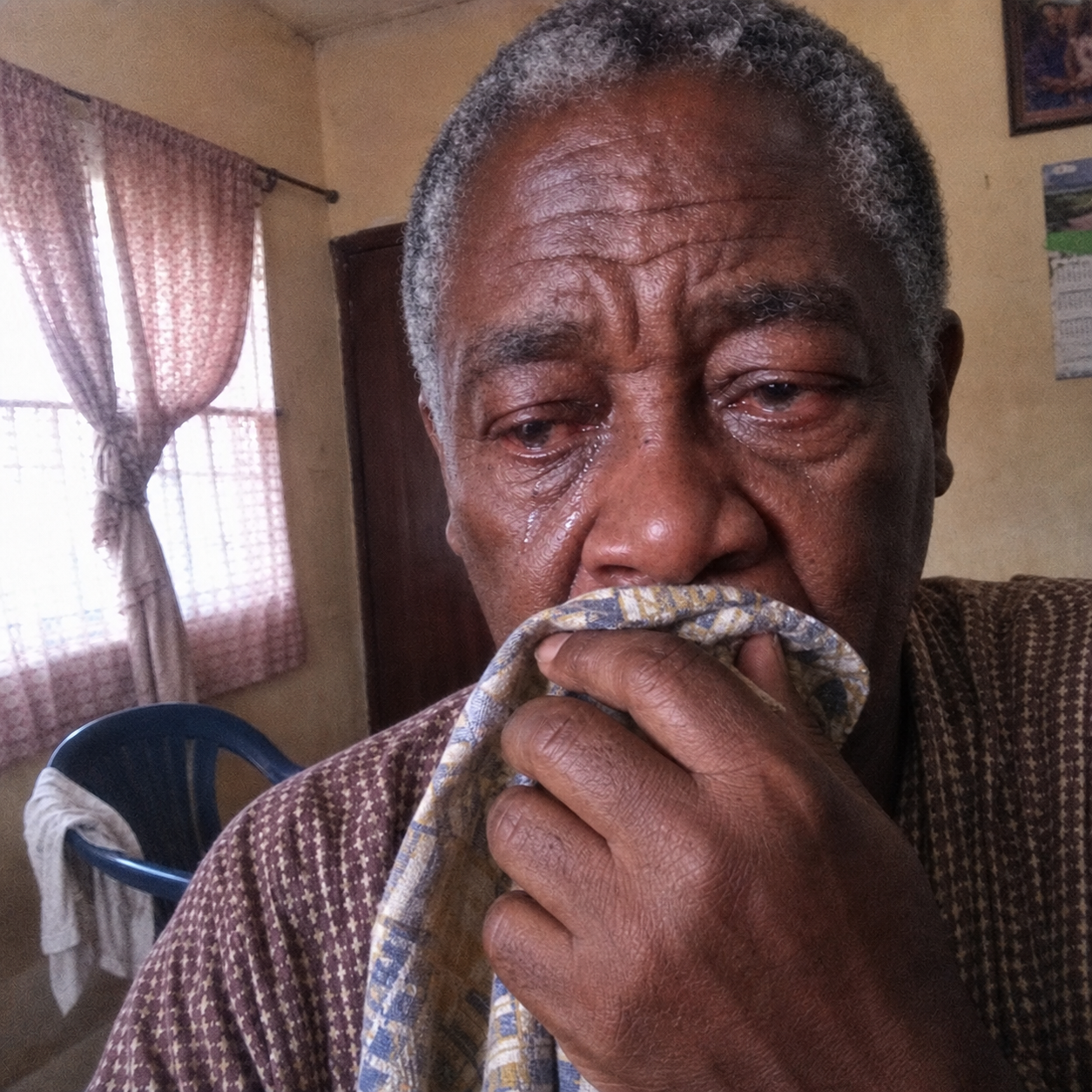
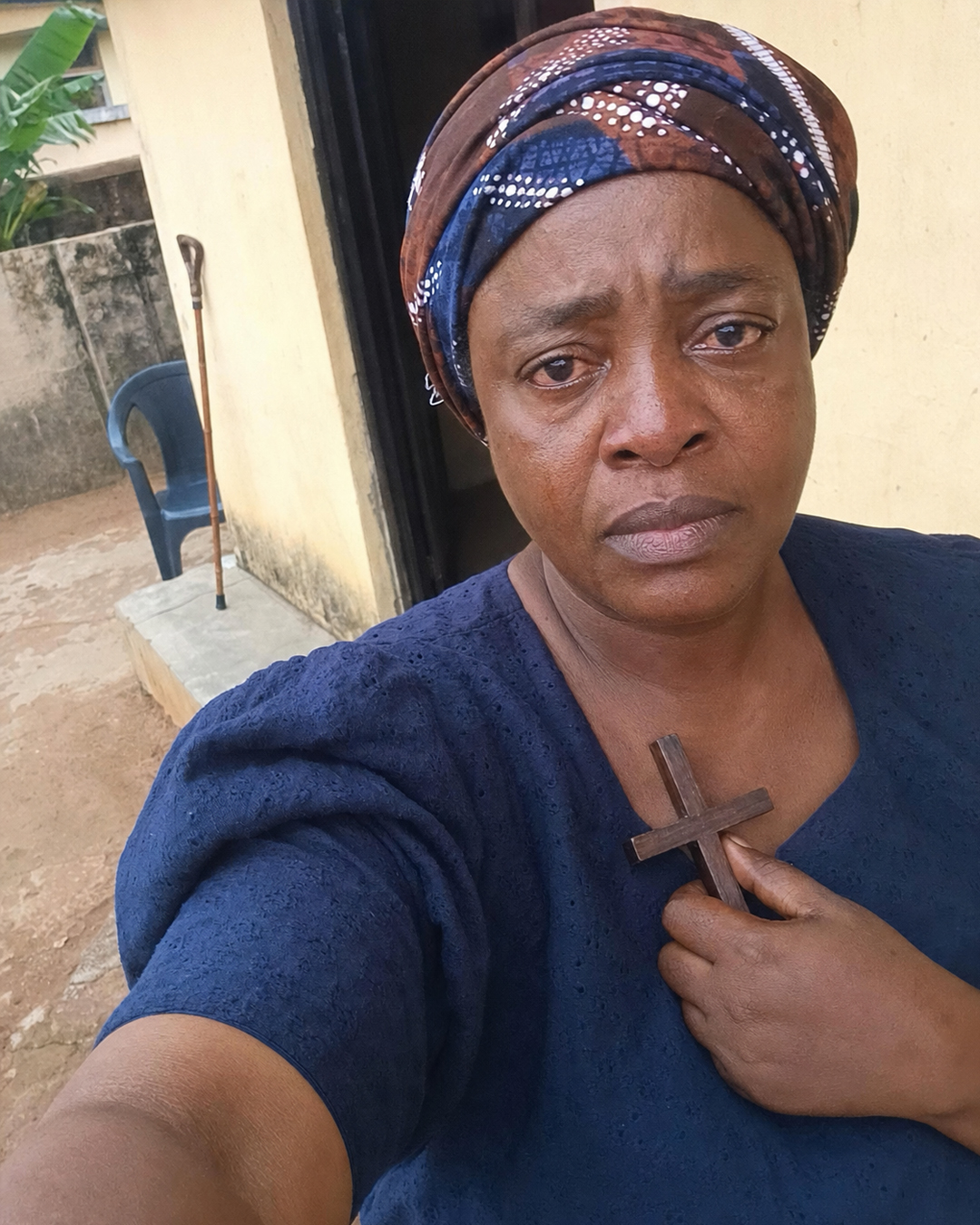
MY BROTHERS GAVE US UNTIL MONDAY TO SEND MUMMY TO AN OLD PEOPLE'S HOME. 30 DAYS LATER, SHE WALKED ACROSS THE COMPOUND WITHOUT ANYBODY LIFTING HER. The evening my brothers decided that our mother should be taken to a old people's home, she was sitting in the next room and heard every word. They thought she was asleep. She was not. My name is Bisi Adeyemi. I am 49 years old and I live in Ibadan. Our mother, Mama Morenike, is 78. For most of her life, she woke before sunrise, tied her wrapper, covered her hair and went to the market. She sold tomatoes, peppers, onions and whatever else she could buy cheaply from the farmers that week. There were four of us children. Tunde, the eldest. Then me. Then Kunle. Then our youngest sister, Sade. Our father died when Sade was only nine. From that day, Mummy became both parents. She stood behind her market table during the rainy season with water around her ankles. She stood there during harmattan when the dust entered her nose and throat. She carried baskets that two younger women would complain about today. When there was no money for all of us to eat meat, she said she was not hungry. When Tunde gained admission, she sold her gold earrings. When Kunle wanted to learn electrical work, she borrowed money from a cooperative society and repaid it little by little for three years. When I got married, she gave me the wrapper she had kept since my father's burial and said, "A woman should enter her new home with something that reminds her where she came from." Mummy never asked us to repay her. She asked only one thing. "When my legs become old, do not leave me alone." We all promised. Promises are easy when the person is still strong enough to cook for you. Mummy's knees began troubling her at 66. At first, it was only a small pain when she stood after sitting for a long time. She would hold the edge of the table, wait for the knee to loosen, then continue as if nothing had happened. Later, the knee started clicking. During the rains, it swelled until the skin looked tight and shiny. She stopped carrying heavy baskets. Then she stopped going to the market every day. Then she stopped attending weekday church meetings because the steps were too much. Whenever we asked, she gave the same answer. "It is old age. Do not worry yourself." We believed her because believing her was convenient. For years, Mummy took pain tablets from different pharmacies. One chemist gave her a white tablet. Another gave her a yellow capsule. Somebody at church recommended an injection. The relief never lasted. Sometimes the pain disappeared for a few hours, and Mummy would sweep the compound or try to cook. By evening, the knee would swell again. Then her stomach began burning. She stopped eating pepper. She stopped drinking tea. Some mornings she said even ordinary water made her stomach uncomfortable. But she continued taking the tablets because the pain in her knees was worse. By 76, she could no longer climb the two steps into the house without holding somebody. By 77, she stopped sleeping in her room because the bathroom was too far away. We moved a small bed into the parlour. Then one morning, she tried to stand and both knees refused. She fell beside the chair. It took three people to lift her. That was when everything changed. The doctor examined her and sent her for tests. When he saw the result, he said the cartilage in both knees was badly worn. "At this stage," he told us, "she may eventually need knee replacement surgery." The cost was more money than any of us could produce quickly. Tunde looked at the floor. Kunle asked whether there was a cheaper hospital. Sade began crying. I asked what we could do before surgery. The doctor prescribed more tablets and told us to reduce her weight, even though Mummy was already becoming thin because she hardly ate. For the next six months, we moved her from one house to another. She stayed with Tunde first. His wife complained that Mummy called too often at night. "Every two hours she wants to use the toilet," she said. "I have work in the morning. I cannot continue like this." Then Mummy stayed with Kunle in Lagos. His flat was upstairs. For eleven days, she did not leave the sitting room because four men had to carry her up the staircase when she arrived. Kunle said it was dangerous to keep moving her. Sade took her next. Sade had a new baby and was already exhausted. One afternoon, she called me from the bathroom and started crying. "Sister Bisi, I cannot do it. Mummy fell when I was bathing her. The baby was crying. I thought all three of us would fall. Please come." So Mummy came to my house. I will not pretend it was easy. My husband helped. My daughters helped. But there were nights when Mummy cried from pain until nobody slept. There were mornings when I stood outside the bathroom door and closed my eyes because my back hurt from lifting her. There were moments when frustration entered my heart. That is the part people do not like to admit. You can love your mother and still become tired. You can remember everything she sacrificed and still feel your body resisting when she calls your name for the fifth time before dawn. But there is a difference between being tired and throwing somebody away. The family meeting happened on a Sunday evening. Tunde came from Akure. Kunle joined by video call from Lagos. Sade sat beside me with the baby sleeping on her lap. Mummy was in the small room next to the parlour. Tunde spoke first. "We have to be realistic. Mummy needs professional care now. Nobody here can provide it properly. There is a private old people's home outside Ibadan. They have attendants. She will be safe there." Kunle agreed. "It is not abandonment. We will contribute money and visit." I asked how often. Nobody answered. Tunde became defensive. "Bisi, do not make us look wicked. You know what everybody is facing. School fees. Rent. Work. We cannot destroy four homes because one person needs constant care." One person. That was how he described the woman who had raised four children alone. Sade whispered, "Maybe only for some months." Before ending the meeting, Tunde gave us a deadline. "I want an answer by tomorrow evening. If we agree, I will pay the deposit on Tuesday morning and reserve the bed myself." The decision was no longer something we could postpone. By Monday evening, Mummy could have an official date for leaving her own home. I looked towards the bedroom door. It was slightly open. Mummy was sitting on the bed. She had heard everything. Her face was wet, but she made no sound. When our eyes met, she quickly wiped her cheeks with the edge of her wrapper. I cannot explain what that did to me. After everybody left, I entered the room. Mummy tried to smile. "My daughter, do not fight your brothers because of me. Maybe the place is good. Maybe I am disturbing all of you too much." "Mummy, you are not going anywhere." She looked down at her knees. "Bisi, I cannot even reach the toilet alone. What kind of life is this?" That night, I sat beside her until she slept. I remembered the promise we made when we were young. When my legs become old, do not leave me alone. The next morning, I called the number of the old people's home. Not to reserve a bed. I wanted to know how much time we had before Tunde tried to arrange everything without me. The woman explained the fees and what we should bring: clothes, toiletries, medication, adult pads. She said one bed was still available, but the deposit had to be paid by Tuesday morning. She spoke kindly. Still, every item sounded like another step towards removing Mummy from her own life. For the first time, the threat was no longer only a family discussion. It had a date. I ended the call and began to cry. That afternoon, our neighbour, Mr Femi, came to return a plastic chair he had borrowed. He saw my face and asked what happened. I told him. He listened quietly, then looked towards the room where Mummy was sleeping. "Before you take her to that home," he said, "carry her to Baba Abise." I almost became angry. "Mr Femi, this is not a broken wrist. The doctors said the cartilage is finished." "I know what they said. They told my father almost the same thing." His father was 74. I had seen him walking to the mosque only the previous Friday. Mr Femi brought out his phone and showed me a photograph from eight months earlier. His father was sitting in a wheelchair with both legs stretched out. "He could not stand," Mr Femi said. "The knees were swollen. We were discussing surgery. Somebody took us to Baba Abise's family compound. Go and hear what the old man will say. If you do not believe him, carry Mummy home again. You have lost nothing." I asked where the compound was. He gave me directions and a phone number written on the back of an old receipt. For two days, I kept the paper inside my handbag. I did not call. I had heard many stories about people who claimed they could heal every illness. I had also seen families waste money because desperation made them believe anything. But on the third morning, Mummy tried to stand and screamed. The sound frightened me. I called the number. A man answered and gave us a day to come. We left before sunrise on Thursday. My husband drove. Mummy lay across the back seat because bending both knees for a long time was impossible. As we left Ibadan behind, the road became narrower. We passed mechanic sheds, cassava farms, small mosques, churches with painted signboards, women selling oranges, and compounds shaded by old trees. Mummy said very little. At one point, she asked: "Bisi, where are you carrying me?" "To see somebody Mr Femi recommended." "Another doctor?" "Not exactly." When we reached the family compound, I nearly told my husband to turn back. There was no hospital sign. No glass reception desk. No white coats. The compound was old but clean. Red earth covered the ground. Wooden benches stood beneath a large tree. Bundles of leaves were drying on woven trays near the veranda. Several walking sticks leaned against one wall. People were waiting. A commercial driver with a bandage around his ankle. An elderly woman rubbing her lower back. A young man whose arm was held in a sling. A farmer sitting with one trouser leg rolled above a swollen knee. Then I saw an older man walking towards us. He wore a simple cream kaftan and leather sandals. His beard was grey. He carried no stethoscope. People greeted him with respect. "Baba, good morning." He was Baba Abise. He did not ask first how much money we brought. He asked Mummy her name. "Morenike," she said. "Mama Morenike, tell me where the suffering started. Do not let your children answer for you." That sentence surprised me. For months, doctors, pharmacists and family members had spoken over Mummy as if she was no longer in the room. Baba Abise pulled a low stool in front of her chair. He placed one hand beneath her knee and the other around the side of the joint. He asked her to try bending it. He checked the swelling, the heat around the kneecap and the way her foot rested. Then he checked the other knee and asked about her lower back, stomach, sleep and the tablets she had taken. Mummy told him everything. He listened without interrupting. Finally, he looked at me. "The knees are badly worn. But badly worn does not mean we should bury the legs while Mama is still alive." I asked him what that meant. He picked up two smooth pieces of wood from beside his stool and placed a folded cloth between them. "Think of these as the bones," he said. "This soft layer between them is like the cartilage. It prevents the bones from grinding against each other. There is also natural fluid inside the joint that helps movement remain smooth." He removed the cloth and rubbed the wood together. The sound was dry and rough. "The danger is not only that the cartilage has become thin," he said. "Inflammation keeps the joint swollen and interferes with normal circulation and nourishment. The natural fluid inside the joint becomes insufficient. The cartilage loses its elasticity, and the bones begin to rub against each other. "Pain tablets may silence the warning for a few hours, but they do not restore the joint fluid or give the cartilage what it needs to recover. The person feels better, walks more, and the wear continues quietly." I asked the question that had been sitting in my chest. "Can she walk again?" Baba Abise did not answer quickly. "I will not lie to you. She is 78. The damage did not begin yesterday. Nobody should promise that an old joint will become the knee of a young girl in one night." Mummy lowered her eyes. Then he continued. "But an old body is not a dead body. If we reduce what is feeding the inflammation, support the cartilage and joint fluid, and help her move little by little, she may surprise everybody in your family." For the first time in months, somebody spoke about Mummy's body without speaking as if her life was already over. Baba Abise told us that his family had practised traditional bone-setting for generations. He showed us an old room inside the compound where his father and grandfather had treated farmers, traders and travellers long before modern hospitals reached many communities. The old method used plants and natural materials prepared in exact proportions. But according to him, the greatest problem was consistency. "People boil anything and call it a remedy," he said. "One batch is strong. Another is weak. Some materials are dirty. Some are no longer pure. That is why we worked to put the joint-support formula into a form people can use correctly at home." That was when he showed us Hondrexil. Baba Abise explained that the formula worked in stages. Turmeric and ginger helped calm the inflammation and support circulation around the joint. Glucosamine and chondroitin supplied structural materials needed by cartilage and joint tissue. Vitamins D3, E, B9 and B12 supported the bones, tissues and natural recovery process during the complete course. "That is why the course matters," he said. "You are not only silencing pain. You are supporting the joint from inside." Baba Abise was clear about one thing. "Do not use it for three days and stop because Mama is not running. The joint did not wear out in three days. Follow the complete course. Help her stand safely. Let the body work gradually." He also told us to stop forcing Mummy to walk through sharp pain just to prove she was improving. "One safe step is better than ten steps that leave her crying all night." We returned home with Hondrexil and simple movement instructions. Tunde called that evening. "Have you spoken to the old people's home?" "Mummy is not going there." He sighed. "Bisi, sentiment will not solve this problem." "Give me one month." "And after one month?" "If nothing changes, we will talk again. But nobody will move her without my agreement." He said I was being stubborn. Maybe I was. We began the course the next morning. For the first few days, nothing dramatic happened. Mummy still needed help to stand. Her knees still hurt. She still woke at night. But on the fourth morning, she said the stiffness was not as severe. "Normally, when I wake, the knees feel as if somebody tied rope around them," she said. "Today the rope is not so tight." I wrote it down because I did not want hope to confuse my memory. On the seventh day, the swelling around her right knee looked smaller. She stood from the chair with both hands on the armrests instead of pulling on my neck. Only once. But she did it. During the second week, she began walking from the parlour to the veranda with a frame. The first time, it took almost ten minutes. She stopped after every few steps. When she reached the doorway, she looked outside at the compound and began to cry. "I have been inside too long," she said. By the third week, Mummy could reach the bathroom with her frame and one person walking beside her. That changed everything in our house. She stopped apologising each time she needed help. She began choosing her own clothes again. She asked for a small bowl and started picking vegetables while seated on the veranda. Her voice became stronger. Then Tunde came to visit. He entered the compound and saw Mummy walking slowly towards him with the frame. He stopped beside his car. Mummy smiled. "Tunde, you wanted to carry me to where old people are kept. See me now. I am coming to meet you by myself." He could not answer. He went down on his knees in front of her. "Mummy, forgive me." She touched his head. "Stand up. You are still my son. But do not decide that somebody's life is finished because caring for them has become difficult." Kunle came from Lagos the following weekend. Sade brought the baby. For the first time in months, all four children sat with Mummy without discussing where she should be sent. They discussed how to keep her at home. Tunde paid for a rail to be fixed beside the bathroom. Kunle arranged a lower bed. Sade began coming twice a week. By the thirtieth day, Mummy could cross the compound with her frame without anybody lifting or holding her. She was still careful. She was still slow. But every step belonged to her. I will not pretend one product suddenly made our family perfect. The old arguments did not disappear completely. People still became tired. Money was still a problem. Mummy still had days when the knees troubled her. But she was no longer waiting in one chair while her children planned her removal. After six weeks, I took her back to Baba Abise's compound. She walked from the car with a stick. People sitting beneath the tree turned to look. Baba Abise smiled but did not appear surprised. "Mama Morenike, your children brought you here lying across the back seat. Today you entered my compound with your own legs." Mummy laughed. "Baba, these legs were sleeping. You woke them." He shook his head. "We only gave them support. You were the one who refused to surrender." Before we left, Mummy sat beside an elderly woman who had just arrived in a wheelchair. The woman looked frightened. Mummy held her hand. "Do not think your life has ended because you are sitting there," she said. "I also came here like this. Listen to Baba. Follow the course. Start with one step." That was the moment I understood why I had to tell this story. Across Nigeria, there are mothers and fathers being treated as burdens because their joints no longer carry them. It starts quietly. A knee clicks. The back becomes stiff in the morning. The hip begins hurting after a short walk. The person stops going to church, then stops going to the market, then stops visiting friends. The house becomes smaller. The bathroom becomes dangerous. The family begins to whisper. Soon, everybody is discussing the person as if they are not sitting in the next room. Then one day, the family stops asking what the parent wants and starts deciding where to put them. Maybe this is already happening in your family. Maybe your mother says she is fine, but you have seen her hold the wall when she walks. Maybe your father sits outside on Sunday morning because he cannot climb the church steps. Maybe your husband sleeps in a chair because lying flat sends pain through his back. Maybe you are the one hiding the pain because you are afraid your children will start looking at you differently. Please, do not wait until one painful knee becomes the reason somebody loses their home, independence and dignity. Baba Abise's method is not based on numbing the pain for a few hours and pretending the problem is gone. Hondrexil is intended to help reduce inflammation, support circulation and nourishment inside the joint, restore joint fluid and support the recovery and strengthening of cartilage tissue through a complete course. Its formula combines glucosamine, chondroitin, turmeric, ginger and essential vitamins for cartilage, joint comfort, movement and bone support. I saw the change in my own mother. The woman our family was preparing to place in a old people's home now walks to the gate every evening. She attends church again. She sits in the market with her old friends once a week, even if only for one hour. More importantly, she speaks as if she belongs to her own life again. Hondrexil is not sold on ordinary pharmacy shelves. It is distributed through an online support programme connected with Baba Abise's method. At the moment, the support programme is offering Hondrexil with a 50% discount while the reserved stock remains available. Tap the blue "Learn More" button below. It will open the page where Baba Abise explains what happens when cartilage and joint fluid wear down, why ordinary pain tablets may hide the warning without solving the deeper problem, and how Hondrexil supports the joints through the complete course. Read his explanation before you decide. If you place an order, a consultant will call to confirm the appropriate course and your delivery address. The order is delivered by local courier across Nigeria, and payment is made on delivery. Do it before the world of somebody you love becomes one room, one chair and one painful journey to the bathroom. Do it before your family begins using the word burden. My brothers believed they were making a practical decision. They were tired. They were afraid. They did not know what else to do. But if we had moved Mummy into that old people's home before trying one more path, I do not know whether she would ever have walked out again. Today, whenever she reaches the gate with her stick, she turns and says the same thing to me: "Bisi, see. These legs are still mine." That sentence is worth more to me than anything. Bisi Adeyemi, 49 Ibadan, Nigeria If someone you love is already holding the wall, avoiding church or asking for help to reach the bathroom, do not wait until the family starts deciding where to send them. Tap "Learn More" now and read Baba Abise's full explanation while the 50% support price is still available.
Where the ad sends people
healthwise.com
Continue reading ➡︎
Hondrexil - Clinical-Grade Natural Relief for Joint Pain and Arthritis. Trusted by 50,000+ Nigerian Patients. Cash on Delivery Available.
See details: healthwise.quangthuanshop.com(opens in a new tab)