
Stopped· since Jul 29, 2026
- 24
- days it ran
- 0
- relaunches
Ad copy
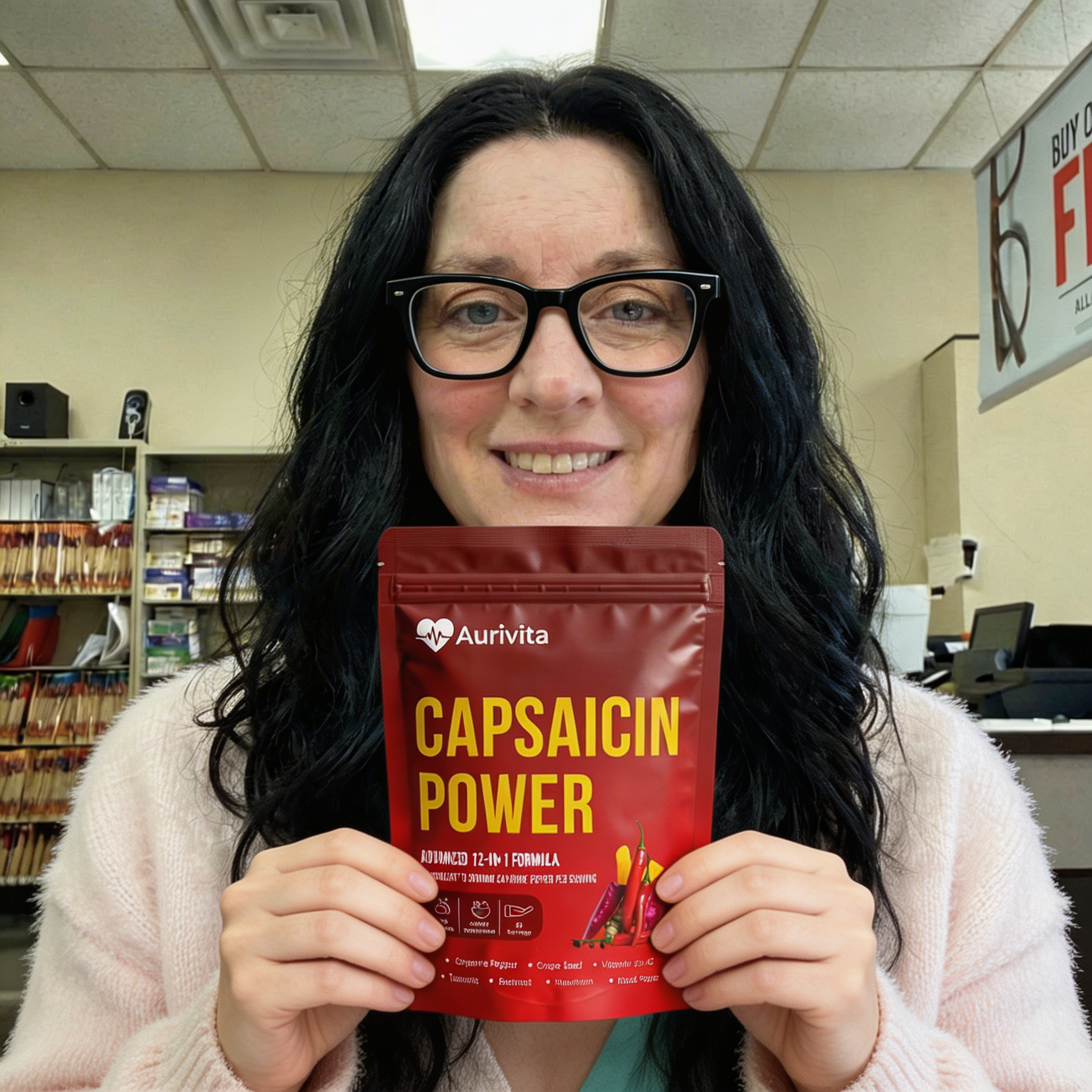
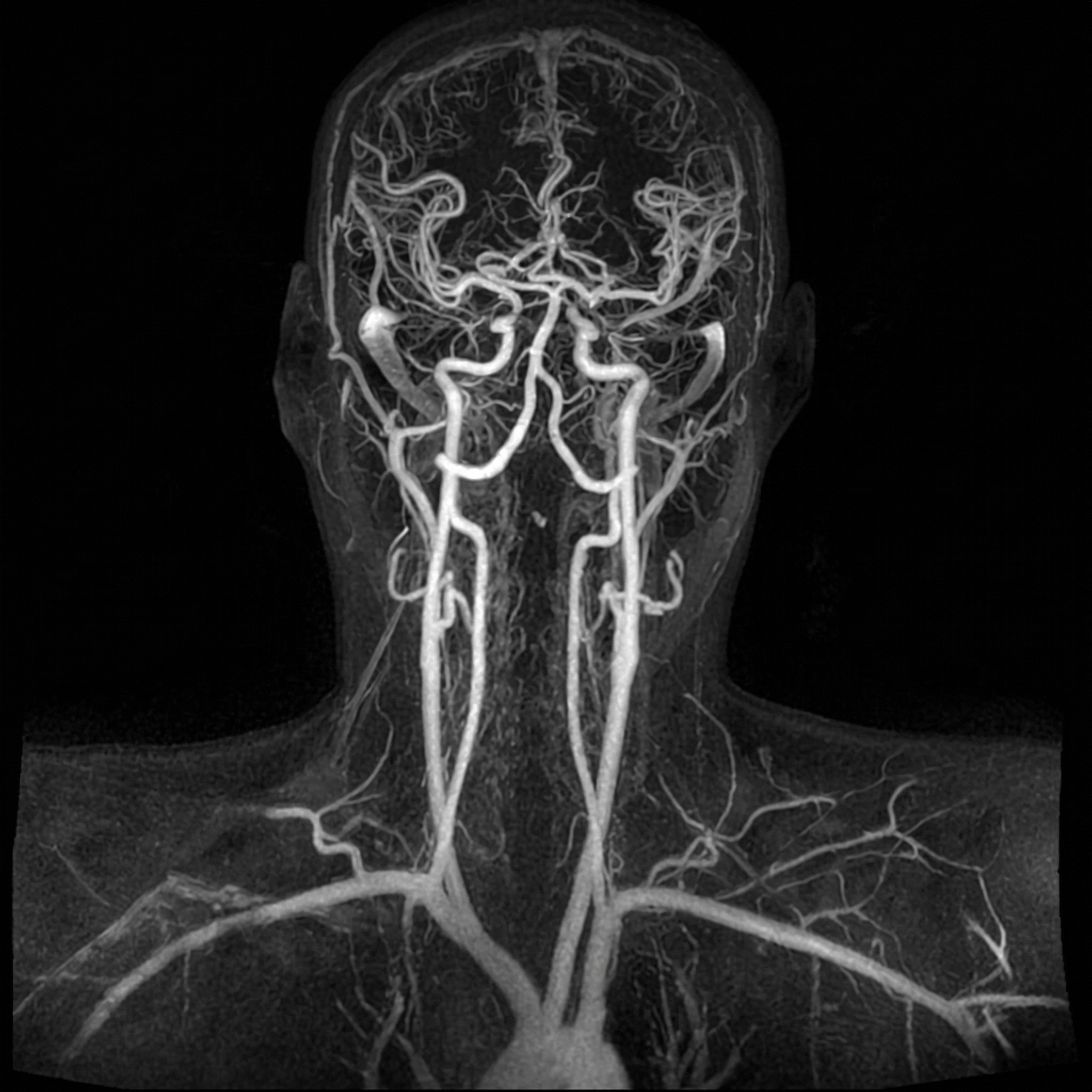
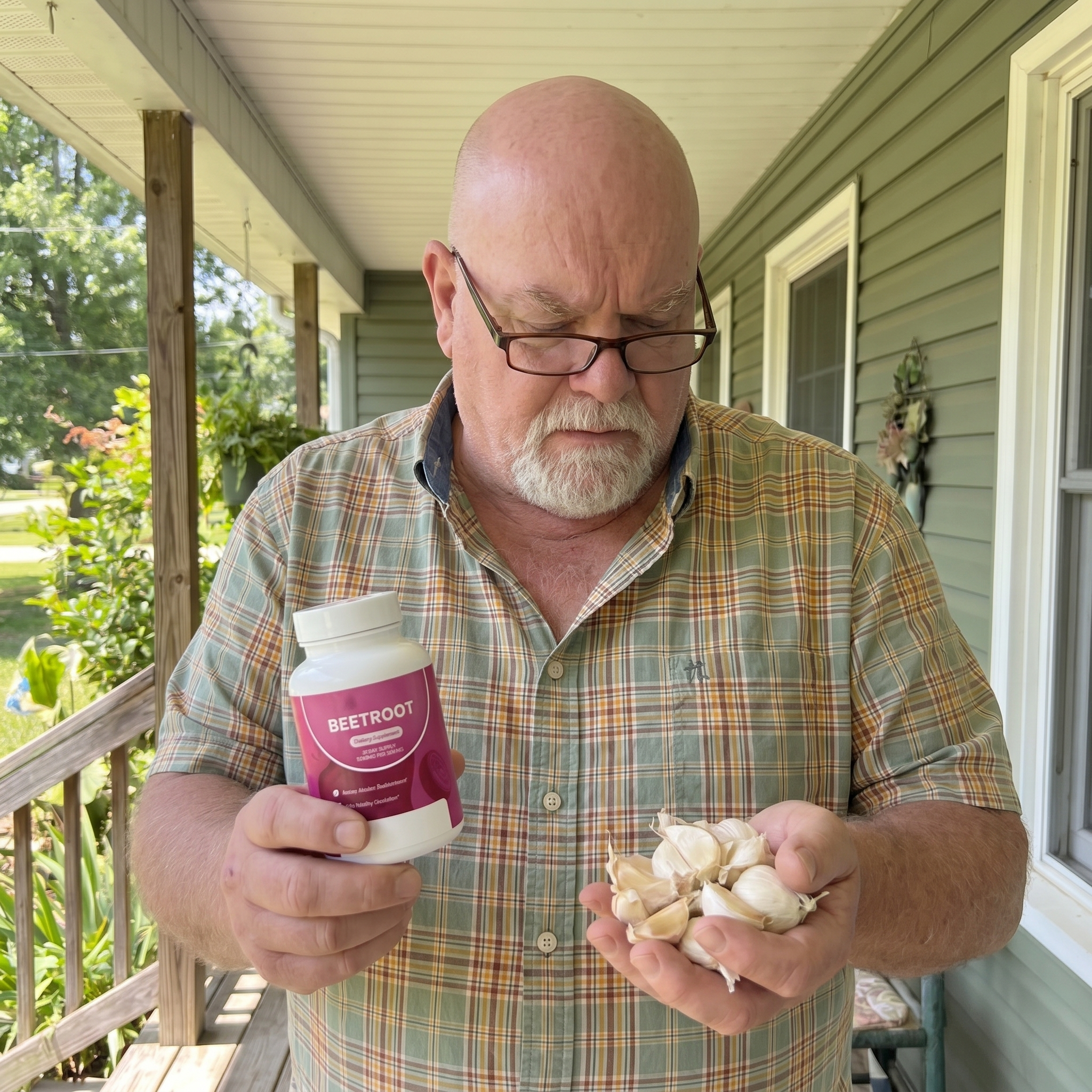
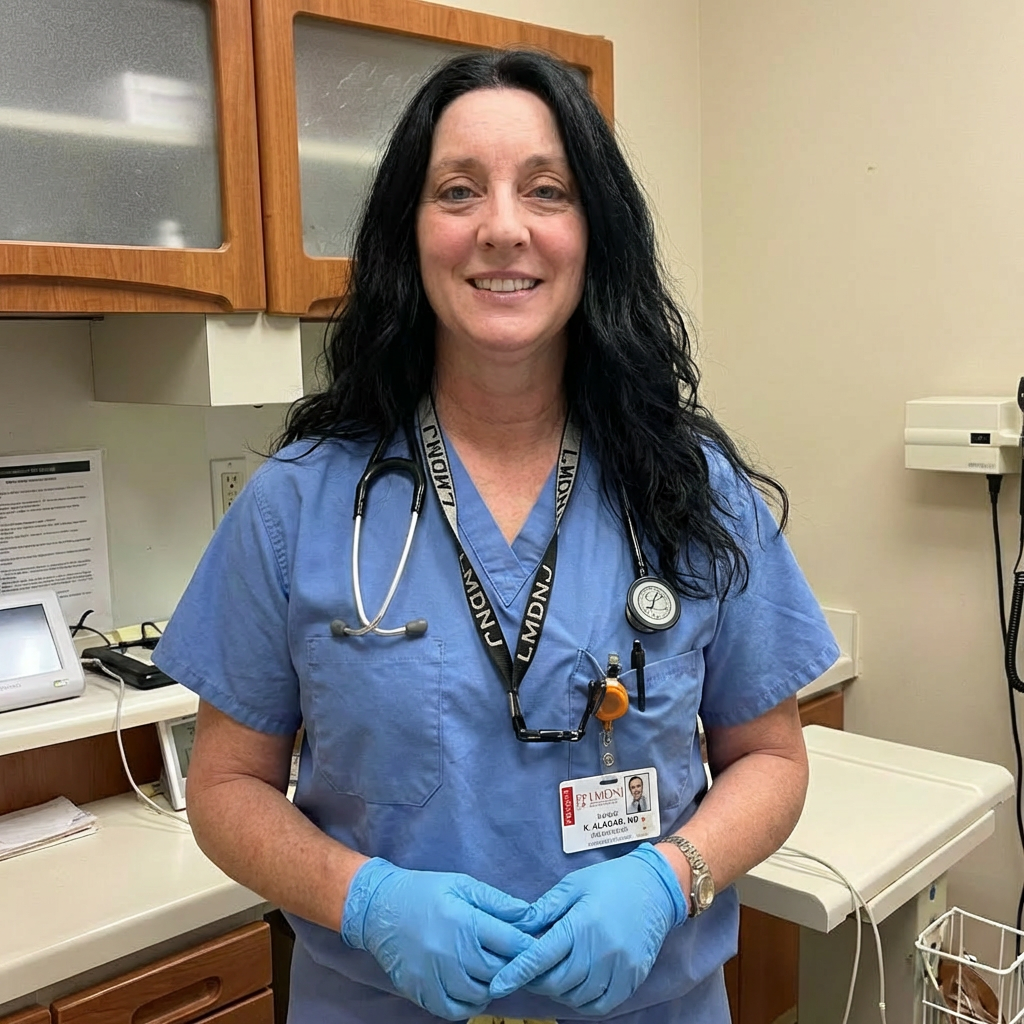
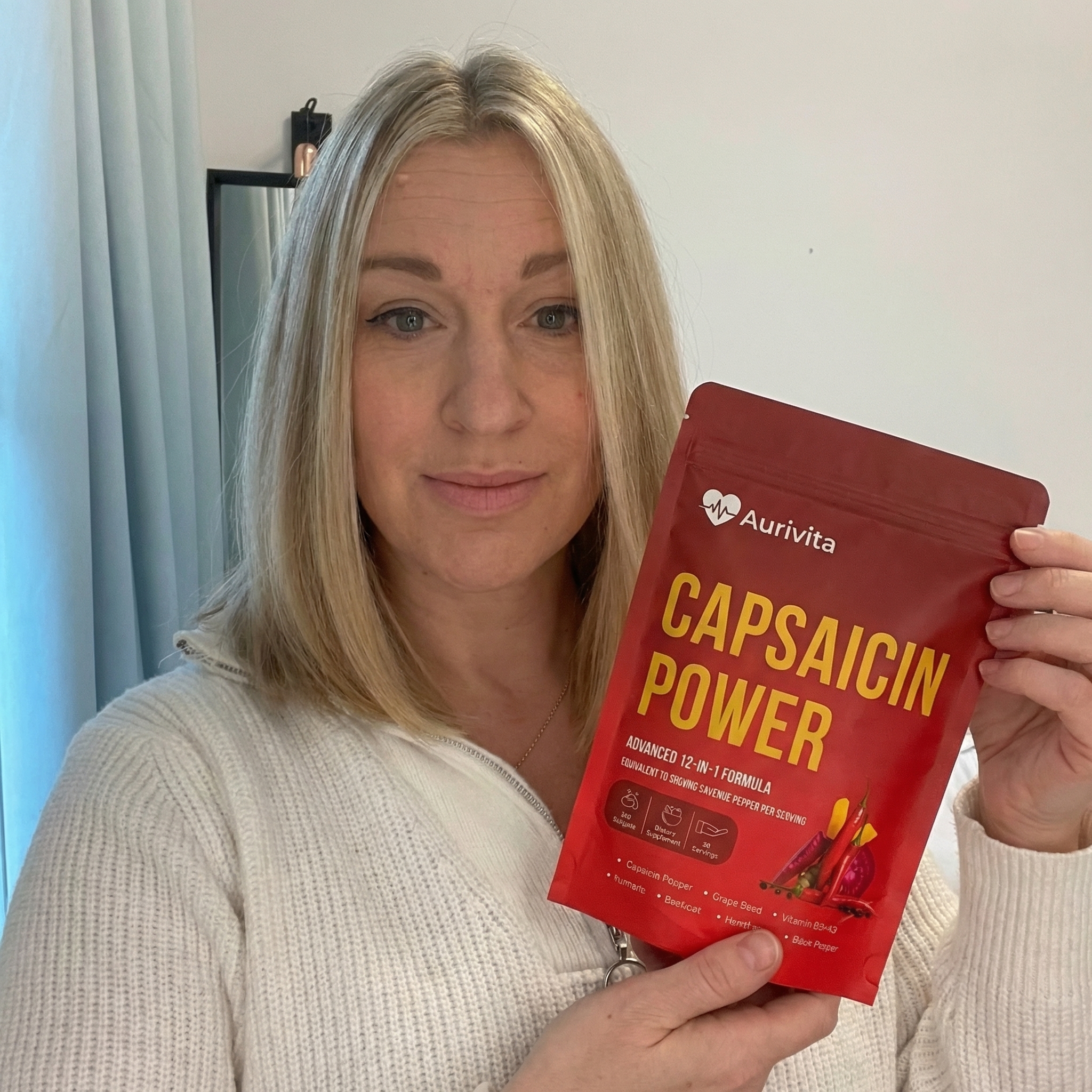
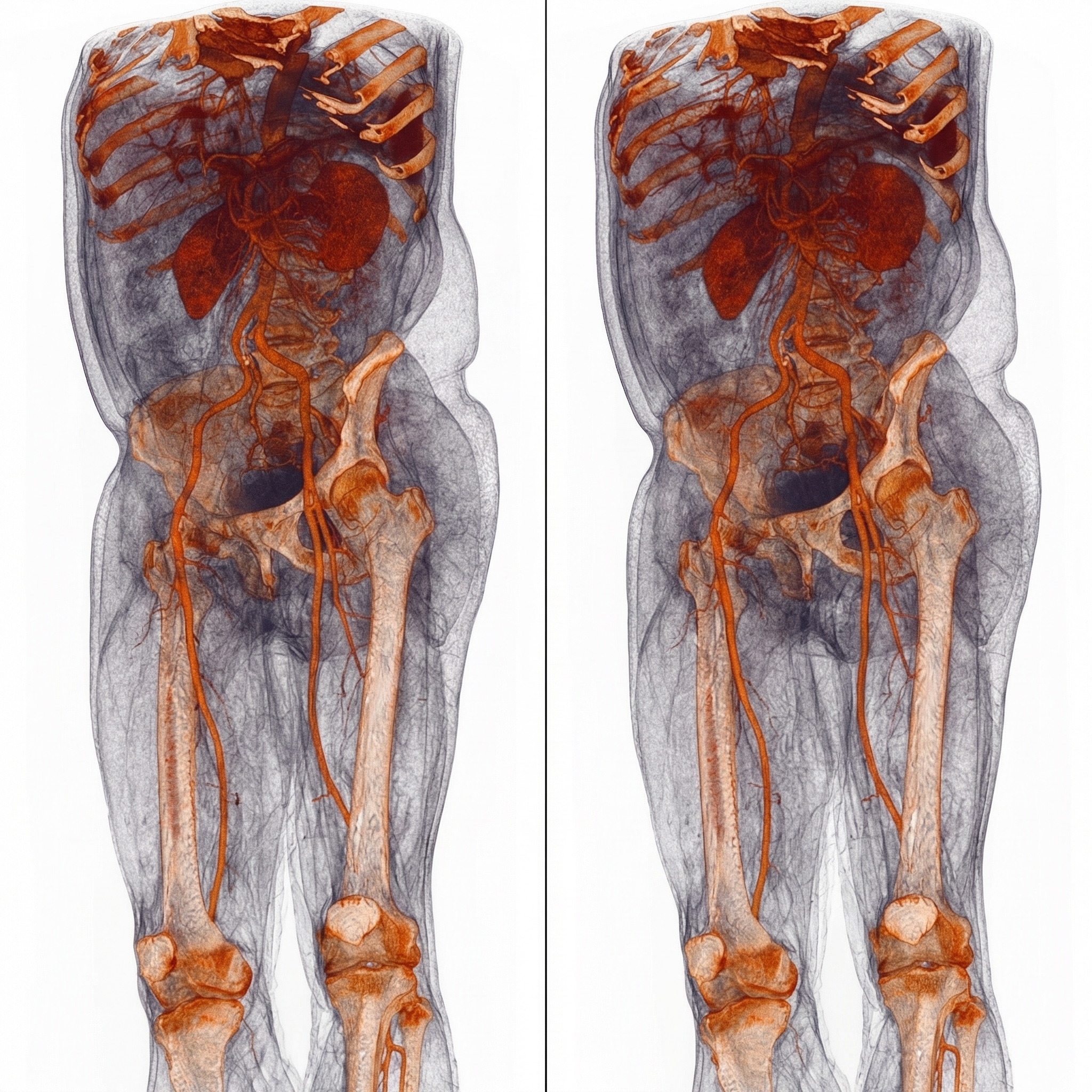
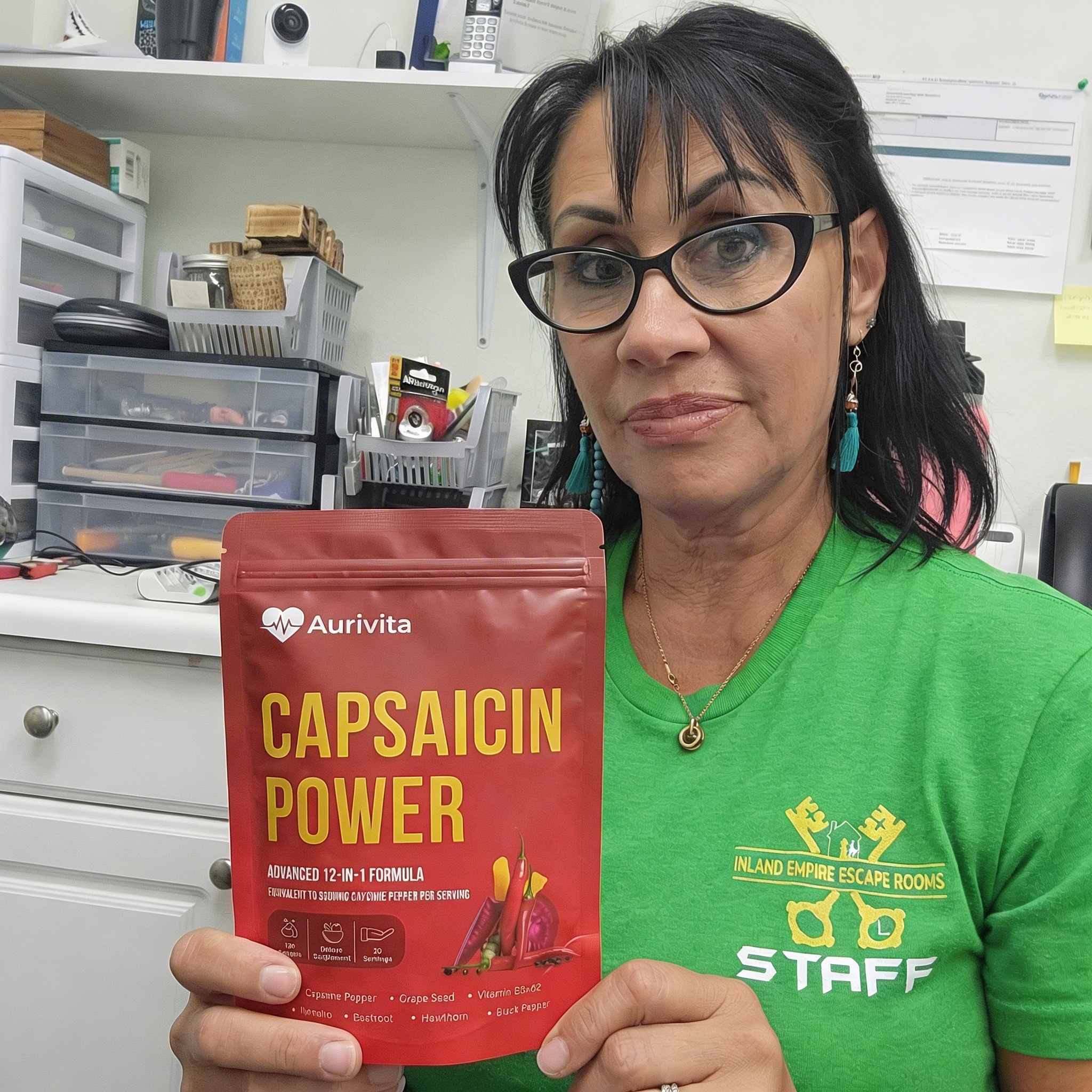
I am a cardiologist. I ran a 60-day experiment on myself with capsaicin to see if it could lower my own blood pressure without medication. Here are the actual numbers. I have been a practicing cardiologist for 26 years, and high blood pressure is the single most common thing I treat. I have sat across the desk from thousands of patients and explained the same things over and over. The morning headaches at the base of the skull. The dizziness when you stand up too fast. The cuff anxiety that spikes your numbers the second you walk into the office. I have watched patients break down in my exam room because their numbers won’t move no matter what they do. About three years ago it happened to me. I am 57. My readings started climbing out of nowhere. First borderline, then Stage 1, then Stage 2. All those years of 14-hour days, hospital cafeteria food, sleeping five hours between on-call nights. It finally caught up with me. At first it was one bad reading at my own physical. I figured the cuff was off. Then I started checking it at home and the numbers were 148 over 94 in the morning. 152 over 96 after lunch. I could not get them under 140 no matter what I did. Then came the headaches. Mornings mostly, right at the back of the skull, the kind that makes you nauseous. I would take my reading first thing and the number would set the mood for my whole day. If it was 145 I was anxious. If it was 155 I was terrified. The same cuff anxiety I tell my patients to ignore, I now had myself. I started checking my BP six, sometimes eight times a day. The irony was not lost on me. Now I was the patient. Every single one of them was right. My PCP wanted to start me on lisinopril. 10mg to start. I told her I would think about it. But I knew I was not going to take it. I prescribe lisinopril, amlodipine, and hydrochlorothiazide every single day. I also see what they do to people. The dry cough from lisinopril that wakes my patients up every night. The swollen ankles from amlodipine that turn their shoes into vises by 3 PM. The constant bathroom trips from HCTZ that leave them exhausted no matter how much water they drink. And the worst part — half my patients are on two of these and their numbers are still creeping up. My own mother died of a stroke at 71. She had been on lisinopril, then amlodipine, then HCTZ on top, for almost 20 years. I am a cardiologist and I could not save her. I was not doing that to myself. So I did what I tell every patient to do first. I cut salt to under 1500mg a day, followed the DASH diet to the letter, and walked 45 minutes every morning before clinic. My numbers dropped six points. I was still sitting at 142 over 90 most mornings. I tried beetroot too. The literature on dietary nitrates and blood pressure is solid — I had recommended it to patients for years. I bought a powder from Amazon, the one with all the 5-star reviews. Drank it every morning for six weeks. Numbers did not move. Tried beetroot gummies from the supermarket. Same result. I figured my own physiology must just be too far gone for nitrates to make a difference. Then about two months ago, one of my regular patients came in for her follow-up. Sweet woman, 67, has had Stage 2 hypertension for over a decade. She had been on lisinopril and HCTZ for years and her numbers were still creeping up. But this time her chart looked different. Her morning reading was 124 over 78. I almost asked her if we had pulled the wrong file. I asked her what she was doing differently. She got a little sheepish and said "Doctor, I added something on my own. I did not want to bother you about it." I told her she could bother me about it. She pulled a bottle of deep amber softgels out of her purse and said this was the only thing that had moved her numbers. Then she said "I tried to tell my friend Susan about it but the cheap kind does not work. You have to get the right one." I will be honest, I was very skeptical. Patients bring me supplements every week and 99 percent of them are nonsense. But her chart was right there in front of me and I knew her well enough to know she was not faking it. That night my reading was 151 over 94. I sat at the kitchen counter feeling defeated. So I got out my laptop and went deeper into the literature than I had in years. Here is the mechanism, in plain language. The dominant driver of blood pressure in the aging vasculature is not sodium or cholesterol. It is endothelial dysfunction — the failure of the single-cell-thick lining of your blood vessels to produce nitric oxide. Nitric oxide is what tells your vessels to relax and open up. When the vessels open, blood flows with less resistance and pressure drops. The endothelium produces nitric oxide through several pathways. Beetroot supplies dietary nitrate that gets converted to nitric oxide — that is why it lowers BP in the studies. But there is a more direct pathway. Capsaicin, from cayenne peppers, activates a receptor called TRPV1 sitting directly in the endothelial cells. When TRPV1 is activated, the endothelium starts producing its own nitric oxide again. Not just supplementing with substrate the way beetroot does. Actually restoring the production capacity at the source. David Julius at UCSF won the Nobel Prize in 2021 specifically for the TRPV1 discovery. The clinical studies that showed the strongest blood pressure reductions from capsaicin used 3mg of pharmaceutical-grade capsaicin per serving. Not food-grade cayenne powder in a capsule — which is what all the Amazon reviews were about — but standardized pharmaceutical-grade capsaicin at the specific dose the research used. Then I went and looked at the bottle of beetroot powder I had been taking. And the other supplements. None of them had capsaicin at anything close to a therapeutic dose. Even if they had, capsaicin is fat-soluble — a dry powder capsule does not absorb. It has to be dissolved in cold-pressed avocado oil to cross the intestinal wall and reach the endothelium. I had been recommending beetroot to my patients for years and I had never actually checked the mechanism or the delivery system on the brands they were buying. I started looking for any capsaicin supplement that was pharmaceutical-grade at 3mg per serving, suspended in cold-pressed avocado oil, with third-party testing. I found one brand that met all three. Aurivita Capsaicin Power. The same one in my patient’s purse. Deep amber softgels distributed by Azeal Supplements LLC. Third-party tested. Cold-pressed avocado oil delivery. BioPerine for absorption. K2 to direct calcium away from arterial walls. D3, hawthorn, beetroot (as amplifier substrate for the TRPV1-driven nitric oxide pathway), Korean Red Ginseng. I ordered it. It was more expensive than the powder and the gummies I had tried. At that point I did not care. When it arrived, I checked the Certificate of Analysis on their site first. 3mg pharmaceutical-grade capsaicin per softgel, verified by an outside lab. Cold-pressed avocado oil. Third-party tested for purity and coumarin. I took my first dose with breakfast that Monday morning. Warmth in my chest within twenty minutes. I had not expected that. It was the direct physical signal that the TRPV1 pathway was being activated. The first week, my morning reading dropped to 138 over 89. Lower than it had been in months but I did not trust it. I checked three times. By week two, I was averaging 132 over 85. The morning headaches stopped. I noticed I was not reaching for coffee at 2 PM anymore. My energy was steady all day. By day 30, I was at 126 over 82. Stage 1, barely. I started checking my BP twice a day instead of eight times because I was not dreading the number anymore. At day 60, I checked it three times in a row to make sure. 122 over 79. For the first time in three years, I was in the normal range without any medication. I sat at the kitchen counter and cried. I am a cardiologist. I treat hypertension every day. And nothing I had done for three years had moved my own numbers like this. That morning headache that used to set the mood for my whole day? Gone. The cuff anxiety that had me checking eight times a day? Mostly gone. I take my reading once in the morning and once before dinner now and that is it. I sleep through the night without waking up worried about my heart. When I went back to my PCP at the three-month mark, she pulled up the readings, looked at me, and said "we do not need to talk about lisinopril anymore." She actually asked what I was taking so she could mention it to a few of her own patients. I have quietly mentioned Aurivita to fourteen of my own patients with hypertension since then. The ones who have followed through have all come back with better numbers. One woman who had been on lisinopril and amlodipine for eight years was able to drop the amlodipine entirely under careful monitoring. She told me she has not had to wear loose shoes in six months. Look, for almost three years I thought I had two options. Take the meds I prescribe every day and deal with the side effects. Or watch my numbers slowly creep up until I had a stroke like my mother. As a cardiologist I knew exactly where the second road ended. I was wrong about the first option being my only alternative. And here is something I wish I had understood sooner — the endothelial dysfunction driving my blood pressure was not going to reverse with dietary changes or sodium restriction alone. It needed direct TRPV1 activation with a proper delivery system. If my patient had not pulled that bottle out of her purse, I would still be checking my reading eight times a day, dreading the headache I knew was coming, putting off the lisinopril conversation with my PCP. I am sharing this because I hope it helps someone else. After 26 years as a cardiologist, I thought I knew every option for blood pressure. Turns out, my patient knew something I did not. Here is where I got mine: aurivita.co/products/cayenne-pepper-softgels — Dr. Sarah Martinez, MD Board-Certified Cardiologist, 26 years P.S. A few things I wish I had known before I ordered. Aurivita comes with a 120-day money-back guarantee. If your numbers do not move, you get a full refund. No questions asked. I wish I had known that earlier. Would have saved me six weeks on the cheap brands that did nothing. The warmth in the chest within twenty minutes of the first dose is how you know the capsaicin is landing. If a bottle from Amazon promises the same thing and you do not feel warmth, the active compound is not in it. Aurivita only sells through aurivita.co. Any Amazon listing is counterfeit — pale-yellow softgels instead of deep amber, cheap oil instead of cold-pressed avocado oil, no Azeal Supplements LLC on the back of the bag. The catch is Aurivita is a small operation. Small batch production and they only source pharmaceutical-grade capsaicin from one supplier. They sell out. I have had patients ask when it is back in stock. If you have been doing everything right and your number will not move, if you have watched what BP medications did to a parent, if you are trying to avoid lisinopril and HCTZ the way I was — I would grab a bottle before they are gone. I went from 148 over 94 down to 122 over 79 in 60 days. As a cardiologist those are the kinds of numbers I would usually only see on patients we had put on medication. If there is even a chance this could work for you, it is worth trying. aurivita.co/products/cayenne-pepper-softgels
My BP was 148 over 94. Sixty days later it was 122 over 79. Without medication.
Support circulation today with our powerful cayenne pepper and beetroot extract formula. Capsaicin improves long term cardiovascular health through helping blood flow whereas beetroot promotes nitric oxide levels, supporting short term energy and cardiovascular health.
LEARN MORELike this ad? Make it yours.
Crush rebuilds this exact creative around your product — your brand, your colors, your offer — in about a minute.