
Inactive· since Jul 21, 2026
- 13
- days it ran
- 1
- relaunches
Ad copy
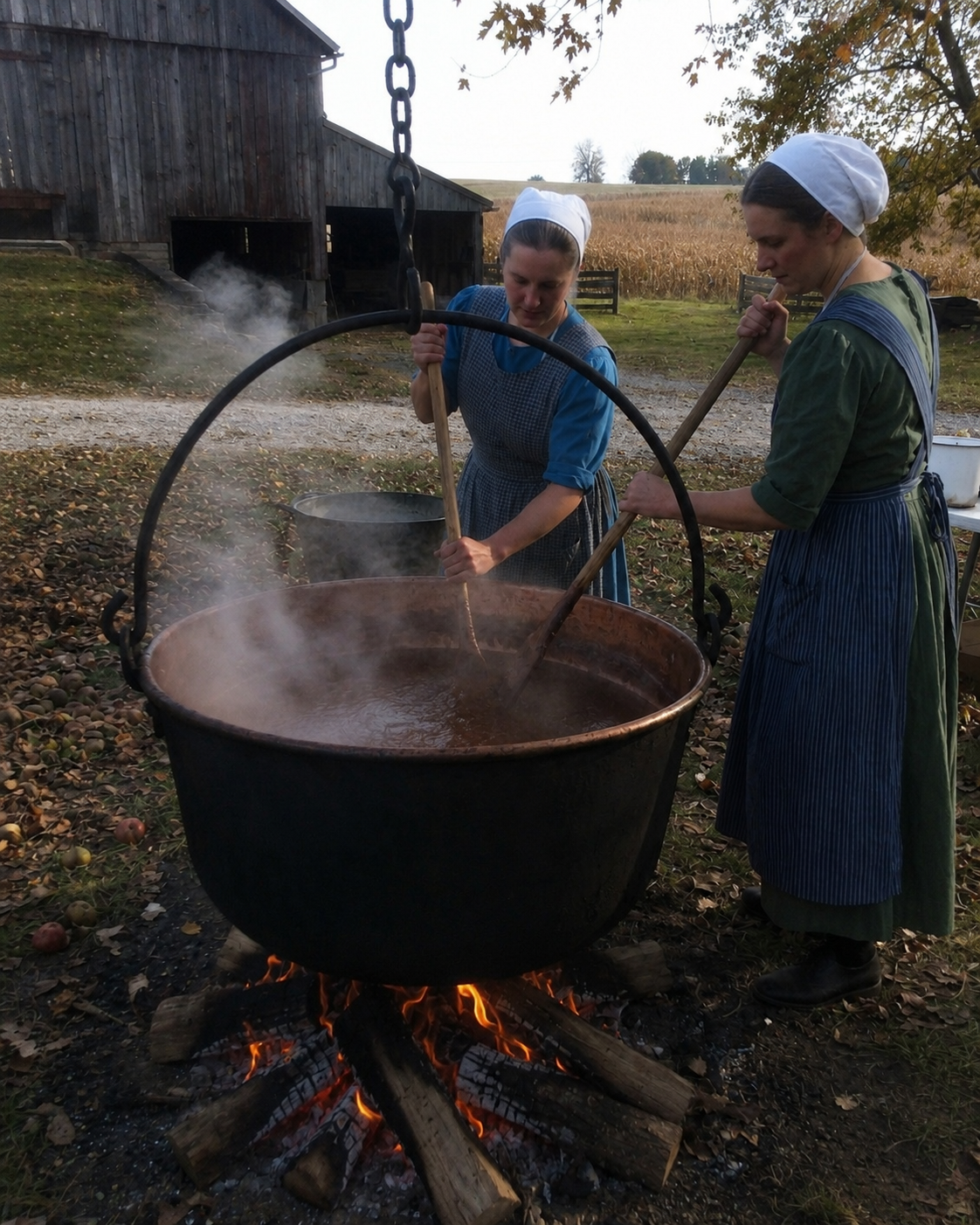
I retired as a county coroner six weeks ago. 31 years. Over 7,000 bodies. And I'm about to say something publicly that would have gotten me fired any time in the last three decades. I almost didn't say it. My wife told me to leave it alone. My former colleagues will call me a disgrace. The county medical examiner's office could still pull my pension review. But I'm 62 years old. I've been carrying this for 31 years. And I watched too many people die while I kept my mouth shut. So here it is. Almost every body I opened in 31 years had the same thing inside it. And I was never allowed to put it on a single death certificate. Not worms. Not tumors. Vessels. Blood vessels turned stiff and glassy, hardened from the inside like sugar cooked down in a pan and left to set. The smallest ones — in the feet, the eyes, the kidneys — strangled shut. Nerves gone gray and dead in legs that should have had decades of feeling left in them. Damage that had been building for years. Sometimes decades. And every one of those people had a chart that said their sugar was managed. Controlled. Right where the doctor wanted it. Every certificate I signed said the same thing. Cardiac event. Sepsis. Complications. Natural causes. Never what I actually found. Never the truth. I want to tell you about the one time I tried to tell the truth. And what happened when I did. It was 2011. Fourteen years into the job. I was experienced enough to know exactly what I was looking at and still naive enough to think honesty mattered. His name was Richard. Richard was 49. High school basketball coach. Married 23 years. Three kids — two in college, one still at home. Big man. The kind who made a room feel safe just by walking into it. His wife told the ER he'd been complaining for years. Feet that went numb at night. Exhaustion after every meal that didn't make sense for a man his size. A sore on the bottom of his foot that had been there for months and wouldn't close. His doctor said his numbers looked great. Said the numbness was just neuropathy — common with the diabetes, nothing much to do about it. Said the tiredness was age. Said the sore would heal. His doctor said, every few months, "This is exactly where we want you." Richard died on a Sunday morning. His heart stopped while he was standing at the stove making pancakes for his youngest daughter. She was 16. She was sitting at the kitchen table when it happened. Cause of death on the report: cardiac arrest. He came to my table on Tuesday. I made the incision. Opened him up. His vessels didn't look like a 49-year-old's. They looked like they belonged to a man of ninety — hard, narrowed, the walls thickened and stiff, some of them so glazed over on the inside they'd nearly closed. The small vessels feeding his feet were strangled down to threads. The nerves in his lower legs were dead tissue. Not dying. Dead. And the sole of his foot — that sore his doctor said would heal — had eaten down through the layers, the flesh around it already dying back. He was months from losing that foot. Maybe weeks. And no one had ever told him a single thing was wrong. All of it under a number his doctor called perfect. Richard didn't die of "cardiac arrest" the way that phrase lets you imagine — a strong man, a freak event, nothing anyone could have seen. He died because sugar had been turning his blood vessels to glass for fifteen or twenty years while his doctor watched a number on a screen and shook his hand. I stood there looking at him. A 49-year-old basketball coach. Three kids. A daughter who watched her father drop at the stove while she waited for her pancakes. And I decided — for the first and only time in my career — to write the truth. I documented everything. The glazed and hardened vessels. The strangled circulation. The dead nerve tissue. The foot that was already gone and nobody had said so. I wrote it into the official autopsy report. Cause of death: cardiac arrest secondary to advanced diabetic vascular disease, extensive and undiagnosed in life despite years of "managed" blood glucose. I filed it on a Wednesday. By Friday, I was in the chief medical examiner's office. He didn't yell. That would have been easier. He was calm. Professional. Almost gentle about it. "This report is going to create problems." "It's what I found." "I don't doubt what you found. I doubt the wisdom of documenting it this way." He laid it out for me. Richard had been a patient in the county system for eleven years. He'd seen four different doctors. Complained about the feet, the exhaustion, the sore, dozens of times. Every one of them had looked at his glucose, called it controlled, and sent him home. If my report stood, Richard's wife would sue. The hospital would face an investigation. Medical licenses would be reviewed. Malpractice premiums for the entire system would climb. "You're telling me to change it." "I'm telling you to reconsider your language. Cardiac arrest is accurate. The vascular findings are... contributing context. Not all contributing context needs to appear in the final determination." "His wife deserves to know what killed her husband." He looked at me for a long time. "His wife will be told that his heart stopped. Which it did." "We don't speculate about contributing factors that were never diagnosed during the patient's lifetime. That's not our role." "Our role is to document the proximate cause of death. Not to perform retroactive diagnoses that create liability for the living." I sat there. "And if this happens again?" "You document the proximate cause of death. Like everyone else in this office. Like everyone in every coroner's office in this country." He stood up. Meeting over. "You're a good coroner. Don't make this a pattern." That was the sentence. The one I heard under the professional language. Do this again and you're done. I went back to my office. Amended Richard's report. Changed it to read cardiac arrest, nothing more. Removed every mention of the vessels. Every reference to the nerves. Every photograph of the foot. Richard's wife got the same answer every family gets. His heart gave out. We're sorry. These things happen. I saw her once after that. In the grocery store. She was buying frozen dinners for one. Her eyes were red. She didn't see me. I went home and sat in my car in the driveway for twenty minutes. And then I kept signing death certificates for 17 more years. That's the thing people don't understand about a system like this. They imagine some dramatic cover-up. Men in suits. Shredded documents. Secret meetings. It's not like that. It's one conversation in an office. One sentence. "Don't make this a pattern." And you understand. You adjust. You write cardiac arrest. You go home. Nobody orders you to lie. They just make it clear what happens if you tell the truth. And so you stop telling it. After Richard, I never documented it that honestly again. Not once in 17 years. But I never stopped finding it. Every week. Body after body. The same hardened vessels. The same dead nerves. The same small circulation strangled off in the feet and the eyes and the kidneys. In people whose charts were full of good numbers. Managed. Controlled. Medicated. Reassured. Men. Women. 40s. 50s. 60s. Some younger. Every one of them with years of dismissed symptoms in the record. Every one of them told their sugar was under control. Every one of them told the rest was just age. Every one of them with vessels turned to glass that nobody looked for until they were on my table. When it was far too late. I'd open them up, see it, take my own notes, photograph everything — for myself, not the file — and write cardiac event. Sepsis. Natural causes. Then I'd go home. I kept a private log. Off the record. Just dates, ages, and what I actually found. By the time I retired six weeks ago, that log had over 2,700 entries. 2,700 people whose families were told "his heart just gave out" when I knew exactly what gave out, and why, and how long it had been coming. That's what I carried for 31 years. Here's the part where it stopped being something I carried and became something I could not ignore. My wife, Diane. We've been married 34 years. She's 60. Retired teacher. Walks three miles every morning. The healthiest person in any room she walks into. About two years ago, it started with the tiredness after meals. Not bad at first. Just enough that she'd sit down after dinner and be asleep in the chair by eight. She joked about it. "Getting old." I didn't joke back. Then the feet. She started waking at three in the morning, sitting on the edge of the bed rubbing the soles of her feet. She said it felt like she was wearing socks she couldn't take off. Numb and buzzing at the same time. Then her eyes. She started holding the menu farther away. Squinting at the crossword she used to do in pen. Asking me to read the prices on the shelf. Then a nick on her shin — nothing, a scrape from the garden — that three weeks later still hadn't closed. I'd read these exact symptoms in charts. Hundreds of charts. Thousands. They were the same every time. Numb feet. Exhaustion. Failing eyes. A small wound that wouldn't heal. And they all ended the same way. On my table. Diane went to her doctor. Full panel. The A1C. The fasting glucose. Everything they run. "Borderline," he said. "A little high. Watch the sweets, get some exercise. Probably just age. We'll check it again in six months." Everything essentially fine. Of course it was. I've opened over 2,700 people whose numbers were fine right up until the end. The number tells you how much sugar was floating in the blood the morning they drew it. It tells you nothing — nothing — about how much of that sugar has already glued itself to the walls of your vessels and your nerves, quietly, over years, where no blood test looks. The tests are built to miss this. I sat in our living room that night watching Diane hold the newspaper at arm's length and give up on it. And I felt the full weight of 31 years of silence. I knew what was starting inside her. I'd been looking at the end of it in bodies my entire career. I'd documented it 2,700 times in a log nobody would ever read. And I'd never said a word. To anyone. Because one conversation in 2011 taught me what happens when you do. But this was Diane. I was not going to write complications of diabetes on my wife's death certificate. I tried the natural things first. The blood-sugar aisle at the pharmacy. Berberine. Cinnamon capsules. Chromium. A "glucose support" formula her friend swore by. Three months. Nothing meaningful. Some days a little better, then right back to where she was. And one night it hit me why. Every single thing I'd bought her was aimed at the same target the doctor's pill was aimed at — the number. The amount of sugar in the blood. Not one of them went anywhere near the damage that sugar was already doing. I was out of ideas. That's when I called Rachel. Rachel Henderson. She'd been a coroner in the next county over for 38 years before she retired. Old school. The kind of woman who said exactly what she thought regardless of consequence. Rachel was the only coroner I'd ever known who talked openly about what we find in bodies. Not publicly — but between us, over coffee. "Another one today," she'd say. "44 years old. Vessels like spun glass. Wrote cardiac event." She'd shake her head. Take a sip. Move on. I called her and told her about Diane. Told her what I'd tried. Told her none of it worked. She was quiet. Then: "You've been looking at this wrong for 31 years." "What do you mean?" "You keep watching the number. Everybody does." "The doctor watches it, the patient watches it, and now you're standing in a pharmacy buying Diane four different things to move it." "One pill, one herb, one bottle — every one of them chasing the same number. And the number was never what's killing them." "Then what is?" "The damage the sugar's already done. Listen to me." "Sugar doesn't just sit in your blood waiting to be measured. When there's too much of it for too long, it sticks." "It bonds, permanently, to the proteins in the walls of your smallest vessels and your nerves. There's a word for it. Glycation." "Sugar turning to glue, and then to glaze, on the inside of a person. That's the hardening you and I have both been pulling out of bodies our whole careers." I didn't say anything. "And it doesn't stop there. The sticking lights a fire." "The studies call it oxidation — the sugar floods the lining of those little vessels with what burns them from the inside." "And that fire does the worst thing of all. It burns out a signal." "Your vessels make something that tells them to relax and stay open, to keep the blood moving. The fire kills that signal." "So the small vessels don't just stiffen with the glue. They lose their blood supply on top of it." "That's why the feet go first. They're glazing shut and starving at the same time." "So what actually works?" "You need one thing that does two things at once. It has to put out the fire — stop the burning that's killing the nerves." "And it has to reopen the road — bring back the signal so the blood can move again into the feet and the eyes that are dying for it." "Nothing on that pharmacy shelf does either one. The pill sure doesn't. But there's one food that does both." I waited. "The deep red pigment in a beet. Betalains." "Turns out it's one of the most precise things anyone's ever measured for hunting down that exact fire — the oxidation — without wrecking everything else in the body the way the shotgun antioxidants do. That's your fire out." "And the same beet carries dietary nitrates, which the body turns straight into the signal the fire burned away — the thing that tells the starved vessels to open back up. That's your road reopened." "One beet. Both jobs. The two things the sugar took, given back at the same time, by the one plant that carries both." "Rachel. How long have you been doing this?" "Twelve years. My husband does it too. He's 74 and hasn't been to a doctor for anything but a checkup in over a decade." "And you never told me." "You never asked. And honestly? A retired coroner telling people to take beetroot every morning. Nobody wants to hear that from the woman who cuts open the dead for a living." She was right. If she'd told me five years ago, I'd have laughed. But I wasn't laughing now. My wife was up at three in the morning rubbing feet she couldn't feel, with the exact symptoms I'd read in 2,700 charts. And everything else I'd tried had failed. I went to the store that night and bought a bottle of beetroot capsules. Cheap. Big number on the front. Diane started taking them the next morning. Two and a half weeks. Every morning. Nothing. No change in her feet. No change in anything. Then one night I was sitting at the kitchen table staring at the bottle, and I remembered what Rachel had said about the color. I twisted one of the capsules open over a white saucer. A dull, brick-brown powder spilled out. Not the deep crimson she'd described. Brown. Dead. I called Rachel the next morning. She laughed before I finished the sentence. "Yeah. Everyone buys the red dust first. I went through four different brands before I figured it out." "So what do you use?" "There's a company that makes it the way it actually has to be made. Not the sugar-bred grocery beet — the old heirloom strain, the one nobody ever bred the medicine out of to make it sweeter. Cold-dried, never cooked, so the color reaches the capsule alive. My husband's been on theirs for years." She gave me the name. Rosabella. I ordered it that day. While I waited for it to come, I looked into the people who grow it — a handful of Amish families in Lancaster County, one heirloom strain, hand-harvested after the first frost and dried low and slow so the pigment survives. And I remembered a study I'd read years earlier and filed away as a curiosity. Penn State had looked at those same Lancaster County communities. Their death rate from cardiovascular disease was 74 percent lower than the rest of Pennsylvania. 74 percent. I'd read that once and thought, how strange. It wasn't strange. It had been sitting in front of me for years, and I'd walked past it like everyone else. When the Rosabella came, I understood the moment I opened one. I twisted a capsule over the same white saucer I'd used for the cheap one. Where that powder had been a dull, dead brown, this was deep crimson — almost violet — and the second a drop of water touched it, it bled red across the dish like a fresh cut. A completely different thing, in every way that mattered. Diane took the first one that morning, mixed in a glass of water. By that evening, something was different. The crash she always hit after dinner — the one that put her in the chair asleep by eight — didn't come. She sat up reading. First time in months. Week one: The mornings got easier. She woke up without the bone-deep tiredness that had become her normal. She noticed. Didn't say much. But she noticed. Week two: The buzzing in her feet started to quiet. And late one night she pressed her thumb into the sole of her own foot and told me, carefully, like she didn't quite believe it, that she could feel it a little more than she could a month ago. Week three: The three a.m. wake-ups stopped. She slept through the night. Every night. I'd wake at three out of habit and look over at her. Sound asleep. Breathing steady. Still. I can't describe what that felt like. After all those nights of lying there listening to her sit on the edge of the bed rubbing her feet. Knowing what those feet meant. Knowing what I'd seen in 2,700 bodies that started exactly like this. Silence at three a.m. It was the most beautiful sound I'd ever heard. Week four: Diane's sister came for dinner. Halfway through the meal she stopped and stared. "What's different about you? You look ten years younger. Are you sleeping better?" Diane smiled and looked at me. I couldn't say anything. I was thinking about every family I'd sat across from and lied to. Every husband. Every wife. Every daughter waiting for pancakes. All the ones whose person had these same symptoms, the same dismissals, the same "borderline, we'll check it in six months." The only difference was that I knew what to look for. And this time I'd looked in time. Week six: Her eyes cleared. She did the crossword in pen again. The scrape on her shin — the one that sat open for three weeks — scabbed, then closed, then was gone. She walked her four miles in the morning and came home and reorganized the garage. The woman who'd been asleep in her chair by eight, six months earlier, was reorganizing the garage at noon and asking if I wanted to go for a bike ride after lunch. She said she felt like herself for the first time in two years. Because she was herself again. The fire was going out. The road was reopening. The damage had stopped, and her body was doing what a body does when you finally get out of its way. And then there was the thing I still have trouble putting into words. The thing that, after 31 years, I did not believe I would ever see. The feeling came back into Diane's feet. Not a little. All the way back. She can feel the floor under her again. She can feel the water in the shower. She can feel my hand on her ankle. I have opened more than two thousand bodies. I have held dead nerve tissue in my hands more times than I can count. And I will tell you the one thing I never once had to wonder about in 31 years: Nerve does not come back. Once it's gone, it's gone. Every doctor who ever dismissed one of the people in my log said the same thing, in the same tired voice. Neuropathy. Nothing to be done. It only goes one direction. Diane's went the other direction. Her sugar came down too — from borderline back into the normal range. But I'll be honest with you: I've never cared less about a number in my life. Because I finally understood it was never the number that was going to take her. It was the damage the number was hiding. And the damage stopped. I started taking it myself the following week. The first morning, about twenty minutes after I swallowed them, I felt something I hadn't felt in years — a lift, a clarity, like someone had wiped a film off a window I didn't know was dirty. I told myself it was in my head. But I'd swallowed the cheap brown capsules for two and a half weeks and felt exactly nothing, and this was not nothing. The rest came the way it came for Diane. The low-grade fatigue I'd blamed on 31 years of night calls and autopsies — gone. I sleep through the night. I have energy I haven't felt since my 40s. I'm 62 years old and I feel better than I did at 45. We both take it every morning now. Two crimson capsules on a saucer next to the coffee. It's the last thing either of us will ever skip. I've been retired for six weeks. I don't open bodies anymore. I don't sign certificates. I don't sit across a desk from a widow and tell her I don't know when I do know. But I think about it every day. I think about Richard. His daughter at the kitchen table. His wife buying frozen dinners for one. The report I wrote and then erased because one conversation in an office taught me to keep my mouth shut. I think about the 2,700 entries in my private log. The families who got "his heart just gave out" when the answer was right there in my notes, in my photographs, in a foot that was already dying under a number the doctor called perfect. I think about Diane. How close she came. How her symptoms were identical to the people in that log. How her tests came back "borderline" and "probably age," exactly like theirs did. The only difference is that I knew what to look for. Most people don't. That's why I'm saying this now. Because I can. Because there's no chief medical examiner to call me into his office. No pension to threaten. No career to end. I'm retired. And I'm done being quiet. The feet you can't feel at night. The cut that should have healed two weeks ago and just sits there. The four o'clock exhaustion that drops you in a chair with the evening still ahead of you. The words on the page that swim when the light gets low. Those aren't separate problems. Those are warnings. Something is happening inside you right now, 24 hours a day. Sugar bonding to the walls of your smallest vessels and your nerves. Turning them to glass. Lighting a fire that burns out the signal keeping them open. And the longer you wait, the harder the glue sets and the further the road closes. Your tests will come back fine. Your doctor will say age. Or neuropathy. Or "your sugar's controlled, this is exactly where we want you." I've read those exact words in the charts of people I've opened up on my table. Hundreds of them. People whose vessels were destroyed by a disease nobody was measuring, because everyone was watching the wrong thing. The number measures how much sugar was in your blood this morning. It does not measure the damage. It never has. And the pill your doctor hands you does the very same thing the number does — it lowers the amount of sugar and touches neither the glue nor the fire. Metformin does nothing to it. Januvia does nothing to it. When one stops holding the number they add a second, then offer you the weekly shot, and not one of them goes within a mile of the actual thing taking your feet. I'm not telling you to stop taking what your doctor prescribed. That conversation belongs to you and your doctor. What I'm telling you is that the pill only ever did half the job — and the half it skips is the half that ends up on my table. Worse than useless — because every "your numbers look great, see you in six months" is a green light. It sends you home relaxed while the damage marches. That reassurance is the same lie I signed 2,700 times. The comfortable number on the chart and the comfortable cause on the certificate are the same lie, told at two ends of the same disease. You've been watching the smoke alarm and never once putting out the fire. The only thing that works does both at the same time. It puts out the fire — the betalains, the deep red pigment that hunts the exact oxidation burning your nerves. And it reopens the road — the nitrates the body turns into the signal that tells your starved vessels to open and let the blood back through. One does nothing without the other. And one food on earth carries both in the strength it takes: a specific heirloom beet, grown and dried so the medicine actually survives to reach you. That's what Rosabella makes. The old Blutwurzel strain — never bred sweet, never bred weak — grown by Amish families in Lancaster County, hand-harvested after the first frost, cold-dried so the pigment reaches the capsule crimson and alive instead of cooked to brown dust. 1,300 milligrams. Third-party tested, with the lab results published for anyone to read. One capsule. Every morning. Most of what calls itself beetroot will do nothing for you, and now you know the two reasons why. The common beet has been bred sweeter for a hundred years, until the nitrates and the betalains that made it medicine got bred right out — which, if your sugar's already high, is the cruelest joke in the whole business: the one plant that could help you, turned into candy. And whatever's left gets spray-dried at high heat, which cooks the pigment down to that dead brown powder before the bottle is ever sealed. Sugar-bred or heat-killed or both. You can swallow the red dust every morning for the rest of your life and never come within reach of the thing in the studies. The color is the tell. Crimson is alive. Brown is dead. They offer a 90-day money-back guarantee. If nothing changes, you get every penny back. In 31 years, nobody ever offered Richard's wife a refund when the disease took her husband under a number his doctor called perfect. The system doesn't do refunds. Rosabella does. But they're a small company, and it's one heirloom strain grown by a handful of families and harvested once a year, after the frost. When a season's batch is gone, it's gone until the next one. If they're out when you look, get on the list for the next harvest. It's worth the wait. Every day you wait is another day the glue sets harder. Another day the fire burns. Another day the road closes a little further and the feeling goes a little quieter in feet you're still telling yourself are just tired. I spent 31 years watching what happens when people wait. I documented it 2,700 times in a log nobody was ever supposed to see. I'm not carrying it anymore. I'm 62. I'm retired. And for the first time in 31 years, I'm telling the truth. The numbness won't lift on its own. The road won't reopen on its own. The nerves won't come back on their own — I'd have told you that myself six months ago, and I'd have been wrong. None of it turns around until you stop watching the number and start stopping the damage. Stop measuring the fire. Put it out.
Support stamina and heart health every day
LEARN MORELike this ad? Make it yours.
Crush rebuilds this exact creative around your product — your brand, your colors, your offer — in about a minute.