
Inactive· since Feb 15, 2026
- 5
- days it ran
- 0
- relaunches
- 27
- EU reach
Ad copy
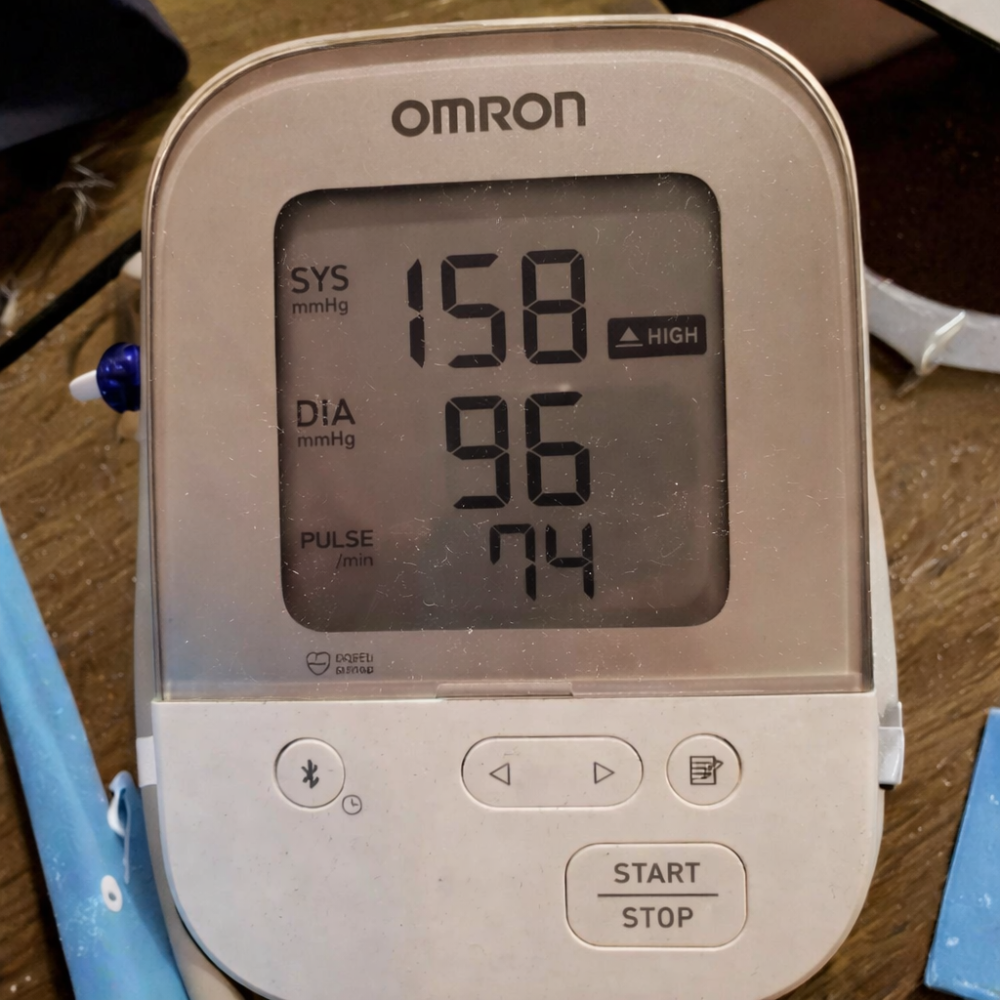
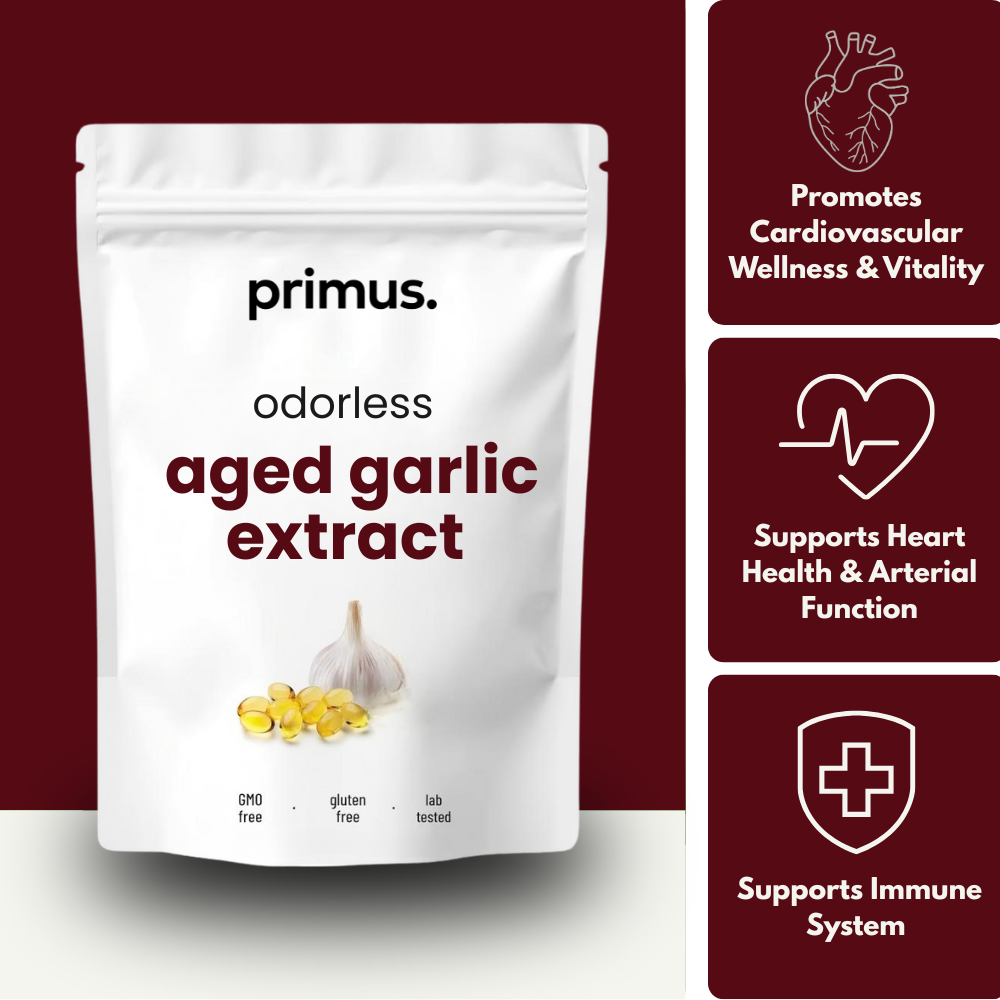
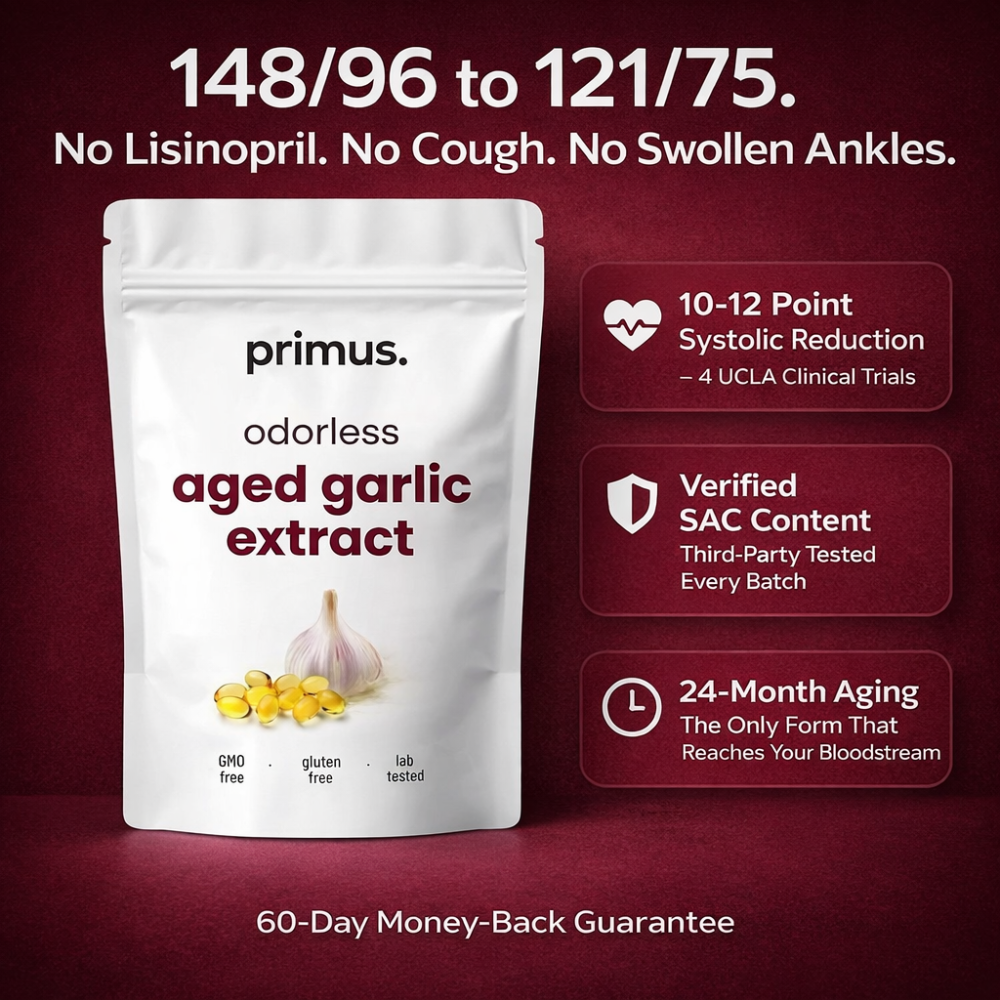
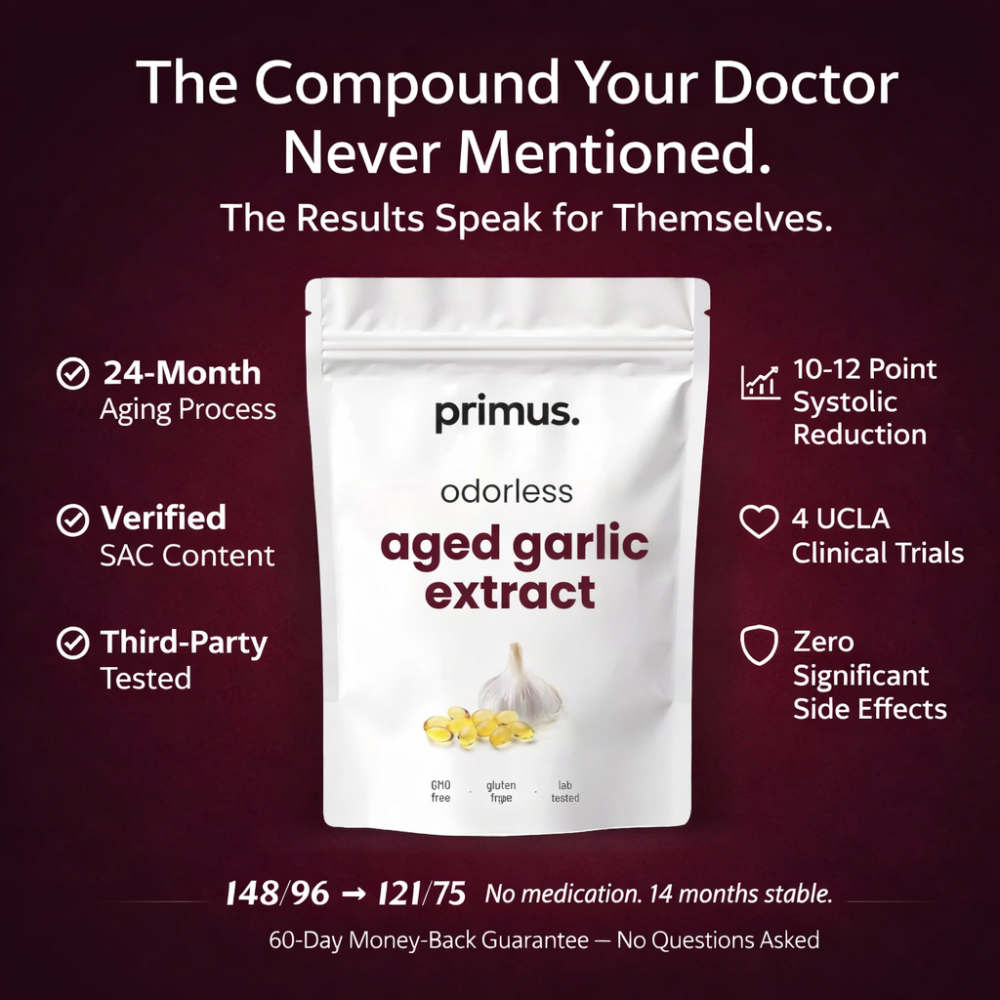
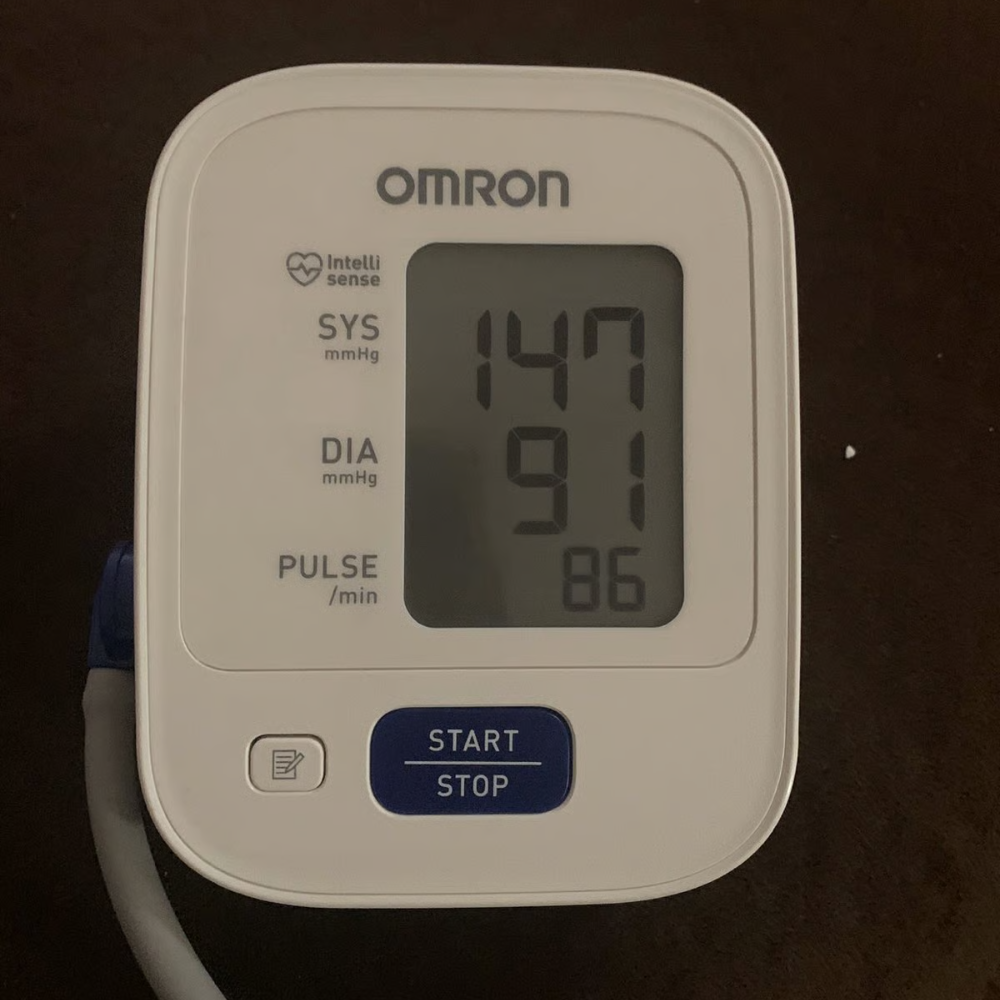
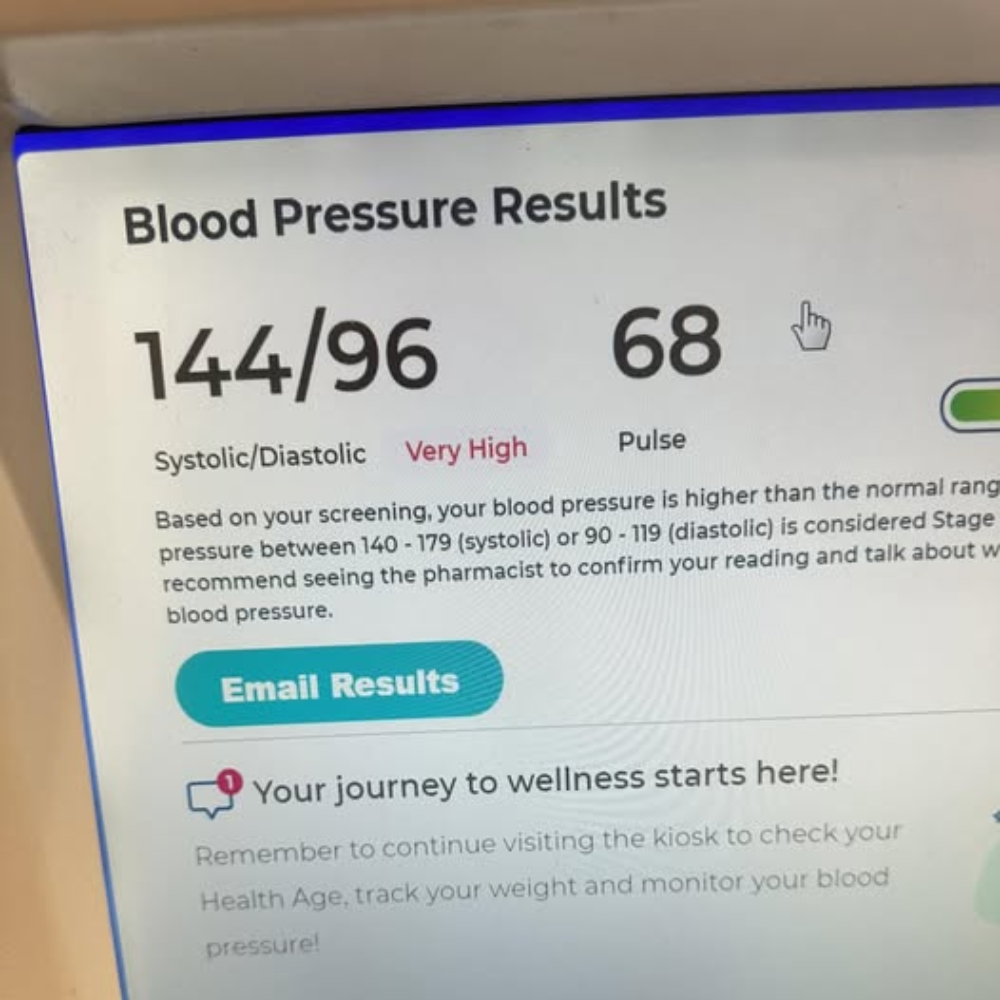
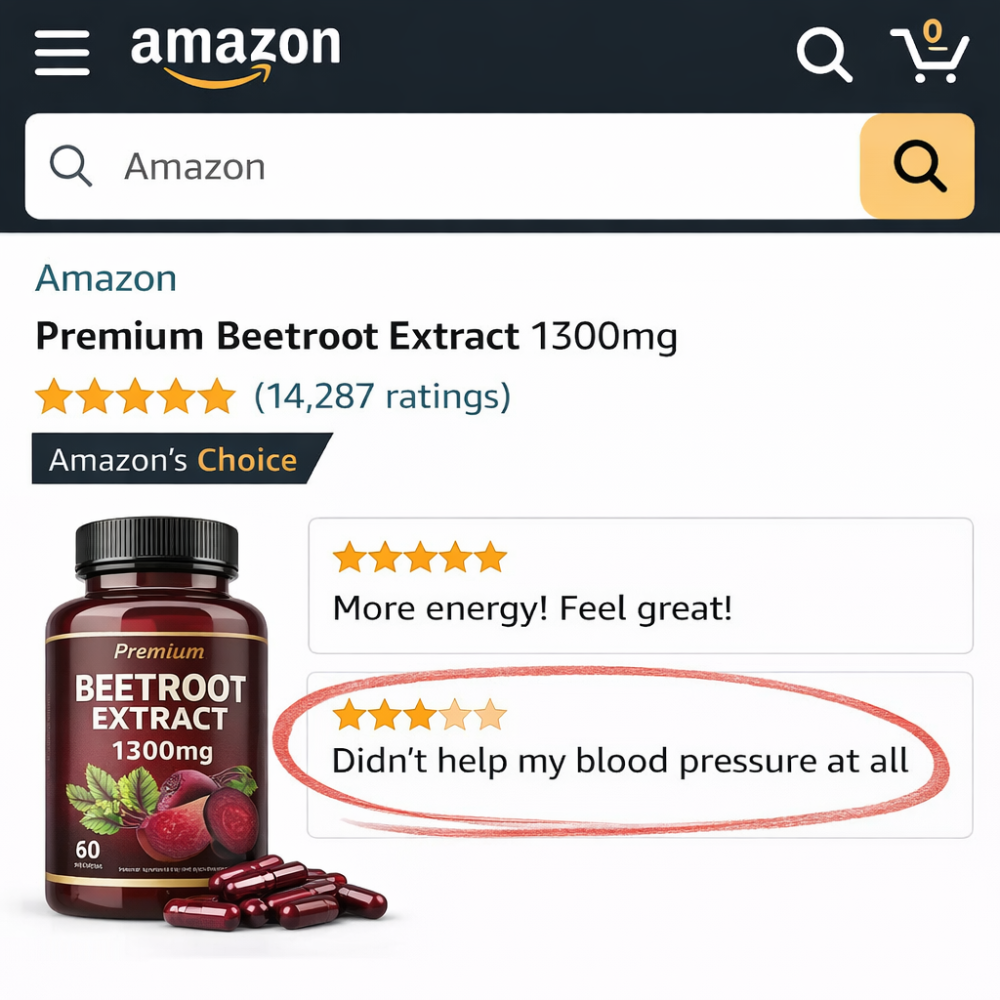
I was one of the biggest beetroot brands' best customers. Subscribed. Auto-ship every month. Bought the 3-pack twice. Left a 5-star review after my first week because my energy felt better. I believed in it. 6 months and $220 later, my blood pressure was exactly where it started. I wasn't their customer anymore after that. I was their recurring revenue. Here's what I think happened. And I don't blame the brands for this. Not entirely. Beetroot does something. It's not a scam. When you take a quality beetroot supplement, your body converts the dietary nitrates into nitric oxide. Nitric oxide relaxes blood vessels. Blood flows more easily. You FEEL it. Warmer hands. More energy. Less brain fog. Better circulation. Maybe even better performance in the gym. So you leave a 5-star review. "This stuff works!" And it does work. For circulation. For energy. For how you FEEL. But feeling better and lowering your blood pressure are two different things. I know because I tracked both. My energy was better by week 2. I noticed it immediately. Less afternoon fatigue. Clearer thinking. My hands, which had been cold for years, felt noticeably warmer. I thought: this is working. My blood pressure must be dropping. So I started checking. Every morning. Same arm. Same time. Same cuff. Month 1: 149/93. Down from 151/94. Barely. Month 2: 148/92. Maybe improving. I told myself it takes time. Month 3: 150/93. Back up. Must have been stress. Right? Month 4: 149/93. Month 5: 148/92. Month 6: 149/93. Six months. Energy better. Circulation better. Blood pressure: flatline. I looked at my log and felt sick. Not because beetroot didn't do anything — it clearly did something for my energy and circulation. But because I'd convinced myself that "feeling better" meant my blood pressure was improving. It wasn't. And every month I'd reorder. Every month I'd see the charge on my credit card. Every month I'd tell myself "give it one more month." $220 over 6 months. For a problem beetroot was never designed to fix. That realization sent me back to the research. Not the TikTok testimonials. Not the Amazon reviews. Not the brand's marketing page. The actual clinical research. And here's what I found. Beetroot increases nitric oxide through dietary nitrates. That's real. It improves blood flow, especially in smaller blood vessels — capillaries, extremities. That's why your hands get warmer and your energy improves. But blood PRESSURE is controlled by your large arteries. And the reason those arteries create high pressure isn't a nitric oxide shortage from your diet. It's endothelial dysfunction. The endothelium is the inner lining of your arteries. When it's healthy, it produces its own nitric oxide — continuously, 24 hours a day. That keeps your arteries flexible. Blood flows without resistance. Pressure stays normal. As we age, the endothelium gets damaged. It stops producing nitric oxide. Arteries stiffen. They can't expand and contract with each heartbeat. Blood pushes harder against rigid walls. Pressure rises. Beetroot dumps nitric oxide in from the outside. It temporarily overrides the system — for about 4-6 hours. That helps circulation in the small vessels. Makes you feel better. But it doesn't repair the endothelium. It doesn't restore the large arteries' ability to produce their own nitric oxide. It doesn't reverse the stiffness. The moment the beetroot wears off, the arteries are still stiff. Pressure goes right back up. That's why I felt better but my numbers didn't move. Beetroot was helping my capillaries while my arteries stayed rigid. Two different systems. Two different problems. Beetroot only fixes one of them. The research that changed everything came from UCLA. Dr. Matthew Budoff — a cardiologist — conducted four randomized, double-blind, placebo-controlled clinical trials on a compound called S-allylcysteine. SAC. SAC is found only in garlic that's been aged for 20-24 months. Completely different from regular garlic supplements — those contain allicin, which stomach acid destroys in 60 seconds. What Dr. Budoff found: ✅ 10-12 point average systolic reduction — sustained over the full study period, not temporary ✅ Improved arterial flexibility — the large arteries themselves became more elastic ✅ Reduced arterial plaque progression ✅ Zero significant side effects Here's the critical difference: Beetroot provides external nitric oxide through dietary nitrates. Temporary. 4-6 hours. Small vessel circulation. SAC supports the endothelial cells in producing their own nitric oxide again. Sustained. Large artery flexibility. The actual mechanism that controls blood pressure. One addresses how you feel. The other addresses what the monitor reads. I wanted both. But I needed the second one. I ordered aged garlic extract the next morning. Full 24-month aging process. Verified SAC content. Cancelled my beetroot subscription the same day. Week 1-2: 144/89. More movement in 2 weeks than 6 months of beetroot. Week 3: 138/85. Week 4: 133/82. Checked morning and evening. Both holding. No rollercoaster. Week 6: 129/80. Week 8: 126/78. My energy was still good — maybe even better. Hands still warm. The circulation benefits I got from beetroot didn't disappear. Whether that was residual or SAC improving blood flow through a different pathway, I don't know. But my blood pressure — the one number that 6 months of the most popular beetroot brand on the internet couldn't move — dropped 25 points in 8 weeks. The nurse at my checkup took it twice. "126 over 78." My doctor looked at the chart. The 6-month flatline. Then the sudden, consistent drop. "Whatever you changed, keep doing it. No medication." I went back to that beetroot brand's Amazon page after my checkup. Scrolled through the reviews. 5 stars: "More energy!" — yes, real. 5 stars: "Warmer hands!" — yes, real. 5 stars: "Feel great!" — yes, real. 5 stars: "Blood pressure dropped!" — did they actually check? I scrolled to the 3-star and 2-star reviews. Buried at the bottom. "Took it for 4 months, BP didn't change." "Great for energy but didn't help my blood pressure." "Felt better but my doctor says my numbers are the same." They're there. You just have to look past the 14,000 5-star reviews from people rating how they FEEL — not what the monitor actually reads. I was one of those 5-star reviewers once. I went back and changed mine to 3 stars. "Great for energy and circulation. Did nothing for my blood pressure. Found something that actually works for BP specifically." After researching dozens of aged garlic brands, I found Primus. Here's why: ✅ Full 24-month aging process — not 6 months, not 12 months. ✅ Verified SAC content — actual measured S-allylcysteine in milligrams. ✅ Third-party tested — Certificate of Analysis available. ✅ Completely odorless — no taste, no smell, no staining. ✅ Same form studied at UCLA — the type Dr. Budoff used in his clinical trials. 60-day money-back guarantee. If your numbers don't improve, you pay nothing. If you've been subscribing to a beetroot brand and your blood pressure still hasn't moved — it's not your fault. You trusted the reviews. You trusted the marketing. You trusted how it made you feel. But feeling better and fixing your blood pressure are two different things. This fixes the one that matters. 👉 https://primus-health.com/products/aged-garlic-extract-7-500mg-odorless-skep
6 Months On The Most Popular Beetroot Brand. My BP Didn't Move.
Subscribed. Reordered. Left a 5-star review. 6 months later my blood pressure was exactly the same. Here's what I wish I'd known.
LEARN MORELike this ad? Make it yours.
Crush rebuilds this exact creative around your product — your brand, your colors, your offer — in about a minute.