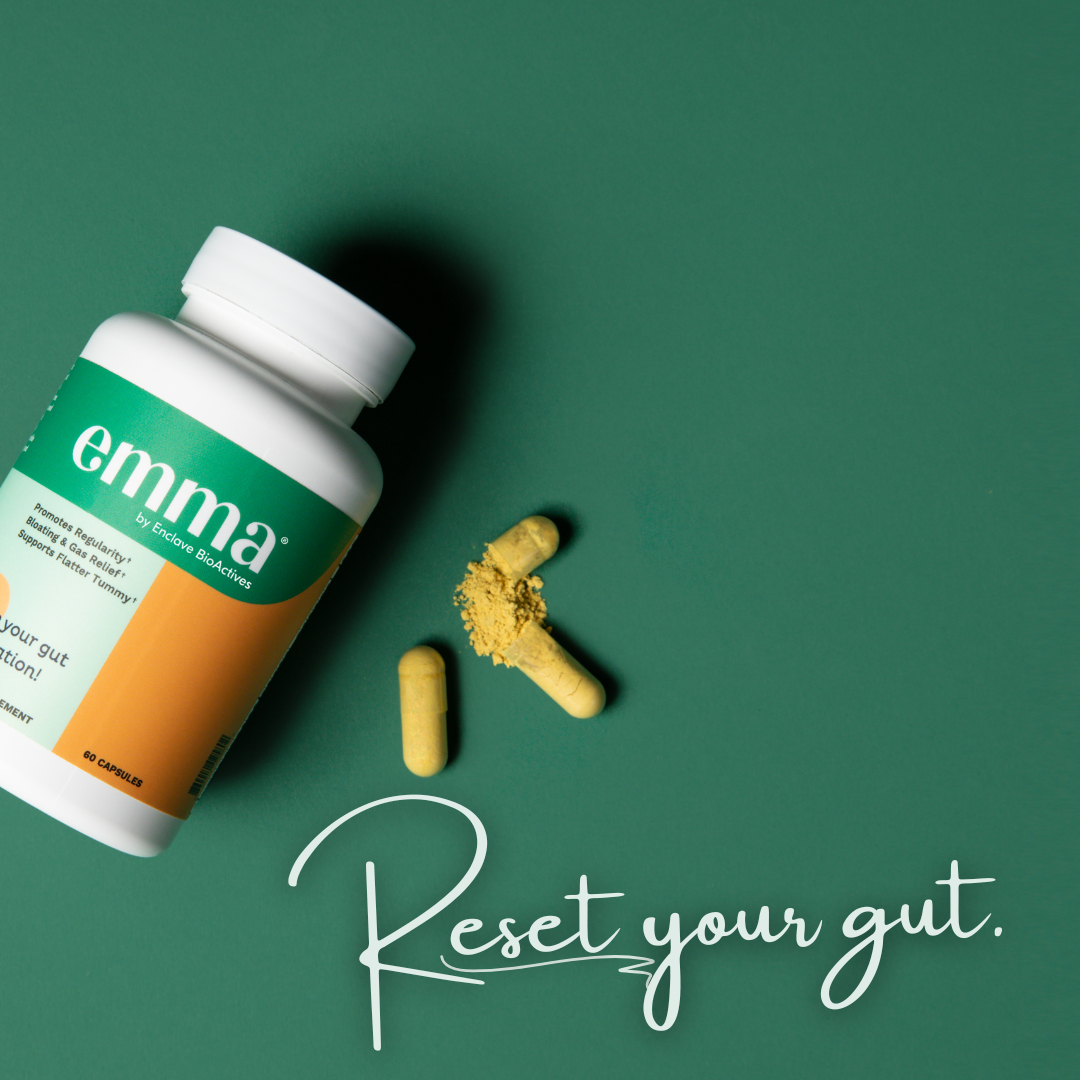
Emma
EmmaEmma Facebook ad: “Kissed 10lbs of Poop Goodbye”
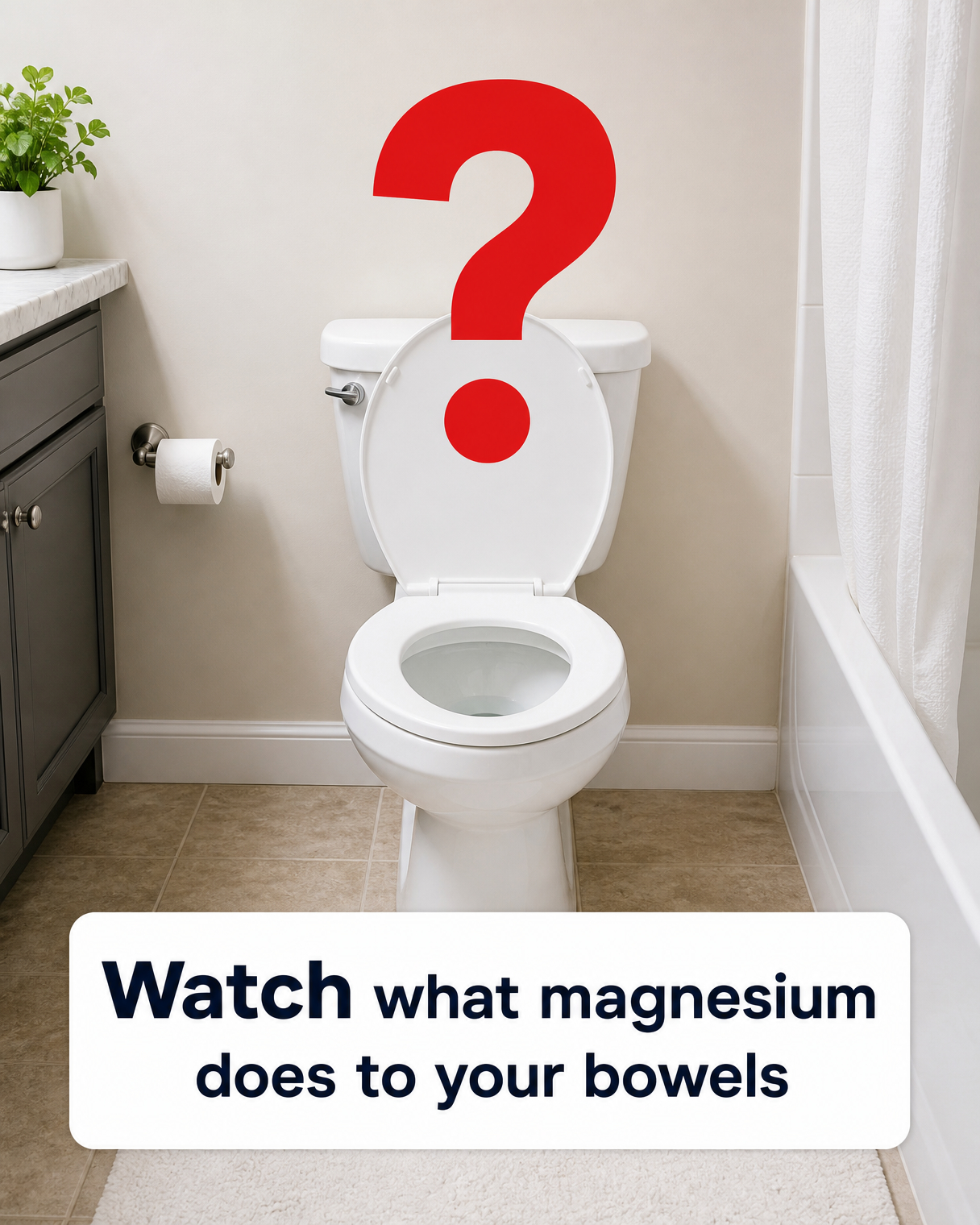
Ran for 41 days, from August 10 to September 20, 2026, the last day Crush saw it.
Run by Emma on Facebook. Crush is not the advertiser and does not verify its claims. See this ad in Meta's Ad Library(opens in a new tab)
Want an ad like this for your product?
Crush makes new ad images for your product from this ad: your logo, your product photo, your offer.
Trials from $19.95 USD, then $79.95 USD a month. Cancel anytime.
About this ad
- Meta Ad Library ID
- 2148345202745194
- Platforms
- Facebook, Instagram, Audience Network, Messenger and Threads
- Relaunches
- 0
Ad text
There's one sharp turn in your colon where up to 15 lbs of poop can get stuck right now. But when you do one simple thing for 7 seconds, it all comes out. Everyone knows the colon has twists and turns, right? But nobody talks about this one specific bend. Doctors call it the splenic flexure. I call it the K-bend. It's the sharpest turn in your colon, and exactly where poop gets stuck for millions of people. Here's what nobody tells you... This isn't just another curve. According to the Cleveland Clinic, this sharp bend is one of the most common places where waste and gas get trapped, leading to bloating, pressure, and constipation for people everywhere. Here's what happens when poop hits this K-bend. It has to make a hard turn. And unlike the other curves in your colon, this one acts like a speed bump that brings everything to a halt. The longer poop sits in the K-bend, the more water gets absorbed from it, making it harder and drier. So it gets even more stuck. See, poop is like cement. As long as it keeps moving, it stays soft. But when it gets trapped at the K-bend, it hardens fast. And when 5, 10, even 15 lbs of waste backs up behind this blockage, your belly has nowhere to go but out. That's why you're bloated even though you barely ate — because your K-bend can't soften and push through the hardened poop on its own. And here's the worst part. Fiber makes it worse by adding more bulk to the traffic jam. Laxatives only push liquid around the blockage. Nothing actually gets your colon moving again at the K-bend. And the longer you wait, the worse it gets, especially as you get older. That's because your colon's muscles slow down as you age. That K-bend that might not have given you trouble when you were younger is now trapping more and more waste. Meanwhile, all that backed-up waste makes you feel bloated, exhausted, and like you're carrying around extra weight. So what actually works? New York's top gastroenterologist, Dr. Gina Sam, discovered a simple 7-second morning ritual that finally solves the K-bend problem. First, it softens hardened waste right at this critical junction. Then it restores your colon's natural wavelike motion to push everything through the K-bend — so you can clear up to 15 lbs of stuck poop and finally create complete, satisfying eliminations every morning. The result: a flat belly instead of that bloated, backed-up feeling. Dr. Sam made a short video where she'll show you exactly how to use this 7-second ritual from the comfort of your own home. Click below now to see exactly how to clear your K-bend in just 7 seconds a day. It's just a quick video that shows you exactly what to do. You won't have to put in your email or anything like that. Don't let another day pass while you're backed up and uncomfortable. And don't let this hidden K-bend keep you dependent on laxatives, embarrassed by gas, and too uncomfortable to enjoy life. Click below now to discover the 7-second solution that's already helped thousands of people finally clear their K-bend and feel light and empty.
Where the ad sends people
resetdigestion.com
💩Kissed 10lbs of Poop Goodbye
Dr. Gina Sam, MD, is a leading NYC gastroenterologist and former director of the Mount Sinai Gastrointestinal Motility Center. Over her 20-year career, Dr. Sam has specialized in treating digestive and metabolic disorders, founding the Institute of Gastrointestinal Motility Disorders and Integrative...
Watch more: resetdigestion.com(opens in a new tab)