ADHD Parent Journal
 Facebook ad: “The Rebound Diary: When Focus Gives Way to the Crash”
Ran for 85 days, from August 18 to November 10, 2026, the last day Crush saw it.
Run by ADHD Parent Journal on Facebook. Crush is not the advertiser and does not verify its claims. See this ad in Meta's Ad Library(opens in a new tab)
Make your own version of this ad
Crush makes it, launches it in your own Meta ad account, scales the winners and pauses the losers.
About this ad
- Meta Ad Library ID
- 2170336417195060
- Platforms
- Facebook, Instagram, Audience Network and Messenger
- Relaunches
- 0
Ad text
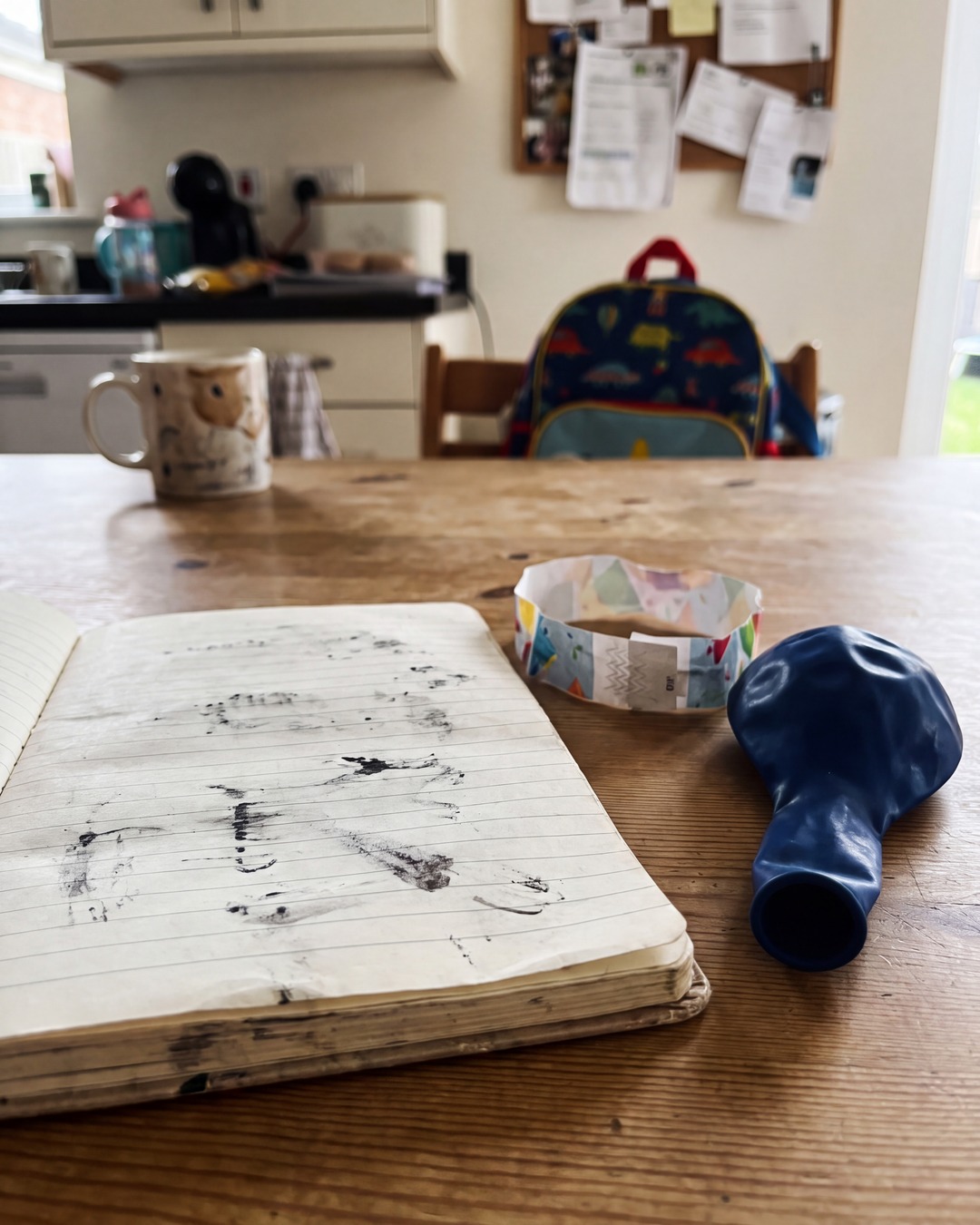
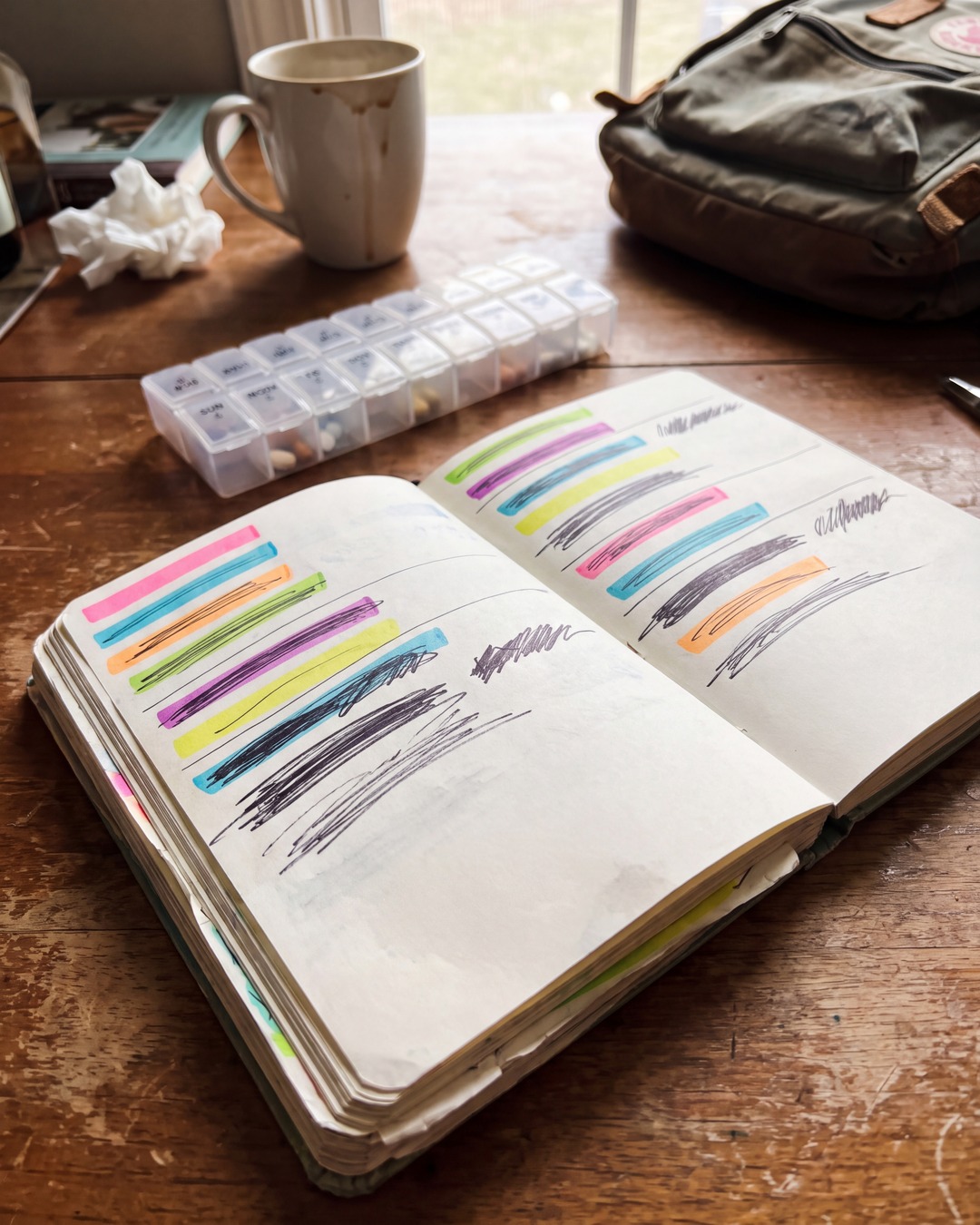
I started keeping the diary on a Tuesday in October. It wasn’t a gratitude journal or a memory book. It was a survival log. I bought a cheap, spiral-bound notebook from the pharmacy, the kind with the blue lines that bleed if you press too hard with a pen, and I started writing down the exact times. 3:15 PM: School pickup. He gets in the car. Doesn’t look at me. Stares out the window. 3:42 PM: We walk through the front door. I ask him to take his shoes off. He drops his backpack in the middle of the hallway. 4:05 PM: The first sign of the crash. He snaps at his younger sister for breathing too loudly while she’s drawing at the kitchen table. 4:30 PM: The hunger hits, but he refuses everything I offer. “I’m not hungry,” he says, pushing away the apple slices, the cheese, the crackers. He looks pale, almost hollowed out. 5:15 PM: The irritability peaks. A misplaced Lego piece turns into a full-blown screaming match. He throws a cushion across the room. He’s not just angry; he’s vibrating with a kind of frantic, exhausted energy. 6:00 PM: The tears. He’s crying because his socks feel wrong. He’s crying because the TV is too loud, even though it’s on volume four. He’s crying because he’s so tired he can’t stand it, but his brain won’t let him stop moving. This was our reality. Every single day. We had done everything “right.” We had the diagnosis. We had the medication. And for the first part of the day, it worked. His teachers sent home glowing reports. “He’s focusing so well,” they’d write. “He completed all his math worksheets today.” “He was a pleasure to have in class.” I would read those notes and feel a strange, hollow kind of pride. Yes, he was working at school. But what they didn’t see was what happened when the school day ended. They didn’t see the rebound. They didn’t see the crash. They didn’t see that “working at school” was not the same as working for the whole child. The medication was a tool, yes. But it was a tool with a very specific, very sharp edge. It gave him the focus he needed to get through the academic demands of the day, but it took something else away. It took his appetite. It took his emotional resilience. It took his ability to transition from the structured environment of the classroom to the unstructured reality of home. When the medication wore off, it didn’t just fade away gently. It dropped him off a cliff. I tried everything to soften the landing. I became a master of the afternoon routine. I tried adjusting the timing of his dose, giving it to him a little later in the morning so it would last longer into the afternoon. But that just meant the crash happened at 7:00 PM instead of 5:00 PM, right in the middle of dinner and bedtime. I tried bigger breakfasts, packing him full of protein and complex carbohydrates before he left for school, hoping it would sustain him through the day. But by 3:00 PM, his stomach was empty, and the thought of food made him nauseous. I tried medication breaks on the weekends, hoping to give his system a rest. But those days were chaotic, unstructured, and exhausting in a completely different way. Nothing solved the broader regulation gap. We were just moving the crash around, trying to find the least destructive time for it to happen. I felt like I was failing him. I felt like I was failing our family. His sister was starting to tiptoe around him in the afternoons, afraid to set him off. My husband and I were constantly on edge, waiting for the inevitable explosion. Our evenings, which should have been a time to connect and unwind, were a battlefield. I remember sitting at the kitchen table one night, long after he had finally fallen asleep, looking at my spiral-bound notebook. The pages were filled with timestamps and descriptions of meltdowns. It was a record of our misery. I realized then that we couldn’t keep living like this. We needed something else. We needed something that didn’t just mask the symptoms for a few hours, but actually supported his nervous system. We needed something that helped him regulate his emotions, not just his attention. I started researching. I spent hours reading articles, joining online support groups, talking to other parents who were going through the same thing. I learned about the importance of supporting multiple regulation pathways. I learned that focus is only one piece of the puzzle. If a child’s nervous system is constantly in overdrive, if they are lacking essential nutrients, if their gut microbiome is out of balance, they are going to struggle, no matter how much medication they take. That’s when I found VitaMood Munchies. I was skeptical at first. I had a cabinet full of failed supplements—gummies that tasted like chalk, powders that wouldn’t dissolve, tinctures that he refused to swallow. But the more I read about VitaMood, the more it made sense. It wasn’t a magic pill. It wasn’t a replacement for his medication. It was a targeted blend of nutrients designed to support emotional regulation, calm the nervous system, and bridge the gap that the medication left behind. It had ingredients like magnesium glycinate, which crosses the blood-brain barrier to support cognitive function and relaxation; GABA, an amino acid that promotes a sense of calm as part of a daily routine; and Saffron Extract, which has been shown to support a positive mood. And the best part? They were chewable, and they actually tasted good. I decided to give it a try. I didn’t expect an overnight miracle. I knew that true regulation takes time. I started giving him VitaMood Munchies in the late afternoon, right around the time the crash usually started. The first few days, I didn’t notice much of a difference. The meltdowns still happened. The irritability was still there. But I kept at it. I kept writing in my diary. Week 2, Tuesday: 3:15 PM: School pickup. He gets in the car. He actually looks at me and says, “Hi, Mom.” 4:05 PM: He asks for a snack. He eats half an apple and a handful of crackers. 5:15 PM: He gets frustrated with his homework, but he doesn’t throw his pencil. He takes a deep breath and asks for help. It was subtle, but it was there. The edges were starting to soften. The crash wasn’t as steep. By week four, the changes were undeniable. I remember the exact moment I realized how far we had come. It was a Thursday afternoon. He had had a long day at school, followed by a doctor’s appointment. Normally, this combination would have guaranteed a massive meltdown by 6:00 PM. We walked through the front door. He took off his shoes and put them in the closet. He went into the kitchen and poured himself a glass of water. His sister was playing with her dolls on the living room floor. I braced myself. I waited for the snap, the yell, the explosion. Instead, he walked over to her, sat down on the floor, and picked up one of the dolls. “Can I play?” he asked. I stood in the kitchen, watching them, tears welling up in my eyes. It was such a small, ordinary moment. But for us, it was everything. It was a completed transition. It was a shared connection. It was my son, feeling safe and regulated enough to just be a kid. He was still himself. He was still energetic, curious, and sometimes a little loud. But he wasn’t vibrating with that frantic, exhausted energy anymore. He wasn’t a prisoner to the late-day crash. I looked at my spiral-bound notebook sitting on the counter. I hadn’t written in it for days. I didn’t need to anymore. The survival log was closed. We still have hard days, of course. We still have moments of frustration and overwhelm. But the baseline has shifted. We have a foundation of support that we didn’t have before. VitaMood Munchies didn’t “fix” him, because he wasn’t broken. They just gave his body and his brain the support they needed to navigate the demands of his day. They helped bridge the gap between “working at school” and working for the whole child. If you are a parent who is dreading the afternoon crash, if you are watching your child fall apart every day at 5:00 PM, if you are keeping your own silent survival log, I want you to know that you are not alone. And I want you to know that there is another way. Our inbox has been full of parents asking where to find them, so we’ll leave the link right here: 👇 https://tryvitamood.com/pages/natural-ways-to-calm-a-hyper-child
Where the ad sends people
tryvitamood.com
The Rebound Diary: When Focus Gives Way to the Crash
See how one parent documented the late-day crash and found a smoother transition
Learn more: tryvitamood.com(opens in a new tab)