
Inactive· since Aug 3, 2026
- 20
- days it ran
- 0
- relaunches
Ad copy
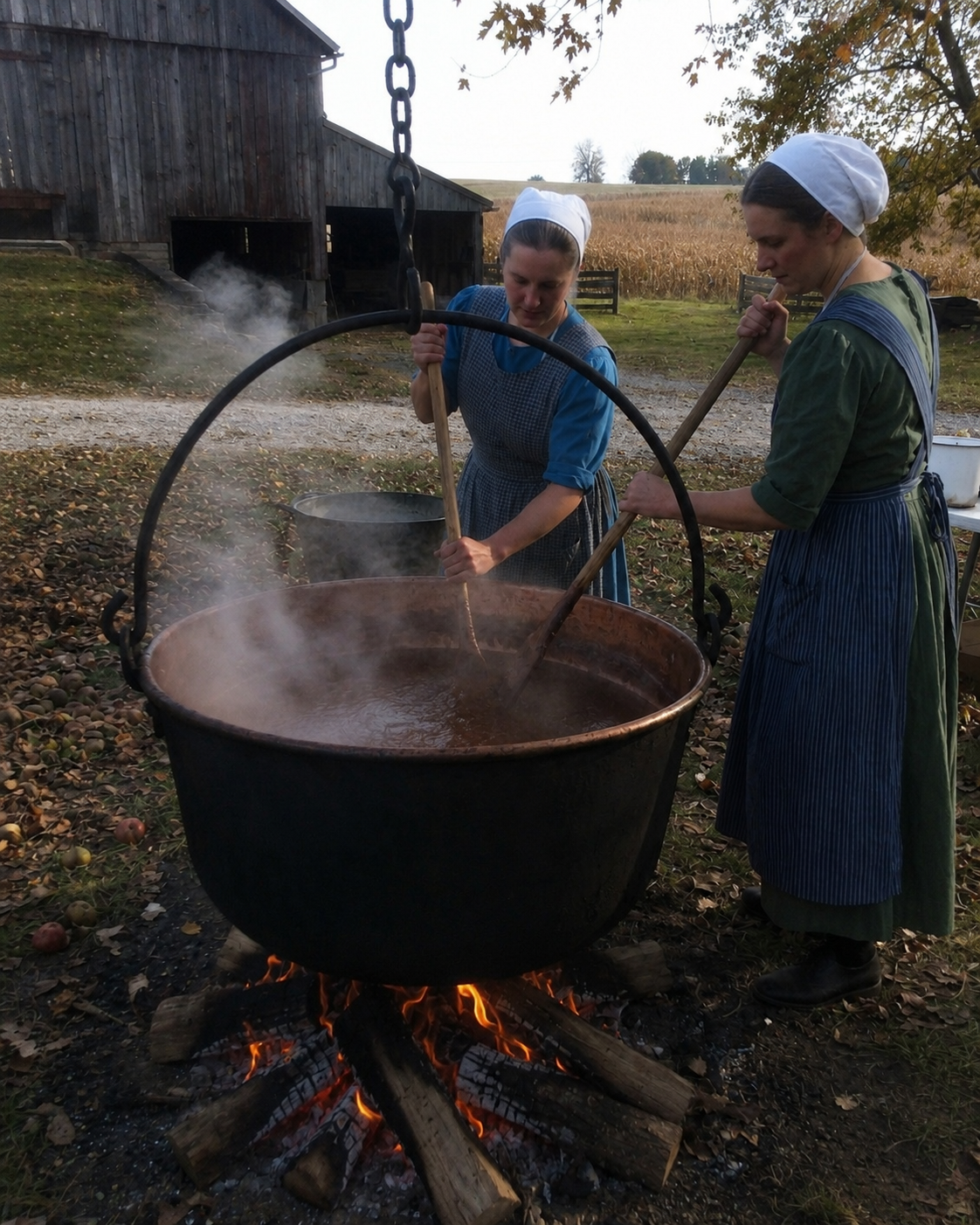
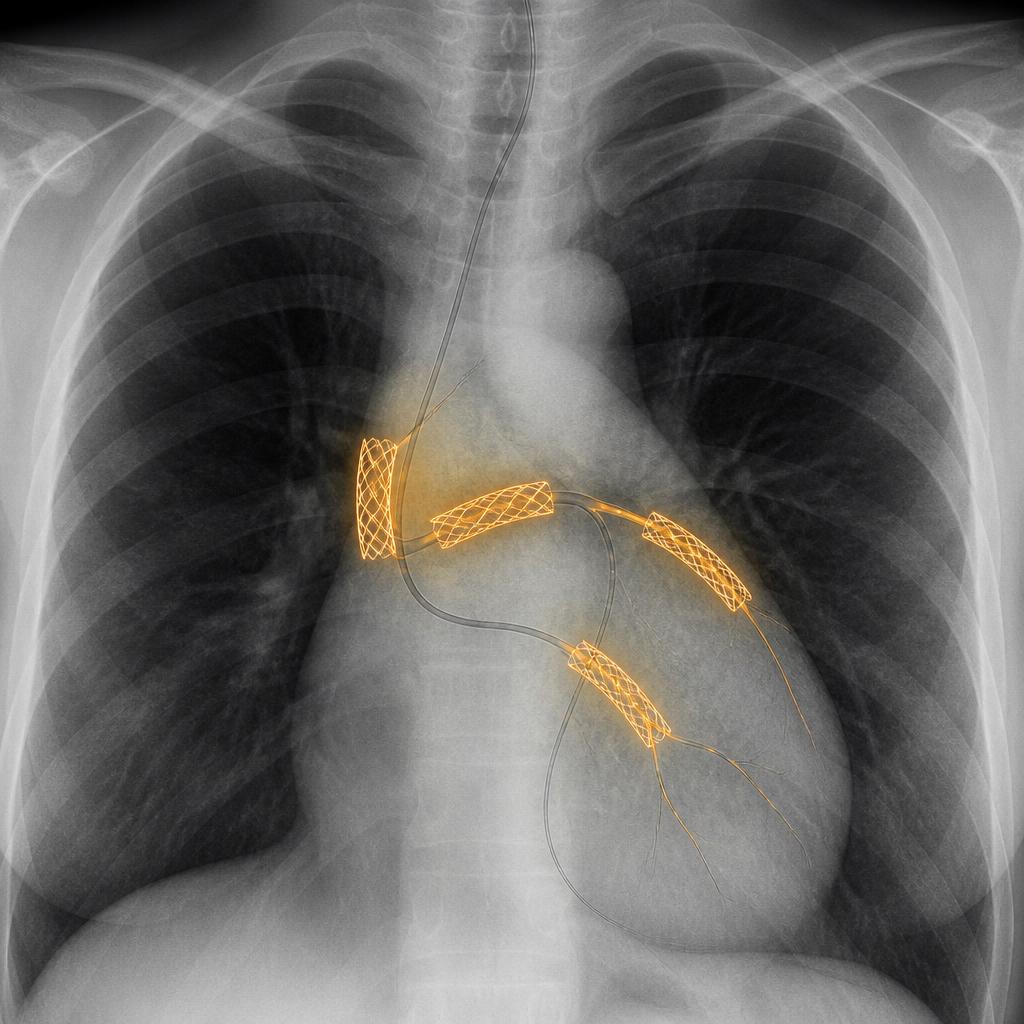
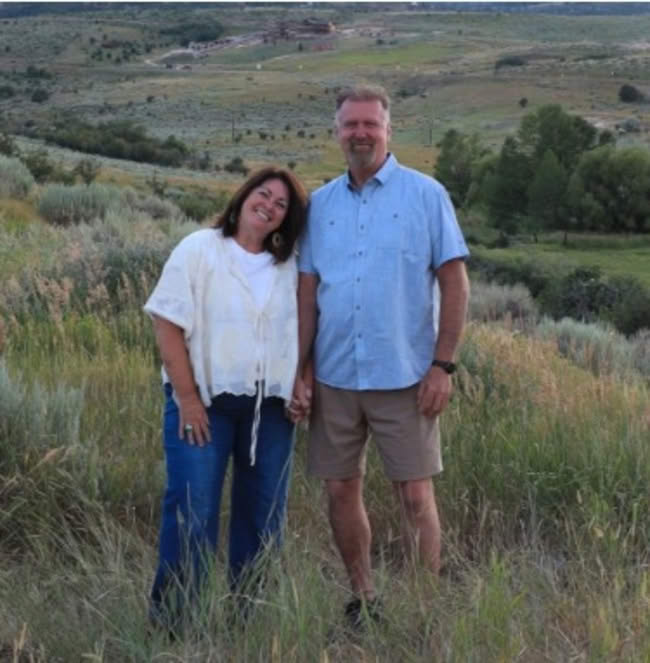
My husband started taking statins on June 11th, 2024. Took his 40mg Lipitor every morning at 7 AM without fail. Took the fish oil pills he ordered off Amazon. Cancelled his Friday night steak dinner at Mancino's. Quit eggs entirely. Went on the Mediterranean diet. Walked three miles a day. Started eating oatmeal every morning, of all things. He did everything the doctor told him. He died of a massive heart attack on October 25th at 5:23 AM. He was 61 years old. He was the best man I have ever known. Started his statin on June 11th. Quit red meat the same day. Ate nothing that wasn't approved. Lost 19 pounds. Walked three miles a day, rain or shine. The hospital bill was $74,000. The funeral was $12,400. His cast iron skillet is still hanging above the stove. I can't take it down. If I take it down, he's really gone. His pill organizer is still on the windowsill above the sink. I can't empty it. The Saturday slot is still full. He died at 5:23 AM — before the 7 AM pill that was supposed to save him. Sunday through Friday are empty — six doses of the Lipitor that didn't. If I empty it, he's really gone. I need to tell you what happened to Truman. Because I'm seeing the same posts on Facebook that I was making just months before he died — "my husband's doctor put him on a statin, any tips to bring his cholesterol down naturally?" — and it makes me physically ill. If you're over 50 and your cholesterol numbers are elevated, or someone you love's are, please read this entire thing. I know it's long. I know you're scrolling. I know you have things to do. Fifteen months ago I would have given anything — everything — for someone to tell me what I'm about to tell you. Truman went in for routine bloodwork on June 28th, 2024. He felt fine. Better than fine. He'd just turned 60. He still hunted deer every November. He still rebuilt the engine in his '72 Chevy on Saturdays. He thought he was indestructible and honestly so did I. I need to tell you something about my husband so you understand what I lost. Truman was the kind of man who never walked past someone who needed help. He'd pull over for a stranger with a flat tire in the rain. He'd spend his whole Saturday helping Randy next door rebuild a fence and refuse to take a dollar for it. He remembered the name of every waitress at Mancino's and asked about their kids. He'd come home from work and the first thing he'd do — every single day for 38 years — was find me wherever I was in the house and kiss me on the forehead. Not because he was trying to be romantic. Because that's who he was. He was the safest place I've ever been. And I was the luckiest woman in Ohio. I knew it then. I know it now. The difference is now I'm saying it to a screen at 2 AM instead of saying it to him. Two days later his doctor called. LDL of 187. Total cholesterol of 264. "Your LDL is very elevated, Truman. We need to talk about your diet. And I'm putting you on a statin today." Truman was quiet on the call. I was in the kitchen pretending not to listen. "How much red meat do you eat?" "Steak a couple nights a week. Bacon and eggs with breakfast on Sundays. Maybe a ribeye when we go out." "That's enough to do this. You need to cut out the red meat and the eggs. Completely. No exceptions. I'm prescribing 40mg of atorvastatin. One pill every morning. We'll retest in three months." Truman hung up the phone and sat at the kitchen table for forty minutes without saying anything. Then he stood up, walked out to the garage, and emptied the chest freezer. I watched him bag up a $90 ribeye from Snake River Farms. A $60 tomahawk from the butcher. A $40 New York strip. Two coolers of venison from his November hunt — all of it loaded into the bed of his truck and driven down to the food bank. The whole freezer — gone in under an hour. "That's it," he said. "I'm done." And he was. That was Truman. Once he decided something, the decision was made. He didn't complain. He didn't negotiate. He just did it. He was the strongest man I've ever known and I spent 38 years watching him prove it in quiet ways that nobody else saw. He picked up the Lipitor from the CVS on Reynolds Road that afternoon. Took the first pill at 7 AM the next morning with a glass of water. Set the bottle on the kitchen windowsill where he'd see it every day. I bought him a Sunday-through-Saturday pill organizer and started filling it every weekend. Two weeks in, Randy told him over the fence that his cardiologist had him on fish oil for his own cholesterol. Truman ordered a bottle off Amazon that night. Added it to the pill organizer the next Sunday. For 103 days, he didn't touch a bite of red meat. He didn't miss a single pill. No steak. No bacon. No eggs. Not at his nephew's wedding in August. Not at the Browns game in September. Not at his own 61st birthday dinner in October where his brother ordered the porterhouse right in front of him and Truman ate the grilled chicken breast. I threw out 38 years of recipes. I learned to cook things I'd never made in my life — lentil stew, baked tilapia, quinoa bowls with kale. I'd stand at the stove at 6 PM watching him push the food around his plate and pretend it was fine. Truman loved my cooking. That's not the right word. My cooking was part of our marriage. Sunday pot roast was how we started every week. His birthday ribeye was how I told him I loved him without saying it. The chili recipe his mother gave me the week before our wedding — that was ours. And now I was standing at the same stove making lentil stew and watching the man I loved pretend it tasted like anything other than giving up. I ate the same dinners he did. If he had to give up everything he loved, I wasn't going to sit across from him with a ribeye on my plate. He stopped going to Randy's Wednesday night cookouts because he couldn't sit there eating a side salad while everyone else ate ribeyes. I stopped going too. I lost my Thursday night dinners with the girls at the country club because I couldn't stand the look on Truman's face when I came home full and he'd been eating salad. He lost his buddy Butch, who told him "you're no fun anymore" and stopped inviting him. He skipped his annual deer hunting trip to the cabin with his brother for the first time in 30 years. He lost a piece of himself he'd been carrying for 35 years. And he did it anyway. Because the doctor said to. He'd started complaining that his legs ached at night — a deep, bone-tired ache that wouldn't go away no matter how much he stretched. I'd lie next to him listening to him shift his weight from one side to the other, trying to find a position that didn't hurt. He was tired in a way sleep didn't touch. Asleep in his chair before the news was over. Taking the stairs one at a time. I'd watch him grip the banister and pull himself up step by step, and I'd remember the man who used to take them two at a time. His hands had started to feel different too. He'd pick up his coffee cup and his grip would slip, just for a second. Twice he dropped his car keys in the driveway and stood there looking at them like he wasn't sure how they'd gotten there. I picked them up both times and pretended I hadn't noticed. I should have said something. I should have grabbed his arm and said Truman, this isn't right, something is wrong with you. But I didn't. Because he was doing what the doctor told him and I didn't want to be the one who made him doubt it. I will carry that for the rest of my life. The doctor said it was probably just from the walking. From getting older. From the lifestyle changes catching up with him. The follow-up labs came back on October 9th. LDL: 178. Total cholesterol: 251. I was the one who opened the patient portal. I read the numbers three times because I thought I was misreading them. He'd been on the statin AND cut out red meat entirely for 90 days and the numbers had barely moved. The doctor said "some patients don't respond well to atorvastatin at this dose. We'll double you to 80mg and retest in 6 months. Keep doing what you're doing." Truman came home that night and sat at the kitchen table again. The same table he'd sat at after the first call. He didn't say anything for a long time. Then he said: "I gave up the steak. I'm taking the pills. The numbers won't budge." I told him to give it time. I told him the doctor said six months. I told him to trust the process. He nodded. He kept walking. He kept eating the salads. He kept taking the Lipitor. Five days later — five days — he woke up at 2 AM with chest pain that dropped him to the kitchen floor. I drove him to the ER doing 80 in a 35, with my hand on his chest the whole way to make sure he was still breathing. I was talking to him the whole drive. I don't remember what I said. I think I just kept saying his name. Truman. Truman. Truman. Like if I said it enough times he'd stay. By the time they admitted him at 3:47 AM, his lips were gray. Not "a little pale." Gray. Like wet cement. Like the blood had stopped reaching them. I sat in the waiting room for an hour and forty minutes. I called our daughter at 4:12 AM and couldn't get the words out. I just kept saying "something's wrong, something's wrong." The vinyl chair stuck to the back of my legs. The ER cardiologist — a young guy, couldn't have been 35 — looked at Truman's bloodwork and his face did this thing. "Mr. Ackerman, your troponin is 47. That means a chunk of your heart muscle is dying right now. Your LDL is 178 — exactly where it was five days ago. Your arteries have been filling with damaged plaque for years, and one of them just ruptured. We're taking you up to cardiac ICU now." "But I've been doing everything," Truman said. The cardiologist just looked at him. "I know, Mr. Ackerman. I'm sorry." Truman spent 11 days in the cardiac ICU. I learned things about the heart I never wanted to know. I learned that when a heart attack hits like Truman's did, the oxygen stops reaching your brain for whole minutes at a time. They call it hypoxic encephalopathy. It means your husband stops being your husband. He looks at you like he's trying to remember who you are. He says things that don't connect. On day 6, Truman asked me three times in twenty minutes if he was going to be late for his shift at the plant. He retired from the plant in 2018. This was a man who could tell you the torque spec on every bolt in a '72 Chevy engine from memory. Who remembered our anniversary, our daughter's first word, the exact date he caught his biggest buck. And now he didn't know what year it was. By day 4, they had to put soft white mitts on his hands. He kept reaching for the ventilator tube in his sleep — pulling at it, fighting it, unconscious but determined to get it out. The nurses tied the mitts to the bed rails with cloth straps. I sat next to him for hours watching his fingers work inside them, trying to grip something that wasn't there. Those hands had rebuilt a '72 Chevy engine from scratch. Held our daughter the day she was born with a grip so gentle you'd have thought he was holding something made of glass. Now they were tied to a hospital bed. I learned that they were pumping him full of something called CoQ10 — through the IV, around the clock. The nurse told me CoQ10 is what every muscle in your body uses to fire. The heart most of all. Without it, the heart muscle can't pump properly. She said the statins Truman had been taking for the last four months had been draining it out of him the whole time. She said by the time you have a heart attack on a statin, the tank is empty. It bought him 11 days. Day 8, his heart wasn't pumping hard enough to keep the rest of him alive. The doctors talked about an LVAD — a machine that does the pumping for you. Then they talked about him not being a candidate because of how fast he was declining. Then they stopped talking about machines altogether. Day 10, his lungs filled up with fluid. They had to drain 2 liters out of his chest with a needle. Two liters. The nurse called it pulmonary edema. I called our daughter. By day 10 I hadn't slept in my own bed in eight nights. I was eating crackers from the vending machine and drinking the coffee from the family room urn that tasted like it had been sitting since the day before. I stopped looking at myself in the bathroom mirror. I'd lost eleven pounds in nine days. My sister flew in from Cincinnati and tried to make me go home for an hour. I wouldn't go. If I left and something happened, I'd never forgive myself. On day 10, late at night, the ICU was quiet and Truman was asleep and I sat next to his bed holding his hand through the mitt. His face was swollen from the fluids. The ventilator was doing the breathing for him. He didn't look like himself. But I could still see him in there — the boy I met at a church dance in 1986 who asked me to dance twice and then walked me to my car and didn't try to kiss me and I thought right then, that's the one. I held his hand and I told him that story again. I don't know if he heard me. I told him anyway. Day 11 — October 25th — I was in the family room down the hall. They'd asked me to step out while they intubated him. The chair I'd been sleeping in was still warm. There was a cardigan I'd left over the arm of it. I remember thinking I should fold it. At 5:14 AM I heard the long beep. I didn't move. I sat there listening to it not stop. Nine minutes. I counted them on the wall clock. I knew before anyone came. I knew the second the beep didn't end. At 5:23 AM, a doctor I'd never seen walked into the family room. "I'm so sorry. We did everything we could." I drove home at 7 AM. The air fryer was still on the counter. His walking shoes were by the back door. The pill bottles were lined up on the windowsill above the sink — the Lipitor, the fish oil, the multivitamin. His cast iron skillet was still hanging above the stove — the one he'd seasoned for fifteen years and wouldn't let me wash with soap because he said I'd ruin it. His reading glasses were on the kitchen counter, folded next to the newspaper he'd been reading the night before. His pill organizer was still on the windowsill. Saturday full. Sunday through Friday empty. Where it sits today. I sat in his recliner. The one that still smells like his aftershave if I press my face into the headrest, which I have done more times than I will ever tell another person. I didn't move for six hours. The house was so quiet I could hear the refrigerator hum. 38 years. And now the only sound in my house was the refrigerator. The funeral was November 1st. Truman's brother flew in from Phoenix. Our daughter drove up from Columbus. The grandkids wore suits that were too big for them. My five-year-old granddaughter asked me: "Grammy, when is Pop-Pop coming home?" I told her Pop-Pop was in heaven now. She said: "Can we call him there?" I had to walk out of the room. I went and stood in the garage next to his Chevy and put my hand on the hood and cried so hard I couldn't breathe. 38 years. He asked me to dance twice and walked me to my car. And my granddaughter wanted to call him in heaven and I couldn't even say the word gone. After the funeral, I tried to go back to normal. I couldn't. Because every time I opened my phone I saw people my age, men Truman's age, posting things like "doctor put my husband on Lipitor, anyone tried bringing cholesterol down naturally?" or "annual checkup, slightly high LDL, no big deal." And I knew — I KNEW — some of them were doing exactly what Truman did. Taking the statin. Quitting red meat. Walking. Eating salads. Taking the fish oil. And dying anyway. I couldn't just sit there and watch it happen. So I started researching. Not because I wanted to. Because I had to. Because if Truman gave up everything for nothing — if I can't save even one person from what happened to him — then I can't live with that. I read for weeks. Medical papers I barely understood. Cardiology forums. Studies I had to read four times. And one thing kept coming up, over and over, that no doctor ever told us: Everybody watches one number. Your LDL. The doctor watches it, you watch it, the whole protocol is built around getting it down. Drive it down far enough and they tell you you're protected. But that number was never the thing that hurts you. Cholesterol isn't poison. Your body makes it on purpose. You'd die without it. It only turns dangerous when it gets damaged. Oxidized. When certain free radicals in your blood attack it, it changes — goes rancid, gets sticky, and starts embedding in the walls of your arteries. That's the plaque. That's what ruptures. That's the heart attack. The statin lowers the amount of cholesterol floating around. It doesn't stop the oxidation that turns it deadly. And the way it lowers the number — by shutting off a pathway in your body — it also shuts off something called CoQ10. The spark every muscle needs to fire. The heart most of all. The leg aches. The tiredness. The grip that wasn't what it used to be. That wasn't aging. That was the pill draining the spark out of every muscle in Truman's body while doing nothing about the damage that was actually killing him. He gave up everything he loved to lower a number that was never the threat. While the medicine that was supposed to protect him was burning through what was left of his heart. I sat there at the kitchen table reading that and I thought about Truman's father. Homer. Eighty-three years old. Been on Lipitor for twenty-one years. Last Thanksgiving — the last one Truman was alive for — we drove to his parents' house. I carried the sweet potato casserole in. Truman's mother met us at the door. She looked the way she always looks now — tired in a way that goes past sleep. The kind of tired you get from carrying someone else's disappearance for two decades. Homer was in the living room. In the recliner. Because there's nowhere else he can be anymore. They moved the recliner to the head of the dining table years ago because he can't sit in a regular chair long enough for a meal. His hands were shaking. Not a lot. Just a constant, fine tremor on the armrests. Like a current that won't shut off. Those hands used to rebuild lawnmower engines in his garage. Used to throw a football with our kids in the backyard every Thanksgiving morning. Truman sat down next to him and Homer smiled and said, "True, when did you get here?" "Just now, Dad." "Good. Good. You still working on that engine?" Truman had finished that engine two years ago. He and Homer had started it together, back when Homer's hands were steady enough to hold a wrench. Homer didn't remember finishing it. "Still working on it, Dad." He asked the same question again twenty minutes later. Same smile. Same voice. Like the first time never happened. Truman's mother answered for him. The way she always does. Every time like it's the first time. When it came time to carve the turkey, Homer reached for the knife. His hand was trembling. Truman's mother said "I've got it, Homer" and took it from him without looking at anyone. She carved the turkey standing up, her back to the table, and nobody said a word. Twenty-one years on Lipitor. His cholesterol numbers are perfect. His doctor calls it a success. Maybe it's the medication. Maybe it's just age. I don't know. But I know his numbers look great on paper and the man who used to throw a football can't hold a fork steady. He can't button his own shirt. He can't carve a turkey. He asks his grandchildren the same question three times in one visit. There's a map pinned to the kitchen wall — Route 66, with red thumbtacks marking every stop — the trip he and Truman's mother were going to take when he retired. It's been on the wall for fourteen years. They never went. They'll never go. And I remember looking at Truman across the table at that Thanksgiving dinner — the last one, the one I didn't know was the last one — and he was watching his father's hands and I could see on his face that he was scared. He was already on the same pill his father was on. He'd been on it for five months. And he was watching his own future shake a carving knife over a turkey. I should have grabbed his hand under the table and said we're going to find another way. I didn't. I sat there and ate the turkey and drove home and we never talked about it. I think about that every night. I sat with all of that for three days. The oxidation. The CoQ10. The statin doing exactly what it was built to do. The number going down while the damage kept building. And then I found the thing that changed everything I thought I understood. It started with a question I couldn't let go of: if this is how cholesterol actually works — if the oxidation is the real threat and the statin doesn't touch it — then why don't more people die of heart attacks? Why aren't the numbers even worse? Somebody, somewhere, must have figured out a way to stop the oxidation. Somebody must have solved this. So I started looking at populations. Not studies — whole groups of people. Who has the lowest rate of heart disease death, and what are they doing that we're not? And the answer kept coming back to the same place. Not a country on the other side of the world. A farming community one state over — a day's drive east of where I sit. The Amish of Lancaster County, Pennsylvania. There's a study out of Penn State — a real study, out of a real university — that found the Amish in Lancaster County have a cardiovascular death rate seventy-four percent lower than the rest of Pennsylvania. Seventy-four percent lower. And here's the part that made me set my coffee down and stare at the screen: they eat the food Truman's doctor took away from him. Red meat. Eggs. Butter. Bacon. Sausage and gravy and scrapple. They don't count calories. They don't do the Mediterranean diet. Half of them have never set foot in a gym in their lives — they get their exercise behind a plow, not on a treadmill. By every rule Truman's doctor lived by, they should be dropping dead of heart attacks faster than the rest of us. They're not. They're dramatically healthier — and they have been for generations. I started digging into what they were doing differently. Not the hard work. Not the fresh air. Not the lack of stress — those things help, but I'd already tried clean living and watched it fail. I was looking for the one thing nobody in Truman's doctor's office had ever mentioned. I found it at 3 AM on a Tuesday night, sitting at the kitchen table in Truman's chair because I'd started sitting in his chair when I couldn't sleep. It was a beet. Not the beet you're picturing. Not the shriveled red thing in a can at the grocery store. The Amish there grow an heirloom beet — a seed line their families have kept and replanted for six generations, on the same Lancaster County fields, never crossed with anything, never bred for sugar. They call it by an old German name. Blutwurzel. Blood root. And it turns out the deep crimson-purple color of a real beet isn't just color. It's a compound. A whole class of them called betalains — some of the most powerful antioxidants in the entire food supply. And betalains do one specific thing better than almost anything on earth: they neutralize the exact free radicals that oxidize cholesterol. The rust. They stop the rust. I almost closed the laptop. Because it sounded too simple. A beet? That's it? That's the thing nobody in that clinic ever said out loud? But I kept reading. Because what I was reading wasn't a blog post or somebody's Instagram. There were real studies. University studies. One out of Wageningen University in the Netherlands — a name I'd never heard of but that Roberta, my cardiologist friend, would recognize immediately. Peer-reviewed. Controlled. Real numbers on real people. And then I found the one that made me put both hands flat on the table. A controlled study — the kind that actually means something — where people took the concentrated beetroot compound for twelve weeks. No statin. No diet change. No giving up a single steak. And their LDL dropped an average of fifteen points. In twelve weeks. From a beet. I sat there and I did the math. Truman's LDL was 187 the day they put him on the statin. Fifteen points would have brought him to 172. That's lower than the 178 he was sitting at after four months of Lipitor AND quitting red meat AND walking three miles a day AND the fish oil AND the oatmeal AND the lentil stew AND every single thing I'd been forcing him to eat and do for 103 days. A beet — just a beet, the right kind — would have done more than all of it combined. Without taking anything away from him. Without draining a single spark from his heart. I called Roberta the next morning. "Roberta, I need you to tell me if I'm crazy." "About what?" "An heirloom beet. The betalain pigment. For cholesterol. The oxidation research." She was quiet for a moment. Not the confused kind of quiet. The kind of quiet where someone is deciding how much to say. "You're not crazy, Charlene." "Then why didn't Truman's doctor know about this?" "Some of them do know. Most of them don't. And the ones who know don't bring it up because there's no pharmaceutical company funding the awareness. There's no patent on a beet. Nobody's spending a billion dollars to get FDA approval for something they can't own. You can't patent a plant the Amish have been growing since before the Civil War. So the studies sit in journals that American cardiologists don't read, and the beet stays in Lancaster County, and Americans keep getting statins." "You're telling me a farming community one state over has been eating this for six generations and nobody in Truman's doctor's office had ever heard of it." "I'm telling you that American medicine is built on suppression. Block the production. Lower the number. Manage the chart. Somebody a long time ago asked a different question: what if you stopped the damage instead of suppressing the response? What if you left the cholesterol alone and neutralized the thing that was making it dangerous?" "And the answer was a beet?" "The answer was betalains. The pigment. It's not a carpet bomb like vitamin C or vitamin E — it doesn't wipe out every free radical in your body, the ones you need included. It targets the specific reaction that turns your cholesterol rancid and leaves the rest alone. A smart missile, not a grenade. And it folds right into the cholesterol particle, right where the rusting starts — a place a statin can't reach, a place fish oil can't reach, a place nothing on a pharmacy shelf can reach." "And that's it?" "That's not even the half of it. Here's the part your doctor will never tell you. The betalains do all of that without touching the one production line the statin shuts off. The line that makes CoQ10 — the spark. So they stop the rust the pill ignores, and they leave the spark the pill drains. The one thing the pill can't do, this does. The one thing the pill does to you, this doesn't." "Why didn't you tell me this when Truman was alive?" The longest silence of the conversation. "Because you didn't ask, Charlene. And because I'm trained not to volunteer it. That's the honest answer and I'm sorry." I hung up and sat in Truman's chair for an hour. A farming community. Six generations. And nobody told us. I went to CVS the next day. I stood in that aisle for forty minutes. Red yeast rice. Plant sterol capsules. Fish oil. CoQ10 capsules. Niacin. "Cholesterol support" 30-day programs. Multivitamins with "heart support." Not a single one of them could touch the oxidation. Not one was the beet I'd read about. I bought the CoQ10 anyway. Took it for two weeks. Nothing changed. I bought the red yeast rice. Took it for another two weeks. Nothing. The CoQ10 couldn't survive my stomach acid. The red yeast rice was just an unregulated statin — same mechanism, same CoQ10 depletion, same bottle with a leaf on the label. I threw both bottles in the trash that night. Three dead ends. And a farming community on the other side of the state eating the answer out of their own gardens. I was furious. I'm still furious. About a week later I was scrolling a Facebook group for women whose husbands are on statins, or who are on statins themselves — full of people like I was. "Just got the bad labs" people. "Doctor wants to put me on Lipitor" people. "Has anyone tried bringing it down naturally" people. A woman posted something that stopped me cold. She said her husband had been put on Lipitor at 58. He took it for two years. His LDL came down on the chart to 142, but the leg pain got so bad he couldn't sleep, his energy was gone, and his cardiologist still wanted to double his dose — sound familiar? — and then she found something she'd never heard of before. Not another pill. Not another capsule of powder that dies in your stomach. A specific beet. An heirloom strain, grown by Amish farmers, dried slow so the pigment survives, in a real dose. The same thing that community has been eating for six generations — but in a capsule she could keep on her own kitchen counter. She added it to what he was already taking. Didn't stop the Lipitor — his cardiologist kept him on a lower dose. His LDL went from 142 to 98 in ten weeks. His energy came back within a few weeks — she said it was like the color came back into him, blood and oxygen finally reaching muscles that had been running on empty. His cardiologist looked at the new number, cut his Lipitor dose in half, and told him to keep going with the beet. And it was after that — off the full-strength pill — that the aching in his legs finally let up and he started sleeping through the night again. His next set of labs — on the lower dose — came back at 105. Without going back to full-strength statin. Without doing anything else different. I read that post six times. I went to Amazon that night and ordered what looked like the best option. Beetroot capsules. Bestseller badge. Good reviews. Two-day shipping. They arrived. I took two every morning for three weeks. Tasted like nothing. A little more energy in the afternoons, maybe. But nothing dramatic. Nothing that made me think this is the thing. I went back to the Facebook group and posted about it. Asked if anyone else felt like the results were underwhelming. A woman replied within an hour. Asked me one question. "What strain is it?" "The what?" "The beet. Does the label name the strain, or does it just say beetroot? Is it shade-dried or spray-dried? Does the company publish a lab report — an actual certificate of analysis? And what color is the powder if you twist a capsule open?" I went to the kitchen and opened one over a white saucer. The powder was brown. A dull, brick-brown. The label just said "beetroot powder." No strain. No drying method. No lab report anywhere on the bottle. She wrote back: "That's your problem. That's the grocery beet — the sugar beet. We spent a hundred years breeding that one for sweetness, and every year we bred the sugar up we bred the pigment down. Then they spray-dry it with high heat, which cooks out whatever betalains were left. Brown powder means dead pigment. The betalains are the whole medicine, and yours are gone. You've been swallowing red dust — the ghost of a beet, not the beet. That's like buying a bag of white sugar and calling it sugarcane. You got what was left after they took the medicine out." I spent the next two hours going through every beetroot supplement I could find. She was right. Almost all of them were the sugar beet, spray-dried. Most didn't name the strain at all. The ones that bragged about a big dose buried it inside a "proprietary blend" so you couldn't tell how much beet was actually in there — and none of them would show you a lab report. Which, once you know what to look for, tells you everything. If the pigment were really in there, they'd show you the sheet. I threw the Amazon bottle in the trash with the CoQ10 and the red yeast rice. Four bottles in the trash. Four dead ends. And the clock was still running on my own borderline numbers. I went back to the woman in the group and asked her what she took. That's when I found Rosabella. The Blutwurzel strain. The heirloom beet — the six-generation seed line, grown by the Amish families in Lancaster County. Shade-dried, slow, never spray-dried, so the pigment survives. 1,300 milligrams in every capsule — a real dose, not a pinch hidden in a blend. And a certificate of analysis from an independent lab, posted right there for anyone to read. Four for four. Everything the woman told me to look for. Three days later the box arrived. Simple packaging. Nothing flashy. I took a capsule out to the counter and twisted it open over a clean white saucer — the same way I'd checked the Amazon one. The powder that fell out was not brown. It was deep crimson. Almost violet. It looked like something alive. I dipped my finger in a glass of water and let a single drop fall onto it. The red bled across the white saucer instantly, bright and clean, nothing like the dull brown dust from the other bottle. I said out loud to the empty kitchen, "That's not the same thing at all." Truman would have come up behind me and put his hand on my shoulder the way he always did when he caught me talking to myself and said "Charlene, who are you arguing with now?" He's not here to say it anymore. So I took two capsules with a glass of water. Two capsules. One glass of water. Every morning. Made in a facility that publishes its lab report for anyone to read. Third-party tested. A 90-day money-back guarantee — if your numbers don't move, you get every penny back, no questions asked. I almost didn't order it. After four bottles in the trash. After the fish oil. After Truman. After everything. But I had a brother in Phoenix who was being told the same thing Truman had been told. I had myself. I ordered it. My brother Sherman. Came back from a routine appointment with an LDL of 184. Doctor wanted to put him on a statin. He refused — said he'd watched Truman take it for four months and end up in a casket, and he wasn't going down that road. Didn't know what else to do. I sent him a box. I didn't ask. I just sent it. Wrote a note that said "If you don't take this every day I will never speak to you again, Sherman, I mean it." He took it. He kept eating red meat — he wouldn't quit, he's stubborn the way Truman was stubborn — but he dropped two capsules in a glass of water every morning. He went back to his doctor four weeks ago for a follow-up. LDL: 128. Down from 184. In ten weeks. He hadn't stopped eating red meat. He hadn't started a statin. He hadn't changed his diet. He hadn't started exercising. The only thing he changed was two capsules of the right beet every morning. He called me crying. My brother. 57 years old. Crying on the phone like a kid. He said: "Charlene, I think Truman died because nobody told him about this." I had to hang up. I sat in Truman's recliner and I held the phone in my lap and I looked at his cast iron skillet hanging above the stove and I thought: you should be here for this. You should be the one hearing Sherman's numbers. You should be the one saying I told you so. Not me. I'm the one who worries. You were the one who fixed things. Then there's Randy next door. 61, two grandkids, borderline cholesterol at his last physical. His doctor had him on a low-dose statin and he'd been dragging through his afternoons for months — falling asleep in his recliner by 3 PM, couldn't keep up with the grandkids in the yard. Started taking Rosabella six weeks ago, right alongside his statin. Last Wednesday at the cookout he grabbed my arm and said, "Charlene, I'm not kidding — I carried both grandkids across the yard yesterday. One on each hip. Haven't done that in two years. It's like the blood is reaching my legs again." His doctor saw his last panel and eased the dose down. Randy says the afternoons belong to him again. I told my sister in Cincinnati. I told my daughter in Columbus. I told the girls in my Thursday night dinner group at the country club. I told Randy and the guys at his Wednesday cookouts. I'm not a doctor. I'm not a scientist. I'm not selling anything and I don't get a penny from any of this. I'm a 59-year-old widow sitting in my dead husband's recliner at 2 in the morning because I can't sleep and I can't stop thinking about my brother Sherman — 57 years old, in Phoenix — and everyone else out there right now doing exactly what Truman did. Here's what I know because I lived it: The statin lowered the number on the chart. It didn't touch the oxidation that was actually killing him. And it drained the CoQ10 his heart needed to keep firing. Quitting red meat slowed the damage going forward. It didn't repair the years of damage already inside him. Fish oil thins the blood a little. It sits on the surface. It doesn't reach the wall of the artery where the real damage is happening. The CoQ10 capsules from CVS can barely survive your stomach acid. The red yeast rice is just an unregulated statin that drains the same spark. The beetroot capsules on Amazon are the grocery sugar beet, cooked to brown dust — the pigment bred out and burned out, a candy vegetable pretending to be medicine. A farming community one state over figured this out six generations ago. A cardiovascular death rate seventy-four percent below the rest of their state — eating the exact food Truman's doctor forbade. A controlled study showing real LDL drops from nothing but the concentrated beet. And nobody in Truman's doctor's office had ever mentioned it. Truman gave up everything he loved for 103 days and it didn't save him because nobody told him what was actually broken. The answer was growing in a field in Pennsylvania. I wish someone had told us before June 28th, 2024. Before the routine bloodwork. Before the chest freezer in the garage. Before the 103 days of grilled chicken breast. Before October 25th at 5:23 AM. I can't go back. Truman can't come back. His cast iron skillet is still hanging above the stove and it's going to stay there. But you're still here. And there are two roads in front of you right now. One road is the prescription. You fill it. He takes it. Six months from now his LDL is down and the doctor says it's working. A year from now you notice his grip isn't what it was. He drops a coffee mug and blames the handle. You don't say anything but you notice. Two years from now he's tired by 2 PM every day. The projects in the garage sit unfinished. He stops making plans. Three years from now you're at Thanksgiving and he reaches for the carving knife and you see the tremor in his hand and your stomach drops because you've seen that tremor before. In another man's hands. In a recliner at the head of the table. I know where that road goes. I've been watching it for twenty-one years at Truman's parents' house. Homer's cholesterol numbers are perfect. He can't button his own shirt. And that Route 66 map is still on the kitchen wall with the thumbtacks still in place. The other road is two capsules in a glass of water tomorrow morning. You don't tell him what to expect. You just watch. Within a week or two, the energy shifts. The fog clears. He starts doing things again. Planning things. You count the days until the next bloodwork. You sit in the waiting room like you're waiting for a verdict. And when the doctor calls with the numbers, you hear the confusion in his voice when the results don't match what he expected without full-dose medication. And you know. And the trip you've been planning — the retirement, the cabin, whatever your version of Route 66 is — you take it. Together. With the man you married still being the man you married. Truman and I were supposed to drive the Pacific Coast Highway. He'd been talking about it since our twenty-fifth anniversary. Thirteen years of talking about it. We never went. Don't be us. I want you to go order a bottle. Not for me. For whoever you'd leave behind. Truman used to say: "You can't put rust back in the can, but you can stop it from spreading." You can stop it from spreading. — Charlene Ackerman, age 59, Toledo, OH P.S. The pill organizer is still on the windowsill. Saturday full. Sunday through Friday empty. Every morning I walk past it and for one second I forget. For one second I think he's about to head out to the garage to work on the Chevy, whistling the way he always did when he was about to get his hands dirty — this low, tuneless whistle that used to drive me crazy and now I'd give anything to hear one more time. He's not. $74,000 in hospital bills. $12,400 for the funeral. 103 days of him giving up everything he loved for nothing. And two capsules of a beet that cost less than what he used to spend on a single steak dinner at Mancino's — the same beet a community with a cardiovascular death rate seventy-four percent below the rest of their state has been growing for six generations. Please. Don't end up here. Don't let someone you love end up here. P.P.S. I don't work for Rosabella. I don't get a penny from this. I'm writing this at 2:14 AM because I can't sleep and Truman's side of the bed is cold and my brother Sherman is 57 and stubborn. He refused the statin his doctor wanted to put him on — he's taking the beet now, and his last numbers were better than mine — but I still catch myself scared every time the phone rings after nine at night. I already got the call once. I can't get it again. Share this with anyone you love whose cholesterol is elevated. Even a little. Even if their doctor says "borderline." Even if they're already on a statin. Please. P.P.P.S. If your husband is already on a statin and his numbers look fine, please don't close this page. Truman's LDL was 178 the day he died. His doctor would have called that an acceptable number on the medication. The number was never the threat. The damage was. Rosabella works on the damage — the betalains stop the oxidation the statin ignores, and unlike the statin, they don't drain the spark your heart runs on. It works alongside the statin. It works after the statin. Randy told me the first thing he noticed was the blood reaching his legs again within about ten days — and he'd been on a low-dose statin for two years before he started. You haven't missed the window. The window opens the day you start. P.P.P.P.S. If you're reading this and thinking "he'd never go for it" — I want you to hear me. I didn't argue with Sherman. I sent him a bottle with a note that said if he didn't take it I'd never speak to him again, and he took it because he loved me. He didn't believe a word of it on day one. He believed it ten weeks later when the labs came back. You don't have to win the argument before you ask him to start. You just have to get the bottle in the house. Truman would have done it without thinking. He would have just set it on the counter and said "take this" and that would have been the end of it. That's who he was. Be that person for whoever you're reading this for. P.P.P.P.P.S. One last thing, because I know what it is to be afraid to hope again. There's a 90-day money-back guarantee tied to actual results. If his numbers haven't moved in three months, you send the empty bottles back and they refund every penny — no questions, no fight, no fine print. Three months is one round of labs. You can know in one round of labs whether this is real for him the way it was real for Sherman. That's all I'm asking. One round. Don't let three months go by without it being in the house. P.P.P.P.P.P.S. One more thing. You won't find Rosabella on Amazon. You won't find it on a shelf at CVS or Walmart. The bestsellers there are the grocery sugar beet, spray-dried to brown dust — I wasted three weeks and a bottle on one before I learned the difference. That's not a small gap. That's the difference between red dust and living crimson — between the ghost of a beet and the beet. They grow one heirloom seed line, hand-harvested once a year after the first frost and shade-dried slow, and you cannot scale a hundred-and-fifty-year-old seed line the way you scale a commercial sugar beet. When a season's batch is gone, it's gone until the next harvest. Right now they're doing buy three, get three free — three months for you and three for the person you've been thinking about this whole time. If your bloodwork is coming up in the next month or two, check their availability now. Every week you wait is another week of rust that didn't need to happen. Don't forget the 90-day money-back guarantee. https://tryrosabella.com/products/rosabella-organic-beetroot-capsules-a?variant=48748112806143
Support stamina and heart health every day
Rosabella Beetroot Capsules provide 1,300 mg of organic beetroot powder per serving. Beetroot is a traditional whole food that naturally contains dietary nitrates and offers a convenient way to add plant-based nutrition to your daily routine. This supplement is designed to: • Add beetroot nutritio...
LEARN MORELike this ad? Make it yours.
Crush rebuilds this exact creative around your product — your brand, your colors, your offer — in about a minute.