
Inactive· since Aug 6, 2026
- 16
- days it ran
- 2
- relaunches
- 6,907
- EU reach
Ad copy
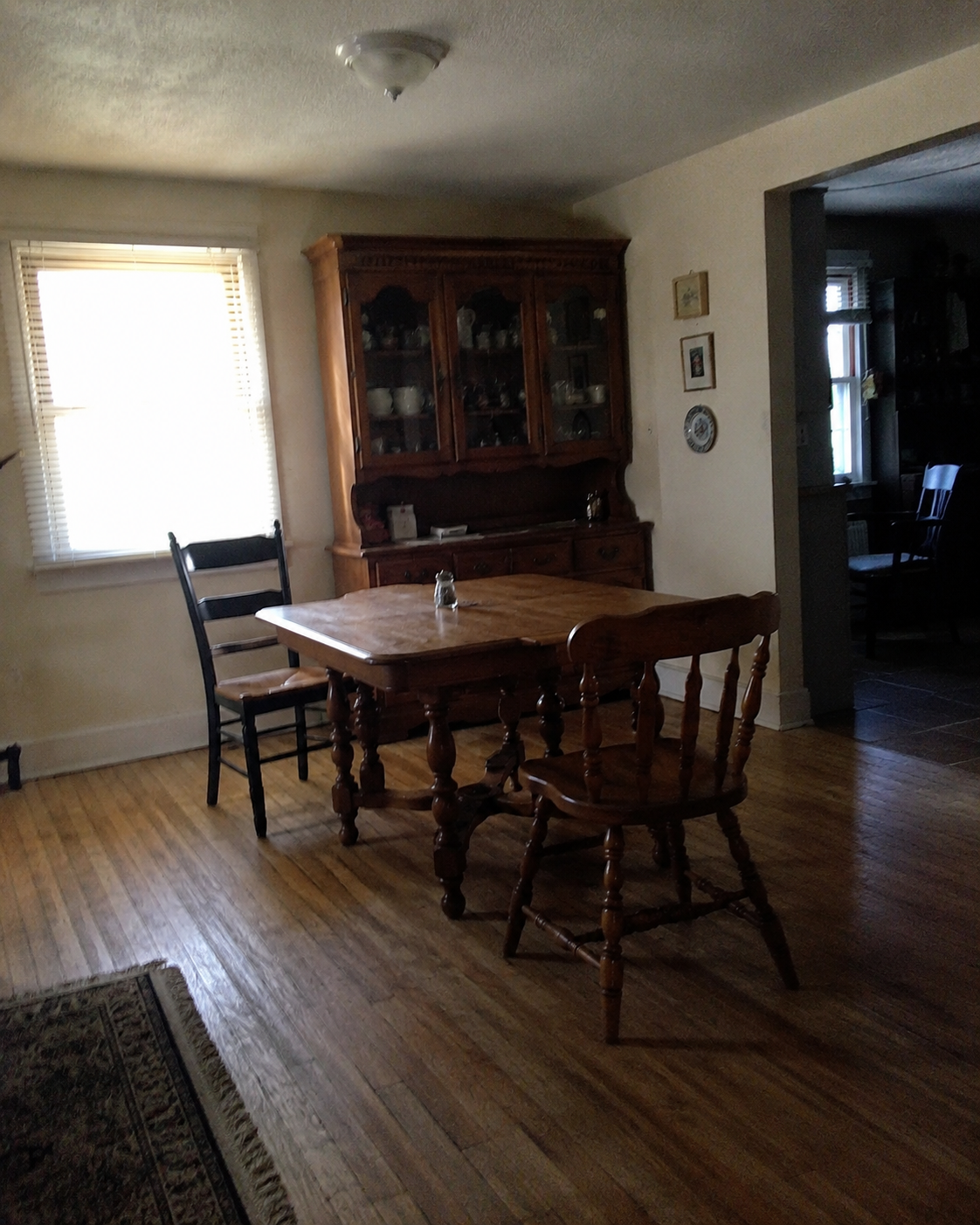
My mother used to host every holiday for twenty-two people. this year she asked if we could "just do something small." That sentence stopped me cold in my own kitchen. Just do something small. From the woman who once roasted two turkeys at the same time and still found the energy to play cards until midnight. I held the phone and felt the floor shift a little, because I knew — the way you know a thing you've been refusing to know — that something was wrong with my mother that none of us were letting ourselves see. My mother's name is Diane. She's seventy-three. And I need you to understand who she was, because it's the whole reason "let's do something small" landed like a stone. My mother was the engine of every family gathering for fifty years. She hosted everything. Christmas, Easter, every birthday, the Fourth of July. Twenty-two people around tables she'd push together end to end, and she'd cook for three days and run the whole show and still be the last one standing. She was tireless. She was the one who kept this whole sprawling family stitched together, one big loud meal at a time. And then, over about three or four years, the engine wound down. It came on so slowly we all kept explaining it away. The three days of cooking became two, then "let's order some of it in." The twenty-two became sixteen, then "let's keep it to family this year." She stopped being the last one standing. She'd disappear to sit down partway through her own parties. She'd be in bed before the dishes were done. "I'm just tired, honey," she'd say. "I'm not as young as I was." She said it for two years before "let's do something small" finally made me really hear it. We weren't ignoring her health. I want to be clear about that. Mom saw her doctor regularly. Her cholesterol had run a little high for years, and her doctor was keeping an eye on it, and she was doing what she was told. It was being managed. That was the word everyone used. Managed. And as far as the cholesterol went, it was. Her doctor was careful and responsible about it, and none of what comes next is a complaint about her care. But the woman kept fading anyway. I went with her to an appointment, because I'd started to. Her doctor, Dr. Ramirez, was thorough and kind. He went through the panel and said: "Diane, your cholesterol's well managed, your numbers are about where we want them. For seventy-three this is fairly normal. Stay active, keep doing what you're doing." Managed. Normal. Keep doing what you're doing. And I sat in the chair by the door and wanted to stand up and say: Then explain why she canceled Christmas. Explain why a woman who hosted twenty-two people can't face hosting six. Explain why she's in bed before the dishes are done at her own party. Where's the line on your chart for that? I didn't say it. You don't, in those rooms. But I knew. A daughter knows. The chart said managed. My mother was disappearing. And there's no line on any chart for a woman who used to roast two turkeys and now wants to "do something small." I'd half-talked myself into the word everyone hands you. Age. She's in her seventies. This is just what it looks like. And then she canceled the holiday, and something in me refused. Not my mother, I thought. Not the woman who held this whole family together with her own two hands. I am not ready to watch her fade out while everyone tells me her numbers are fine. So I sat down that night and I started reading. Not the wild stuff. I've got no patience for the cure-everything corners of the internet — the miracle-tonic, the buy-now nonsense. And my mother would have laughed me out of the house if I'd shown up with snake oil. But underneath all the noise, one plain thing kept surfacing the more I dug. Beetroot. I rolled my eyes the first time. It sounded like exactly the kind of fad Mom and I would both dismiss. But I kept reading, because it wasn't what I expected. Beetroot turns out to be one of the most researched ingredients in the whole cardiovascular and wellness category. Decades of real study behind it. Not a fad somebody invented last year to sell. The reason it gets studied is a group of compounds called betalains. That deep red pigment — the stuff that stains the cutting board and turns your fingers pink. That's the active part. One of the more potent antioxidants in the food supply. The more I read, the more I stopped smirking. Here's the part I made very sure I understood, because I wasn't going to lie to my own mother. These compounds support things. That was the honest word in the honest sources, and it's the only one I'll use. They support cardiovascular wellness. They support healthy circulation. They support the body's natural antioxidant balance. They support healthy cholesterol that's already in the normal range. They support healthy energy. Support. Not treat. Not cure. Not a replacement for one single thing her doctor had her on. Support for the layer underneath the numbers. The exact layer that seemed to be running down on her while every panel came back "managed and fine." The layer nobody at the appointment was even looking at, because the things they measure all came back where they wanted them. For the first time in three years, I'd found a description of what I'd been watching. I learned one practical thing too. How the beets get processed matters, because betalains are heat-sensitive. The cheap, fast way runs them through high heat, and heat is hard on the active part. The cooked-out stuff goes brown. The slower, cooler way keeps more of it. You can almost see the difference — the real thing is a deep, dark crimson. So I went looking for the kind that's cold-pressed at low temperatures. And then, before I bought a thing or my mother swallowed a single capsule, I did the one thing I'd tell any son or daughter to do first. I called Dr. Ramirez's office. I told the nurse exactly what it was — organic beetroot, the dose, cold-pressed — and asked plainly whether it was alright to add to everything my mother was already doing and taking. She put me on hold. She came back a few minutes later and said it was a sensible thing to add, that she saw no concern alongside anything Diane was on, and to mention it at her next visit so it could go in the chart. I wasn't going to guess with my mother. I asked the people whose job it is to know. They said go ahead. Then I sat down with her at her kitchen table — the same table she used to push end to end for twenty-two — and I told her. About the reading. About the betalains. About support, and the layer underneath the numbers. About the nurse saying it was fine to add. She was skeptical. Of course she was. She's a sharp woman who's seen every health fad of the last fifty years come and go. But then she looked around that big quiet kitchen, the one that used to roar with family, and something shifted in her face. "I used to cook for three days and dance after," she said. Quiet. "I'd give a great deal to want to do that again." "Then let's just try it, Mom," I said. "Two capsules and a glass of water. The doctor's office says it's fine. Tell me what we lose." "Nothing, I suppose," she said. "We lose nothing." She started the next morning. Two capsules of cold-pressed beetroot. A tall glass of water. Right beside her coffee. Added to everything else — her cholesterol care unchanged, all of it. Nothing taken away. Just added on top. Now — I'm going to be honest about this part. Because I don't trust stories that promise the world, and I won't tell you one. I can't prove what did what. We added one thing and then we watched, and I genuinely cannot swear to you that what we saw was the beetroot and not the spring coming on, or my mother's own stubbornness, or plain wishful thinking on my part. I'm her daughter, not a scientist. So I'll just tell you what I watched, in order. You decide. The first thing was the phone calls. About three weeks in, she started calling me again — really calling, the long rambling calls she used to make, about nothing and everything. For a couple of years the calls had gotten short. "I'm tired, honey, I'll call you tomorrow." And then one week they got long again. I didn't say anything. Didn't want to jinx it. The second thing was the cooking. A few weeks after that I came by and the house smelled like a Sunday — she was making a real meal, from scratch, humming over the stove the way she used to. "Just felt like cooking something proper," she said, like it was nothing. Like she hadn't been ordering it in for two years. The third thing I'll keep until I die. She called me in the early fall and said — and I had to sit down when she said it — "I've been thinking. Let's do Christmas here this year. The whole crowd. I want the leaf in the table and all the chairs that don't match. I want the noise." The whole crowd. The leaf in the table. My mother was asking for her holiday back. I stood in my kitchen holding the phone and cried, the good kind, the kind you hide from no one because there's no one there to hide it from. The small returns kept coming. Not all at once. One at a time, across the weeks. She stopped disappearing to sit down in the middle of things. She started driving herself to the places she'd been asking for rides to. She talked about a trip with her sister they'd shelved years ago, in the way of a woman making a plan, not making an excuse. The engine came creeping back. And her cholesterol stayed managed the whole time, exactly as before, because we never touched that part. I'm not telling you my mother is forty. She isn't. There's no magic here and I promised I wouldn't pretend there was. She's seventy-three. She still naps. Some days the fatigue still wins. And her cholesterol is still something her doctor manages, exactly as it was. But the engine — the host, the heart of every gathering, the last one standing — she's been coming back to us in pieces. And there's going to be a full house at Christmas for the first time in years. Mom had her follow-up with Dr. Ramirez a few months in. He went through the panel, the way he always did. Then he looked up — at the woman, not the chart — and said: "Diane, your cholesterol's holding right where we want it, your numbers are good, and honestly you seem like you've got more life in you than the last couple of times I saw you. Whatever you're doing, keep doing it." Mom told him about the beetroot. Said she hadn't changed one other thing — same care, same routine, just added the one thing in the morning, with the office's okay. Dr. Ramirez nodded and made a note. "That's a sensible thing to add," he said. "There's good research on antioxidant support for cardiovascular wellness. No concerns with it alongside what you're on. Keep doing what's working." He didn't promise us it was the beetroot. He couldn't have, and he'd have been wrong to. But Mom walked out of there standing a little taller, and that was enough for me. In the car she reached over and patted my hand — that small thing she'd done my whole childhood and hadn't done in years — and said, "Thank you for not letting it go, sweetheart. Everyone else was ready to call it old age. You weren't." I kept my eyes on the road so she wouldn't see what my face was doing. I'm telling you all of this because there's a fair chance you've got a Diane in your life. A mother — or a father — who was the engine of the whole family, quietly winding down. Giving up the hosting, the cooking, the gatherings that were the whole point of them. Asking to "do something small," when small was never who they were. Their cholesterol "managed," their chart "fine," while the heart of your family fades right in front of everyone, and they all tell you it's just her age. If something in you has been saying this is more than just age — that the fading is too deep, that "managed" and "fine" don't match the person you're watching disappear — then I'd listen to that quiet voice. The doctor's been reading the chart, and doing a careful job of it. You've been watching the person. On the things the chart doesn't measure, you might be closer to the truth than the chart is. I went looking for one thing my mother could add. Not a cure. Not a replacement for anything — and absolutely not a replacement for the cholesterol care her doctor manages. One thing, with real research behind it, that might support the layer the "managed" and "fine" were hiding — cardiovascular wellness, healthy circulation, the body's natural antioxidant balance, healthy cholesterol already in the normal range, healthy energy. What I found was beetroot. The brand I added to my mother's morning is Rosabella. 1,300 milligrams of organic beetroot per serving, cold-pressed at low temperatures so the betalains stay intact — that deep dark crimson, not the cooked-out brown. Two capsules with a glass of water in the morning. Added to everything her doctor already had her on, in place of none of it. Talk to your doctor or pharmacist before you add any new supplement to existing care — especially when there's cholesterol or heart medication in the picture, so please don't skip it. That one phone call is what let me do this with a clear conscience. It's the first thing I'd tell any son or daughter to do. That's the whole story. My mother asked to "do something small," I refused to call it old age, a nurse said it was fine, and a few months later she asked for the leaf in the table and the whole loud crowd back. P.S. If you're watching a parent who was the heart of your whole family quietly wind down, while every test says they're fine and everyone's ready to call it old age — you're not imagining it, and you're not being dramatic. A "managed and fine" chart and a fading person can be the same person. I needed my mother to cancel Christmas to make me stop accepting "it's just her age." I'm telling you now, in this much detail, so you don't have to wait for your own canceled holiday. Don't let it go. I almost did. P.P.S. The most important thing in this whole story is the part people are tempted to skip: the cholesterol care stays. If there's medication or a management plan in the picture, it keeps doing its job, exactly as the doctor set it. Anything you add goes on top of it, with the doctor's okay — never in place of it. That's not fine print. That's the whole rule. P.P.P.S. Here's exactly what I'd tell you to do, in order. First: check with the doctor or pharmacist — this matters most when there's cholesterol or heart medication in the picture, so don't skip it. Second: once they've said it's a sensible addition, two capsules with a tall glass of water in the morning. Third: don't change anything else they're doing, and don't touch the existing care. Just add this on top. Fourth: give it a couple of weeks, at minimum, before you decide anything. Some people notice something shift in the first week or two — a little more energy, a longer phone call, the wanting coming back. Others take much longer. Some don't notice much. Bodies are genuinely different, and anyone who promises you a timeline is selling you something. Be patient with theirs. P.P.P.P.S. Rosabella has a 90-day money-back guarantee. If you're not satisfied for any reason at all, every penny comes back, no questions asked. It's a sensible policy for a supplement — it means the only thing you're really risking is a few weeks and a little patience. You get plenty of time to actually see whether it does anything before you've committed. P.P.P.P.P.S. Rosabella is a small operation. They harvest and bottle on their own schedule, so I keep an extra bottle at my mother's house just in case. She takes hers every morning with her coffee — right alongside the cholesterol care she's never stopped — and I started taking it myself too, because I'm my mother's daughter, and if "managed and fine" wasn't quite enough for her, I'd rather support what's still working in me now, while it's still working, than wait for my own quiet kitchen. It's fall as I write this, and there's a turkey to order and a leaf to find for the table and twenty-two chairs to round up that don't match. My mother's planning the whole thing. I can hear it in her voice on the phone — the long calls again, the lists, the noise of her coming back. That's where it starts again, sometimes. A long phone call about nothing. A house that smells like Sunday. A leaf going back in a table that's been too small for years. Individual experiences vary. These statements have not been evaluated by the FDA. This product is not intended to diagnose, treat, cure, or prevent any disease.
Support stamina and heart health every day
LEARN MORELike this ad? Make it yours.
Crush rebuilds this exact creative around your product — your brand, your colors, your offer — in about a minute.