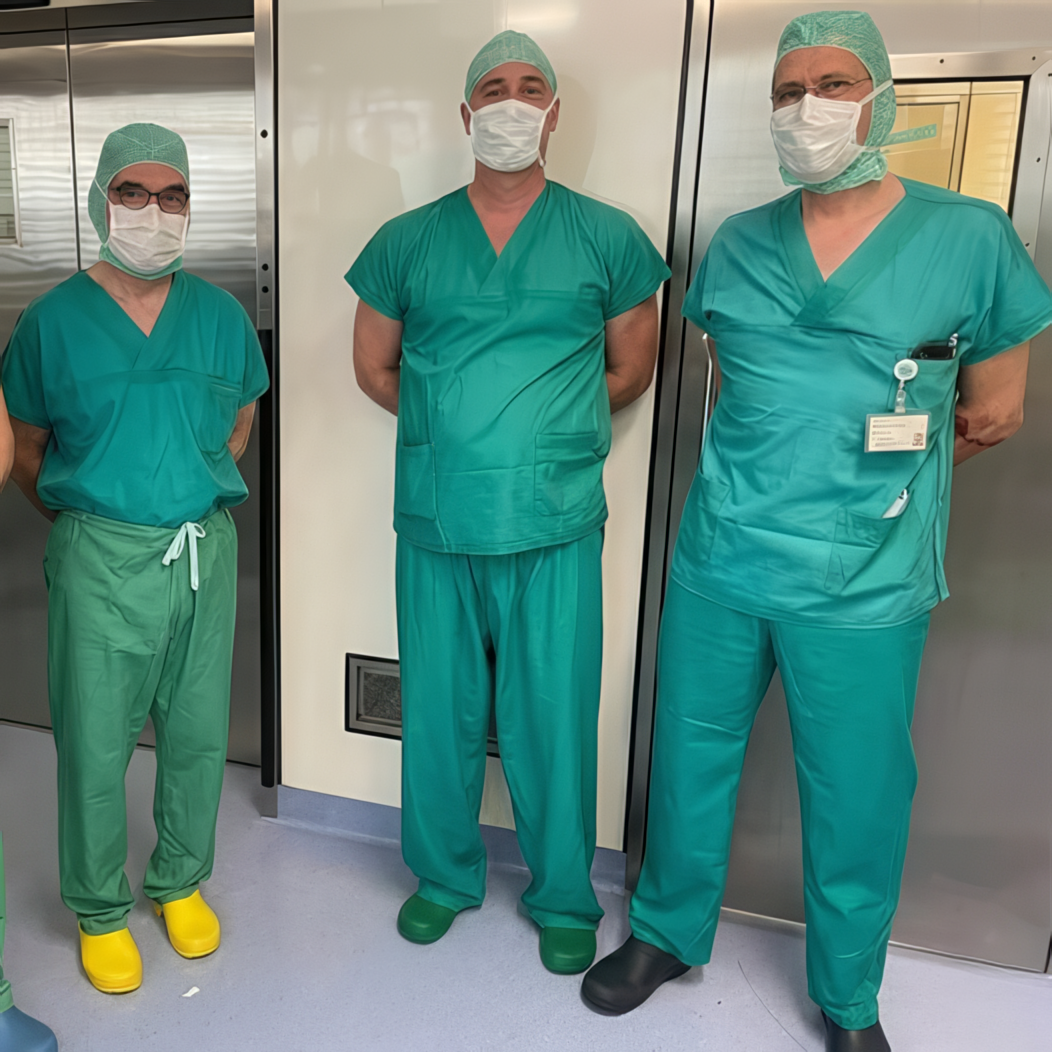
Dr. Erik Lindqvist
Dr. Erik Lindqvist Facebook ad: “I've examined 2,000 bladders. GPs miss this.”
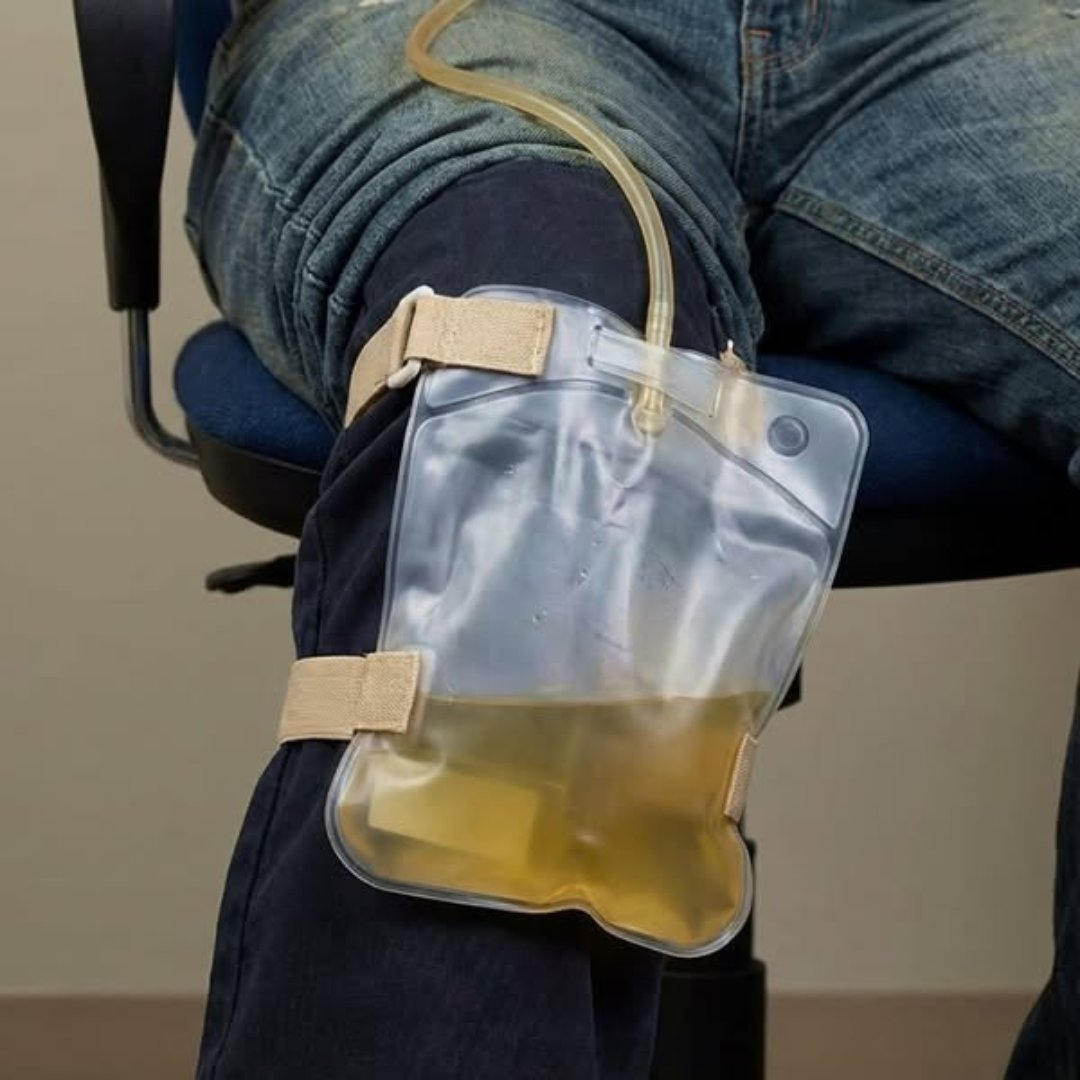
Ran for 3 days, from June 23 to June 26, 2026, the last day Crush saw it.
Run by Dr. Erik Lindqvist on Facebook. Crush is not the advertiser and does not verify its claims. See this ad in Meta's Ad Library(opens in a new tab)
Want an ad like this for your product?
Crush makes new ad images for your product from this ad: your logo, your product photo, your offer.
Trials from $19.95 USD, then $79.95 USD a month. Cancel anytime.
About this ad
- Meta Ad Library ID
- 2217670089071091
- Platforms
- Facebook, Instagram, Audience Network, Messenger and Threads
- Relaunches
- 0
Ad text
I've examined over 2,000 bladders. I'm a urologist, it's my job. And I've found something inside these men that explains why Mirabegron always stops working. Your GP probably hasn't found it yet. Let me explain. For 14 years I've treated men for overactive bladder. Every man follows the same path. 25mg of Mirabegron works. Then it fades. The GP doubles it to 50mg — the maximum dose. That works again, briefly. Then it stops touching it. Then a second drug gets added on top. I've watched this pattern over 2,000 times. Not a single exception. For years I said what every urologist says: "You're building tolerance. Let's add Solifenacin." But it never sat right with me. Blood-pressure meds don't need higher doses every year. Statins don't slowly stop working. Nothing else in medicine follows this pattern. So why does Mirabegron? Three years ago, I started looking closer. Not at function. At structure. The muscle itself. What was physically happening to the detrusor — the muscular wall of the bladder — in men whose drugs were failing. That's when I found it. The thing other doctors never look for. Your bladder muscle is clenching. Starting in your forties, the detrusor — the smooth muscle wall of the bladder — develops a chronic low-grade tension. It stops fully relaxing between trips. It contracts at smaller and smaller volumes. The wall stays tight for hours when it should be slack. Year after year. The muscle that should release at 400 millilitres starts firing at 200, then 150, then less. It's the bladder equivalent of a calf that won't stop cramping. Mirabegron doesn't fix any of it. It forces the muscle to ease — for as long as the drug is in your system. The moment it clears, the tension is right back where it was. That's why it works at first, when the tension is mild. But the muscle keeps tightening underneath while Mirabegron masks the signal on top. That's why you need higher doses. That's why a second drug gets stacked on top. That's why it eventually fails completely. You're not building tolerance. You're clenching from the inside. I've seen it now in over 2,000 men. The pattern looks nearly identical. Bladder voiding capacity below 300 millilitres. Wake-up counts climbing. Urgency intensity scores creeping up. The muscle getting tighter every year. And Mirabegron hiding all of it while it gets worse. Once I found this, I couldn't keep prescribing the same way. I went looking for something that addresses the actual problem. I found research — peer-reviewed, placebo-controlled — on a botanical called Crataeva nurvala. Used in traditional medicine for 1,500 years specifically for urinary disorders. And in 2018, finally tested properly. In the trial, men cut their daily trips by roughly a third and their night-time wake-ups by a third. The researchers concluded the effect came from "an improvement in the tone of the bladder's muscles." An antispasmodic effect on the detrusor itself. In other words: it relaxes the muscle. Directly. At the source. Saw palmetto and prostate complexes target the prostate. But your overactive bladder is coming from the bladder muscle, not the prostate. Wrong target. Pumpkin seed alone has good research behind it — but the clinical dose is 200mg+. Most supermarket capsules contain 25mg. Kegels train the voluntary pelvic floor — never reaching the smooth muscle of the bladder wall. Crataeva does two things none of those can. It acts directly on the bladder smooth muscle through a documented antispasmodic pathway. And it works over time rather than for a chemical window. The tension releases. The bladder fills properly again. Capacity returns. I started recommending it to patients whose scans and bladder diaries showed the muscle tension. The ones whose Mirabegron was failing. The results confirmed what I suspected. One patient, 58, on the maximum 50mg of Mirabegron for three years and about to be put on Solifenacin on top, came back after 8 weeks. He'd stopped the second prescription before it started. Daytime trips down from 9 to 4. Wake-ups down from 4 to 1. "I haven't had a full night's sleep in this decade," he said. Another patient, 62, called my office at half past seven one morning. "I slept through. Didn't get up once. Didn't know that was still possible." A 55-year-old cancelled his Botox-injection consultation. His bladder was working on its own again. I've examined over 2,000 bladders. I've seen what's inside. The chronic tension. The muscle stuck half-clenched. The capacity shrinking. The Mirabegron mask getting thinner every year. If your doses are climbing — if your GP has started talking about adding a second drug, Botox, or referral — if the word "tolerance" has been used and it doesn't quite make sense — he's not wrong on purpose. He just hasn't been looking at the muscle. This is fixable. Not by forcing the bladder harder with another drug. By releasing the muscle that's been clenching for years and letting your body do what it was built to do. FYNE Arctic Bladder Control. Formulated in Sweden, third-party batch tested. 400mg Crataeva at clinical dose with Lindera, pumpkin seed at 200mg, magnesium and vitamin D3. Buy 2 and Get 2 Free Gifts with your order. 90-day money-back guarantee — long enough to know if it's working. Most men feel the difference between weeks 2 and 6. FYNE can't mass-produce it. Arctic Bladder Control has sold out eleven times. Your GP hasn't found what I found. But now you know.
Where the ad sends people
fynesupplements.com
I've examined 2,000 bladders. GPs miss this.
Fyne
Learn more: fynesupplements.com(opens in a new tab)