
Inactive· since Jul 25, 2026
- 32
- days it ran
- 0
- relaunches
Ad copy
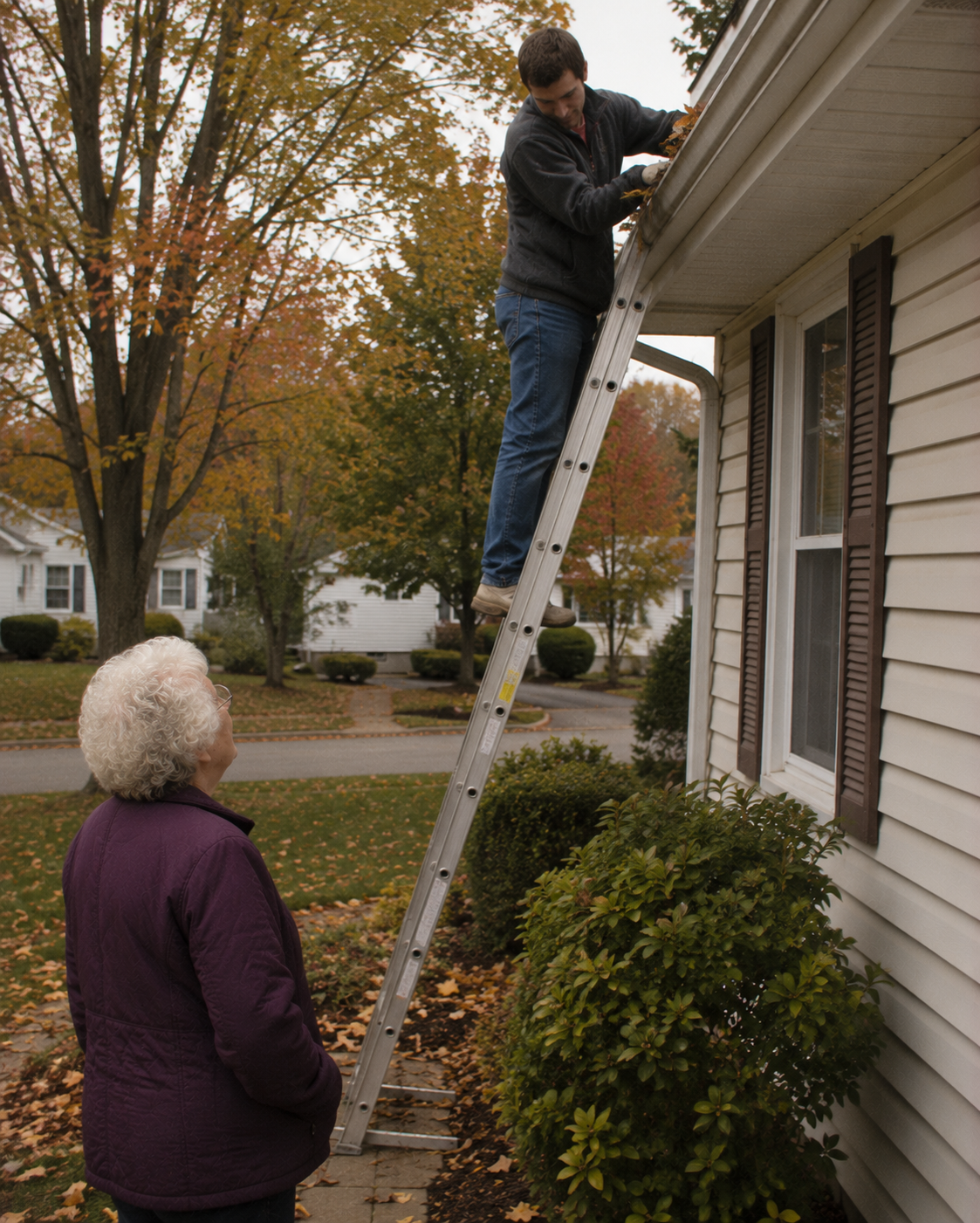
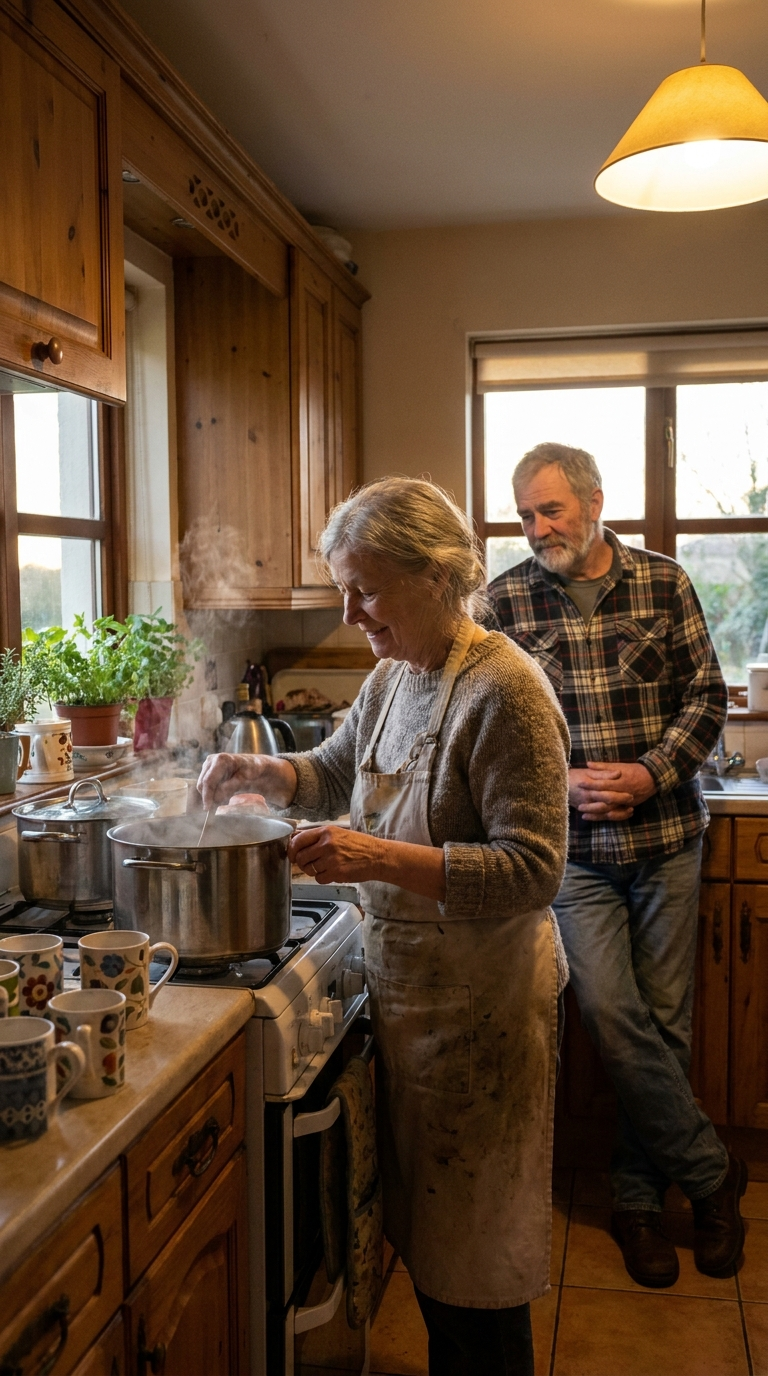
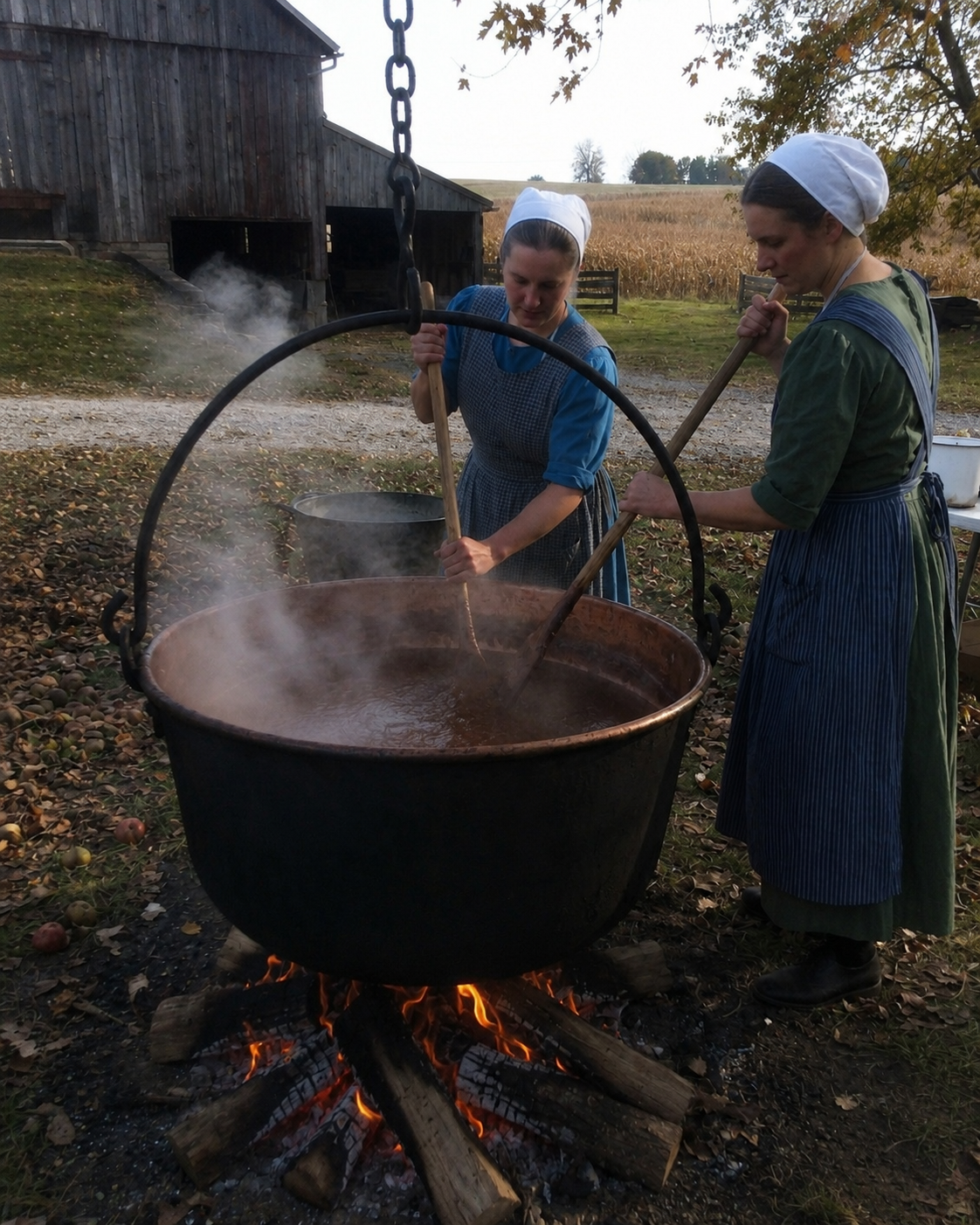
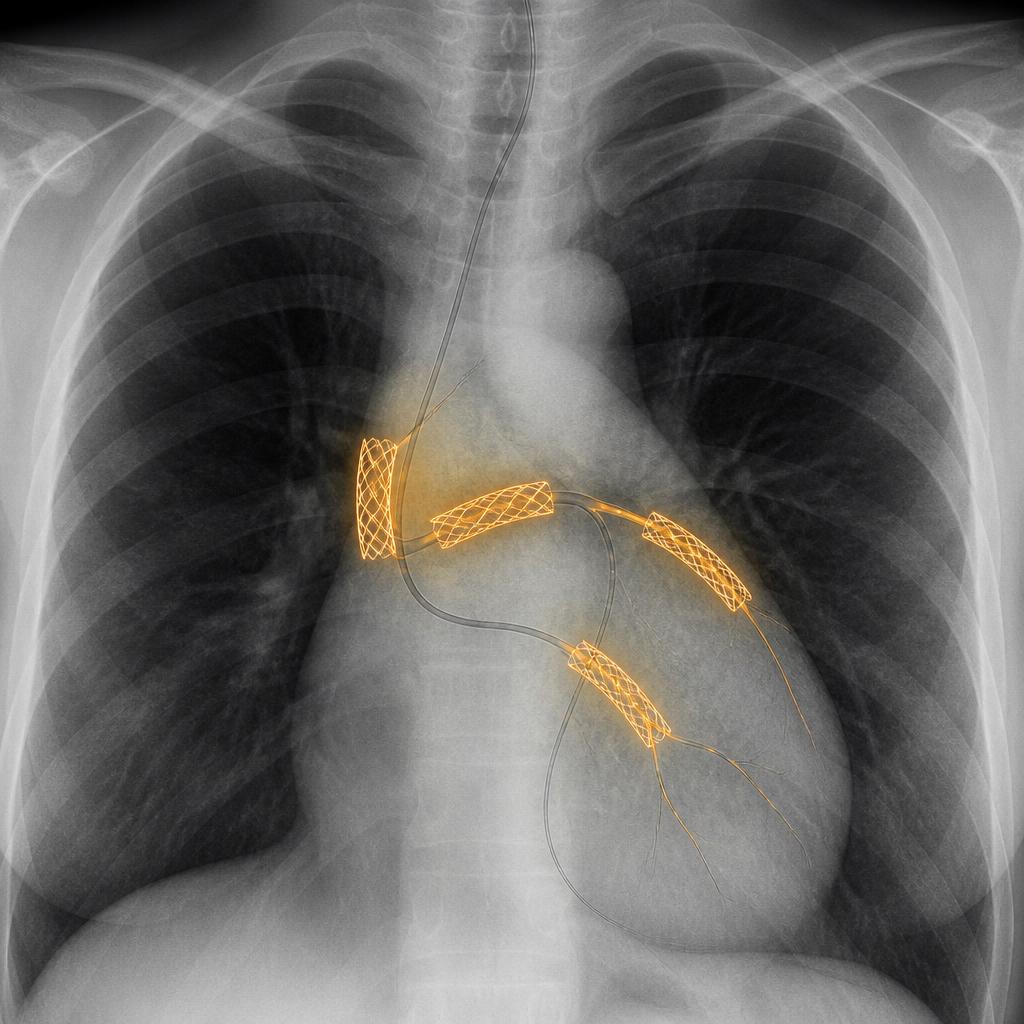
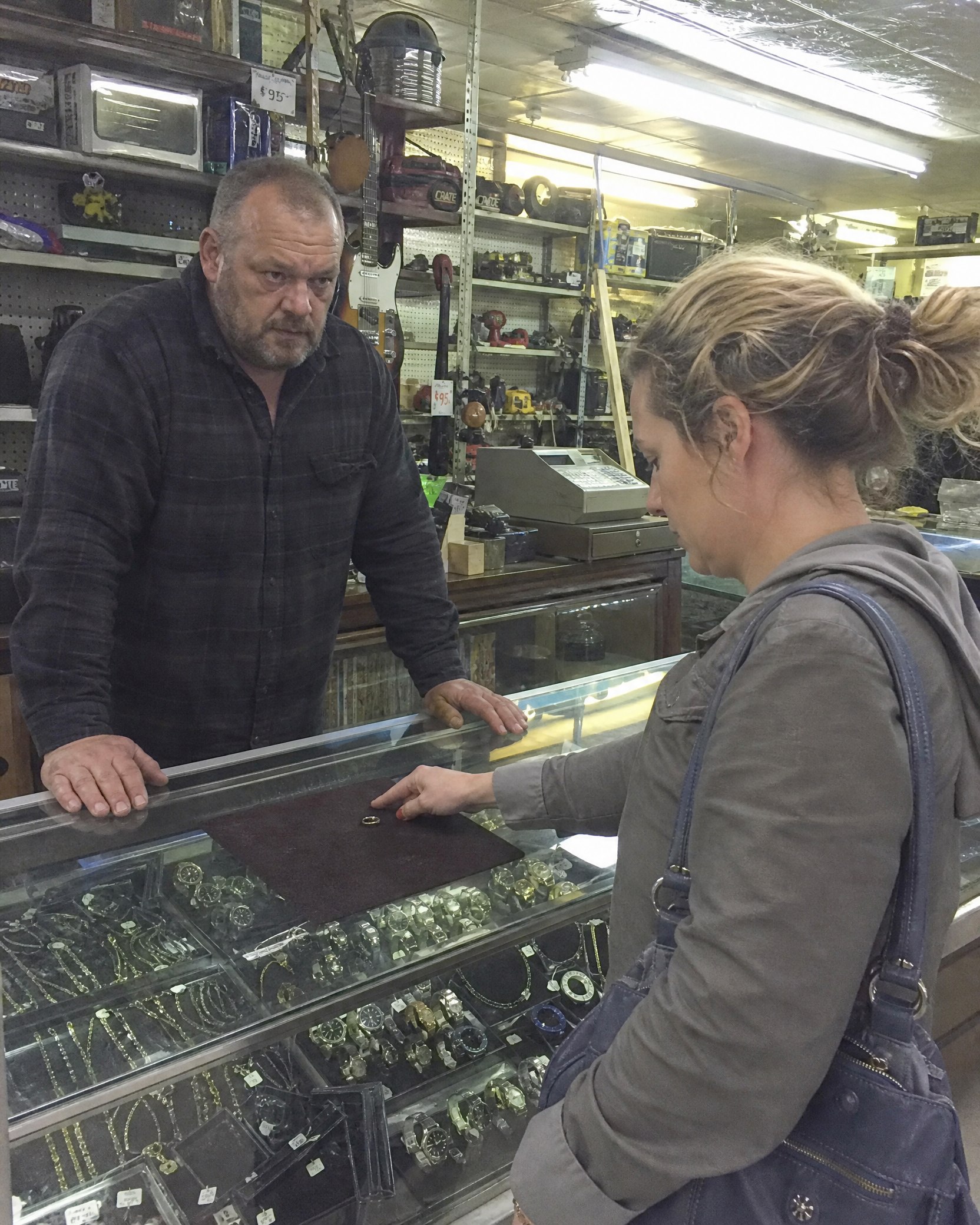
"Do I know you?" my daughter asked me. I looked at her for the first time in 31 years and said no. It was the first lie I ever told her. I told it from behind the counter of my own pawn shop, with her mother's wedding ring lying on the glass between us. She had walked in 20 minutes earlier needing $120. She had no idea the gray-haired man behind the counter was her father. Why would she? The last time she saw me, she was 2 years old. Small enough to fall asleep on my chest. Small enough that I kissed the little crescent-shaped birthmark below her left ear every night and thought I had forever. Then one morning her mother took her and disappeared. For 31 years, I did not know if my daughter was alive. Now she was 3 feet away, sliding my wife's wedding ring across my counter and asking a stranger what it was worth. I knew that ring before I touched it. I bought it with 3 months of overtime pay. I put the scratch inside the band myself, on a steel workbench, the week before my wedding. And I knew her. The birthmark was still there. She looked tired in the way people look when they need money before the day is over. She set a faded blue purse on my counter. She looked at the ring. Then at me. Then back at the ring. "How much can you give me for it?" I picked up the jeweler's loupe. My hand shook so hard I had to put it down. "Let me take a closer look." She pushed the ring toward me. Her fingers stopped less than 2 inches from mine. Those were the same fingers I had counted when she was a baby. The same little hand that used to wrap around 1 of my fingers and hold on until she fell asleep. She watched me turn the band beneath the light. "Is it worth anything?" "Gold is always worth something." "That's not what I asked. I need $120." I looked at the initials inside the band. F + M. Frank and Mara. Mara, the woman who took my daughter and disappeared. And now that daughter was standing 3 feet away from me, asking me what her mother's ring was worth. She had no idea who I was. I had imagined finding her in grocery stores, at gas stations, in courthouse hallways, and at airports. In those dreams, she recognized me. She ran toward me. She asked where I had been. I never imagined she would bring me the ring I gave her mother and ask me what it was worth. "Eighty-five dollars." Her face fell. "Fine." I opened the drawer beneath the register and pulled out a pawn ticket. Then I looked at the ring again. I looked at her. "Actually, I can do $500." She looked up. "For this?" "For what it means," I replied. She stared at me. I counted out 5 bills, pushed them across the counter, and wrote out the ticket. She took the money, but she did not leave. "Do I know you?" she asked. My chest tightened. Not the pressure that came later. Not the kind that made the hallway lose its color. This was something else. It felt like a locked door had opened after 31 years and shown me everything I had lost on the other side. "No." It was the first lie I had ever told my daughter. She looked down at the pawn ticket in her hand. My name was printed across the top of it. "Thank you, Mr. Delaney." Then she walked out. I watched her cross the parking lot through the front window. She sat in a blue Honda with a dented rear door. For a moment, she held both hands over her face. Then she started the engine and drove away. I stood behind the counter with $500 missing from the register and my wedding ring lying on the glass where she left it. I put it in a small box beneath the register. I thought that was the closest I would ever get to my daughter. I did not know it was the beginning. I did not sleep that night. I sat in the apartment above the shop with the lights off and thought about the morning my wife, Mara, left. Claire was 2 years old. Her crib was still against the wall. A yellow blanket with ducks was folded over the side. Her stuffed rabbit sat on the floor with one ear bent forward from years of being dragged around by the head. Mara took the clothes, the diapers, and nearly every photograph. She left the rabbit. There was no note. No address. No way to reach them. Her sister called 3 days later and told me Mara was afraid of me. She said I had hit her. I had not. But I had been drinking. I had been angry. I had said things I could not take back. I had slammed a door hard enough to crack the frame. I had made our home feel unsafe without putting my hands on either of them. That was the part I could not argue away. I had not hit Mara. I had still failed to be the man she needed. I spent 4 years looking for them. I called every number I could find. I called Mara's parents. I called her sister, the same one who had phoned me 3 days after they left. After that one call, nobody in that family ever picked up for me again. I hired a man who claimed he could locate anyone. He found an old apartment in Delaware and a woman who told him she had never heard of Mara. I drove there anyway. The name on the door was different. The next lead took me to Pennsylvania. The next one took me to Ohio. Every dead end gave me another place where my daughter was not. Eventually, I stopped looking. Not because I stopped caring. Because the search had turned my life into 1 long hallway with no door at the end. I opened the pawn shop because people brought their whole histories to a place like that. Wedding rings. Pocket watches. Tools from a father's garage. A guitar from a college band. A bracelet from a woman who had died. People came in needing money. They left pieces of themselves on my counter. I learned to handle those pieces carefully. I could tell when someone wanted to sell something and when life had backed them into a corner. I was not as careful with myself. I worked 6 days a week. Repaired watches. Tested old radios. Changed batteries. Sorted coins and broken jewelry. I drank after closing. I ate whatever was closest. I stopped going to the doctor because I had stopped expecting to hear anything worth fixing. I stayed alive out of habit. Then my daughter walked into my pawn shop carrying my wedding ring. She returned 9 days later. I was repairing the clasp on an old silver bracelet when the bell above the door rang. Claire stood there with the same blue purse and a folder under her arm. She placed the pawn ticket on the counter. "I think you overpaid me," she said. "You needed $500." "But it's worth $85," she replied. "Gold prices changed," I said. "Yeah well, not that much." She opened the folder. Inside was a faded hospital photograph. A young man stood beside a woman in a white dress. The woman held a baby. The man was me. The baby was Claire. "Your name is Frank Delaney." I nodded. "You were married to Mara Bell." I nodded again. "You had a daughter named Claire." My hands went flat against the glass counter. The hands she could see. The hands that had held her as a baby. The hands that had repaired thousands of watches. The hands that had never hit her mother, but had still helped make the apartment a place Mara wanted to escape. "Yes," I said. Claire looked at me as if the floor had moved. "You're my father." "Yes." "You knew who I was." "Yes." "You let me pawn my mother's ring." "I gave you $500 for it." "That's not the point." "No," I said. "It's not." She looked toward the floor. "You need to leave," she said. "This is my shop." "Then I need to leave." She grabbed her purse and turned for the door. "Claire." She stopped. I reached beneath the counter and pulled out a small envelope. Inside was a photograph of her asleep against my chest at 2 years old. The corner was soft from being handled too many times. "I'm not asking you for anything. I'm not asking you to call me anything. I wanted you to have this." She did not take it. "My mother said you left," she said. "I woke up and you were gone." "She said you were dangerous." "I was angry. I drank too much. I said things that scared her. I never hit her." "She said you did." "I know she did." I told her I spent 4 years looking for them. Her eyes stayed on the photograph. "Why didn't you find us?" "Because she didn't want to be found." "Why'd you stop looking?" That question hurt more than the others. "Because every place I looked had another version of you that I could not reach." She picked up the photograph. We sat in the back room for 2 hours. The stories did not match. They did not erase each other either. I had not abandoned Claire. I had still been a man her mother was afraid to live with. That was the first honest thing we had between us. She did not call me Dad. She called me Frank. Frank was more than I had had in 31 years. During the first month, Claire came into the shop twice. The second month, she brought her kids, Owen and Gracie. Owen was 8. Gracie was 4. Owen stayed behind Claire's leg and studied me like I was something in a display case. Gracie walked to the counter and pointed at a wooden jewelry box. "Open." I opened it. She put a plastic ring inside, closed the lid, opened it again, and nodded. "Good." Owen was not impressed. "Are you really my grandpa?" I looked at Claire. She looked at me. "I'm your mom's father." "Then why didn't she tell me?" Claire's mouth tightened. "Because I didn't know where he was," Claire told him. Owen looked at me. "Were you lost?" "Yes." "Where?" "In a lot of places." He accepted that. Kids do. Gracie climbed onto the stool behind the counter and sorted coins into piles. Quarters with quarters. Pennies with pennies. Everything else in a long line across the glass. I showed her the magnifying glass I used for old coins. She held a 1943 wheat penny under the lens. "Old." "Very." "Like you?" Owen laughed. I laughed too. A few weeks later, Claire brought the money to redeem the ring. I took it from the box and placed it in her hand. "It was never mine to keep." "You gave this to my mother?" she said. "I did." "Did you love her?" "Very much." "What happened?" "I wasn't ready to be the man she needed." Claire held the ring between her fingers. "I'm not ready to forgive you," she said. "I know." "But I keep coming back here. So I guess that means something." She set the ring back on the counter and slid it toward me. "Hold onto it for me." That was enough. After that, coffee became dinner. Dinner became Sundays. Owen started doing his homework at the end of my counter. Gracie kept a small cup of coins beside the register and checked it every time she came in. One afternoon, Owen asked me to show him how to open the back of a pocket watch. I gave him a broken one that could not hurt anything. He held the screwdriver too tightly. "You're squeezing it like you're trying to punish it," I told him. He loosened his grip. The screw turned. He looked up at me. "I did it." "You did." Claire watched from the doorway. She was still looking for the man her mother had described. I was still trying not to give her another reason to believe that story. I did not push. I showed up when she said I could. I answered questions even when the answers made me look worse. I did not ask for a key. I did not ask her to call me Dad. I did not ask to meet everyone in her life at once. I knew what it felt like to want something from someone who had not offered it. Then, on a Thursday night, Gracie fell asleep on the couch in the back room of the shop. Owen was at the worktable trying to finish the wings on his model airplane. Claire looked at the time, then at Owen, and gave up on leaving early. When Gracie woke up, she reached for me. "Up." "Lay her down upstairs," Claire said. "We'll leave when Owen finishes his airplane." I picked her up. Her head settled against my shoulder. Her weight went loose and heavy, the way a sleeping child trusts the person carrying her. The rear stairwell up to the apartment had 11 narrow steps. I had used it for years to carry boxes and old furniture. I reached the 4th step. My chest tightened. The hallway narrowed. The handrail felt suddenly far away. I stopped with Gracie against my shoulder. She shifted once. "Frank?" I could not go up. I could not go back down. I could not put her on the floor because my knees felt weak enough to fold. The moment lasted less than a minute. It felt much longer. For 31 years, I had feared disappearing from my daughter's life. Now I was afraid my body would make the decision for me while I held a child who had only known me for 2 months. The color came back to the hallway. My legs held. I carried Gracie upstairs and laid her on the bed in the apartment. When I came back down, Claire was sitting on the bottom step. She had seen my hand grip the rail. She had seen my face change. She did not ask if I was okay. She already knew I was going to lie. She put her hand against my back. I sat beside her with my head in my hands. The next morning, Claire brought it up over coffee. "When was the last time you saw a doctor?" "I don't know." "Frank." "A long time ago." "How long?" "Years." She put her mug down. "You're 59. You stopped on the 4th step while carrying Gracie." "I was just tired." "You were gray." "I'm fine." "You're not fine." Her voice cracked on the last word. "I spent 31 years without a father. I just found you. You don't get to disappear again." That was what reached me. Not the pressure in my chest. Not the fear of the number. Her fear. I had already lost my daughter once because someone took her away. Now she was watching me decide whether to let my own body take me away. I went to the doctor. It was the first time in 8 years. The nurse took my blood pressure and sent me for bloodwork. 2 days later, Dr. Patel called me back. He was young and careful. He explained what he was doing before he did it. He turned his laptop toward me. "Your LDL cholesterol is 202. Your total cholesterol is 279. Your triglycerides are high, and your blood pressure is elevated." I stared at the screen. "I would like to start you on atorvastatin, 10 milligrams daily." "No." He paused. "Mr. Delaney, your numbers put you at serious cardiovascular risk." "I know what the numbers say." "Then you know we need to act." I knew. That was why I was saying no. Not because I thought high cholesterol was harmless. Because of Marty Voss. Marty had worked in the shop for 9 years before his hands started changing. He could repair a watch movement with springs thinner than a hair. He could hold a screwdriver against a screw smaller than a grain of rice and never slip. When he first came to work for me, Marty taught me how to listen to a mechanical watch before opening it. He could hear when a gear was dragging. He could feel when a spring was too tight. His hands were the steadiest hands I had ever seen. His doctor put him on rosuvastatin 3 years earlier. Within 6 months, his fingers began to shake when he reached for a tool. Then he started dropping cups. His shoulders grew stiff. His knees hurt. He stopped taking repair jobs because he could not trust his hands around a watch movement. A year later, he began losing words. He would walk into the back room and forget why he was there. He would stare at a watch he had repaired 100 times as if it belonged to someone else. He would come back from every appointment and tell me the same thing. The doctor looked at his chart and said the numbers were excellent. Marty looked at his own hands and knew something was wrong. By the second year, he had sold most of his tools. One Saturday, I watched him try to lift a full coffee cup with 1 hand. The cup shook until it rattled against the saucer. He set it down and picked it up again with both hands, the way you carry something you no longer trust yourself to hold. That was when I decided I would never take a statin. I would rather die with my hands than live without them. So when Dr. Patel said atorvastatin, I heard Marty's cup rattling against that saucer. "No." Dr. Patel talked for another 10 minutes. I let him talk. Then I left. Outside the clinic, I sat in my truck with the prescription on my lap. Claire texted me. "How did it go?" I typed back. "He wants me on the pills." "Are you going to take them?" "No." "Then what are you going to do?" I stared at that question for a long time. I did not have an answer. So I did not send one. I put the phone face down on the seat and drove back to the shop. The next morning, I opened the shop and tried to work. A customer's railroad watch was on the bench, running 3 minutes slow. I removed the back and reached for the smallest screwdriver. My hand trembled once. The tip slipped and scratched the plate. It was probably nothing. Bad sleep. Too much coffee. A number I could not stop seeing. But for half a second, I saw Marty's hands at the ends of my wrists. If I took the pills, my hands might go. If I did not take the pills, my heart might go. And I had just been given people worth staying for. So I decided to do everything I could without the prescription. That night, I typed how to lower cholesterol without statins into Google and read until 2 in the morning. Health sites. Facebook groups. Forums full of men my age arguing about oatmeal and olive oil. I did what they said. I walked every morning before opening the shop. At first, I made it to the corner and back. By the second week, I walked to the post office. I stopped buying frozen dinners. I switched to oatmeal in the mornings. I cooked chicken, beans, and vegetables at night. I cut back on fried food. I stopped drinking on weeknights. I bought fish oil capsules from the drugstore because half the forum swore by them. I took 2 every morning with my coffee. It was not easy. One morning, rain came down hard enough to flood the parking lot. I almost went back upstairs. Then I thought about Claire sitting on the bottom step and put on my shoes. I walked beneath an umbrella while trucks sent water across my jeans. For 3 months, I stayed with it. The first month, I lost 4 pounds. My morning walks got easier. But the number in my head stayed there. At the end of the 3 months, I returned to the lab. LDL: 196. Down from 202. Not enough to make me feel safe. Dr. Patel looked at the new result and folded his hands on the desk. "You made a real effort, Frank. I want you to keep all of it up. But lifestyle alone is not getting this where it needs to go. I still want you on the atorvastatin." He wrote the prescription again and held it out. I looked at it. Then I looked at my hands. I took the paper. Taking it was easier than another 10 minutes of arguing. I folded it into my jacket pocket and left. I never took it to the pharmacy. In the truck, I texted Claire. "Still high. He wants the pills again." "Are you going to take them?" "No." "Then what are you going to do?" I watched people cross the clinic parking lot with folders in their hands. I had spent 3 months doing what I was told to do. The number had moved 6 points. The fear had not moved at all. Back at the shop, I dropped the prescription in the tray beside the register and covered it with a stack of receipts. Out of sight was the closest I could get to out of mind. A week later, Walt Hensley came in with his pocket watch. The mainspring had let go, and the watch had stopped dead. Walt had been a county paramedic for 22 years. He had seen what happened when a person looked fine until they did not. While I wrote up his repair ticket, his eyes went to the tray beside the register. The corner of the prescription was sticking out from under the receipts. He looked at it for a second. He did not say anything. I replaced the mainspring that week and cleaned the movement. Marty had taught me well enough that a broken watch did not stay broken in my shop. A few days later, Walt came back to pick it up. He put the money on the counter. I handed him the watch. Then he nodded at the tray. The prescription was still in the same spot. "Still carrying that?" I had forgotten it was there. I told him about the 202 LDL and the 196 result after 3 months of walking and better food. I told him about the oatmeal and the new diet. I told him Dr. Patel wanted me on atorvastatin. Walt did not hand me advice. "What are you going to do?" "I don't know." He looked at the prescription. "You want the real conversation or the one where I tell you to eat more fish?" I didn't reply. He took a pen from his jacket and turned over a pawn ticket. I poured us both a cup from the pot I kept in the back. Walt took a drink of his coffee. Set the cup down. Looked at me straight. "I pulled people off bathroom floors for 22 years. Heart attacks. Strokes. Collapses. You know what most of them had in common?" "High cholesterol?" "No. Controlled cholesterol. That's the thing nobody tells you. Half the cardiac calls I ran were people on statins. People whose doctors were smiling at their lab reports. LDL in the low hundreds. Perfect numbers. And I'm kneeling next to them on the bathroom tile at 6 in the morning while their wife stands in the doorway in her robe." He paused. Leaned on the counter. "Your doctor is looking at the wrong thing, Frank." "What do you mean?" "LDL isn't the problem. I'm not saying it doesn't matter. I'm saying it's not the thing that kills you. LDL is a transport molecule. Your body makes it on purpose. Your brain runs on it. Your hormones depend on it." Walt drew a circle on the back of the pawn ticket. "This is an LDL particle. Normal. Healthy. Doing its job." Then he drew small jagged marks around it. Like tiny lightning bolts. "These are free radicals. And when they attack this particle," he said, drawing an X through the circle, "the cholesterol oxidizes." "Oxidize is just the science word for what oxygen does to things it's not supposed to touch. Air gets to a sliced apple, and the apple goes brown. Air and water get to steel, and the steel rusts. Nobody added anything to the apple. The air did it." "The same reaction happens inside your blood. Free radicals hit the cholesterol particle, and it rusts. Chemists call it lipid peroxidation. It's basically rust." "The rusted particle doesn't look any different on your lab report. But inside your body, it's not the same thing anymore." He drew arrows from the X to a line at the edge of the ticket. "That rusted, oxidized cholesterol turns sticky. It burrows into your artery walls and packs in, layer over layer, year after year, and hardens into plaque. Then one day a piece of that buildup tears loose, the artery jams shut, and that's the heart attack." He tapped the ticket. "That's the thing that actually kills people. Not the cholesterol you have. The cholesterol that's gone rancid. The rust." I watched the pen move across the ticket. "So the number tells you how much LDL is there?" "Right. And it says nothing about how much of it has already gone brown. You can have a beautiful number and rusting arteries in the same body." "So Marty's numbers were perfect." "And the rust was building the entire time. Every year. His doctor checked the amount, smiled, and sent him home. Nobody was testing what that cholesterol was turning into. The number was the cover of the book. Nobody ever read what was inside." I thought about Marty standing in the back room, staring at a watch he had repaired 100 times like he had never seen it before. "It gets worse," Walt said. "When your cholesterol rusts, your body reads the rust as damage. An injury. It responds the way it responds to any injury. Inflammation. Repair. And part of the repair order is making MORE cholesterol to patch the damage." "Which gives the rust more to work on. Which the body reads as more damage. So it makes more still. Scientists call it compensatory production." He drew an arrow that chased its own tail. "I call it a wheel. The rust drives you to overproduce, and the more you make, the more there is to rust, and round it goes." "That's the loop the statin can never break. Because the statin only ever chops at the amount. It never touches the rust that's spinning the wheel. It bails water as fast as it can and never once finds the hole the water's coming in through." My phone pinged on the counter. A photo from Claire. Gracie's coin piles. Quarters in 1 row. Pennies in another. Everything else mixed together in the middle. I could see the edge of Owen's model airplane in the background. Under the photo she had typed, "She won't let me clean it up. She says it's Grandpa's bank." Grandpa. I looked at the ticket. The circles. The X. The wheel chasing its own tail. The thing Walt was drawing on the back of a pawn ticket was the thing that could take me out of that kitchen permanently. The problem was no longer just a number on my lab report. It was the chance of losing the time I had just been given. "How do you know all this?" Walt rubbed his face. "Because they put me on rosuvastatin 4 years ago. Same pill Marty's on." "Within 3 months I had the muscle pain. The stiffness. I spent 22 years lifting grown men off floors. I know what muscle breakdown looks like when it's starting. I told my doctor. He said my body was adjusting." He held out his hand. Turned it over. "I started dropping things. My grip went soft. My shoulders felt like someone had poured concrete into the joints." "And I kept thinking, I spent my whole career keeping this body strong enough to carry people down staircases. Now a pill is taking it from me." "So what did you do?" "What I should have done before I ever filled the prescription. I read the research myself. I didn't go to WebMD or some Facebook group. I went to PubMed. Medical journals. 22 years on an ambulance teaches you to read them. And I found what my doctor never mentioned." "The rust." "The rust. And why the pill was taking my hands." He drew a line beneath the first drawing. "That production line the statin shuts down in your liver to force the number down? It doesn't only make cholesterol. It also makes CoQ10. The spark every muscle in your body burns to do its work. Your heart. Your legs. Your hands." "Clamp that line shut, and you throttle the spark at the same time. Same switch. You can't shut off one without the other." He held his hand out flat. "The tiredness sleep never touches. The grip going soft. The fog that eats the back half of your own sentences. That's not the cholesterol. High cholesterol has no symptoms at all. It's silent." "And it's not your age either, Frank. It's the pill, draining the spark out of every muscle you've got. They call it a side effect. It isn't. It's the drug doing exactly what it was built to do." Marty's fog. The words that would not come. His cup rattling against the saucer. I thought about the watch plate I had scratched. The 4th step with my granddaughter against my shoulder. The small screwdriver slipping between my fingers. The wedding ring in the box beneath my register. My hands were how I worked. How I fixed things. How I had survived every year since Claire disappeared. I did not want to choose between my heart and my hands. "So the pill fails twice," Walt said. "It never stops the rust that's actually killing you. And it drains the spark that keeps you standing. What Marty needs, and what you need, is the opposite of that. Something that does 2 things at once. Stops the rust. And leaves the spark alone." "And you found it?" "In the last place I expected. It wasn't a drug. It was a pigment." He picked the pen back up. "You know that deep red that stains your cutting board when you slice a beet open? That color has a name. Betalains. It's an antioxidant. But not like any antioxidant you've heard of. It does 2 things nothing else does." He drew a fresh circle. "First. Most antioxidants are a carpet bomb. They knock out every free radical in you, even the ones your body needs to fight off infection. Betalains are a smart missile. They go after the exact reaction that turns your cholesterol rancid, and they leave the rest alone." He tapped the LDL circle from before. "Second. They actually get in. They're carried into the bloodstream and folded right inside the cholesterol particle itself, where the rusting starts. A statin can't reach in there. Nothing else on a shelf can. The betalains go in and stop the rust at the source. Before it turns sticky. Before it builds the plaque." He set the pen down. "And they do all of it without touching that production line in your liver. They never lay a finger on your CoQ10. They stop the rust the pill ignores, and they leave the spark the pill drains." He drew a line through the wheel. "Stop the rust." Then he tapped the other side of the ticket. "Leave the spark alone." I picked up the pawn ticket and looked at it. The circles. The X. The wheel with the line through it. "And it worked? For you?" "I've been off rosuvastatin for 2 years. I didn't do it alone. My doctor watched my bloodwork the whole way while I switched over. My LDL is 128. And my oxidized LDL, the rust, the thing nobody ever tested until I made them, is lower than it was when I was on the pill." He closed his fist. Opened it. Closed it again. No tremor. "My grip came back about 4 months in. I can carry my grandson up the stairs without thinking about my heart or my hands." "That's my sales pitch. Take it or leave it." No miracle. No promise that every body would respond the same way. Just a man with steady hands and a pawn ticket covered in circles. After that day, Walt started stopping by on Saturdays. He never said it was to check on me. He always had a reason. A watch band. A battery. That night, I searched for the studies Walt had mentioned. I found them. Published journals. Peer-reviewed. Universities in Germany and Italy. Clinics across Europe. All showing the same thing. Betalains neutralizing the exact reaction that turns cholesterol rancid. Lower oxidative stress. And nothing touched. No production line shut down. No spark drained. Walt was not exaggerating. I did not trust him just because I liked him. But the research held. So I ordered beetroot capsules from Amazon. First brand that came up. The bottle had a picture of a beet on the front. It had thousands of reviews. I figured a beet was a beet. I also figured the capsules would do what the oatmeal could not. So I stopped being as strict. I had a beer with dinner. I ordered a burger after closing. I skipped 2 morning walks because I told myself I was finally taking something that addressed the real problem. By day 4, I felt something. More energy. Not dramatic. But real. The fog that usually sat behind my eyes by afternoon thinned out. I climbed the rear stairwell with a box of clock parts on a Tuesday and did not think about the 4th step until I was standing at the top of it. First time since the night with Gracie. I stood there and thought, Walt was right. This is working. 2 weeks in, I went back to the lab. LDL: 199. Higher than the 196 I had reached with 3 months of discipline. I stared at the printout in the parking lot. 199. I felt the blood leave my face. I had felt better. My head was clearer. My energy was up. And the number had gone in the wrong direction. I sat in the truck holding the printout. I opened my phone. Not to call anyone. Just to hold something. The text thread with Claire was open. I scrolled through 3 weeks of messages. Photos of Sunday dinners. A video of Gracie spinning in the middle of the shop with her arms out until she sat down hard and laughed. A message from Owen, typed on Claire's phone in 8-year-old spelling. "frank i got 2 more screws out when are you comeing to help with the watch" I closed the phone and looked at the printout. I was not going to tell Claire this number. I was not going to tell her that the thing I thought was working, the thing that had made me feel more alive than I had felt in years, was not moving the number that mattered. That my arteries were still rusting while I walked around feeling better and thinking I had found the answer. I had loosened my food and skipped the walks. That was on me. So I tightened my routine again and kept taking them. Strict this time. No beer. No burgers. Every walk. Another 2 weeks. I retested. LDL: 197. 2 points in a month. Still in the danger zone. The energy was still there. The clarity was still there. But the cholesterol was not budging. And I was getting angry. Walt had sat at my counter and told me his LDL was 128. I was hovering near 200 taking the same thing he was taking. I caught him when he came in that Saturday. Pulled the bottle from under the register and set it on the counter between us. "This doesn't work." He took the bottle. Looked at the label. Turned it around. Read the back. "Frank. This isn't the same thing I take. This isn't even close." "It's beetroot." "It SAYS beetroot." He unscrewed the cap, shook a capsule into his palm, and twisted it open over a white pawn ticket. A dull, brick-brown powder spilled onto the paper. "Look at that. What color is that?" "Brown." "Exactly… Brown. Betalains are deep crimson. Red. Almost violet. That color IS the medicine. If the powder is brown, the betalains are dead. This was cooked before it ever reached you." "Cooked?" "Heat kills betalains, Frank. They're fragile. And almost every beet powder out there is spray-dried at high temperature, because fast is cheap. What's left looks like medicine and does nothing. Brown dust. You've been swallowing brown dust for a month." He handed the bottle back. "And that's only half of it. Look at the label. It just says beet root powder. That's the grocery beet. They've spent 100 years breeding that beet for sugar. Sweeter. Bigger. Easier to ship. And every time you breed a beet for sugar, you breed the betalains down." "The beet that used to be medicine became candy. You could eat that beet all day and barely touch the rust." "So what am I supposed to be taking?" "There's an old heirloom strain. Blutwurzel. Blood root. The Amish out in Lancaster County have been saving the seed by hand for 150 years. Never crossed it with the sugar beet. It carries something like 10x the betalains of anything in a store. That's the beet in the studies that worked. Not this one." Then he looked around my shop. The counter. The loupe. The scale. "Frank, you appraise everything that crosses this counter. Somebody hands you a ring, you don't take their word for what it is. You check the metal. You check the marks. You weigh it. You prove it." He tapped the bottle. "You never appraised the thing you were swallowing." He took a clean pawn ticket and wrote 4 questions on it. The same 4 questions I ask about everything that comes across my counter. What is it? What is it made of? What is it worth? Can you prove it? "Answer those before you swallow anything," he said. "What is it? Blutwurzel, not the grocery beet. What is it made of? Shade-dried, never heated. If it's been cooked, it's dust. What is it worth? At least 1,300 milligrams a serving. That's the amount the studies used. Most brands hide a fraction of that inside a proprietary blend and hope you don't check." "And can you prove it? A real lab report. An outside lab testing the actual batch and publishing what's in it. If they won't show you what's inside, they're hiding what isn't." "What about the reviews?" "Anyone can buy 5 stars, Frank. Nobody can fake a number on a lab sheet. Trust the lab, not the reviews." He slid the ticket across the counter. "And that little lift you felt? That was real. Even weak beetroot moves your blood a bit. That's the fastest thing a beet does, and it's why the cheap ones fool people. You feel a little something and think it's working. Meanwhile the rust never got touched." "The feeling isn't the proof, Frank. The lab sheet is the proof." "Which one do you take?" "I'll text you. But don't take my word for it either. Run it against the 4 questions yourself. Appraise it like it came across your counter." He texted me that night. I spent the next 2 days doing what he said. I ran every beetroot product I could find against the 4 questions. Strain. Drying. Amount. Lab report. The grocery beets and the juices failed the first question. Wrong beet entirely. 100 years bred for sugar. The powders and capsules failed the second. Spray-dried at high heat, every one I checked. Brown dust. The few that claimed the right numbers failed the third. A fraction of the amount, hidden inside a proprietary blend, with no way to know how much you were getting. And almost none of them could answer the fourth question at all. No certificate. No batch testing. Nothing an appraiser would accept as proof. Candy or dust. The whole shelf. I crossed them off one at a time. One name kept coming up. In the research threads. In the comparison forums. In Walt's text. Rosabella. The heirloom Blutwurzel strain. The old seed line the Amish in Lancaster County have been saving by hand for 150 years, never crossed with the sugar beet. Hand-harvested after the first frost, when the plant pulls everything back down into the root. Shade-dried slow, never heated, so the betalains reach the capsule deep crimson and alive. 1,300 milligrams in a 2-capsule serving. The amount from the studies that worked. And a certificate of analysis posted right on their site. An outside lab. The actual batch. Published where anyone can read it. 4 for 4. What is it? Blutwurzel. What is it made of? The right beet, handled the right way. What is it worth? The full amount, not a blend. Can you prove it? The lab sheet, in writing. It passed the same appraisal I would give a ring before I put money on the counter. I ordered it. It cost more than the first bottle. I did not care. I had already learned what cheap had cost me. When the bottle came, I did the thing Walt showed me first. I twisted a capsule open over a white saucer. The powder was deep crimson. Almost violet. Nothing like the brown dust I had been swallowing for a month. I tipped a drop of water onto it, and the color bled across the dish like a fresh cut. The real thing. I took 2 capsules with a tall glass of water and sat behind the counter. I waited. 17 minutes. I know because I checked. Not because I was expecting anything. Because I was ready to be disappointed again. But something genuinely shifted. Not the slight lift I had felt on the cheap brand. This was different in kind, not degree. Warmth, moving down my arms and out into my hands. The heaviness behind my eyes, the low-grade static I had stopped noticing because it had been there for years, thinned out. Like someone turned the lights up in a room I did not know had gone dim. It was not the cholesterol. Walt had been clear about that. The rust takes weeks, and it shows up on bloodwork, not behind a counter. What I felt that fast was something simpler. My blood, moving easier. Oxygen reaching places it had not been in a long time. But it told me one thing for certain. This time, the betalains had reached me alive. I sat there for another 20 minutes just feeling it. The feeling was a signal. The lab sheet would be the proof. The next morning I took 2 more. Same thing. The warmth. The clarity. Stronger than the day before, or maybe I was paying closer attention. By day 5, I was waking up before my alarm. That had not happened in years. I had been hitting the snooze button since my 40s. Now I was up at 5:30 and actually wanted to be. By day 10, the walk to the post office no longer felt like a task I had to force myself through. My breathing was easier. Not perfect. But easier. I climbed the rear stairwell with a full box of clock parts and did not think about the 4th step at all. Did not touch the railing. By week 2, it showed up at the bench. I sat at the repair bench for a full Thursday morning, working through a tray of watches, and my forearms did not burn. The small screwdriver stayed steady between my fingers. The last screw of the morning went in as clean as the first. I could not tell you the last morning that ended that way. I will not pretend the capsules did all of it. I was still walking every morning. I was still eating better. I was still drinking less. One thing feeds the next. You start moving, and the moving keeps you moving. But I had done all of that for 3 months before, and the number barely moved and my chest still stopped me on a staircase. Something had turned. I sat there after that Thursday morning looking at the finished tray. Then at my hands. Steady. Working. Still mine. The pill never got them. The rust never will. At week 4, I went back to the lab. LDL: 156. I read it twice. Down from 197. Down from 202 where I had started. In 4 weeks. I drove back to the shop and waited for Saturday. When Walt came in to check up on me (bless him), I slapped the printout on the counter. He looked at it. Nodded. Took a drink of his coffee. "Good." "Good? That's it?" "What do you want me to say? I told you." "My doctor wanted me on atorvastatin." "Your doctor was looking at the wrong number." I bought him lunch. Week 6, I went back to Dr. Patel. Not the walk-in lab. The actual doctor. Full bloodwork. I wanted it official. He walked in with his laptop. Pulled up my chart. Looked at the screen. Looked at me. Looked back at the screen. "Mr. Delaney. Your LDL is 143." "Okay." "That's significantly improved." "I know." "Your total cholesterol is down. Your triglycerides have dropped. Your blood pressure has improved." He scrolled down. Back up. I could see him running through explanations in his head. Diet? Exercise? He had seen my 3-month results on diet and exercise alone. They had barely moved the needle. "What changed?" "I found something that worked." "What specifically?" "A supplement." He looked skeptical. Doctors always look skeptical when you say supplement. Like you told them you have been praying over the bottle. "Whatever you are doing," he said slowly, "keep doing it. These numbers do not require medication." He did not endorse anything. He did not ask for the name. He looked at the screen one more time, like he was making sure it was real. Then he closed the laptop. "No atorvastatin?" "Not with these numbers. No." I walked out of the clinic and called Claire. She picked up on the second ring. "Hey." "143." Silence. "What?" "My LDL. 143. No statins. No medication." I heard her breath catch. Then nothing for a while. Just her breathing. Unsteady. The sound of someone who had been holding something tight and was finally loosening their grip. "I'm okay," I told her. "I'm going to be okay." "Come over Sunday," she said. "I'm making dinner. The kids keep asking." "Do you need me to bring something?" "Bring the ring." I took it from the small box beneath the register. The scratch was still visible inside the gold. Sunday, Owen opened the door before I finished knocking. First time he had done that. Usually Claire answered with him hovering behind her. This time it was just Owen, standing in the doorway, holding the broken pocket watch up like a badge. "I got the back off myself." He had left a few scratches around the edge, but the case was open. "You did that with the small screwdriver?" "The one you showed me." He grabbed my hand and pulled me inside. His hand was small and warm, and his grip was fierce. The grip of a kid who has decided you belong to him. He pulled me past Claire in the kitchen, who looked at us and pressed her lips together the way people do when they are trying not to cry in front of children. "Can we fix it?" he said. "We can try." Gracie was at the table with a blue crayon in her hand. I went back to the kitchen and put the ring in Claire's palm. She turned it over. Looked at the initials. F + M. For years, I thought the ring belonged to the past. Now it sat in my daughter's hand while her children argued over a crayon. "I don't want this to be the only thing you have from me." Claire looked at me. "It's not." She placed the ring on the table. Then she walked around it and hugged me. Not carefully. Not with distance. She put both arms around me and held on. I did not know what to do with my hands. So I put them around her. When she pulled back, she looked at me. "I'm glad you're okay, Dad." She heard it the same moment I did. The word hung between us. Neither of us corrected it. Neither of us needed to. We ate dinner. Chicken and rice, which Owen announced was the only good food. Gracie ate 3 bites, climbed down from her chair, and walked around the table to mine. "Up." I looked at Claire. She nodded. Like it was obvious. Like it had always been this way. I picked Gracie up and sat down. She rested her head against my chest. Within 10 minutes she was asleep. The last time I had held her like this, fear had stopped me on the 4th step. I had stood there with the hallway losing its color and her weight against my shoulder and thought, this is how it ends. Holding her and leaving her at the same time. Now she was sleeping against my heartbeat, and my heartbeat was steady and strong and mine. Not borrowed. Not conditional. Mine. The ring was on the table between Claire and me. Claire was watching us with an expression I will remember for the rest of my life. Not happiness exactly. Something deeper. Something that looked like a wound finally closing. I had lost 31 years. But I was still here for the next moment. And this time, I did not plan to waste it. For 31 years, I stayed alive out of habit. I let my body go because there was nobody to stay strong for, and no reason to take care of something nobody needed. Then my daughter walked into my pawn shop carrying my wedding ring. I'm writing this because I almost did not make it to that Sunday table. Not because of an accident. Because my own body, the body I had neglected and ignored for 31 years, was quietly building toward the same end I watched Walt describe on the back of a pawn ticket. Cholesterol rusting in my arteries year after year while I told myself it did not matter. I stood on a staircase holding my granddaughter while the hallway lost its color. I sat at my bench watching Marty's hands at the ends of my own wrists. I sat in a doctor's office being told to take the same pill that turned the steadiest hands I ever knew into hands that could not hold a coffee cup. I care now. If you have been letting yourself go, not because you do not know better, but because something broke in you and you stopped seeing the point, I hear you. I was you. I stood on that edge for 31 years. But if there is someone in your life worth staying for, a child, a grandchild, a person you have not found yet, a person you lost and might find again, your body cannot be the thing that takes you from them. And if your doctor is pushing a statin and something in you knows it is wrong, if you have watched someone you care about go down that road and come back less than they were, you are not crazy. You are not being stubborn. You are seeing something the numbers do not show. The numbers did not show what happened to Marty's hands. They did not show what the pill took from him. They did not show the rust building silently behind a perfect lab report. So look. At him, or at the man in the mirror. The chest that tightens on a flight of stairs. The grip gone soft on jobs 1 hand used to do alone. The fog that rolls in by afternoon and takes the back half of sentences. The tank that is empty by 4 o'clock with the whole evening still ahead. And a lab report somewhere in a drawer that swears everything is fine. I am not a doctor. I am a pawnbroker. But I will tell you the one thing this whole thing taught me. The doctor watches the chart. The people who love you watch the person. Marty's doctor saw excellent numbers for 3 years while everyone in my shop watched Marty disappear. My doctor saw a number and reached for a prescription pad. Claire saw me grip a railing with a child in my arms. She saw the color leave my face. She saw me say I was fine when I was not. And she was the one who was right. If you are watching someone fade behind a beautiful lab report, or if someone has been watching you, trust the one watching the person. They are closer to the truth than any number on a screen. There is another way. It worked for Walt. It worked for me. It might work for you. Rosabella. 2 capsules. 1 glass of water. The betalains go after the rust the statin was never built to touch. Carried into the bloodstream and folded right inside the cholesterol particle, where the damage starts. And they never lay a finger on the spark. No production line shut down. No grip going soft. No man disappearing behind a perfect chart. It is the heirloom Blutwurzel beet. The old Amish seed line from Lancaster County, hand-saved for 150 years, hand-harvested after the first frost, shade-dried slow so the betalains reach you deep crimson and alive. 1,300 milligrams in every 2-capsule serving. The amount from the studies that worked. The lab report posted where you can read it. An outside lab. The actual batch. Not candy. Not dust. The real thing. And you will not spend weeks wondering if you bought brown dust. The first glass tells you, within about 20 minutes, that the betalains are alive and in your blood. The rust work comes later, on the bloodwork. The proof that you got the real thing comes the first morning. It passed the 4 questions I ask about everything that crosses my counter. What is it. What is it made of. What is it worth. Can you prove it. Appraise it yourself. https://tryrosabella.com/products/rosabella-organic-beetroot-capsules-a?variant=48748112806143 – Frank Delaney P.S. Walt told me something after that first result came back at 156. I was standing behind my counter staring at the printout like it was a letter from someone I thought was dead. He said, "Frank, you spent 31 years believing the wrong story about your daughter. Don't spend the next 31 believing the wrong story about your body." The wrong story is that the number on the chart tells you everything. The wrong fight is arguing with that number. The right fight is stopping the rust the number does not measure. Rosabella fights the right fight. And the 90-day money-back guarantee means the only thing you have to lose is the thing that is actually building in your arteries. P.P.S. You will feel it in the first 20 minutes or so. Not a jolt. Not a caffeine rush. A quiet shift. Warmth moving down your arms. The lights coming up in a room you did not know had gone dim. That is not the cholesterol benefit. That takes weeks, and it shows up on bloodwork, not behind a counter. What you feel that fast is simpler. Your blood moving easier. Oxygen reaching places it has not been in a while. But that first glass tells you the betalains reached you alive. I took the cheap brand for a month and felt a little something. The first morning on the real thing was different in kind, not degree. If it is the crimson one, you will know. The feeling is the signal. The lab sheet is the proof. P.P.P.S. I sent a bottle to Marty. And I want to be careful how I say this part, because it matters. Marty did not throw his prescription in a drawer because a pawnbroker handed him a beet. He took the bottle and the research to his doctor, and they made the call together. His doctor watching his bloodwork the whole way. Coming off one of these pills on your own can be dangerous. Do not do it alone. Do it the way Marty is doing it. With the person who can watch your blood while you do. His hands are not all the way back. I do not know if they ever will be. I will not promise you that years of damage reverse. But 3 weeks ago, Marty came into my shop, picked up a screwdriver, and held it steady long enough to open the back of an old railroad watch. He looked at it sitting open on the bench for a long time. Then he said he had forgotten what that felt like. That was enough for him to keep going. Doctor, bloodwork, and all. P.P.P.P.S. For the women reading this. If your husband or your father is the one with the high numbers and the doctor pushing pills, and you are watching him wave it off, I want you to know that Claire is the reason I am alive. Not because she found the capsules. Because she made me go. Because she sat across from me the morning after I froze on those stairs and said the sentence that reached me when nothing else could. "I just found you. You don't get to disappear again." You might be the person who says that sentence. You might be the person who hands him the glass. The rust works the same in women as it does in men. Rosabella is not a men's product. If your own numbers are climbing, it is for you too. But if you are reading this for him, do what Claire did. Don't ask. Tell him. P.P.P.P.P.S. Rosabella is a small company, and they sell out. It is 1 heirloom seed line, grown by a handful of Amish families in Lancaster County, hand-harvested 1 time a year after the first frost, and shade-dried slow. You cannot rush any of it, and you cannot scale a 150-year-old seed line the way you scale a sugar beet. When a season's batch is gone, it is gone until the next harvest. I tried to reorder after my second month and had to wait. Walt keeps 3 bottles at his place now because he got tired of the stock running out. So I will be honest with you. I do not know if the link below still works. When a batch sells out, the offer page comes down with it. It stays down until the next harvest clears the lab. I have sent this link to 3 people from my shop, and 1 of them caught it dark. There is only 1 way to find out which day you landed on. If the page loads, the current batch is still available, and you can read the lab sheet for yourself before you decide anything. If it does not load, you will see what I saw in month 2. A date, and a waitlist. If your bloodwork is coming up in the next 30 to 60 days, check the link now. Every week you wait is another week of rust that did not need to happen. Do not forget the 90-day money-back guarantee. https://tryrosabella.com/products/rosabella-organic-beetroot-capsules-a?variant=48748112806143
Support stamina and heart health every day
Rosabella Beetroot & Moringa are leading the way in the world of wellness supplements. The highest quality ingredients, responsibly sourced and proudly made in the USA.
LEARN MORELike this ad? Make it yours.
Crush rebuilds this exact creative around your product — your brand, your colors, your offer — in about a minute.