
Active· since Jun 27, 2026
- 80
- days running
- 0
- relaunches
Ad copy
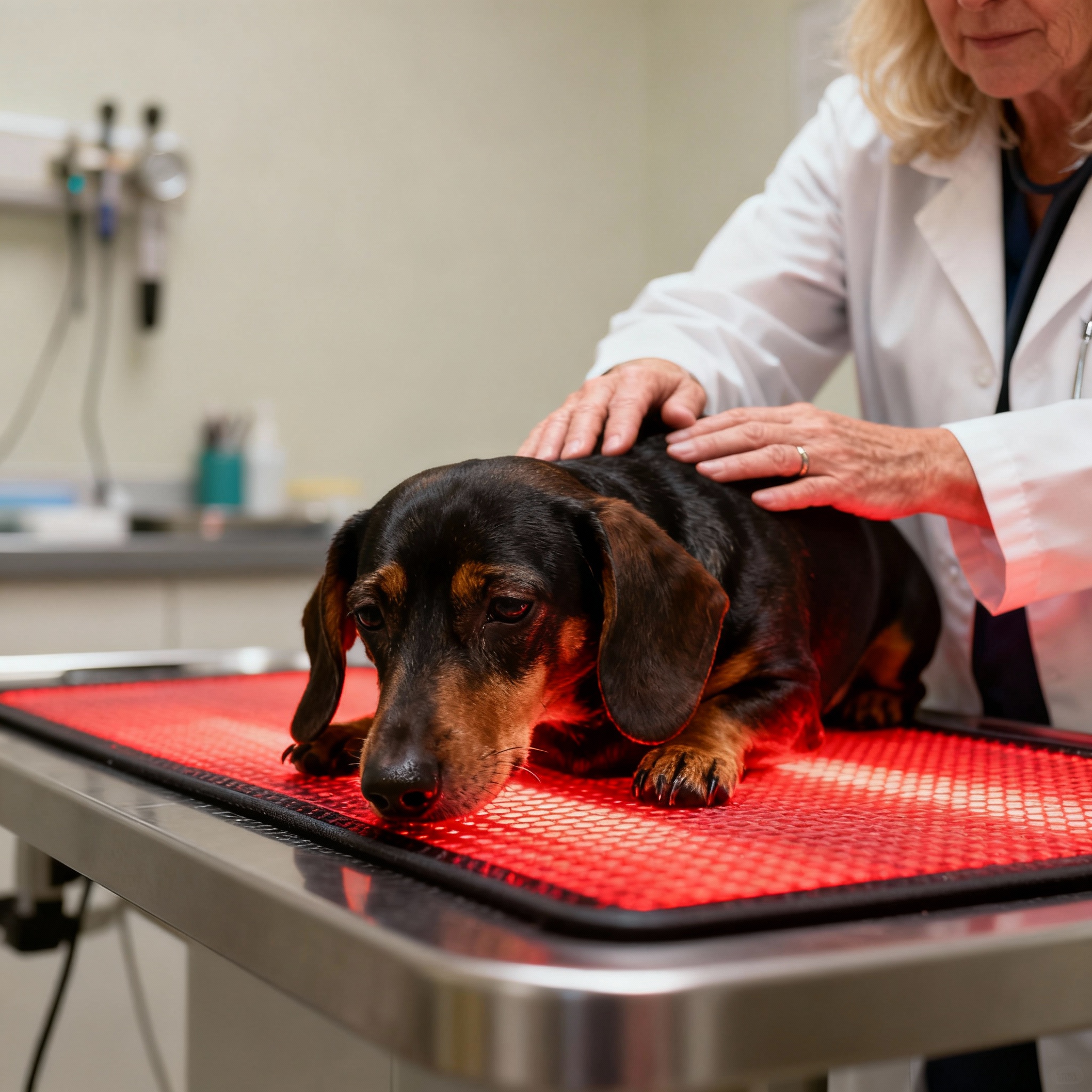
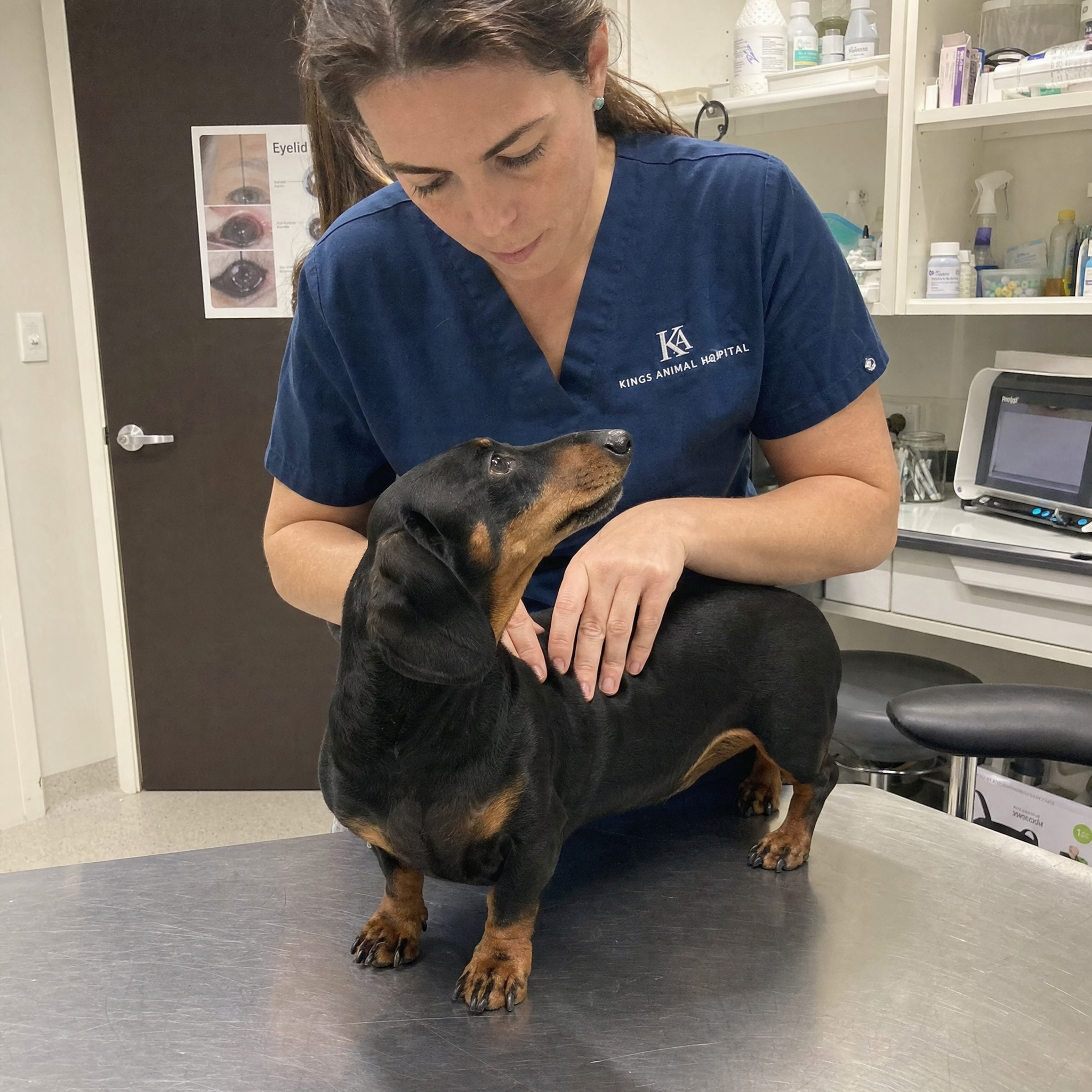
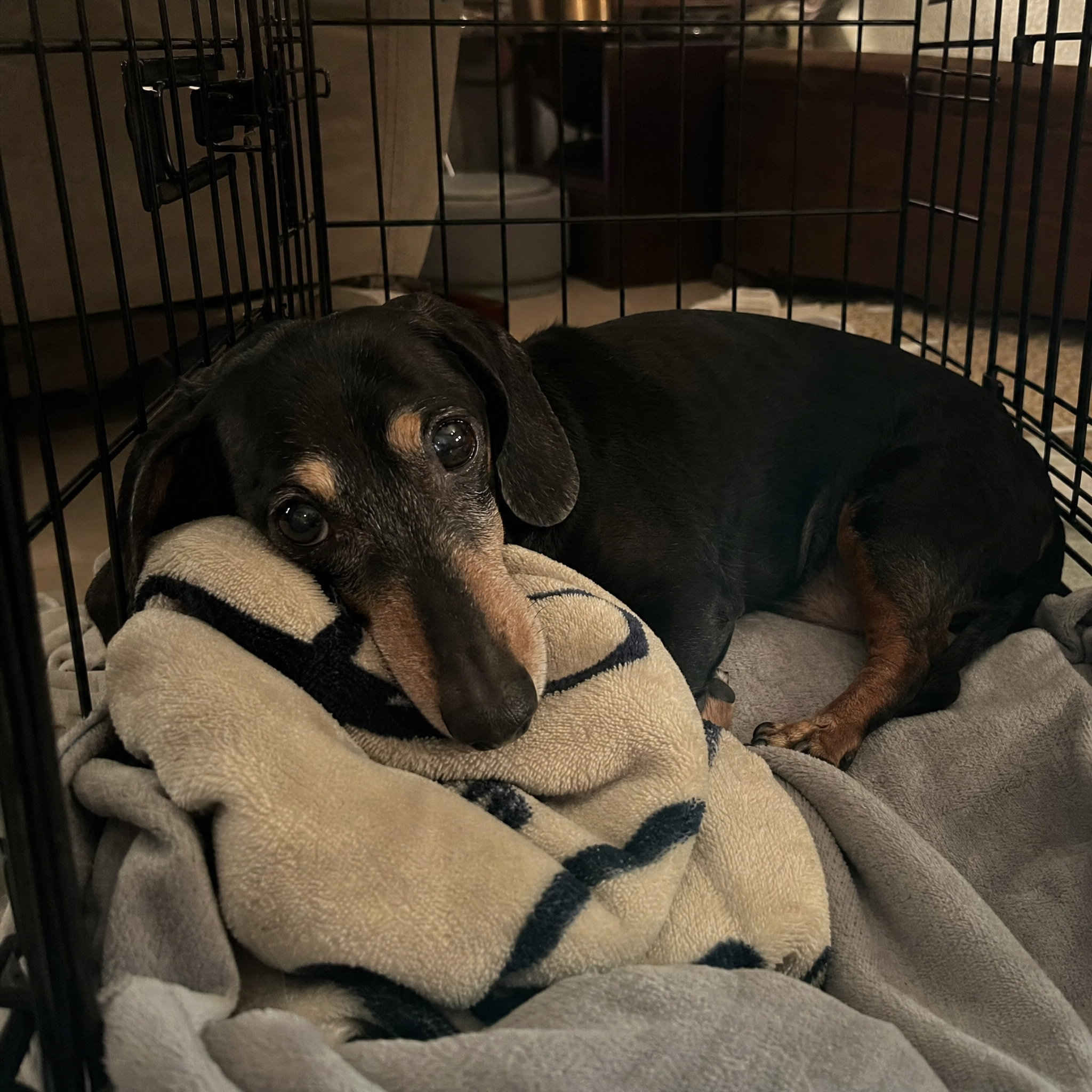
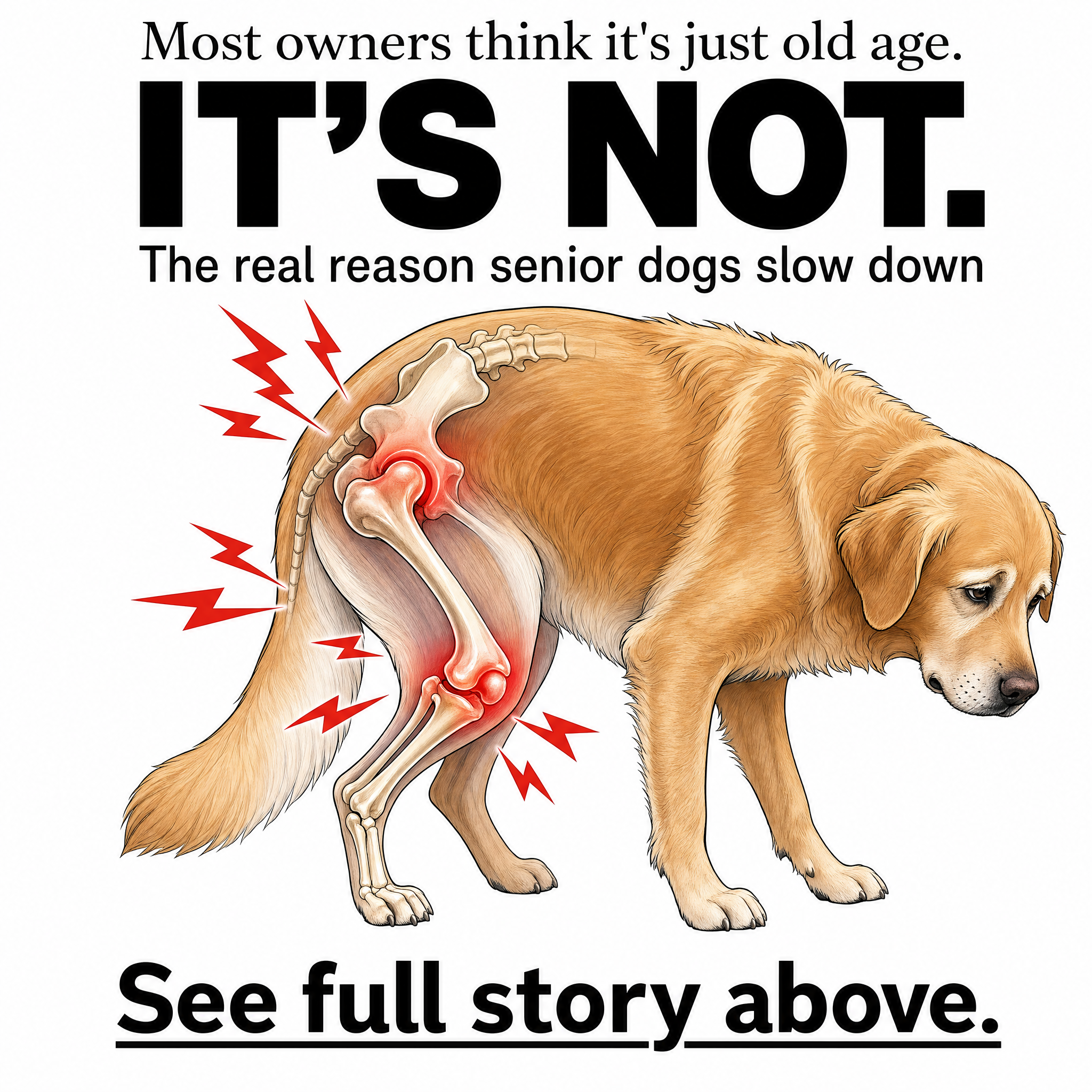
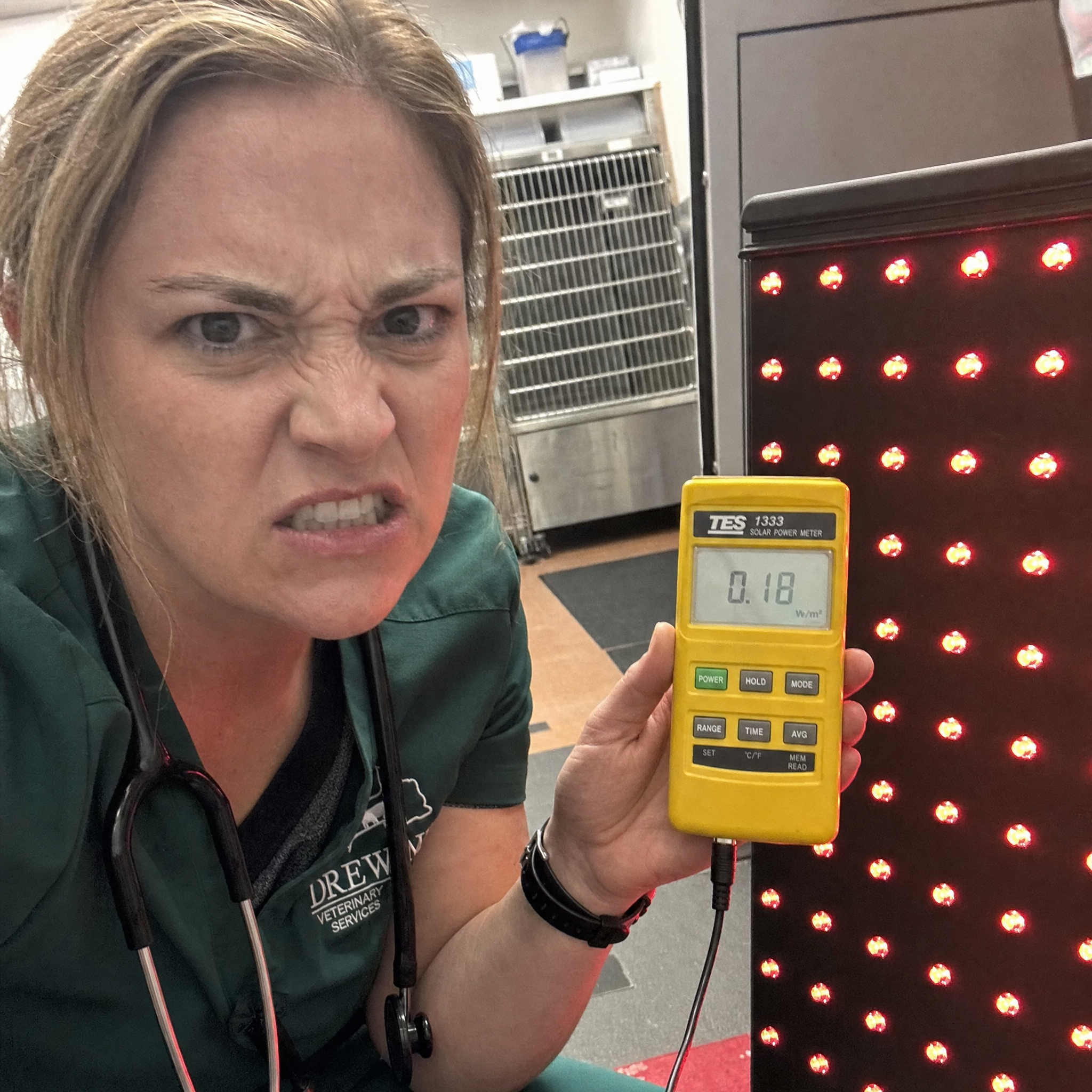
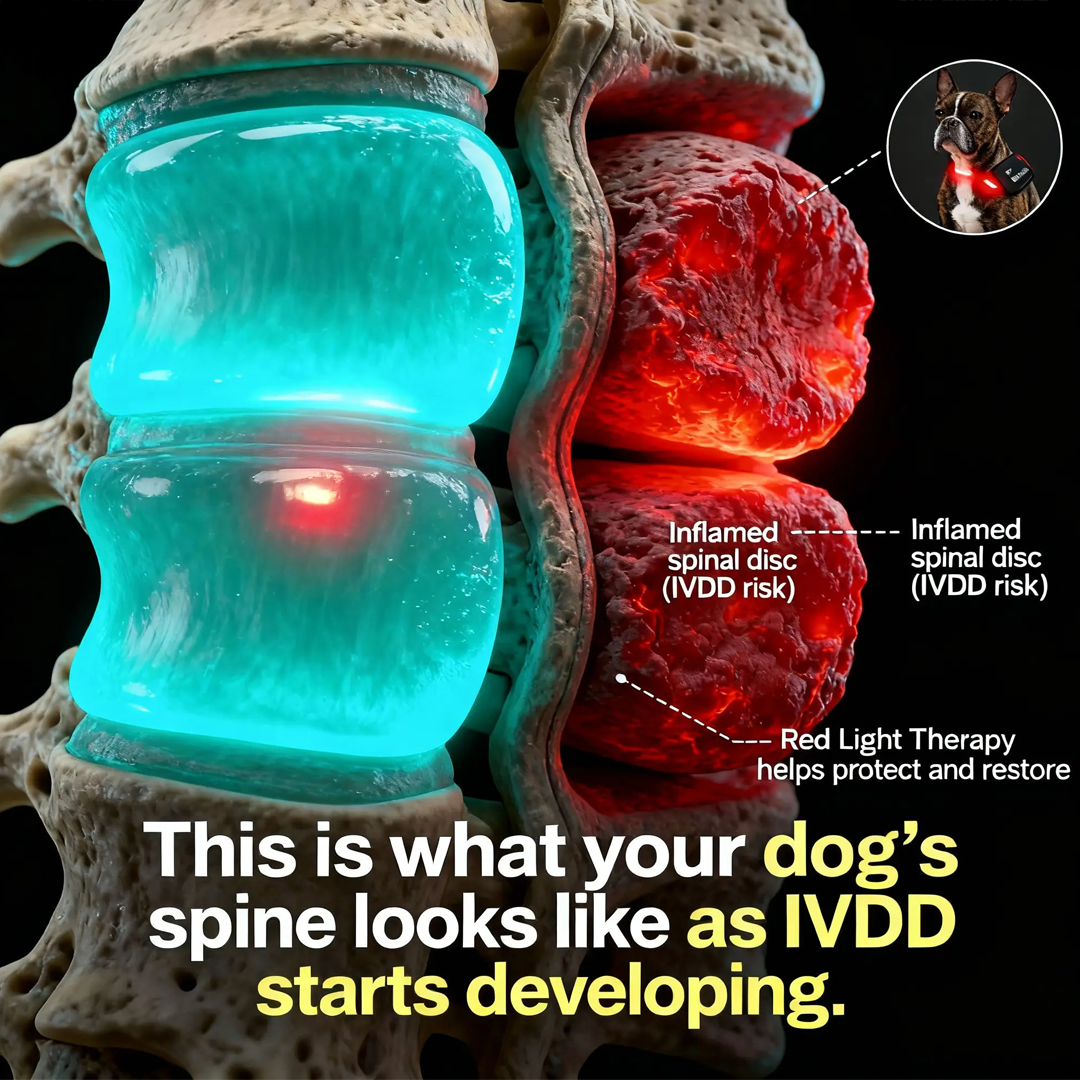
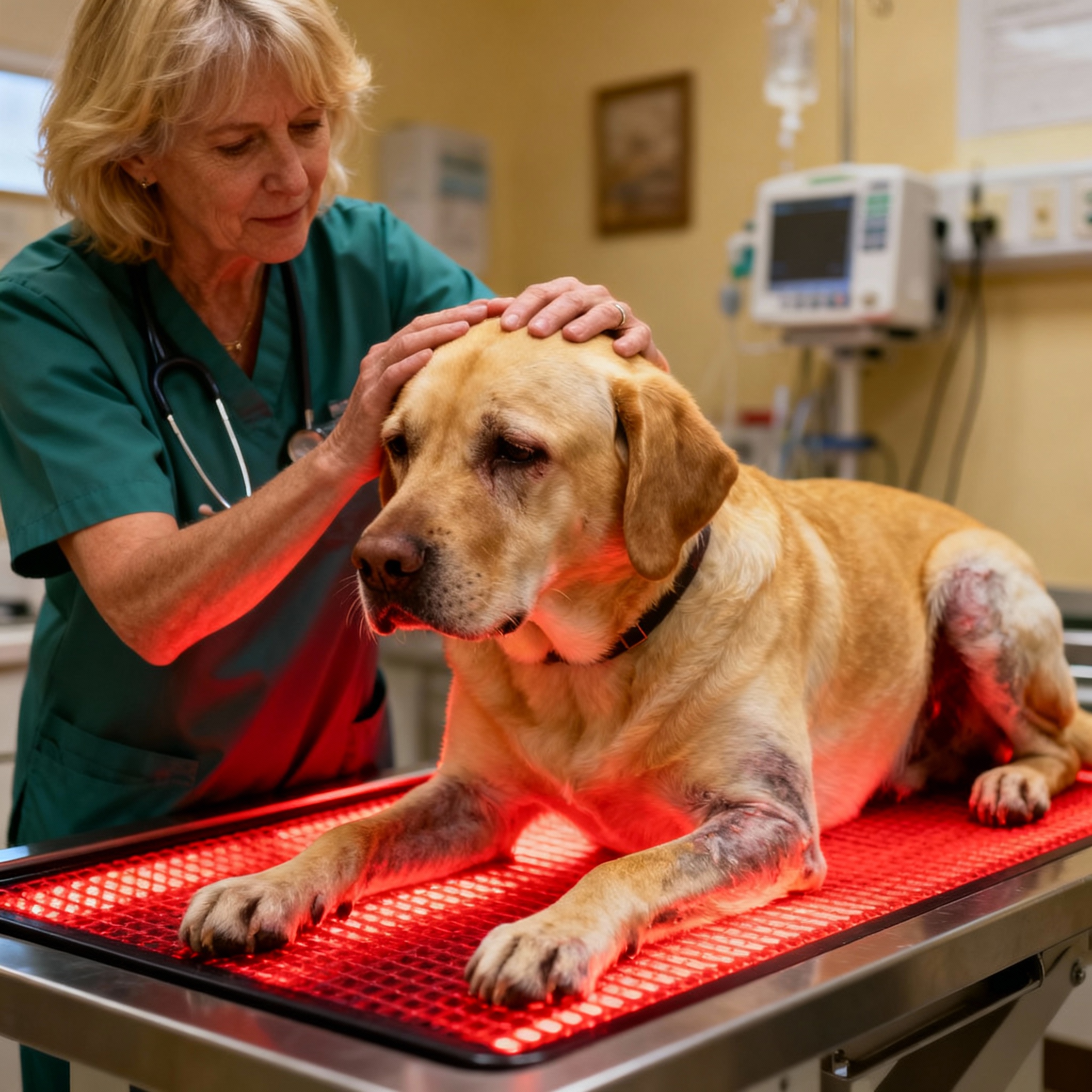
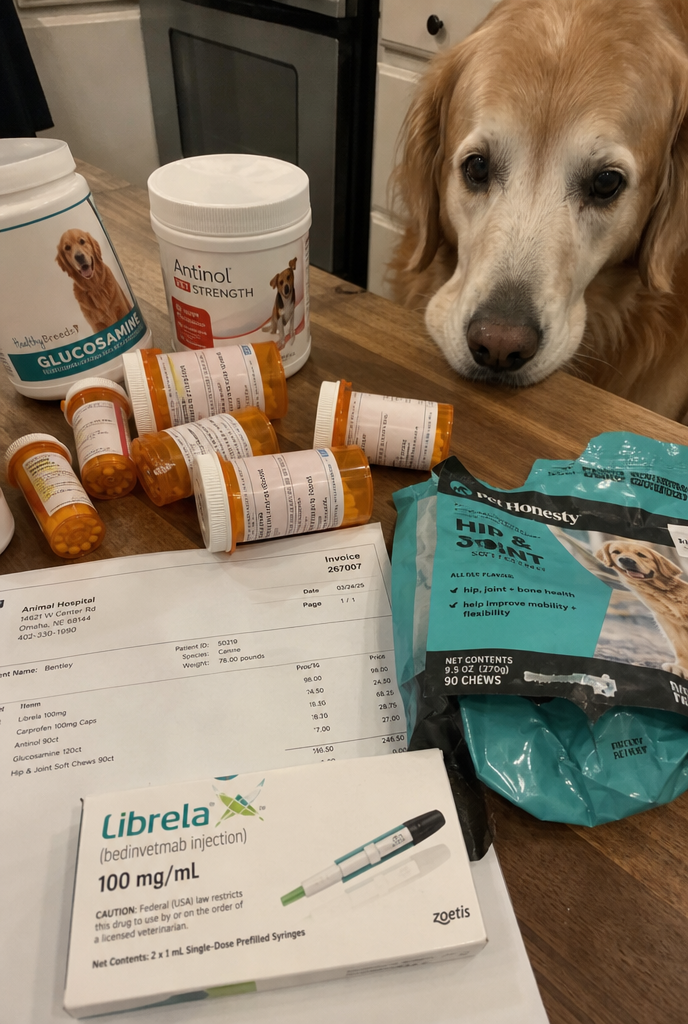
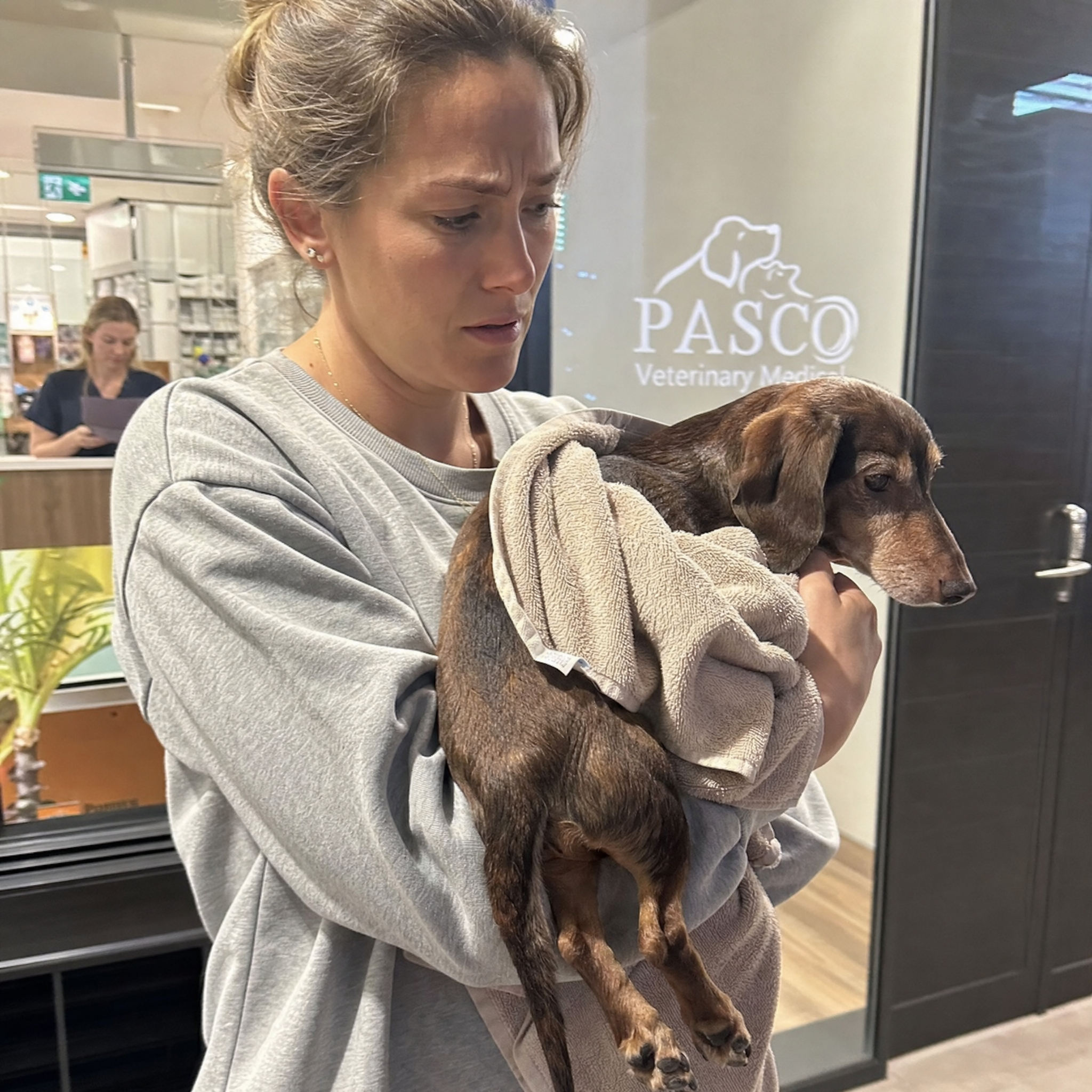
I am going to say something that will make you angry. If your long-backed dog is slowing down and you're "keeping an eye on it," you are already losing him, you just can't see it yet. I'm Dr. Audrey Wystrach, and I'm a holistic veterinarian. I have run out of polite ways to say this, so here is the blunt version. "Keeping an eye on it" is not a plan. It is the sentence owners say right up until the morning their dog can't stand. Let me tell you about two dogs, because they taught me this better than any textbook ever did. Same household. Two dachshunds. Two completely different endings. The first was named Otis. By the time I met him, he was already in trouble. His owner had done everything a "good owner" is told to do. She noticed he was slowing down. She mentioned it to her vet. She was told to keep an eye on it. So she watched. She waited. She gave a pain pill on the days he seemed sore. For almost a year, "keeping an eye on it" felt like she was doing something. She wasn't. She was watching a disc quietly degenerate while nobody actually treated the thing causing it. Then one ordinary Tuesday afternoon, Otis jumped off the couch he had jumped off a thousand times before. And his back legs stopped working. Emergency surgery. A long, frightening, expensive recovery. Weeks of crate rest and carrying him outside to pee. He walked again, eventually. But he was never quite the same dog, and his owner never quite forgave herself. She said the exact sentence I hear over and over in that exam room. "He was fine. We were just keeping an eye on it." Here is what almost nobody explains, and what I wish someone had told her a full year earlier. A dachshund's spine is a row of discs sitting under real pressure with every step, every jump, every twist. They were bred long and low, and that shape loads those discs harder than they were ever built for. The damage does not start the day he goes down. It starts months, sometimes years earlier, in total silence. The disc weakens. The body sends inflammation to the area. And that inflammation sits there, irritating the disc and pressing toward the spinal cord, a little more every single day, with no outward drama at all. By the time you can actually see it, a limp, a wobble, a dragged paw, a yelp getting off the couch, a great deal of the damage is already done. That is why "keeping an eye on it" fails so badly. You cannot watch your way out of something that stays invisible right up until the emergency. Watching is not treating. Watching is just being present for the decline. And the pills, since everyone asks. An anti-inflammatory or a pain medication can genuinely help on a bad day, and for a real flare they have their place. I am not anti-medication. But a pill you reach for on the sore days is not the same as protecting that disc every day. It does nothing for the daily load and irritation in between, and the moment it wears off, the spine is right back where it started. A day-to-day support routine is a different job than a flare-day pill, and most dogs only ever get the second one. Now let me tell you about the second dog. This is the part that matters. After everything she went through with Otis, his owner got a puppy. Another dachshund. She named him Pickle, and she brought him to me at barely a year old, completely healthy, bouncing off the walls, and she asked me one question. "What do I do so I never live through that again?" That question is the entire reason I am writing this. With Pickle, we did not wait for a symptom. We got ahead of it. Keep him lean, because every extra pound is load on that spine. Careful with stairs and furniture, ramps where they help. And, every single day, actively keep the inflammation around that young, healthy spine calm, instead of sitting back and waiting for it to flare. As a holistic vet, the tool I lean on for that last part is red light therapy. I know exactly how that sounds. I have spent my whole career being the one in the room suggesting the thing people don't expect, and I usually get a puzzled look for it. But the idea is simple. Specific wavelengths of red and near-infrared light pass into the tissue around the spine, calm inflammation, and help that area stay healthy. No drug. Nothing masked. Rehab and recovery clinics use it on exactly these cases. The only catch is they charge by the session, twice a week, so most families simply can't keep it up long enough for it to matter. That is the entire reason an at-home version exists. And if you ever look into one, here is the part that actually matters, so you do not waste your money. For the light to reach a disc, it has to be the right two wavelengths, at genuine clinical strength, in a shape that wraps a long back instead of a flat panel that just sits on top of the fur. A lot of what is sold online does not clear that bar, so check the specs before you spend a cent. The one I use with my own clients is a pad made for dogs called LumaPet. It meets those criteria, it is easy to use at home for about fifteen minutes while they rest, and it is the one I actually trust enough to send home with my patients. It's drug-free, and it's clinically proven. Pickle is six now, and he has never had a crisis. Same breed. Same house. Same genetic risk Otis had. The only thing that changed was that the second time, his owner refused to just "keep an eye on it." That is the part that actually makes me angry, if I am honest. Not the owners, never the owners. The owners are doing their best with what they were told. What makes me angry is how many of them are sent home to simply watch, when watching was never going to be enough. ⚠️ One line I will never soften, because I'm a vet first. If your dog suddenly can't move his back legs, drags a paw, cries out when you lift him, or can't urinate, that is a true emergency. Don't wait, and don't order anything online. Get him to a vet or a neurologist that day. Hours can matter. But if your dog is just starting to slow down, just starting to hesitate at the stairs, this is the window. Not the watching. The doing. If you want to see exactly how it works, and the simple routine I give my own clients, you can read more here: 👉 https://ivddprevention.com/listi-ivdd
Like this ad? Make it yours.
Crush rebuilds this exact creative around your product — your brand, your colors, your offer — in about a minute.