
Inactive· since Jul 30, 2026
- 18
- days it ran
- 0
- relaunches
- 1,691
- EU reach
Ad copy
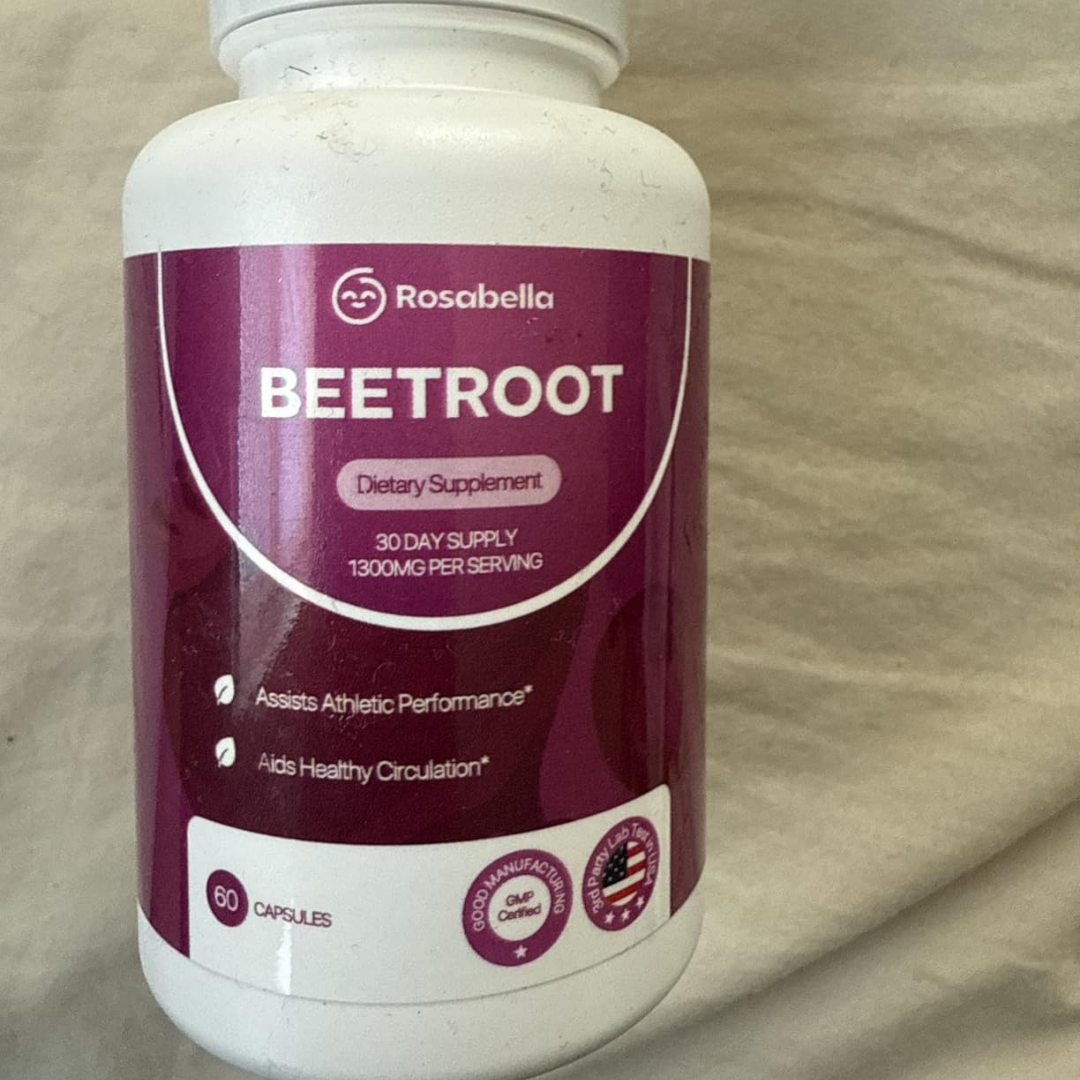
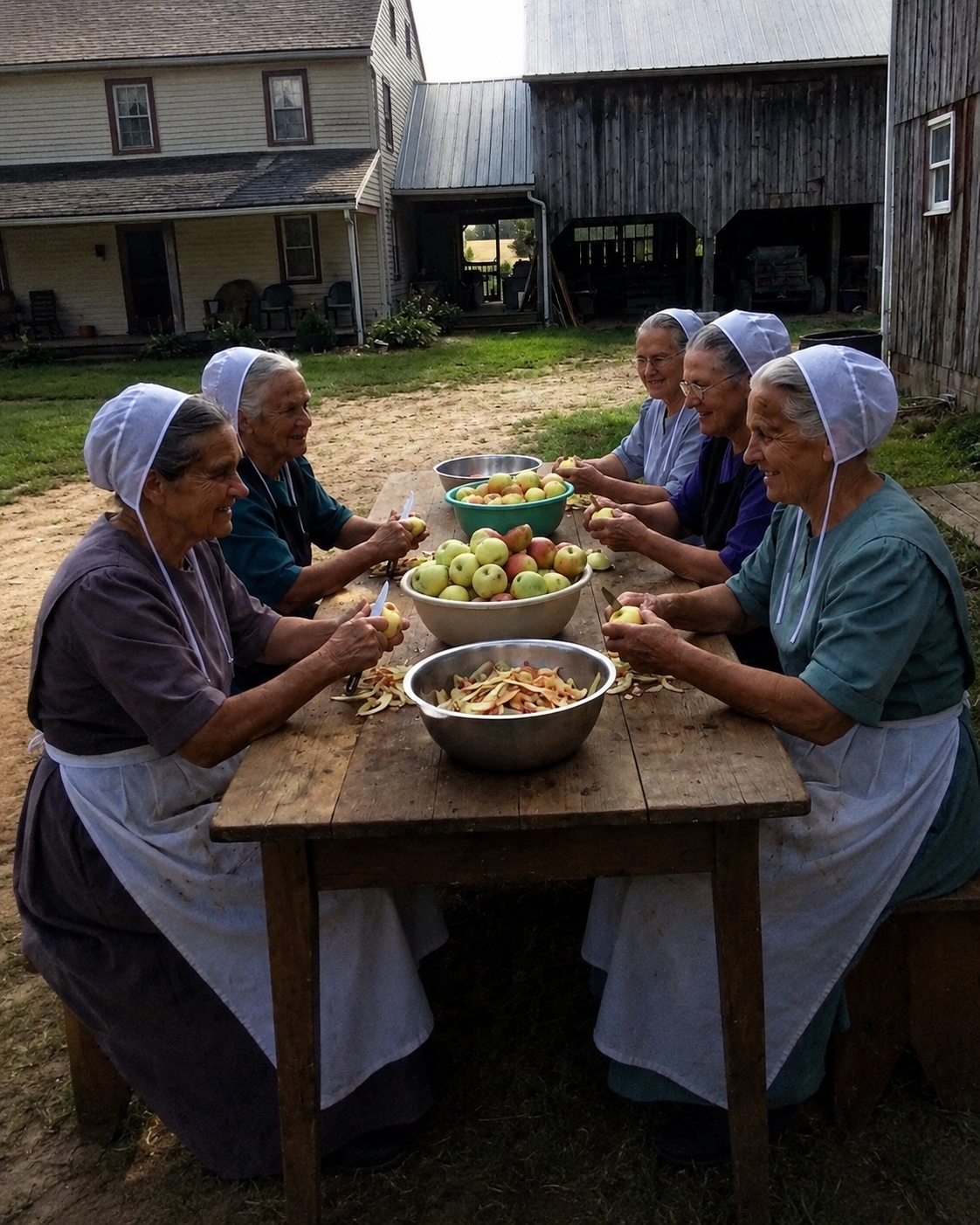
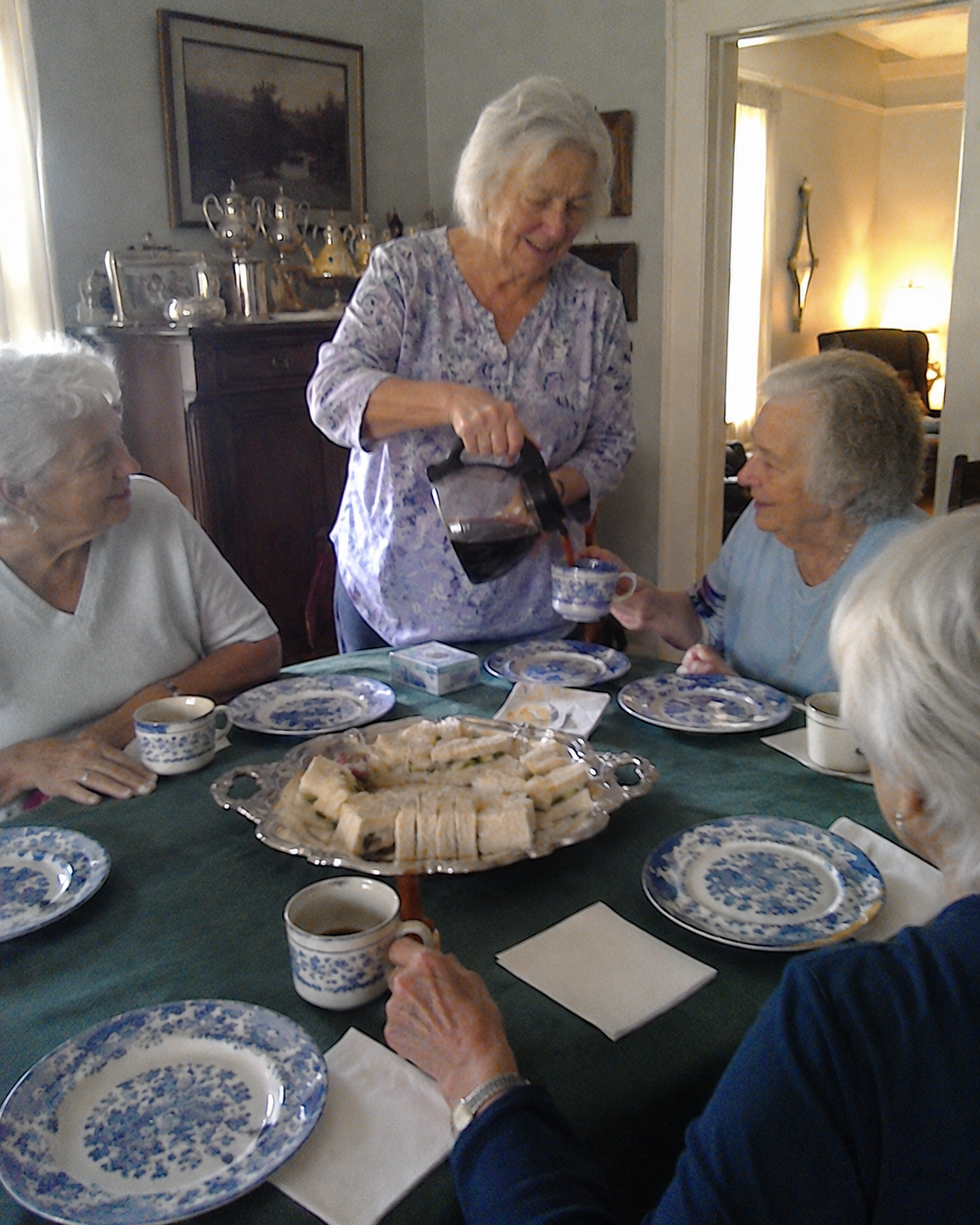
My Mother Has Played the Same Bridge Foursome Every Thursday for Thirty-Four Years. Last October She Started Skipping. My mother's name is Marian. She is seventy-five years old. She has played the same Thursday afternoon bridge game since 1991. Three other women. Eleanor. Helen. Joyce. The four of them have been playing every Thursday from one to four for thirty-four years. At my mother's dining room table. With the same blue and white china plates my mother has been putting out for thirty-four years. The same small finger sandwiches. The same coffee in the same carafe. My mother has hosted every Thursday for thirty-four years. The bridge has been the anchor of her week. I am her daughter. My name is Patty. I am fifty-two years old. I have been a high-school guidance counselor at our local district for twenty-six years. I am still working. I am married to my husband Ron for twenty-eight years. We have two grown kids. I have one older brother, Tom, who lives across the state. I live about twenty minutes from my mother. I have been driving over for Saturday lunch every week for the last eight years. Since my father died. My father's name was Frank. He died eight years ago of a sudden cardiac event. He was sixty-eight. He had been at the kitchen sink one Saturday morning rinsing his coffee cup. That is where my mother found him. I want to tell you about my father at the beginning of this because what happened to him matters to the story. My mother has carried it for eight years. She has not always carried it visibly. She has carried it the way women her generation carry things. Quietly. In her own kitchen. In the bridge foursome that the other three women showed up for the Thursday after the funeral without asking her if she wanted to play. In the small choices she has made about her own body that I am going to tell you about. I want to tell you about last October. I want to tell you about it because there are a lot of daughters in their fifties watching their mothers — mothers who lost their husbands in their sixties or early seventies — quietly start to hand things off. And nobody really talks about how the carrying of widowhood and the carrying of getting older happen at the same time in those women. And how the daughters who watch them have to learn to see the difference. I have to back up first and tell you who my mother had been for the eight years between my father's death and last October. My mother retired from her job as an elementary school librarian thirteen years ago. She had been at the same school in our town for thirty-one years. The three women in her Thursday bridge foursome had all worked at that same school. Eleanor — the retired second-grade teacher. Helen — the retired school secretary. Joyce — the retired music teacher. The four of them had been the women who held that school together for three decades. The bridge had started in 1991 when my mother was forty-one and I was eighteen and I had just left for college. My mother had been the hostess from the beginning. She had told me at our kitchen table once, about ten years ago, that she had volunteered to be the hostess because she had wanted a reason for her week. The Thursday hosting had been her reason. For thirty-four years. After my father died, the foursome was the thing that kept my mother going. The other three women had been at the funeral. They had been at my mother's dining room table the following Thursday at one. They had not asked my mother if she wanted to play. They had just shown up. They had played. My mother had told me later that Thursday afternoon was the first time she had felt anything like herself since my father died. The bridge had been the anchor of her widowhood. For eight years. I had been noticing things over the year and a half before last October. My mother had been getting more tired after Thursday bridge. The first hour she had been her usual self. By the third hour she had been quietly suggesting they end early. My mother had been managing the small finger sandwiches differently. She used to make them all herself the morning of bridge. Egg salad. Cucumber. Ham. She had started having me bring them from the deli on Saturday so they would be ready in the fridge Thursday morning. She had been telling me her hands got tired with the small slicing. My mother had been driving less in the evenings. She used to drive herself to her own bridge club's monthly dinner at a restaurant in our town. The other three had started picking her up. My mother had been calling me at unusual times. Earlier in the morning. Saturday afternoons. Wednesday evenings. The calls had been shorter than they used to be. I had been telling myself this was just my mother getting older. The Christmas card list. My mother had been sending out about a hundred Christmas cards every December for forty years. The Christmas before last had been seventy cards. Each of these things had been small. The bridge had been the constant. Until last October. Last October, on a Saturday afternoon, I was at my mother's kitchen table for our weekly lunch. She set down her coffee cup. She said, "Patty. I asked Helen to host bridge next Thursday. I'm going to be the guest. I'm too tired to host the way I have been hosting." I said, "Mom. Are you okay?" She said, "I'm fine, honey. The hosting has been a lot. The small sandwiches. The coffee. The setting up. The cleaning up. Helen has been wanting to host for a couple of years. I'm letting her." I said, "Mom. You love the hosting." She said, "I do. But I think I'm letting it go. Helen will do it the next few months. We'll see." She said it the way she had been saying everything for the previous year and a half. Like it was a small thing. Like it was just a Thursday. Like the hosting was a chore she had decided to put down. I knew my mother's voice. The hosting had not been a chore for thirty-four years. The hosting had been the anchor. I did not push her at lunch. I finished my tea. I helped her with the dishes. I drove home. I sat in my own driveway for fifteen minutes before I went inside. I told Ron that night. He listened. He said, "Patty. What are you going to do?" I said, "Ron. I have to call Tom." I called Tom the next Wednesday evening. I told him about Helen hosting. About the small sandwiches from the deli. About the driving in the evenings. About the Christmas cards. Tom said, "Patty. I have been worried about Mom since the summer. I was going to call you in November to talk about it." I said, "Tom. Why didn't you call sooner?" He said, "Because I see her four times a year. You see her every Saturday. I figured you knew the picture better than I did." I said, "I have been telling myself she's seventy-five and seventy-five is seventy-five." He said, "Me too." We talked for an hour. We agreed I would talk to Mom the following Saturday. Tom said, "Patty. Don't make it about the hosting. Make it about Mom." I said, "Tom. I will." I drove over the following Saturday morning. I brought a small bouquet of grocery-store flowers and my mother's favorite pastry from the bakery two blocks from my house. My mother was at the kitchen table. I sat down. I said, "Mom. I want to talk about something." She looked at me. I said, "Mom. I have been a guidance counselor for twenty-six years. I notice things. The hosting by itself is not a big thing. But I have been quietly noticing things for over a year, and I think I have to tell you what I have been noticing." She said, "Patty. Tell me." I told her. The sandwiches. The driving. The Christmas cards. The phone calls at unusual times. The fall garden. She listened. When I was done, she said, "Patty. You have been watching me." I said, "Mom. Yes." She was quiet for a moment. She said, "Patty. I have been getting tired in a way I don't know how to describe." I said, "Mom. Tell me about it." She said, "Honey. I have always thought of myself as a woman who runs on a full tank. Your father used to tell me that. He used to say, Marian, you start every day at one hundred percent." She said, "And the last year and a half I have been starting every day at sixty. And every afternoon at thirty. And every Thursday night when the bridge is over I have been at zero." She said, "I have been ashamed to say it." I reached across the table and held my mother's hand. I said, "Mom. Ashamed of what?" She said, "Ashamed of needing rest. After fifty years of running at full tank. I had been telling myself my body was failing me. I had been telling myself that quietly. I had been doing what I could and asking my friends to do the parts I couldn't." I said, "Mom. Will you let me come with you to Dr. Nordstrom?" She said, "Yes, Patty." I called the office Monday morning. They gave us an appointment for the following Thursday. Dr. Nordstrom has been my mother's doctor for eleven years. She is a careful woman in her late fifties. She has been the one watching my mother carefully since my father died. She has known about my father's history. She has not put my mother on any cardiac medication because my mother's own picture has been clean. My mother's bloodwork has been in range. Her blood pressure has been in range. Her cholesterol has been in range without medication. Dr. Nordstrom has been describing my mother's numbers at every annual physical as good for her age. I went with my mother into the exam room. My mother told Dr. Nordstrom about the year and a half. She told her about the bridge hosting. She told her about the sandwiches. She told her about the tank. She told her she had been ashamed. Dr. Nordstrom listened. When my mother was done, Dr. Nordstrom said, "Marian. What you are describing is real." "It is also more common than you would think in women in their seventies. There is a layer of cardiovascular and cellular wellness that quietly thins in the decade and a half after menopause." "The standard panel doesn't always reflect it. The numbers can be in range while the woman herself feels the tank going down." She paused. She said, "Marian. Given Frank's history of the sudden cardiac event at sixty-eight, I want to be thorough." She said, "I want to run the full cardiovascular workup. Bloodwork. EKG. An echocardiogram. A stress test." "Given Frank's history, I'd like to do a coronary calcium scan as well." She said, "Then I want you to see a preventive cardiologist for the longer-range assessment. I have one I refer to in our group. He is very good with women in their seventies and women with family histories of sudden cardiac events. His name is Dr. Bergquist." My mother said, "Yes, Dr. Nordstrom." My mother did everything over the next three weeks. The bloodwork was unremarkable. The EKG was normal. The echocardiogram showed no structural problems. The stress test was unremarkable. She completed the protocol. The coronary calcium scan showed a small amount of calcium consistent with her age. Below the threshold that would trigger preventive medication. Dr. Bergquist saw my mother for an hour the third week. He reviewed everything. He gave my mother the wellness-layer framing for a woman in her mid-seventies thirteen years out from menopause and eight years out from her husband's death. He gave her the standard advice. Keep walking. Eat well. Sleep. Manage stress. He said, "Marian. I want you to call me directly if the tiredness intensifies in a way that feels different." "If you experience chest pain. Pressure that lasts more than a few minutes. Pain radiating to the jaw or arm. Shortness of breath that comes on suddenly. Lightheadedness." "Call directly. Always." "The standard advice today is for the wellness-layer question. The standard advice does not replace your judgment about a new symptom." "I want you to keep my number in your phone." My mother said, "Yes, Dr. Bergquist." I asked Dr. Nordstrom about a supplement at my mother's follow-up the next week. I had been reading at my kitchen table for three weeks while the workup had been happening. I had been reading about beetroot. About the deep red pigments — the betalains. About the long research history in the context of cardiovascular wellness and the body's natural antioxidant balance. I had read that the betalains are sensitive to heat. That faster processing methods can damage them. That a few brands choose to cold-press the root at low temperatures to preserve them. I had landed on a brand called Rosabella. Small operation. Cold-pressed at low temperatures. Plain language on the bottle. No grand claims. Dr. Nordstrom said, "Patty. Marian. I have been hearing about beetroot for cardiovascular wellness for several years from a few of my patients." "The research is decent. It is sensible. It supports the layer underneath." "It is not a treatment for what Marian has been describing. It is support for the layer." "I am comfortable with her adding it." She told my mother to start. She told her to keep doing everything else. She told us to come back at six months. A supplement is not a drug. I want to say that to anyone reading this. It doesn't switch on like a drug. You don't take it and feel different the first morning. What it does — if it does anything — is support the body's existing systems in slow ways that you notice in the small things, over weeks. Not in how you feel when you wake up. I read enough during those three weeks to know that. I want you to know that going in too. I drove over to my mother's house the following Saturday morning with the bottle. We sat at the kitchen table. I told her about calling Dr. Nordstrom's office. About what the nurse had said. About what I had been reading. I told her this wasn't going to fix anything overnight. I told her this was something added to what she was already doing. I told her Dr. Nordstrom wanted to see her at her six-month visit and hear how she was feeling. She picked up the bottle. She turned it over in her hands. She said, "Patty. Thank you for asking her for me." She took the first two capsules with her coffee Monday morning. She kept doing everything else. The first two weeks were just two weeks. I called my mother on Wednesday evenings the way I had been calling her on Wednesday evenings for years. Nothing was different. I was paying attention. I wasn't waiting for anything in particular. A few weeks in, my mother called me on a Tuesday afternoon. She had not called me on a Tuesday afternoon just to talk in close to a year. She said, "Patty. I made the small sandwiches this morning. I'm hosting bridge Thursday." I said, "Mom. You're hosting?" She said, "I told Helen on Sunday I'd take it back this week. I made the sandwiches this morning. They're in the fridge. The blue and white plates are out." I said, "Mom. I'm glad." She said, "I'm going to host one Thursday. We'll see how I feel Friday. I'm not making a thing of it." I said, "Mom. Good." She hosted that Thursday. Eleanor and Helen and Joyce came at one. My mother made the coffee. She put out the sandwiches. The blue and white china was on the table. They played until four. After, my mother was tired. But she had hosted. She hosted the following Thursday. She hosted the Thursday after that. By the time the Thursday in December came that fell on the week of Christmas, my mother had been hosting every Thursday for eight weeks. The Christmas cards. My mother sent out a hundred and four Christmas cards that December. Four more than her usual hundred. I noticed because my mother asked me to pick up an extra box of cards from the drugstore. I asked, "Mom. Why an extra box?" She said, "Patty. There are people I have not sent to in a couple of years. I would like to send to them this year." I said, "Mom. Tell me who." She said, "My sister Edna's two grandchildren. My old principal Dr. Hahn who retired before I did. The woman who cuts my hair. A few others." I bought the extra box. My mother had hosted New Year's Day brunch for thirty-eight years. She had stopped hosting it five years ago. I had been hosting it at my own house since. On the New Year's Day after my mother started the supplement, she called me on the Wednesday before. She said, "Patty. I would like to host New Year's Day brunch this year. At my house. I'll make the strata." I said, "Mom. Are you sure?" She said, "Patty. I would like to. I have been thinking about the strata for a couple of weeks." I said, "Mom. Yes. We'll come to you." She made the strata Tuesday night. She set the table Wednesday morning. The whole family — Ron and me and our two grown kids, Tom and his wife and their three kids — came at eleven on New Year's Day. My mother was at the head of the table. She served the strata herself. She was tired by two. The family stayed until three. After everyone left, I stayed to clean up. My mother sat at the kitchen table. She said, "Patty. I have not hosted New Year's Day brunch in five years." I said, "Mom. I know." She said, "It was good to have everyone." I said, "Mom. It was good." She said, "I'm going to host it next year too." I said, "Mom. Yes." My mother went back to Dr. Nordstrom and Dr. Bergquist at the six-month re-evaluation. I drove her. The bloodwork was the same as it had been. Her numbers were where they had been before. Dr. Bergquist ran another stress test. She completed the protocol again. Dr. Bergquist said, "Marian. Whatever you have been doing, keep doing it." Dr. Nordstrom said the same thing. Both reminded her about the new-symptom instruction. My mother said, "Yes." I want to be honest with you about what I do and do not know. I do not know exactly which thing in my mother's life made the difference these last seven months. She did the full cardiovascular workup with two careful doctors. She added a supplement Dr. Nordstrom approved. She kept doing everything else. She also asked her doctors for more in a way she had not been asking for a year and a half. Several things were happening at the same time. I cannot tell you which one was the thing. What I can tell you is the timing of what I noticed. What I can tell you is that my mother hosted Thursday bridge eight weeks in a row. What I can tell you is that she made the strata. What I can tell you is that she sent four extra Christmas cards. I would not trust anyone who told you more cleanly than that what one thing did or didn't do in their mother. A few months in, on a Thursday afternoon at the bridge table, Eleanor said to my mother over the cards: "Marian. Something has changed with you. What did you do?" My mother told her. Eleanor called her own doctor that Friday. Eleanor's doctor ran her own workup. Everything came back clean. The doctor gave Eleanor the wellness-layer framing. The doctor approved the supplement. Eleanor has been on it since. She has been telling my mother at the bridge table that her grandson noticed in March that Grandma was "back." Her grandson is seven. If you are watching your mother — and your mother is in her seventies, and she lost your father some years back, and she has been quietly handing things off in ways that look like aging but feel like something else — here is what I would tell you. Notice what you have been noticing. Tell your sibling. Tell your husband. Tell someone. Say it out loud. Bring it up with your mother. Not at a big dinner. At a kitchen table on a Saturday morning with a small bouquet of flowers and her favorite pastry. Tell her you have noticed. Tell her you love her. Tell her you want her to talk to her doctor. If she agrees, drive her to the appointment. Sit in the room with her. Tell the doctor about your father if your father is part of the picture. Ask for the full cardiovascular workup if the doctor agrees. Ask about a preventive cardiology referral if the family history warrants it. If the doctor mentions sensible things to add, ask your mother if she would like you to look into them. Then call the doctor's office before she adds anything new. Always. Tell them exactly what you are thinking about. Ask them whether it is okay to add to what she is already taking. The nurse can usually get you an answer within a day. That phone call is the most important step. Then add the one thing. Don't change anything else. Don't taper anything. Don't quit anything. Keep the doctor's number and the cardiologist's number in her phone. Call directly if anything new comes up. Always. Give it some time. Bodies are different. Some women notice something within the first few weeks. Some women take much longer. Pay attention to the small things. The Thursday she takes the hosting back. The Christmas cards. The strata on New Year's Day. That is where you'll see it first. P.S. The brand we used is Rosabella. Two capsules in the morning with a glass of water. Cold-pressed at low temperatures. Before you order any of it, call your mother's doctor's office. Tell them exactly what you are thinking about. Tell them what else she is taking. Tell them about your father's history if your father is part of the picture. Ask them whether it is sensible to add. That phone call is the most important part of all of this. Not the bottle. The conversation. P.P.S. Rosabella has a 90-day money-back guarantee. If you are not satisfied for any reason, every penny back. No questions asked. It gives you long enough to see whether it helps before you decide anything. P.P.P.S. Rosabella is a small operation. They harvest and bottle on their own schedule. I keep an extra bottle in the cupboard for my mother now. I would rather not have a gap. P.P.P.P.S. It is a Thursday in May. I pulled into my mother's driveway at twelve-thirty. I had driven over to drop off a casserole for her to have for dinner Friday. Eleanor was pulling in behind me. Helen and Joyce were coming up the walk. My mother was at the front door in her good blue blouse — the one she has been wearing on bridge Thursdays for thirty-four years. She said, "Patty. The casserole. Bless you. Come in. The girls are here." I said, "Mom. I won't stay. Bridge is bridge." She said, "Patty. Come in for one cup of coffee. The girls would love to see you." I came in. The blue and white china was on the dining room table. The small finger sandwiches were on the silver tray. The coffee was in the carafe. The four of them sat down at one o'clock the way they have been sitting down at one o'clock every Thursday for thirty-four years. I had my one cup of coffee. I left at one-fifteen. I drove home. I sat in my own driveway for ten minutes before I went inside. Not crying this time. Just sitting. That is what I want to tell you about. Individual experiences vary. These statements have not been evaluated by the FDA. This product is not intended to diagnose, treat, cure, or prevent any disease.
Support stamina and heart health every day
LEARN MORELike this ad? Make it yours.
Crush rebuilds this exact creative around your product — your brand, your colors, your offer — in about a minute.