Donna's Chair
Donna's Chair Facebook ad: “Get Your Fullness Back”
Ran for 15 days, from August 25 to September 9, 2026, the last day Crush saw it.
Run by Donna's Chair on Facebook. Crush is not the advertiser and does not verify its claims. See this ad in Meta's Ad Library(opens in a new tab)
Want an ad like this for your product?
Crush makes new ad images for your product from this ad: your logo, your product photo, your offer.
Trials from $19.95 USD, then $79.95 USD a month. Cancel anytime.
About this ad
- Meta Ad Library ID
- 2253613198767094
- Platforms
- Facebook, Instagram and Threads
- Relaunches
- 0
- Niche
- Hair Care
Ad text
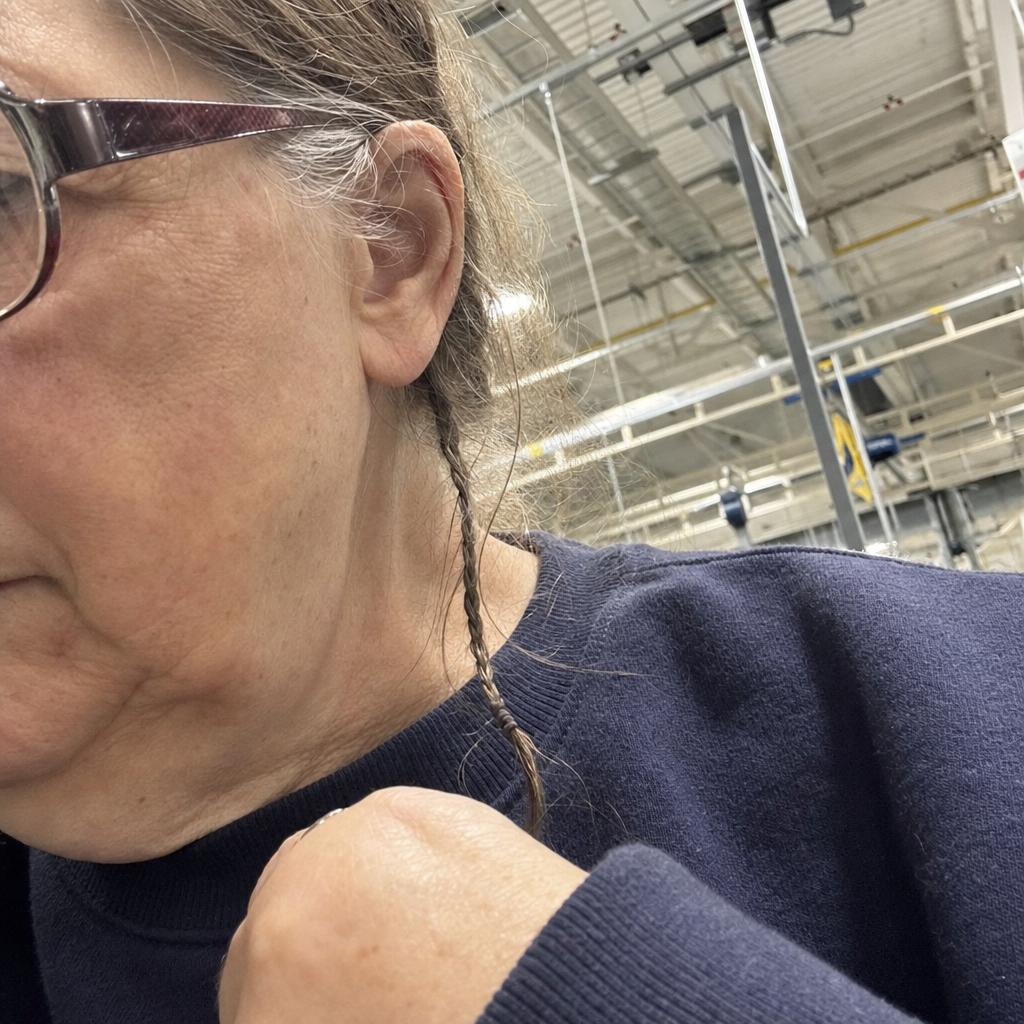
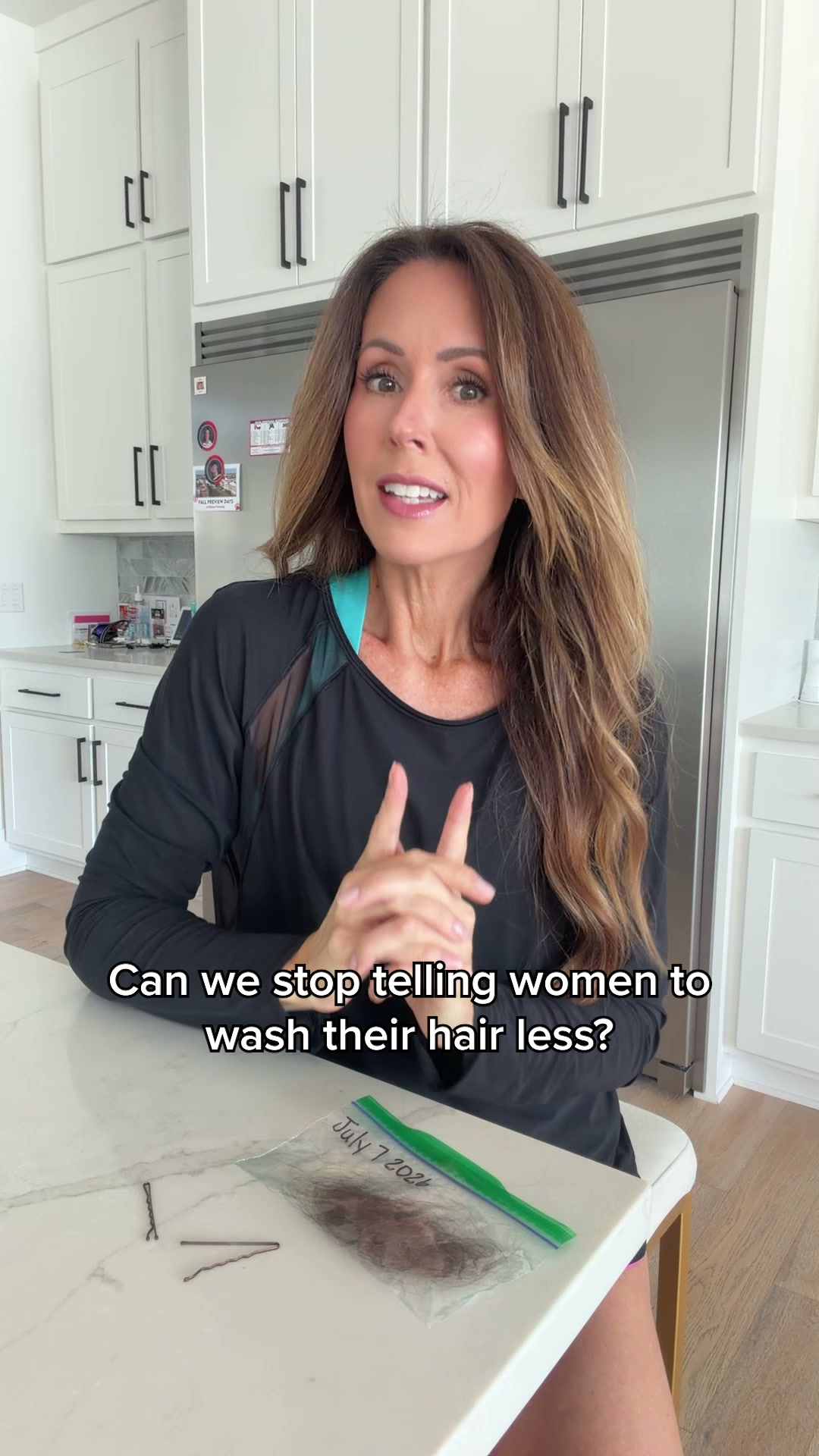
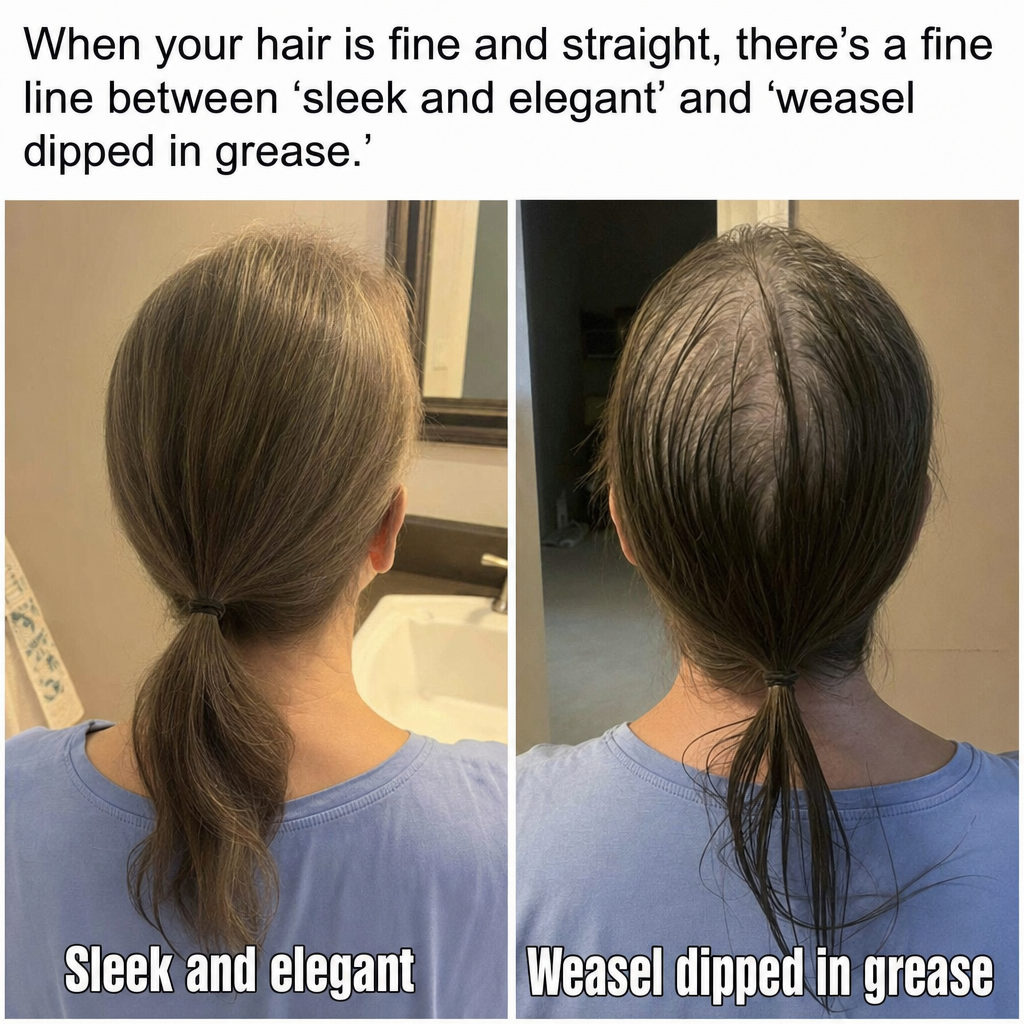
If you have tried everything to make your ponytail look fuller, read this before buying another hair product. You probably do not need to grow a single new hair to get that fullness back. I had tried everything. Minoxidil. Nutrafol. Biotin gummies. Rosemary oil. Scalp serums. A red-light helmet that made me look like I was preparing for takeoff. Hair kept looking thinner anyway. Here is the fact that should have ended the “you just need to regrow more hair” conversation years ago. A British Journal of Dermatology study looked at 1,099 women who believed they were losing their hair, along with 315 women who did not report hair loss. The researchers measured how many hairs each woman had. But they also measured how thick each strand was. And losing hairs was not the main explanation for all the fullness women lost after 40. Each strand was getting thinner too. Even women who did not report hair loss could still lose visible fullness because the hairs they had no longer took up as much space. Same number of hairs. Smaller ponytail. If losing hairs were the whole problem, women who were not losing hair should not have been losing fullness. But they were. Which means regrowth was never the whole answer. I know because I lived the entire thing first. Standing in the supplement aisle, comparing biotin gummies and hoping the expensive ones would somehow work differently. Ordering another bottle of Nutrafol because surely something that cost that much had to be doing something. Sleeping in rosemary oil. Wearing the red-light helmet. Covering my roots in dry shampoo. Buying every Shampoo and Conditioner with the word “full” printed on the bottle. I tried washing less. I tried washing more. I tried a blunt cut. I tried keeping it long because I thought more length would somehow give me more hair. And it got worse. Not better. My roots looked greasy and flat by the next day. My ends were dry and frizzy. My part kept getting wider. And my ponytail felt lighter in my hand every single month. Whenever I tied it back, the tail looked like a skinny little mouse tail slipping out of the hair tie. Then someone took a photo of me from behind in the afternoon sun. I literally gasped when I saw it. My hair looked practically see-through. The strands around my crown had separated. My scalp was shining between them. And my ponytail looked even smaller than it felt. It was not vanity. It was the feeling that another piece of me had changed during menopause and I had no idea how to get it back. Everyone gave me the same answers. Grow more hair. Wash less. Use dry shampoo. Try a thickening spray. Be patient. So I did all of it. Dry shampoo made my roots dull and sticky. Washing less allowed even more oil to collect. Thickening sprays helped for a few hours, then my hair collapsed. And regrowth treatments asked me to wait months for new hairs that would begin short and fine anyway. Nothing explained how I was supposed to make my ponytail look fuller now. Then I went back to the study. And I finally understood what my hair was actually doing. Your ponytail gets its fullness from two things. How many hairs are inside it. And how thick each of those hairs is. There is no third thing. I had spent years treating the first one. Nobody had told me to treat the second. You have around 100,000 hairs on your head. You would never notice one hair becoming slightly thinner. But when the same change happens across your entire head, you notice it everywhere. Your part widens. Your scalp shows through. Your roots collapse. Your ends become wispy. And all those finer strands gather into a much smaller ponytail. I had been trying to grow more hairs when I also needed to restore the fullness age had taken from the hairs I already had. That explained why regrowth alone was not enough. It also explained why every thickening product had disappointed me. Most thickening products coat the outside of the strand. Mousse coats it. Thickening sprays coat it. Silicones coat it. Large keratin proteins coat it. That can make hair feel thicker for a few hours. But on fine hair, the coating also adds weight. The roots go flat. The strands stick together. More scalp shows through. And by lunchtime, the ponytail looks like a wet shoelace again. I did not need another coating. I needed something small enough to work inside the strand. Hair swells slightly when it gets wet. That creates a brief opportunity during washing for very small ingredients to move into the weak areas inside it. That was the part almost every product I owned had missed. The Shampoo and Conditioner that finally made sense used tiny plant peptides small enough to enter those weak areas instead of sitting on top. In testing, they gave thin hair up to 37% more visible volume after one wash. Not after growing new hair. After one wash. The Conditioner also used small hyaluronic acid molecules that hold moisture inside the strand instead of burying fine hair under a heavy silicone layer. That handled the fullness. But making each strand look fuller would not matter for long if I kept losing more of them. So the Shampoo had a different job. It cleared away the oil and buildup making my fine roots clump together. It did it without the sulfates that had been leaving my scalp tight and my ends feeling like straw. And it included ingredients designed to support the scalp around the roots and help stop hairs from releasing too early. In testing, shedding fell by 61%. That was the part I had been trying to solve with ten separate products. The Conditioner helped the hair I already had create more coverage. The Shampoo helped stop more of that coverage from disappearing down the drain. Two products. Two different jobs. Same shower I was already taking. No serum. No overnight oil. No mask. No twenty-minute ceremony involving six products, three brushes and a prayer. The first thing I noticed was not dramatic new growth. It was coverage. My hair looked fuller when it dried. My part looked less empty. My roots stayed lifted longer. My ends did not look as wispy. And my ponytail finally had some weight in my hand again. As I kept using it, I also started seeing less hair in the drain and fewer broken pieces around the sink. I still have fine hair. I am not pretending I woke up with a shampoo-commercial mane. But I no longer feel like I have to hide it in a bun, bury my roots in dry shampoo or inspect the back of my head every time I walk past a window. If someone tells you that growing new hair is the only way to make your ponytail look fuller, ask them one question. Why were women who did not report hair loss still losing visible fullness? They will not have an answer that involves regrowth alone. Because losing hairs is only half the problem. What happened to every strand still on your head is the other half. I found a short article that explains the research, why fine hair has to be washed differently and what finally gave me more coverage without adding another step to my routine. I linked it below. I spent years trying to grow hairs that would take months to reach my ponytail. I should have started with the 100,000 already inside it. - Donna P.S. Keep using any regrowth treatment your doctor recommended. I mean that. New growth still matters. It is just not the only way to restore fullness. Every new hair begins short and fine. It can take months before it becomes long enough to cover your part or add anything noticeable to your ponytail. The hair already on your head can create more coverage now. You do not have to choose between the two. P.P.S. Please stop stretching your wash days because you are afraid of what appears in the drain. If you wait five days between washes, five days of loose hair can appear at once. That does not mean the shower caused all of it. It means the shower is where you finally saw it. Fewer washes do not always mean fewer hairs lost. Sometimes they only mean fewer drain moments. P.P.P.S. Before you buy anything, read the six reasons. That is the link above. It explains why your ponytail can shrink without dramatic hair loss, why most conditioners flatten fine hair and why oily roots and dry ends often come from the same wash routine. No email. No sign-up. Read the explanation, look at the research and decide for yourself. P.P.P.P.S. Yes, this replaces the Shampoo and Conditioner already in your shower. You do not need another serum, mask, oil or treatment step. Use it whenever you normally wash your hair. Same schedule. Same two steps. The difference is what those two steps now do for your scalp and strands. P.P.P.P.P.S. If your roots become oily while your ends stay dry, the guide covers that too. Most shampoos solve oil by stripping everything away. Your roots feel clean for a few hours. Then your scalp feels tight, your ends feel rough and the oil returns. This Shampoo uses gentler coconut and plant-based cleansers to clear the roots without stripping the lengths. Then the lightweight Conditioner hydrates the ends without burying fine hair under a heavy silicone coating. Clean roots. Soft ends. No wet-shoelace ponytail by lunch. P.P.P.P.P.P.S. Do not wait until the thinning becomes impossible to hide. Every new hair begins short and fine. It takes months before it becomes long enough to create visible coverage. The fastest way to make your ponytail look fuller is not to sit around waiting for regrowth. It is to restore volume to the strands you still have, reduce the shedding taking more of them away and protect the lengths from breaking while new growth catches up. P.P.P.P.P.P.P.S. For anyone who wants to read the research themselves, the first study was Robbins et al., “What women want: quantifying the perception of hair amount,” published in the British Journal of Dermatology. It measured both hair count and strand diameter across 1,099 women who reported hair loss and 315 women who did not. That is the study that changed my mind. Hair count was only half the story.
Where the ad sends people
kilgourmd.com
Get Your Fullness Back
Dermatologist-developed, the best hair growth products for thinning hair. Reduce hair fall by 30% in two months, and stimulate hair follicle growth by 200%. No known side effects.
Learn more: kilgourmd.com(opens in a new tab)