Donna's Chair
Donna's Chair Facebook ad: “Get Your Fullness Back”
Ran for 15 days, from August 25 to September 9, 2026, the last day Crush saw it.
Run by Donna's Chair on Facebook. Crush is not the advertiser and does not verify its claims. See this ad in Meta's Ad Library(opens in a new tab)
Want an ad like this for your product?
Crush makes new ad images for your product from this ad: your logo, your product photo, your offer.
Trials from $19.95 USD, then $79.95 USD a month. Cancel anytime.
About this ad
- Meta Ad Library ID
- 892505786988850
- Platforms
- Facebook, Instagram and Threads
- Relaunches
- 0
- Niche
- Hair Care
Ad text
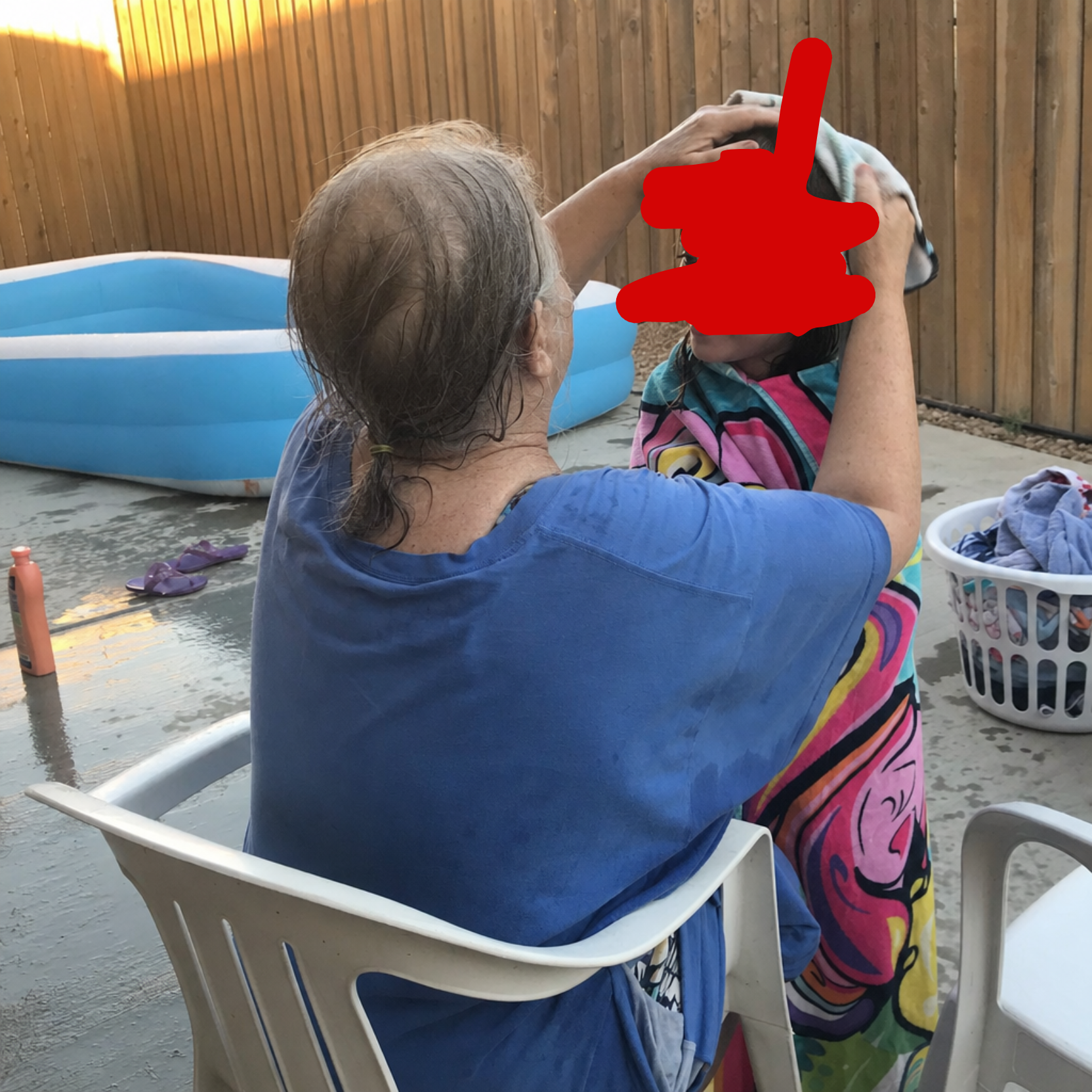
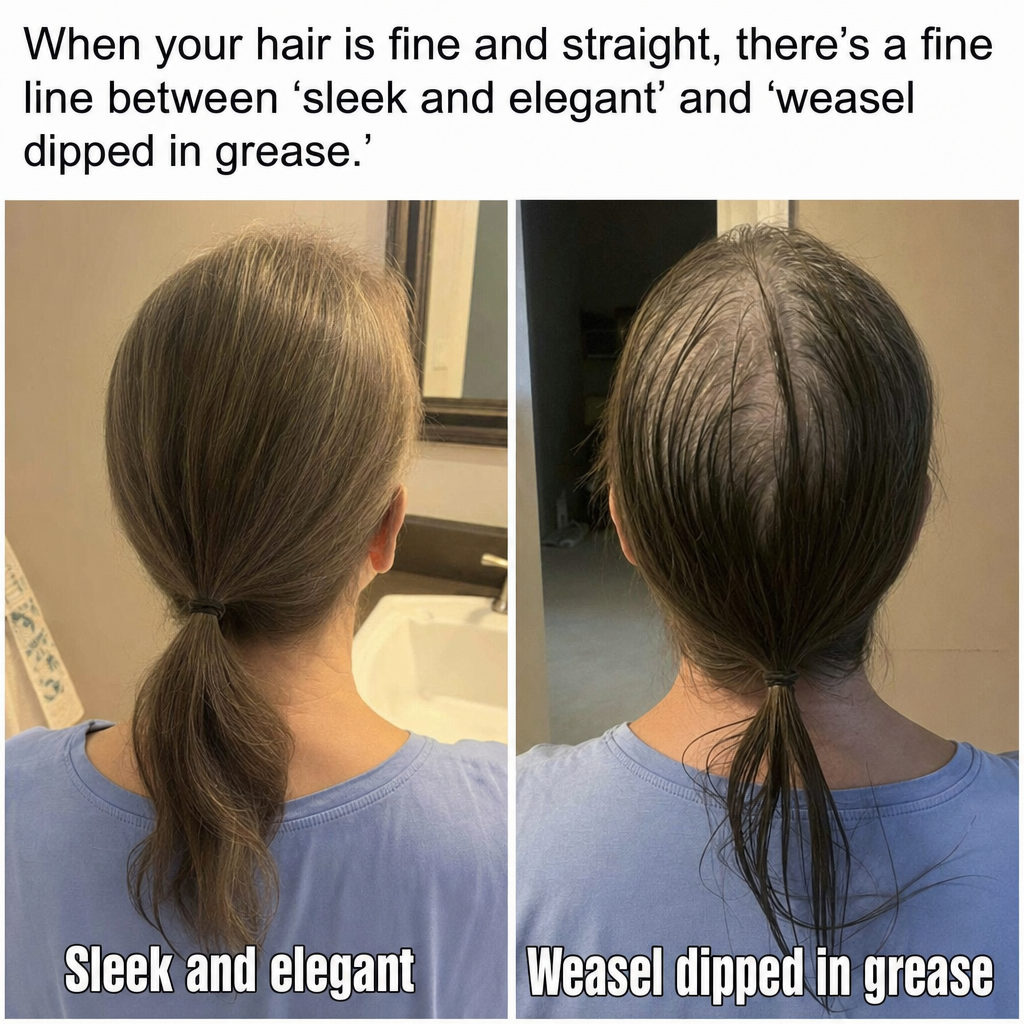
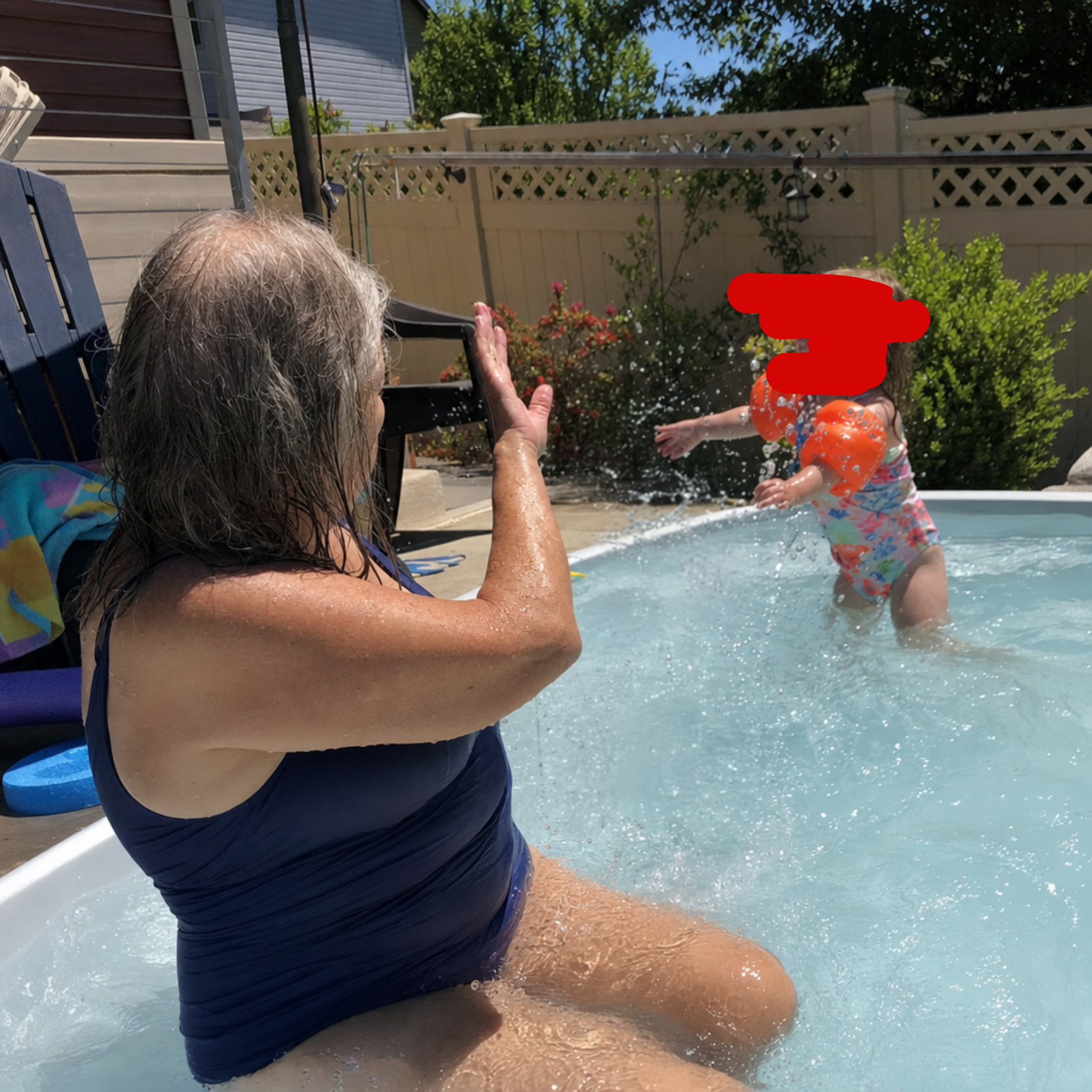
My daughter sent me the sweetest photo of me catching my granddaughter in the pool. I opened it smiling. Then I saw the top of my head. The afternoon sun was shining directly through my hair. My crown looked practically see-through. The wet pieces down my back had separated into a few thin strings, and the little ponytail I had tied that morning looked like it belonged to someone with half as much hair as me. I zoomed in. Then zoomed in again. My granddaughter was laughing in the picture. I was supposed to be looking at her. Instead, I could not stop staring at my scalp. That photo stayed in my camera roll for three weeks because I could not bring myself to delete it. It also made me ask a question I should have asked years earlier. How could my hair look that much thinner when I was not suddenly losing handfuls of it? Yes, there was hair in the drain. Yes, my brush collected more than it used to. But not enough to explain what I saw in that photo. I had tried everything anyway. Minoxidil. Nutrafol. Biotin gummies. Rosemary oil. Scalp serums. A red-light helmet that made me look like I was preparing for takeoff. Dry shampoo. Thickening mousse. Volumizing sprays. Olaplex and every expensive Shampoo and Conditioner with the word “full” printed on the bottle. My hair kept looking thinner. Here is the fact that should have ended the “you just need to regrow more hair” conversation years ago. A British Journal of Dermatology study looked at 1,099 women who believed they were losing their hair, along with 315 women who did not report hair loss. The researchers measured how many hairs each woman had. But they also measured how thick each individual strand was. And losing hairs was not the main explanation for all the fullness women lost after 40. The strands themselves were becoming thinner. Even women who did not report hair loss could still lose visible fullness because the hairs they had no longer occupied as much space. Same number of hairs. Wider part. More visible scalp. Smaller ponytail. If losing hairs were the whole problem, women who were not losing hair should not have been losing fullness. But they were. Which means regrowth was never the whole answer. That explained the pool photo. The sunlight had not created the gaps in my hair. It had exposed them. My ponytail gets its fullness from two things. How many hairs are inside it. And how thick each of those hairs is. There is no third thing. I had spent years treating only the first one. You have around 100,000 hairs on your head. You would never notice one strand becoming slightly thinner. But when the same thing happens across your entire head, you notice it everywhere. Your part widens. Your crown shows through. Your roots collapse faster. Your ends become wispy. And all those finer strands gather into a much smaller ponytail. That was what had happened to mine. I did not only have fewer hairs. Every hair I still had was creating less coverage. That is also why regrowth alone could not give me what I wanted quickly. Every new hair begins short and fine. Even if a treatment started working immediately, those new hairs would need months before they became long enough to cover my crown or reach my ponytail. I did not want to wait months before feeling comfortable in another family photo. I needed to do something for the hair already on my head. And that was where every “thickening” product had failed me. Most volumizing products coat the outside of the strand. Mousse coats it. Thickening sprays coat it. Silicones coat it. Large keratin proteins coat it. The hair feels thicker for a few hours. But on fine hair, that coating also becomes weight. The roots go flat. The strands stick together. More scalp shows through. And by lunchtime, the ponytail looks like a wet shoelace again. I had been covering my hair in more stuff and wondering why it kept collapsing. The guide I was reading explained that wet hair creates a brief opportunity. When a strand gets wet, it swells slightly. That allows very small ingredients to move into weak areas inside it instead of sitting on top. The Conditioner it described used tiny plant peptides small enough to do exactly that. In testing, they gave thin hair up to 37% more visible volume after one wash. Not after growing new hair. After one wash. It also used small hyaluronic acid molecules that travel 5.9 times deeper into the strand and hold moisture inside it. That meant my dry lengths could finally get moisture without burying my fine roots beneath another heavy coating. But that only solved what my hair looked like today. It did not address what I was afraid would happen tomorrow. My ponytail was still shedding from the root. My fragile ends were still breaking. And every hair I lost made the gaps in that pool photo worse. That was the second half almost every volumizing product ignored. A larger analysis presented at the World Congress for Hair Research looked at 187,016 menopausal women. Women with constant scalp itching had more than twice the rate of severe thinning. The point was not that itching causes every case of hair loss. The point was that the condition of the scalp mattered far more than I had been told. After menopause, the scalp holds less moisture and becomes easier to irritate. Oil, dead skin, dry shampoo and styling products collect around fine roots. The strands clump together. The crown collapses. And the scalp makes DHT, which slowly tells certain follicles to produce finer hairs. That gave me two different problems. The hair already on my head needed more visible volume. And my scalp needed help keeping more of it there. One Conditioner could not do both jobs. That is why the system used two products with two completely different jobs. The Conditioner made each existing strand create more coverage without flattening it. The Shampoo cleared the oil and buildup around the roots without using the harsh sulfates that had been leaving my scalp tight and my ends feeling like straw. It used four coconut and plant-based cleansers. It included Patchoul’Up®, which rebalanced scalp oil by 34% in testing. It included CutiBiome CLR® to calm the scalp and turn down the enzyme it uses to make DHT. Then it added resveratrol to support the area around the roots and help keep hairs from releasing too early. In testing, shedding fell by 61%. The system also made fragile hair 70% stronger against breakage, so more of it survived through the lengths and actually reached my ponytail. That was the part I had been trying to solve with ten separate products. Make the hair I had create more coverage now. Then stop more of that coverage from disappearing through shedding and breakage. Same shower. Same wash schedule. Same two steps. The first thing I noticed was not dramatic new growth. It was what happened when my hair dried. My part looked tighter. My roots stayed separated from my scalp instead of sticking to it. My ends looked less transparent. And my ponytail finally felt like it contained hair again. As I continued using it, I started seeing less in the drain and fewer broken pieces around the sink. Then my daughter took another photo of me outside. Same afternoon sun. Same angle from behind. I still looked at my hair first. But this time I did not gasp. I could see less scalp. My crown looked covered. And the ponytail resting against my back looked fuller and healthier. I still have fine hair. I am not pretending I suddenly grew a shampoo-commercial mane. I simply stopped treating visible fullness and continued thinning as if they were the same problem. If someone tells you that growing new hair is the only way to make your ponytail look fuller, ask them one question. Why were women who did not report hair loss still losing visible fullness? They will not have an answer that involves regrowth alone. Because losing hairs is only half the problem. What happened to every strand still on your head is the other half. I linked the guide that explained it to me below. It shows why hair looks thinner after 40, why most volumizing products flatten fine strands and how the normal Shampoo and Conditioner step can make the hair you have look fuller while helping you keep more of it. I spent years waiting for new hairs that would take months to reach my ponytail. I should have started with the 100,000 already inside it. - Donna P.S. Keep using any regrowth treatment your doctor recommended. I mean that. New growth still matters. But every new hair begins short and fine. Restoring volume to the hair you already have gives you coverage while that new growth catches up. You do not have to choose between the two. P.P.S. Before you buy anything, read the guide. That is the link above. No email. No sign-up. Read the explanation, look at the research and decide for yourself. P.P.P.S. Yes, the system replaces the Shampoo and Conditioner already in your shower. No additional serum. No overnight oil. No mask. Use it whenever you normally wash. P.P.P.P.S. Do not wait until every family photo becomes something you are afraid to open. New growth takes months to create coverage. The hair already on your head can begin looking fuller now. P.P.P.P.P.S. For anyone who wants the research, the first paper was Robbins et al., “What women want: quantifying the perception of hair amount,” published in the British Journal of Dermatology. It measured both hair count and strand diameter. That distinction changed everything for me.
Where the ad sends people
kilgourmd.com
Get Your Fullness Back
Dermatologist-developed, the best hair growth products for thinning hair. Reduce hair fall by 30% in two months, and stimulate hair follicle growth by 200%. No known side effects.
Learn more: kilgourmd.com(opens in a new tab)