The Pet Ear Health Foundation
The Pet Ear Health Foundation Facebook ad: “How To Make Ear Cleaning Easier For Your Dog”
Ran for 3 days, from August 6 to August 9, 2026, the last day Crush saw it.
Run by The Pet Ear Health Foundation on Facebook. Crush is not the advertiser and does not verify its claims. See this ad in Meta's Ad Library(opens in a new tab)
Want an ad like this for your product?
Crush makes new ad images for your product from this ad: your logo, your product photo, your offer.
Trials from $19.95 USD, then $79.95 USD a month. Cancel anytime.
About this ad
- Meta Ad Library ID
- 2284077671998403
- Platforms
- Facebook, Instagram, Messenger and Threads
- Relaunches
- 0
Ad text
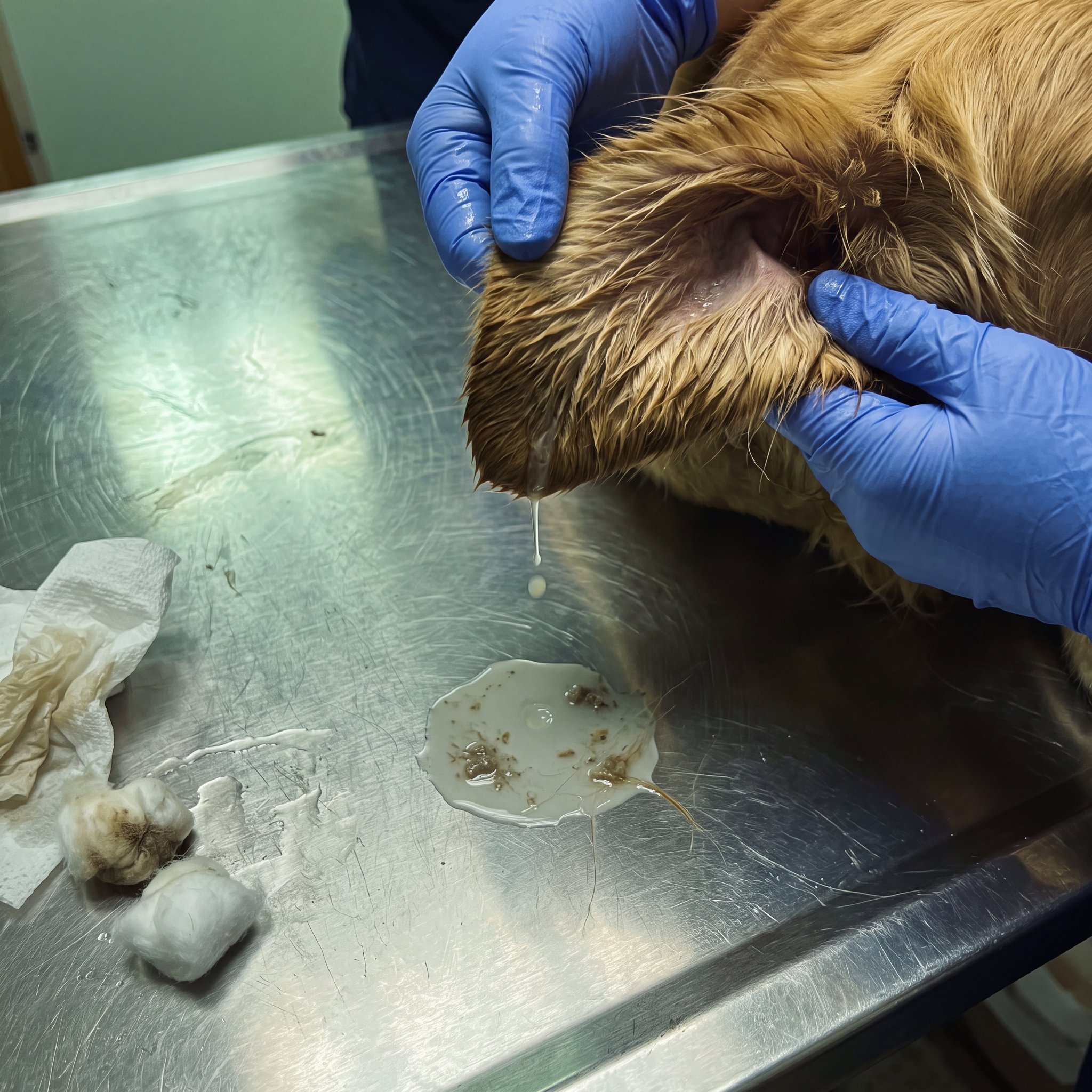
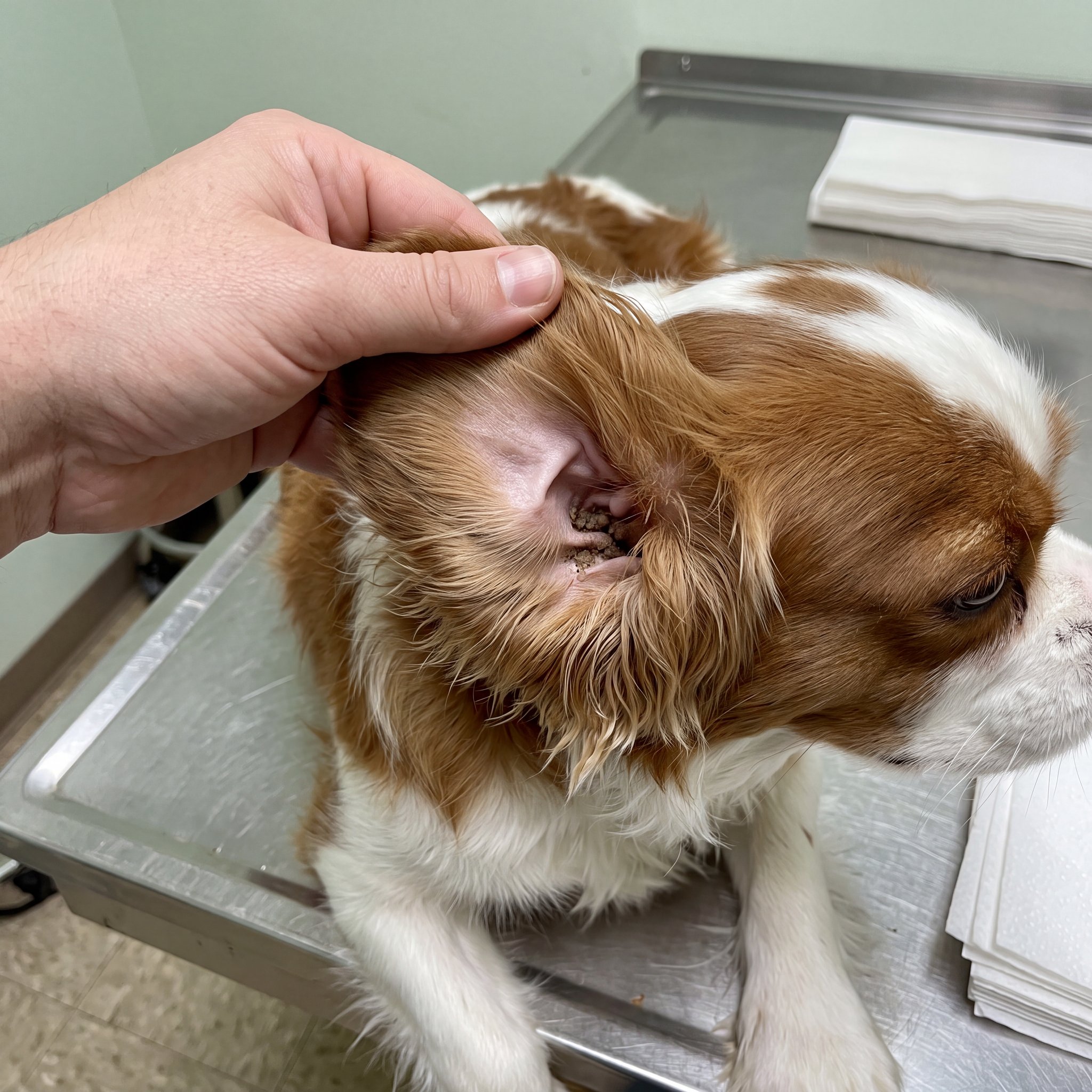
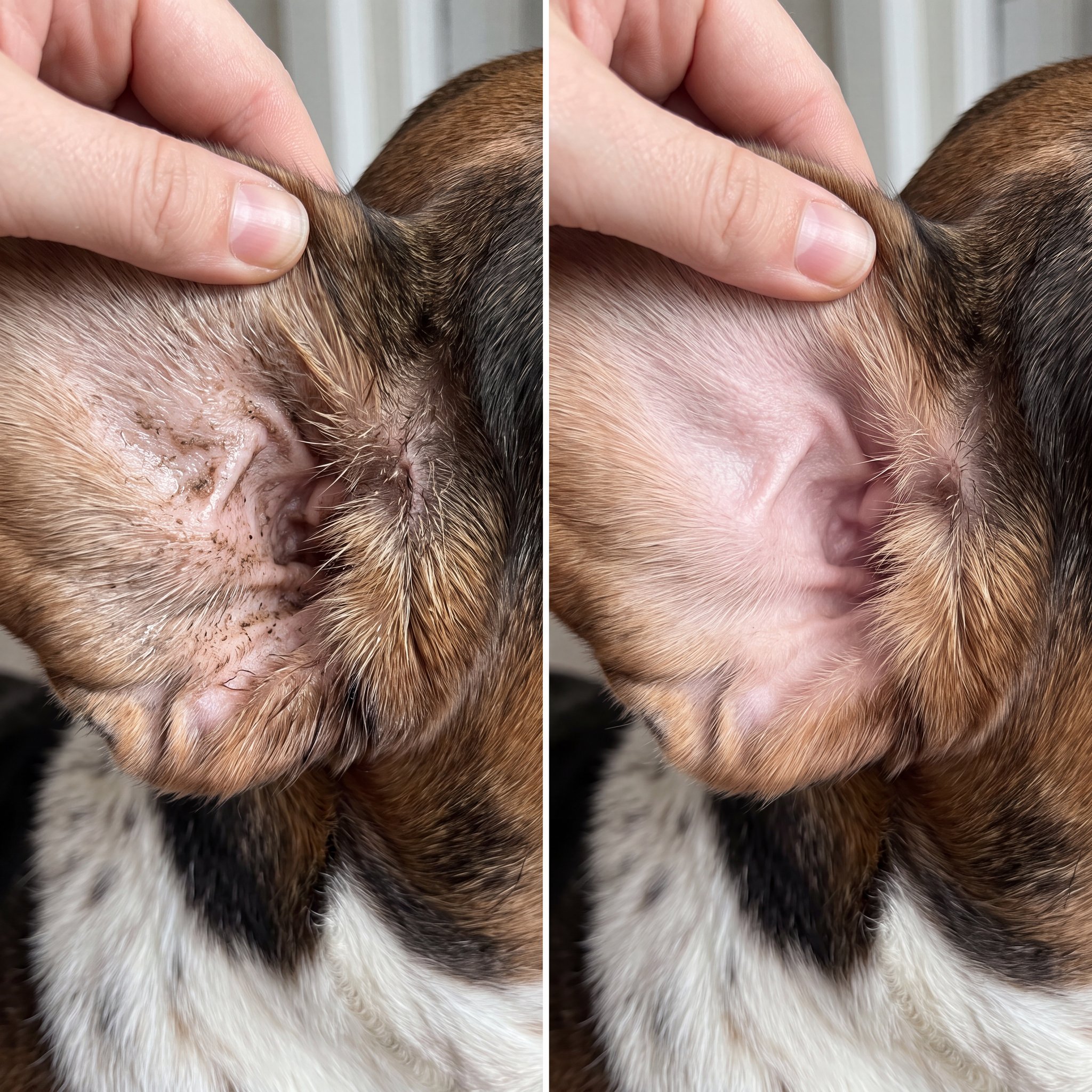
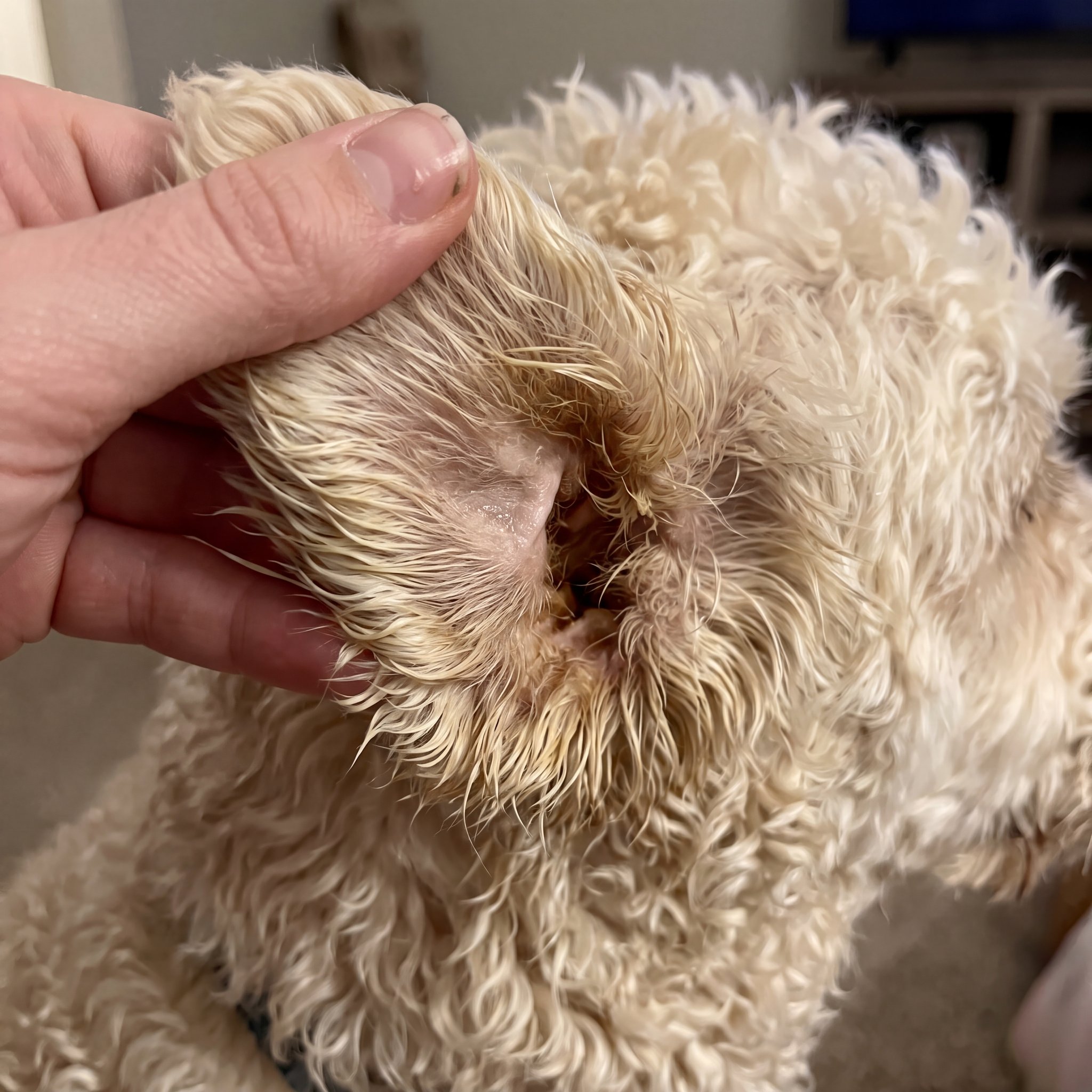
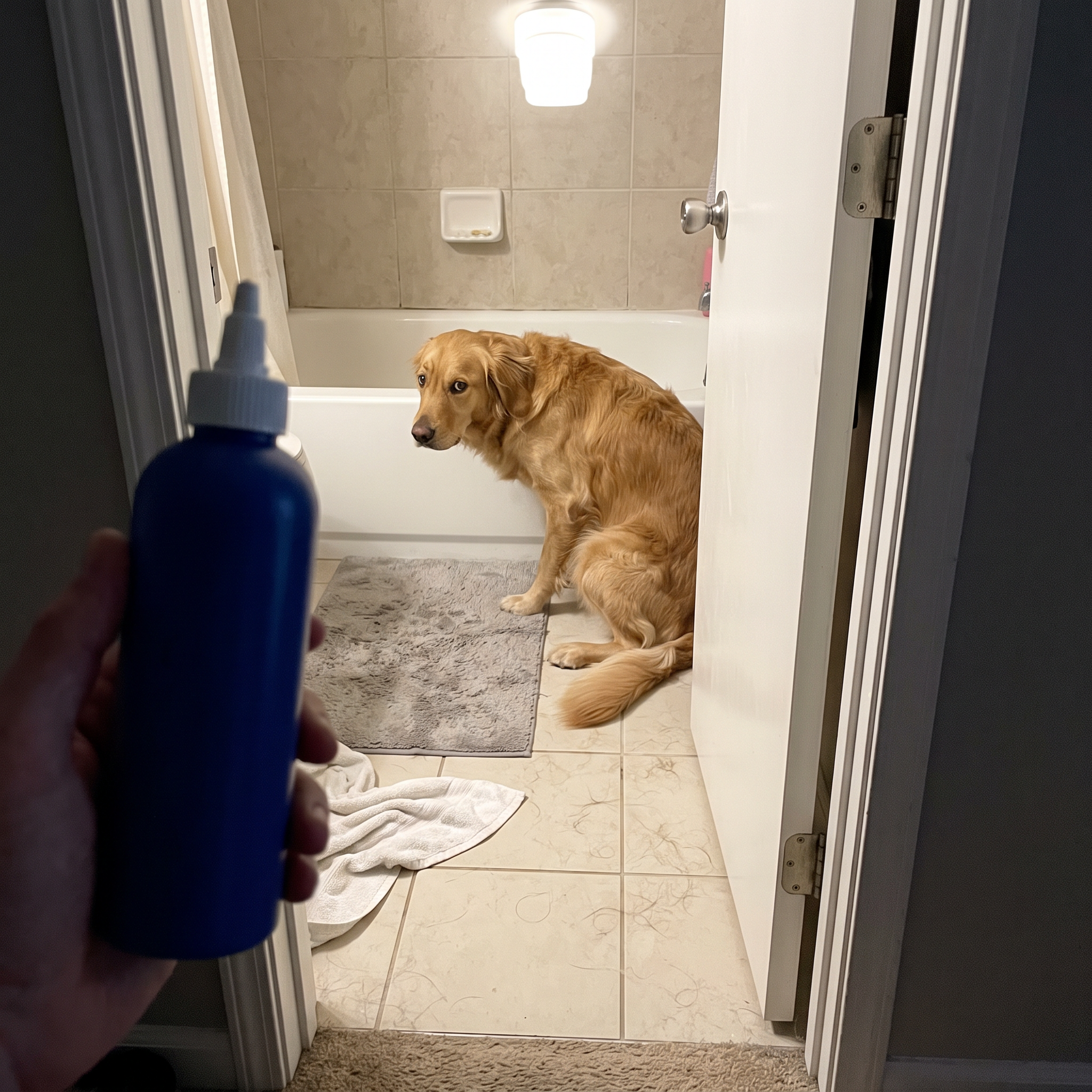
Some dogs do not resist ear cleaning when it starts. They resist the moment the supplies come out, and that small detail can change the way you understand the whole problem. My name is Dr. Lauren Hayes, and I’m a veterinarian who has spent years helping dog parents deal with ear buildup, odor, itching, and dogs who want nothing to do with ear cleaning. For a long time, I thought I knew what I was seeing. A dog pulled away from the bottle, so I assumed she was nervous. A dog tried to hide, so I assumed she was stubborn. A dog needed two people to hold her still, so I assumed the owner had simply not found the right way to handle her yet. Then I started noticing something that changed how I looked at the whole problem. The dog often reacted before the ear was touched. I remember one appointment with a golden retriever named Molly. Her owner, Kayla, had brought in a bottle of ear cleaner and a towel, because she had been trying to clean Molly’s ears at home. She told me the process had become a two-person job. One person had to hold Molly, while the other tried to get the liquid near her ear. But when Kayla reached into her bag and pulled out the bottle, Molly moved away before anything happened. The bottle had not touched her, and the liquid had not gone near her ear. Molly had not even smelled the open bottle yet. She saw it, recognized it, and started backing away. Kayla looked embarrassed. “She knows what that bottle means,” she said. “I can’t get her to stay still anymore.” I asked her a question I now ask many pet parents. “What does Molly do when you bring the bottle out, before you touch her ear?” That question matters, because many pet parents are dealing with the same pattern at home. Your dog may disappear when you open the cabinet. They may turn their head, pin their ears back, pull away, or run behind the couch. Maybe you have tried treats, a soothing voice, a towel, and a second person to help you hold her. Maybe you have told yourself that your dog is impossible. Maybe you have started putting off ear cleaning because you do not have the energy for another wrestling match. And then, a few days later, you notice the smell again. You see the wax or dirt building up. You feel bad, because you know you should have cleaned her ears sooner, but you also know what happens when you try. The whole thing becomes a cycle. You care enough to buy the product, but the routine is so hard that you cannot keep it up. I understand why this happens, because I used to explain it the same way many people do. I thought the dog was reacting to the cleaning itself, or that they had simply learned to dislike having their ears handled. Sometimes that is part of the story. Pain, infection, and past bad experiences can all make a dog resist ear care, and those problems need proper veterinary attention. But in many cases, the reaction starts before contact. That was the part I could not ignore. I began paying closer attention to what happened when owners changed the product or changed the way they cleaned. Some dogs resisted one cleaner, but allowed a different routine. Some reacted as soon as the container opened. Others were calm during normal handling, but pulled away the moment the ear-cleaning supplies appeared. The common factor was not always the breed, the owner, or the dog’s personality. It was often the sensory experience that came before the cleaning. A dog’s sense of smell is much stronger than ours. A scent that seems mild to you can be intense to your dog. What smells clean and fresh to you may be the first thing she notices when you open the container. Then there may be other sensations too, the cool feeling of liquid, the wetness near a sensitive area, the touch of a hand reaching toward the ear, or stinging from a formula that does not agree with already irritated skin. Your dog cannot tell you which part bothers them. They cannot say, “The fragrance is too strong,” or “That liquid stings.” They simply back away, shake their head, or try to leave. You see the behavior. She feels the reason behind it. This is where a behavior that looks like stubbornness can make perfect sense. Your dog may be trying to avoid a sensory experience she has learned to dislike. And after a few bad sessions, the bottle itself can become part of the problem. Here is how that can happen. You open the bottle, your dog smells the formula, and she starts to expect what comes next. You reach toward her ear, she pulls away, you try to hold her still, and the session becomes stressful for both of you. The next time she sees the bottle, she remembers the last session before you even touch her. She is not thinking through the whole process like a person. She is making a quick connection. Bottle means smell. Bottle means wetness. Bottle means someone is going to reach for my ear. Bottle means I may need to get away. The next time, she may react faster. She may leave the room before you have even opened the cap. That does not mean she is bad, and it does not mean you failed as a dog parent. It means the bottle has become a warning that something unpleasant may be coming. The bottle was doing the warning. Once you see that, the cleaning problem looks different. The issue is no longer just that your dog will not cooperate. The issue is that the routine may be creating so much resistance that you stop doing it often enough. The dog avoids the formula, you delay cleaning, wax and dirt have more time to build up, the ear starts to smell or look worse, and the next cleaning feels even more urgent. That urgency makes the session harder, which makes you more likely to delay it again. This is why a product can seem like it works when you use it, but still fail to become part of your real life. The product may remove some of the buildup, but if your dog refuses the routine, you cannot use it with enough consistency to keep the problem from returning. The goal is not to win a wrestling match with your dog. The goal is to make ordinary ear cleaning simple enough that you can actually repeat it. That is why I became interested in the Uproot Ear Wipes. They are made for a different kind of cleaning routine, one that gives you control without making you pour liquid around your dog’s ear or reach for a cotton swab. Each wipe fits over your finger, so you can feel where you are cleaning. You can gently wipe the accessible parts of the ear, the rim, and the visible wax or dirt, without trying to guess what is happening through a loose cotton ball. The formula is alcohol-free, hypoallergenic, and pH-balanced. It does not have an overpowering scent, which matters when you are trying to remove the smell and sensory stress that may be causing your dog to avoid the bottle in the first place. It is also lick-safe because dogs are curious, and anything on your fingers is going to get inspected. The wipes contain shea butter and jojoba seed oil for soothing care, but the biggest change is often the routine itself. You pull out one wipe, slip it over your finger, gently clean the ear, and throw it away when you are done. No pouring. No cotton swab disappearing into the wrong place. No bottle sitting on the floor while your dog watches it like a threat. And no need to make the session longer than it needs to be. Of course, I know what you may be thinking. “My dog hates every ear product. She will hate these too.” That is possible. Every dog is different, and no product can promise that every dog will accept ear cleaning right away. But removing a strong scent, a liquid-pouring step, and the bottle your dog has learned to avoid can give you a better starting point. Let your dog see and smell the wipe without forcing the cleaning. Keep the first session short. Let them get used to your hand near her ear, then gently clean only what she allows. You may also be wondering whether a wipe can really clean an ear. That is a fair question. Uproot Ear Wipes are designed for controlled cleaning around the accessible ear area, not for pushing anything deep into the canal. That is part of what makes the finger-fit design useful, because you can feel what you are doing instead of using a Q-tip where you cannot see. They are made for everyday maintenance, wax, dirt, and visible debris. They are not a replacement for a vet if your dog has pain, swelling, discharge, strong ongoing odor, or signs of an infection. One customer said, “I feel like I have total control while cleaning.” That is the kind of change I want you to look for, not a miracle in one session, but a routine that feels more manageable than the one you have been avoiding. The first time may simply be a little easier. The next time, your dog may stay near you instead of running behind the couch. After a few sessions, you may no longer need someone else to hold them every time. And over time, you may be able to check and clean her ears before the odor or buildup becomes the reason you have to act. That is how the cycle starts to change, with a routine you can repeat before the problem becomes a bigger event. You do not need to call your dog difficult. You do not need to feel like a bad dog parent because they hate the bottle. They may be reacting to what the bottle predicts, not to your care itself. If you want to try a simpler way to clean your dog’s ears, you can find Uproot Pet Ear Wipes below. Start with one calm session. Let your dog inspect the wipe. Use your finger to gently clean the accessible parts of the ear, then stop before the process turns into another fight. The best cleaning routine is not the one that sounds strongest on the label. It is the one your dog will tolerate and you can keep doing. And if your dog has pain, swelling, discharge, head shaking, or a strong ongoing odor, please have her checked by a veterinarian first. For ordinary cleaning and maintenance, removing the bottle, the heavy scent, and the messy liquid step may be the change that helps you get back into a routine. You can grab yours here 👉 uprootclean.com/products/uproot-ear-wipes-1 P.S. You are not trying to prove that you can overpower your dog. You are trying to care for her in a way she can handle. Uproot Pet Ear Wipes give you a controlled, alcohol-free, lick-safe way to start, with one wipe fitting over your finger and no bottle to pour.
Where the ad sends people
uprootclean.com
How To Make Ear Cleaning Easier For Your Dog
Ingredients and Their Benefits Aqua/Water/Eau: Base for a smooth, gentle formula. Propylene Glycol: Hydrates and prevents dryness. Caprylyl Glycol: Moisturizes with antimicrobial benefits. Glycerin: Softens and conditions sensitive ear skin. Citric Acid: Balances pH for gentle, non-irritating cleani...
Shop now: uprootclean.com(opens in a new tab)