
Inactive· since Aug 5, 2026
- 17
- days it ran
- 5
- relaunches
- 1,140
- EU reach
Ad copy
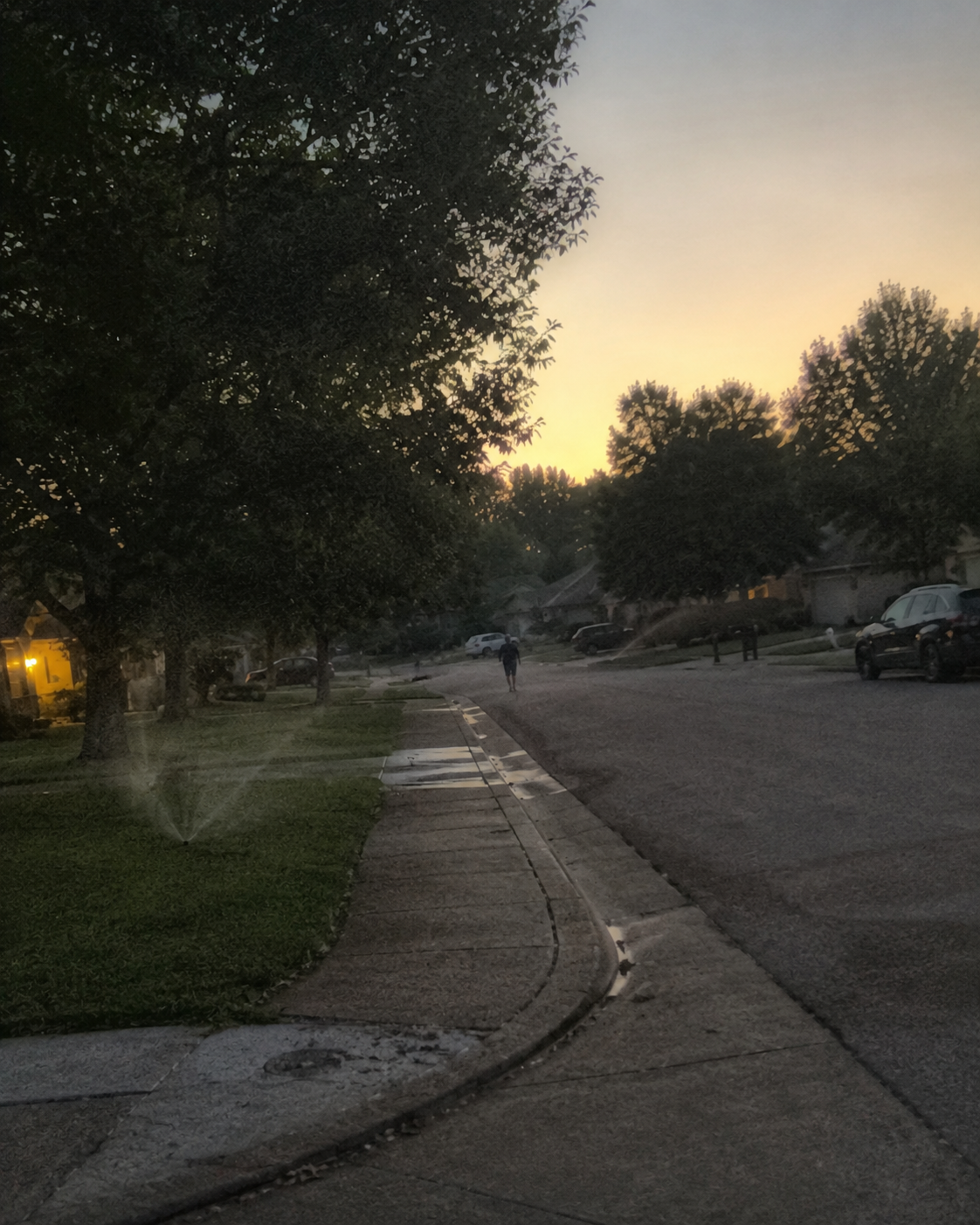
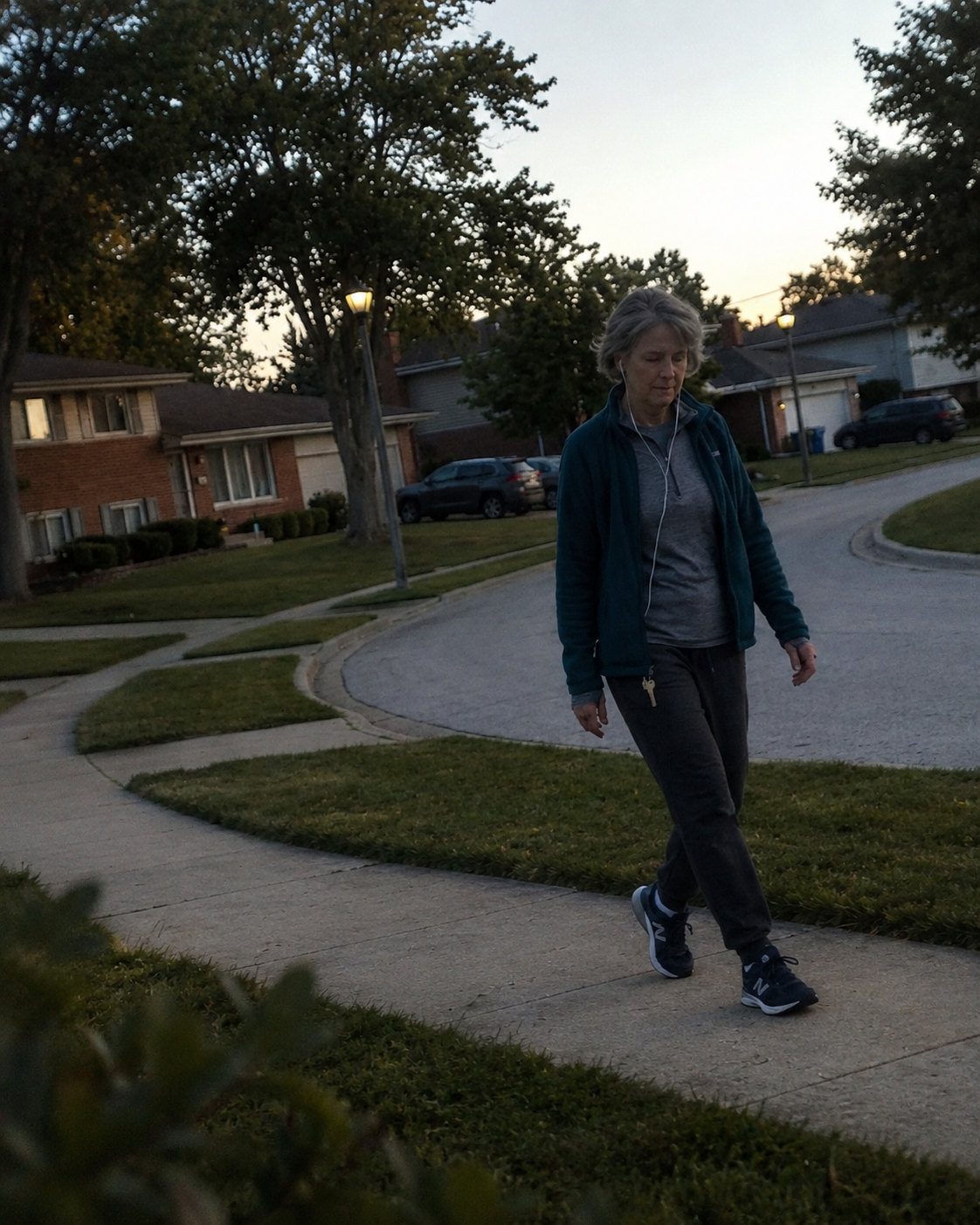
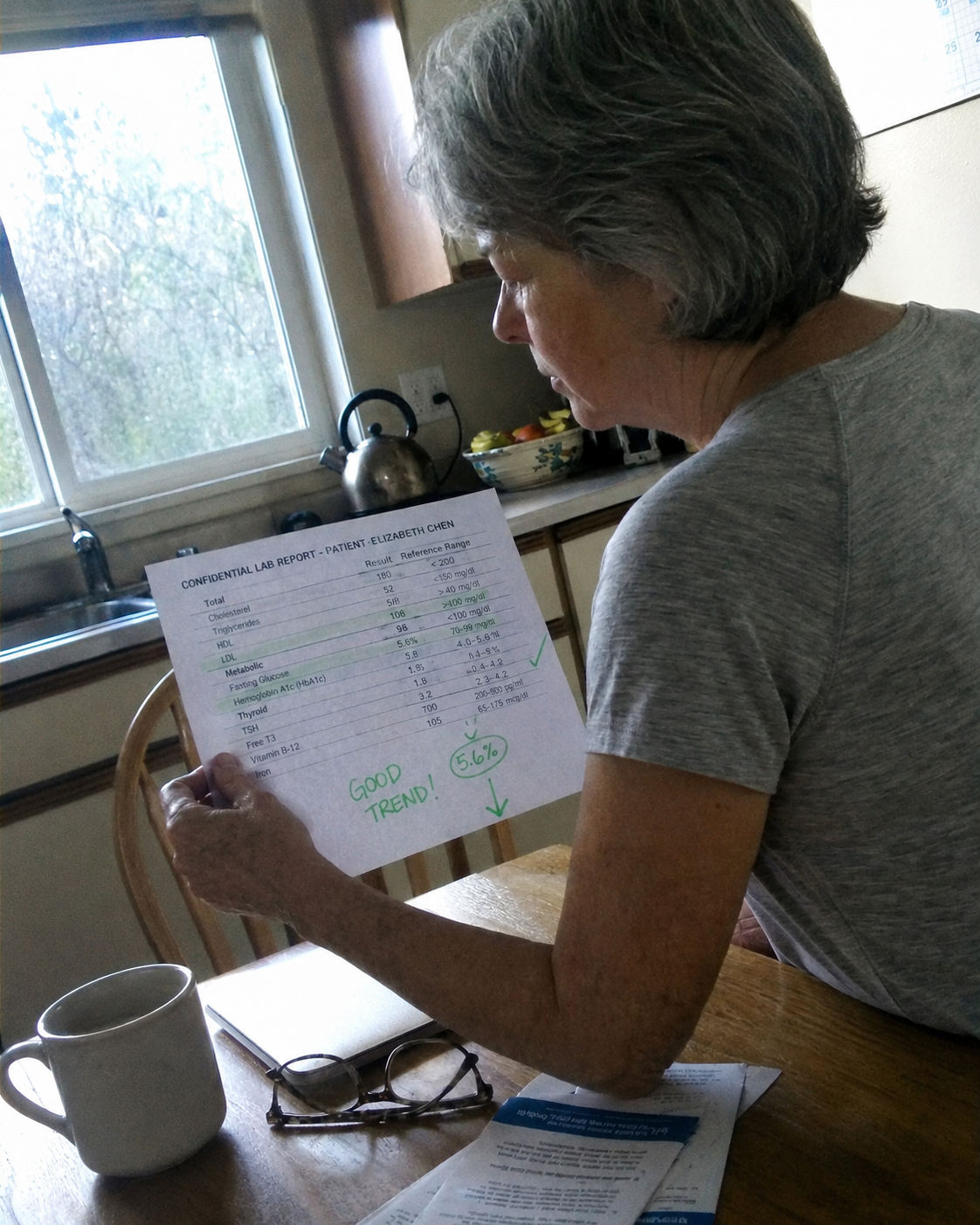
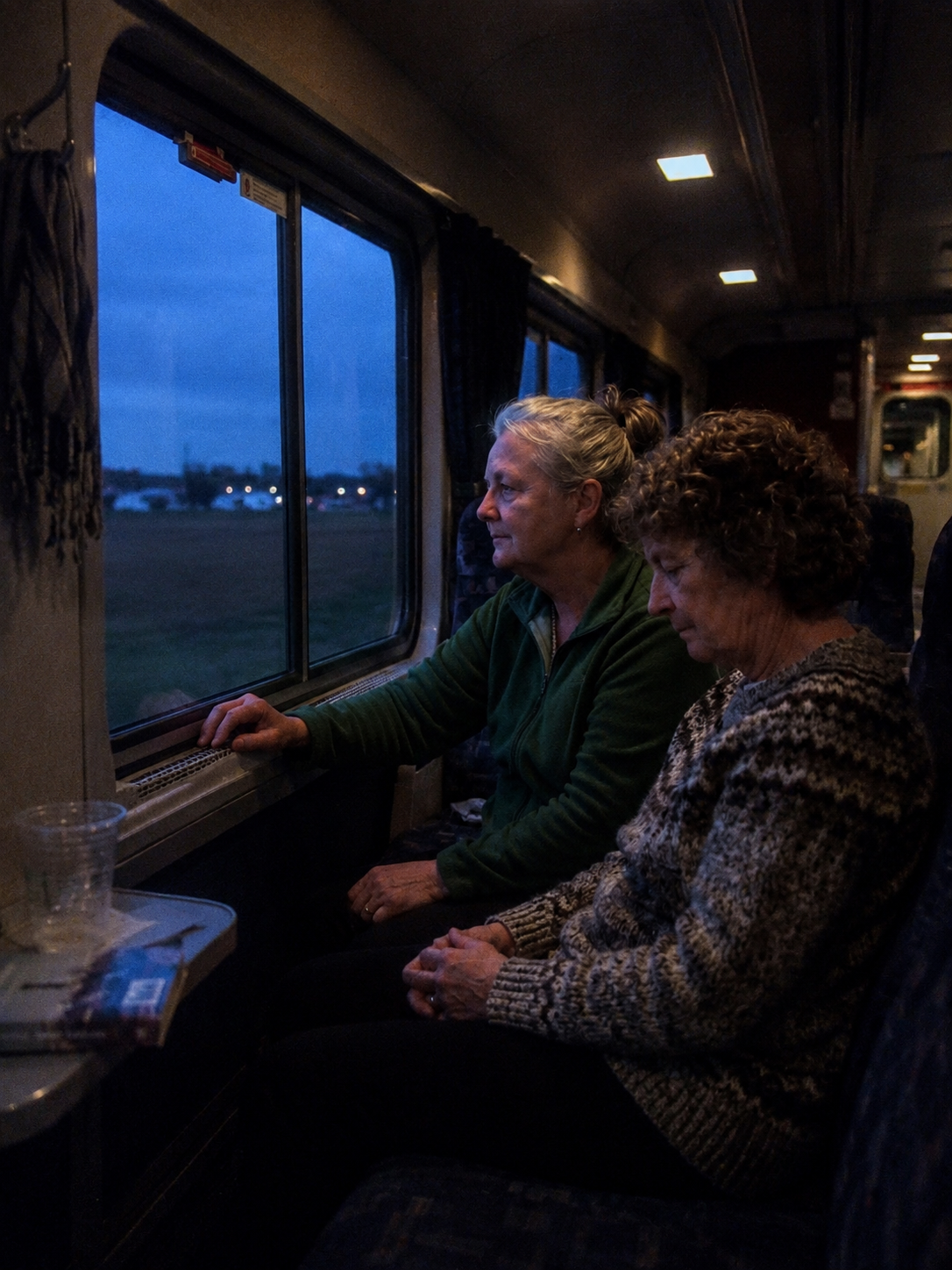
My husband hadn't made it past eight o'clock in two years. Then I shared a train table with a stranger. I was on that train alone, and that was the first clue I'd been ignoring. We used to travel together. Bernie and me, anywhere, anytime. Now I was riding nine hours to see our daughter by myself, because the trip was "too much" for him. I didn't yet understand that "too much" had quietly become the size of his whole life. My husband's name is Bernie. He's sixty-five. For most of the forty years I've known him, the man had two speeds: going, and asleep. And he was hardly ever asleep. Bernie was the one organizing the camping trips. The one up at dawn on a Saturday with a list. The one who'd work a full day and then say, "Let's drive to the shore and watch the sunset," and mean it, and we'd go. He had an engine in him. Energy to spare and then some. People half his age got tired keeping up with him. That's the man I married. I want you to see him clearly before I tell you what happened, because what happened happened so slowly that even I almost missed it. Over about three or four years, the engine ran down. It started so small. A nap on a Sunday. Who doesn't nap on a Sunday. Then the naps spread. Sunday became Saturday-and-Sunday. Then a little doze in his chair most evenings after dinner. Then the doze became the evening. By eight o'clock he was out — really out, head back, mouth open, the TV talking to nobody. I'd wake him to go to bed and he'd say, "I don't know what's wrong with me lately. I'm just wiped." Lately. He said "lately" for two years. The afternoons went next. There's a wall a tired person hits, and Bernie started hitting it earlier every season. Two o'clock. Then one. He'd come home from a half-day of the things he used to do all day and head straight for the chair. The camping trips stopped. Too much. The dawn Saturdays stopped. He slept till nine, then ten, and woke up tired anyway. The drive-to-the-shore-at-sunset man — that man was gone. The thought of it exhausted him. "You go," he'd say. "I'm beat." And I stopped suggesting things, because I got tired of watching his face fall when he had to say no to one more thing he used to love. That's how a big life gets small. Not in one blow. In a thousand "too muches" and "not todays" and "you go without me." Until one day you're riding a train alone to see your own grandchildren because the trip is too much for the man who used to drive nine hours through the night singing. We'd been to his doctor about it. Of course we had. I made him go. Dr. Ferris was thorough and kind. Ran the bloodwork. Checked everything you'd check. "Bernie, for sixty-five, this all looks pretty good," he said. "Nothing jumping out at me. Some of this is just the years. Try to get some exercise, watch the sleep. This is fairly normal." Normal. Looks good. Just the years. And I sat in the chair by the door and wanted to say: normal for who? This is a man who drove to the shore at sunset after a full day's work. There is nothing normal about him sleeping through his own evenings. The chart said fine. My husband was disappearing into a recliner at eight o'clock. And there's no line on a chart for the size of the life a person used to have. So I'd half-talked myself into the word. Age. He's in his sixties. This is what it looks like. Everybody slows down. I had myself nearly convinced. And then I shared a table in a train dining car with a woman named Winnie, and nine hours later I got off that train a different person. It was lunchtime on the train and the dining car seats you with strangers when it's full. They sat me across from a woman in her seventies with sharp eyes and a paperback she set down the moment I sat. "Winifred," she said. "Winnie. You look like you could use someone to talk to." I laughed, because I hadn't said a word. "Is it that obvious?" "You've got the look," she said. "The look of a woman traveling alone who didn't used to." I don't know what it is about strangers on trains. The hours, maybe. The knowing you'll never see them again. By the time the coffee came I'd told this woman more than I'd told my own sister. I told her about Bernie. The engine that ran down. The eight o'clock evenings. The camping trips that stopped, the sunsets I now watched alone. The trip that was too much. The doctor saying it was normal. Winnie listened the whole way through without interrupting. She had a way of listening that made you keep talking. And when I finally ran out, she was quiet for a moment, looking out the window at the country going by. Then she said the thing I've thought about every day since. "You're not describing an old man, dear. You're describing a man whose lights got turned down. There's a difference. And I know the difference, because I spent four years confusing the two about my own husband." Her husband's name was Art, she told me. Seventy-six now. "Same story as yours, near enough," she said. "Art was a live wire his whole life. And in his late sixties the wire just... went slack. Tired all the time. Asleep in his chair by seven. Gave up the fishing, gave up the friends, gave up the going-out. Got small." She stirred her coffee. "And every doctor said the same thing yours did. Normal for his age. Slow down. Get some rest." She gave a little laugh with no humor in it. "Rest. The man was doing nothing but rest. Rest was the problem, not the cure." I felt something tighten in my chest, because she was describing my own living room. "How is he now?" I asked. "Art?" And her whole face changed. "He's out on the lake right now," she said. "That's where I'm coming from — I left him with his brother and their fishing poles and more sandwiches than two old men could eat in a week. He'll be sunburned and grinning when I get back." "He got better?" "He got back," she said. "Not young. He's seventy-six, he's not climbing mountains. But the live wire — the spark — a good bit of it came back. Enough that I've got my husband again instead of a man sleeping in a chair." "What did you do?" And here Winnie did something that made me trust her completely. She held up a hand. "Before I tell you anything," she said, "I want to be clear about what I am and what I'm not. I'm not a doctor. I'm not pretending to be one. Nothing I'm about to say to you is medical advice." "Whatever you decide to do, you take it to Bernie's doctor first. You promise me that, or I'll just go back to my book." "I promise," I said. And I meant it. "Say it like you mean it. I've watched too many people grab at things." "I promise, Winnie. Doctor first." She nodded, satisfied, and told me. "It wasn't a cure," she said. "I want that clear too. There's no magic. Anybody selling you magic is selling you something." "It was one thing I added for Art, after a lot of careful reading, that I believe helped. Just one thing, on top of everything his doctor already had him doing." "Beets," she said. I must have made a face, because she laughed — a real one this time. "I know. I made that face too. But hear me out. Beetroot is one of the most researched ingredients in the whole cardiovascular and wellness category. Decades of real study behind it. It is not a fad and it is not folklore." "The reason it gets studied," she went on, "is a group of compounds called betalains. That deep red pigment — the stuff that stains your fingers and the cutting board. That's the active part. One of the more potent antioxidants in the food supply." "And what does it do?" I asked. "It supports," she said, and she leaned on the word the way you'd lean on something load-bearing. "Supports healthy energy. Supports the body's natural antioxidant balance. Supports healthy circulation. Supports the cellular energy that just naturally winds down as we get older." "Support. That's the honest word and it's the only one I'll use. It's not a treatment. It's not a replacement for a single thing Art's doctor had him on." "It's support for the layer underneath the numbers. The layer that runs down with age and that nobody at the appointment is even looking at. The lights, dear. The thing that got turned down." She told me one practical thing more, leaning in like a secret. "If you ever go looking — and only after you've talked to the doctor — how the beets are made matters. Those betalains are heat-sensitive. The cheap fast way runs them through high heat, and the heat ruins the good part. The cooked-out stuff goes brown." "You want the kind that's cold-pressed at low temperatures. Keeps the betalains intact. You can almost see it — the real thing is a deep dark crimson, not brown." Then the most important part, said slow so I'd remember it. "Talk to his doctor or pharmacist first. Make sure it's fine with whatever he already takes. Then add it — don't change anything else he's doing. And don't expect a light switch. It's not a drug that flips on. Bodies are all different. Give it weeks, not days. Some feel it early, some take a long while, some not much at all. Go in with your eyes open." We talked for hours after that. About everything and nothing. Grandchildren. Long marriages. The strange grief of watching a vivid person go quiet. And then the train slowed for her stop, and she gathered her paperback and her bag, and she stood up. "I never got the name of what you used," I said, a little desperate. "The brand." She wrote it on a paper napkin with a pen from her purse. Pressed it into my hand. "Doctor first," she said one more time. "Promise me." "I promise." She squeezed my hand, this stranger, and she said, "Art got his lake back. I hope your Bernie gets his sunsets back." And then she was gone down the platform, and I never saw her again. I sat there the rest of the way with a coffee-stained napkin in my hand and my whole chest cracked open. I called Dr. Ferris's office the Monday I got home. I told the nurse exactly what it was — organic beetroot, the dose, cold-pressed — and asked plainly whether it was alright to add to everything Bernie was already taking. She put me on hold. She came back a few minutes later and said it was a sensible thing to add, that she saw no concern alongside his current medications, and to mention it at his next visit so it went in the chart. I wasn't going to guess with my husband. I asked the people whose job it is to know, and they said go ahead. Then I told Bernie. About the train. About Winnie. About Art out on the lake. About the man whose lights got turned down, and how I'd been calling it the wrong thing for two years. He got quiet. He knew exactly what I meant. He'd been living inside it. I told him about the beets, and Winnie's careful speech, and the nurse saying it was fine to add. He turned the bottle over in his hands a long moment. "I miss the sunsets," he said. Quiet. "I miss being the one who wanted to go. I'd give a lot to want that again." "Then let's try the thing," I said. "Two capsules and a glass of water. The doctor's office says it's fine. Tell me what we lose." "Nothing," he said. "We lose nothing." He started the next morning. Two capsules of cold-pressed beetroot, a tall glass of water, right beside his coffee. Added to everything else. Nothing taken away. Just added on top. Now — I'm going to be honest about this part, because I don't trust stories that promise the world, and I won't tell you one. I don't know exactly what did what. I'm a wife, not a laboratory. I can only tell you, in order, what I watched. The first thing was eight o'clock. About two and a half weeks in, I looked up one evening and it was nearly nine and Bernie was still awake. Still in the conversation. Eyes open. It wasn't every night. There were still nights the chair won. But eight o'clock stopped being a wall he hit every single evening like clockwork. I didn't say anything. I didn't want to jinx it. The second thing came on a Saturday morning a few weeks later. I came down and he was already up. Dressed. Coffee made. "I thought I'd clean out the garage," he said. Like it was nothing. Like he hadn't slept till ten on Saturdays for two years. He didn't finish the garage. He ran out of steam by lunch. But he'd started something on a Saturday morning of his own free will, and I stood in the kitchen holding my coffee and watched him through the window like he was a miracle. The third thing I'll keep until I die. It was a few weeks after that. An ordinary evening. The light was going gold and low the way it does in early fall. And Bernie looked out the kitchen window at it and said: "You know what? Let's drive out and watch the sun go down. I'll grab my keys." The sunset, Sylvia. He wanted the sunset. I didn't trust my voice, so I just got my shoes. We drove out to the overlook we used to go to, and we sat on the hood of the car, and we watched the sun go down, and he held my hand, and neither one of us said much. I cried a little. He pretended not to notice, which is its own kind of love. The small returns kept coming. Never all at once. One at a time, across the weeks. He made it through a whole afternoon without the chair. He called an old fishing buddy he'd let drift, and they made a plan. He started talking about a camping trip for the spring — and not in the wistful way he used to, the way that ended in "but I couldn't manage it now." He talked about it like a man making a plan. I'm not telling you my husband is twenty-five. He isn't. He's sixty-five. He still naps. He still has flat days where the engine won't quite turn over. The chair still wins sometimes at eight o'clock. But the man with the engine — the one who wants to go, who organizes the trip, who drives to the shore at sunset — he's been coming back to me in pieces. And our life has started getting bigger again instead of smaller. After years of watching it shrink, I can't tell you what that's like. Bernie had his follow-up with Dr. Ferris a few months in. Dr. Ferris went through the bloodwork, the whole panel, everything he always checked. And partway through he looked up, and he looked at Bernie — at the man, not the chart — and said: "Bernie, you seem like you've got more life in you than the last time I saw you. Your numbers are holding good. Whatever you're doing, keep doing it." Bernie told him about the beetroot. Said he hadn't changed one other thing — same everything, just added the one thing in the morning, with the office's okay. Dr. Ferris nodded and made a note. "That's a sensible thing to add," he said. "There's good research on antioxidant support. I've got no concerns with it alongside what you're on. Keep doing what's working, and let's check in again down the road." In the car after, Bernie reached over and squeezed my knee — that small automatic thing he hadn't done in years — and said, "I feel like myself again. I didn't think I was going to get him back." I kept my eyes on the road so he wouldn't see what my face was doing. I think about Winnie all the time. I never got her last name. I never got a way to reach her. It was one lunch, in one dining car, on one train I'll never ride again. But that one hour gave me my husband back, because a stranger told me the truth my own denial had been hiding: that I wasn't watching an old man. I was watching a man whose lights got turned down. I hope Art is out on his lake right now, sunburned and grinning. I hope Winnie's home from her travels. I hope that wherever she is, she knows that something she said over coffee to a stranger reached all the way into my living room and turned the lights back up. I'm telling you all of this because I think there's a fair chance you've got a Bernie in your own house. A once-vivid person who's gone quiet and tired. Who naps through the evenings, who's given up the trips and the sunsets and the things that were the whole point of them. Whose big life has been getting smaller for years, one "too much" at a time. Hearing the doctor say it's normal, just the years, slow down — while the most alive person you knew fades into a chair by eight o'clock. And if you're the one who's tired — if you've felt your own engine run down, if the afternoons have a wall in them now, if everyone keeps telling you it's just your age — I'd listen to the quiet voice that says this is more than that. The doctor's been reading the chart. You've been living in the body, or beside it. On the things the chart shrugs off, you might be closer to the truth than the chart is. I went looking for one thing Bernie could add. Not a cure. Not a replacement for anything. One thing, with real research behind it, that might support the layer the "just the years" was hiding — healthy energy, the body's natural antioxidant balance, healthy circulation, the cellular energy that runs down as we age. What I found was beetroot. The brand on Winnie's napkin — the one I added to Bernie's morning — is Rosabella. 1,300 milligrams of organic beetroot per serving, cold-pressed at low temperatures so the betalains stay intact. That deep dark crimson, not the cooked-out brown. Two capsules with a glass of water in the morning. Added to everything his doctor already had him on, in place of none of it. Talk to your doctor or pharmacist before you add any new supplement to existing care — especially if there's medication in the picture. That one phone call is what let me do this with a clear conscience. It's what I'd tell anyone to do first. It's what Winnie made me promise three times before she'd say a word. That's the whole story. A stranger on a train told me the difference between an old man and a man whose lights got turned down. A nurse said it was fine. And a few months later my husband grabbed his keys and drove me out to watch the sun go down. P.S. If you're watching someone you love go quiet and tired for years while everyone keeps telling you it's just their age — you're not imagining it, and you're not being dramatic. You've been watching something real. I needed a stranger on a train, a coffee, and nine hours of honesty to stop calling it normal. I'm telling you now, in this much detail, so you don't have to wait for your own stranger. Trust what your eyes have been seeing. P.P.S. We took that spring camping trip. Bernie planned the whole thing — the route, the gear, the food, the works. He was up at dawn the first morning the way he used to be, standing outside the tent with a cup of coffee watching the light come up, and when I crawled out he said, "There she is," like the sunrise and I had both shown up for him. I still have Winnie's napkin. It's in my jewelry box. Coffee stain and all. I don't think I'll ever throw it out. P.P.P.S. Here's exactly what I'd tell you to do, in order. First: check with the doctor or pharmacist. This matters most when there's other medication in the picture, so don't skip it. Second: once they've said it's a sensible addition, two capsules with a tall glass of water in the morning. Third: don't change anything else. Just add this on top. Fourth: give it a couple of weeks, at minimum, before you decide anything. Some people notice something shift in the first week or two — a little more energy, a longer evening before the chair, an afternoon without the wall. Others take much longer. Some don't notice much. Bodies are genuinely different. Anyone who promises you a timeline is selling you something. Be patient with his, or with yours. P.P.P.P.S. Rosabella has a 90-day money-back guarantee. If you're not satisfied for any reason at all, every penny comes back, no questions asked. It's a sensible policy for a supplement — the only thing you're really risking is a few weeks and a little patience. You get plenty of time to actually see whether it does anything for you before you've committed. P.P.P.P.P.S. Rosabella is a small operation. They harvest and bottle on their own schedule, so I keep an extra bottle in the cupboard just in case. Bernie takes his every morning with his coffee. And I started taking it too — I figured I'm getting older right alongside him, and there's good research on it for women as much as men. That hour on the train taught me the truest thing I know now: the time to support what's still working is while it's still working. Before the lights get turned down so low you forget they were ever bright. It's a Saturday morning as I write this. Bernie's already up. He's out in the yard with a list. He's whistling. That's where it starts again, sometimes. A man up early on a Saturday with a list. A drive out to the overlook. A coffee-stained napkin you keep forever. Individual experiences vary. These statements have not been evaluated by the FDA. This product is not intended to diagnose, treat, cure, or prevent any disease.
Support stamina and heart health every day
LEARN MORELike this ad? Make it yours.
Crush rebuilds this exact creative around your product — your brand, your colors, your offer — in about a minute.