
Active· since Jul 16, 2026
- 61
- days running
- 0
- relaunches
Ad copy
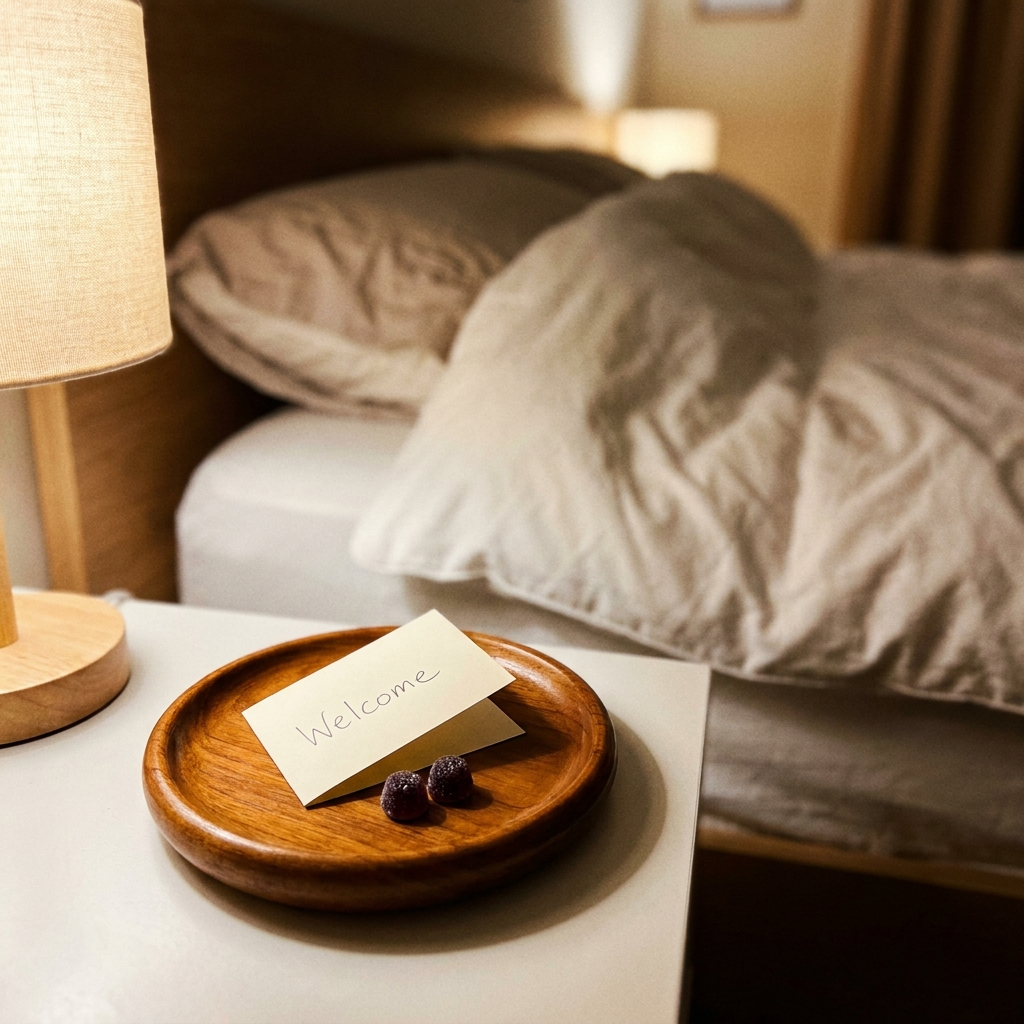
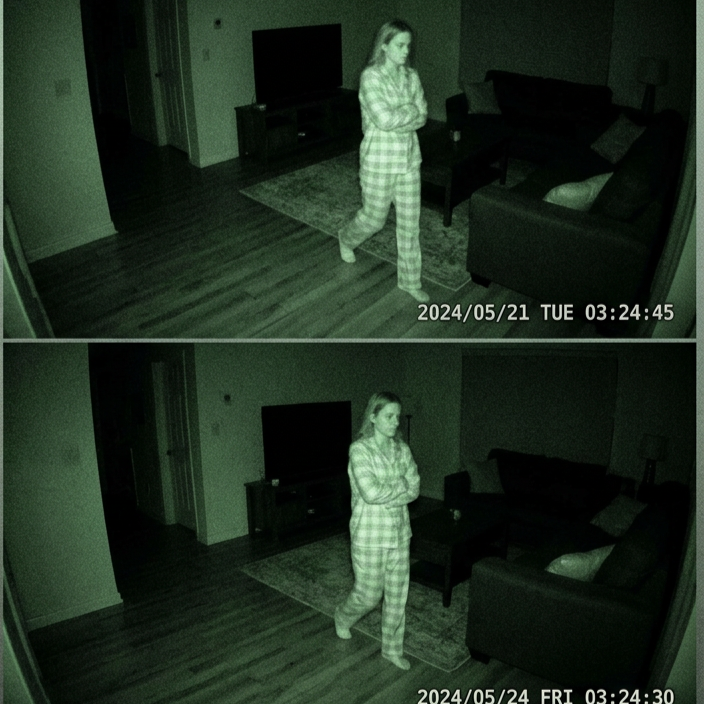
"My doctor asked me straight out if I was taking something she didn't know about. I'm 54. She thought I was getting Ambien from another physician." I'm a registered nurse. I've spent 21 years working in women's health, most of it dealing with hormones, fatigue, and sleep complaints. Dr. Warren has been my primary care physician for eight years. She knows my chart better than I do. At my six month checkup, she pulled up my bloodwork on her screen. Stared at it. Looked at me. Back at the screen. Then she looked at my face. "Rachel, your cortisol is down 34%. Your magnesium RBC went from deficient to optimal. Your inflammatory markers dropped across the board." She paused. "Are you taking Ambien? Lunesta? Trazodone? Because these labs look like someone on a full sleep medication protocol." The Insomnia That Made Me Feel Like a Hypocrite Here's what nobody tells you about being a nurse who deals with exhausted women all day: You spend your shifts explaining to patients why they can't sleep anymore. You walk them through the bloodwork. Low magnesium. Elevated cortisol. A nervous system stuck on high alert. And then you go home and lie awake at 3:17AM staring at the smoke detector on your ceiling. From 51 to 54, my sleep collapsed. I went from 7 solid hours to waking up at 2AM, 3AM, 4AM. Sometimes all three in the same night. My average dropped to 4 and a half hours of broken, shallow sleep. I stopped making plans for after work because I knew I'd cancel. I started wearing concealer under my eyes to hide how wrecked I looked. I kept a spare shirt in my locker because I'd sweat through the first one from exhaustion. Every night, I'd get into bed already dreading it. The familiar ceiling. The familiar dread. The familiar 3AM jolt awake with my heart pounding for no reason. I felt like a hypocrite. How do you tell patients to prioritize their sleep when you haven't slept through the night in three years? The Years I Spent Watching Patients Get Answers I Couldn't Afford At the clinic, I hear the same thing every single week: "I'm so tired I could cry but the second I lie down my brain won't shut off." "I wake up at 3AM like clockwork. Every single night. For months." "Melatonin worked for a while. Now I take 10mg and nothing happens." I knew exactly what was happening to them. After 45, your body stops absorbing magnesium the way it used to. The mineral that tells your nervous system to calm down and your muscles to relax starts running low. Cortisol creeps up. Sleep gets lighter, shorter, and more fragmented. The solution most doctors offer? Ambien. Lunesta. Trazodone. Maybe a sleep study. Cost: $75 to $120 per month for the pills. $1,800 to $3,500 out of pocket for the sleep study if insurance fights you. So I watched patients finally get help while I white knuckled through another night of staring at the ceiling. The $3,400 I Spent Before I Found What Actually Worked But I still needed to fix it. So I tried everything a nurse with decent insurance and desperation could try: A functional medicine workup with a naturopath ($680 over 6 months) who put me on ashwagandha, l theanine, and a sleep supplement stack. Gave me weird dreams. Did not stop the 3AM wake ups. A sleep coach program ($790 for 8 weeks) with rigid schedules, no screens after 7PM, and temperature controlled everything. I fell asleep faster for about two weeks. Then right back to the same broken sleep. Trazodone 50mg, then 100mg, then 150mg ($320 over 4 months) that knocked me out cold but left me so groggy I couldn't think straight until noon. I stopped after I almost gave a patient the wrong chart. A Whoop band plus Calm app subscription ($450 for 12 months) that just gave me hard data on exactly how terrible my sleep had become. Very useful. Did not fix anything. Ten sessions of acupuncture ($600 total) that relaxed me for about an hour each time. Drove home feeling peaceful. Woke up at 3:12AM anyway. After all of that, my sleep went from 4.5 hours to maybe 4.8 hours on a good night. Still waking up multiple times. Still dragging through every shift. Still dreading bedtime. The shame got worse every time I had to explain sleep hygiene to a patient. What I Learned From a 67 Year Old Patient Then Mrs. Dawson came in for her annual physical and changed everything. 67 years old. I'd seen her chart for years. Chronic insomnia, low energy, elevated cortisol. Classic pattern. But this visit was different. Her bloodwork looked like a different person's. Cortisol: normal range for the first time since I'd known her. Magnesium RBC: solidly optimal. Inflammatory markers: down significantly. I checked her medication list. No Ambien. No trazodone. No new prescriptions at all. "Mrs. Dawson, I have to ask. What happened? Your labs look completely different." She laughed. Reached into her bag and pulled out a bottle of gummies. "My granddaughter sent me these. Said she read that women my age are almost all deficient in magnesium and that's why we can't sleep." I looked at the bottle. Magnesium bisglycinate. "I was skeptical too," she said. "But it's been four months. I sleep six, seven hours now. Straight through." I didn't believe her. But her bloodwork didn't lie. "How does magnesium fix insomnia though?" She shrugged. "The way it was explained to me, it doesn't force you to sleep. It gives your body back what it needs to calm down on its own. Once my levels came up, my nervous system stopped acting like something was wrong all the time." I knew the science behind what she was saying. Magnesium is what helps your brain produce GABA. It's what tells your muscles to release tension. It's what helps cortisol drop at night so you can actually stay asleep. I'd explained this to patients a hundred times. But I'd never seen someone's sleep turn around this dramatically without medication. "How much are they?" "Maybe $25 a month." I ordered a bottle from my phone before she left the exam room. The 12 Weeks That Changed My Sleep I documented everything because that's what nurses do: Week 1 through 3: I started falling asleep faster around day 5. Not dramatically, but noticeably. The racing thoughts at bedtime got quieter. I stopped checking the clock as much. Still woke up around 3AM but fell back asleep within 20 minutes instead of lying there for an hour and a half. Week 4 through 6: I started waking up once instead of three or four times. The morning fog lifted faster. By week 6 I woke up before my alarm for the first time in two years. My coworker asked if I'd gotten Botox because my face looked "less tired." Week 7 through 9: I slept through the night four times in one week. Then five. The deep sleep I'd forgotten existed started coming back. I stopped needing coffee after 2PM to function. My energy held until 9PM instead of crashing at 5. Week 10 through 12: I woke up feeling like I'd actually rested. Not groggy. Not dragging. Rested. I started making evening plans again. I stopped dreading bedtime. I slept 6.5 to 7 hours most nights, and they were real hours, not shallow half sleep. Total: Went from 4.5 hours of broken sleep to 6.5 to 7 hours of solid sleep. Stopped waking at 3AM. Morning energy returned. The exhaustion I'd accepted as permanent just quietly lifted. That's when Dr. Warren looked at my labs and asked what prescription I was hiding from her. What My Doctor Said When I Showed Her When I showed Dr. Warren the bottle of gummies, she pulled up my bloodwork from six months ago and put it next to the new panel. "Walk me through what you think happened." I told her what I'd pieced together. After 45, women stop absorbing magnesium efficiently. The mineral that's supposed to help the nervous system downregulate at night starts running low. Cortisol stays elevated. The brain can't produce enough GABA to quiet down. Sleep gets lighter, more fragmented, less restorative. I told her the gummies use magnesium bisglycinate, which absorbs significantly better than the oxide or citrate forms. That's why drugstore magnesium never did anything for me. It wasn't getting into my cells. She looked at both panels again. Then she nodded. "This is basic biochemistry," she said. "Magnesium is a cofactor in over 300 enzymatic reactions. I just never thought to address it this directly for sleep. I kept reaching for prescriptions first." Two Months After That Appointment Dr. Warren now asks her patients about magnesium levels before writing sleep prescriptions. She says it's changed how she approaches the conversation. I've mentioned the gummies to 14 women I know personally. Coworkers, patients who asked what changed, my sister, a few friends from nursing school. Eleven of them are sleeping through the night now for the first time in years. Three weeks ago my department head asked me to put together a short presentation on nutritional factors in perimenopausal sleep disruption. Something I never would have known to talk about before Mrs. Dawson showed me that bottle. What 21 Years As a Nurse Actually Taught Me Here's what I know now that I didn't understand for most of my career: You can't drug your way into real sleep. Ambien and trazodone can knock you unconscious but they don't give you the deep restorative sleep your body actually needs. Melatonin helps you fall asleep. It does nothing for the 3AM wake ups because it doesn't address why your nervous system can't stay calm. Sleep hygiene matters, but no amount of blackout curtains will fix a magnesium deficiency. For most women over 45 who can't sleep, the real issue is upstream. A mineral deficiency that keeps the nervous system stuck in alert mode even when there's nothing to be alert about. Before spending thousands on sleep specialists and prescription refills, address the deficiency first. For me, that meant two gummies every evening. $25 a month. No grogginess. No dependency. No morning fog. I still work in women's health. I still see exhausted women every single day. But now when a patient tells me she hasn't slept through the night in months, I ask about her magnesium first. Not her stress. Not her screen time. Her magnesium. If you want to understand why most sleep supplements don't work and what I learned about magnesium absorption after 45, this is the article that explained it better than I could. https://spnutrition-us.com/pages/advertorial-magnesium
Like this ad? Make it yours.
Crush rebuilds this exact creative around your product — your brand, your colors, your offer — in about a minute.