
Inactive· since May 24, 2026
- 34
- days it ran
- 1
- relaunches
Ad copy
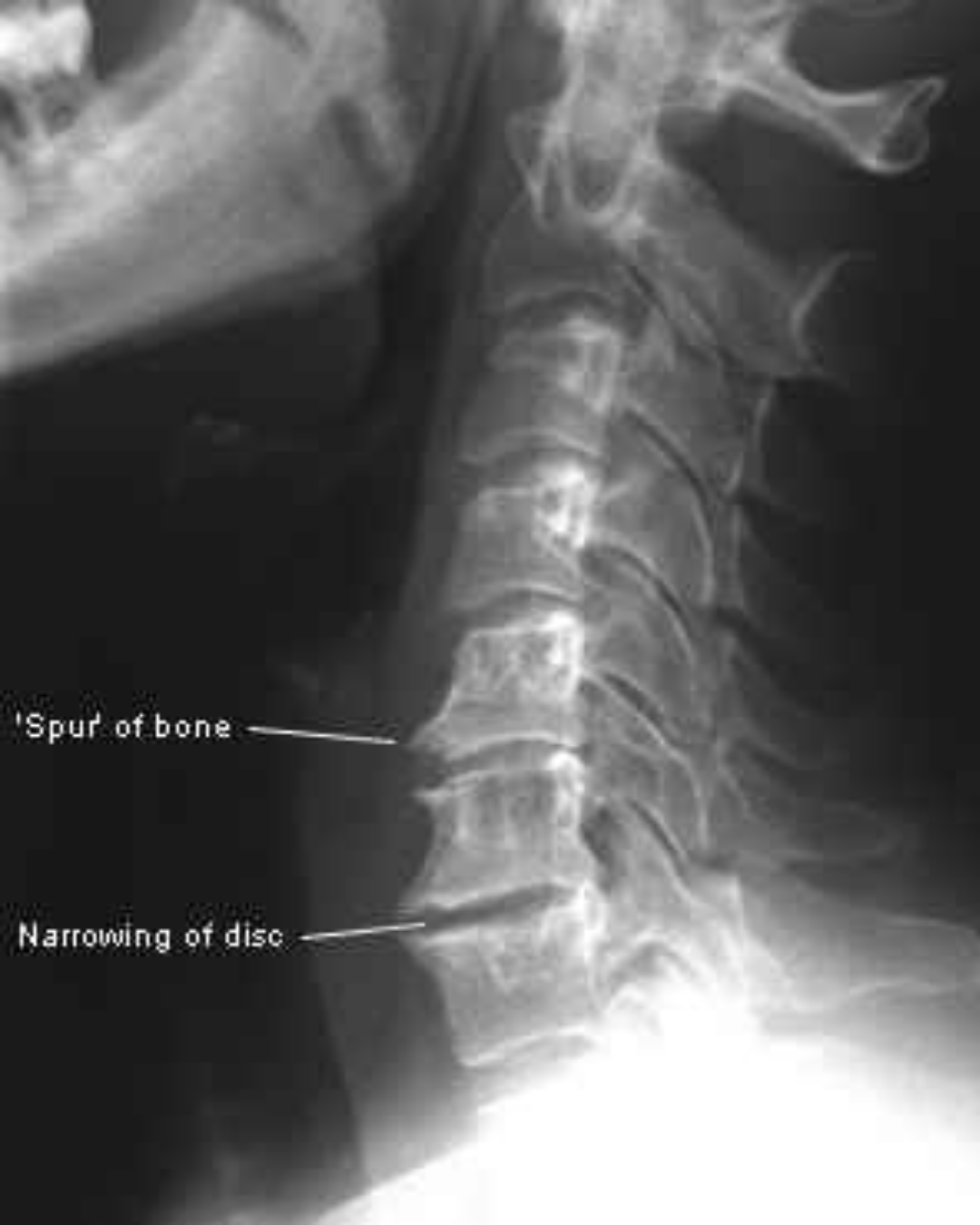
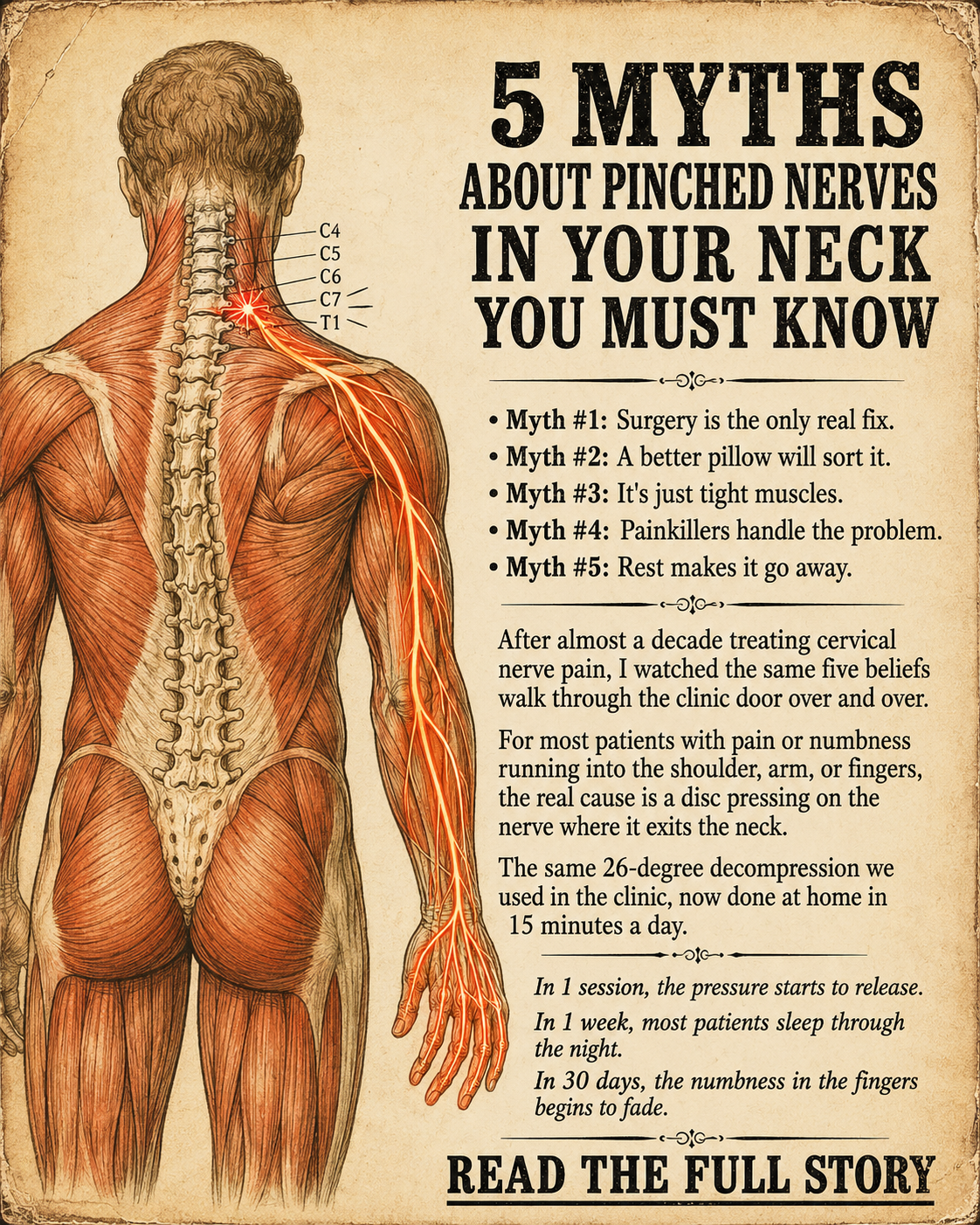
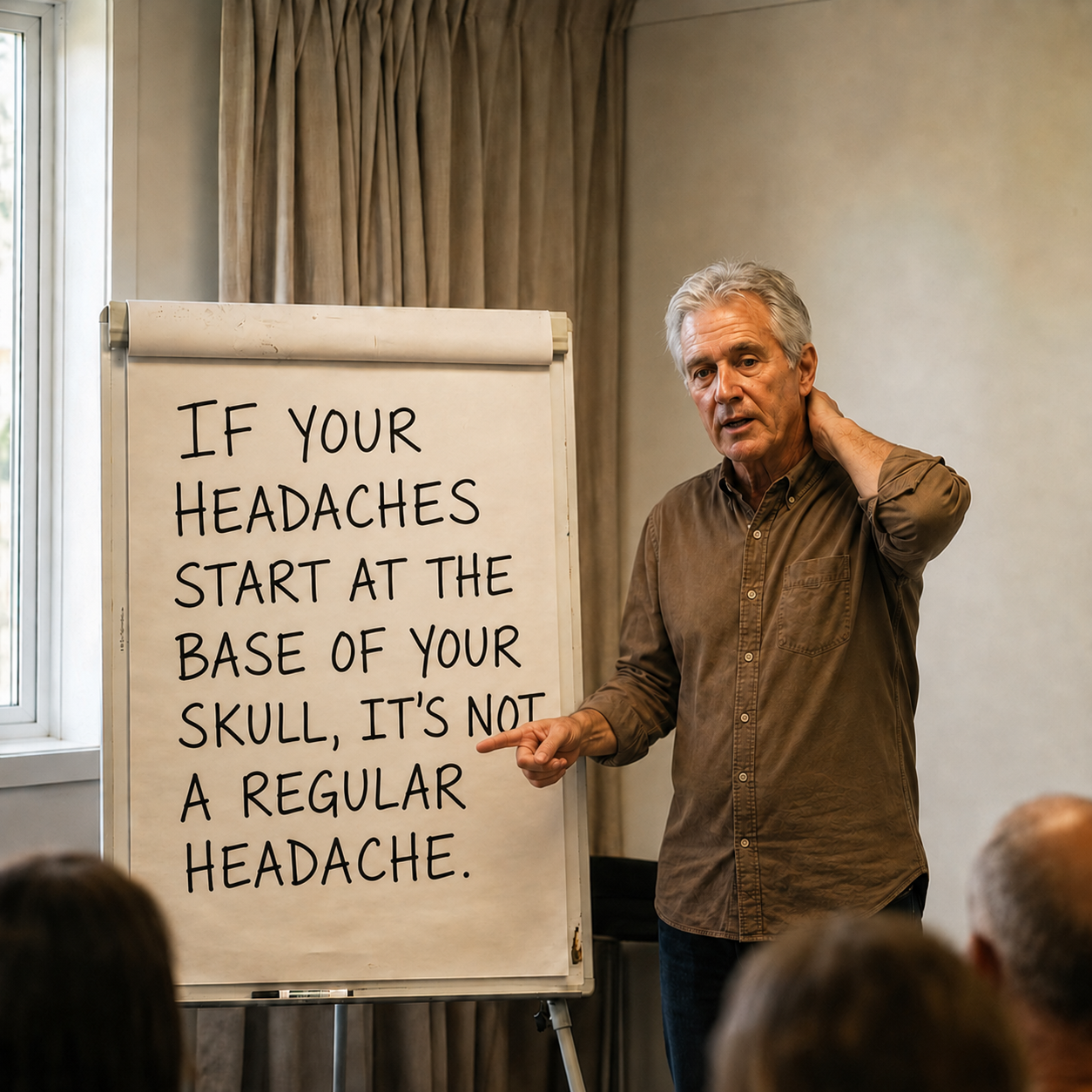
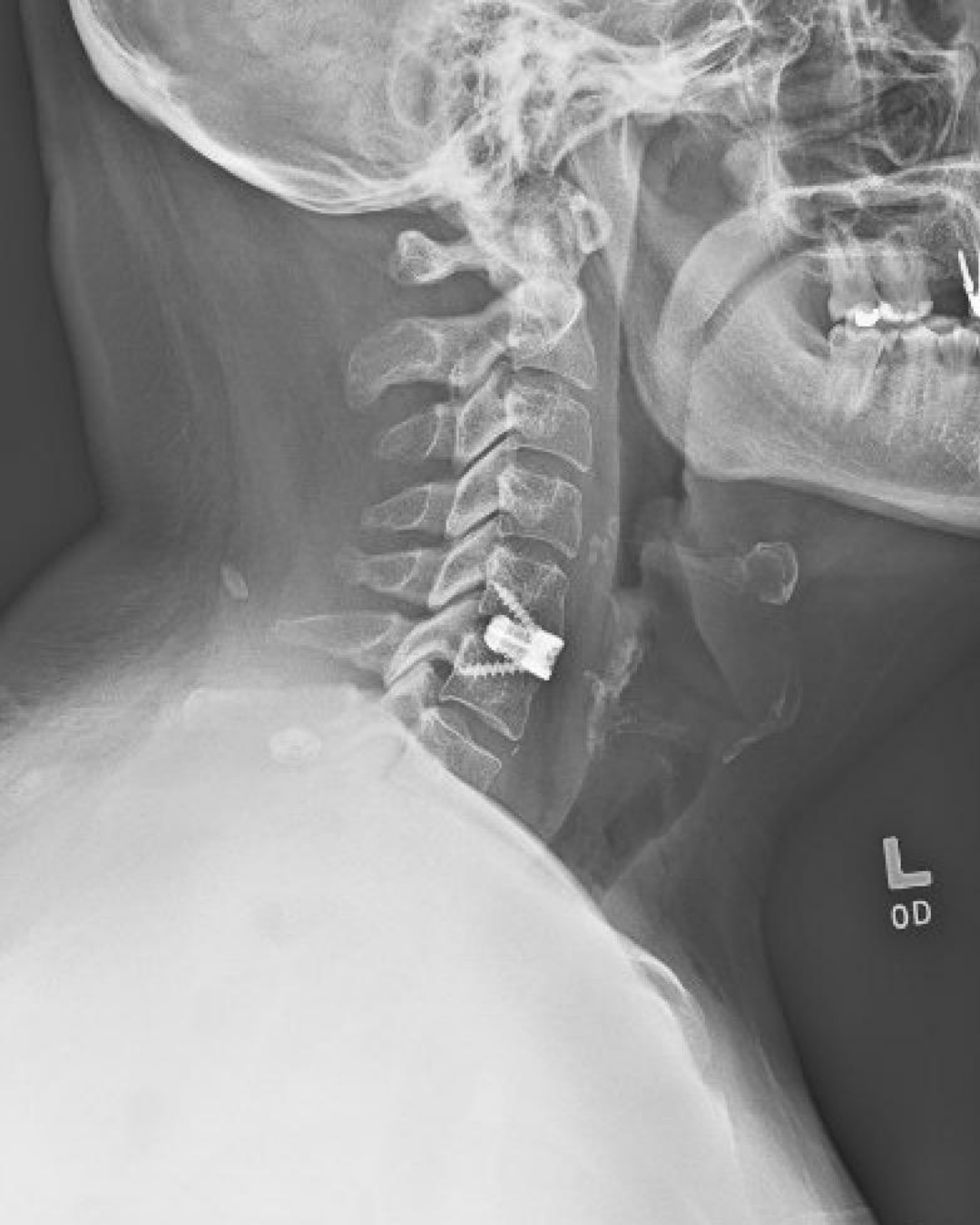
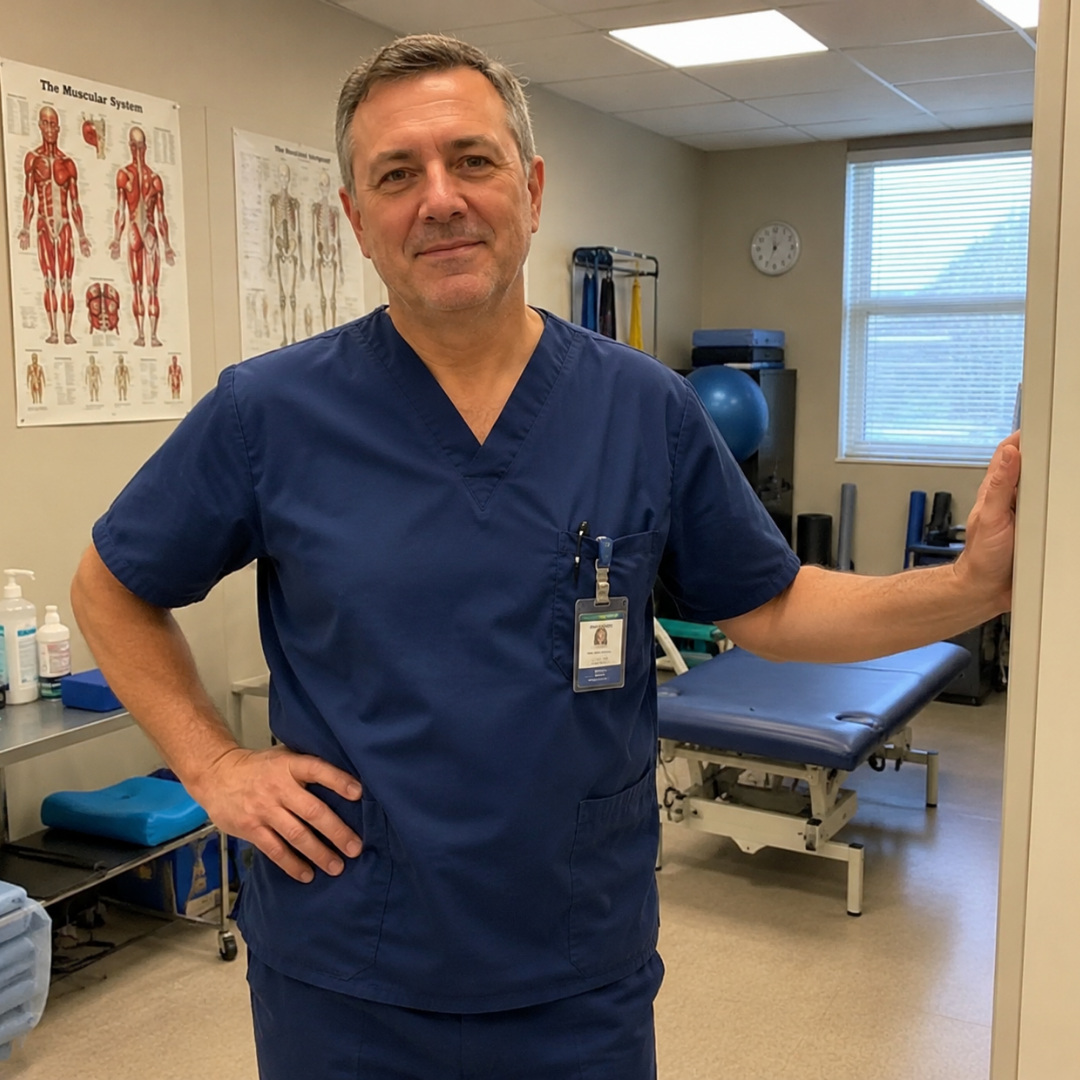
I've Been a Physical Therapist for 19 Years. I've Recommended Stretching, Massage, and Chiropractic Care to Thousands of Patients Who Couldn't Shake That Pressure at the Base of Their Skull. I Was Wrong About All Three. Not completely wrong. But wrong enough that I watched the same patients come back, month after month, still in pain, still frustrated, still pressing on that same tender spot at the base of their skull like they were trying to find the off switch. My name is Dr. Sarah Callahan. I'm 47. And I'm writing this because I spent nearly two decades treating the symptom while missing the cause. Here's what I saw from the other side of the treatment table. Patients would come in describing the same thing. A constant pressure at the base of the skull. Usually worse on one side. A tender spot that never fully went away, that triggered headaches crawling up over the head, brain fog that made concentration feel like pushing through mud, exhaustion that sleep didn't touch. I'd run through the standard assessment. Check range of motion. Feel for muscle tension. Ask about stress levels and posture. And then I'd do what the guidelines said. Massage to release the suboccipital muscles. Stretching exercises to loosen the neck. A referral to a chiropractor for adjustments. Sometimes a heating pad for home use and ibuprofen for the bad days. They'd leave with a plan. Come back six weeks later. Same spot. Same pressure. Same headaches. I told myself it was compliance. They weren't doing the exercises consistently. They were still hunching over their screens. They needed to manage their stress better. I was wrong. What I didn't understand — what most physical therapists and GPs still don't understand — is that the standard approach misses the actual root cause entirely. Here's what's really happening. At the base of the skull, there's a group of small muscles called the suboccipitals. When they get chronically tight — from forward head posture, screen time, or years of accumulated tension — they start compressing the occipital nerves running through them. Those nerves fire constantly. That's the pressure. That's why the headaches start at the base of the skull and crawl up over the head. That's the brain fog. That's the exhaustion that has nothing to do with how much sleep they're getting. And here's the part that changes everything. Most doctors and therapists write this off as tension or stress headaches without checking what's actually being compressed. The standard tests don't catch it. The standard treatments don't reach it. So patients get told they're fine. Sent home with stretches and a heating pad. But here's the problem with that. Stretching the suboccipital muscles gives temporary relief — but it doesn't release the compression on the nerves running through them. The muscles tighten right back up because the nerve is still being squeezed. It's like pulling a knot looser for a moment without actually untying it. Chiropractic adjustments move the bones temporarily. But if the muscles causing the compression are still tight, everything goes right back to where it was within a day or two. That's why patients feel better after an adjustment and then wake up the next morning with the same pressure. Massage loosens the surface tissue. But the compression happens deep — in the suboccipital muscles that sit right against the base of the skull. A standard massage never reaches that layer consistently enough to make a lasting difference. Painkillers reduce the pain signal. The nerve is still being compressed. The signal comes right back. I watched patients cycle through all of these. Stretches. Chiro. Massage. Heating pad. Ibuprofen. Back to stretches. Spending hundreds of dollars a month. Still waking up with that pressure. Still getting the headaches that derailed their days. Still pressing on that same spot and wondering why nothing made it stop. It wasn't until I dug deeper that I found what was actually needed. Loosening the muscles alone isn't enough. You need three things working together. First, gentle decompression at a specific 26 degree angle that opens up the space between the bones at the base of the skull. This takes the pressure off the nerves directly. Most treatments skip this completely because the equipment costs tens of thousands of dollars and only exists in clinics. Second, heat — but only after that space has been created. Once the bones have room, heat can reach deep enough to relax the muscles that have been tight for months or years. Without the decompression first, heat just warms the surface. The compression underneath doesn't move. Third, vibration to break up the deep tension that has built up around those nerves over time. The kind that hand massage and Amazon massagers never get to because it sits too far underneath the surface. All three. At the same time. That's what actually releases the pressure instead of just dulling it for a day. I found FisioRest about a year ago. I started recommending it to patients I'd been seeing for years — people who had tried everything I'd suggested and kept coming back with the same pressure at the base of their skull. The results were different. Not because the device was complicated. Because for the first time, all three pathways were being addressed simultaneously, at home, consistently — without the appointments. Patients who'd had that constant tender pressure for years reported it starting to ease within the first week. By week two, the tension headaches that used to hit every day were becoming less frequent. People were waking up and moving without bracing themselves first. By 30 days, that spot they'd been pressing on constantly had significantly released. Clearer thinking. Energy back. Feeling like themselves again. I wish I'd found this ten years ago. If you've done the stretches and the pressure came back the next day. If you've been to the chiropractor and felt better for 24 hours and then woken up with the same tightness. If you've had the massage that felt incredible on the table and wore off before you got home. If you've been told it's just tension or stress and to try to relax more. It's not tension. It's not stress. It's not something you need to manage better. The nerves at the base of your skull are being compressed. The standard treatments don't reach the compression. FisioRest does. Fifteen minutes a day. At home. No appointments. No prescriptions. Because "just do some stretches" was never an answer. This is. https://artuvate.co/pages/reasons-nothing-works — Dr. Sarah Callahan, Physical Therapist P.S. — The first sign it's working is that the constant pressure starts to ease, usually within the first week. The headaches take a little longer — most patients notice them becoming less frequent by week two. If you've tried massage and chiro and only got a day or two of relief, that's because they were never touching what was actually causing the pressure. This is different. P.P.S. — There's a 365-day money-back guarantee. A full year. If that pressure at the base of your skull doesn't start to ease, you get your money back. No questions asked. I wish I'd had something like this to offer my patients years ago instead of sending them home with another set of stretches.
Take back control of your Neck.
Summary: If you've tried everything and nothing has actually fixed it, it's not your fault. The problem is that common solutions only address one piece of what's going wrong. A compressed nerve in your neck needs 3 specific things happening together to actually release. Here's what they are, why non...
LEARN MORELike this ad? Make it yours.
Crush rebuilds this exact creative around your product — your brand, your colors, your offer — in about a minute.