
Inactive· since Jun 11, 2026
- 33
- days it ran
- 0
- relaunches
Ad copy
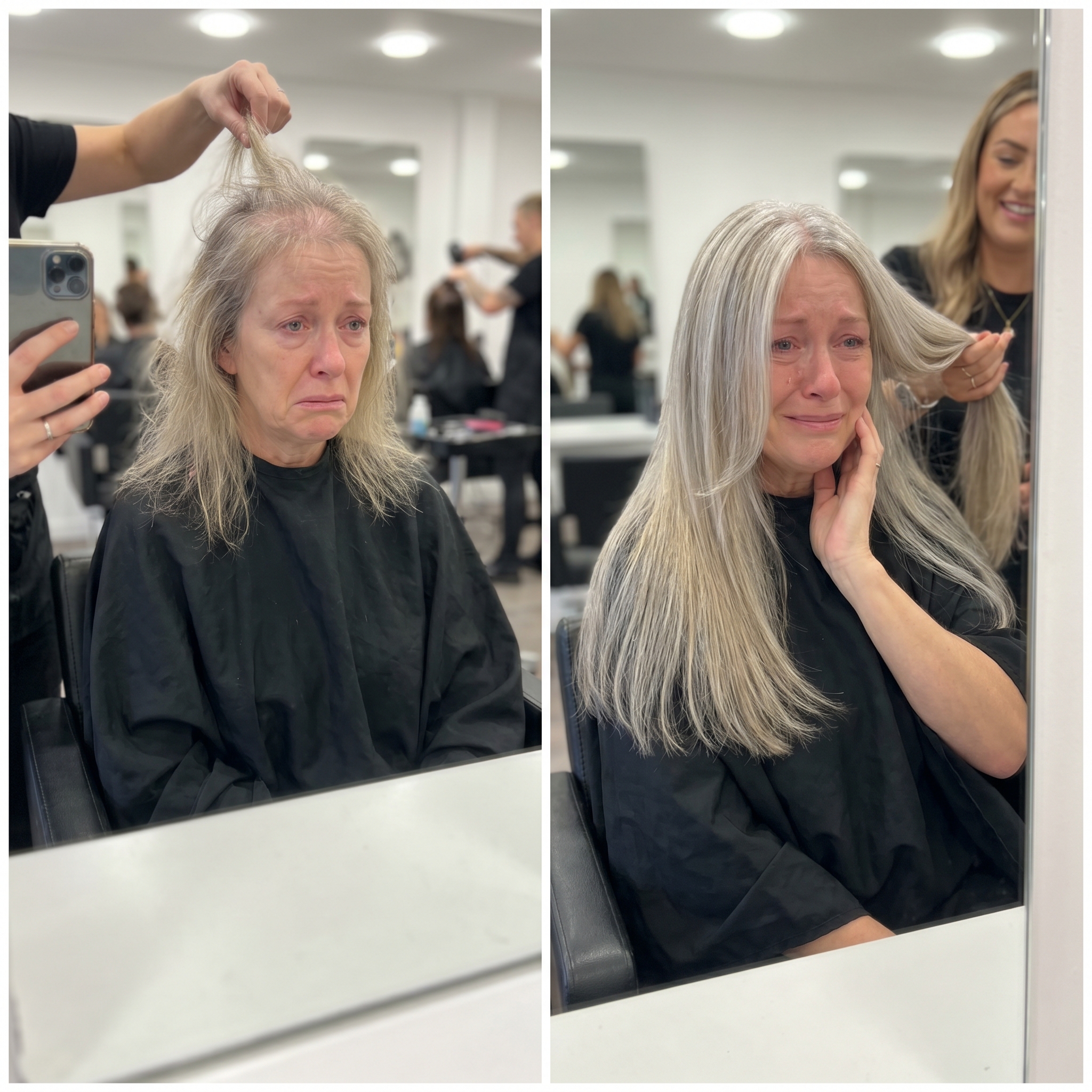
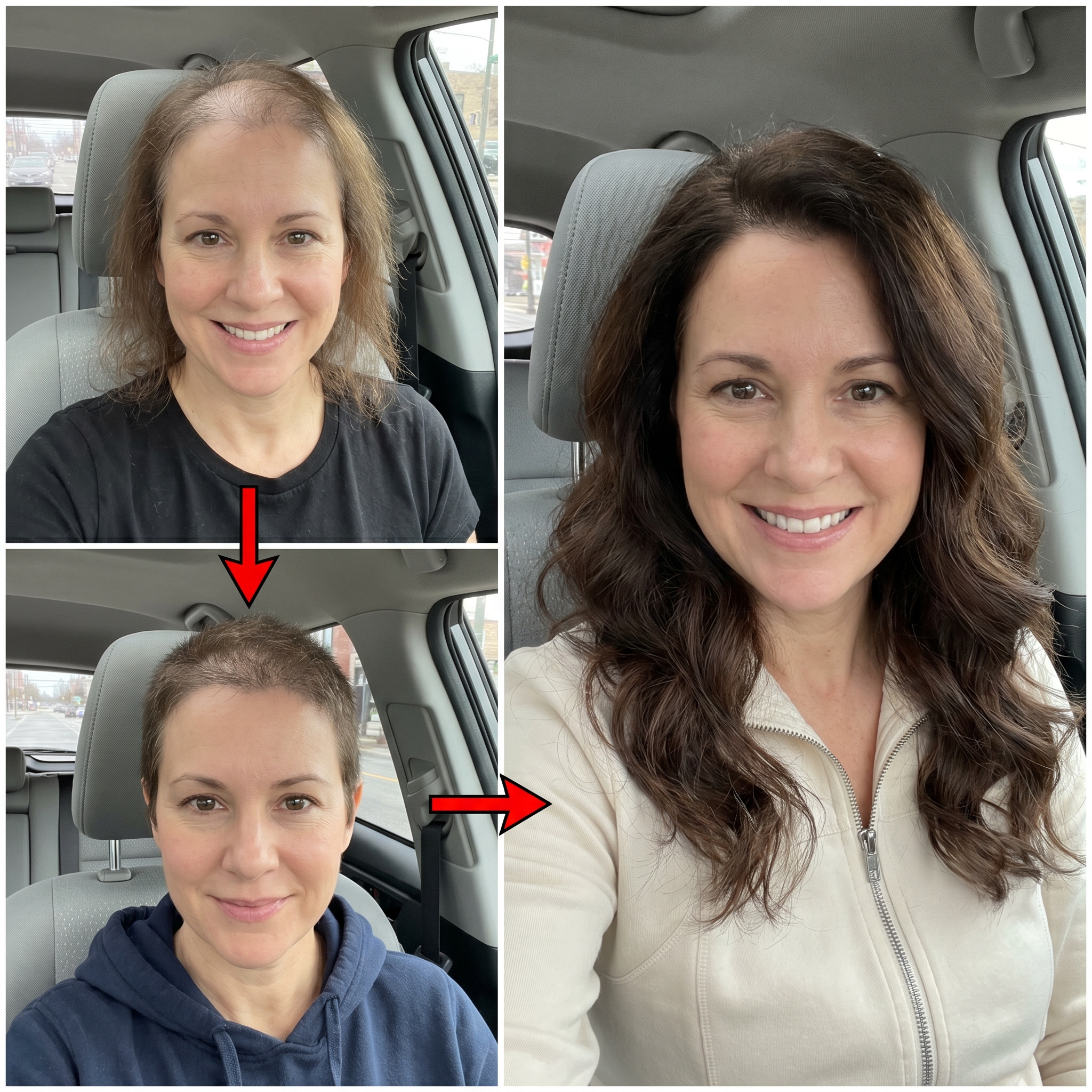
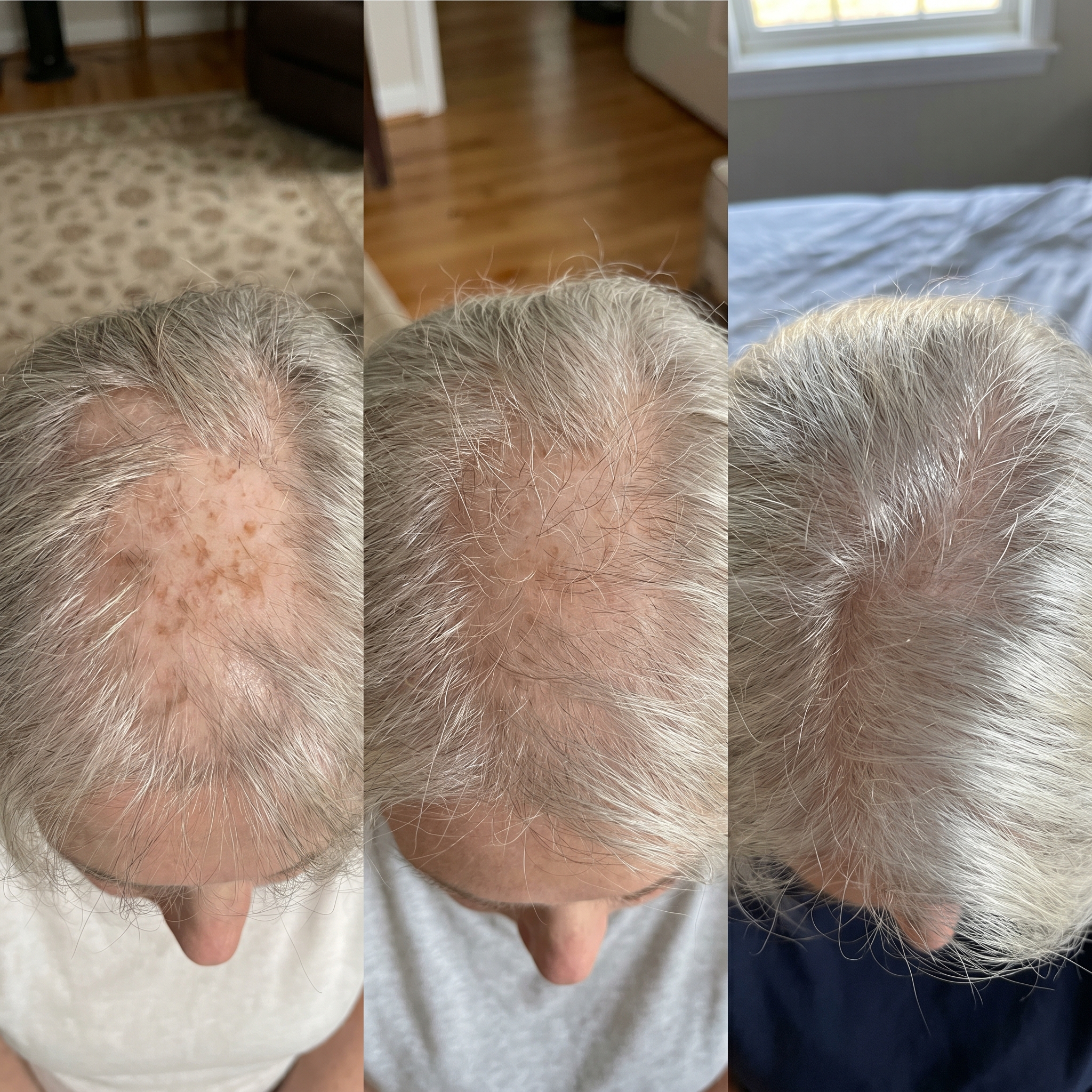
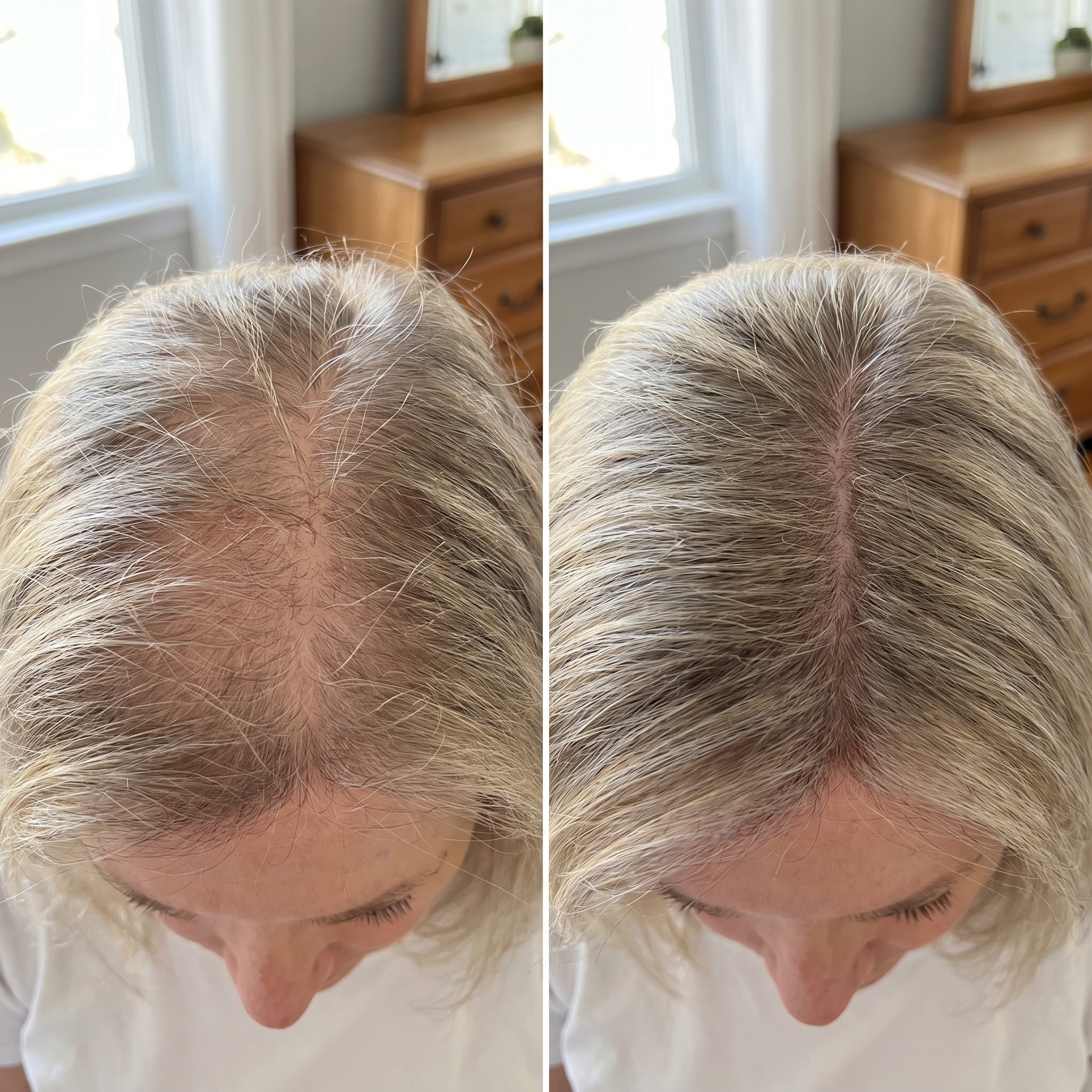
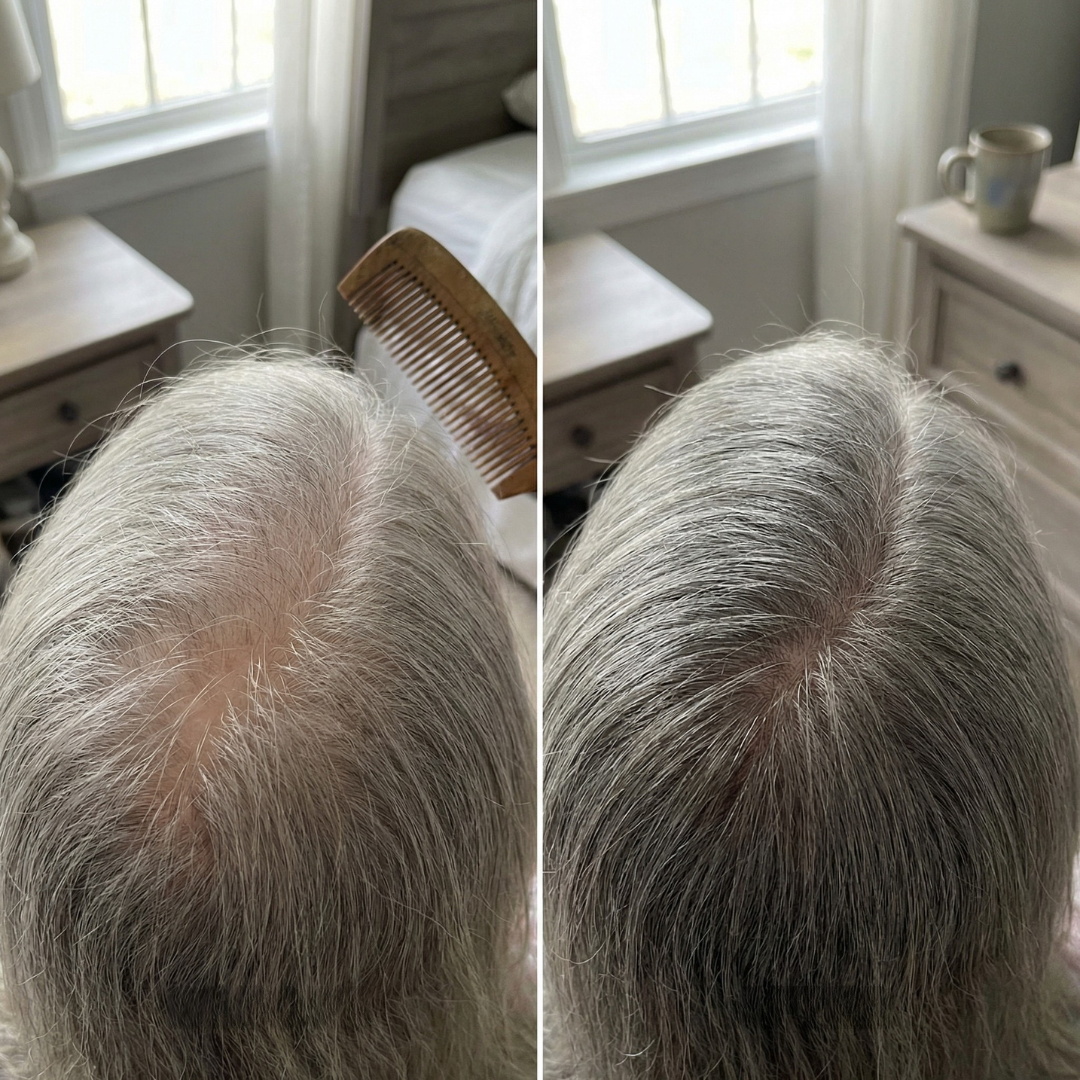
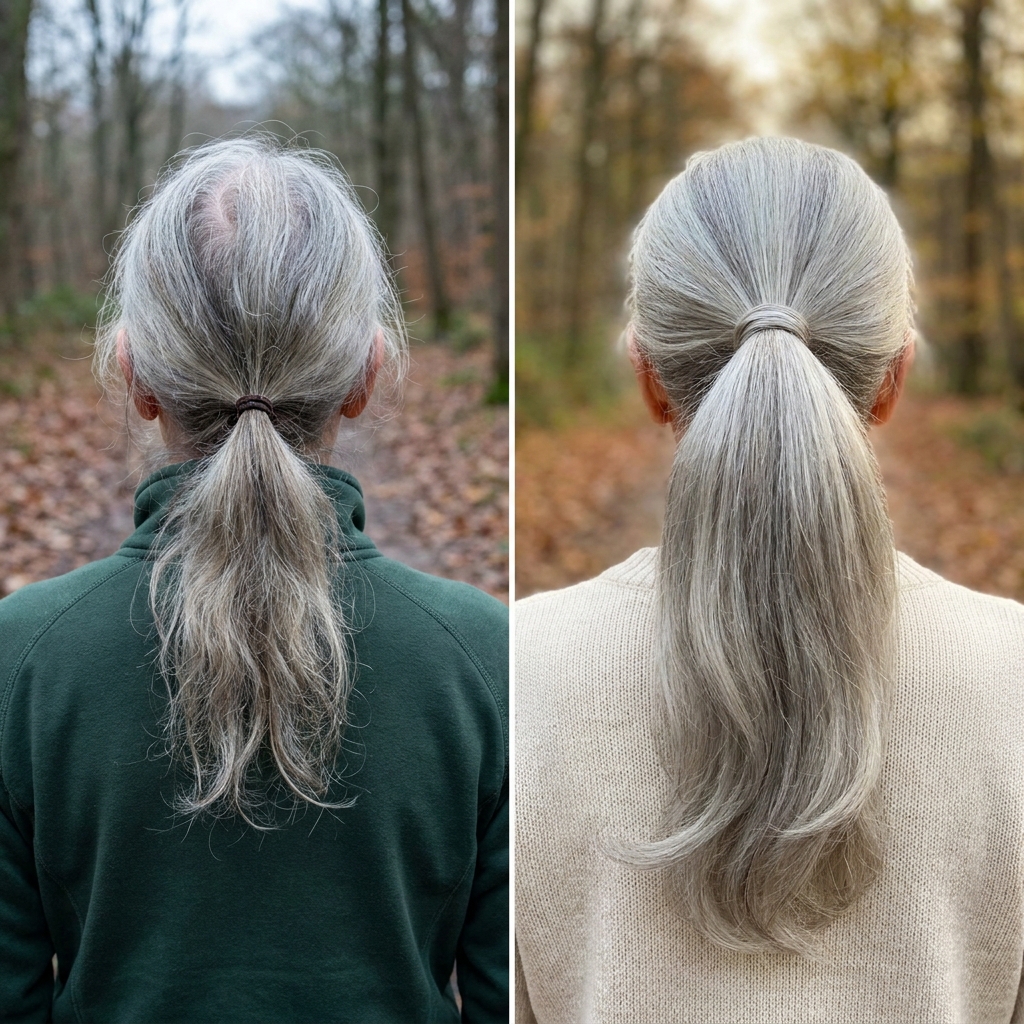
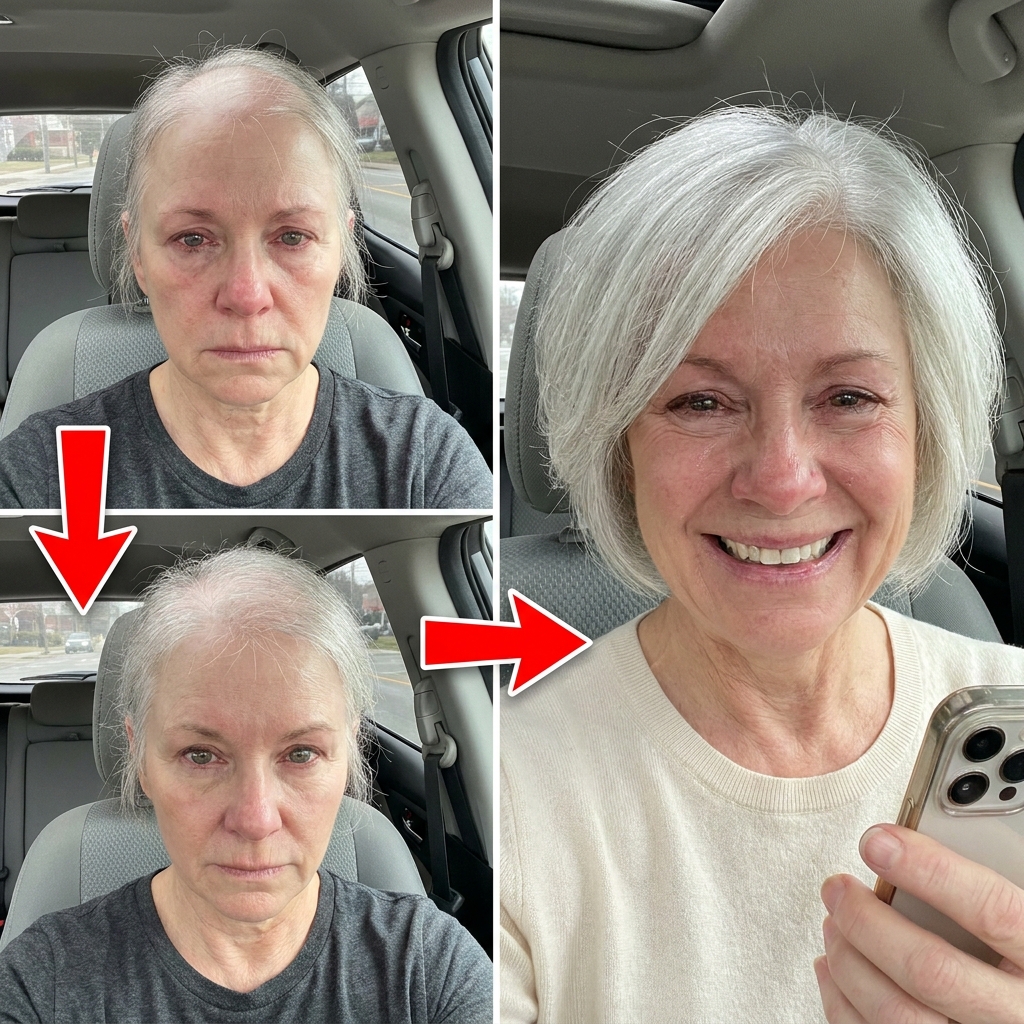
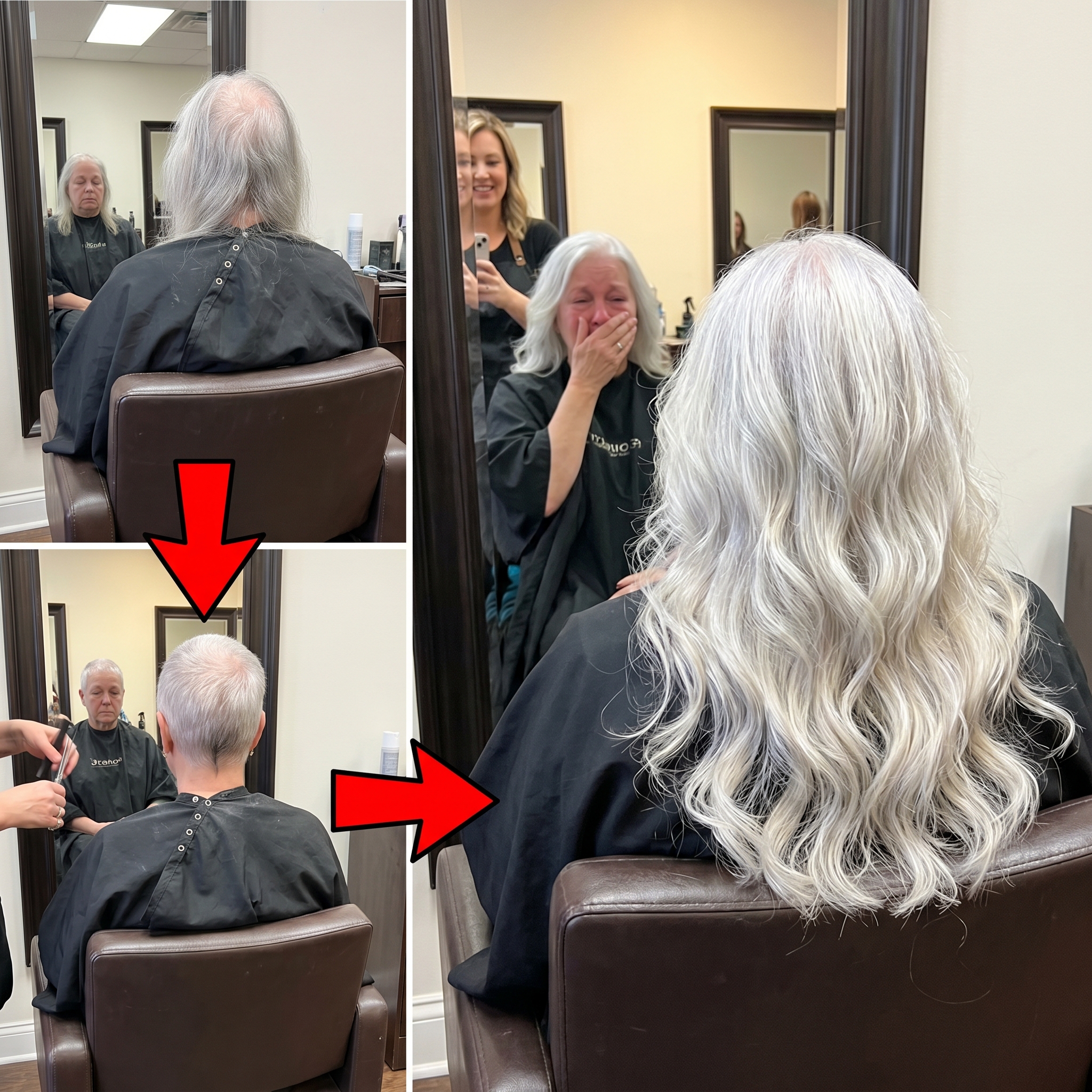
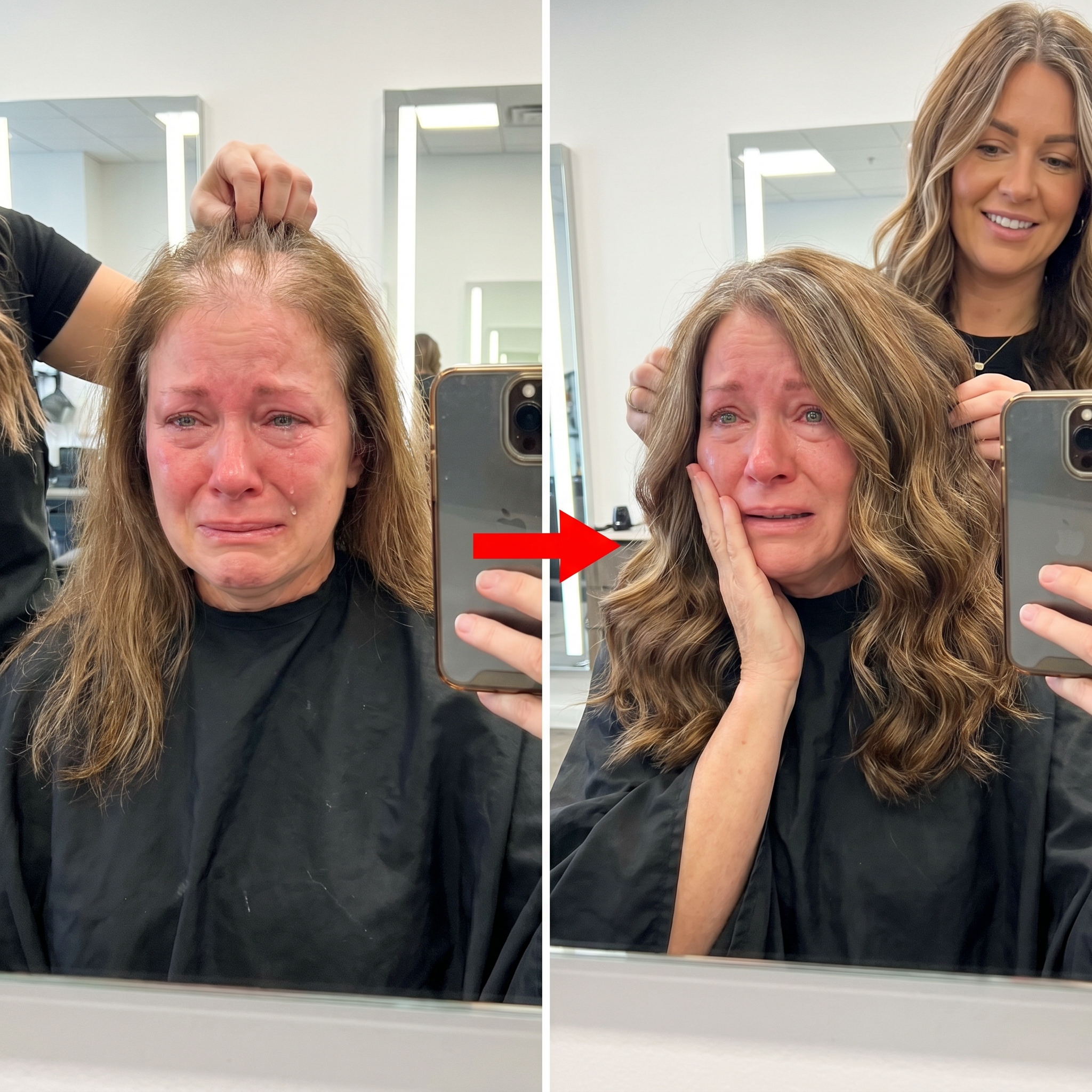
Five years of buying hair products for what is happening to your hair: the logic was sound and the category was wrong. The strand is the evidence; the event is four millimetres down, at the follicle. I am a nurse. I have been one in Liverpool for twenty-six years, most of them on a surgical ward where the strip-lighting is honest about everything. So I want to be precise about my own mistake, because it is the kind I would have caught in a heartbeat on anyone else. For five years I treated a strand of hair as if the strand were sick. I conditioned it. I thickened it. I coated it, plumped it, and prayed over it. The whole time, the thing that had actually changed sat four millimetres beneath the skin, at the follicle, where I never once thought to look. On a patient I would have asked the first question they teach you: where is the event? On myself I asked it five years late. The moment I could no longer talk my way out of came on a night shift. I had finished a long handover and gone to the staff toilet to fix my cap, one of those theatre caps that pulls everything flat to the head. Under that light, with the cap off, I saw my own scalp the way I see a wound — clearly, and without permission to look away. The part down the centre had widened. Not dramatically. A nurse notices the small delta, the change from the last set of observations, and the change was unmistakable. My crown had thinned to the point where the light from above was landing on skin, not hair. I stood there with the cap in my hand and I did the thing I tell frightened patients not to do: I catastrophised. Then I put the cap back on and finished the shift, because that is what you do. Here is what I find hard to forgive in myself. I am trained to think in mechanisms. I know what oestrogen does and I know roughly when it leaves. I had been having the broken sleep and the warm flushes for over a year. And still, when my hair started to go, my brain filed it under *hair* and sent me to the shampoo aisle. I treated the evidence. I never asked where the event was. The category was wrong from the first bottle. The system did not help me ask better. I am inside that system, and it still did not help. When I finally raised it with a GP — a colleague, a decent man — he glanced at my notes, said the obs were normal, and told me it was menopause and to try some biotin. I knew, even as he said it, that he was doing the same thing I had been doing: looking at the surface and naming the surface. I asked, half as a professional, about finasteride. He declined the conversation, politely, and I did not push it, because I could see it was not a door that was going to open in a ten-minute slot. So I did what too many women in my position end up doing. I became my own clinician. Badly, at first. This is the drawer, and I can itemise it, because nurses keep records. Biotin first, the high-strength ones, £18 a tub, four tubs, on the strength of a single sentence from a man who had not examined my scalp. A thickening shampoo and its matching serum, £41 the pair, which made the hair I still had feel like more hair while doing precisely nothing for the hair I had lost. Then the part that gives away my training. I chased my own ferritin — ordered the iron studies privately, £39, read my own results, found them unremarkable, and felt the specific frustration of a normal value when you are plainly not normal. And when reading my own bloods led nowhere, I went to my hands. I bought a dermaroller, the 0.5mm, and because I am a nurse I would not bring it near my scalp unsterilised, so I soaked it in chlorhexidine between uses and rolled the crown in careful lines like I was prepping a field. It drew blood twice. It thickened nothing. Months. Hundreds of pounds. A finasteride conversation a GP had quietly closed. Every item in that drawer was aimed at the strand, or at a number, or at the skin on top of the follicle — never at the follicle itself. The turn came, as it should have years earlier, from a mechanism. I stopped reading marketing and started reading the way oestrogen withdrawal changes the scalp. The follicle grows hair in phases. The long one, the productive one, is called anagen — that is the phase where the follicle is actually making hair. As oestrogen falls in perimenopause, the local activity of a hormone called DHT rises at the scalp, and DHT shortens anagen. The follicle spends less time growing and more time idle. Each cycle the hair it makes comes through a little finer, a little shorter, until eventually it looks, in a theatre mirror, as if the follicle has simply died. It has not. The stem cells are there. The blood supply is there. The follicle is alive and silenced — chemically silenced, locally, at the scalp. Interrupt the DHT at the follicle and anagen lengthens again, and the follicle wakes. When I understood that, the whole drawer reorganised itself in my head. The silencing was happening four millimetres down. And the silencing was *local*. Which meant the answer had to be local too. You do not treat a scalp problem with a strand product, and you certainly do not treat a problem at the scalp by aiming somewhere else entirely. That sentence is the one I should have reached first: move the intervention from the hair to the scalp, where the mechanism actually runs. That is the whole error and the whole correction. And it is exactly what Mellenza is. Not a shampoo. Not a volumiser. Not a supplement. A topical wake-up call — sprayed onto the crown, the part and the temples at night, so the active ingredients reach the follicle where the event is, not the strand where I had wasted five years. The caffeine in it blocks 5-alpha-reductase right at the follicle and extends anagen directly — topical caffeine has been studied for exactly this since the early 2010s. Alongside it: polygonum multiflorum root extract, drawn from Korean dermatology research on follicle proliferation; arginine to support microcirculation at the scalp; ginger extract for anti-inflammatory scalp support; and biotin to help support the integrity of the new growth as it comes. Everything in it pointed where I finally was. At the scalp. Locally. Nightly. So I did the only thing I trust. I took my own obs. I treated my scalp the way I treat a patient I cannot stop checking — a baseline first, then serial observations, charted and dated, no opinion allowed in until the numbers ask for one. I photographed the crown and the part under the same staff-toilet light every Sunday, same angle, cap off, and wrote a line beside each one. For the first stretch the line read *no change*, week after week, and I made myself accept it, because anagen does not negotiate and a follicle woken from years of idle keeps its own schedule. Then the chart began to disagree with me. I caught the part narrowing across two photographs I would have sworn were identical, and when I laid the early Sunday against the later one, the pale line down the centre had visibly closed. The thing I had been told to file under *menopause, try biotin* was behaving, on my own chart, like a follicle coming back online. I had been right about the mechanism and five years late to act on it — the event had been at the follicle the whole time, exactly where I was trained to look and had refused to. Bev, a nurse I have shared a handover with for eleven years and who would tell me if my collar was twisted, studied me under the strip-lighting one morning and said, flatly, that whatever I was doing I should keep the chart going, because she could see it working before I could. From Bev, that is an entire paragraph. The proof I trust most was not in the mirror, though. It was a graduation. My niece finished her degree this spring, and there is a version of this story where I quietly do not go — because a graduation is a long afternoon of overhead light and rows of seats and a photographer who lines everyone up. I had skipped two such afternoons before, and told no one why. This time I went. When the photos were taken I did not edge to the back or angle my head, and afterwards I saw my niece in her gown and me beside her, and I did not study my own scalp first. I simply looked at her. Not joy, exactly. The plain relief of being in the room. If you have spent years buying products for your hair when the thing that changed is four millimetres down at the follicle, you have not failed — you aimed at the evidence, like I did, instead of the event. Move the intervention to where the mechanism runs. The link is below. Mellenza ships from the UK with a 90-day money-back guarantee, a complimentary scalp massager, and an ebook on the menopausal hair cycle.
You've been treating the evidence
Women's Health · Updated April 2026 Menopause · Hair Routine 7 Mistakes That Make Menopausal Hair Loss Worse, And the 30 Second Ritual 10,000 Women Used to See Regrowth in 8 Weeks Dr. Sarah Mitchell — Women's Health Writer. If you're standing in front of the mirror doing the 3-elastic ponytail t...
LEARN MORELike this ad? Make it yours.
Crush rebuilds this exact creative around your product — your brand, your colors, your offer — in about a minute.