
Active· since May 12, 2026
- 122
- days running
- 1
- relaunches
Ad copy
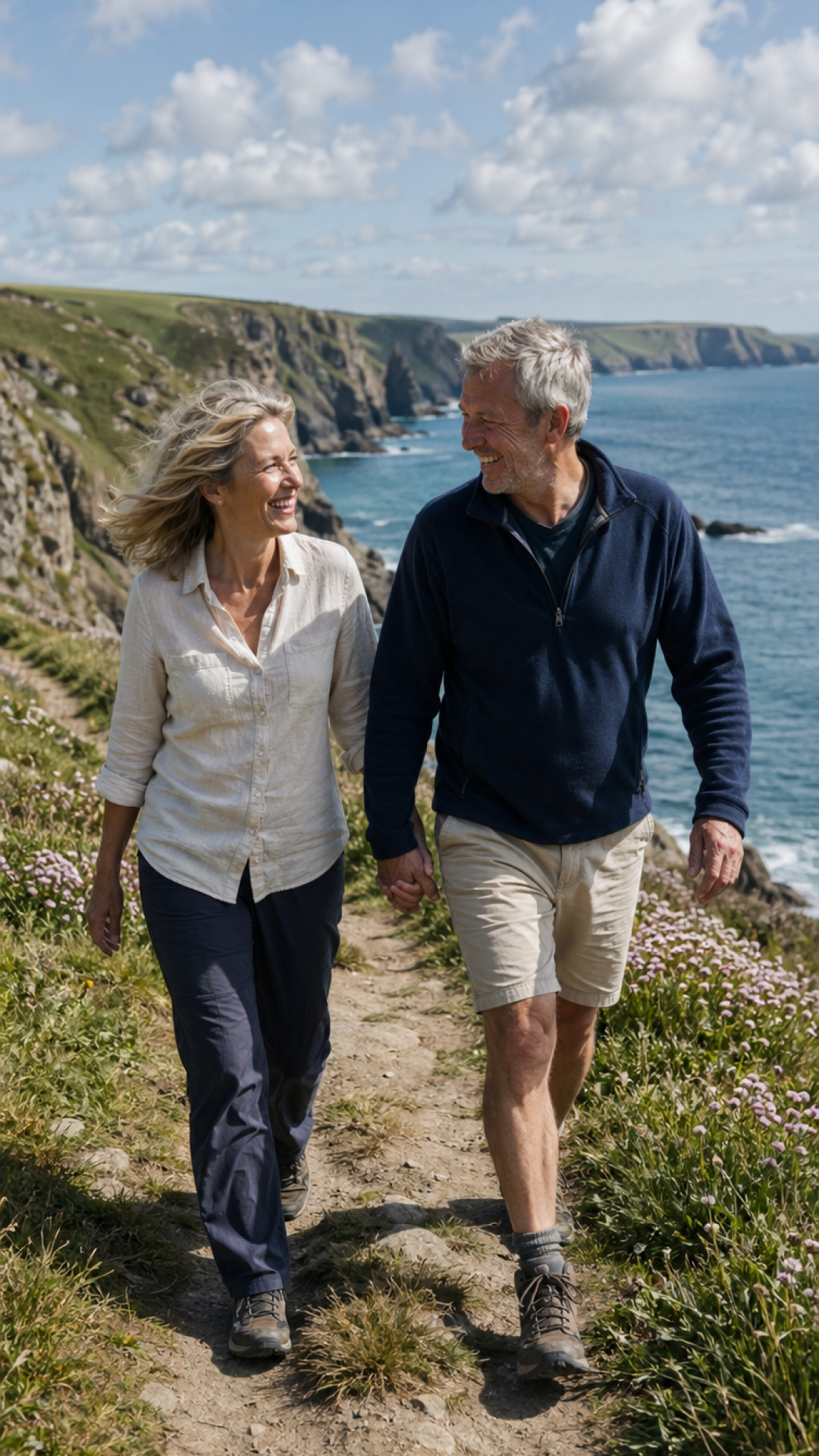
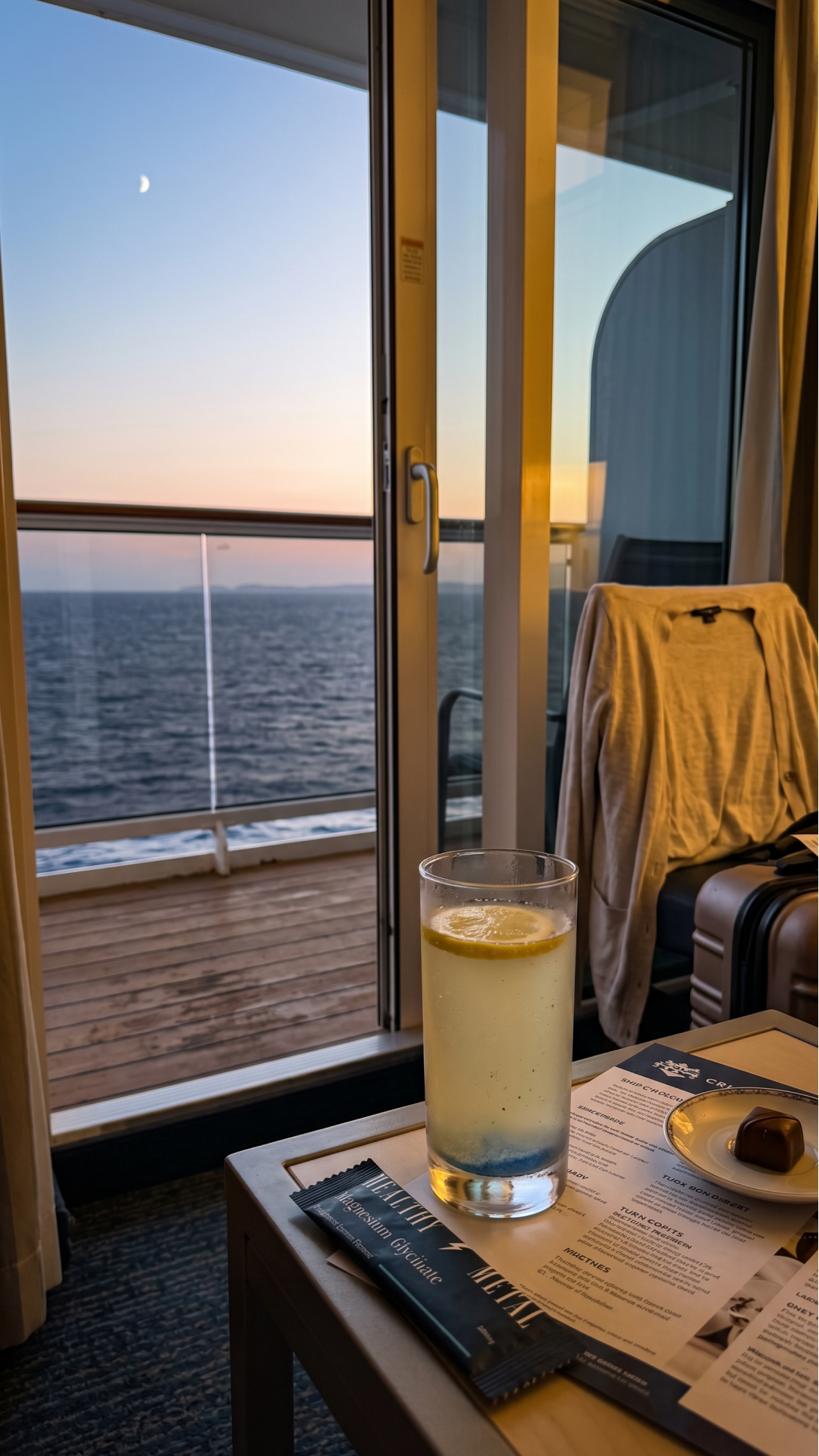
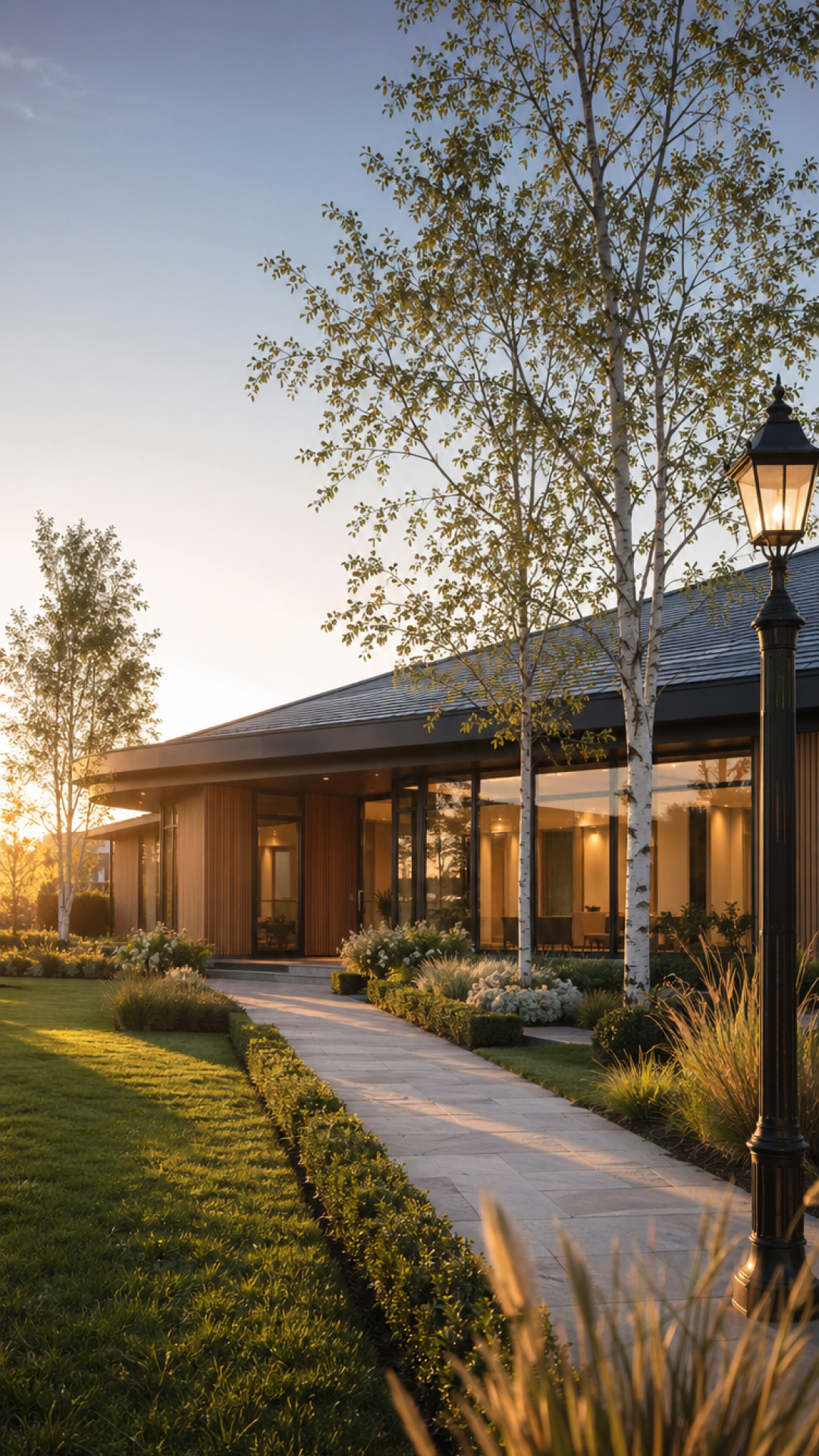
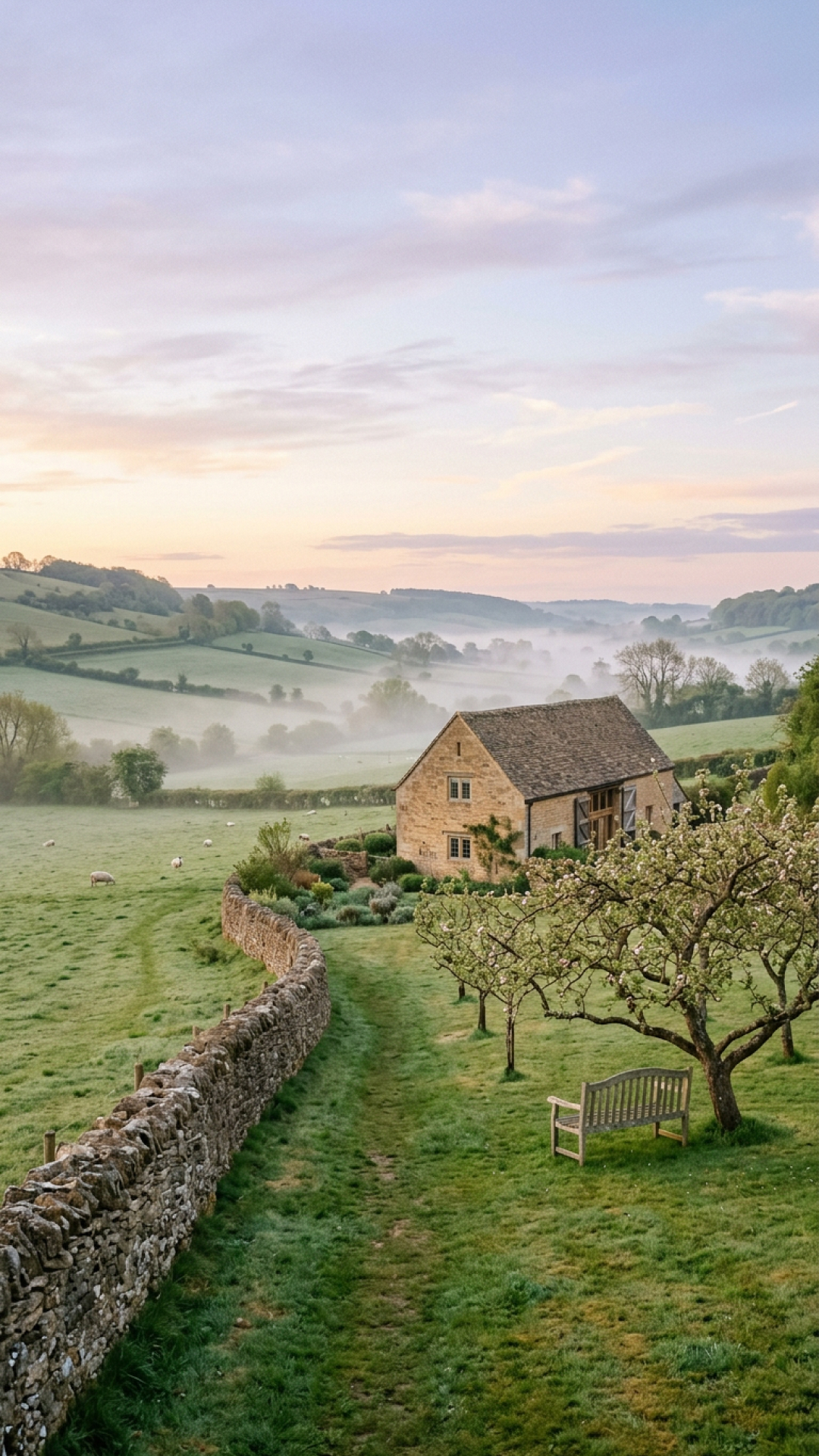
I just spent £1,400 on a four-day yoga retreat in the Cotswolds because I had been drinking a bottle of wine a night for nineteen months and I could not stop on my own. The thing that actually made me stop had nothing to do with yoga. I am 47. I have a husband, two grown-ish kids (16 and 18), a part-time marketing job, and what appears, from the outside, to be a normal life. What I also had, until last September, was a six o'clock pour. Then a seven o'clock pour. Then a top-up at half past eight. Then the second bottle, "just a small one," which was never small. By eleven I was face-down on the sofa, the TV still on, the dog confused. I would haul myself up the stairs. I would sleep heavily for ninety minutes and then snap awake at 2:40am, mouth full of cotton, heart pounding, brain replaying every cringeworthy thing I'd said to anyone since 1998. I would lie there until five doing the maths. Two glasses tonight. Maybe three. I would stop at three. Tomorrow. I had tried Dry January. I had failed Dry January by January 4th. I had tried "only at weekends." Weekends had become "Thursday onwards." I had tried Naked Mind, Annie Grace's book — I read it twice, underlined half of it, kept drinking. I had tried Allen Carr. I had tried Smart Recovery. I'd spoken to my GP, who told me I was a "grey area drinker" and gave me a leaflet. My friend Helen, who had quit two years previously and looked annoyingly well, suggested I go on a retreat. She sent me a link. £1,400. Four nights. Cotswolds. Something called "embodied sobriety." I rolled my eyes and booked it because I was running out of options. It was, I will admit, lovely. The barn was beautiful. The food was extraordinary. The yoga teacher was a woman in her sixties called Margaret who had the most direct gaze I have ever encountered. On the second evening she did a one-to-one with each of us. I sat down opposite her on a cushion in the converted stable. She asked me what I was hoping the retreat would do. I said I wanted to stop drinking. She said: "Why do you drink?" I said the obvious things. To unwind. Because I'm bored. Because everyone else does. Because of my kids. Because of my mother. She listened. Then she said: "When you stop drinking — when you've had three days off — what do you notice in your body?" I said: "I can't sleep. I feel like I'm crawling out of my skin. My legs twitch. I get the feeling I'm about to be told off, but there's nobody there to tell me off." She said: "You're describing magnesium depletion. Almost exactly. Alcohol is the most efficient magnesium-stripping substance available without a prescription. After eighteen months of nightly drinking, your magnesium is rock-bottom. You are not drinking because you have no willpower. You are drinking because at 6pm your nervous system has nothing left to switch off with, and alcohol is doing the job your minerals should be doing." I said: "I take magnesium. From Holland & Barrett." She said: "What form?" I said I didn't know. She said: "I would bet a substantial sum it's oxide or citrate. Both are nearly useless for nervous-system recovery. The form your body needs to come off alcohol — and to actually feel calm without it — is bisglycinate. Pure. The glycine itself is calming. The combination is what your nervous system is actually screaming for at six o'clock when you reach for the bottle." She said: "Most of the women who come here are mineral-depleted before they're anything else. We rebuild the mineral status, the cravings change shape inside a fortnight. The drinking is a downstream symptom. Treating it at the willpower layer is like trying to stop the leak by mopping the floor." She told me the brand she'd been giving to retreat guests for the last year was a UK brand called Healthy Metal. Pure bisglycinate. Drink format. Raspberry-lemon. 5-night free trial, no subscription. She said: "Try it. Five nights. If by night five your six o'clock urge has not changed shape, I will refund your retreat." I went home on the Sunday. I ordered the trial that night. Night one of the trial I drank. Two glasses, not three. Slept badly. Night two I drank one glass. Slept slightly better. Stayed up later than usual reading. Night three something happened that I genuinely cannot explain. I came in from work. I went to the fridge. I opened the door. And I just — didn't. The hand-on-the-bottle moment didn't come. I made myself a Healthy Metal sachet in a wine glass with ice and lemon and drank it watching the news. I went to bed at 10:30. I slept until 7. Night four, the same. Night five, the same. It is now seven months later. I have had six glasses of wine in seven months — Christmas, two birthdays, my anniversary, a wedding. I sleep through the night. The 2:40am dread is gone. I have lost eleven pounds without trying. My skin looks different. My husband is, in his own words, "having a holiday from worrying about me." I rang Margaret in February to thank her. She said something that has stayed with me: "You weren't weak. You were trying to refuel a depleted nervous system with a substance that depletes it further. The whole thing was set up to fail. You were never going to white-knuckle your way out of a mineral problem." I am writing this because I cannot believe I had to spend £1,400 on a retreat to be told something that could have been written on a leaflet at every GP surgery in the country. If you are a woman in your forties or fifties who is drinking more than you mean to, who has tried every book and every January and every promise to yourself — please, before you book the retreat, before you book the rehab, before you book another GP appointment — read the back of whatever magnesium is in your bathroom cabinet. If it's oxide or citrate, you have not yet tried the form that actually settles the nervous system. The brand Margaret recommended is Healthy Metal. The 5-night free trial is in the UK. No subscription. Five nights is enough to know. It was for me.
I spent £1,400 on a Cotswolds retreat to stop drinking. The mineral did the work.
Over 50,000+ British people use it everyday.
LEARN MORELike this ad? Make it yours.
Crush rebuilds this exact creative around your product — your brand, your colors, your offer — in about a minute.