
Inactive· since Jul 28, 2026
- 12
- days it ran
- 0
- relaunches
Ad copy
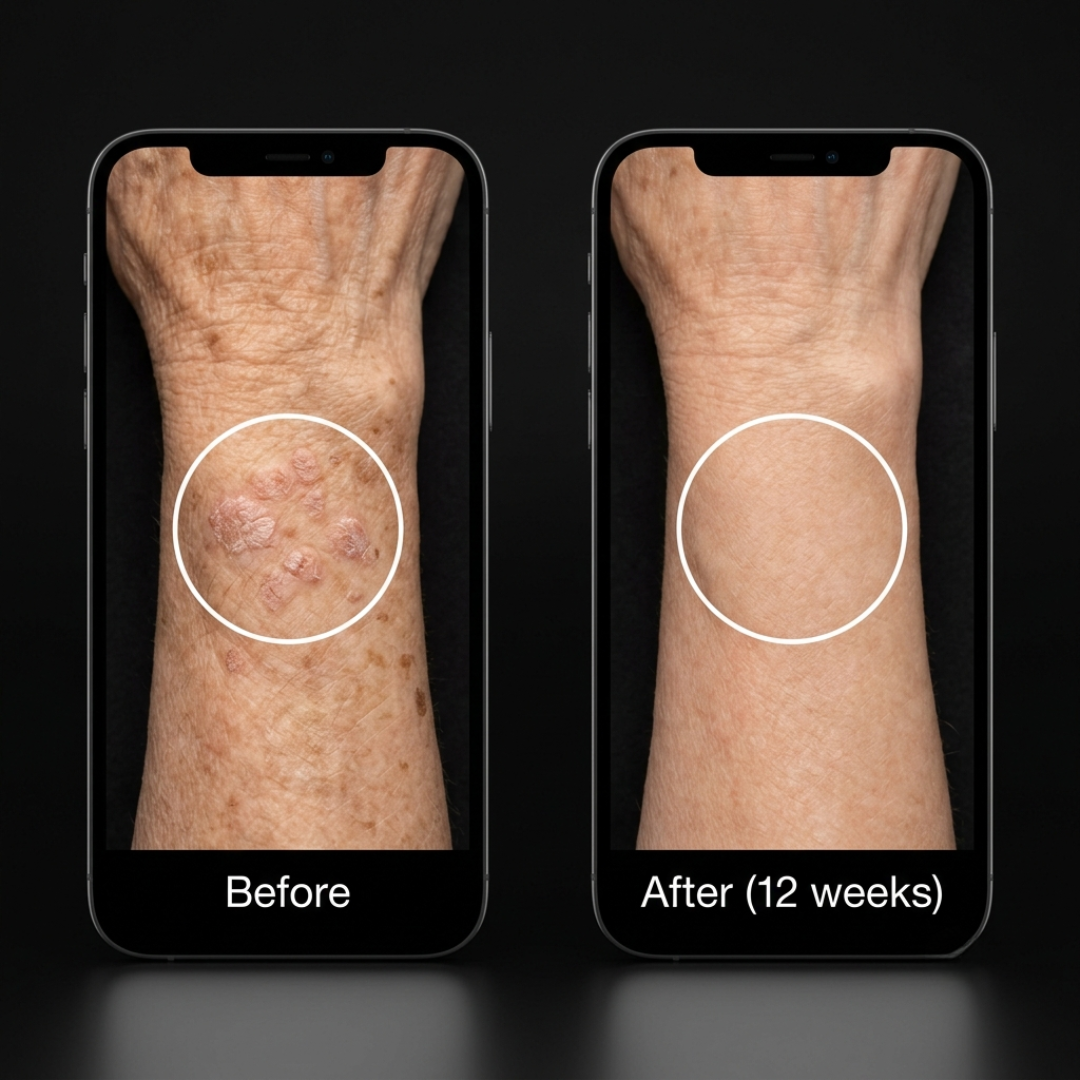
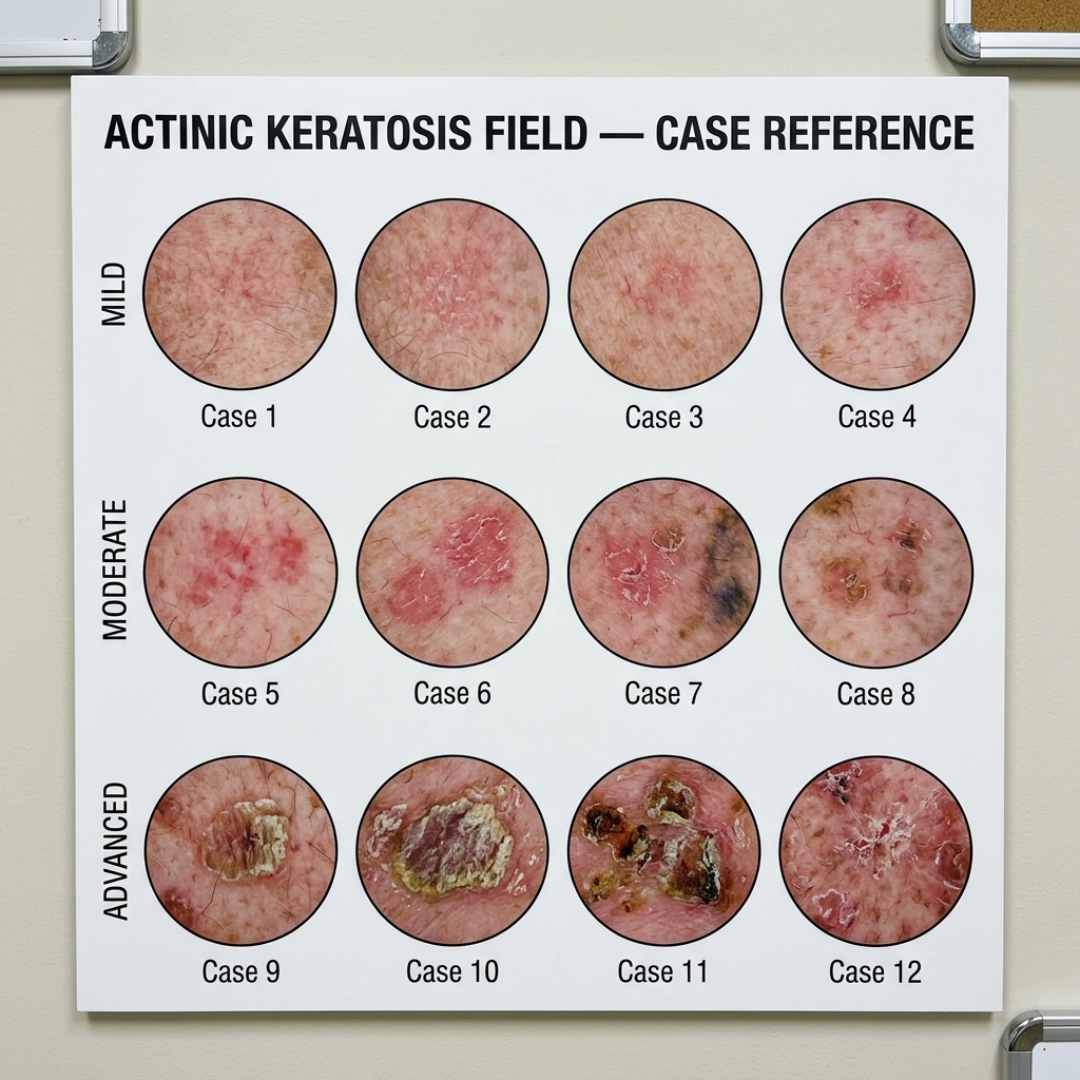
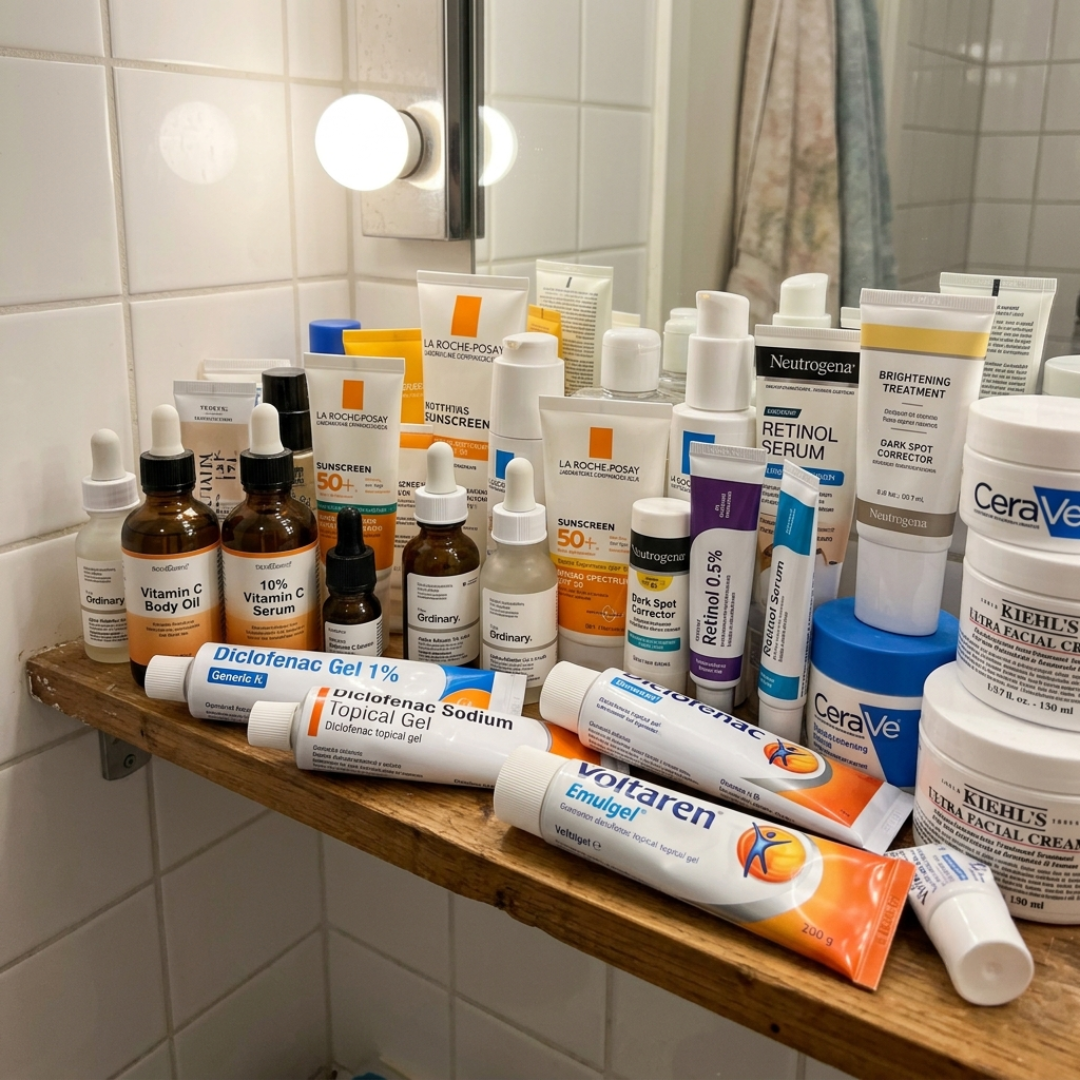
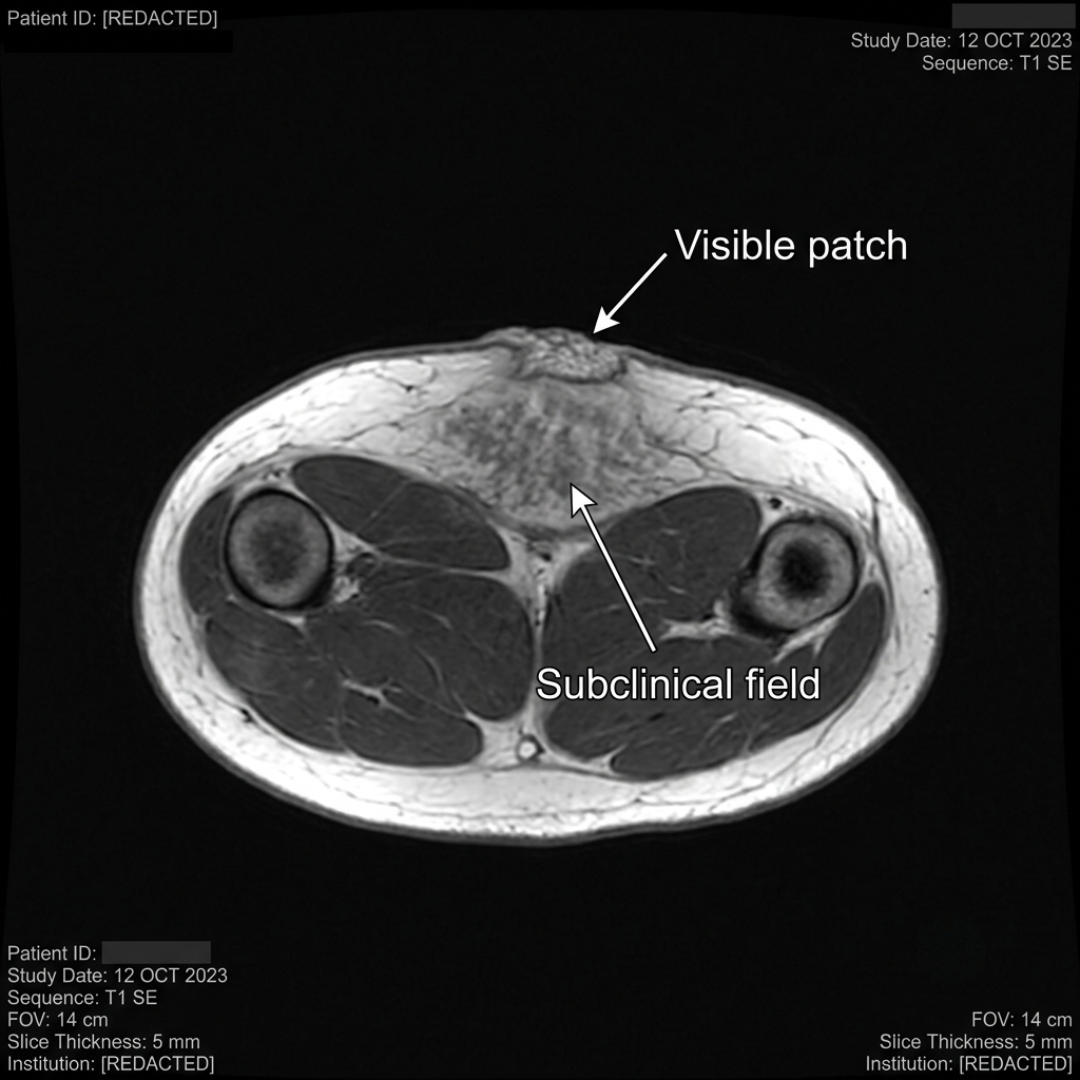
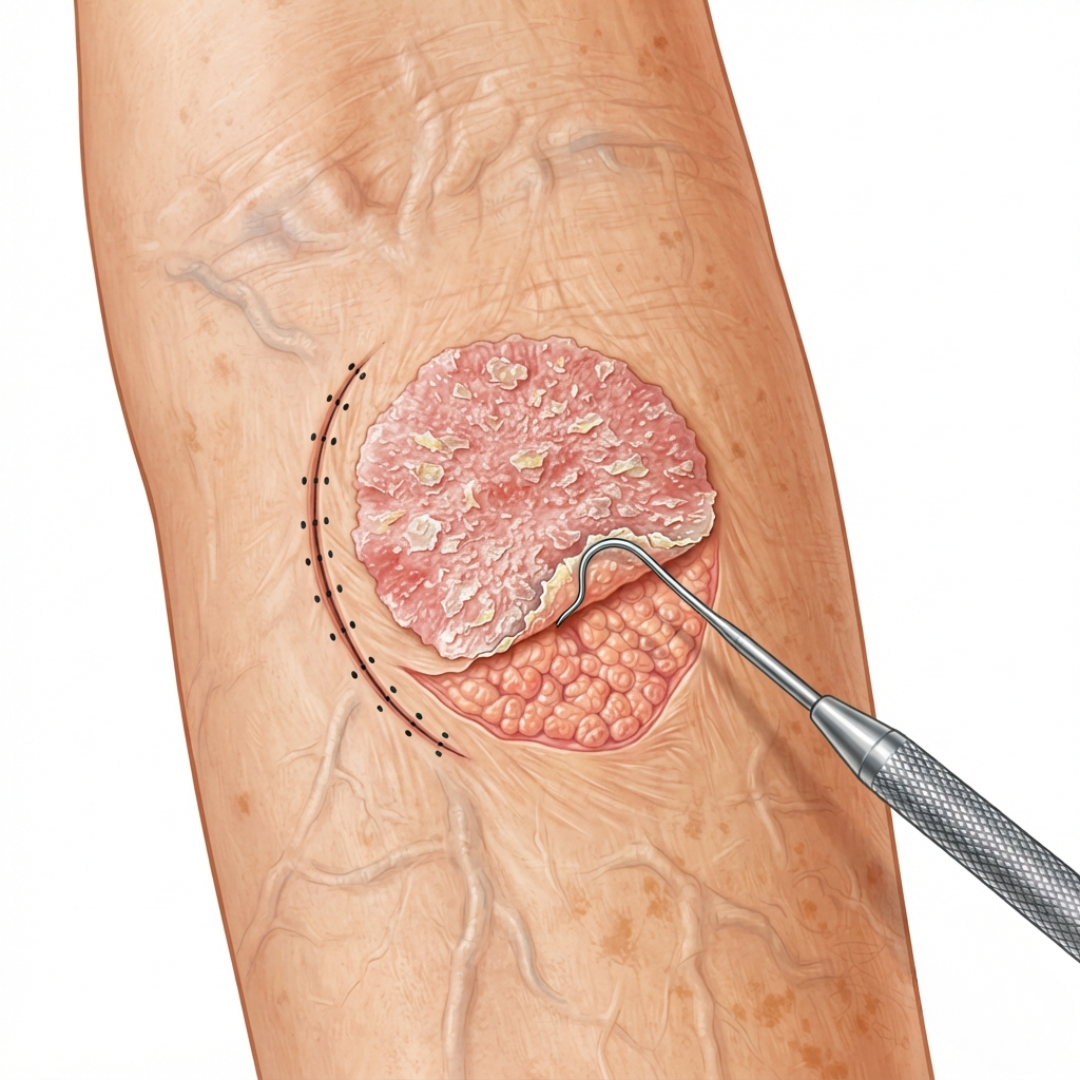
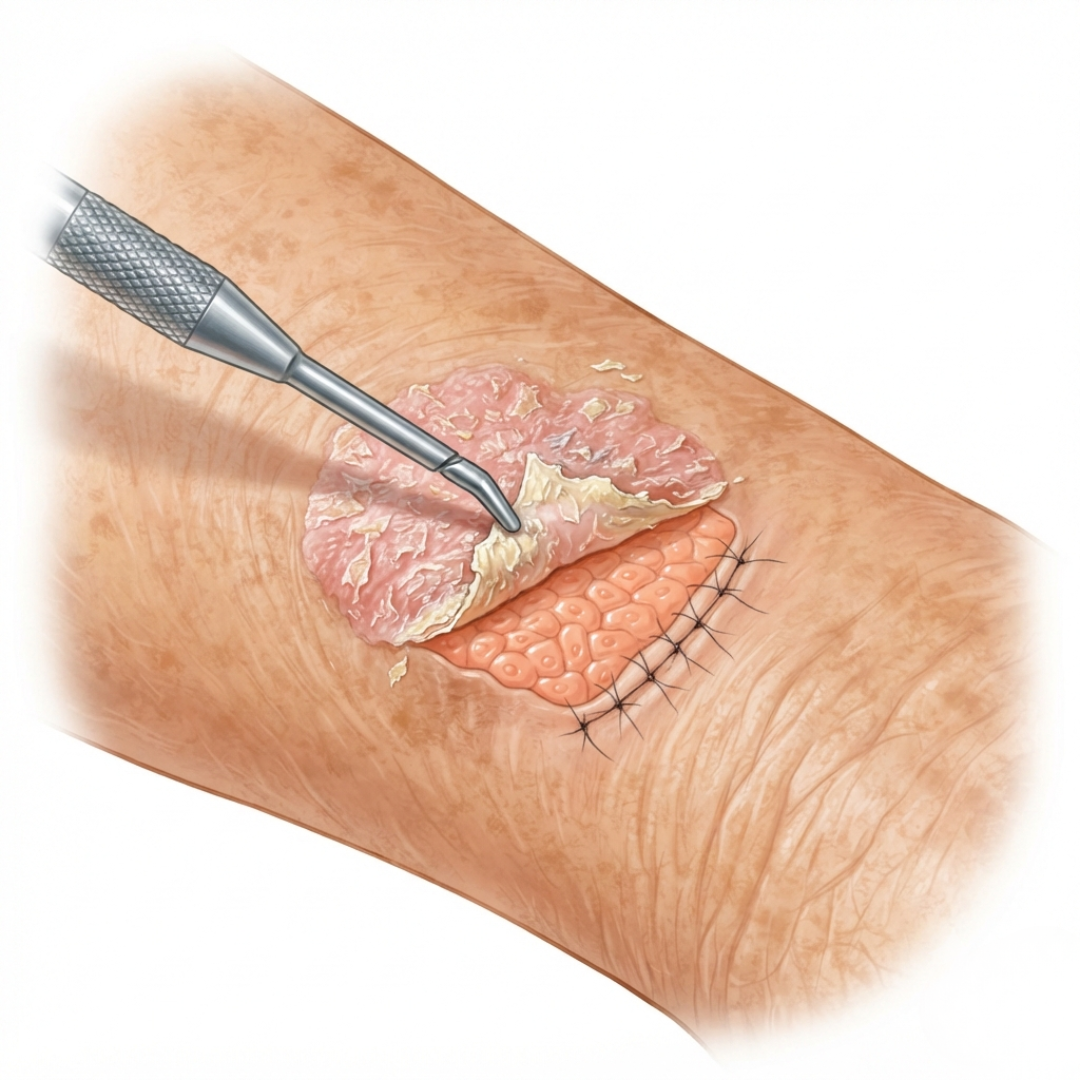
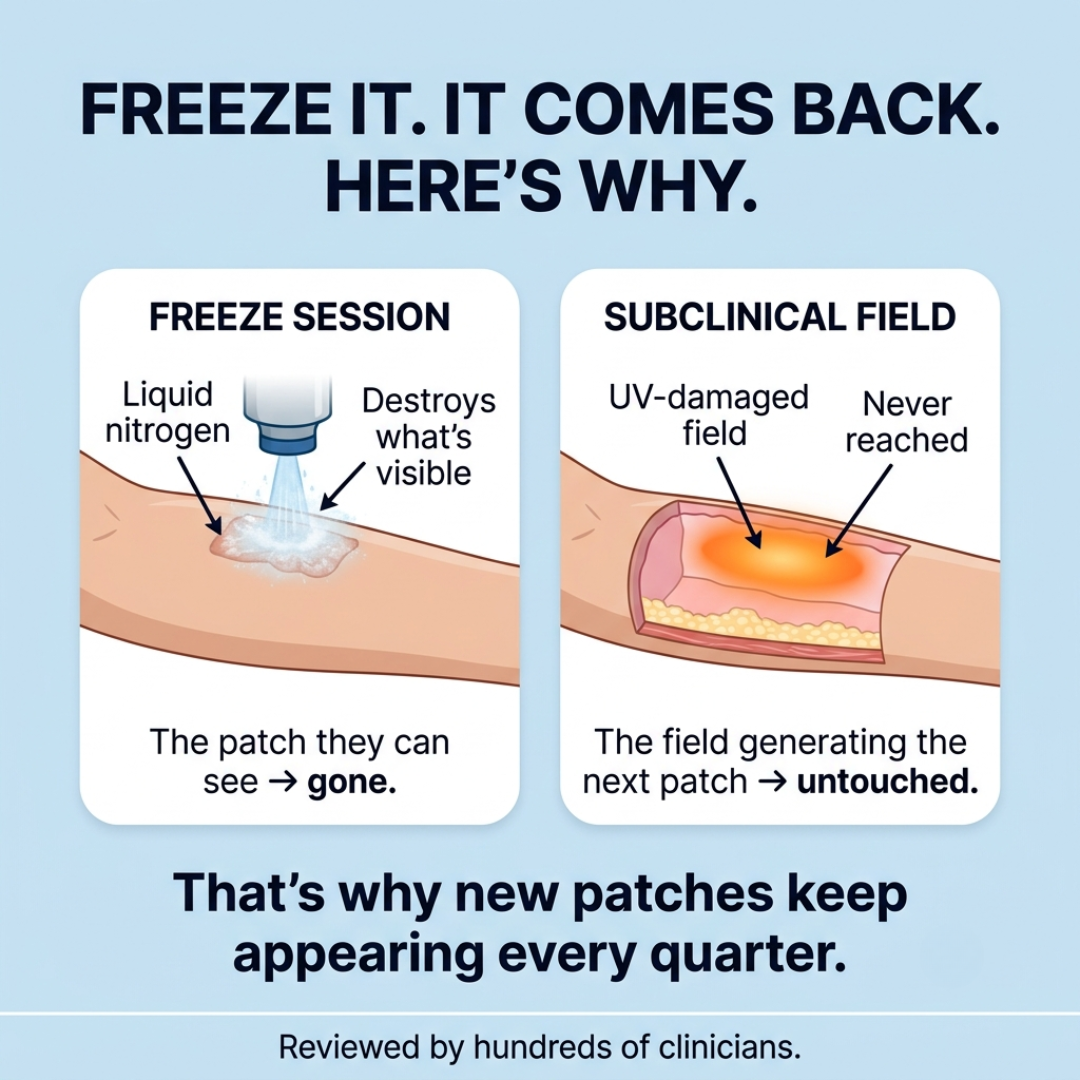
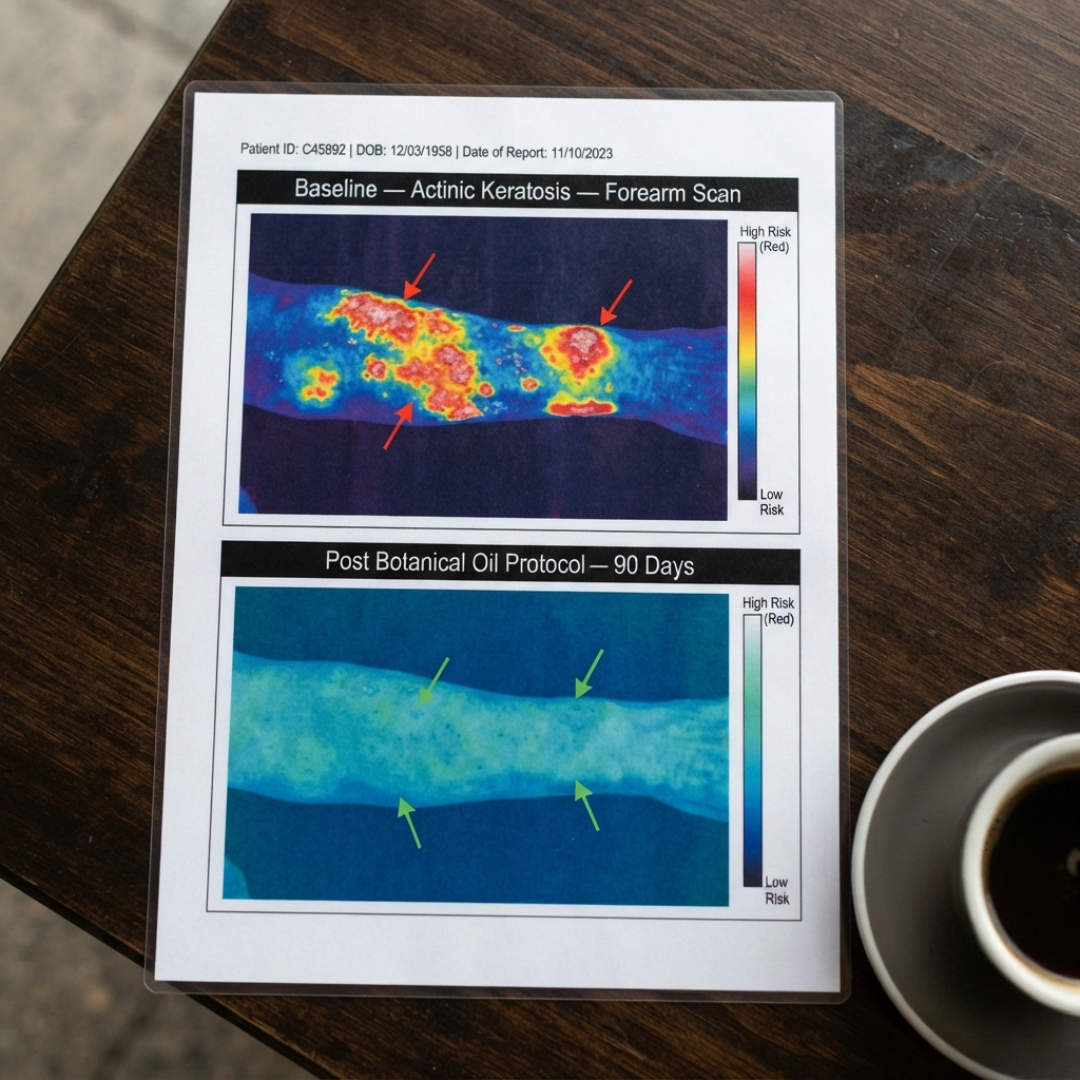
If you've had actinic keratosis for 5, 10, 15 years and every dermatologist told you "we'll just keep freezing them as they come, there's nothing more we can do"... I need to tell you about what was sitting in the research the whole time. Because by the end of this, three things are going to make sense for the first time. One — why nothing you've tried in the last decade has touched the actinic keratosis. Not the cryotherapy. Not the prescription creams. Not the five-thousand-dollar photodynamic therapy sessions they offered you that probably wouldn't have lasted either. Two — why your dermatologist told you "we'll just keep monitoring and treating them one by one" without ever telling you what was actually causing new patches to keep forming in the first place. Three — why two botanical compounds that have been in clinical research for decades do what no freezing or burning ever could. Let me tell you what happened with my friend Dorothy, because her story is probably going to sound familiar to you. --- For fourteen years, Dorothy lived with something that terrified her every single day. She was 56 when she noticed the first one. A long summer in Scottsdale, a rough scaly patch appeared on her left forearm — sandpaper-textured, slightly pink. She thought it would clear up on its own in a few weeks once summer ended. It never did. Dorothy is 70 now. She's been a wife for 44 years and a grandmother for 7. She's the one who used to spend every Saturday morning in her garden, bare-armed in the Arizona sun, tending her roses the whole time. The garden hasn't been touched in four summers. For over a decade, she's lived with what she calls "the dread." She says it's not like a wound or a bruise. It's the knowing. Rough patches on her arms. Her hands. Her chest. Her shoulders. Every dermatologist appointment, the same question: "Has this one changed? Is this one getting thicker?" Every new patch, the same terror. Because actinic keratosis is precancerous. And every single spot on her body is a spot that could turn into squamous cell carcinoma. 24/7. Day and night. Worst in the shower — which means the worst moment of her entire day is the moment she runs her hands over her skin and feels another rough patch that wasn't there last month. She hasn't gone a single week without checking her skin in fourteen years. By morning, she's already examining. Standing in the bathroom running her fingers over her arms and chest, exhausted from the anxiety, circling new patches with a pen so she can show the dermatologist... Our 7-year-old granddaughter asked her once: "Why does your skin feel like sandpaper, Grandma?" Dorothy told her it was from the sun. She's not going to tell a 7-year-old that her grandmother goes to sleep every night wondering which of those patches is going to become cancer. --- And Dorothy did everything you're supposed to do. First: cryotherapy. Every visit to the dermatologist over the years. Liquid nitrogen. Freezing spots one at a time. She went in religiously every three months. The dermatologist said it would "take care of the spots as they appear." They froze one spot. But three more showed up by the next appointment. The moment one healed, another rough patch appeared somewhere else... She used fluorouracil cream next. 5-FU. Efudex. The topical chemotherapy they prescribe for field treatment. Her face and arms turned raw and red for six weeks. Blistered. Crusted. She couldn't leave the house. Each course was more brutal than the last, and every time the skin healed, new patches started forming within months. She did the diclofenac gel protocol for almost a year. Applied Solaraze twice a day, every day. The dermatologist said it would work more gently. Twelve months of discipline. The patches barely flinched. Then: photodynamic therapy. Five thousand dollars worth of appointments and light treatments just to cover her arms and chest. They told her multiple sessions, $3,000 per round, results vary. Her insurance covered part of it. We still couldn't believe the bill. And the research showed a significant percentage of lesions recurred within a year anyway. Then came the supplements and natural remedies. Green tea extract. Niacinamide. Vitamin B3. Zinc. Selenium. Prescription-strength retinoid cream that dried her skin until it cracked. Astragalus capsules for six months on a naturopath's recommendation. It was over eleven thousand dollars in all of that... --- But it wasn't just the actinic keratosis. It was the silence between us. Dorothy stopped going to her garden club. Stopped visiting her daughter in California. Stopped wearing anything sleeveless — even in Arizona heat. I'd find her in the bathroom in the morning running her fingers over her arms with a magnifying mirror, telling me she was just checking. I'd sit there watching my best friend disappear in slow motion. And the doctors had nothing left to offer except more freezing, more burning, more waiting. --- Dorothy's last appointment was with a new specialist. A Mohs surgeon this time. The surgeon looked at everything and said the words she'd already heard a hundred times. "Actinic keratoses are precancerous. We can't cure the underlying field damage. The best we can offer is ongoing surveillance and treatment as they appear." "Have you considered that this is just part of aging with fair skin in the Southwest?" I watched Dorothy do something I'd never seen her do in all the years I've known her. She laughed in the doctor's face. Stood up. Said thank you. And walked out. I drove us home. She didn't say a word the whole way. --- I'd promised Dorothy that after that day I was going to do everything I could to find a way to help her... That night I sat at the kitchen table and started reading. Not the same garbage we'd read for fourteen years. Real research. Published papers. I found a body of research from dermatological scientists who'd spent over a decade mapping the cellular pathways in chronic UV damage patients — tracing the damage not at the surface, but deep underneath, back to where it actually originates. And for the first time in fourteen years, somebody had a framework that actually explained what was happening inside Dorothy's skin. Here's how it works: When Dorothy's sun damage became chronic, it wasn't because her skin was just "rough on top." It was because decades of UV exposure had created cumulative DNA damage in the keratinocytes — the primary cells in the epidermis — far deeper than the surface. Damaged cells deep beneath the visible patches had lost the ability to shed and renew normally. They were stuck — piling up, forming rough keratotic patches on the surface. Not because of what was ON her skin. Because of a disrupted cell turnover signal BENEATH it. A field of UV-damaged cells across the entire sun-exposed area. Her skin was producing these rough patches not because of one bad sunburn — but because of what dermatologists call field cancerization. An entire field of invisible damage underneath, sending visible patches to the surface one after another. The patches Dorothy feels on her arms aren't isolated problems. They're surface signals from a field of damage that runs deep. Which is why freezing one spot doesn't stop the next one from forming two inches away. OK. But then came the question nobody had answered in fourteen years: If every person with chronic sun exposure has some degree of UV damage, why do some people live with one or two spots and others — like Dorothy — end up with arms and chest covered in patches that keep multiplying year after year? The answer is the depth of the field damage. Specifically, the extent to which the damaged keratinocytes have accumulated in the deeper epidermal layers. This field damage is the invisible foundation that keeps generating new patches no matter how many you freeze or burn off at the surface. In people with mild sun damage, the turnover is slow but the skin keeps up somewhat. A spot here, a spot there. In people like Dorothy — decades of Arizona sun, years of harsh treatments that disrupted her skin's natural repair cycle, an epidermis that kept getting more damaged — the field deepens year after year. The damage becomes entrenched. Without resetting the cell turnover cycle in the deeper layers, nothing stops the field from sending new patches to the surface. The damage stays. The signal keeps firing. The patches keep appearing. And in summer especially. Because UV exposure ramps up and the damaged cells accelerate. The patches that stabilized a little over winter come roaring back the moment the sun hits her skin... --- Because the researchers weren't just studying WHY it happens. They were studying how you reset the cell turnover cycle and address the field damage at its source. The traditional way — from cryotherapy to $5,000 photodynamic therapy — is just one path. And it only works at the surface, where the patches appear. Not deeper, where the field damage lives. There's another path. A path that's been documented in clinical research for decades, and nobody thought to put it in actinic keratosis patients' hands. Two botanical compounds. Bakuchiol — a plant-based retinol that resets the skin's cell turnover cycle without the brutal irritation of prescription retinoids. And oil-soluble vitamin C — the only form of vitamin C that can actually penetrate past the stratum corneum into the deeper epidermal layers. Bakuchiol has been studied in dermatological research since the early 2000s. Skin scientists reference it. Cell biology researchers publish on it. It's in the journals. In the literature. Bakuchiol is the only plant compound shown to reset the cell turnover cycle in photodamaged skin — accelerating the shedding of damaged, stuck keratinocytes and their replacement with healthy new cells. It doesn't just smooth what's on the surface — it addresses the turnover signal first. Once the cycle resets, the skin starts clearing the damaged cells on its own. A study showed bakuchiol matched prescription retinol at improving photodamage and cell turnover — with zero irritation. And oil-soluble vitamin C — unlike every water-based serum on the shelf — actually crosses the lipid barrier. It reaches the deeper epidermal layers. The exact zone where the field damage accumulates. Not by burning the surface like 5-FU. By supporting the skin's own cellular repair in the specific layers where the damage lives. A clinical study showed oil-soluble vitamin C reduced photodamage markers significantly more than water-based formulations. The same UV damage that $5,000 photodynamic therapy tries to blast away at the surface — these compounds address at the source. --- When I figured this out, every single thing Dorothy had been through suddenly made sense. And I was furious. Because now I understood exactly why nothing had worked. Cryotherapy was never going to stop the actinic keratosis. Cryotherapy freezes one spot at a time. It doesn't touch the field of damage underneath generating new patches every month. 5-FU was destruction at the surface with brutal inflammation as a side effect. Each course ravaged the very skin the sun damage was already breaking down. The diclofenac gel was a surface anti-inflammatory. Like putting a bandage on a cracked dam — it slowed the visible leak but did nothing about the structural failure underneath. The retinoid creams attempted cell turnover acceleration but were so harsh they destroyed the skin barrier in the process. Trading one kind of damage for another. Even the "we'll keep monitoring them" advice from every doctor wasn't malice. It was the doctor saying out loud what his medical training had taught him: there's no cream, no protocol I can prescribe that resets the field damage in the deeper layers. Nobody had ever connected the pathway. Cumulative UV damage in deep epidermis → disrupted keratinocyte turnover → field cancerization → surface patches that keep multiplying. The research had been in the journals the whole time. Nobody thought to hand it to actinic keratosis patients. --- So I kept reading. And the more I read, the clearer one thing became. The fix wasn't another freezing session. It wasn't another $5,000 light treatment. It wasn't another doctor. It was bakuchiol and oil-soluble vitamin C in a pure botanical oil base, applied directly to the skin, designed to penetrate past the surface where every other treatment stops. I told Dorothy over coffee: "I want you to try a botanical body oil for the patches." She looked at me like I'd just asked her to rub crystals on her arms. "Honey. There's nothing to do, the doctor already said." I got it. She was honestly tired of empty promises after fourteen years... I didn't have a good answer, but I kept looking for the right formula to try. --- The first ones I found on Amazon looked wrong. Generic body oils with mineral oil bases — petroleum derivatives, not botanicals. No bakuchiol listed. No oil-soluble vitamin C. Bad reviews from women who'd been rubbing glorified baby oil on sun-damaged skin... Until I found a company called Dermiqua. Dermiqua makes a Sun Damage Repair Body Oil with 16 cold-pressed botanicals — including bakuchiol at active concentration and oil-soluble vitamin C that actually crosses the lipid barrier. Paired with sea buckthorn oil for Omega-7 barrier repair and camellia oil for deep-layer penetration. 16 active botanicals. Zero water. Zero filler. A pure oil formula designed to penetrate all seven skin layers. Not a cream. Not a serum. Not water-based. Applied morning and evening, aimed at the deeper layers where actinic keratosis actually starts. And they offer a full 90-day refund. That's what got Dorothy to let me order it for her. --- It arrived three days later. She pulled out the bottle. Looked at the oil. Looked at me. "This isn't even a cream?" "That's the whole point," I said. "The damage is deep in your skin. Not on the surface." She applied the oil after her shower that first evening. Nothing happened immediately. I wasn't expecting it to. But the next morning, Dorothy woke up and her face changed. It wasn't results. Not yet. Just… something. She looked at her arms. The patches were still there. But her skin felt different. The roughness had softened. Like something had actually penetrated instead of sitting on top. She stood in front of the mirror for a minute with her eyes closed. Then she said: "It's not gone. But it's smoother." The sandpaper texture she used to feel every morning when she ran her fingers over her forearms — she said it was still there. Just not as sharp. The first time she'd said the word "smoother" about her skin in fourteen years. --- That night, she ran her hand over her forearm and didn't wince. Doesn't sound like much. Don't say that to a woman who hasn't touched her own arms without flinching in over a decade... She called me at 7AM, not panicking, not circling new spots with a pen. Just quiet. She just kept saying "I forgot what this felt like." I'd never heard her say that in all the years I've known her. --- Day three. She applied the oil after her morning shower. By afternoon, the roughest patch on her left forearm — noticeably softer. Smoother under her fingertips. Day five. Morning and evening application. The sandpaper texture on her chest had visibly calmed. Day eight. She called her daughter in California. First time she didn't bring up the AK or the next dermatologist appointment. They talked for forty minutes. Day twelve. Met up with a friend she'd been canceling on for months for lunch. Came home happy. Wore a short-sleeve blouse for the first time in as long as I could remember. Week three. She went back to her garden — something she'd stopped doing because she was too afraid of more sun exposure and too embarrassed by her arms. I cried in the kitchen. --- Two months in. She still applies the oil twice a day. The actinic keratosis didn't vanish overnight, and they make that very clear. I'm not telling you this is magic. What I'm telling you is the patches started softening. Enough that the roughest spots on her arms went from sandpaper to smooth. Enough that new patches stopped appearing every month. Enough that she calls her daughter without the conversation turning to cancer anxiety. Enough that she went back to her garden three weekends in a row with her sleeves rolled up. Enough for me to have my best friend back. And the cost was forty-four dollars and ninety-five cents. After she'd spent eleven thousand on everything else that didn't work. --- What happened with Dorothy isn't a miracle. Her skin isn't flawless. Fourteen years of UV damage leave marks. The history is still there. But the rough patches softened. The new ones stopped appearing. The texture improvement is real — some weeks bigger, others smaller. That's all she ever wanted... --- I'm not telling you everyone responds the same way Dorothy did. What I am telling you is this: If you've had actinic keratosis for 5, 10, 15 years — if you've been to every dermatologist and they've all told you "we'll just keep freezing them" — if you've burned thousands of dollars on cryotherapy and creams and light treatments and nothing has stopped new patches from forming... There's a very high chance that nobody ever told you about the deep-layer field damage and the two botanical compounds that actually reach it. And the cruelest part is that the research has been in dermatological journals for over twenty years. And nobody thought to put it in patients' hands. A $14 billion skincare industry selling water-based products that can't get past the first layer of skin. Dorothy noticed within the first few days. Some women take a week. Others take longer. And Dermiqua gives you 90 days to find out without losing the money. So, if this is your life right now: You feel rough, scaly patches on your hands or arms or chest every time you touch your skin, and you can barely remember what smooth skin feels like. You've lost count of how many spots your dermatologist has frozen off, only to find new ones forming weeks later. You've spent thousands on cryotherapy, prescription creams, light treatments, and the patches are exactly where they were — or worse. You haven't stopped worrying about which patch might turn into something worse — and the anxiety never lets up. It doesn't have to be. The link to Dermiqua Sun Damage Repair Body Oil is in the button below. $44.95. 90-day money-back guarantee, no hassle. Use it for three months. Applied morning and evening. That's it. No harsh chemicals. No painful freezing sessions. Just 16 botanicals aimed at the deeper skin layers where actinic keratosis actually starts. If your patches don't start softening, send back even the empty bottle. But honestly, I don't think you'll need to return it. Dorothy already ordered the 3-bottle bundle. She said she wasn't going to be without it. This woman who almost didn't try it in the first place. Link in the button below 👇 https://dermiqua.com/pages/actinic-keratosis
Like this ad? Make it yours.
Crush rebuilds this exact creative around your product — your brand, your colors, your offer — in about a minute.