
Inactive· since Jul 1, 2026
- 31
- days it ran
- 2
- relaunches
Ad copy
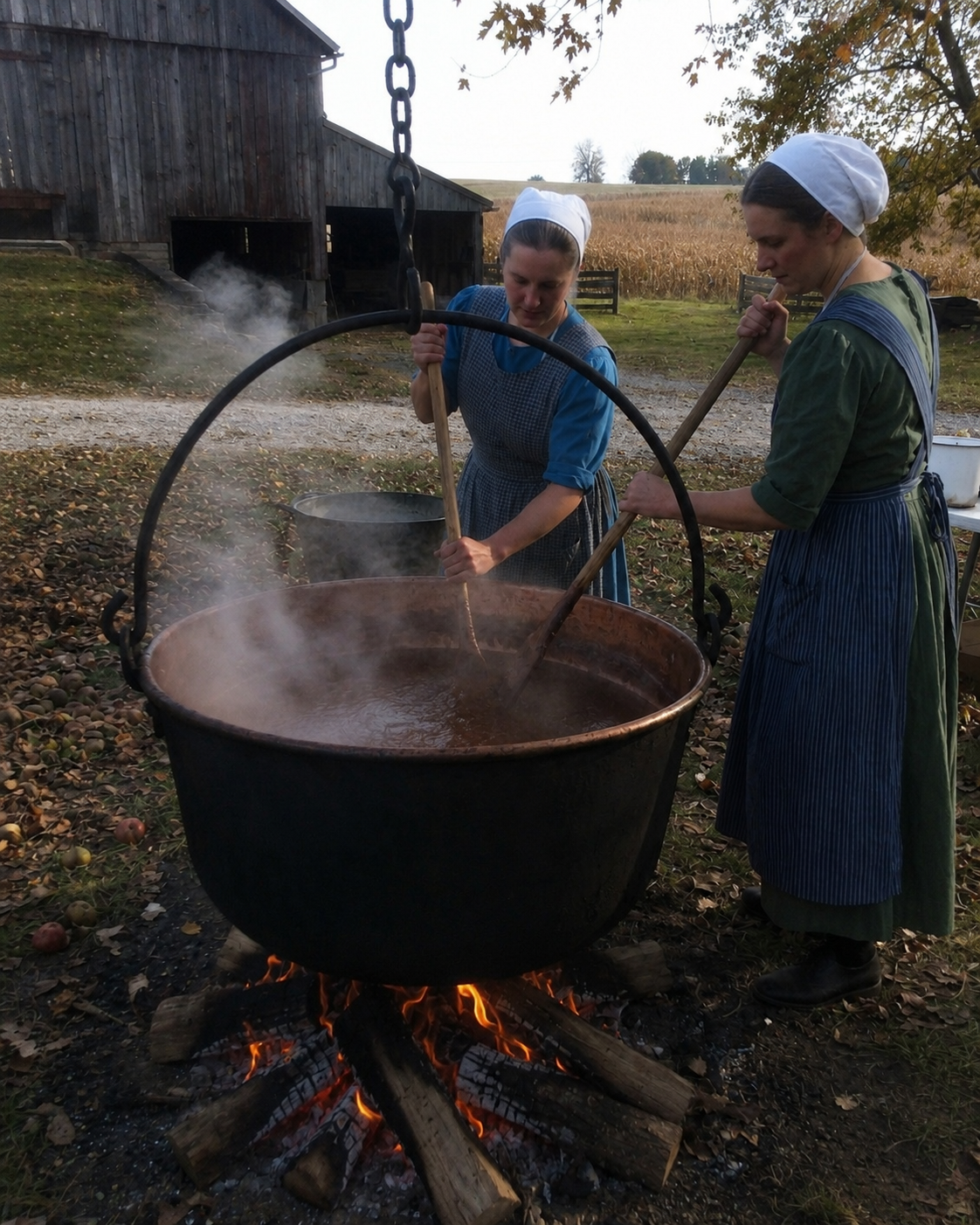
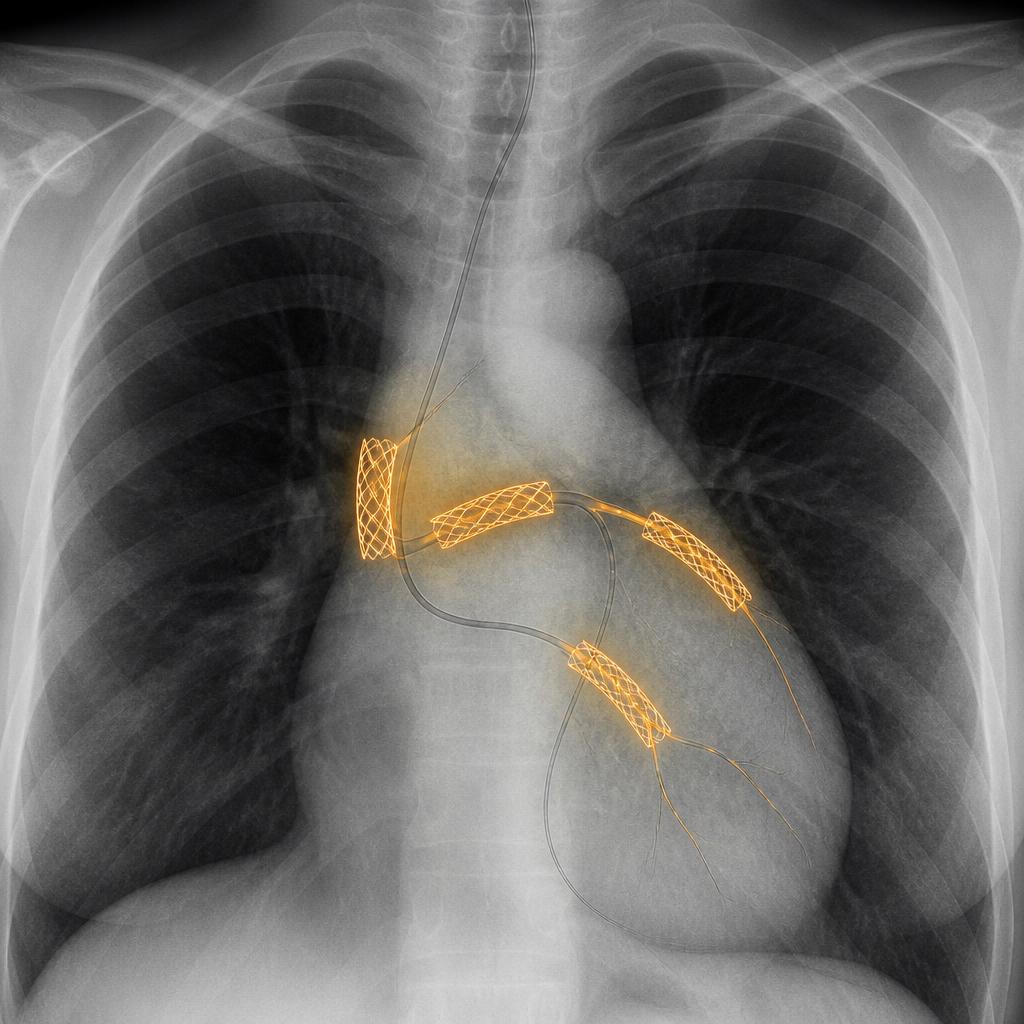
My husband started taking statins on June, 2024. Took his 40mg Lipitor every morning at 7 AM without fail. Took the fish oil pills he ordered off Amazon. Cancelled his Friday night steak dinner at Mancino's. Quit eggs entirely. Went on the Mediterranean diet. Walked three miles a day. Started eating oatmeal every morning, of all things. He did everything the doctor told him. He died of a massive heart attack on October 25th at 5:23 AM. He was 61 years old. Started his statin on June 11th. Quit red meat the same day. Ate nothing that wasn't approved. Lost 19 pounds. Walked three miles a day, rain or shine. The hospital bill was $74,000. The funeral was $12,400. His cast iron skillet is still hanging above the stove. I can't take it down. If I take it down, he's really gone. His pill organizer is still on the windowsill above the sink. I can't empty it. The Saturday slot is still full. He died at 5:23 AM — before the 7 AM pill that was supposed to save him. Sunday through Friday are empty — six doses of the Lipitor that didn't. If I empty it, he's really gone. I need to tell you what happened to Richard. Because I'm seeing the same posts on Facebook that I was making just months before he died — "my husband's doctor put him on a statin, any tips to bring his cholesterol down naturally?" — and it makes me physically ill. If you're over 50 and your cholesterol numbers are elevated, or someone you love's are, please read this entire thing. I know it's long. I know you're scrolling. I know you have things to do. Fifteen months ago I would have given anything — everything — for someone to tell me what I'm about to tell you. Richard went in for routine bloodwork on June 28th, 2024. He felt fine. Better than fine. He'd just turned 60. He still hunted deer every November. He still rebuilt the engine in his '72 Chevy on Saturdays. He thought he was indestructible and honestly so did I. Two days later his doctor called. LDL of 187. Total cholesterol of 264. "Your LDL is very elevated, Richard. We need to talk about your diet. And I'm putting you on a statin today." Richard was quiet on the call. I was in the kitchen pretending not to listen. "How much red meat do you eat?" "Steak a couple nights a week. Bacon and eggs with breakfast on Sundays. Maybe a ribeye when we go out." "That's enough to do this. You need to cut out the red meat and the eggs. Completely. No exceptions. I'm prescribing 40mg of atorvastatin. One pill every morning. We'll retest in three months." Richard hung up the phone and sat at the kitchen table for forty minutes without saying anything. Then he stood up, walked out to the garage, and emptied the chest freezer. I watched him bag up a $90 ribeye from Snake River Farms. A $60 tomahawk from the butcher. A $40 New York strip. Two coolers of venison from his November hunt — all of it loaded into the bed of his truck and driven down to the food bank. The whole freezer — gone in under an hour. "That's it," he said. "I'm done." And he was. He picked up the Lipitor from the CVS on Reynolds Road that afternoon. Took the first pill at 7 AM the next morning with a glass of water. Set the bottle on the kitchen windowsill where he'd see it every day. I bought him a Sunday-through-Saturday pill organizer and started filling it every weekend. Two weeks in, Dale told him over the fence that his cardiologist had him on fish oil for his own cholesterol. Richard ordered a bottle off Amazon that night. Added it to the pill organizer the next Sunday. For 103 days, he didn't touch a bite of red meat. He didn't miss a single pill. No steak. No bacon. No eggs. Not at his nephew's wedding in August. Not at the Browns game in September. Not at his own 61st birthday dinner in October where his brother ordered the porterhouse right in front of him and Richard ate the grilled chicken breast. I threw out 38 years of recipes. I learned to cook things I'd never made in my life — lentil stew, baked tilapia, quinoa bowls with kale. I'd stand at the stove at 6 PM watching him push the food around his plate and pretend it was fine. I ate the same dinners he did. If he had to give up everything he loved, I wasn't going to sit across from him with a ribeye on my plate. He stopped going to Dale's Wednesday night cookouts because he couldn't sit there eating a side salad while everyone else ate ribeyes. I stopped going too. I lost my Thursday night dinners with the girls at the country club because I couldn't stand the look on Richard's face when I came home full and he'd been eating salad. He lost his buddy Mike, who told him "you're no fun anymore" and stopped inviting him. He skipped his annual deer hunting trip to the cabin with his brother for the first time in 30 years. He lost a piece of himself he'd been carrying for 35 years. And he did it anyway. Because the doctor said to. He'd started complaining that his legs ached at night — a deep, bone-tired ache that wouldn't go away no matter how much he stretched. I'd lie next to him listening to him shift his weight from one side to the other, trying to find a position that didn't hurt. He was tired in a way sleep didn't touch. Asleep in his chair before the news was over. Taking the stairs one at a time. I'd watch him grip the banister and pull himself up step by step, and I'd remember the man who used to take them two at a time. His hands had started to feel different too. He'd pick up his coffee cup and his grip would slip, just for a second. Twice he dropped his car keys in the driveway and stood there looking at them like he wasn't sure how they'd gotten there. I picked them up both times and pretended I hadn't noticed. The doctor said it was probably just from the walking. From getting older. From the lifestyle changes catching up with him. The follow-up labs came back on October 9th. LDL: 178. Total cholesterol: 251. I was the one who opened the patient portal. I read the numbers three times because I thought I was misreading them. He'd been on the statin AND cut out red meat entirely for 90 days and the numbers had barely moved. The doctor said "some patients don't respond well to atorvastatin at this dose. We'll double you to 80mg and retest in 6 months. Keep doing what you're doing." Richard came home that night and sat at the kitchen table again. The same table he'd sat at after the first call. He didn't say anything for a long time. Then he said: "I gave up the steak. I'm taking the pills. The numbers won't budge." I told him to give it time. I told him the doctor said six months. I told him to trust the process. He nodded. He kept walking. He kept eating the salads. He kept taking the Lipitor. Five days later — five days — he woke up at 2 AM with chest pain that dropped him to the kitchen floor. I drove him to the ER doing 80 in a 35, with my hand on his chest the whole way to make sure he was still breathing. By the time they admitted him at 3:47 AM, his lips were gray. Not "a little pale." Gray. Like wet cement. Like the blood had stopped reaching them. I sat in the waiting room for an hour and forty minutes. I called our daughter at 4:12 AM and couldn't get the words out. I just kept saying "something's wrong, something's wrong." The vinyl chair stuck to the back of my legs. The ER cardiologist — a young guy, couldn't have been 35 — looked at Richard's bloodwork and his face did this thing. "Mr. Baker, your troponin is 47. That means a chunk of your heart muscle is dying right now. Your LDL is 178 — exactly where it was five days ago. Your arteries have been filling with damaged plaque for years, and one of them just ruptured. We're taking you up to cardiac ICU now." "But I've been doing everything," Richard said. The cardiologist just looked at him. "I know, Mr. Baker. I'm sorry." Richard spent 11 days in the cardiac ICU. I learned things about the heart I never wanted to know. I learned that when a heart attack hits like Richard's did, the oxygen stops reaching your brain for whole minutes at a time. They call it hypoxic encephalopathy. It means your husband stops being your husband. He looks at you like he's trying to remember who you are. He says things that don't connect. On day 6, Richard asked me three times in twenty minutes if he was going to be late for his shift at the plant. He retired from the plant in 2018. By day 4, they had to put soft white mitts on his hands. He kept reaching for the ventilator tube in his sleep — pulling at it, fighting it, unconscious but determined to get it out. The nurses tied the mitts to the bed rails with cloth straps. I sat next to him for hours watching his fingers work inside them, trying to grip something that wasn't there. Those hands had rebuilt a '72 Chevy engine from scratch. Now they were tied to a hospital bed. I learned that they were pumping him full of something called CoQ10 — through the IV, around the clock. The nurse told me CoQ10 is what every muscle in your body uses to fire. The heart most of all. Without it, the heart muscle can't pump properly. She said the statins Richard had been taking for the last four months had been draining it out of him the whole time. She said by the time you have a heart attack on a statin, the tank is empty. It bought him 11 days. Day 8, his heart wasn't pumping hard enough to keep the rest of him alive. The doctors talked about an LVAD — a machine that does the pumping for you. Then they talked about him not being a candidate because of how fast he was declining. Then they stopped talking about machines altogether. Day 10, his lungs filled up with fluid. They had to drain 2 liters out of his chest with a needle. Two liters. The nurse called it pulmonary edema. I called our daughter. By day 10 I hadn't slept in my own bed in eight nights. I was eating crackers from the vending machine and drinking the coffee from the family room urn that tasted like it had been sitting since the day before. I stopped looking at myself in the bathroom mirror. I'd lost eleven pounds in nine days. My sister flew in from Cincinnati and tried to make me go home for an hour. I wouldn't go. If I left and something happened, I'd never forgive myself. Day 11 — October 25th — I was in the family room down the hall. They'd asked me to step out while they intubated him. The chair I'd been sleeping in was still warm. There was a cardigan I'd left over the arm of it. I remember thinking I should fold it. At 5:14 AM I heard the long beep. I didn't move. I sat there listening to it not stop. Nine minutes. I counted them on the wall clock. I knew before anyone came. I knew the second the beep didn't end. At 5:23 AM, a doctor I'd never seen walked into the family room. "I'm so sorry. We did everything we could." I drove home at 7 AM. The air fryer was still on the counter. His walking shoes were by the back door. The pill bottles were lined up on the windowsill above the sink — the Lipitor, the fish oil, the multivitamin. His cast iron skillet was still hanging above the stove. His pill organizer was still on the windowsill. Saturday full. Sunday through Friday empty. Where it sits today. I sat in his recliner. I didn't move for six hours. The house was so quiet I could hear the refrigerator hum. 38 years. And now the only sound in my house was the refrigerator. The funeral was November 1st. Richard's brother flew in from Phoenix. Our daughter drove up from Columbus. The grandkids wore suits that were too big for them. My five-year-old granddaughter asked me: "Grammy, when is Pop-Pop coming home?" I told her Pop-Pop was in heaven now. She said: "Can we call him there?" I had to walk out of the room. After the funeral, I tried to go back to normal. I couldn't. Because every time I opened my phone I saw people my age, men Richard's age, posting things like "doctor put my husband on Lipitor, anyone tried bringing cholesterol down naturally?" or "annual checkup, slightly high LDL, no big deal." And I knew — I KNEW — some of them were doing exactly what Richard did. Taking the statin. Quitting red meat. Walking. Eating salads. Taking the fish oil. And dying anyway. I couldn't just sit there and watch it happen. So I started researching. Not because I wanted to. Because I had to. Because if Richard gave up everything for nothing — if I can't save even one person from what happened to him — then I can't live with that. I read for weeks. Medical papers I barely understood. Cardiology forums. Studies out of Japan and Germany. And one thing kept coming up, over and over, that no doctor ever told us: Everybody watches one number. Your LDL. The doctor watches it, you watch it, the whole protocol is built around getting it down. Drive it down far enough and they tell you you're protected. But that number was never the thing that hurts you. Cholesterol isn't poison. Your body makes it on purpose. You'd die without it. It only turns dangerous when it gets damaged. Oxidized. You ever cut an apple and leave it on the counter? Comes back brown. That's the air getting at it. That's oxidation. Same thing happens to the cholesterol in your blood. It goes rancid. And the rancid cholesterol turns sticky. It works its way into the wall of the artery and packs in, year after year, building up into hard little deposits called plaque. Then one day a piece of that buildup tears open, and the artery jams shut. That's the heart attack. Not the amount of cholesterol floating around. The oxidized stuff, embedding in the walls. The damage. I read it three times. I sat at the kitchen table with the laptop open at 2 AM and read it three times. And here's the part that made me sit up straight: The pill Richard took every morning for the last four months of his life lowered the number on the chart. It did exactly what it was built to do. What it did NOT do — what nothing the doctor gave him could do — was stop the oxidation. The damage was going the whole time, right where nobody was looking. Richard's heart wasn't killed by his LDL. His LDL was 178 the day he died — the same as five days before, even on the doubled dose. The number wasn't the threat. The damage was. Read that again. His heart attack wasn't caused by the cholesterol floating in his blood. It was caused by the rancid, sticky, oxidized version of it that had been embedding in his artery walls for years. The statin never touched it. It couldn't. And then I read the part that broke me. The way the statin drives that number down is it shuts off a switch in your body. That switch doesn't only make cholesterol. It makes something called CoQ10. CoQ10 is the spark. It's what every muscle in your body uses to turn fuel into motion. The hands. The legs. The heart, most of all. You can have a full tank of fuel — if there's no spark, nothing fires. Like a mower with a dead plug. Just sits there. The leg aches Richard had been complaining about for three months. The tiredness sleep wouldn't fix. The fingers that wouldn't grip the way they used to. That wasn't aging. That wasn't "probably from the walking." That was the pill draining the spark out of every muscle in his body. The heart muscle most of all. They call it a side effect. It's not a side effect. It's the pill doing exactly what it was built to do. And here's why none of it saved him: the statin lowered the number it was supposed to lower. It did nothing about the oxidation that was actually killing him. And it drained the one thing his heart needed to fight back. He gave up everything he loved to lower a number that was never the threat. While the medicine that was supposed to protect him was burning through what was left of his heart. I sat with that for three days. I didn't know what to do with what I'd just read. So I did the only thing I could think of — I bought a new bottle of the fish oil Richard had been on. Because his cardiologist's neighbor had been on it. Because I'm 59. Because my own labs were borderline at my last physical. Because I was scared. I took it for three weeks. My friend Linda — a cardiologist I'd known since college, who I called because I trusted her — laughed when I told her. "Margaret, fish oil thins your blood a little. That's about it. It does nothing about the oxidation. Nothing about the plaque. It sits on the surface. It doesn't reach the wall of the artery where the real damage is happening." Then she said something I'll never forget: "If Richard had been on something that actually stopped the oxidation without draining what was left of his heart, the picture might have been very different." I stopped breathing for a second. "Why didn't his doctor prescribe that?" She was quiet for a long time. "Because we don't prescribe supplements. We're trained to manage the number, not what's underneath it. Lower the LDL, check the box, see the patient in six months. The version that works isn't a prescription. And no one in my profession is going to be the one to tell you." I went to CVS the next day. I stood in that aisle for forty minutes. Red yeast rice. Plant sterol capsules. Fish oil. CoQ10. Niacin. "Cholesterol support" 30-day programs. Multivitamins with "heart support." And on the bottom shelf, two different bottles of generic beetroot capsules — $16.99, 500mg, the cheap stuff. I bought the cheap beetroot. Took it for two weeks. No changes to my numbers. I started Googling, and that night I read a paper out of Wageningen University in the Netherlands — the agricultural research school. Then a study from the Journal of Agricultural and Food Chemistry on what happens to the active compound during processing. What I found made me throw the bottle in the trash. The beetroot in those bottles isn't the beetroot the research is on. The modern grocery-store beet has been bred for a hundred years to be bigger, sweeter, easier to ship. And every time you breed a beet for sugar, you breed the antioxidant down. The pigment that does the actual work in your bloodstream — they call it betalain, the deep red one that stains everything — has been bred almost out of it. The beet that used to be medicine became candy. Then the supplement companies take that already-weakened beet and spray-dry it at high heat to turn it into powder for the capsule. Heat destroys the betalain. You can boil a beet at home until it goes grey — same thing happens in the factory. By the time it's sitting on the CVS shelf in a $16.99 bottle, there's almost nothing in it. Red dust. Dead before the cap was sealed. I had been doing the right thing in the wrong form. Worse than the wrong form. The wrong everything. I was furious. I'm still furious. About a week later I was scrolling a Facebook group for women whose husbands are on statins, or who are on statins themselves — full of people like I was. "Just got the bad labs" people. "Doctor wants to put me on Lipitor" people. "Has anyone tried bringing it down naturally" people. A woman posted something that stopped me cold. She said her husband had been put on Lipitor at 58. He took it for two years. His LDL came down on the chart to 142, but the leg pain got so bad he couldn't sleep, his energy was gone, and his cardiologist still wanted to double his dose — sound familiar? — and then she found a heirloom beetroot capsule. Not the grocery-store kind. An old strain from a small Amish farm, dried in the shade instead of heat-blasted, with the original betalain packed in at twenty times the dose of anything on a CVS shelf. She added it to what he was already taking. His LDL went from 142 to 98 in ten weeks. His leg pain was gone in three weeks. His energy came back. After ten weeks, his cardiologist said he could come off the Lipitor and just stay on the beetroot. His next set of labs — Lipitor-free — came back at 105. Without going back on the statin. Without doing anything else different. I read that post six times. I started looking into the formula she mentioned. And what I learned is that there are five things a serious cholesterol support has to do at the same time, or it's a waste of your money: It has to neutralize the oxidation — the rancid, sticky version of LDL that's actually attacking your artery walls. That's betalain. The deep red pigment in the beet. It's not just an antioxidant. Most antioxidants are like spraying weed killer on your whole lawn — they wipe out every free radical in your body, even the ones you need to fight off infection. Betalain is targeted. It only goes after the specific free radicals that turn your cholesterol rancid, and leaves the rest alone. It has to actually get inside the cholesterol particle, into the wall of the artery, where the oxidation is happening. Most antioxidants sit on the surface of the bloodstream and never reach the damage. Betalain crosses into the LDL particle and into the artery wall and neutralizes the rancid cholesterol at the source. It has to leave the CoQ10 alone. Has to do its job without draining the spark every muscle in your body needs to fire. The statin can't do this. The statin can't stop the oxidation without taking the spark with it. Betalain stops the oxidation and leaves the spark exactly where it is. It has to be the original strain of beet. Not the grocery-store version that's been bred for sugar for a hundred years. There's one heirloom variety the Amish in Lancaster County, Pennsylvania never let go of — Blutwurzel, which means "blood root" in German. They've been saving the seed by hand for over 150 years. The betalain content is ten to twenty times what's in a modern beet. And it has to be shade-dried after the first frost. Not spray-dried, not heat-processed, not anything that destroys the betalain. The original way. The slow way. The way that preserves the active compound the entire process is supposed to deliver. Five things. All five. At the same time. From one bottle. I went through every product I'd looked at in CVS. Not one of them did all five. Most did one. The expensive ones did two. None of them were heirloom Blutwurzel. None of them were shade-dried. Every one of them was the same commodity beet ground into red dust. So I went back to the Facebook post and messaged the woman. She sent me the name. That's when I found Rosabella. It was the only formula I could find that hit all five. Heirloom Blutwurzel beetroot, the actual seed line the Amish in Lancaster County have been growing for 150 years. Shade-dried after the first frost, the original way, never heated. 1,300mg per capsule — twenty times what's in the $16.99 bottle I threw out. Two capsules in the morning with a glass of water. Made in an FDA-registered facility in Ohio. Independent lab tested. 90-day money-back guarantee — if your numbers don't improve, you get every penny back, no questions asked. I almost didn't order it. After the CVS aisle. After the fish oil. After Richard. After everything. But I had a brother in Phoenix who was being told the same thing Richard had been told. I had a son-in-law in Columbus with "borderline" labs. I had myself. I ordered it. My brother Tom. Came back from a routine appointment with an LDL of 184. Doctor wanted to put him on a statin. He refused — said he'd watched Richard take it for four months and end up in a casket, and he wasn't going down that road. Didn't know what else to do. I sent him a bottle. I didn't ask. I just sent it. Wrote a note that said "If you don't take this every day I will never speak to you again, Tom, I mean it." He took it. He kept eating red meat — he wouldn't quit, he's stubborn the way Richard was stubborn — but he took it every morning. He went back to his doctor four weeks ago for a follow-up. LDL: 128. Down from 184. In ten weeks. He hadn't stopped eating red meat. He hadn't started a statin. He hadn't changed his diet. He hadn't started exercising. The only thing he changed was the two capsules he took every morning. He called me crying. My brother. 57 years old. Crying on the phone like a kid. He said: "Margaret, I think Richard died because nobody told him about this." I had to hang up. Then there's my son-in-law. 44, two kids, borderline cholesterol at his last physical. Started taking it six weeks ago. He says his afternoon energy is back. He says the shortness of breath he'd been getting climbing the stairs at work — the one his doctor said was "probably just from getting older" — is gone. My neighbor Diane. Her husband died of a stroke four months before Richard. Two widows on the same street. She started taking it two days after I told her. She says it's the first time since he died that she doesn't feel like she's waiting for a phone call. I told my sister in Cincinnati. I told my daughter in Columbus. I told the girls in my Thursday night dinner group at the country club. I told Dale and the guys at his Wednesday cookouts when I went over to drop off a casserole. I'm not a doctor. I'm not a scientist. I'm not selling anything and I don't get a penny from any of this. I'm a 59-year-old widow sitting in my dead husband's chair at 2 in the morning because I can't sleep and I can't stop thinking about my brother Tom — 57 years old, in Phoenix, refusing the statin his doctor wants to put him on — and whether he's going to end up where Richard ended up. Here's what I know because I lived it: The statin lowered the number on the chart. It didn't touch the oxidation that was actually killing him. And it burned through the spark his heart needed to fight back. Quitting red meat slowed the damage going forward. It didn't repair the years of damage already inside him. Fish oil thins the blood a little. It sits on the surface. It doesn't reach the wall of the artery where the real damage is happening. Most beetroot on the shelf is the wrong beet, heat-blasted into red dust. The pigment that does the work — betalain — is mostly gone before the bottle is sealed. Richard gave up everything he loved for 103 days and it didn't save him because nobody told him what was actually broken. I wish someone had told us before June 28th, 2024. Before the routine bloodwork. Before the chest freezer in the garage. Before the 103 days of grilled chicken breast. Before October 25th at 5:23 AM. I can't go back. Richard can't come back. His pill organizer is still on the windowsill and it's going to stay there. But you can still go forward. Your husband can. Your brother can. You can. Here's where I got it. Not the number. The damage. That's the line that finally made it click for me. I want you to go order a bottle. Not for me. For whoever you'd leave behind. https://track.tryrosabella.com/bfcb877b-9f52-4175-9be6-9bc1a89ce3a8 Richard used to say: "You can't put rust back in the can, but you can stop it from spreading." You can stop it from spreading. — Margaret Baker, age 59 Toledo, OH P.S. The pill organizer is still on the windowsill. Saturday full. Sunday through Friday empty. Every morning I walk past it and for one second I forget. For one second I think he's about to head out to the garage to work on the Chevy. He's not. $74,000 in hospital bills. $12,400 for the funeral. 103 days of him giving up everything he loved for nothing. And a bottle that costs less than what he used to spend on a single steak dinner at Mancino's — a bottle his own cardiologist friend told me could have changed everything if we'd known. Please. Don't end up here. Don't let someone you love end up here. https://track.tryrosabella.com/bfcb877b-9f52-4175-9be6-9bc1a89ce3a8 P.P.S. I don't work for Rosabella. I don't get a penny from this. I'm writing this at 2:14 AM because I can't sleep and Richard's side of the bed is cold and my brother Tom is 57 and stubborn and refusing the statin his doctor wants to put him on and I'm scared every time the phone rings. Share this with anyone you love whose cholesterol is elevated. Even a little. Even if their doctor says "borderline." Even if they're already on a statin. Please. P.P.P.S. If your husband is already on a statin and his numbers look fine, please don't close this page. Richard's LDL was 178 the day he died. His doctor would have called that an acceptable number on the medication. The number was never the threat. The damage was. The heirloom beetroot works on the damage. It works alongside the statin. It works after the statin. Tom's wife told me the first thing she noticed in her husband was the leg pain easing within ten days — and he'd been on Lipitor for six years before he started. You haven't missed the window. The window opens the day you start. P.P.P.P.S. If you're reading this and thinking "he'd never go for it" — I want you to hear me. I didn't argue with Tom. I sent him a bottle with a note that said if he didn't take it I'd never speak to him again, and he took it because he loved me. He didn't believe a word of it on day one. He believed it ten weeks later when the labs came back. You don't have to win the argument before you ask him to start. You just have to get the bottle in the house. P.P.P.P.P.S. One last thing, because I know what it is to be afraid to hope again. There's a 90-day money-back guarantee tied to his actual bloodwork. If his numbers haven't moved in three months, you send the empty bottles back and they refund every penny — no questions, no fight, no fine print. Three months is one round of labs. You can know in one round of labs whether this is real for him the way it was real for Tom. That's all I'm asking. One round. Don't let three months go by without it being in the house. https://track.tryrosabella.com/bfcb877b-9f52-4175-9be6-9bc1a89ce3a8 P.P.P.P.P.P.S. One more thing. It's not on Amazon. It's not on eBay. The Lancaster County family only ships through the one website, and there are already knockoffs out there using the name on the cheap stuff. Order it from the link below or you're back in the red dust aisle. https://track.tryrosabella.com/bfcb877b-9f52-4175-9be6-9bc1a89ce3a8
Support stamina and heart health every day
LEARN MORELike this ad? Make it yours.
Crush rebuilds this exact creative around your product — your brand, your colors, your offer — in about a minute.