Leslie Hosmer
 Facebook ad: “Support stamina and heart health every day”
Running for 23 days since October 16, 2026. Crush last saw it on November 8, 2026.
Run by Leslie Hosmer on Facebook. Crush is not the advertiser and does not verify its claims. See this ad in Meta's Ad Library(opens in a new tab)
Make your own version of this ad
Crush makes it, launches it in your own Meta ad account, scales the winners and pauses the losers.
About this ad
- Meta Ad Library ID
- 2586626781857884
- Platforms
- Facebook, Instagram, Audience Network, WhatsApp and Threads
- Relaunches
- 1
Ad text
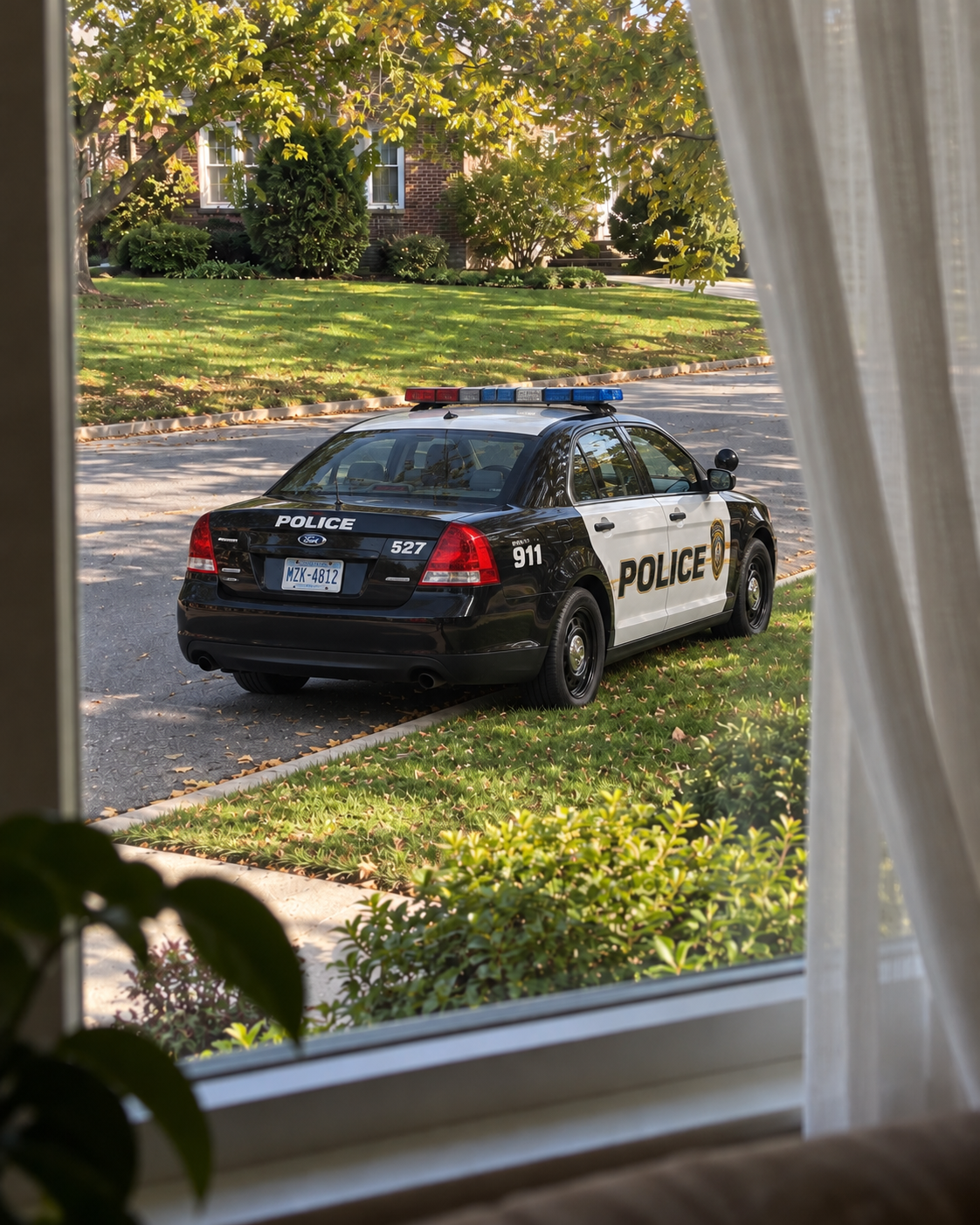
The old man next door called the police on my 16-year-old 3 times in 1 year. Then he fell on his own front steps, and when my son picked him up, the old man grabbed his shirt and said, “Don’t leave.” His name is Earl Pruitt. For 6 years I only knew the second half of that, off his mailbox. I learned the first half off a hospital wristband. I'm 41. I've raised my son by myself since he was 4. I cut hair at a shop 10 minutes from our house. We bought the house next to Mr. Pruitt's when my son was 10. In 6 years I never saw the inside of it. What I saw was him. In the window. On the porch in slippers in March, in slippers in August, in slippers the week it snowed. In the driver's seat of a Buick that left the driveway on Thursdays and no other day. His wife died 3 years ago. I found out from the funeral home sign on the lawn across the street. I made a casserole, walked it over, knocked, and stood on his porch for 4 minutes while he watched me through the curtain and didn't open the door. I left it on the step. The dish came back 2 days later, washed, on my step, with no note. That was the most we'd ever said to each other until the police. The first call was about a basketball. My son got a hoop for his 16th birthday. A real one, with a glass backboard, bolted to a post at the top of our own driveway. He'd shoot after dinner until I made him come in. On a Tuesday in April there was a cruiser in my driveway at 9:20 at night with its lights off, and a young officer on my step asking, very politely, if my son could wrap it up. "Wrap what up?" "There’s been a noise complaint, ma'am." I looked past him. The curtain next door moved. The second call was the car. My son bought a 2009 Civic with the money he made bagging groceries. He was so proud of it he washed it twice the first week. The second week he parked it in front of our house with the 2 right tires about a foot onto Mr. Pruitt's grass. Same cruiser. Same officer. He stood on my porch and apologized to me. He said there's no law against it. He said he had to come when somebody calls. The third call was the bus. There's a bus stop on the corner, and if you cut across the back of Mr. Pruitt's yard you get there in 40 seconds instead of 4 minutes. Every kid on the street has done it for 20 years. My son did it on a Thursday morning in February, in the snow, running late. By the time he got home from school the officer was in my driveway for the third time, and this time he didn't come to my door. He went to Mr. Pruitt's. I watched from the kitchen. I couldn't hear it. I could see it. The officer with his hands up, palms out, the way you talk to somebody who isn't listening. Mr. Pruitt in the doorway in his slippers with his jaw set. The officer told me later, in the driveway, that he'd explained to Mr. Pruitt that he could not keep calling 911 about a teenager walking. My son wanted to egg the house. He had the carton in his hand. I took it out of his hand. "He's an old man," I said. "He's alone. Leave him be." "He called the cops on me 3 times, Mom." "I know." "For walking." "I know." I didn't have anything better than that. I didn't like the man either. I just didn't want my son to be the kind of person who throws eggs at a widower's house, and I told him so, and he went upstairs and slammed his door. My son is 6 foot 1 and 190 pounds and he plays on the line for the high school football team, and he is the gentlest person I have ever known. He cried at a dead bird when he was 14. He still won't let me kill a spider. He had every reason in the world to hate that old man, and I think he did, a little. For about a month. Then March. It was a Tuesday. 7 in the morning. I was in the kitchen packing his lunch and he was upstairs, and I heard something from next door that I can only describe as the sound a bag of groceries makes when you drop it. Then a voice. Not a word. A sound. I went to the window. I couldn't see the steps from my window. I could see the Buick, and the porch, and nothing on the porch. My son was already past me. I didn't hear him come down the stairs. He went out the front door in his socks. I followed him into the yard and stopped where I could see. Mr. Pruitt was on his back on his own front steps. His head was on the second step and his feet were on the walk, and his slippers were off, 1 on the step and 1 in the grass, and he was looking straight up at the sky and making that sound. My son went down on his knees next to him. "Mr. Pruitt. Mr. Pruitt. Don't move. Where does it hurt?" "I can't get up." "I know. I've got you. Can you feel your legs?" "I can't feel my feet." "OK. OK. I'm going to pick you up." "Don't you—" And my son picked him up. It's the thing I'll see for the rest of my life. My 16-year-old got one arm under the knees of the man who called the police on him 3 times, and one arm under his back, and stood up with him like he weighed nothing. And he didn't weigh anything. Through the window for 6 years he'd looked like a big man. In my son's arms he looked like a coat on a hanger. Mr. Pruitt grabbed a fistful of my son's shirt. Not to fight him. To hold on. My son carried him up the 4 steps, through the door I'd never been through, and into a kitchen that smelled like coffee and old newspaper, and set him down on the floor against the cabinets because he didn't know where else was safe. Then he sat down on the floor next to him and he took the old man's hand. I was in the doorway with my phone, giving the address to the 911 operator, and I watched my son hold that man's hand, and I watched that man hold it back. "Don't leave," Mr. Pruitt said. "I'm not going anywhere." "Don't leave." "I'm right here." He said it 4 more times before the ambulance came. Don't leave. And my son said I'm right here 4 more times. The kid he'd called 911 on for walking across his grass. The paramedics asked who was coming with him. Mr. Pruitt didn't answer. I said I was. I followed the ambulance in my car and I called the shop from the parking lot and moved my 9 o'clock and my 10 o'clock, and I sat in a plastic chair in a hallway at the hospital and I didn't know why I was there. I didn't like the man. I just knew that my son had held his hand on a kitchen floor and said I'm right here, and somebody had to make that true. That's where I saw the wristband. They'd cut his sleeve. PRUITT, EARL. 74. Earl. He'd been Mr. Pruitt for 6 years and the curtain and the slippers and the police. He had a first name like anybody. Nothing was broken. That was the first thing the doctor said, and I said good, and started to stand up, and she said sit down. "When they took his shoes off, we found something." There was a sore on the bottom of his left foot. On the ball of it, where you push off when you walk. The size of a quarter. Open. The doctor said it had been there for weeks, maybe longer. "He didn't tell you?" I asked. "He didn't know it was there." I didn't understand that. You can't have an open sore the size of a quarter on the bottom of your foot and not know. She said it’s possible, if you can't feel your foot. She said she'd asked him how long his feet had been numb and he'd said about a year. That he'd been walking on it. That he'd fallen on the steps because his feet hadn't told him where the step was. That he'd been driving a car with feet that couldn't feel the pedals. "He's not gonna be able to drive," she said. "Not until he can feel them. And this needs to be seen at the wound clinic every week until it closes. Who's going to bring him?" I looked at her. "Is there family?" "I don't know." She went and asked him. She came back. "He says nobody." I sat there in that plastic chair. I thought about the casserole on the step. I thought about my son on the kitchen floor saying I'm right here. "I'll bring him," I said. I drove him home that night. 20 minutes, and he didn't say a word, and neither did I. He had a boot on his left foot the size of a loaf of bread and a folder of papers in his lap. I walked him up his own 4 steps with my shoulder under his arm. He went through the door ahead of me. I went in behind him to set the folder on his counter, because he had both hands on the walls, and I set it down and went back to the door. "Thursday," I said at the door. "I'll be out front at 1." He didn't answer. I went home. The first drive to the wound clinic he sat in my passenger seat with the boot and the folder and looked out the window for 20 minutes and said nothing. I didn't push it. I had the radio on low. The wound clinic is on the third floor of the medical building by the mall. They took the boot off, cleaned the sore, measured it with a paper ruler, photographed it, cut away what they had to, and wrapped it back up. 45 minutes. He grunted once. On the drive home he said, "You didn't have to do this." "I know." That was the whole conversation. The second Thursday he talked about the weather. The third Thursday he talked about the Buick, which was a 2012 with 61,000 miles on it that he'd bought the year he retired from the gas company, and which he hadn't driven since the fall, and which he was worried about sitting. "My son can start it," I said. "Drive it around the block." "He'll wreck it." "He won't wreck it." "He parks on the grass." "Earl." It was the first time I'd said his name. He looked at me like I'd slapped him, and then he looked out the window, and then, a mile later, he said, "Fine. Tell him to use the key under the mat." My son drove the Buick around the block on Saturday. He also, without anybody asking him to, took Earl's trash cans up from the curb. I watched from the kitchen. Earl watched from the window. Neither one of them waved. The fourth Thursday is when Earl told me about his wife. I didn't ask. We were stopped at the light by the mall and he just started talking, the way people do when they've had something in their mouth for 3 years and the car is the first place they've been alone with somebody. 46 years. No children. Not for lack of wanting, he said, and that's all he said about that. She'd done the talking for both of them. She'd done the neighbors and the church and the Christmas cards. When she died, all of that died with her, and he found out he didn't know how to do any of it. "I didn't know your name," he said. "6 years. I didn't know your name." "It's fine." "It's not fine. She would have known your name. She would have known your boy's name and what grade he's in and what he wants for Christmas." The light changed. I drove. "My feet burn," he said, a minute later, like it was the same subject. And it was. "At night. Like somebody's holding a match under them. It started 2 years ago. The doctor says it's the diabetes. It's common. It's managed." He said that word the way you'd say a word in a language you didn't speak. "I don't sleep. I haven't slept through a night in 2 years. I sit up in the chair with my feet up on the ottoman and I wait for it to get light." He looked out the window. "A basketball at 9 o'clock at night," he said, "when you haven't slept in 2 years, sounds like somebody hammering on your skull." I didn't say anything. I didn't tell him that was no excuse, because he already knew it, and that's why he was telling me. "I'm sorry about the police," he said to the window. "Tell him," I said. "Not me." He didn't answer. But that Saturday, when my son brought the Buick back around the block, Earl was on the porch, and he said something, and my son said something, and my son came home and said, "He said thank you for the car." "That's it?" "He said thank you for the car and he said he was sorry about calling the cops." There were other things I'd started noticing by then as well, whether I wanted to or not. The slippers. He wore slippers because shoes hurt. Not the bottoms of his feet. The tops, where the shoe touched. He said it felt like the skin was sunburned. The stamping. On the Thursdays I came to get him, I'd be at the door and I'd hear him inside before he opened it. Stamp. Stamp. Stamp. He told me later he did it every morning when he got out of bed, pressing his feet into the floor until he trusted them enough to walk on. The hand on the wall. He didn't walk through his house, he walked along it. Hand on the wall, hand on the counter, hand on the back of the chair. The 3 a.m. light. I'd been seeing it for 2 years from my bathroom window and I'd thought he was just an old man who didn't sleep. He was an old man whose feet were on fire. The chair. The ottoman. The feet up. I'd seen every one of these things before. I just hadn't let myself put it together, because the last time I'd seen them, it ended in a cemetery. The sixth Thursday the nurse asked the question. She was the same nurse every week. 50s. Reading glasses on a chain. She'd been the one with the paper ruler the first day, and she had a way of talking to Earl's foot instead of Earl that he seemed to prefer. She unwrapped it, looked at it, measured it, and wrote the number down, and I could see from her face that it was the same number as the week before. "Earl, how long have you been on the Metformin?" "9 years." "And what does your doctor say about your numbers?" "He says they're good. 6.8. He says it's managed." She nodded. She wrote something. And I heard myself say it before I decided to. "My father was on it 12 years." She looked up at me over the glasses. "His doctor said managed too." I hadn't said that sentence out loud in 5 years. I hadn't said it to anyone. But sitting in that plastic chair with Earl's foot between us, that's where I went. It's where I'd been going every Thursday for 6 weeks without admitting it. My father took a pill for his sugar for 12 years. Every morning, with his coffee, next to the coffee maker. Never missed a dose. His doctor checked his numbers every 6 months and every 6 months the number was good. The doctor would smile. My father would smile. They'd shake hands. See you in 6 months. Year 3, he started getting tired. Not normal tired. Bone tired. The man who re-shingled our roof himself the summer I was 12 couldn't mow the lawn without sitting on the porch steps for 20 minutes afterward. I told his doctor. His doctor said it was age. Year 5, the feeling started leaving his feet. He'd get out of bed in the morning and have to stand there, pressing his soles into the floor, waiting until he trusted them enough to walk. Then his hands. He'd wake up and run hot water over his fists trying to get them to open. The doctor said it was neuropathy. "Common with the diabetes." That was the word he used. Common. Manageable. Year 8, the fog. He'd start a sentence and lose the end of it. He'd walk into a room and stand there. He forgot our neighbor's name, a man he'd known for 30 years. I thought it was dementia. I was terrified. His doctor said "age-related cognitive changes." Not the disease. Not the sugar. Always age. Year 10, the slippers. Shoes hurt the tops of his feet. He said the skin felt sunburned. Year 11, the chair at night, with his feet up on a pillow, because they burned. Year 12, a sore on the bottom of his left foot that he never felt start, because by then he couldn't feel his foot at all. It didn't heal. A second one came on the same leg. The infection got into his blood. They took his foot at 66. His number was still good the week they took it. He died at 69, 2 winters later, before the spring. My son was 11. He'd had a grandfather for 11 years and I'd had a father for 36, and the whole time, the number was good. I watched my father disappear in pieces. First his energy. Then his feet. Then his hands. Then his mind. Then his foot. Then him. And at every single appointment, the doctor smiled and shook his hand. I never asked why. I accepted it. Bad luck. Genetics. These things happen. That's what the doctor said. That's what everybody said. That's what the world says when a man dies of the thing the medication was supposed to manage. And now I was sitting in a wound clinic looking at a sore on the bottom of a 74-year-old man's left foot, the size of a quarter, that he never felt start. Early was in year 9 of his suffering. He was 3 years behind my father. The nurse had stopped writing. She set her pen down on the tray and she looked at Earl's foot for a long moment, and then she looked at the door, which was closed, and then she looked at me. "I'm not supposed to say this here," she said. Earl said, "Then don't." She looked at him for a second. Then she turned her chair so she was facing me, and not him, because he'd made it clear he wasn't going to listen. "Do you want to know what's really going on?" she said. "Why your father lost his foot with a good number? Why Earl has a hole in his that won't close with a good number?" I nodded. I couldn't have said anything if I'd tried. I'm going to give it to you the way she gave it to me, in her words where I can remember them and in mine where I can't. She said the pill most diabetics take, Metformin, lowers a number. That's what it does. It goes to the liver and tells it to release less sugar into the blood, so the reading drops and the chart looks clean. The doctor is happy. But the number wasn't the problem. The problem is what happens behind the scenes. "Something burning the arteries from the inside," she said. When there's too much sugar in the blood, year after year, it floods the lining of your blood vessels and your nerves with what she called free radicals. And they burn. The most destructive thing a body can do to itself, and it was going on inside my father the whole time, under a number that looked fine. She picked up Earl's foot. "Think of the nerve in this foot like an electrical wire," she said. "It's got a coating on it, like the rubber on a lamp cord. The burning is like acid eating through that coating. Once the coating's gone, the wire can't carry a signal." That's the numb feet. That's the hands that can't open. That's the sore he never felt, because the nerve that was supposed to tell him was already dead. "The acid was eating through the coating," she said, "and the pill was watching a number while it happened." And the burning does something else nobody ever told my father. It reaches the cells in the pancreas, the ones that make the insulin. The same fire eating the nerves was eating the machinery his body needed to manage sugar on its own. Every year the fire burned, his body got a little worse at the job the pill was supposed to be helping with. "The medication kept the score," she said. "But the house was on fire." And it wasn't just the nerves and the pancreas. She said the same burning was scarring the lining of his blood vessels. The small ones. The ones whose whole job is to carry sugar out of the blood and into the cells that need it. Every time my father ate a meal, sugar came into his blood the way it does for everyone. That part is normal. What's supposed to happen next is the body clears it. Moves it out of the blood and into the cells for energy. But the fire had scarred those vessels, the pipes that do the moving. They'd stiffened. Lost their give. And the sugar lingered after every meal instead of clearing. And the longer it lingered, the more it burned. The more it burned, the stiffer the pipes got. The stiffer the pipes got, the longer the next meal's sugar lingered. "Everyone was trying to reduce how much sugar went in," she said. "Nobody was fixing the system that moves sugar out." The pill reduced how much sugar went in. It never fixed the system that was supposed to move it out. And here's the part that made me put my hand over my mouth. Those pipes open on a signal. The body makes it. It's the instruction that tells the walls to relax and let the blood, and the sugar it's carrying, get where it's going. The fire had burned that signal out. The one thing that could have carried the sugar where it needed to go was gone, and in 12 years of appointments, nobody ever looked. "They tested his number every 6 months," she said. "Nobody ever once tested whether his body still had what it needed to move the sugar on its own." I asked her how she knew all this. Because I needed to know she wasn't guessing. "My husband," she said. He was diagnosed 7 years ago. Metformin. His doctor said the same word. Managed. In year 4, his feet started going. The stamping in the morning. The burning at night. The slippers. "I'm a wound nurse," she said. "I've unwrapped 1,000 feet. I knew where it ended." She said she tried everything first. Cinnamon capsules. Berberine. Chromium. The blood sugar support bottles off the pharmacy shelf. Every single one of them chasing the same thing the pill chased, the number, and not one of them going anywhere near the fire. Then she found the thing that does. "He's at home right now," she said. "He's 68. He mows his own grass. He hasn't taken Metformin in 3 years. His doctor can't explain it and has stopped trying." Earl said, "Found what." It was the first thing he'd said in 10 minutes. She looked at him. She looked at the door again. "A beet," she said. "A beet," I said. "The deep red in a beet," she said. "The color. The stain that won't come off your hands when you cut one. There's a name for it. Betalains." She said that stain is one of the most powerful fire-fighters anyone has ever measured. It hunts one kind of damage, the exact burning that floods the vessels and eats the coating on the nerves, and neutralizes it, while leaving everything else in the body alone. "Most things people call antioxidants are like setting off a bomb in your own house to kill a mouse," she said. "This one only kills what's killing you." That's the first job. It puts the fire out. For my father, that would have meant the acid stops eating the wire. The coating stops disappearing. The feet stop going quiet. "And it carries something else," she said. "Nitrates. The body turns them into the exact signal the fire burned out. The instruction that tells the pipes to open." That's the second job. It gives the signal back. And when the pipes open, the sugar clears after a meal the way it's supposed to, instead of lingering and burning. 2 jobs. 1 root. Put out the fire, and turn the signal back on. "Not forcing the number down," she said. "Fixing why it stayed up." Earl said, "I've got a doctor." "I know you do." "He says it's managed." "I know he does." She wrapped his foot. She did it carefully, the way she always did, and when she was done she stood up and put her hand on the door and said one more thing, to me. "It has to be red. If it's brown, it's dead. Don't tell anyone I said any of this." And that was all she gave us that day. She didn't hand me a brand. She didn't hand me a list. She told me a beet, she told me red, and she opened the door. In the car, Earl said, "I'm not taking a beet." "I didn't ask you to." "I've been on that pill 9 years." "I know." "My doctor's a good doctor." "My father's was too." He didn't say anything the rest of the way home. I didn't either. I'd said more than I meant to. 3 weeks went by. He didn't bring it up. I didn't bring it up. I drove him on Thursdays, the nurse unwrapped the foot and measured it and wrapped it back up, and she didn't say the word beet again, and neither did I. She'd said her piece. She'd put her job on the line to say it. It wasn't going to be said twice. My son kept taking the cans up. Earl started coming out on the porch to watch him do it. Then he started saying something when he did it. Then, one Saturday, he came out with 2 cans of Coke and they sat on the top step and drank them, and I don't know what they talked about, and I didn't ask. The ninth Thursday, the wound doctor came in. She didn't usually. The nurse did the visits. The doctor came in when something was wrong. She unwrapped the foot herself. She looked at it a long time. She pressed around the edge of it with a gloved finger and asked Earl if he could feel that, and he said no, and she asked again a little further up and he said no, and she asked a third time at the ankle and he said a little. "Earl, this isn't closing," she said. "It's been 9 weeks. It's the same size it was the day you came in. That means it's not getting the blood it needs to heal." She said the next sentence to the chart. "If it goes any deeper, we're talking about the bone. And once it's in the bone, we're having a different conversation." I knew what the different conversation was. I'd had it, 5 years ago, in a room that looked exactly like this one, about a foot that looked exactly like this one. Earl said, "What conversation." She looked at him. "Let's just get it to close." We drove home. He didn't talk. I didn't talk. I walked him up his 4 steps and he went in ahead of me and I set his folder on the counter next to the orange bottle, the way I'd done 9 times, and I turned around to go, and he was sitting at his kitchen table with his hands flat on it. "Your father," he said. I stopped. "The sore. On his foot. How long between the sore and the—" He didn't finish it. "8 months," I said. He looked at his hands on the table. "And he was on the pill the whole time." "Every morning." "And the number was good." "The number was good the week they took it, Earl." He sat there. I could hear the clock over his stove. I stood in his kitchen doorway with my keys in my hand and I waited, because I understood that whatever he said next was going to be the hardest thing he'd said out loud in 3 years. "Order the beet thing," he said. I ordered it on my phone, at his kitchen table, that night. I did it wrong, and the nurse had told me enough that I should have known better. I typed "beet capsules" into Amazon. I found a bottle for $22 with 4 and a half stars and 2,000 reviews. I read 6 of the reviews. I ordered it. It took 4 minutes. Red, I thought. She said red. It's a beet. It's red. The capsules came in 3 days. Small. Light. I brought them over and set them on his counter next to the orange bottle, and Earl looked at them the way you'd look at a dead mouse, and then he swallowed 1 with his coffee in front of me because he'd said he would. He took it the next morning. Nothing. The next morning. Nothing. A week. Nothing. No change in the feet. No change at night. He was still in the chair at 3 a.m. with his feet up. On Thursday the nurse measured the sore and it was the same number. He took those capsules for 2 and a half weeks. Every morning. Waiting for the thing the nurse's husband had felt. It never came. "It's a beet," Earl said, on the Thursday drive, not unkindly. “What did you expect?” That night I sat at my own kitchen table with the bottle in front of me, and I kept thinking back to the conversation with Earl’s wound nurse. “It has to be red.” she had sed. “If it's brown, it's dead.” I'd never opened one. It hadn't occurred to me. They were beet capsules. Why would you open a beet capsule. I got a white saucer out of the cupboard. I twisted one open over it. Brown. Not red. Not anything close to red. A dull, flat, brick-brown powder, like something you'd sweep up. I put a drop of water on it and it just sat there and turned to mud. I sat and looked at that saucer for a long time. Then I turned the bottle around and read the label, which I'd never done either. "Beet root powder." That's all it said about what was in it. 500 milligrams, in something called a "proprietary blend." No lab report. No strain. Nothing. I'd bought a bottle of brown dust on 4 and a half stars and I'd handed it to a 74-year-old man with a hole in his foot and told him it was the thing. The next Thursday I waited until she'd wrapped the foot and Earl had gone out to the hallway with his boot, and I held up the bottle. "I opened one," I said. "It was brown." She took the bottle out of my hand, looked at the label, and handed it back without reading past the first line. "Of course it was." She pulled a wound-care instruction sheet off the pad on the counter, turned it over, and wrote on the back of it, standing up, fast, the way nurses write. Then she folded it twice and handed it to me. "Don't skip any of these," she said. "I mean that. My husband skipped 3 of them the first time and got exactly what you got." I read it in the car in the parking lot while Earl waited. It laid out 5 things a beet has to pass before you can trust it's the real one and not the brown dust I'd already bought. In her words, in the order she wrote them. One. It has to be the heirloom strain. The Blutwurzel beet. Not the grocery beet. They bred the medicine out of that one a century ago to make it sweet. The old strain carries close to 10 times the betalains, and 10 times the nitrates, of the common one. Two. Shade-dried, never heat-processed. Both compounds are fragile and heat tears them apart. If it's been spray-dried or cooked, it's dead before it reaches you. And you can see it. Real betalains are deep crimson. Cook them and they go a dull brown. Twist a capsule open. If it's brown, it's dust, and it will do nothing. Three. At least 1,300 milligrams a capsule. That's the dose in the studies that worked. Most sell you a fraction and hope you don't check. Four. A Certificate of Analysis. A real lab tested a real batch and published exactly what's in it. The betalain content, the purity, the metals. If they won't show you what's in it, don't buy it. Five. Don't trust the reviews. Trust the lab results. I went down it line by line with the Amazon bottle in my lap, and it failed before I reached the bottom. "Beet root powder." No strain. The sugar-bred grocery beet. Number 1, failed. Brown. Heat-killed before it ever reached us. Number 2, failed the moment I looked at the saucer. 500 milligrams where she'd written 1,300, and even that buried in a blend. Number 3, failed. No certificate of analysis anywhere on the label or the listing. Number 4, failed. And I'd bought the whole thing on 4 and a half stars, which was number 5. Failed. Failed. Failed. Failed. Failed. I'd given a man with a hole in his foot 2 and a half weeks of brown dust a nurse had already told me, at the door, wouldn't work. Because I'd heard "red" and I'd heard "beet" and I'd thought that was the same thing. I threw the Amazon bottle in the trash can outside the medical building. Then I did what I should have done the first night. I sat at my kitchen table with her list and I went through every beetroot product I could find online, one by one, checking each against her 5 lines. Grocery-strain powders. The common beet, bred for sugar. Failed number 1. Anything spray-dried or heat-processed. Dead before the bottle was sealed. Failed number 2. Cheap capsules. Most sold you 500 milligrams, sometimes less, hidden in a blend. Failed number 3. Brands that wouldn't publish a lab result. No way to know what was in them. Failed number 4. I was crossing off everything. Then I found one that passed all 5. Rosabella. Heirloom Blutwurzel beetroot. The old strain, the one nobody ever bred the medicine out of. Number 1. Grown by Amish families in Lancaster County, hand-harvested after the first frost and shade-dried at low temperature, so the betalains and the nitrates reach the capsule deep crimson and alive instead of cooked to dust. Number 2. 1,300 milligrams a capsule. The exact dose on her list. Number 3: A certificate of analysis published right on their site. The betalain content, the purity, the heavy-metal screening, all of it third-party tested and posted for anyone to read. Numbers 4 and 5. Every line on her list. Check. Check. Check. Check. Check. And the nitrates. Right there alongside the betalains, in every capsule. The signal. The one thing my father's body had been starved of for 12 years while the pill managed a number. I walked it over to Earl's kitchen with my phone and showed him the list and the page, line by line, the way I'm showing you. He read the whole thing. He read the lab report. He's a gas company man. He likes a document. Then he got up, walked along the wall to the drawer by the phone, took out a folded wad of bills, counted off what it cost, and set the cash on the table in front of me. "I'm not having a woman pay for my medicine," he said. I ordered it. It came in 4 days. A plain box. I brought it over on a Tuesday morning and I brought my white saucer with me. I twisted one open over it, at his table, with him watching. Where the Amazon powder had been a dull, dead brown, this was deep crimson. Almost violet. And the second a drop of water touched it, it bled red across the saucer like a fresh cut. A completely different thing, in every way that mattered. Earl looked at the saucer. He looked at the capsule in my hand. He looked at the orange bottle by the coffee maker. "Well," he said. He shook 2 into his palm, took them with a tall glass of water, and sat back down at his kitchen table. I sat across from him. I looked at the clock over his stove, because I wanted to know. 17 minutes. That's when he moved. He'd been sitting the way he always sat, hunched a little, hands flat on the table. And at 17 minutes he sat up. Not a jolt. He just straightened, and he looked at the window, and he looked at me. "Huh," he said. "What." "I don't know. Something." He said later it was like someone adjusted the brightness on a screen he didn't know was dim. A lift. The heaviness behind his eyes, the thing that had been settling over him every afternoon for 2 years, wasn't there. "That's a beet," he said. "That's a beet doing that." That could be placebo, I told myself. But he'd taken the Amazon capsules for 17 days and felt nothing. Not once. This was different. End of week 1, I came by at 4 in the afternoon to check on him. He was at the table, not in the chair. Awake. Reading the paper. Every other time I'd come by at that hour since March, he'd been asleep in that chair. Week 2, in the car, he told me he'd gotten out of bed that morning and his feet were there. "What do you mean, there." "I mean I stood up. I didn't stamp. I just stood up and walked to the bathroom." He said it quietly. He said he'd stood there in the hallway for a minute afterward, trying to figure out what was different, before he realized it was that nothing was. And that same week, I noticed something from my bathroom window at 3 in the morning, which is that there was nothing to notice. His light was off. He'd slept through. For the first time in 2 years, the burning had gone quiet enough that he'd gone to bed instead of the chair, and he'd stayed there. My son bounced the basketball until 9:30 that Friday. Nobody called anybody. Week 3 was the Thursday I'll remember. The nurse unwrapped the foot and she stopped. She got the paper ruler. She measured it twice. She got the photograph from the first day and held it next to his foot. "Earl, this is half the size it was." It had been the same size since March. In 3 weeks it had closed by half. She pressed around the edge with her gloved finger, the way the doctor had, the test he'd failed 3 times. He flinched. She pressed again, a little lower. He flinched again. "You feel that?" "I feel that." She didn't say anything. She just smiled at his foot. And I watched a nurse who'd unwrapped 1,000 feet put her hand over her mouth for a second and then take it away and go back to work. Week 4, his doctor had him in for blood. I drove. I sat in the waiting room. He came out with the printout folded in his shirt pocket and didn't say anything until we were in the car. A1C: 6.1. Down from 6.8. "That's 9 years," he said. "9 years it never moved off 6.8. He said that was good. He said that was managed." Week 8, the full panel. He asked for the tests nobody had ever run on him. The ones that measure the damage. The burning, the inflammation. The nurse had written them on the back of another instruction sheet. A1C: 5.7. Normal range. Fasting glucose: 104. Down from 141. The markers for the burning: normal. And the one you can't argue with. The nerve test. The one that measures whether your feet can still feel. The feeling was back. Not all of it. The doctor said some of it may never come back, because some of the coating had been gone too long. But the foot that couldn't feel a gloved finger at the ankle in May could feel a pin in August. That same week, the sore closed. The nurse unwrapped it and there was nothing to unwrap. Skin. Pink and new and a little shiny, where there'd been a hole the size of a quarter since before March. She measured nothing. She took a photograph anyway. "I'm discharging you," she said. "Don't come back." Earl stood up. He put his hand on the back of the chair, the way he always did, and then he took it off, and he walked to the door without touching anything. At the door he turned around. "Your husband," he said. "Tell him thank you." She nodded. She didn't trust her voice either. The next Thursday there was no clinic. He drove himself to the grocery store instead. The Buick. I sat in the passenger seat because I didn't trust it, and he put his foot on the brake at the first stop sign and held it there, and I watched his face. "I can feel it," he said. "I can feel the pedal." He drove the whole way with both hands on the wheel at 10 and 2 like a kid on his driving test, and he didn't say anything, and neither did I. His regular doctor's appointment was the end of August. His 6-month. I drove. He asked me to come in, which he'd never done, and I understood it wasn't because he needed the ride. His doctor pulled up the chart. Looked at the screen. Looked at Earl. Back at the screen. "Earl." A pause. "What did you do?" "Changed some things." He scrolled. Read the numbers again. His eyebrows pulled together. "Your A1C dropped from 6.8 to 5.7. Your fasting glucose is 104. Your inflammation markers are—" He shook his head. "These are excellent numbers. In 9 years I haven't seen numbers like this from you." He closed the laptop halfway. Leaned forward. "Whatever you're doing, don't stop." "The Metformin?" "I'm taking you off it. Not with these numbers. Not even close." He opened the laptop again. "I'm ordering another panel in 6 months. I want to see if this holds. But Earl, this is remarkable." Earl told him. The beet. The nurse. The list. The saucer. The doctor listened to all of it with his arms crossed. "I don't normally tell my patients to take a beet," he said finally. "I'm not going to start. But it's clearly working, and I'm not going to argue with a 5.7." He didn't endorse it. He didn't say the word supplement. He just shook his head the way a mechanic shakes his head when you bring in a car he expected to be totaled and it runs clean. In the car Earl held the printout in his lap the whole way home. "9 years," he said. "9 years and he never once asked what the sugar was doing to me. He asked what the number was." In September, the school sent home the form. It comes every year, in the fall, for the football parents. Senior Night. The last home game. Every senior walks out onto the field before kickoff with his family while they read his name over the loudspeaker, and there's a line on the form that says ESCORTED BY, and for 3 years, for my son's older teammates, I'd watched mothers fill it in with 2 names, and 4 names, and 6 names. This was his year. He was the senior. The form was on my kitchen counter with 1 name on it. Mine. I'd been dreading that form since my father died. My son picked it up on a Saturday morning and read it and set it back down. He didn't say anything. He went out the front door. I watched him from the kitchen window, the way I'd watched everything for 6 years. He walked across the grass. Not around. Across. He went up Earl's 4 steps and knocked on the door I'd never been through until the day he carried a man through it. The door opened. My son held up the form. I couldn't hear it. I could see it. Earl in the doorway, in shoes, reading the form. Reading it again. Looking up at my son, who is 6 foot 1 and had to look down. Then Earl put his hand on my son's shoulder and left it there. I stood at my kitchen window and I cried into the same dish towel. Senior Night was the second Friday in October. It was cold. The stands were full, 2,000 people, the whole town the way it is for the last home game. I waited at the end of the field with the other families. Mothers with 2 names. Fathers. Grandfathers in team jackets. Earl came up the ramp alone, in a tie I'd never seen, with a coat over it. He walked up on his own feet, with nothing to hold, and he found me, and he stood on my left. They called the names in order. Each boy walked out from the tunnel to the 50 yard line, and his family walked out from the sideline to meet him, and they read the names over the loudspeaker. They called my son. He came out of the tunnel in his jersey with his helmet under his arm. We walked out to meet him. I was on his right. Earl was on his left. "Number 54," the loudspeaker said. "Escorted by his mother. And his neighbor, Mr. Earl Pruitt." The man who called the police on my son 3 times stood on a football field in front of 2,000 people in the spot where my father should have stood, and put his arm around my son's shoulders, and did not let go until they told him to. My son leaned down and said something in his ear. I didn't hear it. I've never asked. Earl nodded. He took his hand off my son's shoulder, and he wiped his face with it, and he put it back. That was last Friday. Earl's last panel was 2 weeks ago. A1C 5.5. Fasting glucose 98. The markers for the burning, normal. No Metformin. No stamping in the morning. No chair at 3 a.m. No light in the window. No version of my father's 12 years playing out in his body. Not forcing the number down. Fixing why it stayed up. That's what the nurse said, and 7 months later it's still the best way I've heard it put. He still hates the basketball. He told my son so, on the porch, with a Coke in his hand. My son bounced it anyway. Nobody called anybody. I'm writing this because I was the one sitting in that plastic chair. I had a father who did everything right for 12 years and lost his foot and then his life, and I accepted it, because a doctor smiled and shook his hand every 6 months and that's what the world tells you to do. And then I sat next to a stranger with a hole in his foot and a bottle on his counter, 3 years behind my father on the exact same road, and a nurse put her job on the line to tell me the one thing nobody told my father. She didn't have to. She could have measured the foot and wrapped it and written the number down. She said it anyway. So I'm saying it. If you're the one with high blood sugar, 1 year in, 9 years in, 12 years in, and your doctor says managed, and your feet have started to go quiet at night, you're standing where Earl stood in March. Where my father stood for 12 years. One path is the one you're on. Fill the prescription. Watch the number sit there. Trust that the number means you're safe. Hope the tiredness is just aging. Hope the numbness in your feet is just neuropathy. Hope the fog doesn't mean what you think it means. Hope the sore heals. Hope the next one heals too. And every 6 months, sit in that exam room and shake hands and hear "looking good" while the fire nobody is testing for eats the coating off your nerves one fiber at a time. My father walked that path for 12 years. Good numbers. Never missed a dose. They took his foot. Then they buried him. There's another path. The one a wound nurse wrote on the back of an instruction sheet. Ask for the tests my father's doctor never ordered. The markers for the burning, the inflammation, the nerve test. Find out whether the sugar is doing damage, not just sitting at a number. Put out the fire the pill was never designed to stop. Give your body back the signal that moves the sugar out, the one nobody ever checked for. Track your numbers. Verify it with your own blood work. Walk into your next appointment with a printout your doctor can't argue with. That's what Earl did. He's 74. He drove himself to the grocery store this morning. And if you're the one next door, or across the hall, or in the next room, if you've been watching someone stamp his feet into the floor every morning and sit up in a chair every night and call it age, you're standing where I stood. I stood there for 6 years and called him a grump. Walk across the grass. Rosabella. Heirloom Blutwurzel beetroot, the old strain, grown by Amish families in Lancaster County, hand-harvested after the first frost, shade-dried at low temperature so the betalains and the nitrates reach the capsule alive. 1,300 milligrams per capsule. Third-party tested, with a Certificate of Analysis published for every batch. 2 capsules with a glass of water every morning. That's the whole thing. That's what Earl does. 90-day money-back guarantee. If the numbers don't move, you send it back and they refund every dollar. 12 years of appointments never offered my father that. These people do. https://track.tryrosabella.com/cdc16426-3e48-40a7-9fad-21098084f6cf ~ Dana P.S. The product a wound nurse's list led us to is called Rosabella. It's 1 heirloom strain of beetroot, grown and harvested by a handful of Amish families in Lancaster County, and the only one I found that passed all 5 lines on the back of that instruction sheet. When I ordered it I didn't know they had a 90-day money-back guarantee. I wish I had. It would have saved me the 3 weeks of sitting across from Earl at his kitchen table waiting to find out if I'd bought him brown dust twice. If Rosabella doesn't work for you, you get every penny back. No questions asked. In 12 years, nobody ever offered my father a refund when the disease took his foot and then his life. The system doesn't do refunds. Rosabella does. P.P.S. Here's what I'd tell you to do, because it's what Earl did: shake 2 capsules into your palm and take them with a tall glass of water. Look at the clock. You're going to feel something shift in the first 20 minutes. A lift, a clarity, like someone adjusted the brightness on a screen you didn't know was dim. That's not placebo. Earl took the Amazon capsules for 17 days and felt nothing, and the first morning on Rosabella he sat up straight at 17 minutes and said "huh." That's the betalains crossing your gut wall and reaching your cells for the first time as a real dose, something your Metformin was never designed to do, and something your cinnamon capsule and your berberine and your chromium couldn't do in a thousand years, because they never reach where the burning starts. The feeling is not the proof. The proof comes on paper. But if you don't feel it, the betalains are dead and you bought the brown dust, and you should open one over a saucer and see for yourself. https://track.tryrosabella.com/cdc16426-3e48-40a7-9fad-21098084f6cf P.P.P.S. Please do not stop your medication on your own. Earl didn't. His doctor took him off the Metformin after he saw the labs, and the nurse's husband came off his the same way, after his numbers came back normal. Start Rosabella alongside whatever you're taking. Track your fasting glucose on a home meter, which you can buy at any drugstore for $15. Within weeks you'll have numbers you can bring to your doctor. Let the numbers make the case. Let him watch you get better. That's how you do this correctly, and it's how Earl walked out of a 6-month appointment with no prescription for the first time in 9 years. P.P.P.P.S. Rosabella is a small company. They sell out. It's 1 heirloom strain, grown by a handful of Amish families, hand-harvested after the first frost, shade-dried for weeks instead of hours. When a season's batch is gone, it's gone until the next harvest. When I went to reorder Earl's second bottle it took 9 days to come back in stock, and he was not pleasant about it. He keeps 2 bottles in his kitchen now. They have a Buy 3 Get 3 Free deal running right now, which is how I bought his and how I'd tell you to buy yours. If your next blood panel is in the next 30 to 60 days, check availability now. Not next week. Now. My father ran out of time. Earl was 3 years from running out of his. You still have yours. https://track.tryrosabella.com/cdc16426-3e48-40a7-9fad-21098084f6cf P.P.P.P.P.S. For the women reading this. The ones who found this post because you're up at 3 in the morning worrying about your husband's sugar, or your father's, or the old man next door who stamps his feet into the floor every morning and calls it age. Rosabella works the same way in women as it does in men. The fire doesn't care whether you're a man or a woman. If YOUR sugar is high, if YOUR doctor says managed, if YOUR feet have started to go quiet at night despite doing everything right, this is for you too. And if it's him and not you, you don't have to win the argument. I didn't win it with Earl. I lost it for 3 weeks. You just have to get the bottle in the house and put it next to the coffee maker. The rest happens at 17 minutes. P.P.P.P.P.P.S. Do not forget about their 90-day money-back guarantee. And when you're at the grocery store this week, look at the man in slippers in the parking lot with his hand on the roof of his car, waiting for his legs. That was Earl in February. Last Friday he walked onto a football field in front of 2,000 people with nothing to hold. https://track.tryrosabella.com/cdc16426-3e48-40a7-9fad-21098084f6cf
Where the ad sends people
get.tryrosabella.com
Support stamina and heart health every day
Learn more: track.tryrosabella.com(opens in a new tab)