
Active· since Feb 12, 2026
- 213
- days running
- 0
- relaunches
Ad copy
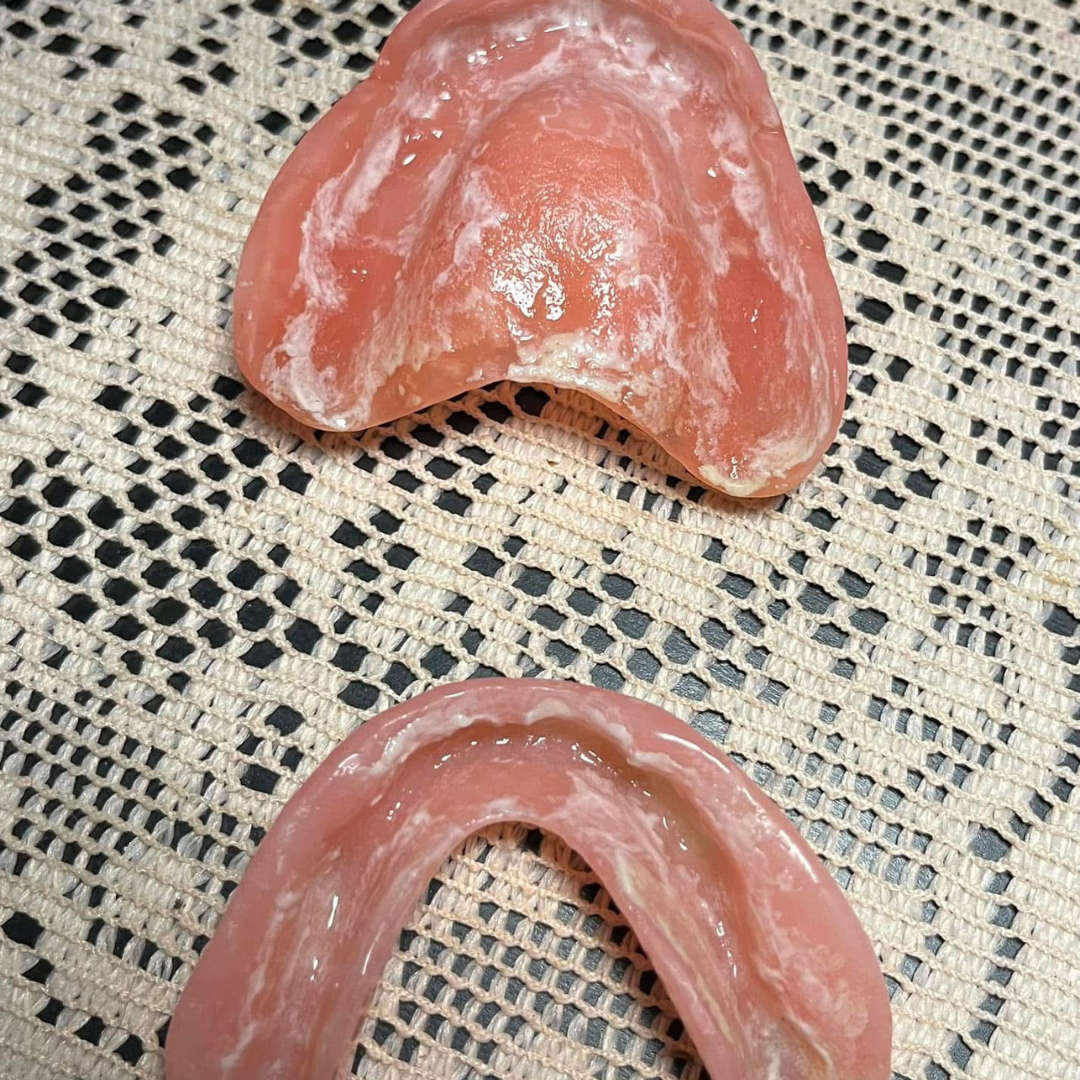
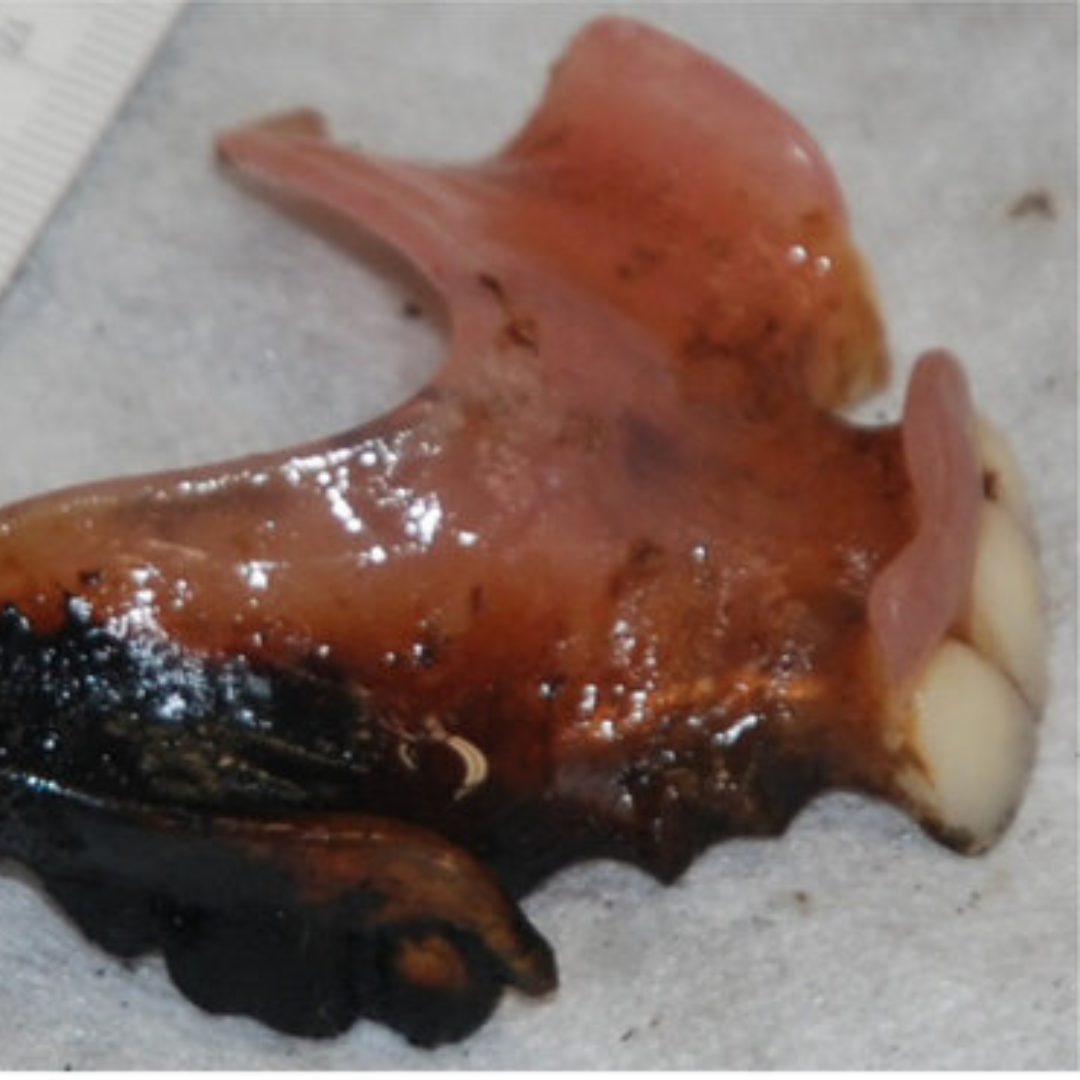
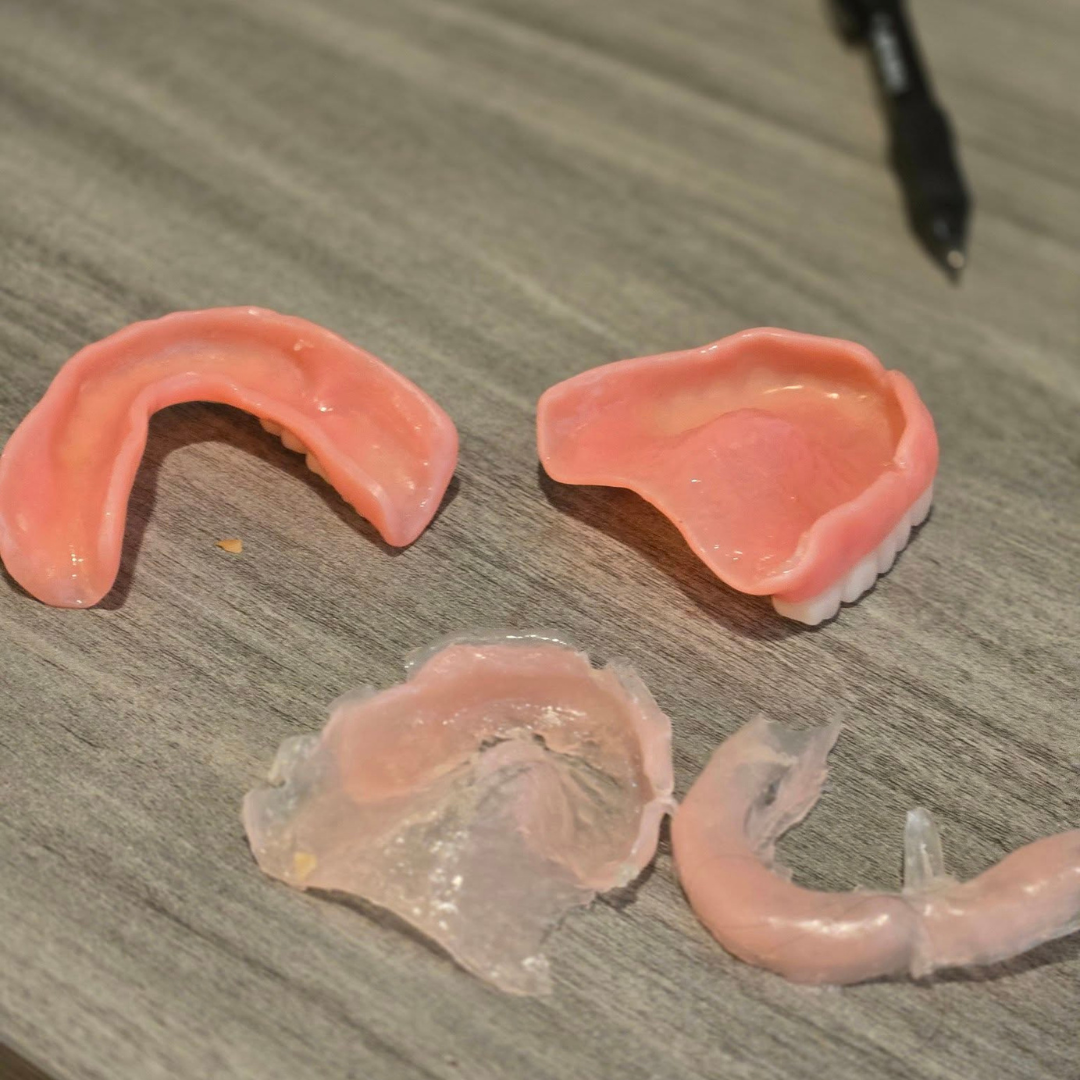
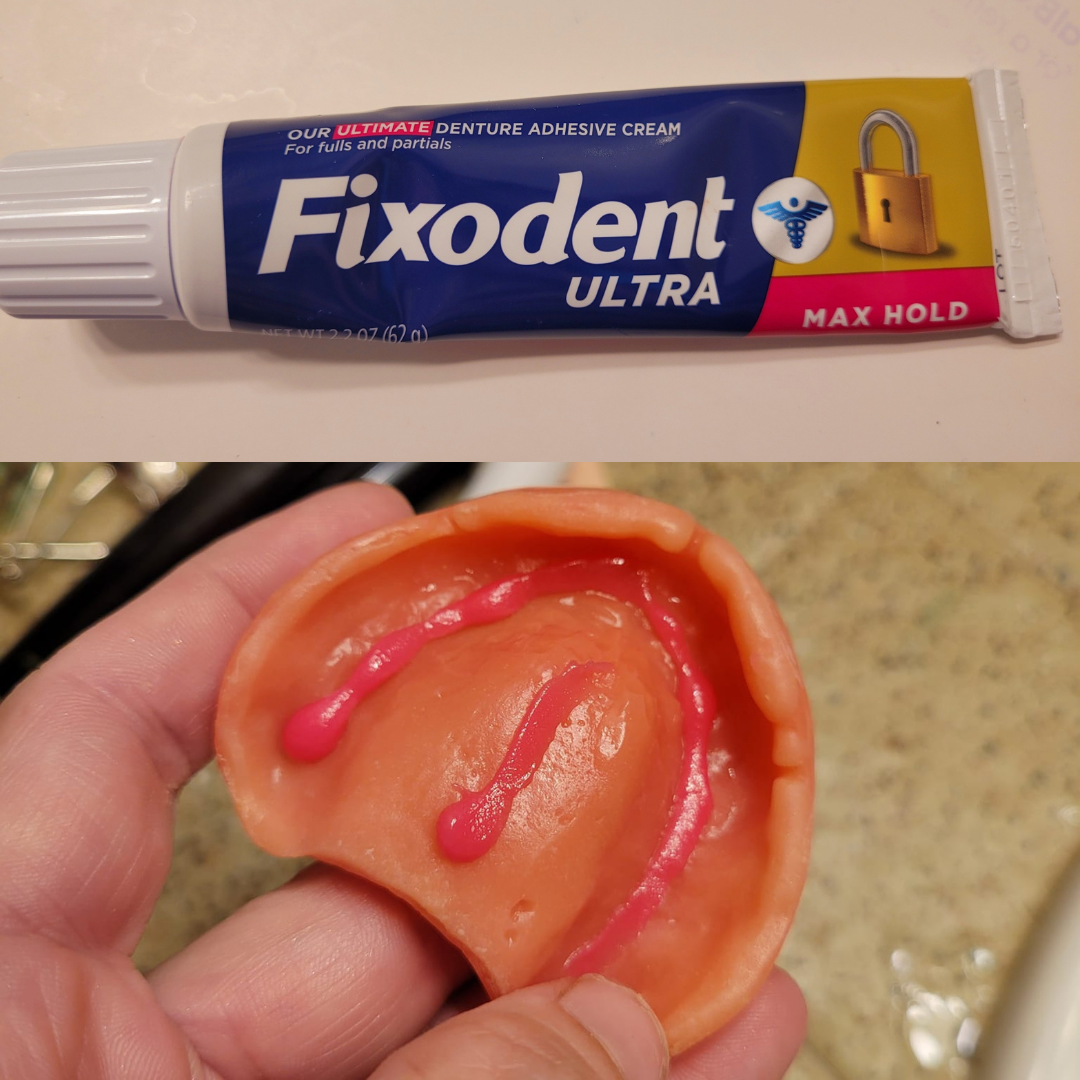
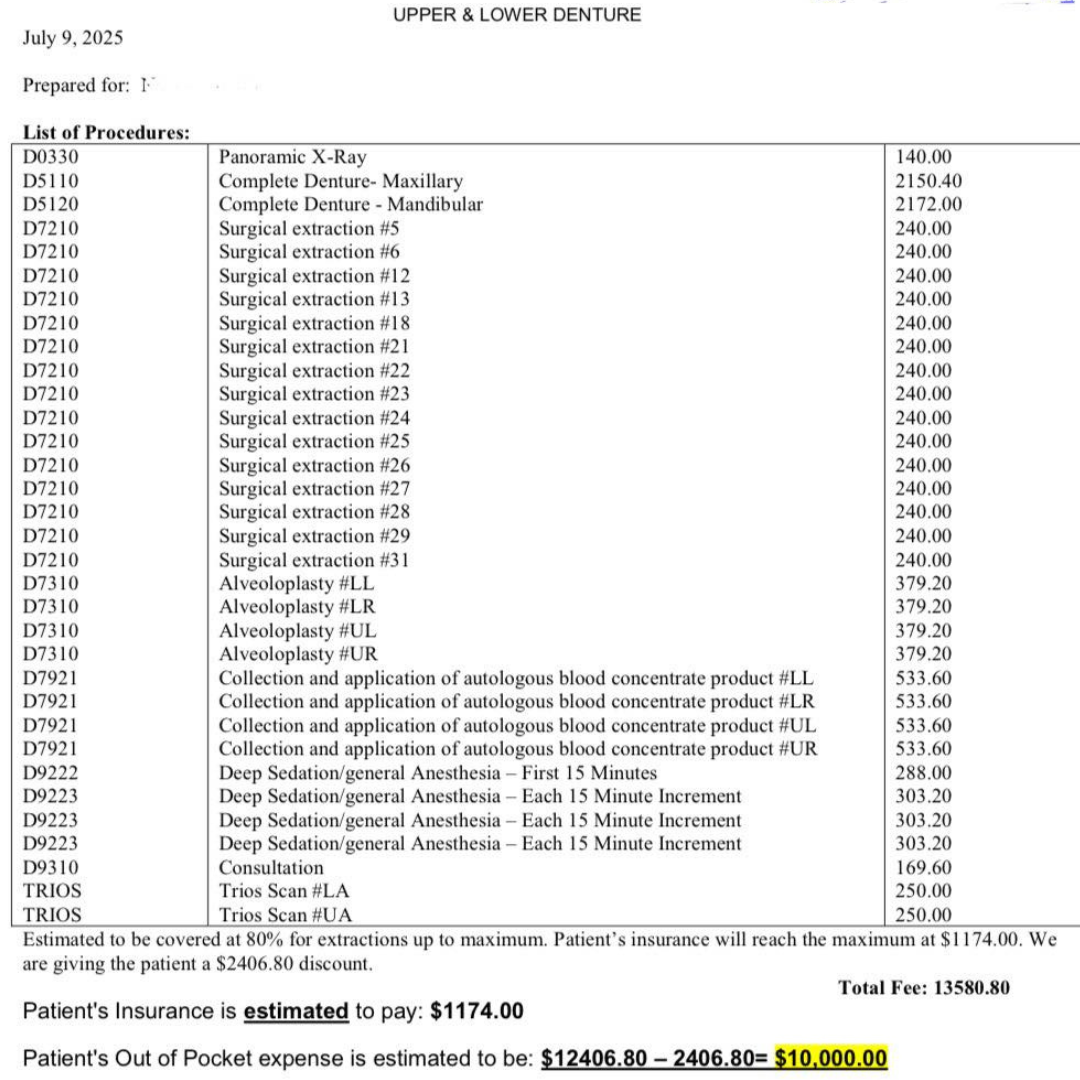
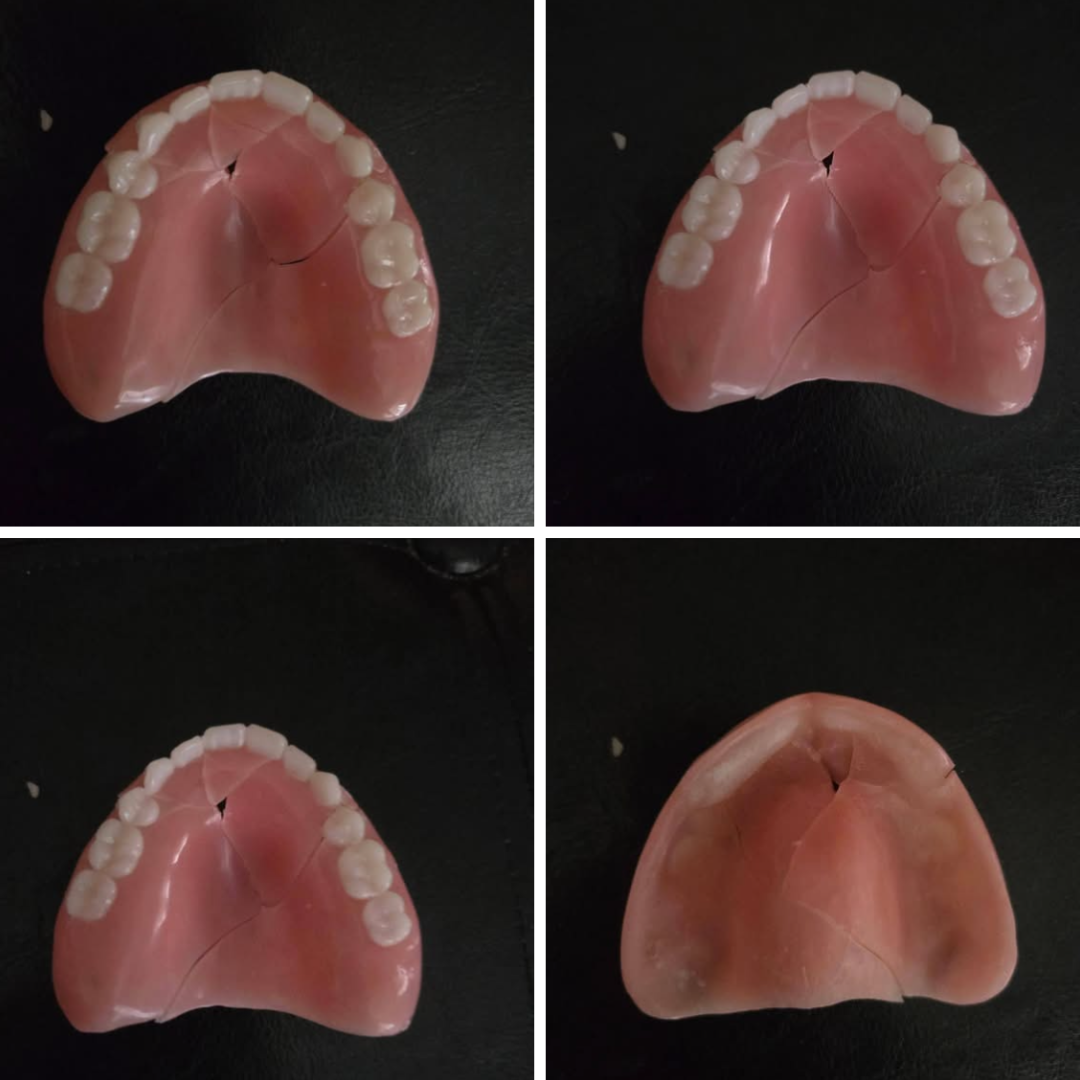
I wake up every morning exhausted. My gums are swollen and sore. I taste metal the second my dentures go in. And my brain feels like it's wrapped in fog. My husband had the exact same symptoms for three years. He died of a stroke nine months ago. And I just found out it was his dentures. My name is Joyce Merritt. I'm 69. I need to tell you what I found out — because if you wear dentures and you're feeling what I'm feeling, you need to know what it means. Let me start with what my body has been doing to me. The fatigue isn't tiredness. It's not "I need a nap." It's waking up after eight hours of sleep and feeling like your bones are filled with wet concrete. It's sitting down at 11 a.m. and your body deciding the day is over. It's getting dressed and having to sit on the edge of the bed halfway through because putting on pants took everything you had. I used to keep a vegetable garden. Used to can tomatoes every August. Used to walk two miles before breakfast. Now I rest after walking to the mailbox. The brain fog isn't forgetting where I put my keys. It's forgetting the word for keys. It's standing in my own kitchen staring at the stove trying to remember what I was about to do. It's my son asking me a question and watching his face change because I can't find the answer. It's reading the same page three times and absorbing nothing. It's losing a word mid-sentence and seeing the person across from you wait — patient, worried — while you dig through your own brain for something that used to come instantly. The gums. Swollen every morning. Red. Sore. I press my dentures in and wince. Some mornings the pain is sharp enough to make my eyes water at the table. Sore spots that move around my ridges like they're playing a game — front this week, back left the next, a new one on the other side the week after. The metallic taste. This is the one nobody understands unless they have it. It's not a flavor. It's a presence. A sour, metallic film that coats the inside of my mouth the second my dentures go in and doesn't leave until they come out. I taste it over my food. Over my coffee — the one thing I still look forward to, and it's been ruined. Over water. Over nothing. Like sucking on a handful of old pennies from sunrise until I pull my dentures out at night. Every. Single. Day. For three years. I told myself it was grief. Missing Ray. The weight of an empty house. The stress of being alone for the first time in 44 years. But here's what stopped me cold: Ray had every one of these symptoms. Not similar. The SAME. The exhaustion — he'd fall asleep on the couch by 2 p.m. every day. He used to be the strongest man I knew. A plumber who worked with his hands for forty years. Never took a sick day. By the end he couldn't walk to the garage without resting. The fog — he'd forget names. Lose his train of thought. Miss the highway exit he'd taken a thousand times. I watched the sharpest man I ever knew fade out mid-sentence and pretend it didn't happen. The gums — bled every time he brushed. For years. We both thought that was normal. The metallic taste — he complained about it every single morning. "Something tastes wrong, Joyce." Every morning for three years. And I said: "It's just the dentures, honey. Mine taste funny sometimes too." I said that. His doctor said his blood pressure was a little high. Gave him a pill. Told him to cut the salt. Said: "You're getting older, Ray. Pretty normal for your age." Normal. On a Tuesday morning last June, I was in the kitchen and I heard a crash. I found him on the living room floor. Right side not moving. Face twisted. Trying to talk but only noise came out. I got down on the floor and held his hand and told him the ambulance was coming. Told him he was going to be okay. He squeezed my hand once. Then he stopped. He died at the hospital four hours later. Massive stroke. He was 71. The doctor told me they found high levels of bacterial endotoxins in Ray's bloodstream. Severe inflammation. That's what caused the clot. Then he asked: "Did your husband wear dentures?" Sixteen years. Cleaned the same way every night. Polident. Brush. Rinse. The way you're probably cleaning yours right now. After the funeral — after the house emptied out and got quiet — those words started replaying. Bacterial endotoxins. Dentures. Inflammation. Stroke. One night at 2 a.m. I picked up my phone and typed: "Can dentures cause a stroke?" What I found kept me up until sunrise. Study after study. Denture bacteria linked to strokes, heart disease, pneumonia, cognitive decline. A bacterial layer called biofilm that builds inside the microscopic pores of denture acrylic. Bacteria that brushing doesn't reach. That soaking tablets don't dissolve. That sits in your mouth sixteen hours a day leaching toxins through your gums into your blood. Triggering chronic inflammation. The kind that causes fatigue. Brain fog. Joint stiffness. Swollen gums. Metallic taste. The kind that caused Ray's stroke. And I was feeling ALL of it. Not because of grief. Because the same thing that killed my husband was building inside MY dentures. Right now. Every night. Every morning. I wasn't grieving. I was next. I tried to fix it myself. The same way I'd been fixing things my whole life — stubbornness and hard work. - Polident every night for eight years. Never missed. - Switched to Efferdent. No difference. - Brushed twice a day instead of once. Gums bled more. - Baking soda scrub. Scratched the acrylic — found out later that makes it worse. - Vinegar overnight soak. Tasted vinegar all day on top of the metal. - Hydrogen peroxide rinse. Burned my gums so bad the tissue peeled. - Mouthwash before and after inserting. 15 minutes of freshness. Then right back to pennies. - Cutting out coffee. Gave up the one thing I still enjoyed. Zero change. - $35 ultrasonic cleaner from Amazon. Ray tried it two years ago. Did nothing. Shrugged it off. Never used it again. Nothing worked. Eight years of cleaning my dentures every night. Sixteen years for Ray. And we couldn't buy ourselves one clean morning. I called my son Michael. Told him everything — the studies, the biofilm, the symptoms, the connection to Ray's stroke. He drove over that afternoon. I could see it on his face when he walked in. The same controlled expression he had at his father's funeral. He sat down at the kitchen table. Ray's chair. "Mom. I need to say something and I need you to actually hear me." "I just lost Dad. I watched him go downhill for three years and I didn't do anything because everybody said it was normal. His doctor said normal. You said normal. And then one morning he was on the floor and he was gone." His jaw tightened. "I'm not doing that again. I'm not watching you disappear the same way and telling myself it's grief or aging or whatever excuse makes us feel okay about doing nothing." "If what killed Dad is the same thing making you sick — we fix it. NOW. Not next month." He'd been up all night researching. Same rabbit hole I fell into. He found the Facebook groups. Real denture wearers saying the things they'd never say to their doctors. He read them to me: "I feel like I'm dying and nobody believes me. My doctor says it's aging. I'm 66." "Brain fog so bad I forgot my grandson's name at his birthday party. Sat in the car crying for an hour." "Had a stroke two years ago. Nobody connected it to my dentures until I read an article online." "My husband passed last year. Stroke. Wore dentures 20 years. Now I'm terrified to put mine in." That last one. That was me. Word for word. Someone else living my exact nightmare. Then Michael found something different. "Mom, there's a device people keep talking about. It's called the Denture Dome. And the stories from people who use it — they sound like the opposite of what happened to Dad." He showed me: "Put my dentures in, pressed one button. Five minutes later the water was BROWN. I had brushed them that morning. They were never clean." "Two weeks in. Brain fog GONE. Gums not swollen for the first time in three years." "My doctor asked what changed because my inflammatory markers dropped to normal." "The metallic taste disappeared in four days. FOUR DAYS. After three years of tasting metal every second." I looked at Michael. "How is this different from the tablets? Or that Amazon thing your father tried?" He explained it the way nobody — not my dentist, not Ray's dentist, not a single doctor in twenty-four combined years of wearing dentures — ever explained anything to us. Dentures have microscopic pores, cracks, and grooves in the acrylic. Bacteria gets inside. It multiplies. It forms a layer called biofilm that bonds INTO the material itself. Brushing can't reach it. Polident can't dissolve it. Soaking cleans the surface — underneath, the biofilm never moves. It's like painting over mold in a wall. Looks clean on top. Underneath it's growing. And the bacteria doesn't stay in your mouth. It leaches through your gum tissue into your bloodstream. Triggers chronic inflammation. Fatigue. Fog. Stiffness. Sore gums. Metallic taste. Strokes. The cleaning instructions they gave us — brush, soak, rinse — haven't been updated in thirty years. The science proved they don't work. Nobody updated the pamphlet. Then Michael told me why the Amazon cleaner Ray tried did nothing. "It runs at 35 kHz. That's a jewelry cleaning frequency — designed for earrings and watch bands. Too weak to break biofilm bonded inside denture acrylic. And those blue lights? 395 nanometers. Cosmetic. They glow. They kill absolutely nothing." The Denture Dome is different. 40 kHz ultrasonic vibration — the frequency dental clinics use on instruments. Strong enough to shatter biofilm inside acrylic pores. 253.7nm UV-C light — the same wavelength hospitals use to sterilize surgical equipment. Kills bacteria at the DNA level. Stainless steel tank — not plastic that breeds the same bacteria you're trying to eliminate. No chemicals. No tablets. No scrubbing. Just water. Five minutes. If Ray's Amazon cleaner had been this — if it ran at 40 kHz instead of 35, had real UV-C instead of fake blue lights, had steel instead of plastic — Would he still be here? I can't answer that. But I can't stop asking it. Michael ordered it that night. Set it up at my house the next day. I put my dentures in the stainless steel tank. Added water. Pressed the button. Five minutes. I lifted them out. The water was dark brown. Almost opaque. Particles floating. Yellowish film on the surface. I had brushed them that morning. Soaked them in Polident the night before. Eight years. They were never clean. And neither were Ray's. For sixteen years. Every night for sixteen years, Ray put bacteria-coated plastic back in his mouth, pressed it against his gums, went to sleep, and the bacteria leaked into his blood. And built. And inflamed. Until one Tuesday morning it formed a clot and killed him on our living room floor. And nobody said a word. Not one dentist. Not one doctor. Not in sixteen years. I ran my tongue across the surface. Smooth. Completely smooth. No film. No grit. No taste. In eight years I had never felt my dentures like that. I didn't cry. I was done crying. I was furious. You want to know what makes me absolutely sick? They call you four times about a mammogram. Nag you about your flu shot. Take your blood pressure every single visit. But the medical device in your mouth — the one connected to your bloodstream through your gum tissue, the one you wear sixteen hours a day, the one research has linked to STROKES for over a decade? Nobody checks. Nobody warns. Nobody connects the dots. If denture bacteria affected 30-year-olds instead of 65-year-olds, there'd be a clinical-grade cleaner in every pharmacy in America. But when seniors get sick? "It's your age." "Pretty normal." "Try some fish oil." That's not healthcare. That's abandonment. And it cost me my husband. What happened after I started using it: Day 1 — Brown water. Rage. Then the cleanest my dentures have ever felt. Day 4 — The metallic taste. Gone. Not reduced. GONE. I made my coffee and tasted coffee. Just coffee. I sat at the kitchen table with both hands around my mug — Ray's chair empty across from me — and tasted coffee for the first time in three years. He complained about that taste every morning. And I told him it was nothing. Day 7 — Gums not swollen. Not red. Not sore. I pressed my dentures in and felt nothing. No wince. No watering eyes. Ray winced every morning for three years. I handed him his dentures and watched him tighten his jaw. Neither of us knew why. Day 14 — Brain fog lifting. Found the word I was looking for. Finished the crossword. Called Michael and remembered what I called to say. First time in years my mind felt sharp. First time since before Ray got sick. Day 21 — Went to the grocery store. Walked every aisle. Came home and made pot roast. Ray's recipe. Set the table for one and ate the whole thing. First time in nine months I had the energy to cook. Day 30 — Michael called on a Saturday morning. I was laughing at something on TV. He went quiet. "Mom. You sound like yourself." "I feel like myself." "After Dad — I was so scared I was going to —" "I know. I know, baby." "You sound like Mom again." At my 90-day checkup, my doctor looked at my bloodwork. "Your inflammatory markers dropped to normal. First time in three years. What changed?" I told him. The biofilm. The Denture Dome. The brown water. The eight years of bacteria I'd been putting back in my mouth every morning. He wrote it down. Then I told him about Ray. About the endotoxins. About sixteen years of Polident. About the stroke. He stopped writing. Ray's markers were "mildly elevated" for three years. My markers were "mildly elevated" for three years. His doctor told him it was aging. My doctor told me it was grief. The only difference between us is that I found out what was inside my dentures before it killed me too. If you wear dentures right now, hear me. You're cleaning them wrong. Not because you're careless — because nobody told you the truth. Nobody told us either. For twenty-four years between us. The brush doesn't reach the biofilm. The tablets don't dissolve it. The routine your dentist gave you hasn't been updated in thirty years. And the bacteria building inside your dentures right now — tonight, while they soak in that tablet — is leaching through your gums into your blood. The fatigue you're blaming on aging? Ray blamed it on aging too. The brain fog? His doctor said it was normal. The metallic taste? I told him it was just the dentures. The swollen gums? We both thought that's how dentures felt. None of it was normal. None of it was aging. All of it was bacteria from dentures that were never actually clean. Don't buy a cheap ultrasonic cleaner from Amazon. Ray tried one. 35 kHz. Blue LEDs. Plastic tub. It did nothing. And he's gone. The Denture Dome is 40 kHz ultrasonic. 253.7nm UV-C. Stainless steel. No chemicals. Five minutes. It's the only thing that reaches what's actually making you sick. 👉 https://try.ploise.com/denturedome 💛 90-Day Money-Back Guarantee — use it every night, then decide 🏥 Hospital-grade 253.7nm UV-C sterilization 🇺🇸 Trusted by over 50,000 denture wearers 🔒 No subscriptions — one purchase, yours forever Please don't wait. Don't tell yourself your routine is fine because you've been doing it for years. Ray's routine was "fine" for sixteen years. Until a Tuesday morning when he hit the living room floor and I held his hand and told him he was going to be okay. He wasn't okay. Every night you soak your dentures in a tablet that doesn't reach the biofilm — every morning you press them against your gums — the bacteria is building. The inflammation is rising. Nobody warned us. I'm warning you. Because I lost the man I loved to something a five-minute device could have prevented. And I will not let that happen to you. 👉 https://try.ploise.com/denturedome — Joyce Merritt, 69 44 years married 9 months without him And not one more day cleaning my dentures the way that killed him
Like this ad? Make it yours.
Crush rebuilds this exact creative around your product — your brand, your colors, your offer — in about a minute.