
Inactive· since May 1, 2026
- 7
- days it ran
- 0
- relaunches
Ad copy
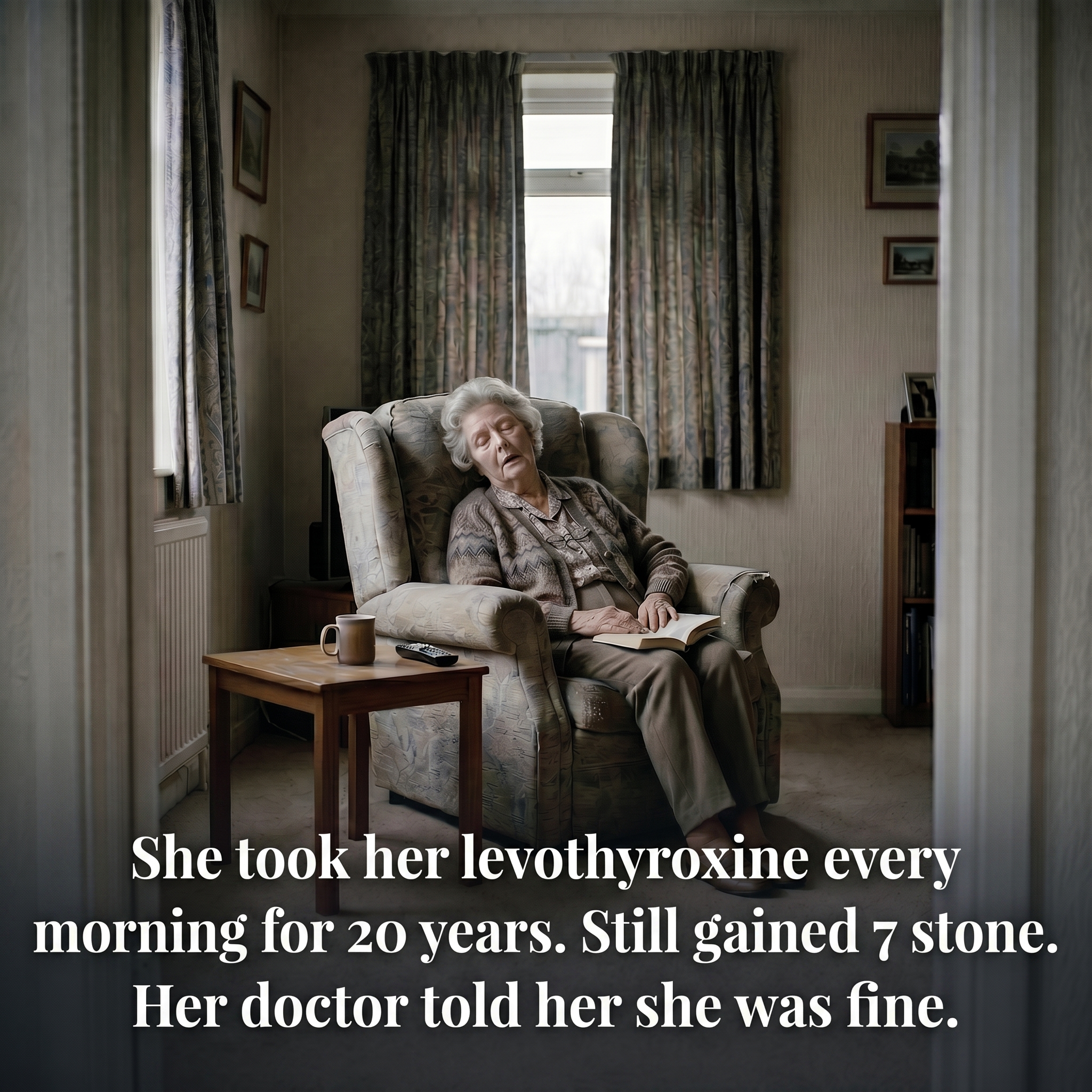
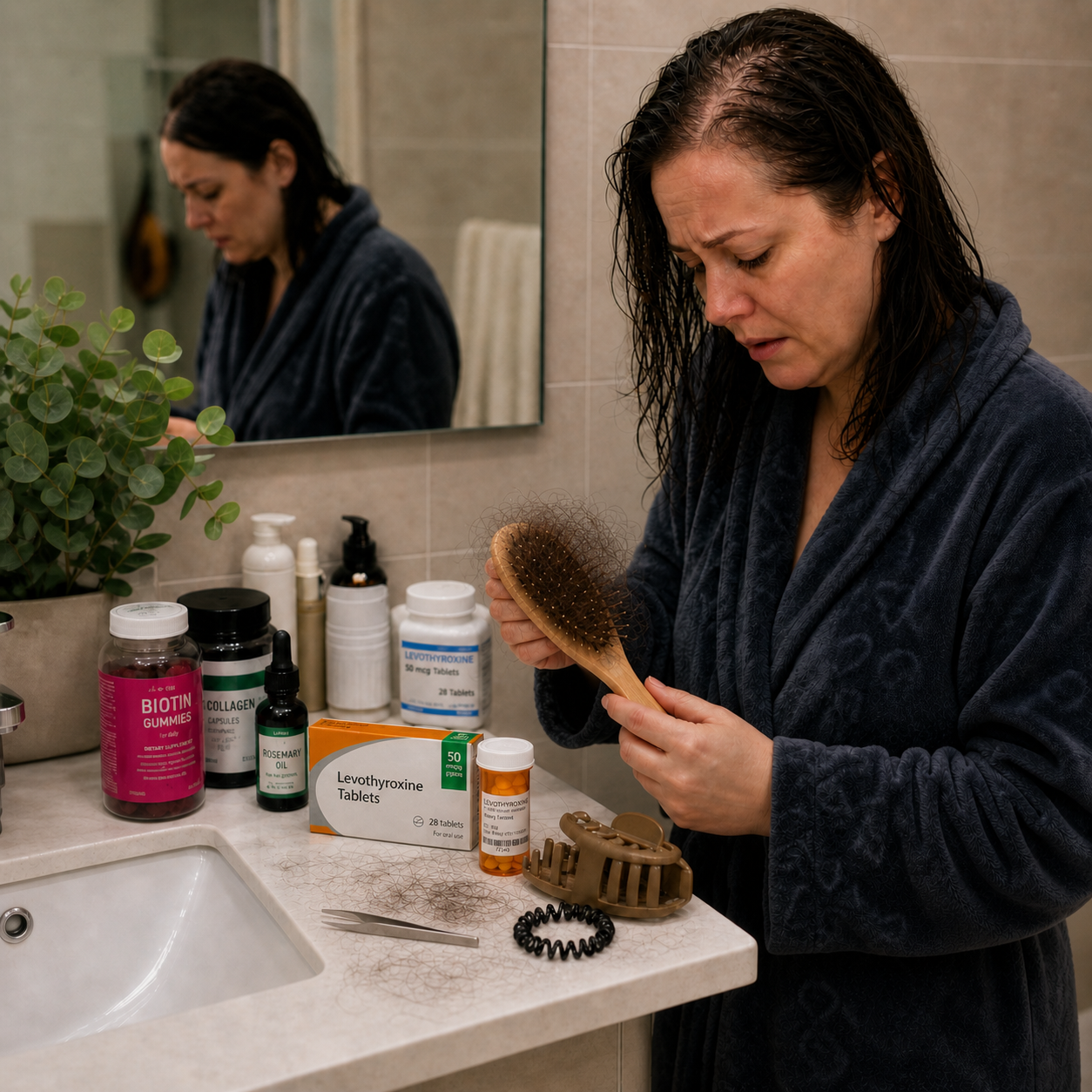
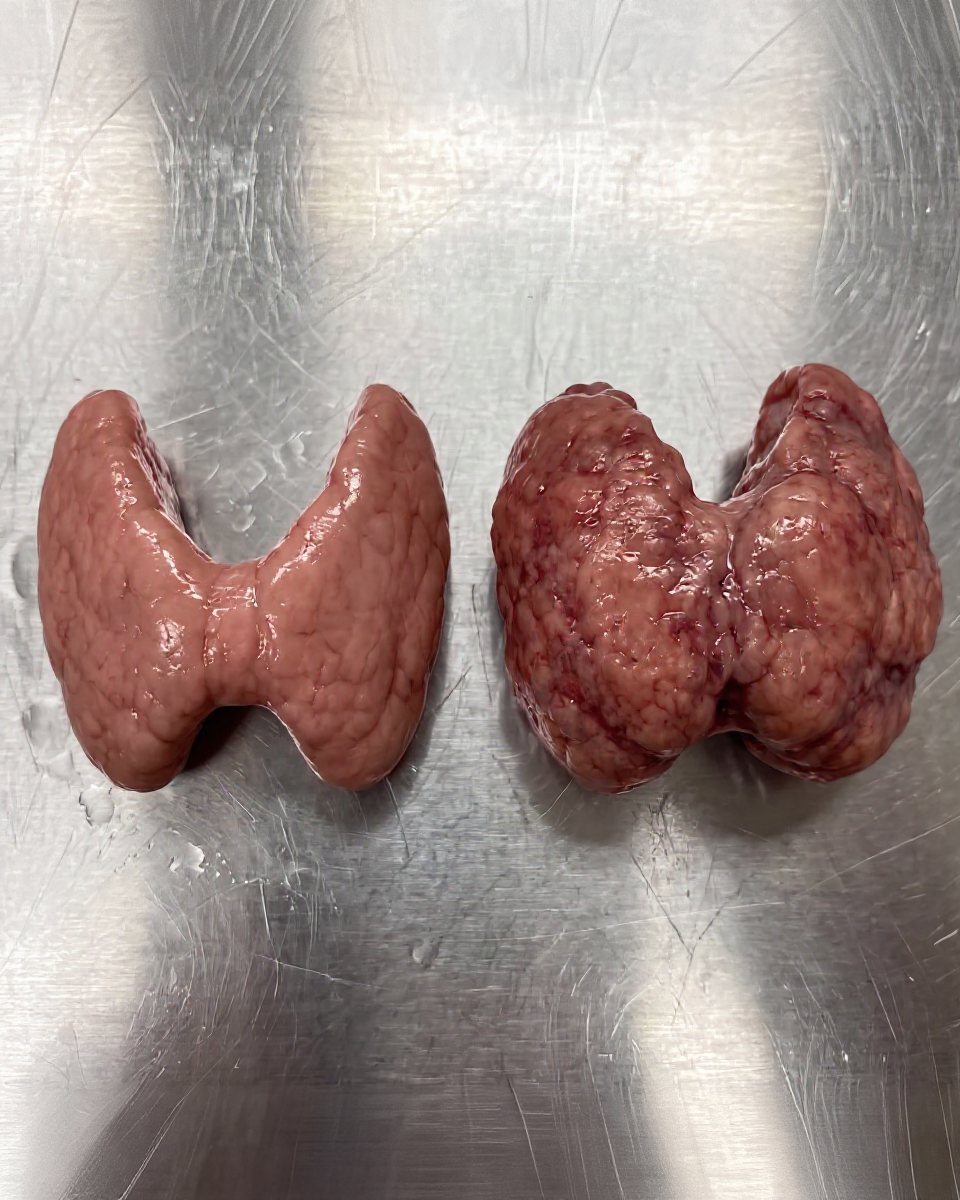
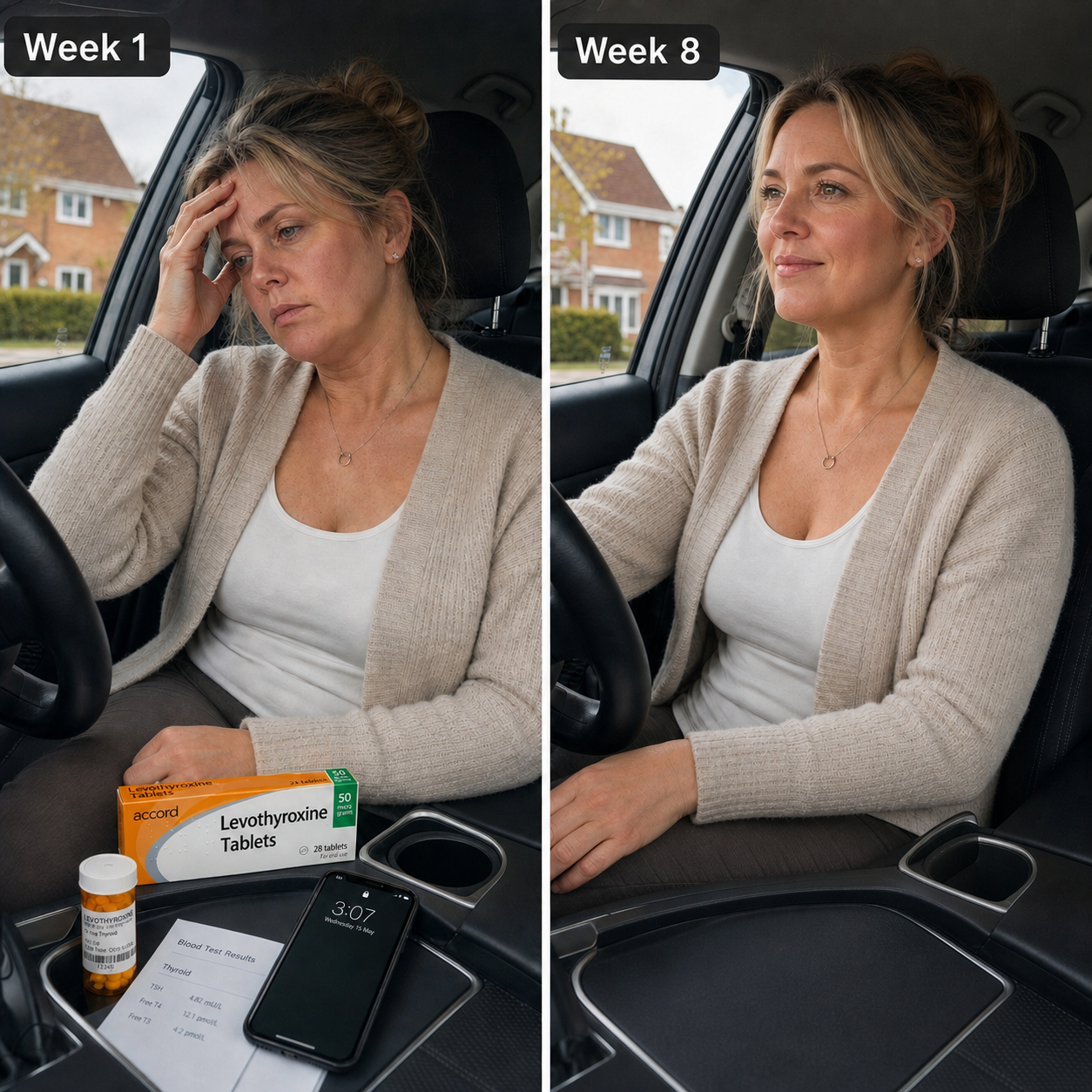
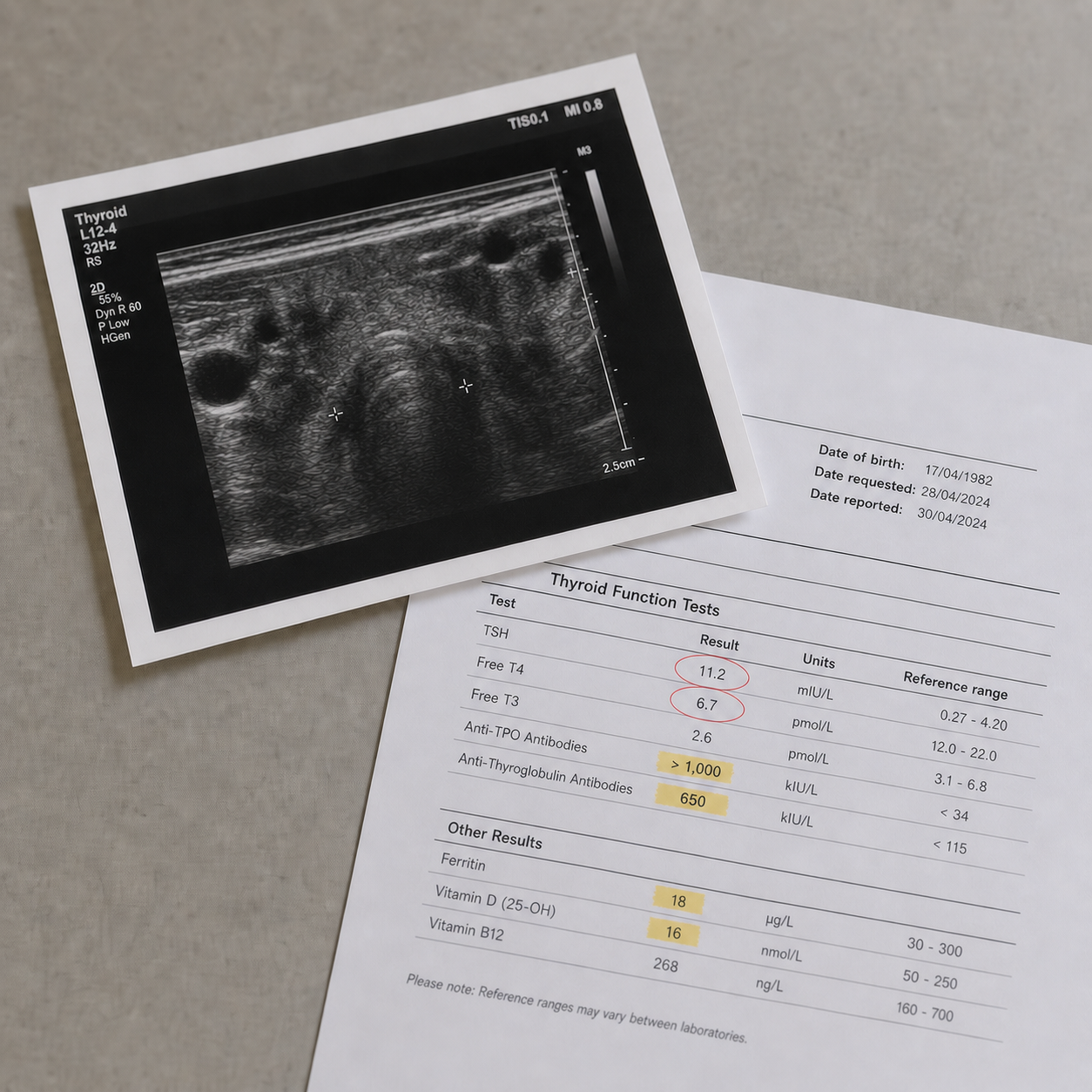
I watched my mum disappear slowly and called it ageing. It wasn't. It was hypothyroidism. The day she whispered, "I just don't have it in me anymore," I realised I'd been watching her fade for years… and we'd all mistaken it for getting older. That sentence still sits in my chest. Because my mum was always the woman who had it in her. She was the one who held everything together without making it look like work. The one who remembered everyone's birthday, showed up before you asked, cooked dinner for twelve without breaking a sweat, and still somehow asked if you'd eaten. She had this way of making everyone feel like the most important person in the room. That was my mum. Then slowly — so slowly none of us saw it happening — she started to go quiet. Not overnight. Not dramatically. Just in the small surrenders that are easy to explain away when you love someone and want to believe they're fine. She stopped saying yes to evening plans. She stopped doing her hair the way she used to. She started wearing the same loose things every day because she said everything else made her look swollen. She started sitting under a blanket when the rest of us were warm. She started leaving cups of tea to go cold. She started looking at things — the washing, the shopping list, the birthday card she meant to send — and just staring. Not because she didn't care. Because she didn't have it in her anymore. And every time I asked what was wrong, she'd look at me with this tired smile and say: "I'm just getting older, love." So I let it go. Because what else do you do when the woman who raised you tells you she's fine? You believe her. Or you try to. She was taking levothyroxine. Every morning. Empty stomach. Timing the coffee. Getting the blood tests. Doing everything her doctor told her. And the blood tests kept saying "within range." "Nothing alarming." "Keep taking your medication." So we all thought she was being treated. We didn't know that treated and well are two completely different things. Because her face still looked puffy every morning. Her hands were freezing even when the house was warm. Her hair kept shedding. Her brain fog got worse. Her weight wouldn't move. And by 3pm, it was like someone had switched the lights off behind her eyes. She was still in the room. Still nodding. Still smiling when the grandchildren talked to her. But she wasn't there. Not fully. Not the way she used to be. I remember going round one afternoon and finding her at the kitchen table. Cup of tea gone cold in front of her. Washing basket full in the corner. Letters unopened on the side. Shopping list half-written and abandoned. And she was just sitting there staring at it all. Not crying. Not panicking. Just sitting. Completely, quietly defeated by the ordinary weight of a Tuesday afternoon. I sat down next to her and asked if she was okay. She didn't answer straight away. She just looked at her hands — her cold hands, folded on the table — and then she looked up at me. And she whispered: "I just don't have it in me anymore." I had to look away because I could feel my throat closing. Because this was the woman who raised us. The woman who could run a house and a family and a job and still have something left for everyone else. And now a washing basket looked like too much. That wasn't age. That was hypothyroidism stealing her piece by piece while a number on a blood test kept telling everyone she was fine. She started blaming herself. Maybe she needed to lose weight. Maybe she was lazy. Maybe she was being dramatic. Maybe this was just what happened to women after a certain age. And I watched her carry that shame on top of everything else. On top of the exhaustion. On top of the puffiness. On top of the cold hands and the foggy brain and the hair in the brush and the afternoons that disappeared. I watched her apologise for being tired. Apologise for sitting down. Apologise for not being the woman she used to be. And I wanted to scream. Because she had nothing to apologise for. One night she showed me her bathroom cupboard. Vitamin D. Magnesium. B12. Iron. Protein powder. Energy supplements. Thyroid support capsules. Half-used bottles she'd bought after puffy mornings and 3pm crashes and "normal" blood tests that didn't match the woman standing in front of me. She looked embarrassed and said: "I know it looks ridiculous." It didn't look ridiculous to me. It looked like hope. Stubborn, exhausted, still-trying hope. Bought at midnight. Bought after appointments. Bought by a woman who refused to stop looking for an answer even when the system kept telling her she didn't need one. That night I didn't sleep. I sat with my laptop and I stopped searching "best thyroid supplement" and "tired on levothyroxine." And I searched something different: Why do hypothyroidism symptoms continue when labs are normal? And that was when the gap finally made sense. Levothyroxine does its job. It helps support thyroid hormone levels. But it was never designed to be the entire thyroid wellbeing plan. Because the body still needs support around the thyroid. The conversion support. The nutrient co-factors. The cortisol and stress side. The metabolic side. The daily ecosystem that helps the thyroid actually function — not just exist on a blood test. T4 has to convert to T3 — the active form the cells actually use — and that conversion depends on co-factors the prescription was never designed to provide. Without them, the labs can look completely normal while the cells are still running on a fraction of what they need. That was the gap my mum had been living in for years. Not because she failed. Not because she was lazy or dramatic or getting older. Because she was being given one piece of a puzzle while the rest of the pieces sat on the floor. That's when I found TryAxivelle Thyroid Balance Drops. I read the page properly. The formula. The explanation of why it was built the way it was. And I remember thinking: this is what she's been missing. It starts with the thyroid essentials her body actually needs — selenium and zinc for T4 to T3 conversion, iodine at a dose that supports function without aggravating the autoimmune side, and ashwagandha for the cortisol and adrenal piece that directly impairs thyroid conversion when it's chronically elevated — because a body running on years of stress and exhaustion cannot convert T4 efficiently, and that's the piece no prescription was ever designed to address. Not random ingredients. The specific co-factors the thyroid needs to do its job — the ones consistently absent from standard hypothyroidism management. And then it goes further. With targeted support for the metabolic, energy, and stress-related side that levothyroxine alone never touches. The side that explains why the number looks right but the woman doesn't feel right. I ordered it for her that night. Not because I believed in miracles. Because for the first time something finally explained the gap between her labs and her life. And for the first time I could actually imagine getting my mum back. I wasn't ordering out of desperation. I was ordering because something finally made sense. We sat at that same kitchen table and read the page together. She looked at the formula. She read the explanation. And when she finished she looked up at me and said quietly: "That actually makes sense." Not excited. Not dramatic. Just — relieved. Like someone had finally explained her body in a way that matched how it felt. Week one, nothing dramatic. Which made her trust it more. She was done with miracle promises. Week two, she said the afternoon didn't feel quite as heavy. Week three, the 3pm crash didn't flatten her the same way. Still tired sometimes. But not switched off. Not gone. Not like the day was already over at 2pm. She made dinner without sitting down halfway through. She answered a phone call in the evening and actually talked. Small things. But I noticed. And so did she. Week four, I went round and the tea was still warm. She laughed when I pointed at it. "I know," she said. "I've been finishing them." I sat there thinking about all the cold cups. All the half-written lists. All the staring. And I thought: there she is. Week five, she rang me. Just to chat. Not because something was wrong. Not because she needed anything. Just because she felt like it. I stood in my kitchen with my phone pressed against my ear and I could hear her properly for the first time in years. Her voice had come back. That brightness she used to have — the one that made you feel like the most important person in the room — it was in her voice again. I had to go into the bathroom after the call so my kids wouldn't see me cry. Week six, she said yes to Sunday lunch. Arrived early. Stayed late. Did the washing up. By month two, my daughter ran into Nanny's house shouting: "Nanny, come see what I made!" And instead of the pause — the small sad pause we had all learned to expect — Nanny got up. Straight away. No sigh. No bracing. No quiet apology in her eyes. She just got up. And walked down the hallway holding my daughter's hand. And I stood there watching them and thought: This is what hypothyroidism had been taking from us. Not just her energy. Her presence. Her yes. Her voice on the phone just to chat. Her warmth in the hallway. Her ability to finish a cup of tea. Her ability to be in a room and actually be there. We had been grieving her while she was still alive. And we didn't even know it. And when something gives you that back — you tell every woman you know. So I posted about this in a hypothyroidism support group a few months ago — just a short message, nothing dramatic — and since then 60 women have messaged me. Daughters who recognised their mother in that kitchen. Women who recognised themselves. Women who had watched someone they loved apologise for being tired. Women who had heard "your labs are normal" while watching a person they love quietly disappear from their own life. Women like us don't give our trust easily. We've watched the people we love be dismissed too many times. Told they were fine. Told to be patient. Told it was probably just age. When something finally works, we know. Go and read what TryAxivelle Thyroid Balance Drops actually does. Look at the formula. Read the explanation. See if it fills the gap — for you, or for someone you love. Because "normal" labs are nice. But the women in our lives don't just want normal labs. They want to finish their cup of tea. They want to answer the phone just to chat. They want to get up straight away when someone calls their name. They want to be in the room and actually be there. And there's a difference between a normal lab result and a woman who feels normal again. Your prescription was never designed to close that gap. TryAxivelle Thyroid Balance Drops was built to close it. 👉 https://tryaxivelle.com/products/tryaxivelle-thyroid-balance-drops
Like this ad? Make it yours.
Crush rebuilds this exact creative around your product — your brand, your colors, your offer — in about a minute.