
Inactive· since May 11, 2026
- 26
- days it ran
- 1
- relaunches
Ad copy
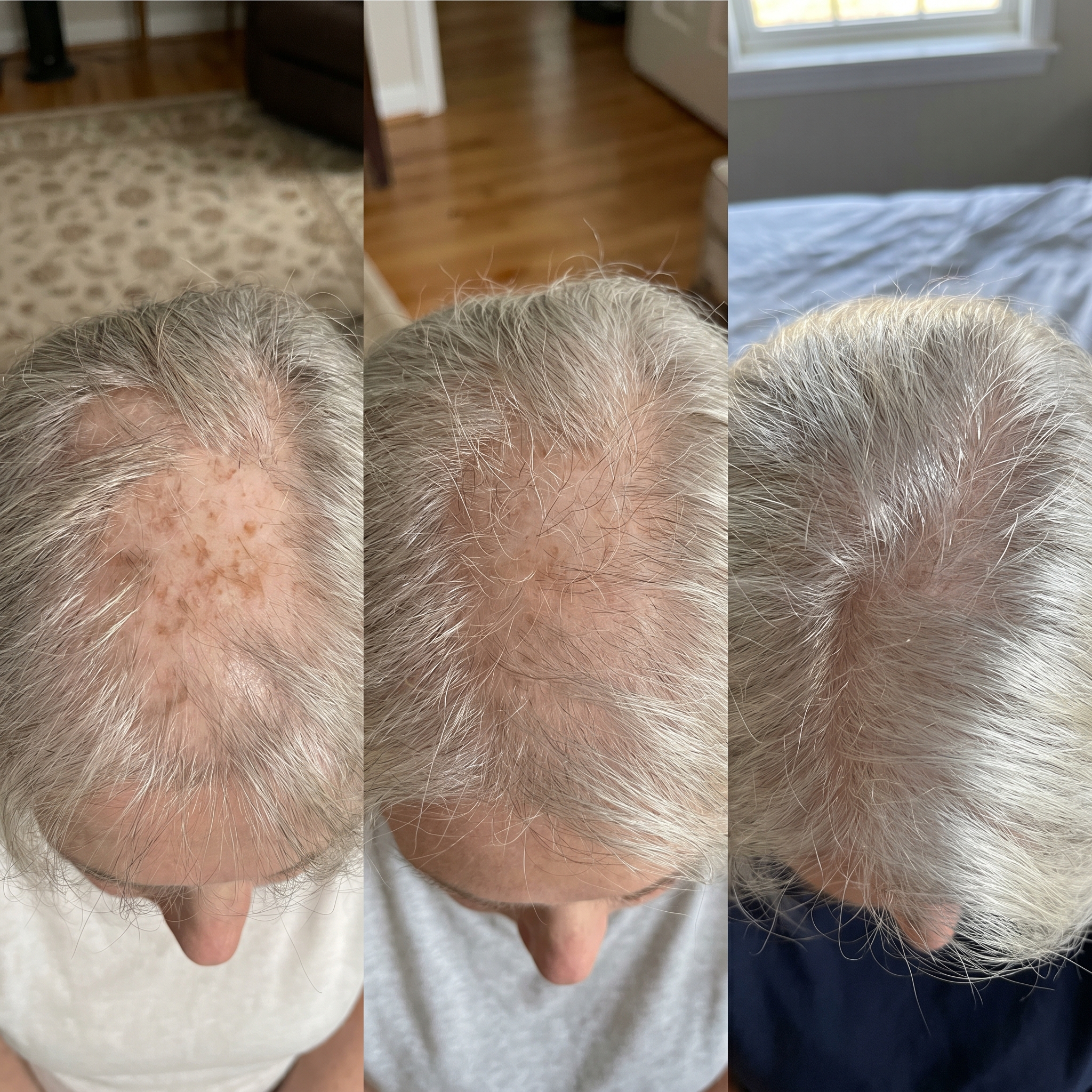
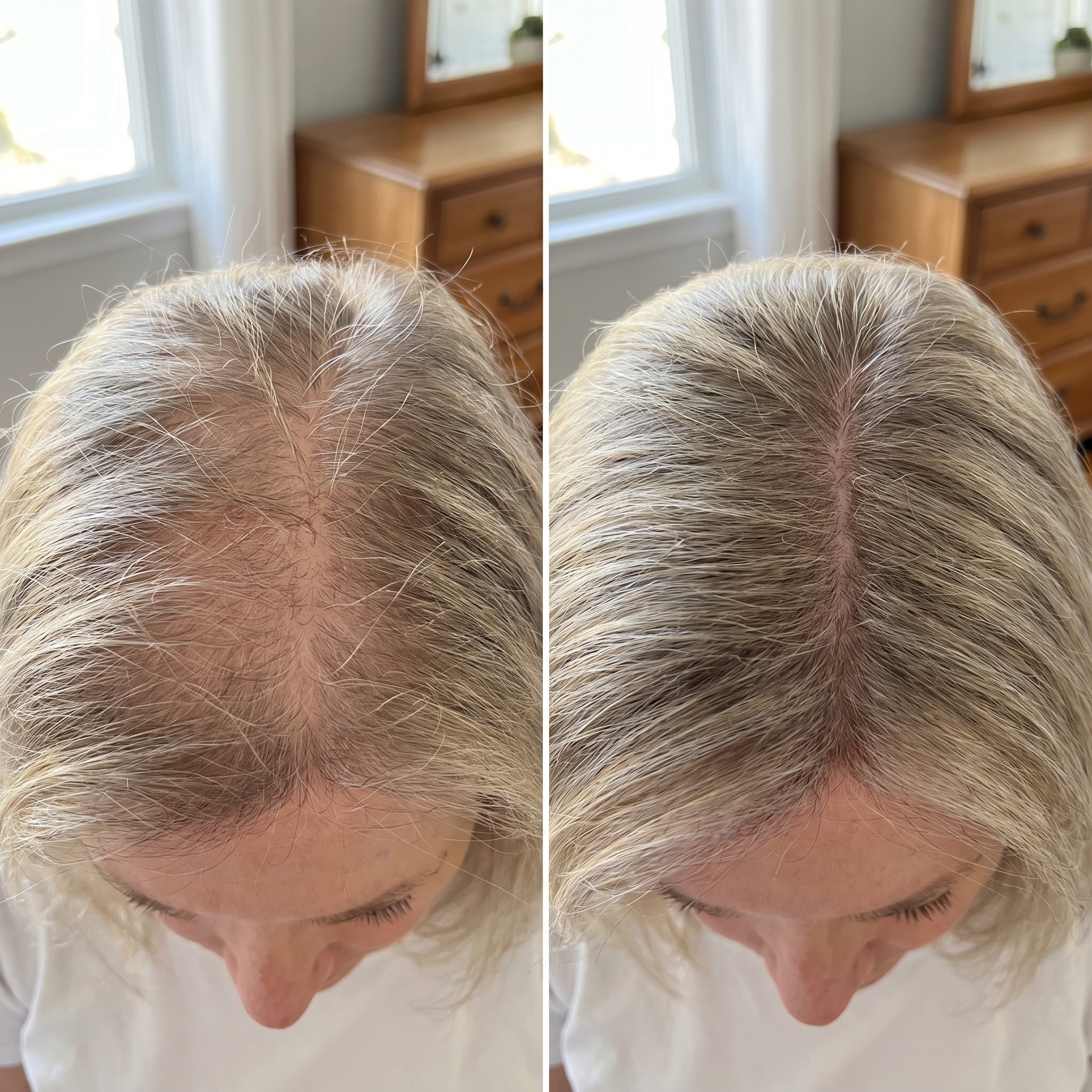
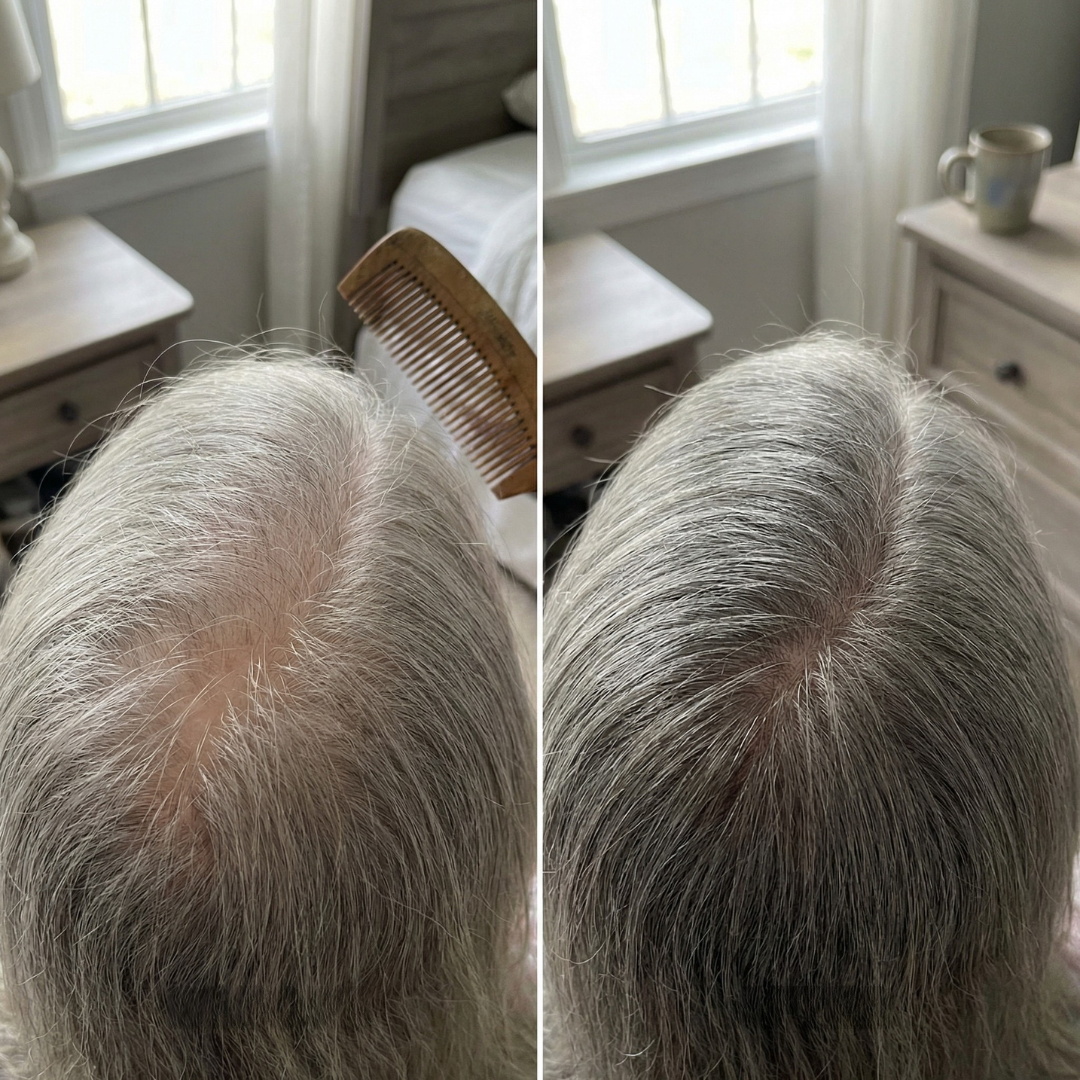
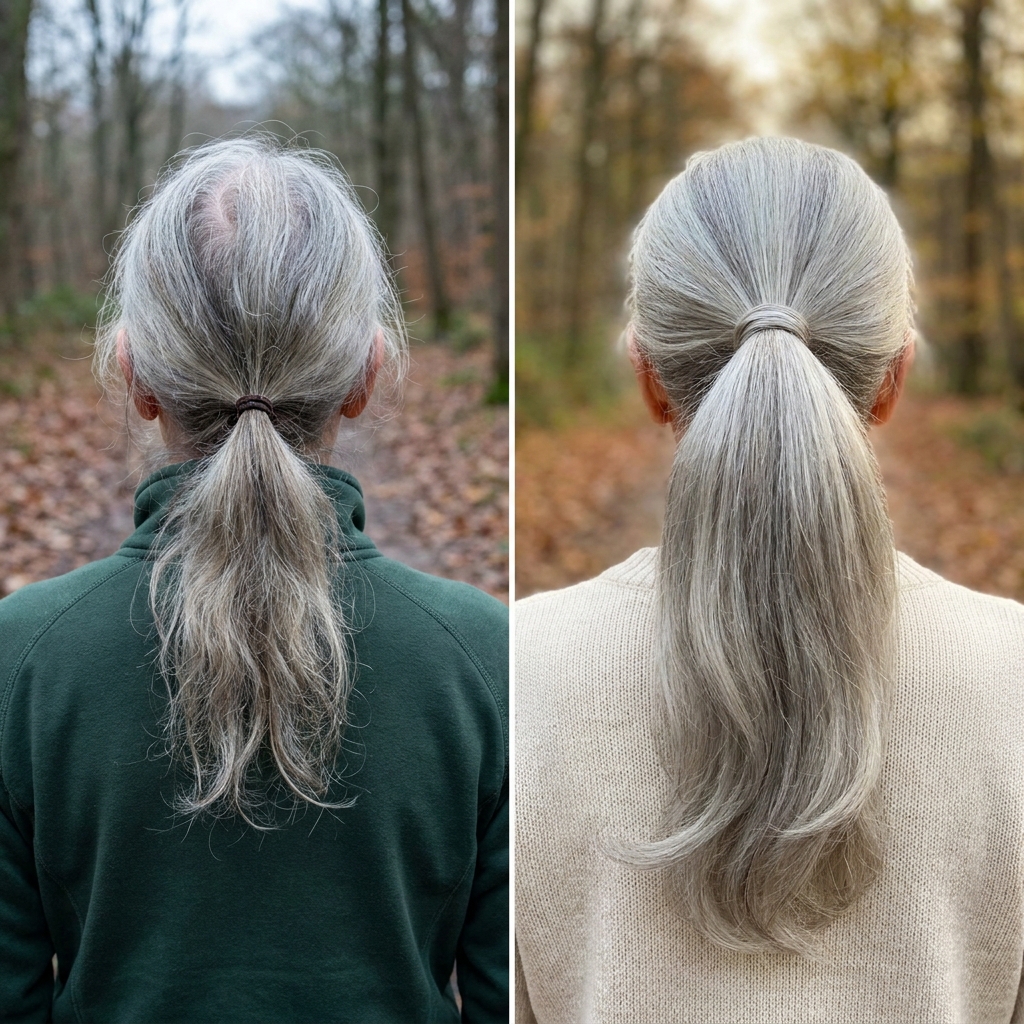
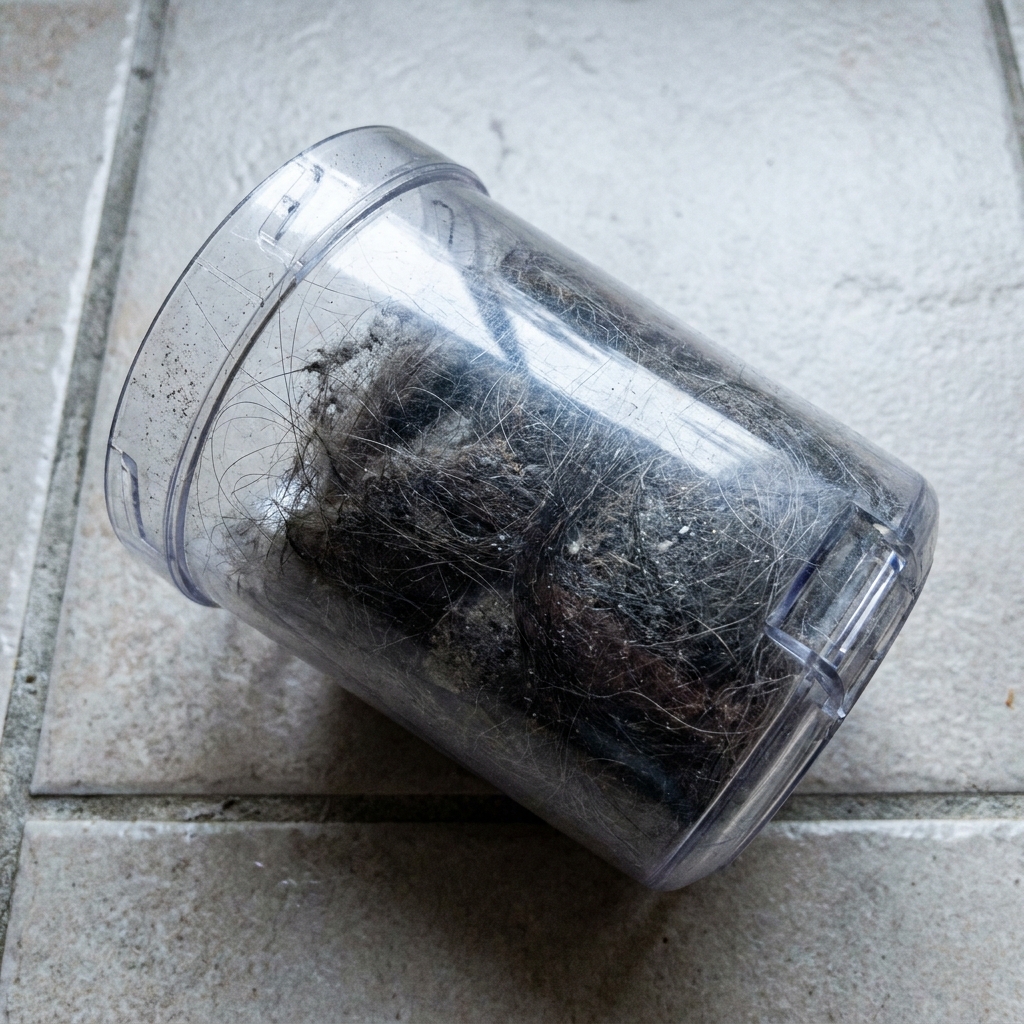
Your bagless vacuum cleaner is, every time you empty the cylinder into the kitchen bin, a record of how much hair has been on your bathroom and bedroom floors over the previous fortnight. The cylinder has no flattering angle. The mirror has the angles. The cylinder has the data. The vacuum is a household appliance, not a diagnostic. It does not know what it is recording. It does not edit what it picks up. It does, every time it pulls air across a tiled or carpeted floor, separate solids out of the airflow into a transparent plastic chamber that anyone can see at the end of the cleaning round. The chamber tells you, in a way the bathroom mirror has spent two years arranging not to tell you, what the floor has been holding since the last time the cleaning round happened. I am 50, a regional buyer for an outdoor-clothing chain in Derby, and I have been emptying the bagless cylinder of a Dyson DC50 every other Saturday morning, into the kitchen bin, since the summer of 2019. The cylinder is small enough that I empty it twice across a long Saturday cleaning. The first emptying — the one that comes after the bedroom and the upstairs landing — has, across the previous two years, been getting visibly denser with darker, longer strands than the gatherings I remember from the years before. The second emptying — after the downstairs and the front room — has stayed roughly constant. The first emptying is where the record has been keeping itself. For the first eighteen months I did not pause at the kitchen bin to look. I tipped, I sealed the bag, I went on with the day. By the autumn before last I had begun to pause. The pause was not deliberate. The pause was a small involuntary moment at the bin, every other Saturday morning, when the volume of strands gathered against the clear plastic of the cylinder caught my attention before I tipped. By the second week of December last year the pause had become a thirty-second audit. By the second week of January it had become a sixty-second audit. By the second week of February I had taken a phone photograph of the cylinder before tipping, and I had compared it, side by side at the kitchen table on the Sunday morning, with a phone photograph I had taken on the equivalent fortnight in the previous February. The two photographs were not close. The 2025 cylinder, on the same fortnight cleaning rota, on the same hard floor and the same upstairs carpet, was visibly heavier with darker, longer strands than the 2024 cylinder. The arithmetic of what the household was producing across the same rooms in the same rota had changed. The change was not the household. The household had not added a person. The change was the woman doing the cleaning round. What I had not done, in the eighteen months between the first cylinder I had paused over and the side-by-side photograph at the kitchen table, was sit down with what the cylinder had been recording. When I did sit down, on the Sunday afternoon of that February weekend, with the receipts I had been keeping in a small file in the home-office desk, the receipts had a similar arc to the photographs. A bottle of Hairburst shampoo and conditioner, on rotation in the morning shower, replaced four times across two years. A jar of Hairburst gummies, taken every morning with my breakfast, three jars across a year. A bottle of Holland & Barrett biotin, 10,000 mcg, taken with the gummies. A jar of marine-collagen powder, on the morning porridge for the better part of a year. A salon scalp scrub from a clinic on St James's Lane, £35, used twice a month for nine months. A bottle of Plantur 39 caffeine shampoo, used out — which had been topical but had been a wash-off with a contact time below the published topical-caffeine threshold. A laser comb, used three times a week for two months and then on the top shelf of the airing cupboard. The total, when I added the receipts, was £402 across seven products in twenty-one months. The cylinder, across the same twenty-one months, had filled at a steadily heavier rate every fortnight. What none of the seven products had been built to address was the silencing at the follicle. Hair grows in a cycle. The active growth phase, the anagen, lasts somewhere between two and six years in a healthy follicle. As estrogen drops in perimenopause, the local concentration of DHT at the scalp rises. DHT shortens the anagen phase. The follicle spends progressively less time producing hair and progressively more time in dormancy. The hair it produces becomes finer, shorter, and more easily released — released, eventually, onto the bathroom floor, the upstairs landing, the bedroom carpet, and from there into the cylinder of the household vacuum every other Saturday morning. Externally, the cylinder reads as a fortnightly record getting heavier. Internally, the follicles are not dead. They are silenced. The stem cells, the blood supply, the structural casing remain alive. If the local DHT at the scalp is interrupted, the follicles resume their cycle. The interruption has to occur at the scalp. Not on the floor. Not in the cylinder. At the follicle, where the silencing is occurring. Mellenza was the first product I came across whose formulation reflected the mechanism. A topical scalp serum, sprayed at the crown, the part, and the temples, nightly. Caffeine to block 5-alpha-reductase at the follicle. Polygonum multiflorum root extract, drawn from Korean dermatology research on follicle proliferation. Arginine for microcirculation around the follicle. Biotin applied to the scalp. Ginger extract for anagen support. Not a shampoo. Not a volumiser. Not a supplement. A topical wake-up call for follicles whose dormancy the household vacuum had been quietly recording every fortnight for the previous twenty-one months. I committed to twelve weeks. The phone photographs of the cylinder, on the equivalent fortnight as the side-by-side Sunday, gave me a fortnightly way to measure whether the commitment was working. Week 4. The cylinder, on the second Saturday of the month, was visibly less dense than the cylinder in the photograph I had taken in February. The volume in the chamber was lower. The colour was paler. The phone photograph from the Saturday took its place in the folder beside the February image. Week 6. The lengths I already had felt heavier between my fingers when I tied my hair back at the buying desk. Week 9. The cylinder, on the equivalent fortnight, was within the range of the 2024 photograph. The first time, on the side-by-side, that the current image was not heavier than the prior year's. Month 4. My husband, who has been doing alternate Saturdays of the cleaning round with me for the better part of twelve years, said in passing at the kitchen bin on a Saturday morning that the cylinder looked normal. He had not made a remark about the cylinder in his life. Month 5. I went to a long-service award lunch at the chain's head office in Solihull under conference-room ceiling panels and stood at the lectern accepting an award for the better part of three minutes. The cylinder is still on the floor of the utility room. The fortnightly emptying, week on week, sits within the range of what the household used to produce. If the cylinder of your household vacuum has been getting heavier every fortnight, the cylinder is not the failure. The cylinder is the cleanest household-level record you have, and the mechanism the cylinder has been recording has a published research history that goes back fifteen years. The link is below.
Your vacuum cylinder had been recording something every fortnight that no bathroom mirror was ever going to show you
Women's Health · Updated April 2026 Menopause · Hair Routine 7 Mistakes That Make Menopausal Hair Loss Worse, And the 30 Second Ritual 10,000 Women Used to See Regrowth in 8 Weeks Dr. Sarah Mitchell — Women's Health Writer. If you're standing in front of the mirror doing the 3-elastic ponytail t...
LEARN MORELike this ad? Make it yours.
Crush rebuilds this exact creative around your product — your brand, your colors, your offer — in about a minute.