
Stopped· since Apr 4, 2026
- 49
- days it ran
- 0
- relaunches
Ad copy
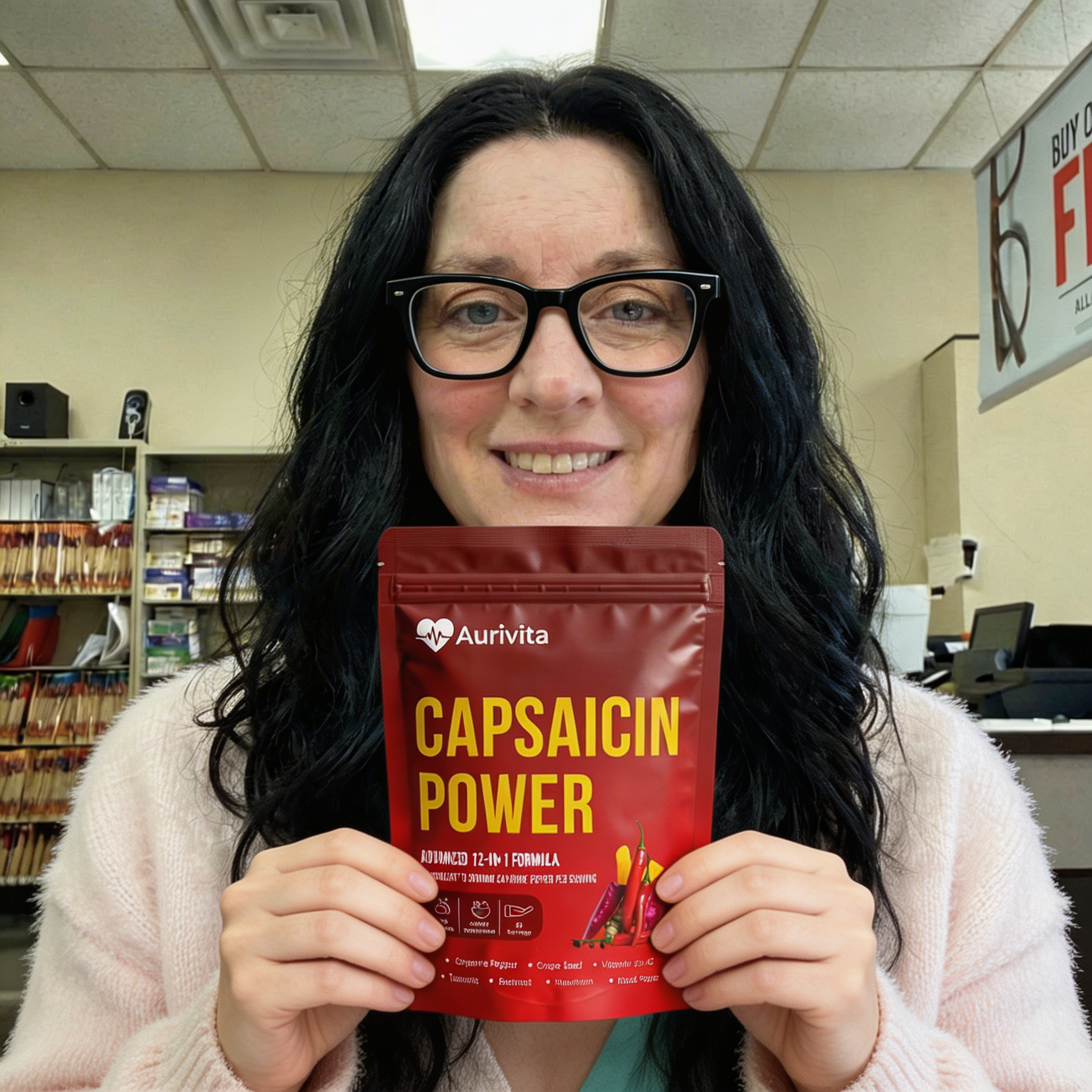
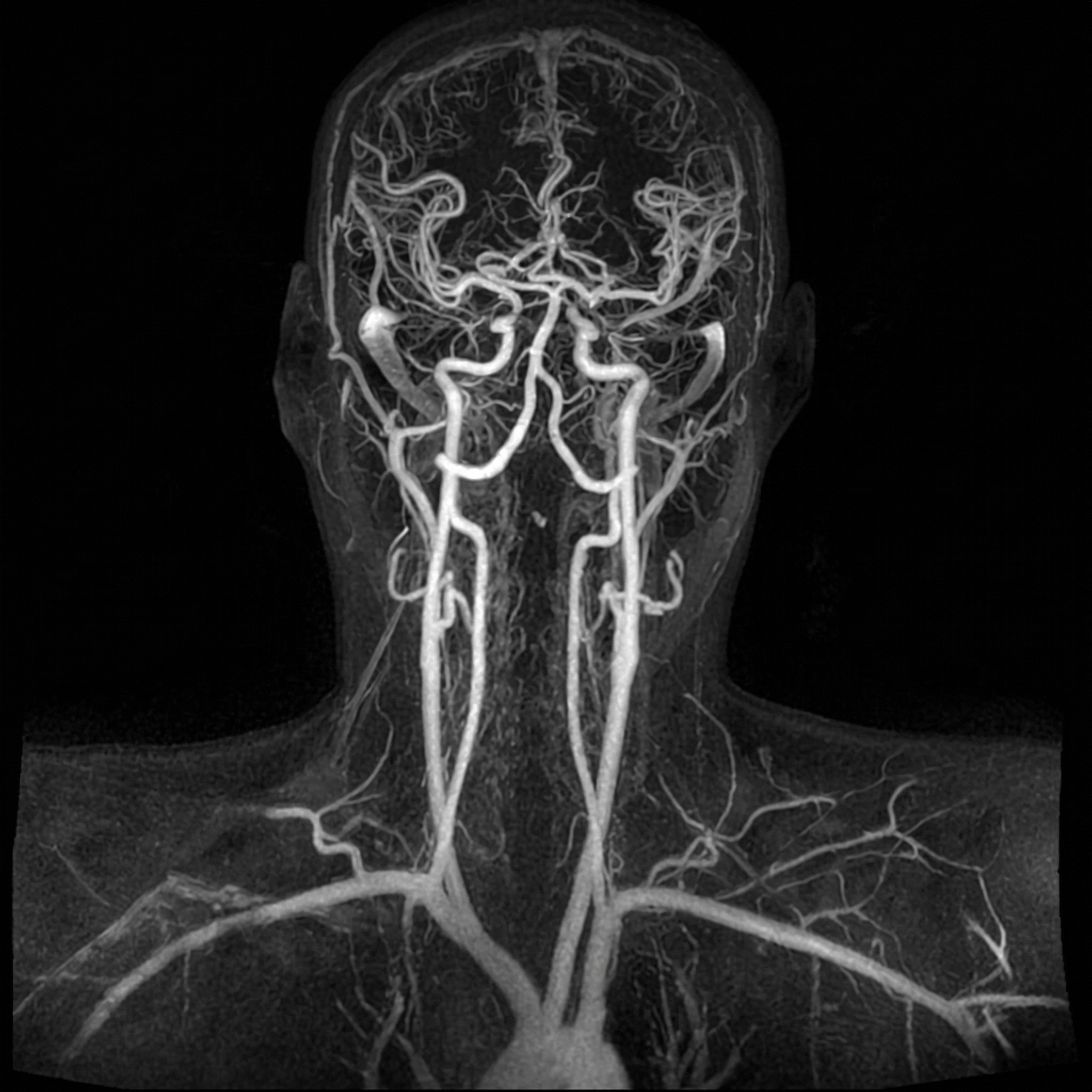
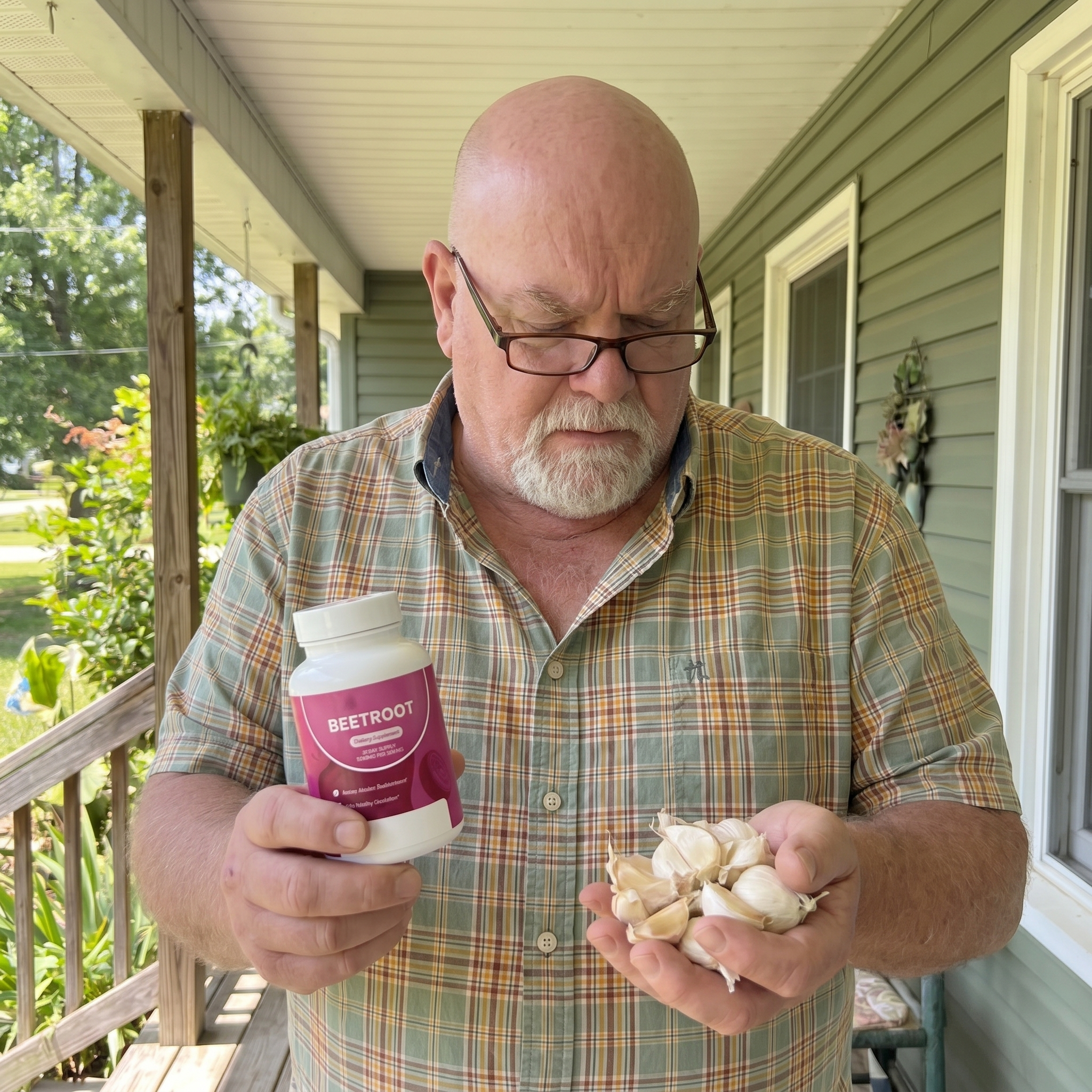
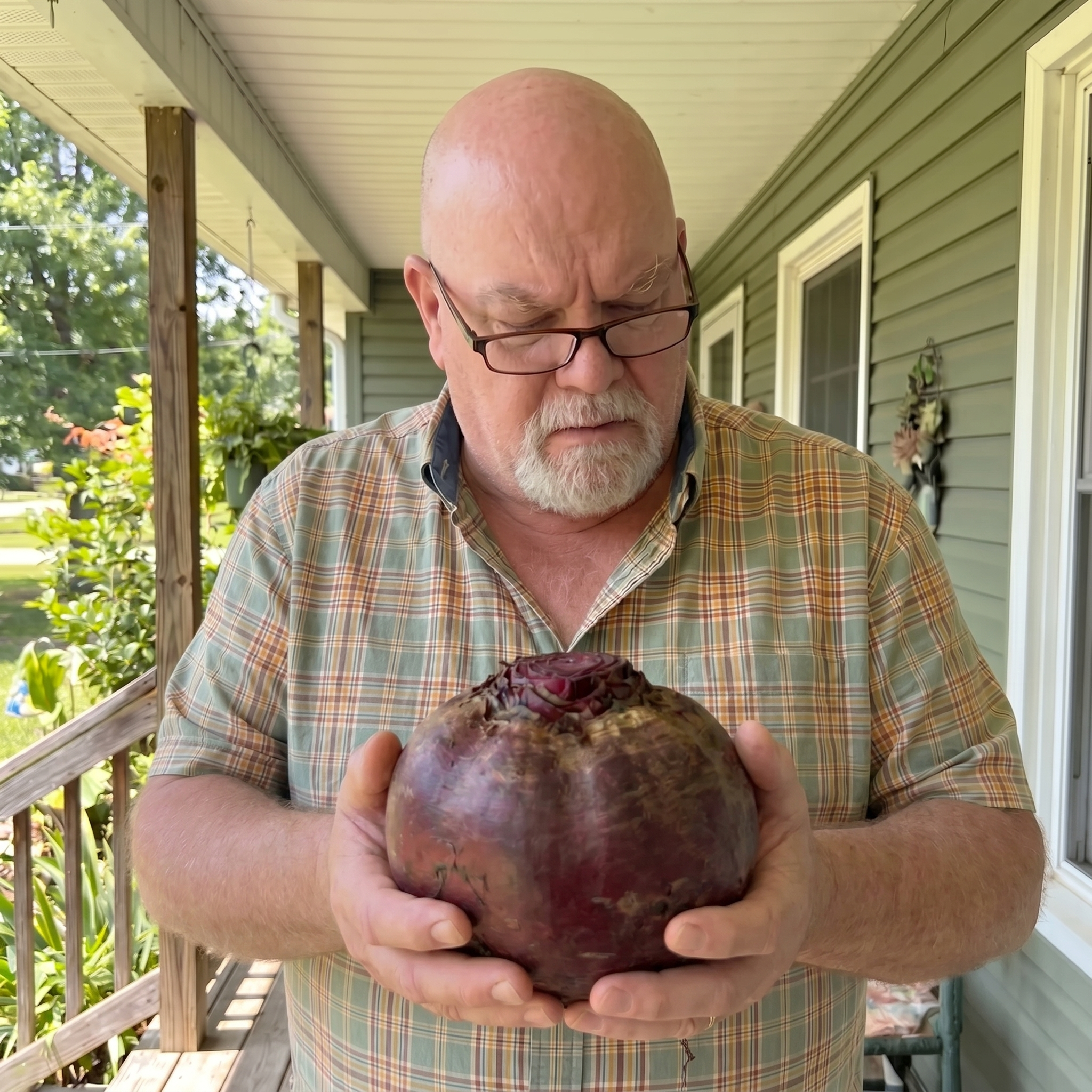
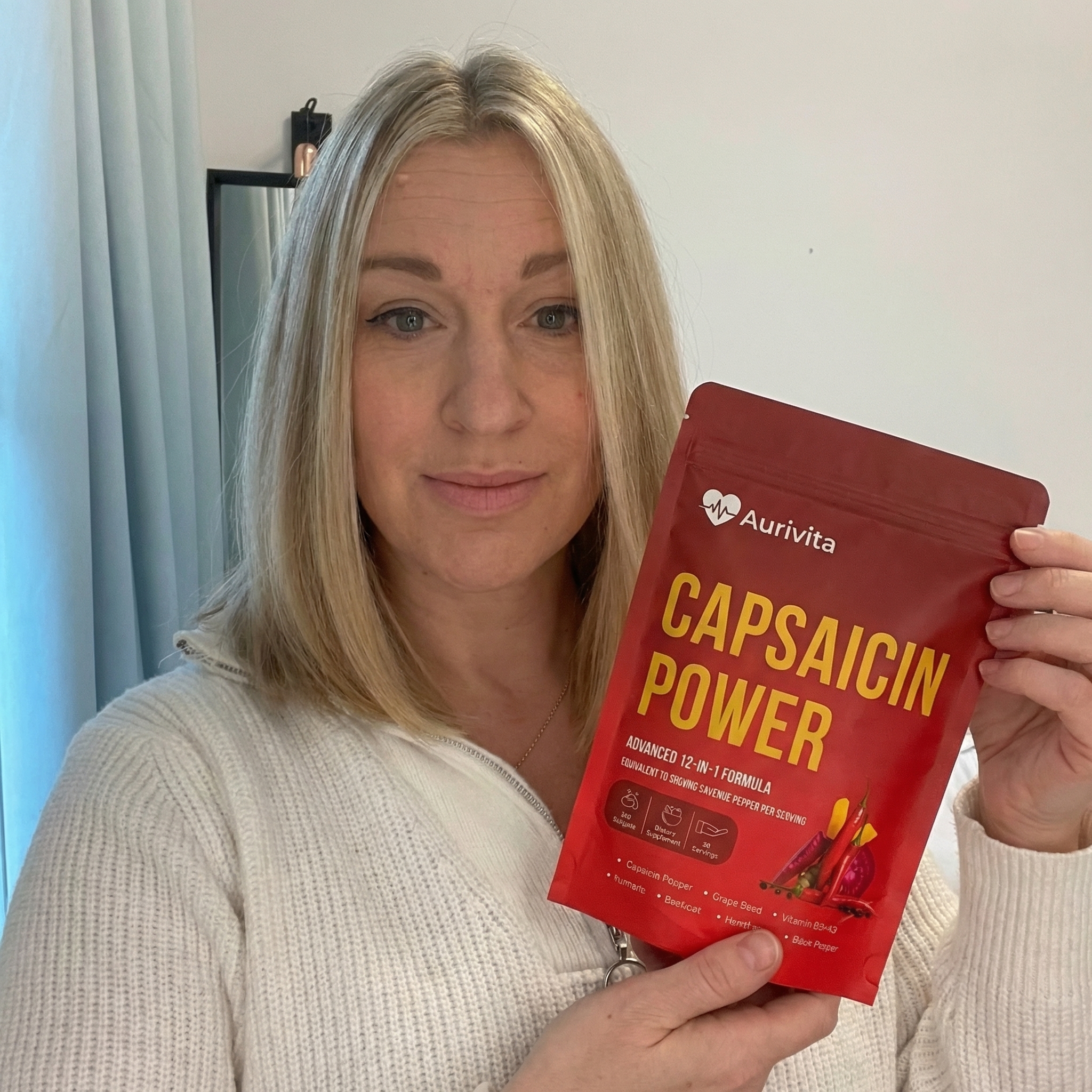
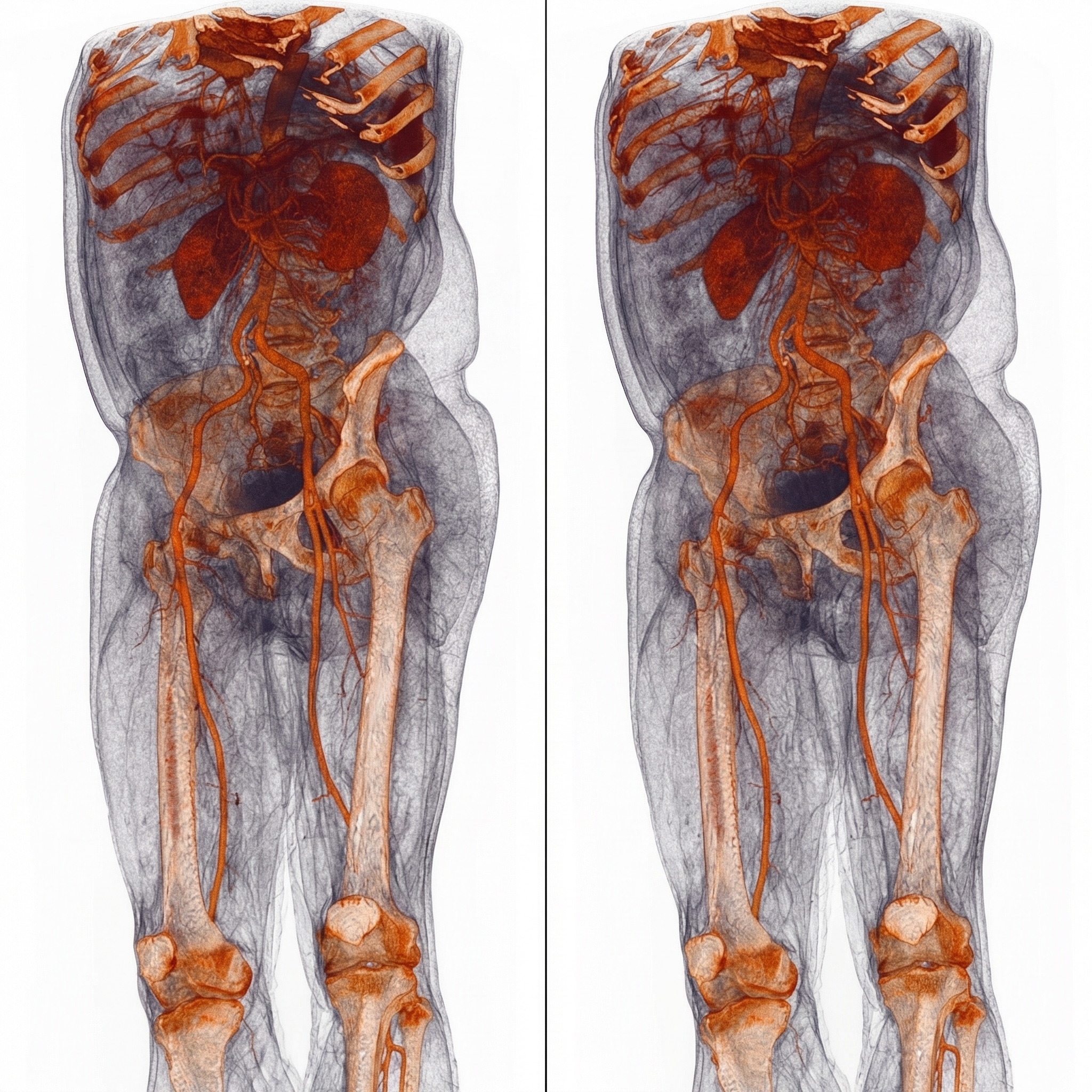
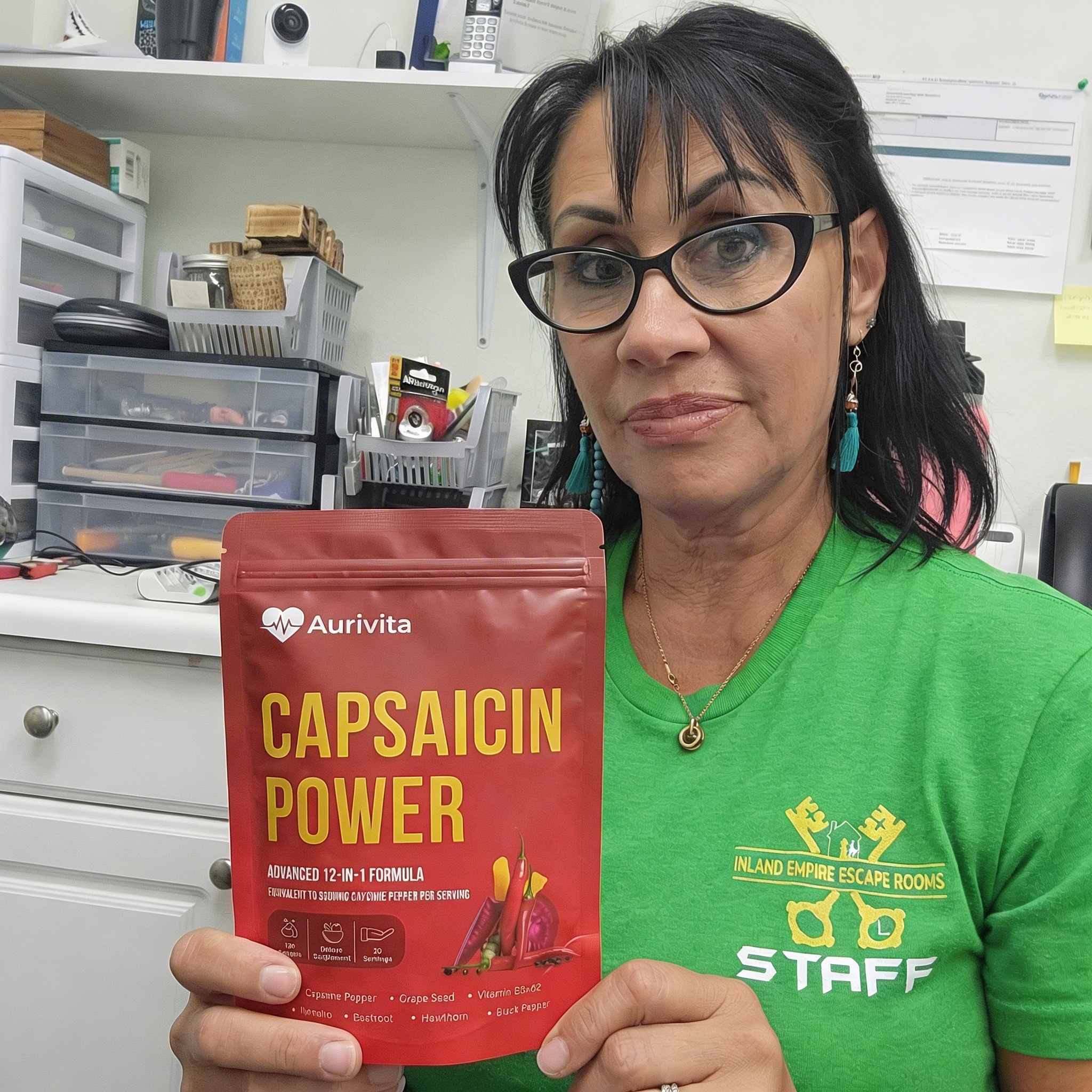
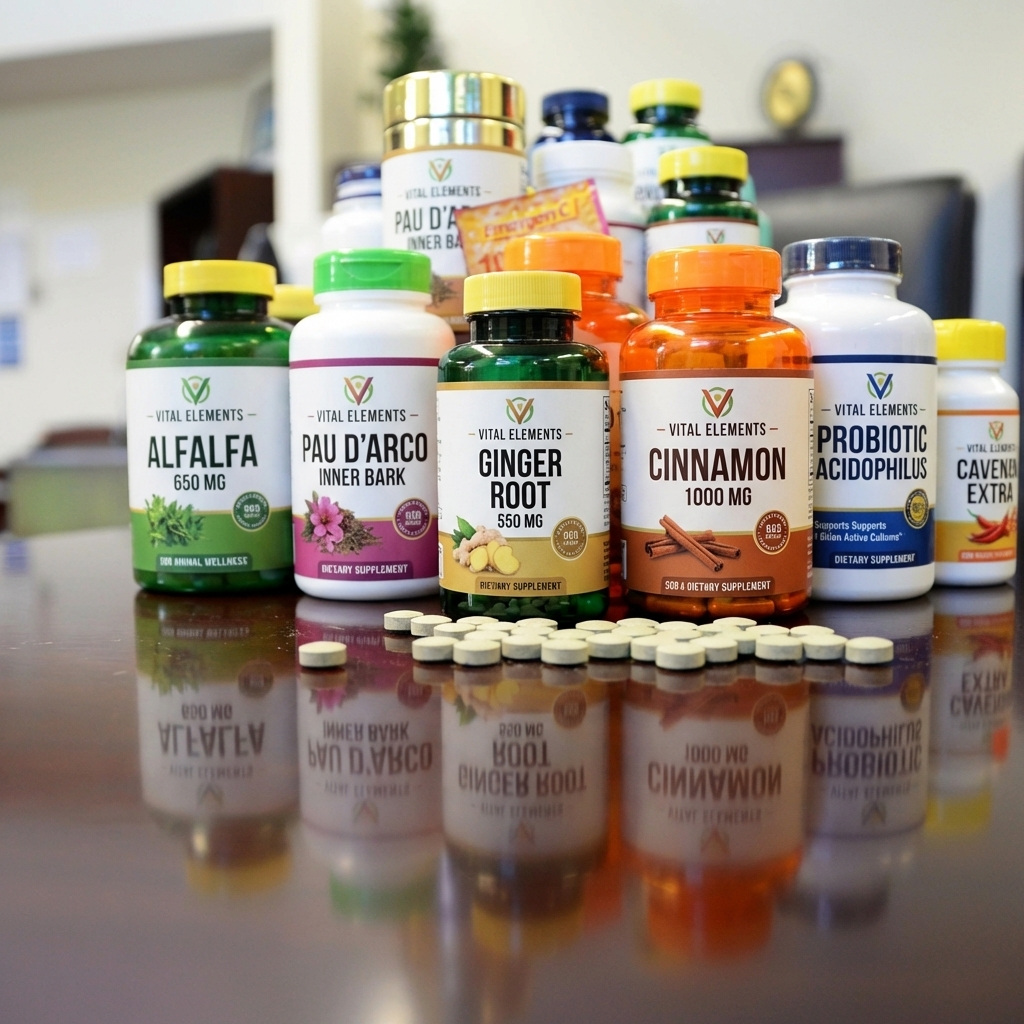
If you have spent any time on Facebook recently you have probably seen at least a dozen long posts from doctors explaining why one particular supplement is the answer to your arterial health. Beetroot. Aged garlic. Nattokinase. Cacao. Cayenne pepper. Each one comes with a compelling personal story, a list of studies, and a strong recommendation. I am Dr. Rachael Simmons. I am a cardiologist. And I want to give you an honest assessment of what the research actually says — because when the goal is removing existing arterial plaque rather than simply managing blood pressure readings, the distinctions matter considerably. Beetroot has real evidence behind it. Dietary nitrates convert to nitric oxide and blood pressure drops measurably in multiple clinical trials. The honest limitation is that the effect is temporary — a few hours — and the arterial wall itself is structurally unchanged regardless of how long you take it. Aged garlic is one I respect considerably. S-Allyl-Cysteine has genuine anti-inflammatory effects at the vessel wall and measurably reduces arterial stiffness. Research published in the Journal of Nutrition confirms real improvements in vascular flexibility after twelve weeks. Its ceiling is that it reduces ongoing inflammatory damage without addressing structural changes already present. A genuine preventive agent. Limited repair capacity. Nattokinase has legitimate evidence at the correct dose — 10,800 FU, not the 2,000 to 4,000 FU most products deliver. At that threshold it produces real cardiovascular benefit. The honest limitation is that it works on what is circulating in the blood rather than on the arterial wall tissue itself. Cacao flavanols at the 500mg dose used in the COSMOS trial — 21,000 adults over five years — showed meaningful cardiovascular benefit. The limitation the trial itself acknowledged is that the vasodilation effect peaks within two hours and resets completely. No permanent structural change in the arterial wall was demonstrated regardless of duration of use. All four of these compounds do something real. None are fraudulent. None are the whole answer to existing arterial plaque. The reason is structural. Each works through different pathways — supplying nitric oxide externally, reducing surface inflammation, thinning the blood, or producing temporary vasodilation. What none of them directly activate is the repair mechanism inside the arterial wall cells themselves. Capsaicin from cayenne pepper works differently. TRPV1 receptor activation inside the endothelial cells triggers internal nitric oxide production rather than supplying it from outside. There is also emerging research on hydrogen sulfide stimulation in vascular tissue as a secondary pathway. Whether this translates to superior plaque reduction compared to the compounds above in long-term human trials is a question the research has not fully settled. The mechanism is distinct. The early findings are interesting. A colleague of mine — James Hargreave — has put together an independent analysis of the top cardiovascular supplements of 2026 at The Heart Health Report. He has evaluated each one on mechanism, dose, and clinical evidence without a commercial interest in any of them. Aurivita Capsaicin Power is around $60 for a two month supply if you decide it is relevant after reading his analysis. I would encourage you to read what he has written and reach your own conclusion. — Dr. Rachael Simmons, MD, FACC Preventive Cardiologist
Too Many Long Stories on Facebook
Support your cardiovascular health with our capsaicin softgels, a premium supplement meticulously formulated for those who prioritize long-term heart vitality.
LEARN MORELike this ad? Make it yours.
Crush rebuilds this exact creative around your product — your brand, your colors, your offer — in about a minute.