
Active· since May 10, 2026
- 132
- days running
- 0
- relaunches
Ad copy
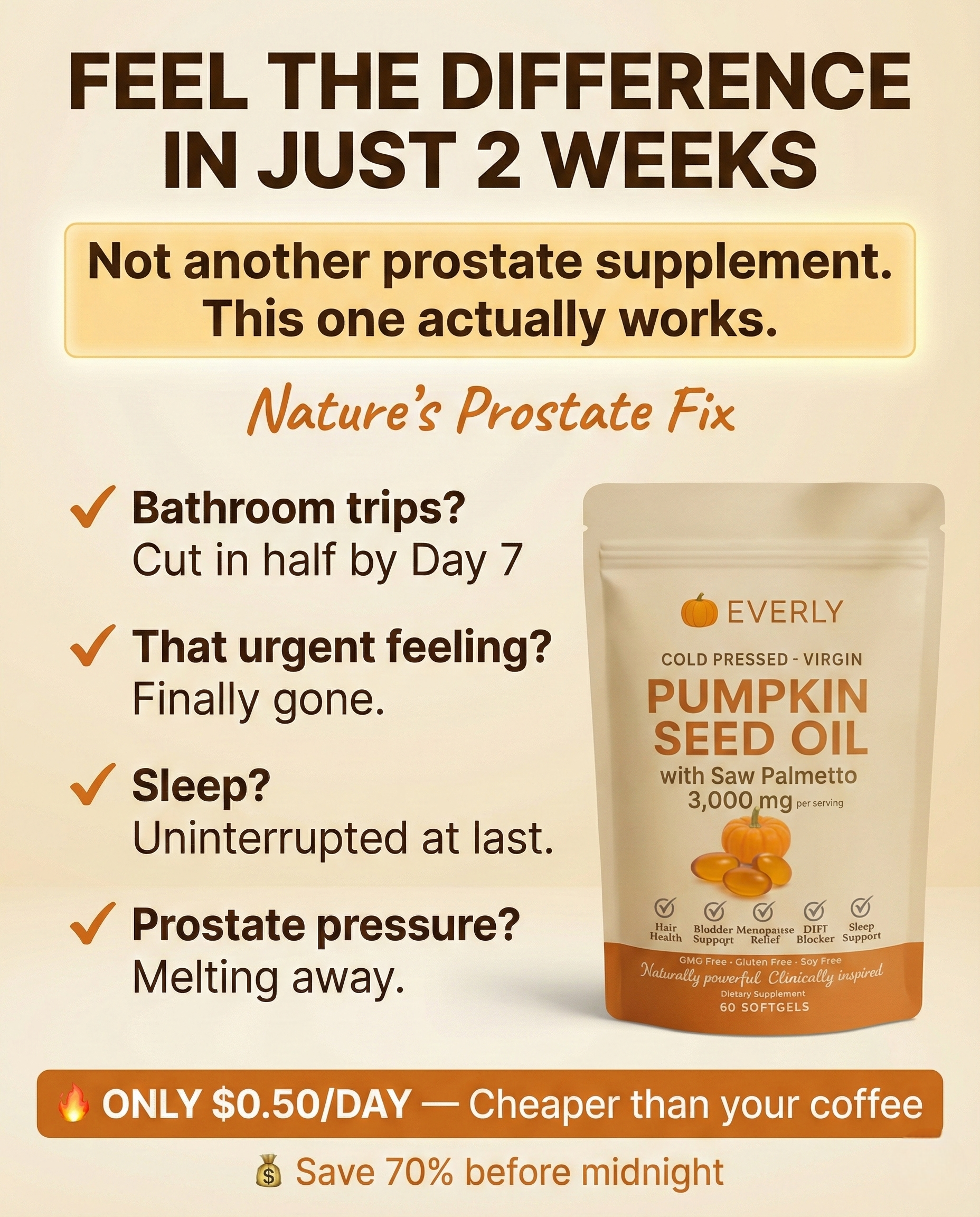
My urologist sister married an Amish man in Lancaster County. At the reception, the groom's 87-year-old grandmother stood up during the toasts and looked at our side of the table, and said something nobody in my family has forgiven her for. My sister Rachel married Daniel Stoltzfus on September 21st in a barn on his family's farm. But you won't understand the reception if you don't understand what led up to it. Rachel is a urologist. Was a urologist. Board-certified, fellowship-trained, the kind of specialist other doctors referred their difficult cases to. She'd spent four years of medical school, five years of residency, and two years of fellowship learning how to keep kidneys working. She was supposed to join a practice in Pittsburgh. That was the plan. That had always been the plan. The plan changed because of a research project. Rachel was studying renal outcomes in Amish populations. The data had always puzzled researchers. Amish communities have significantly lower rates of chronic kidney disease despite no routine screening, no pharmaceutical intervention, no GFR monitoring. Rachel wanted to understand why. Her department approved a field study. She needed to spend time in Lancaster County interviewing families, collecting health histories, observing dietary patterns. A colleague connected her with the Stoltzfus family. She came home from her first visit talking about creatinine levels and glomerular filtration rates and a man named Daniel who had walked her through four generations of family health history from memory. No charts. No electronic records. Just a man who knew that his grandmother's mother lived to 94 and was shelling peas the morning she died, and his grandfather's father lived to 91 and never saw a doctor once. I didn't think anything of it. My sister has always been passionate about whatever she's studying. She once explained the nephron filtration process for forty minutes at Easter until our father's eyes glazed over and he started clearing plates while she was still talking. The second visit she mentioned Daniel again. The third visit she didn't mention him at all, which is when I knew. By Christmas she told us she was seeing him. By Easter she told us it was serious. By July she told us he'd asked her to marry him and she'd said yes. My mother sat at our kitchen table and said nothing for a very long time. Then she said: "She went to medical school for eleven years." That was her way of saying everything she couldn't say. That our sister, who was fellowship-trained in urology, who had $310,000 in student loans, who had a job offer from one of the best practices in Pittsburgh, was going to live in a house with no electricity. No internet. No car. Was going to wear a plain dress and learn to can vegetables and wash clothes by hand. Was going to leave behind everything she'd trained for. My aunt Margaret is a family physician. She called me the night we told the family and said: "Karen, this is a phase. She'll come back." My cousin David, who is a pharmacist, said: "She's throwing away a career most people would kill for." My grandmother said: "At least he seems like a good man." Which was her way of trying to be supportive. Nobody in my family understood it. I didn't understand it either. But I watched Rachel's face when she talked about Daniel and I saw something I recognized, the look I had when I met my husband James at 24 years old and knew before I had any right to know. You can't argue with that look. I tried. It didn't work. We met the Stoltzfus family in August. James and I drove to Lancaster County on a Saturday morning. He was tense the whole drive. Kept checking his phone and adjusting the GPS, which is what he does when he's anxious and doesn't want to admit it. The farm was beautiful. I'll say that first because everything else I'm about to tell you might make it sound like I didn't notice, but I noticed. Sixty acres of green rolling hills. A stone farmhouse with a deep porch. A red barn that looked like it had been standing since the Revolution and would stand for another two hundred years. Garden rows so straight they looked drawn with a ruler. Horses in a paddock behind the barn. Laundry on a line: white shirts, dark trousers, a quilt that caught the wind and billowed like a sail. Daniel met us in the driveway. He was tall. Lean but strong. A beard with no mustache, the way Amish men wear them after marriage, though he was still clean-shaven then. He shook James's hand and I watched my husband register the grip. Not because Daniel squeezed too hard. Because the handshake reminded James of something. His own grip used to be like that. Before the fatigue set in. Daniel introduced us to his parents, his father Amos, 63, and his mother Sarah, 60. Amos was built like the barn behind him. Square. Solid. He'd been working since before dawn and he looked like he could work until midnight. Sarah was small, warm, direct. She took my hand in both of hers and said: "Your sister is a gift. We love her already." Then Ruth came out of the kitchen. Daniel's grandmother. Eighty-seven years old. She walked toward us across the yard and I want you to understand how she walked because it matters for everything that comes later. She didn't shuffle. She didn't hold onto anything. She walked the way women walk when their bodies are still listening to them, straight back, steady stride, purpose in every step. She was carrying a basket of green beans in both hands. She'd been working in the garden. At 87, at 9 AM on a Saturday, she was picking beans. She set the basket down and took my hand. Her grip was firm. Her skin was weathered but her eyes were sharp as a hawk's. "You raised a fine sister," she said. Her voice was clear. Everything about her was clear in a way that made you notice it because you weren't used to seeing it in a woman her age. We sat on the porch. Sarah brought coffee and pie, shoofly pie, which I'd never had. It was dense and sweet and tasted like molasses and history. We talked for two hours. I learned that Amos had been farming this land since he was 14. That Sarah sewed every piece of clothing her family wore. That Ruth had planted every fruit tree on the property and still tended them herself. I looked at Ruth's hands while she ate her pie. Eighty-seven years old. She held the fork steady. Cut the crust clean. No tremor. No stiffness. No hesitation. I looked at James. He was 54 years old. He'd been getting up three times a night to use the bathroom for two years. His ankles were swollen by dinnertime. His urine had been foamy for months. He'd mentioned it to his doctor once. His doctor had said: "Drink more water. It's probably nothing." James drank more water. It was still foamy. He stopped mentioning it. I stopped asking. We'd both been pretending it was nothing because the doctor said it was nothing. The wedding was in September. Two months of planning that felt like two years. Amish weddings are different from what I expected. They're long, they're in the home or barn, there's no music, no flowers, no decorations the way we'd think of them. The beauty is in the simplicity. The barn had been cleaned until it glowed. Benches arranged in rows. Sunlight coming through the loft windows in columns of gold. Rachel wore a blue dress Sarah had sewn by hand. No white gown. No veil. She looked more beautiful than I had ever seen her, stripped of everything extra, down to just herself. Daniel stood across from her in a black coat and white shirt. They didn't exchange rings. They made promises. I cried. Not because I was sad. Because my sister had chosen a life I didn't understand and I could see, standing in that barn, that she was exactly where she was supposed to be. That's a hard thing for a sister. And a beautiful thing. Both at the same time. The reception was in the farmhouse. Long tables. Food that had been cooked by the community: roast chicken, mashed potatoes, creamed celery, bread and butter, more pie than I'd ever seen in one room. No alcohol. No DJ. Just people eating and talking and laughing in a house that smelled like food and wood and kerosene lamps. The toasts came after dinner. In Amish weddings the toasts are informal. People stand up and speak when they feel moved to. Daniel's father spoke first. Then Sarah. Then my aunt Margaret, who kept it short and polite and didn't say any of the things I knew she was thinking. Then James stood up. My husband is not a public speaker. He's a quiet man who shows love through acts, not words. But he stood at that table and he gave a toast about Rachel. About watching her graduate. About how proud he was. About knowing she was going somewhere special even if it wasn't where any of us expected. He got through it. People clapped. He sat down. Reached for his water and drank the whole glass because his mouth was dry. Then he excused himself to the bathroom. The third time that evening. I watched him go and I felt the thing I'd been feeling for two years. The low hum of worry that lives in your chest when you know something is wrong with someone you love but nobody has given it a name yet. Then Ruth stood up. The room quieted the way a room quiets for someone who doesn't speak often. You could hear the kerosene lamps hissing on the walls. She looked at Rachel first. Smiled at her. Then she looked at our side of the table, me, James, Margaret, David, my mother. She looked at us the way you look at people you're about to say something difficult to. Not with anger. With the kind of care that comes before hard words. "I want to welcome Rachel's family into ours," she said. "You raised a sister who chose us. That means something. It means she saw something here worth giving up her world for." She paused. Took a breath. "But I'm 87 years old and I'm not going to waste whatever time God gives me being polite when I should be honest. So I'm going to say something to you because your sister is my granddaughter now and your family is my family now and I don't let family walk around blind when I can see. And I'm saying this with your sister sitting right there, and she's a kidney doctor, so she can tell me if I'm wrong." The room was completely still. "I've had these kidneys for 87 years. They work. I get up once in the night to use the bathroom and that's because I drink a cup of chamomile tea before bed, not because anything is broken. My husband Eli, God rest him, had his kidneys working perfect until the day he died at 89. My son Amos is 63. He drinks water from this well, eats food from this land, and his body runs the way God made it to run." She looked at James. Not unkindly. But directly. "Your brother-in-law left the table three times during dinner. I counted. He thinks nobody noticed. Everybody noticed. A man of 54 shouldn't need to leave a table three times in two hours. That's not a small bladder. That's a body sending a signal that somebody isn't listening to." I heard Margaret inhale sharply beside me. David put his hand on her arm. "And I watched his wife, I watched you, watching him go each time. The way a woman watches when she's worried and nobody's told her she's allowed to worry. I know that look. My daughter-in-law had it before we lost her. The look of a woman who sees something the doctor doesn't." She was looking at me. And she was right. I was looking at her exactly like that. "I don't know what your husband's doctor told him. I know what doctors tell men in their fifties when their body starts talking. They say drink more water. They say it's your age. They say your numbers are fine. And the man goes home and his wife watches him get up three times in the night and neither of them says anything because the doctor said it was fine." Ruth's voice was steady. The way a woman's voice is steady when she's told a truth enough times that it's become smooth. "My cousin Leah's husband left this community when he was a young man. Went to live in the English world. Married a good woman. Got a job at a factory. Started eating English food. Drinking English water. Living under English stress. By the time he was 52, he had foam in his urine. His wife told Leah about it at a family gathering. Said it looked like soap suds every morning. His doctor said his numbers were fine." I felt something cold settle in my stomach. James's urine. I'd seen the foam. He'd pointed it out once, almost casually, like showing me a stain on his shirt. "Numbers were fine," he'd said his doctor told him. "Three years later, Leah's husband was swelling. Ankles first. Then his face. Then his hands. He was tired all the time. Couldn't work a full day anymore. His doctor said his blood pressure was a little high, gave him a pill. Said his numbers were still in range." James's ankles. I'd bought him compression socks for Christmas and told myself it was because he was on his feet all day at work. It wasn't because he was on his feet all day. "Five years later, Leah's husband was on three pills. Blood pressure. Cholesterol. Something for his blood sugar. Each doctor looking at their own number. Each number technically acceptable. Nobody looking at the man. Nobody asking why a man of 57 who used to carry lumber couldn't walk to the mailbox without stopping. Nobody asking why his face was puffy every morning. Nobody asking about the foam." James's face in the morning. I'd noticed it. The puffiness around his eyes that wasn't there five years ago. I'd told myself it was allergies. "Leah's husband was on dialysis by 60. Three days a week in a chair with a machine doing what his kidneys used to do for free. He was 60 years old. My son Amos is 63 and he was in the field before dawn today carrying fence posts on his shoulders. Same age. Two different bodies. Because one body was listened to and one body was managed with pills while nobody listened." I couldn't breathe. I was sitting at my sister's wedding reception and I couldn't breathe. "The foam was the first sign. His kidneys were leaking protein into his urine. That's what foam means. Not bubbles from the water hitting the bowl. Foam that sits. Foam that doesn't dissolve. That's protein passing through filters that are failing. His body was screaming and his doctor was checking a chart." She paused. "Leah's husband died at 63. On dialysis. With numbers his three doctors called manageable. I drove two hours to his funeral. His wife told me at the graveside that the last thing he said to her was: 'I should have listened to my body instead of the chart.' He died knowing the truth. He just knew it too late." She looked at James. "I watched you leave this table three times tonight. I watched your wife watch you go. I saw her face. It's the same face Leah had for seven years before the machine. You're 54. You have time. But not unlimited time. Your body is talking to you in the night when it wakes you up. It's talking to you in the morning when the bowl is foamy. It's talking to you when your ankles are tight by dinnertime. Somebody needs to start listening. And it isn't going to be the doctor who told you to drink more water." She sat down. Nobody spoke. For a long time, nobody spoke. Sarah touched Ruth's arm gently. Rachel was looking at James with tears running down her face. Daniel had his hand on her back. Margaret was staring at the table. James was staring at his hands. They were swollen. Slightly. Not enough that anyone would mention. But enough that I'd noticed his wedding ring was tight and he'd stopped wearing it some days. An 87-year-old woman had just said out loud the thing I'd been swallowing for two years. We left the next morning. The drive home was three hours. James didn't speak for the first hour. Then he said: "The old woman was out of line." "Was she wrong?" James didn't answer. I drove. He sat in the passenger seat looking out the window. He fell asleep twenty minutes later. In the middle of the afternoon. The tiredness. That night I stood in our bathroom and watched James get ready for bed. He went to the bathroom one more time. I heard the flush. I thought about Ruth's voice: Your body is talking to you in the night. Somebody needs to start listening. For two years James had been getting up in the night. His doctor had run a basic metabolic panel. Creatinine was 1.2. "Normal range," the doctor said. "You're fine." GFR was 78. "Acceptable for your age," the doctor said. "Nothing to worry about." And for two years I'd watched my husband's body quietly tell a different story while the chart said everything was fine. I'd seen all of it before. But I'd never seen it next to Ruth's hands. Next to Amos carrying fence posts at dawn. Next to what a body looks like when nobody has neglected it. The wedding put James in a room with people who still had what he was losing, and now I couldn't look at him without seeing the gap. The bathroom trips. Every night. Two o'clock. Four o'clock. Sometimes five-thirty. He'd get up carefully, trying not to wake me. He always woke me. I'd lie there listening to the bathroom fan and the flush and his footsteps coming back and the mattress shifting as he lowered himself back down. Two years of that. I used to think it was just his prostate. Now I thought about Leah's husband and foam that sits. The foam. I'd seen it. He didn't always flush right away and I'd seen the bowl before the next person used it. Foam that didn't dissolve. Not bubbles. Foam. The kind that sits on the surface like a layer of something that shouldn't be there. His doctor said drink more water. Ruth's cousin's husband's doctor said numbers were fine. Same answer. Same chart. Same story that ends in a chair three days a week. The swelling. His ankles by evening. Tight shoes by afternoon. His wedding ring rotating freely in the morning and stuck by dinnertime. His face in the morning, puffy around the eyes, like he'd been crying in his sleep. He hadn't been crying. His kidneys weren't clearing fluid the way they should. Nobody tested for that. Nobody looked for protein in his urine. Nobody checked his albumin. They checked the number on the chart and said he was fine. The tiredness. Asleep by 8 PM most nights. Not watching TV. The TV watching him. He used to stay up until 11, fixing things around the house, reading, talking to me at the kitchen table. Now he was a man who could barely keep his eyes open past dinner. His doctor said it was stress. Said it was his age. Said maybe he should try sleeping pills. Sleeping pills. For a man whose kidneys couldn't filter waste properly, whose blood was carrying toxins his body couldn't clear, whose fatigue wasn't about sleep but about a system failing in slow motion. I'd been calling all of it aging. His doctor had been calling it aging. Two years of "your numbers are acceptable" while the man attached to the numbers faded a little more every month. I saw it. Standing in that bathroom watching my husband wash his hands and dry them and walk back to bed, moving slowly, the way a man moves when his body is heavier than it should be. And I couldn't unsee it. I didn't sleep that night. I lay in bed next to James and listened to him breathe and I thought about Ruth in that barn. About the basket of green beans. About Amos carrying fence posts at dawn. About Leah's husband in a dialysis chair. About every word that old woman said and how none of it was wrong. For three weeks I carried it. I didn't tell James what I was thinking. I didn't tell Margaret. I didn't tell anyone. I just watched. Watched him get up in the night. Watched his ankles swell. Watched the foam in the bowl. Watched him fall asleep at dinner. Then Rachel called. "Karen, I need to come see you. I have something I want to show you. It's important." She drove down on a Saturday. I made coffee. She sat at the kitchen table, the same table where James and I ate dinner most nights while he fought to keep his eyes open, where I sat alone after he went to bed, where I drank reheated coffee and worried. "Karen, I need to talk to you about James." "I know." "You know?" "Ruth said it at the reception. I've been seeing it since we got home. I've been seeing it for years, Rachel. I just didn't have a name for it." She nodded slowly. Then she opened her bag and pulled out a folder. Not a thin one. Thick. Papers, printouts, highlighted articles. I recognized the way she organized research, the same way she'd organized it in medical school. Color-coded tabs. Notes in the margins. "Karen, I'm a urologist. I spent five years in residency and two in fellowship learning how to treat kidneys. I told patients their GFR was acceptable. I said the same things James's doctor says to him every six months." She paused. "And then I moved here. And I watched Ruth tend fruit trees at 87. And Amos work sixteen-hour days at 63. And I started asking myself a question I never asked in residency: why are the people in this community keeping their kidney function into their eighties and nineties while my own brother-in-law is losing his at 54?" "That's what my original research was supposed to answer. Before I fell in love with Daniel and ruined the objectivity." She smiled. But her eyes were serious. "I kept researching after the wedding. Not for a paper anymore. For James." She slid a printout across the table. "Karen, I prescribed medications to manage kidney decline. I need you to understand what I'm about to tell you, because it means I was looking at the wrong thing. Not just James's doctor. Me. I was part of the system that missed this." Her voice caught. My sister, my composed, brilliant, fellowship-trained sister, had tears in her eyes. "James's doctor has been watching his GFR and creatinine for two years. Those are lagging indicators. By the time GFR drops below 60, you've already lost significant function. It's like checking the temperature of a burning house. By the time the thermometer reads hot, the walls are on fire. What nobody is checking is the oxidative damage happening to the nephrons RIGHT NOW." She told me what she'd found. The way a doctor tells you something when the doctor has realized it contradicts everything she was trained to believe. "The kidneys filter about 200 liters of blood every day. They're the most metabolically active organs in your body after the heart. That means they produce enormous amounts of free radicals as a byproduct of all that filtering. In a healthy system, antioxidants neutralize those free radicals before they damage the nephron walls. But in the modern world, processed food, environmental toxins, chronic stress, medications, the free radical load overwhelms the body's natural defenses. The nephron walls get damaged. The filtration membrane breaks down. Protein starts leaking through. That's the foam James sees in the bowl. That's not a plumbing problem. That's cellular damage to the kidney's filtration system." "His doctor checks creatinine and GFR. Those measure how much filtering capacity remains. But they don't measure the CAUSE of the decline. The oxidative assault on the nephrons keeps going unchecked while everybody watches a number and says 'acceptable for your age.'" She pulled out another page. "And this is what explains the swelling. And the fatigue. And the nighttime trips. And everything Ruth saw at the reception that his doctor hasn't noticed in two years." "When nephrons are damaged by oxidative stress, the kidneys lose their ability to regulate fluid balance. Sodium isn't properly filtered. Water retention increases. Ankles swell. Face gets puffy. Blood pressure creeps up. And the body starts producing more urine at night as a compensation mechanism, not because you drank too much water, but because damaged kidneys shift their workload to nighttime when blood pressure changes and more blood flows through the renal arteries." She looked at me with eyes that held something I'd never seen in my sister before. Guilt. "Karen, that's not aging. That's progressive nephron damage from unaddressed oxidative stress. His doctor has been watching the output numbers while the factory floor is on fire. I would have done the same thing in practice. Before I came here." I thought about James getting up at 2 AM. At 4 AM. Every night. For two years. And every doctor, including his own sister-in-law, calling it normal. "The Amish don't have this problem because their lifestyle naturally protects against renal oxidative stress. Physical labor that promotes blood flow to the kidneys. Clean food without the processing chemicals that generate free radicals. No chronic dehydration from caffeine and alcohol. Their nephrons aren't under siege the way ours are. That's why Ruth is 87 with perfect kidney function. Not because she's lucky. Because nothing in her life is attacking her kidneys." She paused. "But Karen, you and James can't move to Lancaster County. You can't change your whole life overnight. So I kept looking for something that does what their lifestyle does. Something that targets the renal oxidative damage specifically. Something that protects the nephrons." She pulled out one more printout. "Pumpkin seed oil. Specifically, the phytosterols, zinc, and delta-7-sterols in cold-pressed pumpkin seed oil. I'd barely glanced at this in residency. The curriculum focused on GFR staging and dialysis preparation, not the compounds that prevent nephron damage in the first place. But the research is extensive. Decades of studies across Europe, particularly Austria and Slovenia where pumpkin seed oil has been used for kidney and urinary health for generations." "Phytosterols in pumpkin seed oil are anti-inflammatory at the cellular level. They reduce the inflammatory cascade that damages nephron walls. The zinc is a cofactor for superoxide dismutase, one of the body's most powerful endogenous antioxidants, the one that specifically protects renal tissue. And the delta-7-sterols have been shown to support healthy urinary flow and reduce the nighttime frequency that's been waking James up for two years." "When you reduce oxidative stress in the nephrons, the filtration membrane starts to heal. Protein stops leaking through. The foam disappears. When you reduce inflammation in the renal tubules, fluid regulation normalizes. The swelling goes down. When you support healthy urinary patterns, the nighttime trips decrease. The body gets real rest. The fatigue lifts." She tapped the printout. "The research on pumpkin seed oil and kidney protective markers is significant. Reductions in urinary protein. Improvements in inflammatory markers. Normalization of urinary frequency. And here's what most people don't understand: not all pumpkin seed oil is the same. Most supplements on the shelf use heat-extracted oil. High temperatures destroy the delta-7-sterols and oxidize the very fatty acids that are supposed to protect your kidneys. You're swallowing damaged oil and wondering why nothing changes." She reached into her bag and set a bottle on the table. "The brand is called Everly. Each softgel delivers cold-pressed pumpkin seed oil, preserved at low temperatures to keep the phytosterols, zinc, and delta-7-sterols intact. That's the difference between a supplement that checks a box and one that actually reaches the nephrons in a form they can use." "Pumpkin seed oil also contains essential fatty acids, omega-3, omega-6, and omega-9, in a ratio that supports the cell membrane integrity of the nephrons themselves. Those membranes are what stand between filtered blood and unfiltered waste. When they're intact, protein stays where it belongs. When they're damaged by oxidative stress, protein leaks through and you see foam. Nobody is checking those membranes. Everybody is watching the GFR number and waiting for it to fall far enough to warrant action. That's not medicine. That's a countdown." She pushed the bottle toward me. "You can't give James an Amish life. But you can give him this. The phytosterols address the inflammation his doctor isn't testing for. The zinc supports the antioxidant enzyme his kidneys desperately need. The delta-7-sterols normalize the urinary patterns nobody's treating. Three problems. One softgel. One glass of water." "Karen, Ruth is 87 and picking green beans because nothing in her world is attacking her kidneys and everything in her diet is protecting them. James is 54 and getting up three times a night because everything in his world is doing the opposite. This is the closest thing to what the Stoltzfus family has. In a bottle." I looked at the bottle on my kitchen table. I looked at the chair where James would sit in four hours when he got home from work, where he'd fall asleep by 8 PM with the remote in his hand. And I looked at my sister, the urologist who left her career, married a farmer, and drove three hours to sit at her sister's kitchen table and say the thing her training never taught her to say. I picked up the bottle. "Does Daniel know you're here?" I asked. "He drove me. He's in the truck. He said this was between you and me." That night, after James fell asleep in his chair at 7:45, I opened the bottle. Set two softgels on the kitchen counter next to a glass of water. In the morning I put them next to his coffee mug. He came downstairs. Kissed the top of my head the way he always does. Sat down. Looked at the softgels. "What's this?" "Something new. Just take them. For me." "What is it?" "James. Just take them. Please." He looked at me. We've been married 28 years. He knows when I'm asking something that matters. He picked them up and took them with the water. Day four, a Wednesday, James slept through the night. I was already awake at 3 AM, the way I'd been awake at 3 AM for two years, listening for his footsteps. They didn't come. I lay there until 5:30 when the alarm went off. He was still next to me. He hadn't gotten up. Not once. I stared at the ceiling and something cracked open inside my chest. Relief is too small a word. It was more like setting down something impossibly heavy that I'd been carrying so long I forgot I was holding it. Week two. I went into the bathroom after James one morning. Looked in the bowl before I flushed. Clear. No foam. No layer of protein sitting on the surface like a warning sign nobody was reading. Clear water. For the first time in over a year. I stood in our bathroom and cried. Not loudly. Just standing there, looking at a toilet bowl, crying because it was clear and that clarity meant something enormous that only a wife who's been watching would understand. Week three. A Saturday morning. James was awake before me. I found him in the garage at 7 AM. He was sorting tools. Not using them yet. Just organizing the workbench he hadn't touched in a year. "Thought I'd fix that shelf in the laundry room today," he said. "Thought I'd fix that shelf." Seven words. Seven ordinary words that sounded like a resurrection. He fixed the shelf. Then he fixed the loose railing on the back steps. Then he mowed the lawn. He didn't come inside for a break. He didn't fall asleep on the couch afterward. He just worked, the way a man works when his body has energy again, when the machine is running the way it's supposed to run. Week four. His ankles. I noticed at dinner. His socks weren't leaving marks anymore. For two years his socks had pressed grooves into his skin that took hours to fade. I looked at his ankles and they were just ankles. Normal. No swelling. No fluid. Just a man sitting at a table with his feet on the floor and no marks on his skin. He caught me looking. "What?" "Nothing. Your ankles look good." "My ankles?" "They just look good, James." He gave me a look like I'd lost my mind. But his ankles looked good. Week six, I told him everything. The reception. What Ruth said. What I'd been watching for two years. What Rachel found in the research. Oxidative damage to the nephrons. Protein leaking through damaged filtration membranes. The foam. The swelling. The nighttime trips. All of it. He listened. Really listened. For the first time in years he didn't say "the doctor said I'm fine." He said: "I haven't been fine in a long time. I just stopped expecting to feel any different." He asked his doctor for a full renal panel at week eight. Not just creatinine and GFR. Everything. Creatinine: 0.9. Down from 1.2. GFR: 94. Up from 78. Into the normal range. Not "acceptable for his age." Normal. Urine albumin-to-creatinine ratio: 12 mg/g. The threshold for concern is 30. Nobody had tested this number before. For two years. Nobody had checked if protein was leaking into his urine while foam sat in the bowl every morning. James's doctor studied the results for a long time. "What changed?" James told him. Everything. Pumpkin seed oil. Phytosterols. Oxidative stress in the nephrons. He told him about Ruth, about an 87-year-old woman who picks green beans and has kidneys that work like they're 40. He told him about Leah's husband, about a man who left his community, trusted his charts for seven years, and died on dialysis with numbers three doctors called manageable. The doctor was quiet. "I'm not familiar enough with this research to comment. But your numbers are better than they've been since I started seeing you. And you look better than you have in years." He didn't say "drink more water." First time in two years. We drove to Lancaster County the following weekend. Rachel met us at the end of the lane. She was wearing a blue dress. Her hair was pinned up under a simple white cap. She looked like she'd been living in sunlight. Daniel shook James's hand. James gripped it. Really gripped it. Daniel smiled. "You look rested." "First time in two years I'm sleeping through the night." Ruth was in the garden. Because Ruth is always in the garden. She was staking tomato plants, tying the vines with strips of cloth. She looked up when we walked over. "You came back." "I came back." Ruth set her garden shears down. Walked over. Took James's hands in both of hers. Didn't shake them. Just held them. "You listened," she said quietly. "Most men don't." James's eyes were wet. He didn't try to hide it. "Your granddaughter saved my kidneys," James said. "And you said the thing at the wedding that made it possible. The thing nobody else would say." Ruth looked at him. "I said it because your sister-in-law is mine now. And she's a kidney doctor who couldn't see what was happening to her own family until she came to live with us. That tells you something about the medicine, doesn't it? She had to leave it to find the answer." Sarah made coffee. We sat on the porch, the same porch Ruth had watched them build forty years ago, and I watched my husband hold a coffee cup with one hand and lean back in his chair and laugh at something Amos said. Relaxed. Alert. Present. Not fighting to stay awake. Not shifting uncomfortably because his ankles ached. Not excusing himself to the bathroom. Just a man on a porch, drinking coffee, alive in a way he hadn't been in two years. Ruth sat beside me. She didn't say anything. She just watched James the way I'd been watching him. Except she was smiling. Because she recognized what she was looking at. A man whose body had started working again. A man whose kidneys had been given what they needed instead of what a chart demanded. A man who'd listened. I'm telling you this because I think you might be where I was the night of that wedding. Watching your husband get up three times in the night. Watching the foam in the bowl. Watching his ankles swell. Watching his energy drain. Watching his doctor look at a chart and say "acceptable for your age." If your husband's urine is foamy, if he's up multiple times at night, if his ankles swell by evening, if he's exhausted by dinner, and his doctor keeps saying "your numbers are fine," the numbers might not be the whole story. They weren't James's. They weren't Leah's husband's. If you've been watching someone you love slow down and swell up and get tired and fade, and you've been calling it aging because that's what the doctor calls it, maybe it's not aging. Maybe it's oxidative damage to the nephrons. Maybe it's protein leaking through filtration membranes that nobody is checking. Maybe it's a body screaming for help while a chart says "acceptable." An 87-year-old Amish woman stood up at my sister's wedding and told my husband the truth. Her kidneys work. Her body is clear. She's never taken a pill. And my husband, 33 years younger, couldn't sleep through the night. Somebody let that happen to James. It wasn't God. It wasn't time. It was a medical system that watches numbers instead of people. Everly Pumpkin Seed Oil Softgels. Two softgels. One glass of water. The phytosterols target the inflammation that damages nephron walls. The zinc supports the antioxidant enzymes your kidneys desperately need. The delta-7-sterols normalize the urinary patterns nobody's treating. The essential fatty acids protect the filtration membranes that stand between healthy blood and protein in your urine. No swelling. No foam. No man getting up three times a night while his doctor says "drink more water." My sister married an Amish man. My family thought she was throwing her career away. A urologist who walked away from medicine to live on a farm. She saved her brother-in-law's kidneys instead. try.shopeverly.shop/esl P.S. If you're the wife reading this and your husband's urine has been foamy and his ankles have been swelling and he's exhausted by dinner and something in him has been dimming for months or years, you're not imagining it. You're not being dramatic. You've been watching something real. The doctor has been watching the chart. You've been watching the man. You're closer to the truth than the chart is. I needed an 87-year-old woman who's never been to a doctor to tell me what I already knew. I'm telling you now so you don't need to wait for your own Ruth. P.P.S. James built a garden bed for Ruth last month. Drove the lumber to Lancaster County himself and spent the afternoon building it while Daniel handed him tools and Amos gave unsolicited advice from a lawn chair. Ruth inspected every board. Ran her hand along the frame. Looked at James and said: "Strong hands. Good work." James told me later it was the best thing anyone had said to him in years. Two people standing in a garden, one Amish, one English, both with kidneys that work. Rachel watched from the porch. My sister the urologist. Who left her practice, married a farmer, and found the answer her training never gave her. She told me last week she doesn't regret a single thing. I believe her. I can see the proof every night when my husband sleeps straight through until morning. P.P.P.S. Here's what I'd tell you to do: take two softgels with a glass of water in the morning. Set a timer for a few days. Most people notice the nighttime trips decrease first. That's not placebo. That's the delta-7-sterols normalizing urinary function at the source. The foam improvement takes one to three weeks as the nephron membranes begin to recover. The swelling reduction follows as fluid regulation normalizes. Something your doctor's "drink more water" advice has never done and never will. The kidney markers improve over weeks to show up on bloodwork. But those first few nights of uninterrupted sleep? That's your body telling you: finally, something that reaches where the damage is happening. P.P.P.P.S. Everly has a money-back guarantee. If you don't see improvement, every penny back. No questions asked. In two years of "drink more water," nobody offered James a refund when the advice didn't work. Nobody offered to give back the nights he spent walking to the bathroom at 3 AM while his doctor said "acceptable." The system doesn't do refunds. Everly does. Think about what that tells you about who's confident in their product and who's just confident in their clipboard. P.P.P.P.P.S. Everly is a small company. They sell out. Rachel had to wait two weeks for her second order. I keep extra bottles now, two for James, one for me. Because after what I learned about oxidative stress and kidney function, I started taking them too. The mechanism doesn't care about gender. If your own urine has been foamy, if your own ankles swell, if your own energy has been fading, this is for you too. They currently have a buy 3 get 2 free deal I used to stock up. If your husband's next bloodwork is in 30 to 60 days and you want him to walk into that appointment with real numbers instead of the same conversation he's been having while his body tells a different story, check availability now. Not next week. Now. Every day without addressing the oxidative damage is another day the nephrons degrade. Leah's husband had seven years. James had two. Don't let your husband have another month. P.P.P.P.P.P.S. Do not forget about their money-back guarantee. try.shopeverly.shop/esl
🎃 Natural Support for Your Daily Routine
“I’ve been feeling stronger and more balanced since taking Everly Pumpkin Seed Oil. My bladder feels so much calmer, I’m sleeping through the night again, and my hair feels thicker than it has in years. I love how natural it feels — just pure support for my body.”
LEARN MORELike this ad? Make it yours.
Crush rebuilds this exact creative around your product — your brand, your colors, your offer — in about a minute.